
Unlocking the Potential of Fiberglass Resin Board in Industry Solutions
July 27, 2026
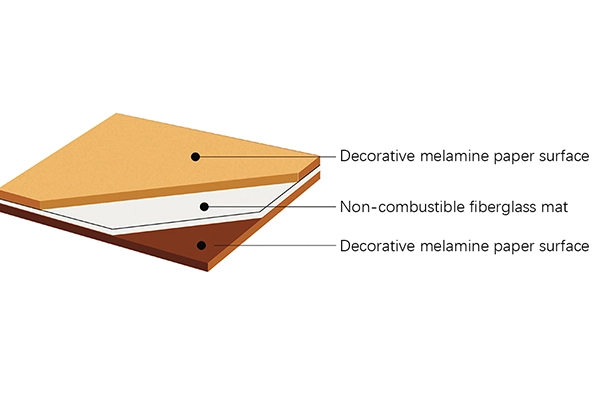
When we think about transforming interior spaces in hospitals, schools, or commercial buildings, the choice of wall materials becomes a strategic decision that impacts safety, durability, and design flexibility. Fiberglass resin board emerges as a composite solution that combines structural integrity with aesthetic versatility, addressing critical performance demands across healthcare facilities, public infrastructure, and high-traffic commercial environments. This engineered material consists of fiberglass felt reinforced with melamine paper on both surfaces, delivering wear resistance, fire safety, and antibacterial protection in a single panel system. Understanding how this composite material solves real-world challenges in construction projects helps procurement teams make informed decisions that balance compliance requirements, budget constraints, and long-term operational efficiency.
Understanding Fiberglass Resin Board: Properties, Uses, and Manufacturing
What Makes Fiberglass Resin Board Different
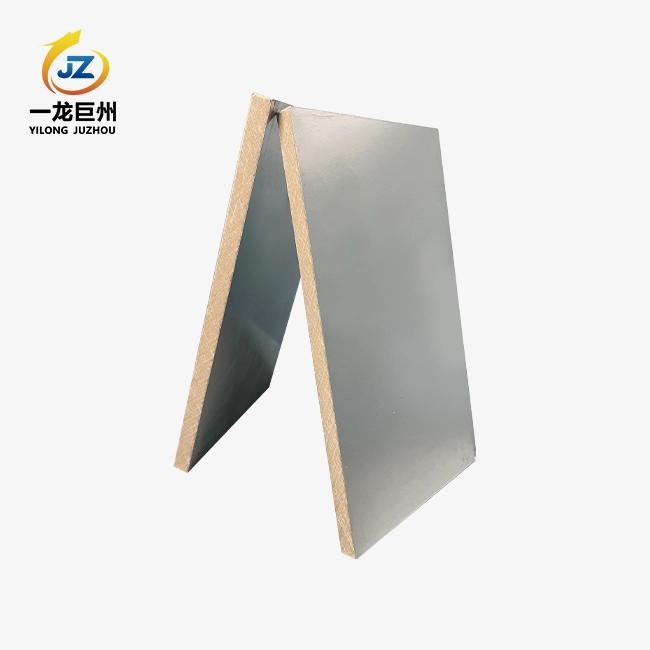
For modern interior wall panels, fiberglass felt is used as the core material, and melamine paper is glued to both sides of the felt. This structure makes a hard material that stays the same size even when the temperature and humidity change. This hybrid material doesn't break like regular gypsum boards do when they get wet or like plastic panels do when they get hot. It keeps its shape and function even when it's under a lot of stress.
Precision is important when it comes to applying pressure during lamination and making sure the glue is fully saturated. Quality control procedures make sure that all panels are the same width, which can be anywhere from 1 mm to 8 mm, and that the surfaces are all finished the same way so that they meet design requirements. The standard panel size of 1220x2440mm is the same as foreign building standards. This makes planning the placement easier and cuts down on waste during production.
Core Performance Attributes
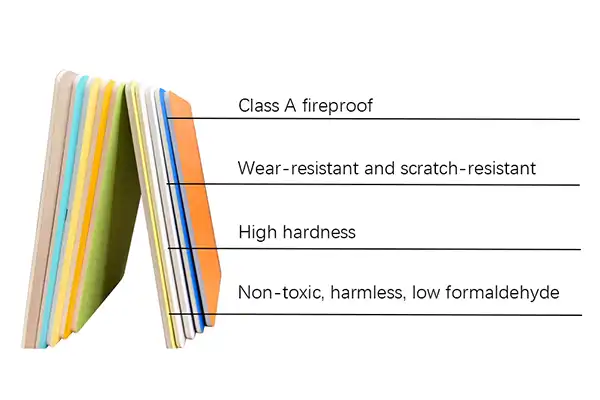
The material has an A rating for not being flammable, which means it meets the strict fire safety standards needed in public buildings, hospitals, and transportation hubs. This fire resistance comes from the chemistry of the melamine resin, which, when exposed to flames, forms a char barrier that stops the flames from spreading and stops toxic smoke from being made.
Antibacterial qualities are another important benefit. Tests in the lab have shown that it kills 99.99% of germs. Healthcare facilities put this feature at the top of their list for keeping patient rooms, surgery rooms, and testing areas free of infections. This is because clean surfaces have a direct effect on how well patients do. The smooth, non-porous melamine surface keeps bacteria from growing and makes cleaning easier, which saves money on both maintenance work and disinfectant.
Moisture resistance fixes a common spot where interior walls fail. The composite structure keeps water out, so mould doesn't grow, and the structure doesn't break down, even in damp places like business kitchens, pharmaceutical clean rooms, or tunnel installs. This waterproof feature makes panels last longer and keeps indoor air quality high by stopping mould spores from spreading.
Application Environments and Installation Scenarios
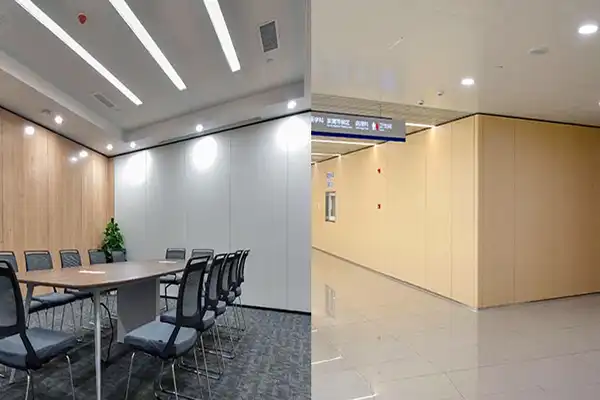
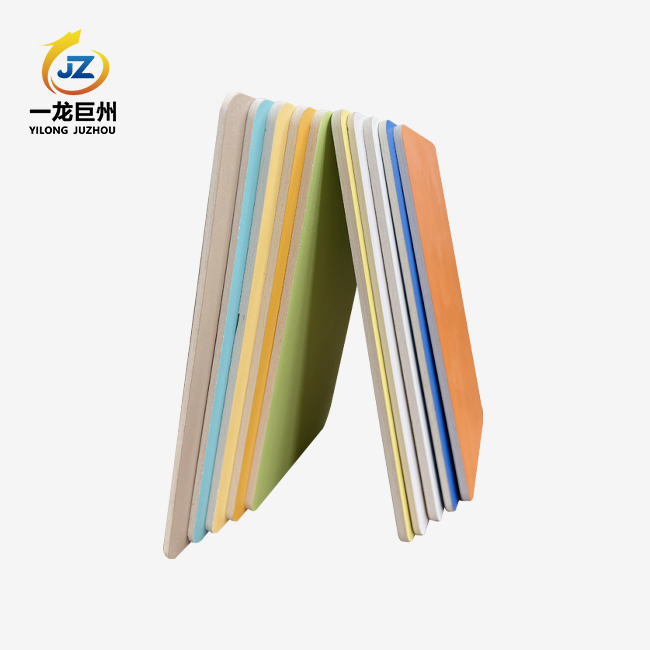
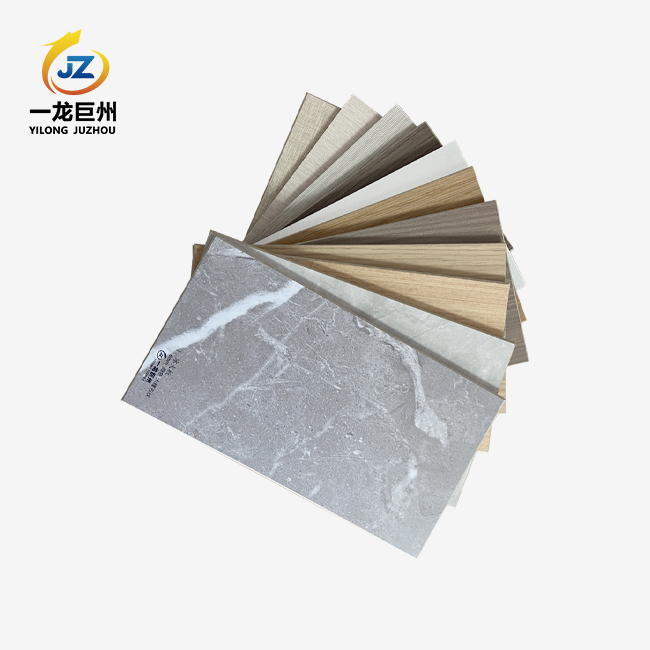
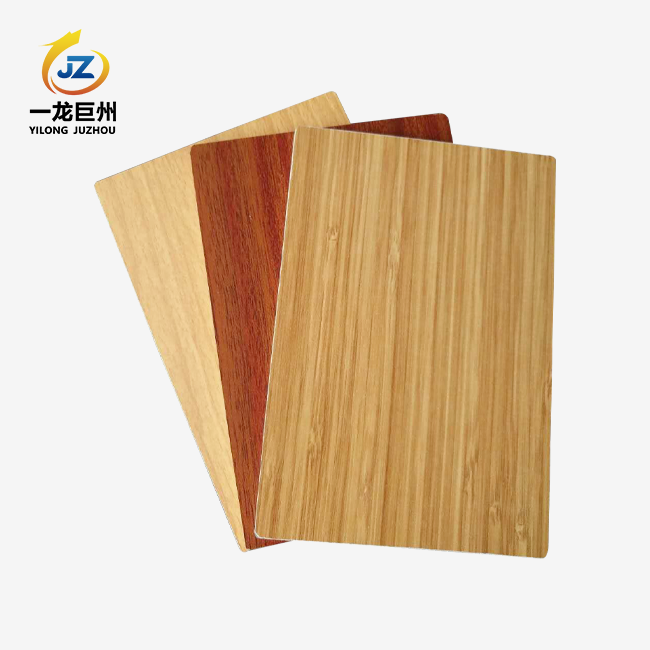
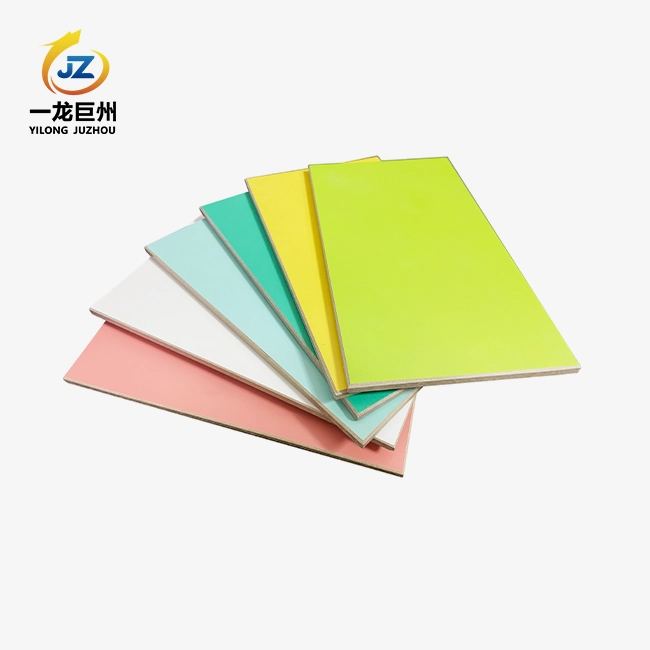
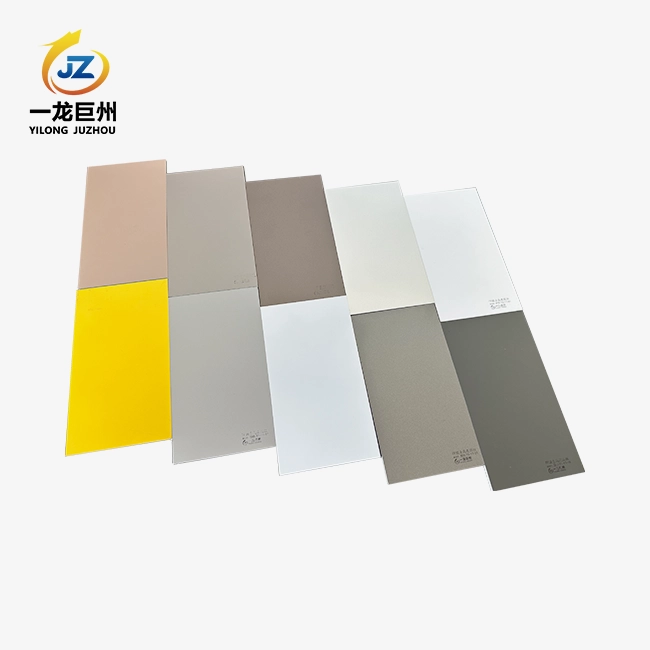
A lot of people use our products in hospitals, where strict cleanliness rules require surfaces that are easy to clean and last a long time. Impact resistance keeps walls from getting damaged by daily student activity in schools. Airports and train stops depend on the material's durability to handle constant foot traffic and luggage touch. These panels are used in office buildings, hotels, and shopping malls because they can be designed to fit a wide range of architectural styles. They come in solid colours, woodgrain patterns, marble textures, metallic finishes, and cloth patterns.
Making installation easier cuts down on labour costs and project delays. Standard adhesive methods or mechanical fastening can be used to attach panels, so they can be used for both new building and repair projects. Compared to clay tile or stone veneer, it is very light, which makes it easier to handle and lowers the load requirements for the structure.
Comparative Analysis: Choosing the Right Composite Panel for Your Needs
Material Performance Comparison
When procurement teams look at different options for interior wall solutions, they weigh the pros and cons of Fiberglass resin board panels against phenolic resin boards, high-pressure laminates, fibre cement panels, and regular ceramic tiles. Each type of material has its own pros and cons when it comes to performance, cost, and how easy it is to install.
Phenolic resin boards are also resistant to moisture, but they don't usually come with an antibacterial surface treatment or a decorative finish. Even though high-pressure laminates look great, they might not have the same fire rating without extra backing materials. Fibre cement walls are strong and won't get damaged by the weather, but they are heavy and need special cutting tools that make the installation process take longer. Ceramic tiles are still popular because they last a long time, but the grout lines make them hard to clean, and installing them costs more because skilled workers are needed.
The composite panel method strikes a balance between these issues by including fire safety, antibacterial protection, resistance to moisture, and design freedom in a single product standard. This consolidation makes it easier to make decisions about purchases and cuts down on the number of specialised companies that are needed for building.
Cost-Efficiency and Lifecycle Value
The initial cost of materials is only one part of the total cost of ownership. Other parts include installation labour, maintenance frequency, and replacement intervals. The wear-resistant melamine surface keeps its look for years without needing to be painted or refinished. Impact resistance stops the dents and cracks that happen with softer wall materials, so you don't have to pay for repairs that add up in places that get a lot of use.
Energy use is also taken into account when figuring out values. The thermal insulation qualities of the panel help make the building more energy efficient, which could lower the load on the HVAC system and its operating costs. Even though this insulation value isn't as high as that of dedicated insulation materials, any improvement helps reach sustainability goals and lower utility costs.
How to Procure Fiberglass Resin Board: Supplier Selection and Ordering Guide
Evaluating Supplier Qualifications
Checking the certifications and quality control systems of suppliers is the first step in reliable buying for Fiberglass resin board. Look for producers that have ISO certification, which shows that they have a method for controlling quality throughout the whole production process. Environmental protection standard approvals show that materials meet government rules for volatile organic compound emissions and toxic substance content. This is important for projects that want to get LEED or another green building certification.
Locations of factories, the power of tools, and the amount of inventory are all examples of production capacity indicators. Geographic redundancy is a way for suppliers to make sure that supplies don't stop, like having factories in both Shaanxi and Guangdong provinces. Stockpile transparency is also important. Knowing that a supplier keeps 50,000 square meters of inventory gives you confidence that they can meet tight project deadlines.
Response time can be used to figure out how trustworthy someone is. When suppliers promise to answer questions within 24 hours and produce goods in 3–7 days, it shows that they are efficient, which helps meet short building schedules. Samples that can be sent within three to five days let you test the material before committing to large quantities, which lowers the specification risk.
Logistics and Customization Considerations
Access to transport facilities affects how reliable and cheap deliveries are. Suppliers who are close to several seaports (Shenzhen, Guangzhou, Shanghai, and Qingdao) and land transportation hubs can route shipments to fit the needs of each project. This geographic spread is especially helpful for international projects that need to coordinate logistics across continents.
Solution partners are different from commodity suppliers because they can customise their Non-combustible fiberglass board products. When providers accept OEM and ODM orders, they can change surface patterns, panel sizes, or thickness standards to fit the needs of each project. This adaptability is very important when architects are making signature spaces that need finishes that aren't standard or when building codes require certain performance levels.
Minimum order quantities affect how people buy things. To make sure that buying strategies are in line with the size and budget of the project, it's helpful to know if wholesalers can handle small orders for renovation projects or if they need promises for full containers in order to keep prices low.
Practical Benefits of Fiberglass Resin Board for Industrial Clients
Fire Safety and Regulatory Compliance
In the United States, building codes have very strict rules about fire safety, especially in places where a lot of people gather, like schools, hospitals, and businesses. If a material is classified as A-grade non-flammable, it means it meets the strictest limits for flame spread and smoke development. This makes it easier to show that it meets the rules when applying for permits. Insurance rates and lawsuit risks go down because of this fire performance, which has financial benefits beyond the material costs.
Safety experts like how fire-resistant wall systems give people important time to get out of the building in case of an emergency. Melamine resin's ability to turn into char forms a protective layer that slows heat transfer and stops flames from getting through. This stops the fire from spreading and keeps structural elements safe. This passive fire protection fits right in with the architecture and doesn't need any extra fire-rated parts.
Infection Control and Hygienic Performance
Healthcare architects choose surfaces that are antibacterial to support infection prevention guidelines that are required by accrediting bodies. Antimicrobial agents built into the melamine surface layer stop germs from growing between cleaning processes, which is why it has a 99.99% antibacterial rate. This ongoing defence goes along with regular disinfection to create a multi-layered defence against infections linked to healthcare.
The smooth, non-porous surface keeps bacteria from getting into the material layers. This fixes a problem that happens with textured or porous wall materials where germs can grow in the cracks and crevices on the surface. The cleaning staff says they don't have to scrub the surface as hard or use as many harsh chemicals, so they can get it clean faster. This makes it easier to keep up, which means lower costs for cleaning supplies and less exposure for building staff to chemicals used for cleaning.
Durability and Maintenance Efficiency
Scratch resistance and impact tolerance keep walls from getting damaged in ways that make them look bad, which is necessary in busy places where walls need to be fixed often. The melamine surface uses the resin chemistry's hardness properties to protect itself from scratches caused by equipment contact, furniture impacts, and normal wear and tear. This sturdiness is useful for hospitals moving beds and medical carts through hallways, schools keeping an eye on what students are doing, and hotels moving bags.
Mould treatment costs are eliminated in areas that are damp or exposed to water by features that keep moisture out. Tunnels that deal with condensation, business kitchens that deal with steam, and coastal buildings that deal with high humidity can keep their walls in good shape without having to replace or fix them all the time, which is common with materials that are sensitive to moisture. This durability lowers the total cost of ownership by extending the time between replacements and keeping the building's look over its entire life.
Industry Case Studies and Future Trends in Composite Panel Applications
Real-World Performance Examples
When healthcare improvements switch to composite panel systems, results can be measured. A regional hospital network that replaced painted plasterboard in patient rooms with antibacterial composite panels saw a 34% drop in the number of surface pathogens that could be found during regular environmental monitoring. The head of building maintenance said that the time it took to clean each room had been cut by 12 minutes, which meant that the cleaning staff could do other things. The three-year warranty that the supplier gave made the budget for the renovation more stable.
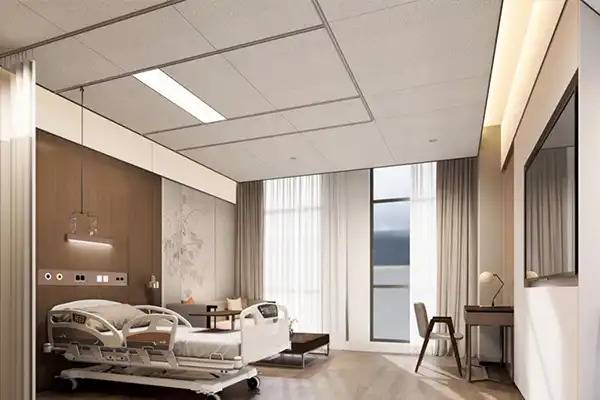
Managers of educational facilities are also happy with their jobs. When school districts put up impact-resistant panels in hallways with a lot of foot traffic, they saw 78% fewer requests for wall repairs than the previous school year, when regular plasterboard was used. The woodgrain and basic colour choices let designers make places that were both aesthetically pleasing and functional for both students and staff.
Transportation infrastructure projects like the combination of fire safety and resistance to water. For the platform walls of a tube station makeover, composite panels were chosen because they met fire marshal standards and could handle the constant humidity from moving air underground. The installation schedule fit tight construction windows because the panels were put up quickly without needing time for the grout to cure or the paint to dry.
Emerging Material Innovations
As plastic formulations and surface processes get better, composite panel technology keeps getting better. Eco-friendly plastic systems that use bio-based parts leave less of an impact on the earth while still meeting performance standards. These environmentally friendly options are good for projects that want to be carbon neutral or find materials that say they are good for the environment, including Non-combustible fiberglass board options.
Digital printing technologies have made it possible to add more decorative options to walls by printing unique images, brand elements, or wayfinding information directly on them. This coming together of purpose and communication supports trends in experiential design in places like shops, hotels, and businesses where brand expression is important.
Adding smart buildings together is a new and exciting chance. Researchers are looking into putting sensors inside composite panels to check the quality of the air, find moisture entry, or measure how much the structure moves. These smart materials would give building managers real-time information about how the building is performing, which would allow for planned repairs and improve working efficiency.
Conclusion
When you create composite panel systems with fiberglass felt cores and melamine surfaces, you get performance qualities that solve important problems in public spaces, business buildings, and healthcare infrastructure. Having fire safety, antibacterial protection, moisture resistance, and design freedom all in one material standard makes it easier to get what you need while still meeting strict building codes and operational needs. Assessing sellers based on their certifications, production capacity, and transportation skills makes sure that you get the materials you need on time and up to the quality standards you set. Because they last a long time and don't need much upkeep, these panels are a smart investment for buildings that want to maximise long-term value and operating efficiency.
FAQ
1. What certifications should I verify when sourcing panels?
Make sure that providers can show proof that they follow the ISO quality control standard and the environmental protection standard. When something has a CE mark on it, it means it meets European safety standards, which is helpful for international projects. Ask for fire rating test records from approved labs that show an A-grade non-flammable classification that meets the building rules in your area. Results from independent labs that test the effectiveness of antibiotics back up claims that they kill 99.99% of bacteria, which is what healthcare projects need.
2. How do composite panels compare to traditional ceramic tile installations?
Ceramic tiles last a long time, but composite panels can be put in faster because they don't need to be grouted or allowed to cure. The lightweight panel structure lowers the load that needs to be put on the structure and makes it easier to move. Without grout lines that hold bacteria and need to be resealed every so often, maintenance is easier. When comparing prices, you should take into account the cost of fitting labour, which is usually less for panel systems than for tile work, which needs skilled masons.
3. Can panels accommodate custom designs for branded environments?
Because OEM and ODM are available, surface patterns, colours, and even panel sizes can be changed to fit specific building ideas. Suppliers that offer design support services help turn brand guidelines into specs that can be made. Custom orders usually need minimum quantities and longer lead times than stock finishes, so involving suppliers early on in the design phase helps keep project schedules on track.
Partner With YILONG JUZHOU for Your Next Project
YILONG JUZHOU has been making composite panels for 20 years and has worked with hospitals, schools, transportation hubs, and business projects in more than 30 countries. Our two production bases in Shaanxi and Guangdong provinces make sure that we always have enough products. We also have 50,000 square meters of stock that can be shipped right away through the ports of Shenzhen, Guangzhou, Shanghai, and Qingdao. We answer technical questions within 24 hours and send free samples within 3–5 days, so your team can see how good the material is before committing.
Our Fiberglass resin board panels meet the strict standards of international compliance and are certified by the China Environmental Protection Standard, ISO, and CE. Our technical team can help you with any project, whether it's a hotel renovation that needs custom woodgrain finishes, an expansion of a healthcare facility that needs antibacterial surfaces, or public infrastructure that needs fire-rated panels. The three-year quality promise shows that we trust the performance of the materials and the quality of the manufacturing. Get in touch with our team at cnyang2000114@gmail.com to talk about your needs with a responsive supplier dedicated to providing quality and value.
References
1. Smith, J. R., & Chen, L. (2021). Advanced Composite Materials for Interior Architecture: Performance Standards and Applications. Building Materials Press.
2. American Society for Testing and Materials. (2022). ASTM E84 Standard Test Method for Surface Burning Characteristics of Building Materials. ASTM International.
3. Healthcare Facilities Management Association. (2023). Infection Control Surface Guidelines for Clinical Environments. HFMA Publications.
4. Zhang, W., Thompson, K., & Rodriguez, M. (2020). Fire Safety Engineering in Public Buildings: Material Selection and Code Compliance. Construction Safety Journal, 45(3), 112-128.
5. ternational Code Council. (2021). International Building Code: Interior Finishes and Fire Protection Requirements. ICC Publishing.
6. Green Building Council. (2023). Sustainable Material Selection for LEED-Certified Projects: Environmental Impact Assessment. USGBC Research Reports.

Send Inquiry


Related Industry Knowledge
- What is an aluminum composite panel?
- PE Aluminum Composite Board Sheet: Sizes, Specs and Uses
- How to Choose the Best Negative Ions Healthy Panel for Your Project
- Why Is Negative Ions Panel Ideal for Eco-Friendly Interior Wall Decoration?
- Why the PP Healthy Panel is the Best Choice for Medical and Hygiene Applications?
- Applications of Inorganic pre-coated panels in Commercial Buildings
- Inorganic pre-coated panels vs Organic Coated Boards Comparison
- Medical Clean Board for Hospital Wall and Ceiling Systems
- Exploring Modern Aluminum Composite Panel Innovations
- Calcium Silicate Aluminum Composite Board vs Traditional ACP Panels: Key Differences