
7 Facts About Aluminum Composite Panels
August 13, 2026
Aluminium composite panels have revolutionised commercial interior design and construction. Developers, architects, and facility managers use Coated aluminum composite panel solutions for durable, adaptable, and performance-driven wall cladding. Two aluminium sheets with a refractory core and protective surface films—PET, PVC, or PP—provide fire resistance, moisture management, and design freedom in these designed panels. Understanding these seven key facts can help you choose materials that endure and lead to project success while renovating a hospital, designing a busy airport terminal, or furnishing an industrial site.
Introduction
With their unique mix of strength, light weight, and design flexibility, aluminum composite panels have become an important part of modern building and manufacturing projects. Through specialized surface treatments that greatly improve performance in challenging settings, coated aluminum composite panels improve on these advantages. It is important for B2B procurement professionals, project engineers, and material distributors who work in commercial construction, healthcare infrastructure, and specialized industrial spaces to understand the technical benefits and application options of coated panels in order to make sourcing decisions that meet performance standards and budget constraints.
From their structural makeup to their practical applications in a wide range of industries, this thorough guide walks you through the most important aspects of coated aluminum composite panels. We look at how these panels solve common problems like meeting fire safety standards, keeping out moisture in places with a lot of humidity, and letting you change the way a named business space looks. By knowing these seven facts, people making decisions can be sure that the materials they choose will meet strict building codes, support long-term durability goals, and work well with phased construction schedules.
Fact 1 – What Is a Coated Aluminum Composite Panel?
Understanding the Core Structure
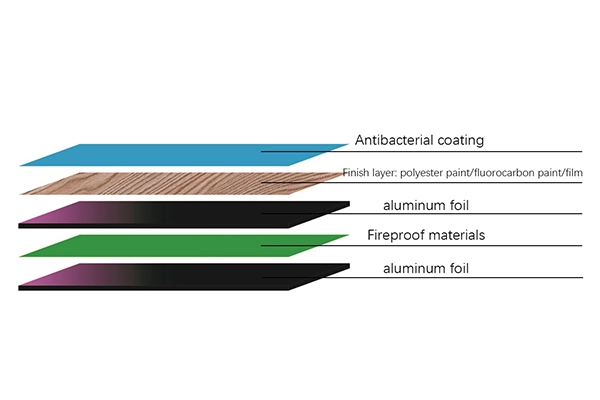
A coated aluminum composite panel is a man-made sandwich material made of two high-strength aluminum alloy sheets that are heated and attached to a refractory core in the middle. Instead of using solid metal sheets, which are heavy and expensive, these panels use continuous laminating technology to combine mineral cores that don't catch fire with aluminum skins that have already been treated. This building method solves important problems in the industry, like worries about structural load—it cuts weight by about 40% compared to solid aluminum—and gets rid of the waviness effect that is common in large-format sheet metals.
The way the surface is treated is what makes it unique. A special layer of coating—PET film, PVC film, or PP film—is put on each panel using exact coil-coating methods. It is much harder for these protective sheets to get scratched, damaged by chemicals, or broken down by the environment. The thickness of the metal skin can be changed from 0.1mm to 0.5mm, so it can be tailored to the needs of the project and the structure.
Manufacturing Excellence and Quality Standards
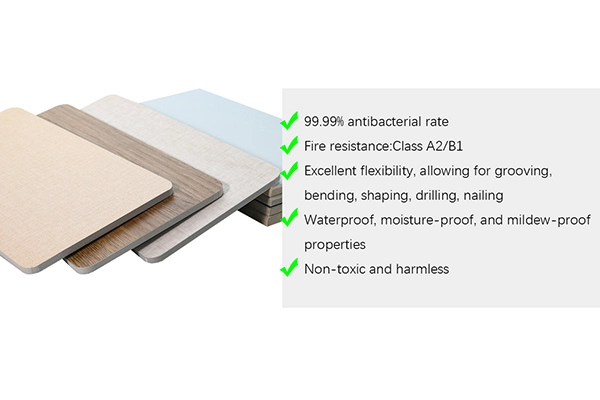
Strict quality controls are used during the manufacturing process to make sure that the coating sticks evenly and stays the same size. Panels are thermally bonded at controlled temperatures, which makes the peel strength higher than the norm in the industry. This process stops problems with delamination that weaken panels over time. The refractory core materials are certified as Class A2 and B1 fireproof, which means they meet international building rules for use in internal walls.
Knowing these details about the materials' makeup helps buying teams judge the skills of suppliers and choose materials that meet specific performance requirements. You can get panels with common lengths of 1220mm, 1500mm, and 2000mm and thicknesses of 2mm, 3mm, 4mm, 5mm, and 6mm. Customizing the length meets specific architectural needs, even for installations taller than 3 meters. This is especially useful for airport terminals, hotel lobbies, and stadium interiors.
Fact 2 – Key Uses and Benefits of Coated Aluminum Composite Panels
Versatile Applications Across Multiple Sectors
Coated aluminum composite panels like Film-coated aluminum composite panels are used for a wide range of tasks in business buildings and specialized industrial settings. In healthcare settings like hospitals and medical beauty centers, these panels provide surfaces that are antibacterial and easy to clean, which is an important part of infection control. Because they don't absorb water or mold, they're perfect for medicine and food processing plants that have to meet strict cleanliness standards.
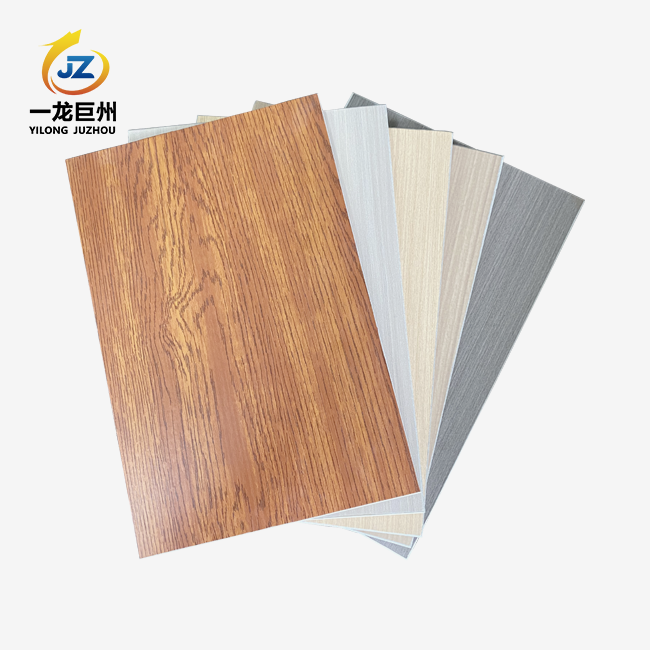
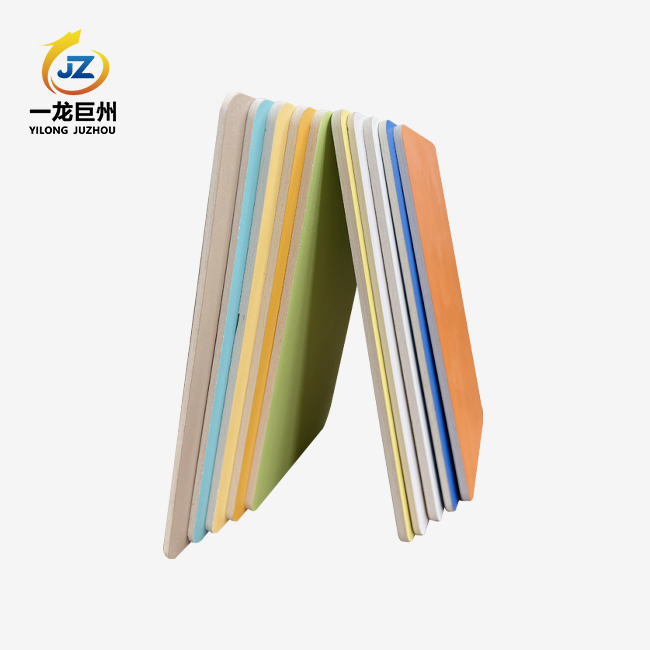
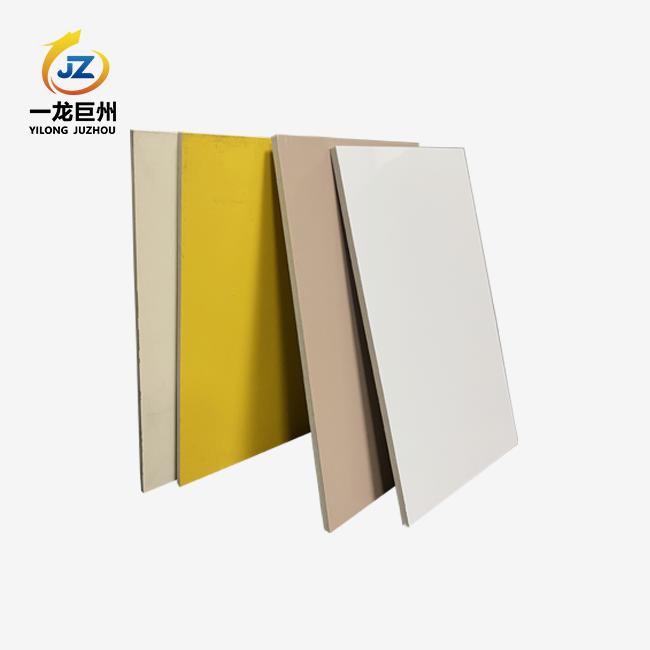
Many people walk by these panels every day, so they can be used in places like airports, train stations, and subways. Heavy use over many years doesn't hurt the material; it still looks good after all that time. These panels are used to decorate the inside walls of shopping malls, office buildings, conference centers, and hotels. They're nice to look at and simple to clean. Designers have a lot of freedom because there are so many colour options. These include basic colours, wooden designs, marble finishes, shiny effects, and cloth textures. This is very important in places like art galleries, parks, and stadiums.
Performance Advantages That Matter
The technical benefits go beyond how they look. Coatings that are fire-resistant meet strict safety standards and legal requirements in high-risk areas. The panels are very resistant to chemical damage and UV rays, so the color will stay the same and the structure will stay strong for a long time. The waterproof and moisture-proof features keep the building envelope from failing in common ways, and the mildew-proof features keep indoor air quality standards.
Thermal insulation helps reach goals for energy efficiency, supports green building efforts, and meets LEED certification standards. Because it is lightweight, it doesn't need as much support, which could lower the costs of the base and frame. Installation efficiency leads to faster project finish times, which is especially helpful for phased building schedules where delivery times affect the success of the whole project. These panels don't contain any dioxin, smell, or radiation, so they meet environmental protection standards that are becoming more and more important in public building projects.
Fact 3 – Types and Variations of Coated Aluminum Composite Panels
Surface Film Options and Performance Characteristics
The choice of surface coating has a big effect on how well the panel works and whether it is right for a certain application. PET film coatings are very clear and don't scratch easily, so they can be used in places inside that need to be cleaned often. Different types of PVC film offer better chemical protection and flexibility, making them ideal for curved setups and specific industrial settings. PP film choices offer affordable safety for common business uses that don't have to deal with harsh environments.
Changes in panel width affect both how strong the structure is and how well it insulates. 2mm and 3mm panels are thinner and work well for internal walls and artistic uses where there isn't much structural load. Mid-range 4mm panels are often used for commercial interior walls because they are strong and easy to work with. The 5mm and 6mm choices are heavier and offer the most rigidity for large-format installs and places that are likely to be subject to mechanical stress or vibration.
Customization Possibilities for Brand Identity
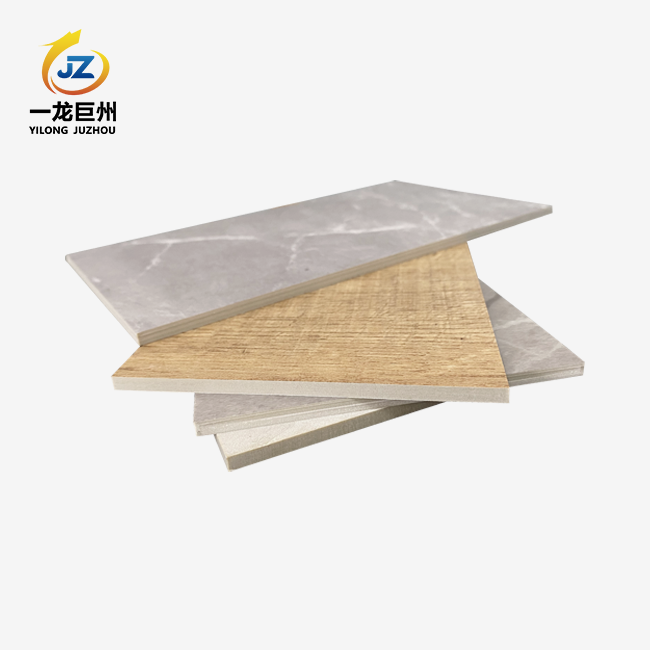
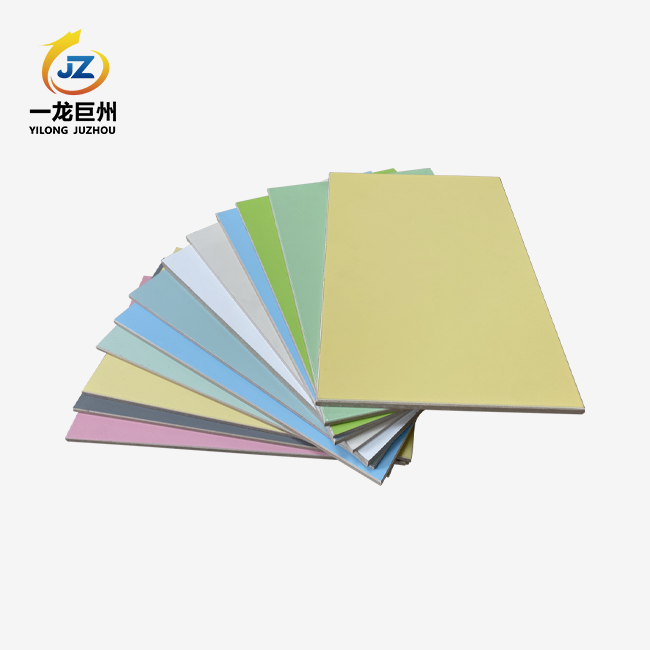
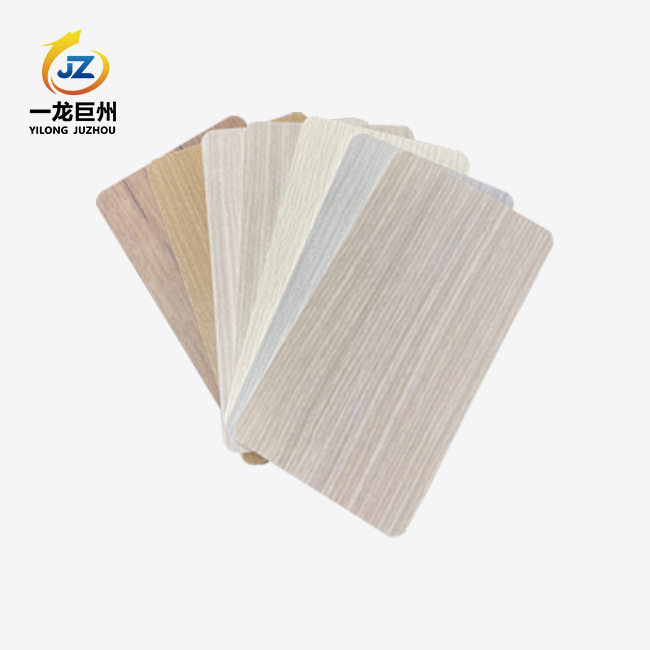
The wide range of colors and finishes makes it possible to make a lot of changes that fit the style of your building or your company's name. Solid color choices cover the whole spectrum, so they can be perfectly matched for branded spaces. Woodgrain designs add a natural warmth to business areas without the upkeep that comes with real wood. With marble and stone effects, you can get high-end looks for a lot less money and weight than with real stone walls.
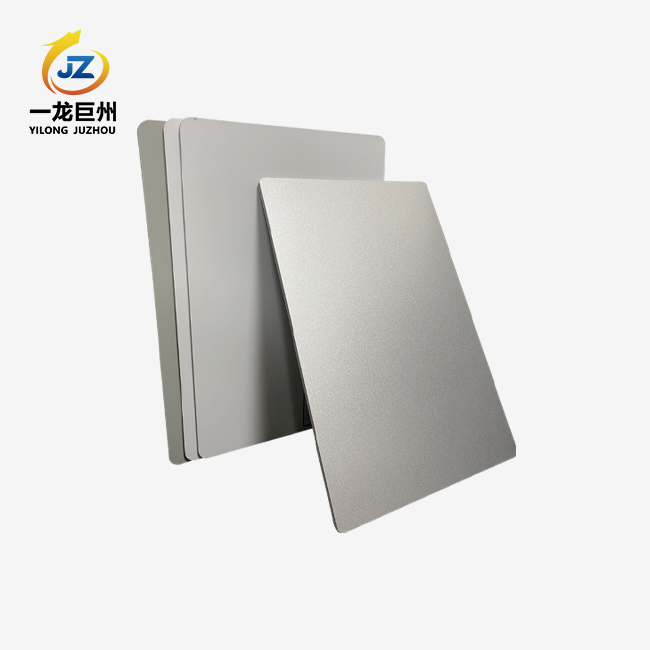
Metallic patterns give things a modern, high-tech look that works well in modern office buildings and creativity hubs. Cloth pattern finishes make meeting rooms and school buildings more interesting to touch and better at blocking out noise. This design freedom lets architects and interior designers choose materials that fit the idea of the project while still delivering the technical performance benefits that are important for the building to run for a long time. The panels are very flexible, so they can be bent into many different shapes. This lets architects express their creativity and add curved design elements.
Fact 4 – Procurement Insights: How to Select and Buy Coated Aluminum Composite Panels
Evaluating Quality Certifications and Compliance
Checking quality certifications and fire safety ratings for PVC film aluminum composite panels is the first step in doing good procurement. Panels that meet Class A2 safe standards have more than 90% minerals in them, which means they are non-flammable and can be used for important infrastructure and tall buildings. Class B1 flame-retardant ratings mean that the material can put out fires on its own, making it suitable for low-rise buildings and some indoor uses.
Certifications for environmental compliance, like the China Environmental Protection Standard, ISO, and CE mark, show that a product meets foreign quality standards. These certifications give you peace of mind that the materials don't contain formaldehyde and have low volatile organic compounds (VOCs), which are becoming more and more important in healthcare and educational building requirements. To make sure what suppliers say is true, procurement teams should ask for test results from a third party that show the peel strength, bending temperature, and chemical resistance.
Supplier Evaluation and Logistical Considerations
How much a provider can create, how they monitor quality, and how well they've done on previous projects might indicate reliability. Companies with many manufacturing bases simplify the supply chain and product movement. Having frequent inventory levels, such as 50,000 m², demonstrates the company's ability to handle large jobs without lengthy lead times.
Production usually takes 3–7 days for regular specifications, and samples may be modified in 3–5 days. Before ordering lots of material, quick prototyping enables project teams to see how it performs and looks. When setting costs, consider how many items you want to purchase, how much customisation you need, and how simple it is to transport from Shenzhen, Guangzhou, Shanghai, and Qingdao. OEM and ODM allow you to choose project sizes, colours, and performance. Minimum order quantity may apply.
Fact 5 – Maintenance, Environmental Impact, and Long-Term Value
Preservation Through Proper Care
Keeping coated aluminium composite panels looking beautiful and coated requires a few simple actions. Cleaning regularly with mild soaps and soft towels prevents dirt buildup without damaging protective coatings. The panels may be cleaned with normal construction products, but avoid acidic or harsh cleansers to preserve the coating.
To prevent damage during construction, provide safety barriers and train maintenance staff. Because it's sturdy and doesn't shatter or split, it needs less maintenance than glass, stone, or clay. Broken panels may generally be replaced individually without impacting other installations. This lowers repair costs and downtime.
Sustainability and Return on Investment
Environmental factors are becoming more and more important in choosing materials. Coated aluminum composite panels help reach sustainable goals because they are made with low-emission materials and contain aluminum that can be recycled. Because the panels are light, they use less energy to transport and produce fewer carbon emissions. Thermal insulation qualities that help save energy also lower the costs of running a building over its lifetime.
There are several reasons why the long-term return on investment is good. Lower assembly costs are achieved by panels being easy to move and work with because they are light and can be drilled, nailed, and bent without the need for special tools. Less upkeep is needed, which lowers ongoing running costs. Longer service life, backed by three-year quality warranties and the natural durability of the materials, spreads capital costs over decades of use. Case studies from hospitals, airports, and commercial developments show that successful installations keep looking good and working well years after they were first put in. This proves that choosing high-quality coated panels for important projects is a smart financial move.
Conclusion
To make a smart choice about Coated aluminum composite panels, you have to weigh their technical performance, their looks, and their long-term value. These seven important facts help people make smart choices about what to buy for business building, healthcare infrastructure, and specialized industrial uses. The panels' ability to fight fire, keep out moisture, allow for flexible design, and be environmentally friendly meets the many needs of today's building experts. Understanding these basic traits helps procurement teams find materials that meet strict building codes, support sustainability goals, and last for a long time, whether they are choosing materials for new construction or renovation projects. The specification process is made even easier by the fact that there are options for customization, quick samples, and expert help. This gives project teams the confidence to move smoothly from design to installation while staying on budget and on schedule.
Frequently Asked Questions About Coated Aluminum Composite Panels
1. What advantages do coated panels offer compared to uncoated versions?
Through specialized surface films that greatly increase service life, coated aluminum composite panels offer improved security. The PET, PVC, or PP film coatings are much better than bare aluminum at protecting against scratches, chemical damage, and environmental damage. This security keeps the panel's good looks for longer, which lowers the cost of repainting and keeps the color stable over its lifetime. Coated versions are also easier to clean, which is important in healthcare and food service settings, and they are less likely to let water into the core materials, which can damage them.
2. Are these panels suitable for extreme climate conditions?
When properly defined, coated aluminum composite panels function consistently in a variety of climates. With its waterproof and moisture-proof properties, it keeps water out of places that are humid or where it rains a lot. Temperature stability keeps the dimensions of something stable during the yearly processes of growth and shrinkage. The fire-resistant core materials work the same way in all temperatures, so they keep their safety performance in hot and cold places. When expansion joints are installed correctly, they will work for a long time, no matter what the weather is like.
3. What warranty coverage can buyers expect?
Good manufacturers usually offer three-year warranties that cover flaws in the material and how well the coating works. These guarantees cover problems with delamination, coating adhesion, and structural integrity as long as the panels are installed according to the manufacturer's instructions. For premium coatings or specific uses, you may be able to get choices with longer warranties. As part of evaluating suppliers, procurement teams should write down the guarantee terms in detail, including what the warranty doesn't cover and how to file a claim. This will make sure that project investments are properly protected.
Partner with YILONG JUZHOU for Superior Coated Aluminum Composite Panel Solutions
Shaanxi Yilong Juzhou Material Technology Co., Ltd. is an expert at making high-performance coated aluminum composite panels for industrial and business uses that are very strict. With two factories in Shaanxi and Guangdong provinces, we can reliably meet your needs. We keep a normal inventory of 50,000m² and can start making things in 3 to 7 days. Our wide range of export options through major ports like Shenzhen, Guangzhou, Shanghai, and Qingdao lets us work with healthcare facilities, transportation infrastructure, educational institutions, and commercial developments in more than 30 countries.
As an experienced manufacturer of Coated aluminum composite panels, we offer full customization services, such as OEM and ODM options, free samples within 3–5 days, and design advice to meet the needs of your unique project. Our panels have been certified by China Environmental Protection Standards, ISO, and CE, which means they meet all international building codes. Our three-year quality promise covers technical help during the planning, installation, and after-installation stages. Email our team at cnyang2000114@gmail.com to talk about your project needs and get expert advice on choosing the best panel specs for your use. We answer all of your questions within 24 hours, giving your purchasing decisions the responsiveness and technical depth they deserve.
References
1. Johnson, M. R., & Stevens, P. L. (2021). Aluminum Composite Materials in Modern Architecture: Performance Standards and Application Guidelines. Construction Materials Publishing House.
2. Zhang, W., & Liu, H. (2020). Fire Safety Performance of Composite Building Materials: Testing Methods and Regulatory Compliance. Journal of Building Safety Engineering, 15(3), 234-251.
3. Anderson, K. T. (2022). Sustainable Façade Systems: Material Selection for Energy-Efficient Commercial Buildings. Green Building Press.
4. European Committee for Standardization. (2019). Aluminum Composite Panels for Building Applications: Technical Specifications and Classification Standards. CEN Technical Report.
5. Roberts, D. A., & Chen, Y. (2021). Lifecycle Cost Analysis of Interior Wall Systems in High-Traffic Commercial Environments. International Journal of Construction Management, 28(4), 412-429.
6. World Health Organization. (2020). Infection Control Materials for Healthcare Facilities: Surface Selection and Maintenance Guidelines. WHO Technical Publication Series.

Send Inquiry
Related Industry Knowledge
- What is an aluminum composite panel?
- Negative ion boards: natural enemies of bacteria and viruses
- Best Way to Paint Aluminum Composite Panel for Long-Lasting Results
- Why Should Architects Consider Aluminum Composite Panels for Facades?
- Why Choose Inorganic pre-coated panels for Wall Cladding Systems?
- Using Calcium Silicate Aluminum Composite Boards in Industrial Insulation Projects
- How to Choose the Right Calcium Silicate Aluminum Composite Board for Your Project
- Unlock the Power of Aluminium Composite Panel
- How do I choose the right aluminum composite panels for my building?
- Things to Know About Aluminium Composite Panels