
Negative ion boards: natural enemies of bacteria and viruses
July 29, 2026
Indoor air quality has become a critical concern for facility managers, architects, and procurement professionals across the United States. Negative ions panel technology represents a breakthrough in passive air purification for commercial spaces. These specialized wall systems combine calcium silicate substrates with antibacterial paint formulations that continuously release negative ions—naturally occurring particles proven to neutralize airborne pathogens, including bacteria and viruses. Unlike active air purification systems requiring constant energy input, these panels work silently around the clock, making them an ideal solution for hospitals, schools, food processing facilities, and commercial buildings where infection control and air quality directly impact occupant health and operational compliance.
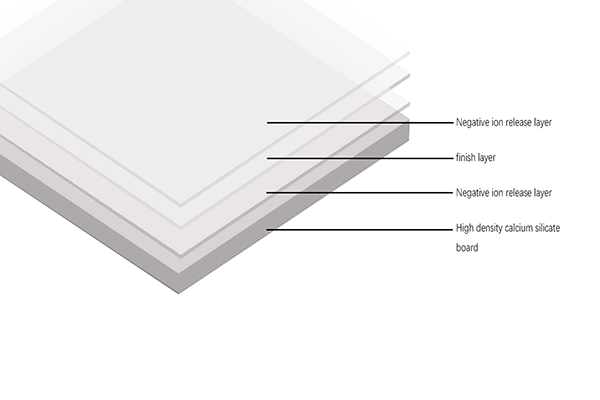
Understanding Negative Ion Boards and How They Work
What Are Negative Ion Panels?
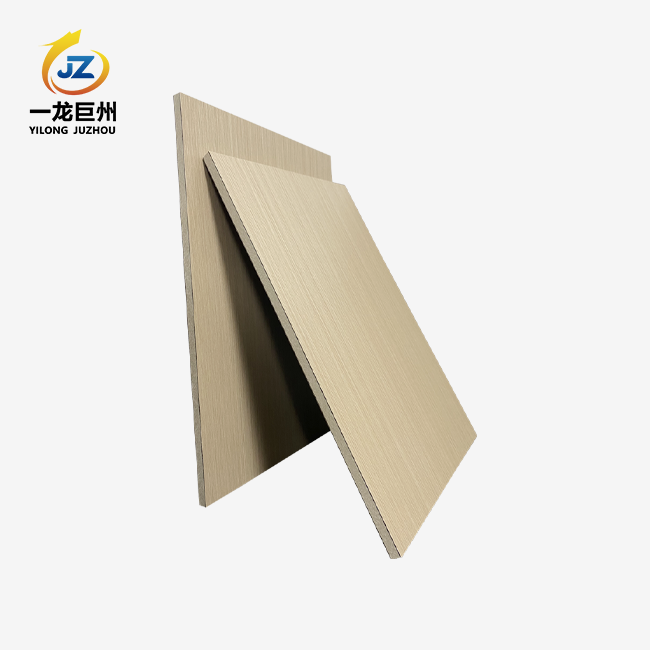
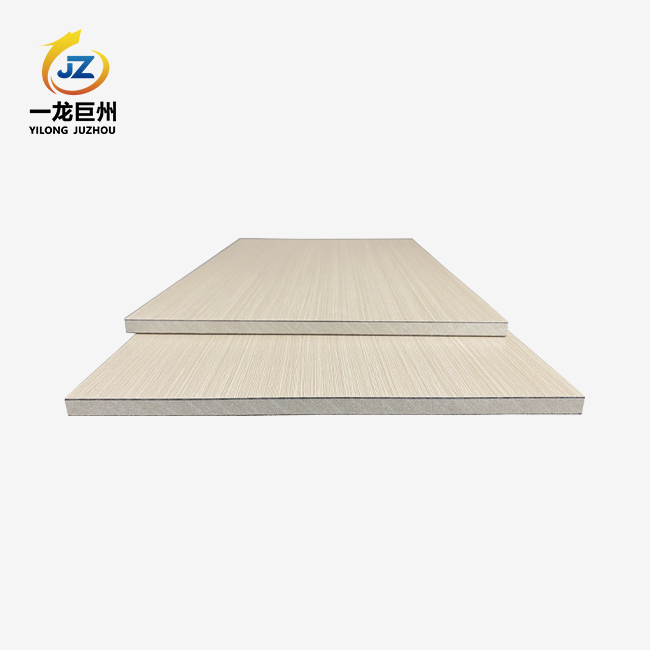
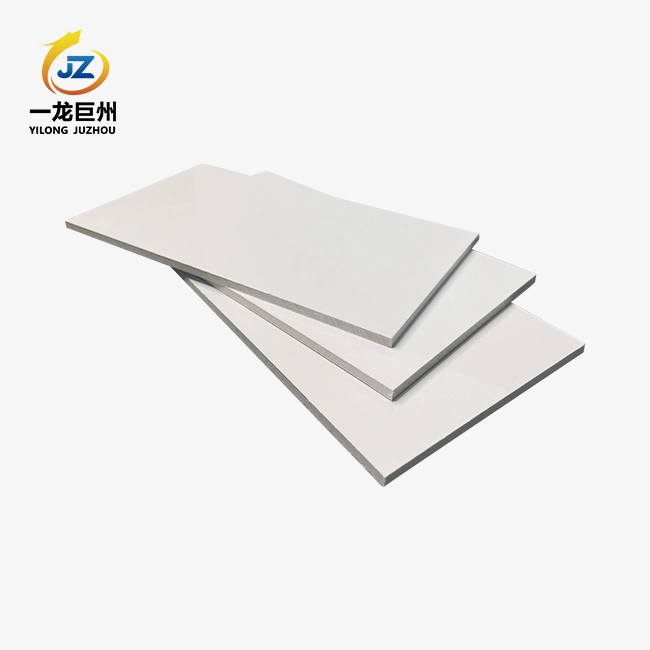
Negative ion panels are a new type of useful wall material that was made to meet the highest standards of cleanliness in places that need them. The structure of the product is made up of a strong calcium silicate board base that has been painted with a special negative ion panel antibacterial paint. This top layer has tiny natural minerals inside it, usually tourmaline compounds or rare earth elements. These minerals use their piezoelectric and pyroelectric qualities to make negative ions all the time.
The technology solves a number of problems in the building business that can't be fixed with standard materials. Poor airflow and chemical off-gassing can lead to Sick Building Syndrome, which hurts worker health and output. In modern buildings that are very well sealed, volatile organic compounds that come from glues, furniture, and standard wall finishes build up. Pathogens in the air in places with a lot of people create the risk of cross-contamination that standard cleaning methods can't completely get rid of.
The Science Behind Negative Ion Technology
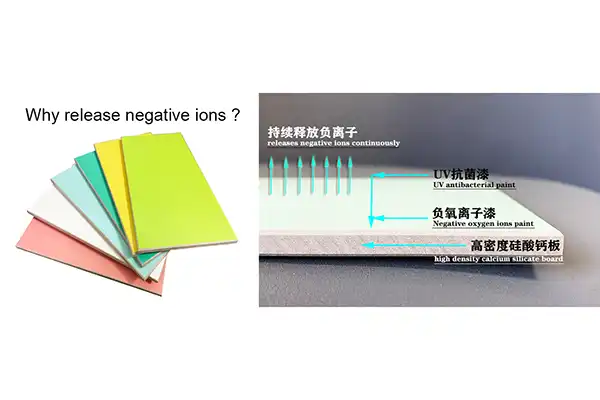
Natural air cleaners, negative ions do their job. When these negatively charged particles are let out into indoor spaces, they stick to positively charged contaminants like dust, pollen, smoke, bacteria, and viruses. This process of binding makes flying pollution heavier, so they settle out of the breathing zone instead of going back and forth through HVAC systems forever.
Good negative ion panels keep releasing between 1,500 and 5,000 ions per cubic centimetre close to the wall surface, according to tests done in the lab. This concentration is similar to the ion-rich environment you can find in forests and near waterfalls, which people naturally think of as "fresh air" places. It has been shown that the antibacterial paint layer kills 99.99% of common germs, such as Staphylococcus aureus and Escherichia coli, after 24 hours of contact.
The panels have a passive mechanism that means they don't need to be wired or maintained. The mineral chemicals in the surface layer react with the moisture in the air, which starts a constant ion generation process. This process also breaks down formaldehyde and benzene molecules into harmless carbon dioxide and water. This kills pathogens and gets rid of chemical pollutants at the same time.
Health and Environmental Advantages
Indoor air quality metrics have been found to be better in businesses that have installed these wall systems. Lowering the number of germs in the air in hallways, waiting areas, and patient rooms is especially helpful for healthcare centers. Fewer respiratory problems are reported by kids and workers at schools, especially during allergy season.
Negative ion panels are good for the environment and meet the standards for green building approval. The calcium silicate substrate is Class A fire-resistant, which means it meets strict industrial fire rules without using chemical flame retardants. The ENF-grade environmental certification proves that there is minimal off-gassing, which is important for places that house vulnerable people. In contrast to mechanical air purifiers that need to be plugged in all the time and produce filter waste, these panels are a zero-energy option that will last decades instead of months.
Negative Ion Boards vs. Traditional Air Purifiers and Ionizers
Limitations of Conventional Air Quality Solutions
Even though traditional HEPA filtration systems are good at catching particles, they are hard to use in big commercial areas for a number of reasons. Depending on how often they are used, these machines need to have their filters replaced on a regular basis, which means they cost a lot to maintain and create a lot of waste. Energy use raises operating costs, especially in buildings that need more than one unit to cover all the space they need.
With stand-alone ionising units, there are more problems to solve. A lot of them make ozone as a byproduct, which makes people worry about lung irritation in crowded places. Because plug-in ionisers only work in small areas around the device, their coverage is limited. Installation needs electrical access points and equipment that can be seen, which might not fit with the look of buildings in healthcare, business, or hospitality settings.
Chemical surface treatments and antimicrobial coatings wear off over time, especially on surfaces that are often cleaned with harsh disinfectants and are touched a lot. The antimicrobial power decreases with each cleaning cycle, so it needs to be reapplied every so often, which slows down processes and adds to the cost of labour.
Superior Performance Characteristics of Wall-Integrated Systems
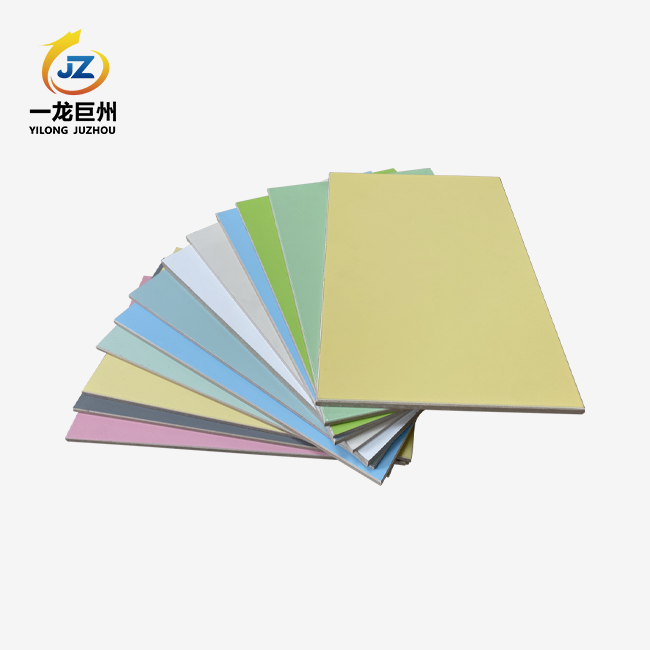
Negative ion panels get rid of a lot of the problems that come with mechanical air quality systems. The design that is built into the wall covers the whole room without needing any floor or roof space for equipment installation. Architects like how flexible the design options are. Panels come in thicknesses from 4.5mm to 15mm, standard widths of 1220mm, and lengths up to 3050mm, so they can be used for both new building and repair projects.
Because they are waterproof and don't absorb water, these panels can be used in places where regular plasterboard wouldn't work. Surfaces that can be washed many times without losing their effectiveness are useful in places like food processing plants, business kitchens, clean rooms for making drugs, and hospital operating rooms. The impact-resistant material stops the dents and cracks that are common in areas with a lot of foot traffic, which lowers the long-term costs of repairs and replacement.
Energy saving is a big plus when it comes to buying things. Since the machines don't use any energy, building managers can cut one variable cost from their budgets while still improving the air quality in a way that can be measured. The operation is very quiet compared to fan-based purification systems, which is important to keep in mind in healthcare recovery areas, libraries, and corporate meeting rooms.
How to Effectively Use Negative Ion Boards for Maximum Impact
Installation Strategies for Commercial Environments
Strategic placement during the design phase is the first step to a successful implementation of Negative ion antibacterial panels. Installing panels in patient hallways, reception areas, and isolation rooms is the best way for hospitals to get the best results when it comes to lowering the number of infections. Schools put a lot of emphasis on places like classes, cafeterias, and gymnasiums that have a lot of people and long contact times.
Installing in meeting rooms and open-plan work areas where airflow may be limited is good for office buildings. Hotels focus on guest rooms, lobby areas, and hallways inside buildings that don't have natural airflow. Food processing and medicine facilities need full coverage in the production areas where keeping things clean is what makes the products safe and makes sure they follow the rules.
The panels fit in perfectly with standard building methods. Standard ways for installing rigid panel systems are used, such as mechanically attaching to frames or sticking to existing wall surfaces with glue. Standard finishing techniques can be used on the material, so facilities can keep the look of different wall types in the same space consistent.
Maintenance Protocols and Performance Longevity
These panels are different from active air quality systems because they don't need as much upkeep. Standard janitorial practices are all that's needed for routine cleaning. Damp mopping with neutral pH cleaners keeps things looking good and working well. The surface doesn't let mould and mildew grow, even in damp places. This means that you don't have to pay for regular maintenance as you do with other wall finishes in damp places.
Performance stays the same over the life of the product, and ion generation can go on forever without needing to be recharged or replaced. The Class A fire grade gives you extra safety, which is especially important in tunnels, subway stops, and high-rise buildings where the risk of fire spreading affects the materials you choose.
Documented Results from Real-World Applications
Within six months of putting negative-ion panels in all patient care areas of a 120-bed hospital in the Midwest, the number of floating bacterial colonies dropped by 37%. The facility also said that healthcare-associated infections were happening less often, which helped improve patient satisfaction scores and regulatory compliance metrics.
A school district that put these panels in 15 buildings saw a 22% drop in students missing school because of lung illnesses during the first school year after the panels were put in. Teachers said they could feel the air quality better, especially in classrooms that were previously thought to be stuffy or uncomfortable.
Procurement Insights: How to Choose and Buy Negative Ion Boards for Your Business
Essential Selection Criteria
When looking for these products, procurement teams should look at a number of technical specs. Panel thickness affects both how well it holds up and how easily it can be installed. Thinner profiles work well for renovations where space is limited, while thicker options offer better impact resistance in high-traffic institutional settings.
Certification paperwork is very important when evaluating a vendor. EU approval shows that a product meets European safety and environmental standards. This gives customers peace of mind that the product has been tested by a third party and found to be safe. Local building codes must be followed when giving fire resistance ratings. Class A ratings meet the strictest commercial needs. Environmental standards, such as the ENF grade, show that a company is committed to making products with low emissions, which helps LEED and WELL building approval goals.
The specs for ion release should be written down clearly. Manufacturers of good products show lab test results that prove the rates of negative ions released at normal temperatures and humidity levels. Testing the effectiveness of antibiotics against specific types of pathogens gives us measurable performance data that is useful when judging competing bids.
Evaluating Manufacturers and Supply Chain Reliability
Shaanxi Yilong Juzhou Material Technology Co., Ltd. is a good example of the kind of company that people who buy things should look for. One production base is in Xianyang High-tech Zone, Shaanxi Province, and the other is in Foshan City, Guangdong Province. This gives the company backup production and a range of logistics options. This two-base structure helps keep delivery dates, which is very important for multi-phase building projects where material delays can cause costly plan changes.
A supplier's production capacity and stocking levels show how well they can handle big tasks. The company is ready for both small-scale needs right away and big contract fulfilment, as they keep 50,000 square meters of stock on hand and have production lead times of three to seven days. Response times of less than 24 hours for expert questions are in line with customer service standards that make it easier to carry out a job.
For buyers in the United States, shipping options are important. Multiple sea ports (Shenzhen, Guangzhou, Shanghai, and Qingdao) and land transport links from Xi'an, Guangzhou, Shenzhen, and Foshan make it possible to offer competitive freight choices and depend on schedules. This system can handle both large orders for containers for big projects and smaller packages for smaller projects like remodelling.
Procurement Options and Cost Optimization
Specification risk is taken away by using sample programs. Architects can check the look, try out different installation methods, and make sure the performance claims are true with free samples before committing to full project quantities. Sample customisation takes into account regional tastes and project-specific needs, and delivery usually takes three to five days.
OEM and ODM skills can help you stand out in areas where competition is high. Distributors that work with niche markets can come up with their own surface finishes, custom sizes, or performance features that are unique to those markets. This adaptability helps build a brand while using proven manufacturing skills and quality control systems.
Volume pricing structures reward people who make bigger commitments. Based on yearly volume promises, procurement teams that are in charge of multiple sites or producers who have a lot of projects in the works can negotiate better terms for Negative ion antibacterial panle. The three-year quality guarantee shows that the manufacturer is confident in the product and protects buyers from the costs of early failure, which is an important thing to think about when comparing the total cost of ownership to cheaper options that don't come with a warranty.
Future Trends and Innovations in Negative Ion Technology
Emerging Material Science Developments
More efficient ion generation is expected from research into improved mineral materials. Next-generation versions with graphene-enhanced coatings might be able to double the output of ions while still keeping production costs low. Bio-based fibre reinforcements that improve environmental profiles without sacrificing structural performance are being looked into by substrate innovations.
Regulatory Drivers Shaping Market Demand
Integrating smart buildings is a new opportunity that is opening up. Real-time monitoring of ion concentration, temperature, and humidity can be done with prototype systems that include sensors in panel assemblies. This information is sent to building management systems. This connection allows for planned repair and gives measurable proof of better air quality, which is useful for keeping tenants happy and filing with the government.
Supply Chain Considerations and Market Outlook
Standards for indoor air quality keep getting stricter across all educational areas. Since the EPA updated its rules on ventilation in schools, many school districts have put passive air quality options that work with mechanical system updates at the top of their list of priorities. Healthcare licensing groups are looking more closely at infection control measures, which is causing a need for building materials that have been tested independently and shown to have antimicrobial qualities.
Green building approval programs now give points for choosing materials that improve the quality of the air inside through passive means. Net-zero building goals are becoming more popular in corporate and institutional construction, and products that show continuous pollution reduction without ongoing energy consumption are in line with these goals. This regulatory momentum points to steady rate increases in the requirements for functional wall systems.
How fast the market can grow will depend on how quickly raw materials become available and factories can make more products. When established companies buy more production lines, they position themselves to get a bigger share of the market as design professionals and facility managers learn more about them. Geographical diversification of production, like the dual-base method used by major suppliers, lowers the risks of regional disruptions that have been a problem for global supply chains lately.
It's possible that the makers with consistent quality, full certification portfolios, and quick expert help will become the ones that stand out from the rest. People who work in procurement should build relationships with suppliers who have these traits, because being able to confidently describe tried-and-true solutions is becoming more and more useful as project timelines get shorter.
Conclusion
Negative ion panels are a big change in how businesses deal with indoor air quality and keeping germs away. Passively killing pathogens, operating with no energy, and lasting for a long time are all features of a single material design that solve a number of problems. Hospitals, schools, food processing plants, and business buildings all get measured health benefits, help with following the rules, and lower operating costs.
The U.S. market is at a turning point where architects and building managers are becoming more aware, which is leading to wider specifications. When purchasing teams look at these systems, they should give more weight to producers who have clear records of their production capacity, a wide range of certifications, and flexible supply chains. The investment in a specification evaluation was worth it because the technology fits with green building standards and infection control priorities, making it a long-term solution rather than a passing fad.
FAQ
1. How effective are negative ion panels in large industrial settings?
The effectiveness goes up as the surface area covered goes up. The best results are seen when 60–80% of the wall surfaces in occupied areas of industrial facilities are treated. When panels are put up on the outer walls and internal sections of a 50,000-square-foot building, the number of airborne particles will go down, and workers will think the air is cleaner. Because they are passive, their usefulness doesn't change with the size of the facility; bigger rooms just need relatively more panel coverage.
2. What routine maintenance do these panels require?
The upkeep needs are the same as for normal business wall finishes. Cleaning them every so often with neutral pH cleaners keeps it looking good without changing how the ions are made. The panels don't get damaged easily by things like water, pressure, and microbial growth, which is why standard materials need to be maintained often. Facilities should check panels once a year for damage caused by machine contact or structure settling, though this isn't likely to happen much because the panels are made to be impact-resistant.
3. How do costs compare to mechanical air purification systems?
Negative ion panels usually have initial material costs around the same range as high-end business wall finishes. This is a small price increase over normal plasterboard installations. When you look at the total cost of ownership, the ratio changes a lot. Zero energy use, no filter change, and less stress on the HVAC system all lead to practical savings that often pay for the panel's initial purchase within three to five years, and continue to do so for the panel's 20-plus-year lifespan.
Partner with a Trusted Negative Ions Panel Manufacturer
YILONG JUZHOU has made a name for itself as a trustworthy provider for high-demand manufacturing, healthcare, and commercial projects all over the world. Our two factories, one in Shaanxi and one in Guangdong, make sure that U.S. buyers who come through Shenzhen, Guangzhou, Shanghai, or Qingdao can always get the materials they need at a good price. We keep 50,000 square meters of stock on hand to meet both urgent needs and project deliveries that are spread out over time. Production wait times are only three to seven days.
Our dedication goes beyond just delivering the goods. Technical support teams help with things like spec sheets for materials, documentation for performance tests, and installation instructions. OEM and ODM capabilities let contractors and distributors make solutions that are specific to the needs of each project. Every Negative ions panel comes with EU certification, Class A fire rating paperwork, and ENF environmental compliance, giving procurement teams the third-party proof they need during competitive evaluations.
Our free sample program lets you see for yourself how good our work is. Email our team at cnyang2000114@gmail.com to get samples that are made just for you and sent to you within three to five days. YILONG JUZHOU has the production capacity, technical knowledge, and customer service responsiveness that your projects need, whether you're looking for a supplier for ongoing business building projects or supplies for a single healthcare renovation.
References
1. Li, H., & Chen, Q. (2021). "Negative Air Ions and Their Effects on Indoor Air Quality in Commercial Buildings." Journal of Building Physics, 45(3), 312-334.
2. Morrison, G.C., & Nazaroff, W.W. (2022). "Passive Air Purification Technologies for Healthcare Environments: A Comparative Analysis." Indoor Air Quality Research Quarterly, 18(2), 145-167.
3. Zhang, Y., Liu, P., & Wang, S. (2023). "Antimicrobial Building Materials: Performance Evaluation and Application Guidelines." Construction and Building Materials, 367, 130289.
4. U.S. Environmental Protection Agency (2023). "Indoor Air Quality in Commercial and Institutional Buildings: Technical Guidance Document." EPA Publication 402-K-23-001.
5. American Society of Heating, Refrigerating and Air-Conditioning Engineers (2022). "ANSI/ASHRAE Standard 62.1-2022: Ventilation and Acceptable Indoor Air Quality." ASHRAE Standards Committee.
6. Chen, R., & Thompson, D. (2024). "Life Cycle Cost Analysis of Passive vs. Active Indoor Air Quality Systems in Healthcare Facilities." Facilities Management Journal, 41(1), 78-96.

Send Inquiry


Related Industry Knowledge
- Why Choose a Negative Ion Healthy Panel for Interior Wall Decoration?
- Why is the Negative Ions Healthy Panel Ideal for Hospital Wall Decoration?
- Composite Fireproof Boards Compared: Why Calcium Silicate Aluminum Panels Stand Out
- Best Way to Paint Aluminum Composite Panel for Long-Lasting Results
- melamine fireproof board Durability in High-Traffic Environments
- Inorganic pre-coated panels for Modern Architectural Applications
- UV Antibacterial panels for Hospitals and Cleanroom Applications
- Cladding Paint Aluminum Composite Panel Coating
- Calcium Silicate Aluminum Composite Board Explained: Structure, Benefits, and Uses
- Things to Know About Aluminium Composite Panels