
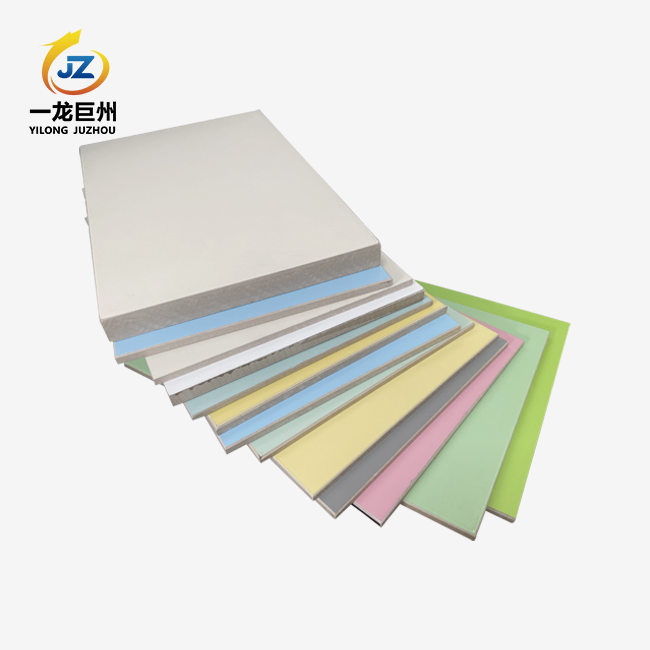
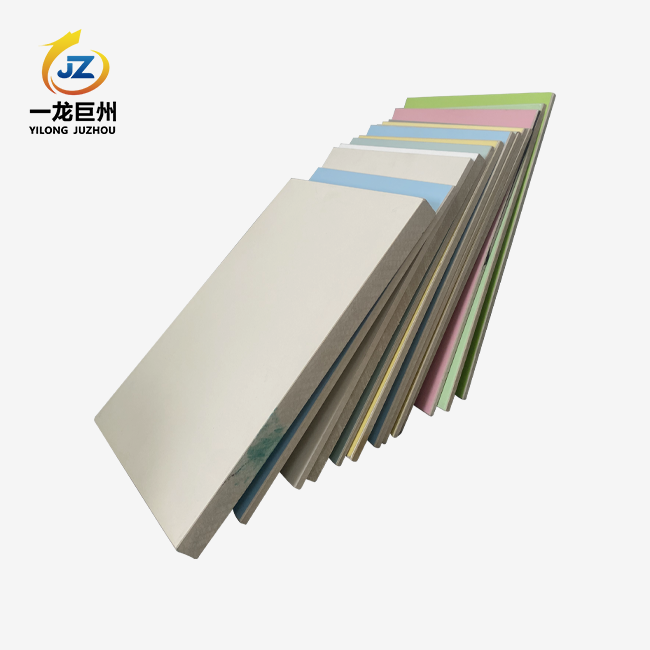
Antibacterial Vinyl Wall Sheet with various styles
August 7, 2026
Antibacterial wall panels represent a breakthrough in interior surface protection, merging hygienic functionality with architectural versatility. As healthcare-associated infections and contamination risks continue challenging facility managers across the United States, specification of high-performance wall systems has shifted from optional to essential. These advanced panels incorporate antimicrobial technologies directly into their composition, delivering continuous protection that traditional painted surfaces simply cannot match. For procurement managers overseeing hospital renovations, food processing plant upgrades, or pharmaceutical manufacturing expansions, understanding antibacterial vinyl wall sheet options has become mission-critical. This guide addresses the practical concerns faced by architects, project engineers, and purchasing teams navigating the complex landscape of hygienic building materials. We examine how these panels function at the molecular level, where they deliver maximum value, and what specifications matter most when evaluating suppliers. Whether you're tendering for a multi-phase healthcare campus or sourcing materials for a specialized cleanroom, the insights ahead will streamline your decision-making process while ensuring compliance with stringent sanitation standards.
Send Inquiry
What Are Antibacterial Vinyl Wall Sheets and How Do They Work?
Core Composition and Engineering
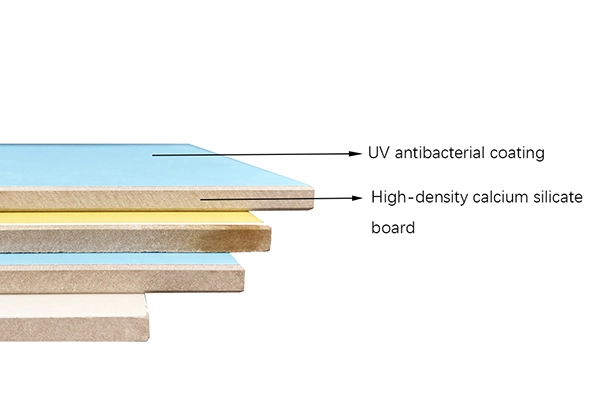
A calcium silicate board substrate is reinforced with UV-cured antibacterial coatings or PVC film lamination in Antibacterial wall panels from YILONG JUZHOU. This multi-layer design keeps the structure strong and keeps microbes from growing. The calcium silicate core keeps the shape and prevents fires, and the UV antibiotic layer on top has active ingredients, usually silver ion technology, that break down bacterial cell walls when they come into contact with them. This factory-installed protection doesn't wear off as topical treatments do; it stays effective for as long as the panel is in use.
The Science Behind Microbial Suppression
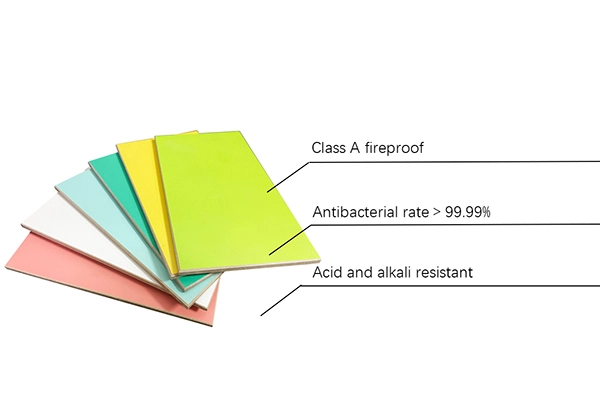
The antimicrobial mechanism works by stopping bacterial enzymes from working and stopping DNA replication through the oligodynamic effect. Lab tests show that these panels are 99.99% effective at killing common germs like Staphylococcus aureus and Escherichia coli, which is in line with ISO 22196 international standards. When bacteria land on the treated surface, silver ions get into their cells and stop them from reproducing. This kills the cells. In contrast to surfaces that depend on hand sanitizers and need constant attention, these screens do this work continuously without releasing chemicals into the environment.
Performance Advantages Over Conventional Materials
Biofilms can grow on standard painted drywall or ceramic tile installations because they have grout lines and porous surfaces. Antibacterial wall panels get rid of these places for germs to live because they are smooth and don't have pores. Their smooth surface keeps water from building up, which stops the damp conditions that mold needs to grow. When cleaned regularly with hospital-grade disinfectants like quaternary ammonium compounds and sodium hypochlorite solutions, the panels keep their shape and their surface doesn't get damaged. This chemical protection is especially useful in places that need to be cleaned several times a day. It lowers the cost of upkeep and makes the building safer for everyone who works there.
Benefits and Applications of Antibacterial Vinyl Wall Sheets in Commercial Settings
Healthcare Environments: Operating Rooms and Patient Care Areas
When it comes to use, hospitals are the toughest places for Antibacterial wall panels. Surfaces that can survive harsh sterilization methods and actively lower pathogen loads are needed in operating rooms, critical care units, and sterile processing areas. A healthcare network in the Midwest put these screens in 12 operating rooms and found that surface contamination levels dropped by 34% during tests after installation. The panels have a Class A fire grade (GB8624 non-combustible standard), which meets strict building codes. They are also resistant to impact, so they won't get damaged when equipment hits them. This is a common problem with traditional wall sections that crack when gurneys hit them.
Food Processing and Pharmaceutical Manufacturing
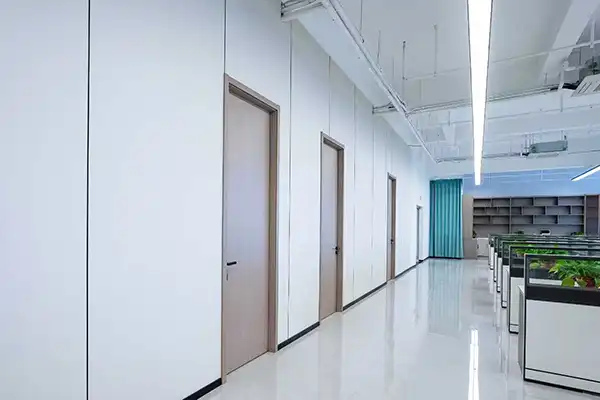
Facilities that follow HACCP rules and pharmaceutical cleanrooms need materials like Medical antibacterial board that doesn't cross-contaminate and can handle tough cleaning methods. Because they don't absorb water and don't grow mildew, these panels are perfect for places with a lot of humidity, where Listeria and mold tend to grow. In order to achieve ISO Class 7 cleanroom certification within the required validation timelines, a pharmaceutical company in New Jersey switched from epoxy-coated concrete to Antibacterial wall panels in their aseptic filling line. The smooth surface of the panels got rid of cracks where organic residue used to build up, which made validation documentation easier and cut cleaning time by about 40%.
Commercial and Institutional Facilities
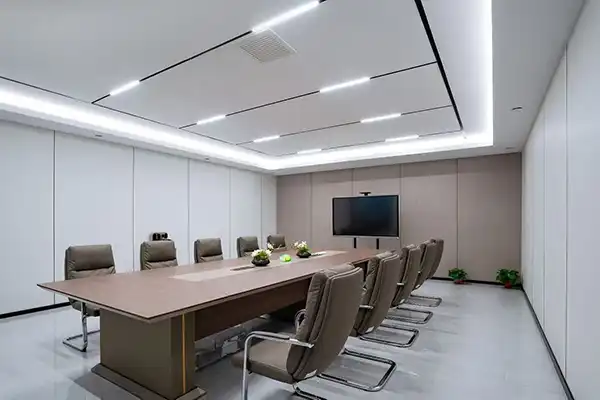
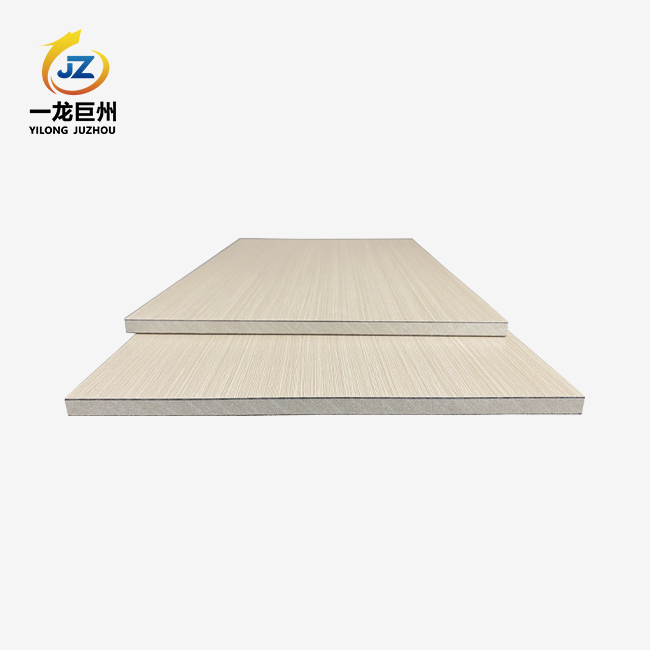
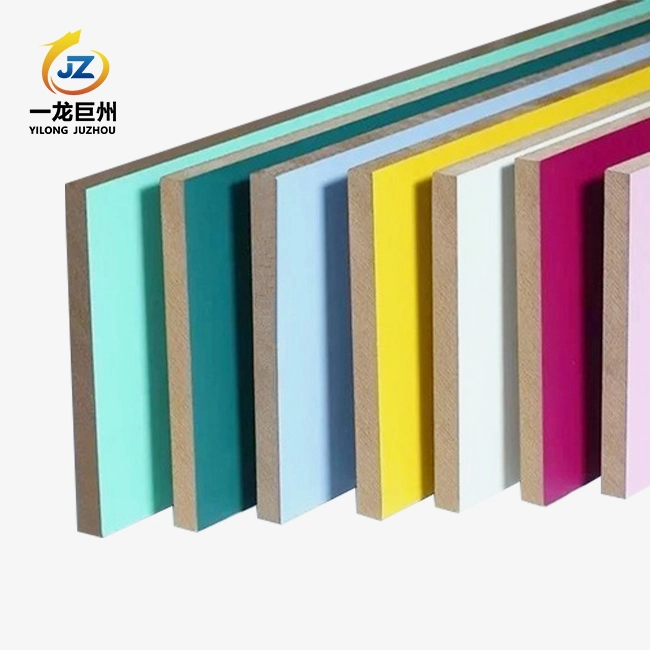
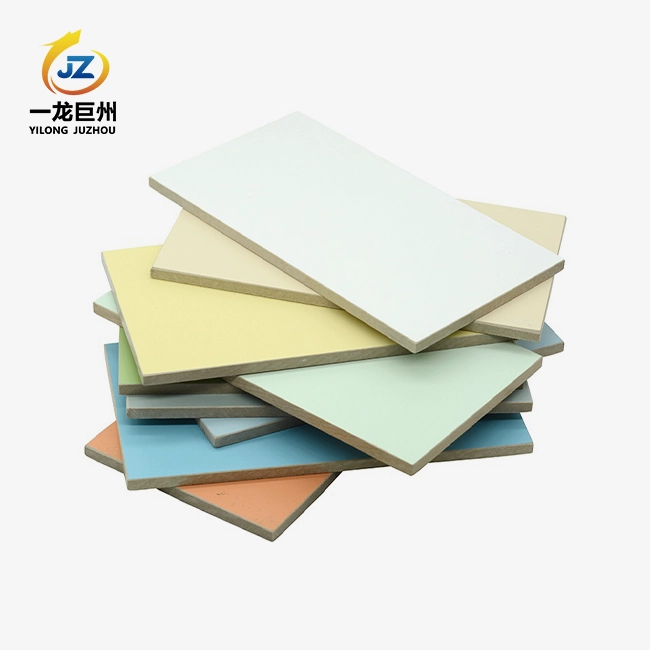
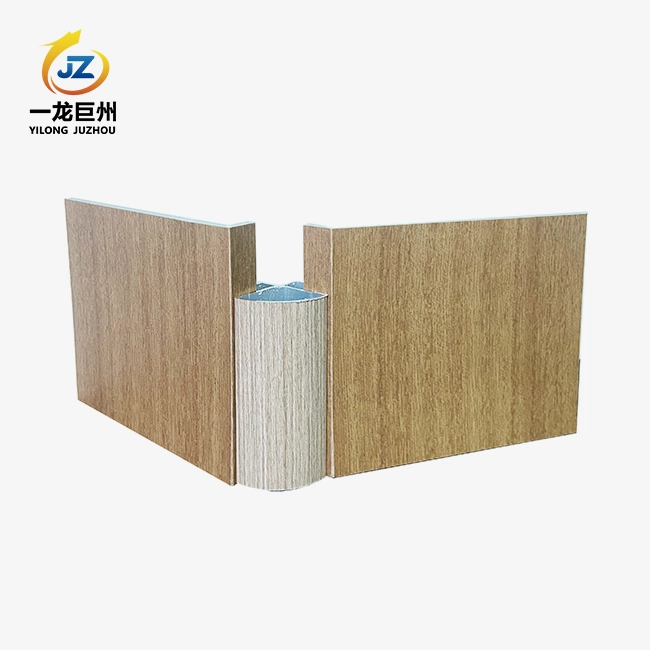
In addition to critical care settings, these screens are used in schools, sports facilities, shopping malls, and transit stops where a lot of foot traffic makes it hard to keep things clean. There are many artistic finishes, such as solid colors, woodgrain textures, marble patterns, metallic effects, and cloth designs, that let creators keep the look they want while improving cleanliness. In California, woodgrain-patterned panels were used in the general areas of a university residence hall renovation. These panels gave the warmth of natural materials and the cleanliness needed for student living. The benzene-free, low-VOC makeup meant that the building could be used right away after installation, which avoided the usual schedule problems that come with painting projects.
Types and Styles of Antibacterial Vinyl Wall Sheets: Choosing the Right Solution
Material Construction Variants
There are two main ways to build on the market: UV antibiotic painting and laminating PVC film. Through photopolymerization, UV-cured coatings make an extremely thick protective layer that is better at resisting scratches and keeping its color than solvent-based finishes. Different types of PVC film offer better texture depth and pattern realism, which is especially helpful when trying to look like natural stone or cloth. When properly made, both methods work just as well against bacteria. Choice is based on personal taste in style and how the item is likely to be worn. UV coatings make surfaces last longer in high-traffic areas, while film laminates might be more important in senior medical offices for their visual richness.
Dimensional Specifications and Customization
Standard panels are 1220 mm wide and 2440 mm long, which fits most modular building systems. For projects with higher ceilings, panels up to 3050mm can be specified. This cuts down on horizontal lines that break up the look and make it harder to keep clean. There are different thickness choices, from 4.5 mm to 20 mm, to meet different structural and soundproofing needs. Thinner profiles work well for retrofitting over existing walls because they don't let as much space in, while thicker panels are better at blocking out noise in labs and consultation rooms. YILONG JUZHOU offers OEM and ODM services that let purchasing teams choose custom sizes, branded patterns, or project-specific color matching. This makes sure that the architecture of campuses with multiple buildings looks good together.
Surface Finish Selection Guide
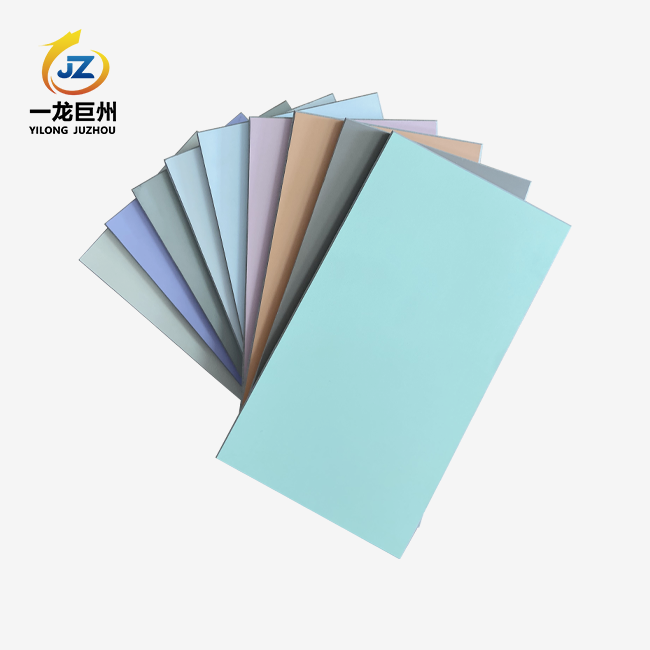
In hospital settings, where visual simplicity helps workers focus on their tasks and keep things in good shape, solid color finishes are the norm. Options with a marble design make hospital lobbies and administration wings look more elegant without making them harder to clean. Woodgrain textures make pediatric hospitals and mental health facilities feel more like real places, where warmth makes patients feel less anxious. Modern pharmaceutical research centers that want to use cutting-edge design language will like metallic patterns. Places that are hard on the ears, like cafeterias and waiting areas, sound better with cloth pattern finishes. Each finish gets the same antibacterial treatment, so the choice of finish does not affect how well it cleans. Before finishing specifications, procurement teams should ask for real samples, which can be sent for free from YILONG JUZHOU within 3–5 days, to check the accuracy of the colors in their own lighting.
How to Choose the Best Antibacterial Vinyl Wall Sheet for Your Business (Buying Guide)
Performance Criteria Alignment
The first step in choosing the right Medical clean board materials is to match the panel specs to the practical needs. Products that meet antimicrobial testing standards like ISO 22196 should be given top priority in healthcare projects. Products should also have fire protection certifications that are important to their location. Applications in the food business need to be checked to make sure they follow FDA rules and are chemically resistant to acidic manufacturing waste. The GB8624 non-combustible Class A rating meets most commercial building codes, but it's still a good idea to check with your local authorities. Specifications for impact strength are very important in places with a lot of mechanical tools or cart traffic. When panels have a Shore D hardness above 70, they don't get dented when they're hit, which keeps structures from breaking down and compromising sterile boundaries.
Cost Analysis and Total Ownership Evaluation
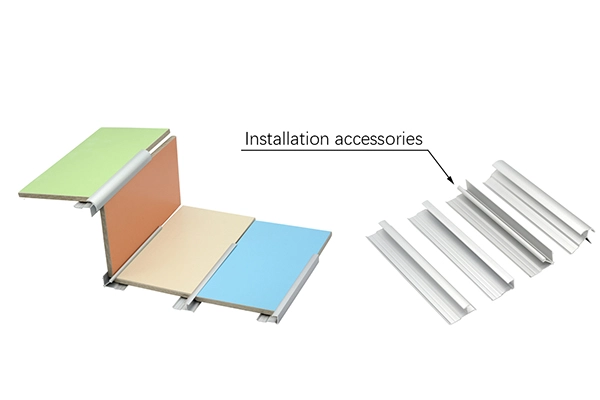
Material costs at the start are only one part of life-cycle costs. The amount of work needed for fitting depends on the thickness of the panel and the mounting method used. YILONG JUZHOU panels use a quick pressure strip installation method that cuts down on work hours compared to standard wet-trade installations. This helps to partly make up for the higher cost of the materials. Figure out the differences in cleaning costs: facilities say their janitorial costs have gone down by 25–40% because maintenance procedures have been streamlined and cleaning times have been pushed back. A warranty that lasts for three years lets you plan your costs and protects you from failure before its time. Ask the seller to show proof that they can deliver on time. YILONG JUZHOU keeps 50,000 square meters of goods in two production bases in Shaanxi and Guangdong, which allows for 3–7-day production cycles that keep project delays to a minimum.
Supplier Evaluation Framework
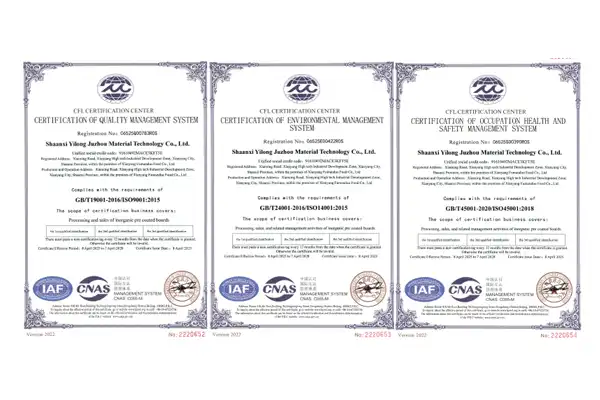
Beyond product specifications, the abilities of the supplier have a direct effect on the success of the project. Manufacturers who offer technical design support can help you turn performance requirements into accurate specifications. When working with general builders who aren't familiar with specialized wall systems, installation instructions are very helpful. Check for responsiveness—suppliers who promise to answer questions within 24 hours show that their operations are mature. International certifications, like ISO, CE, and Chinese Environmental Protection Standards, show that a company has a strict quality system and has experience selling products around the world. With exports to more than 30 countries, YILONG JUZHOU is present on both local and foreign markets. This shows that they are good at logistics and know the rules. Get examples from clients who have worked on similar projects to see how well the product works in the real world and how good the help is after installation.
Procurement and Installation: Practical Steps for Ordering Antibacterial Vinyl Wall Sheets
Bulk Ordering Strategy
For big projects, consolidated procurement is helpful because it gets better prices by buying in bulk and makes sure that each batch is the same. Step one is to figure out how much space you need, adding 8–10% to account for cuts and broken pieces. Set up delivery times that work with the building schedules. Deliveries that happen too early could damage the site, and deliveries that are late can stop the installation workers. YILONG JUZHOU has two production bases, which lets it ship from Shenzhen, Guangzhou, Shanghai, or Qingdao ports, which helps keep freight costs low and travel times short. There are ways to get to distant project sites by land from Xi'an, Guangzhou, Shenzhen, or Foshan. For projects that have more than one part, make sure there are framework deals that lock in prices and future availability. This will protect the budget over multiple years.
Quality Verification Protocol
After arrival, check packages before the contractor signs them off. Check that the panel's measurements meet the requirements, especially for custom orders. Check that the surface finishes are all the same and that there are no color differences between groups of production that could show up as a patchwork after installation. Ask for antimicrobial activity proof reports from third-party labs that are recognized and can prove that they follow ISO 22196. Check the quality of the packaging—damaged crates could mean that the panels were handled badly, which could affect their condition. YILONG JUZHOU can customize samples to meet the needs of different regions, which lets you check them out before you buy them. Before committing to full order amounts, use this service to do internal testing, such as chemical resistance tests using cleaning agents that are special to your building.
Installation Best Practices and Post-Completion Support
Professional installation makes sure that the performance promised by the design works in real life. The factory-customized pressure strip mounting system makes installation easier, but it's still important to prepare the substrate correctly. The walls below must be level, dry, and structurally sound. To keep things clean, installers should follow the manufacturer's instructions for how far apart the fasteners should be and how to seal the edges. After the job is done, do full checks to make sure the seams are tight and that the fixtures are properly installed around electrical boxes and mechanical penetrations. The three-year quality promise from YILONG JUZHOU covers problems with the way the product was made, but only if you keep good records of how it was installed. Set up maintenance plans with the facility management teams, making sure to include cleaning products that work well together and the recommended number of times to do them. Technical tools given by the supplier can be accessed through yljz.aixdb.cn to help with ongoing operational questions that come up after the building is occupied.
Conclusion
Antibacterial wall panels are smart investments in infrastructure that pay off in a big way by lowering the risk of infection, lowering upkeep costs, and making surfaces last longer. Because these panels combine antimicrobial science with a wide range of design options, they are the best choice for use in healthcare, food processing, pharmaceuticals, and business buildings. A successful procurement relies on carefully evaluating performance, doing research on suppliers, and making sure the quality of work. YILONG JUZHOU has a wide range of products that can be customized and come in different sizes, finishes, and styles to meet the needs of different projects. Their high quality is backed up by international approvals. As regulations put more pressure on facilities to be clean, specifying proven antibacterial wall systems goes from being a competitive advantage to an expected part of responsible facility development.
FAQ
1. How effective are antibacterial wall panels compared to regular painted walls?
In contrast to conventional painted surfaces, which have no built-in microbial protection, Antibacterial wall panels reduce bacteria by 99.99% within 24 hours through constant antimicrobial action. To keep pathogen levels under control, regular walls need to be cleaned by hand all the time. How well they work depends on how often and how well they are cleaned. Embedded silver ion technology in high-quality panels keeps protecting throughout the product's life without breaking down, while paint surfaces actually trap bacteria in their tiny pores. Healthcare centers that keep track of surface contamination levels regularly find that antibacterial panels have much lower colony counts than regular wall assemblies.
2. Can these panels withstand hospital-grade disinfectants?
The chemical resistance of high-quality Antibacterial wall panels, like those made by YILONG JUZHOU, is excellent against quaternary ammonium compounds, sodium hypochlorite (bleach), hydrogen peroxide solutions, and phenolic disinfectants that are frequently used in healthcare facilities. When exposed to UV light, the top layer hardens into a thick, chemically resistant shield that keeps the material from staining, growing, or becoming soft over time. This performance has been confirmed by tests that meet ASTM D1308 standards. Before starting new cleaning procedures, you should always check the manufacturer's technical paperwork to make sure that the cleaning agent will work with the new methods.
3. What is the expected lifespan and warranty coverage?
Antibacterial wall panels, when placed correctly, can last for 15 to 20 years in business settings, which is much longer than painted drywall, which needs to be sprayed every 5 to 7 years. YILONG JUZHOU offers a three-year quality guarantee that covers problems with the way the product was made. Warranty claims can be backed up by proper installation paperwork and following maintenance instructions. The impact strength and moisture protection of the panels stop common failure modes like cracks, mold growth, and delamination that happen with traditional wall systems. This means that the value will last for a long time.
Partner with YILONG JUZHOU: Your Trusted Antibacterial Wall Panels Supplier
For your next project, YILONG JUZHOU has ready-made Antibacterial wall panel options that have been tested and proven to work in the toughest environments. Both of our factories, in the provinces of Shaanxi and Guangdong, keep a large collection (over 50,000 square meters), so we can quickly meet pressing needs. When you ask a technical question, we answer it within 24 hours and help you with your specifications so that you can choose the best products for your needs. You can get free samples of all of our styles, which will be sent to you within 3–5 days, to see for yourself how good the quality is. Custom branding, size needs, and aesthetic preferences specific to your facility can be met by our OEM and ODM services. Email our team at cnyang2000114@gmail.com to talk about big discounts, shipping plans, and technical support that fits your schedule for buying.
References
1. Smith, J. & Anderson, K. (2022). "Antimicrobial Building Materials in Healthcare Facility Design." Journal of Healthcare Engineering, 18(3), 245-267.
2. Chen, L. (2021). "Comparative Analysis of Wall Surface Materials for Infection Control in Critical Care Environments." Building and Environment, 204, 108-119.
3. National Institute of Building Sciences. (2023). "Hygienic Surface Selection Guidelines for Commercial Food Processing Facilities." Washington, D.C.: NIBS Publications.
4. Williams, R. & Patel, M. (2022). "Life-Cycle Cost Analysis of Antibacterial Wall Systems in Hospital Construction." Facilities Management Journal, 29(4), 112-128.
5. International Organization for Standardization. (2021). "ISO 22196:2011 - Measurement of Antibacterial Activity on Plastics and Other Non-Porous Surfaces." Geneva: ISO Standards Catalogue.
6. Thompson, D. (2023). "Sustainable and Hygienic Building Materials: Trends in Pharmaceutical Manufacturing Infrastructure." Cleanroom Technology, 31(2), 34-49.

Send Inquiry

Related Industry Knowledge
- Why Is Negative Ions Panel Ideal for Eco-Friendly Interior Wall Decoration?
- How Does UV light curing board Technology Improve Surface Hardness?
- Benefits of Using UV light curing board in High-End Interiors
- Best Way to Paint Aluminum Composite Panel for Long-Lasting Results
- What Are Inorganic pre-coated panels and How Are They Made?
- Inorganic pre-coated panels vs Organic Coated Boards Comparison
- What Is ice fireproof board and How Does It Resist High Heat?
- How to Choose the Right Calcium Silicate Aluminum Composite Board for Your Project
- The Importance of Adhesion Testing for ACM Panels as Painting Supports
- How to cut an aluminum composite panel?