
How to Choose Antibacterial Wall Panels for Healthcare
October 8, 2026
Choosing the right antibacterial wall panels for a healthcare facility is one of the most consequential decisions a procurement manager or architect can make. These panels serve as the first physical barrier against surface-borne pathogens, including MRSA, E. coli, and other drug-resistant organisms that thrive in clinical environments. The right panel must balance verified hygiene performance, structural durability, code compliance, and long-term cost efficiency. This guide walks you through every critical factor so you can make a confident, evidence-based selection for your next project.
Understanding Antibacterial Wall Panels in Healthcare
What Makes These Panels Different from Standard Cladding
In order to prevent germs from growing on upright surfaces, antibacterial wall panels have surface systems. These panels are different from most wall coverings because they have active biocidal agents—most often silver ion (Ag+) technology—either built into the panel grid or sprayed on as a UV-cured surface coating. According to a report released by the WHO in 2022, about 7% of treated patients in high-income countries get diseases that are linked to their care. This means that keeping things clean has something to do with making sure patients are safe.

YILONG JUZHOU's antibacterial wall panels are made of calcium silicate board and have a UV-cured antibacterial coating or PVC film on top of them. When the UV light hits the material, it forms a thick, cross-linked film that literally seals it. So the space can be used right away after installation because it stops the VOCs from giving off any smell. It has been tested and found to be antibacterial 99.99% of the time. This makes it one of the best cleaning wall options that U.S. buying teams can choose from.
Core Criteria for Selecting Antibacterial Wall Panels for Healthcare
Certifications, Material Properties, and Sustainability
To pick clean wall panels for a medical space, you should think about more than just how they look. When it comes to standards, biological compliance, material resilience, and environmental responsibility are the most important ones.
Certification by a third party is the first step toward biological compliance. As an ASTM standard, ISO 22196 or a similar one should have been used to test the panels and show that they kill at least 3 logs (99.9%) of germs in 24 hours. The YILONG JUZHOU screens kill 99.99% of germs, and they have been certified by the China Environmental Protection Standard, ISO, and CE, all of which are recognized by buyers around the world.

How long something lasts has a direct effect on how much it costs to own. Before you pick a panel system, you should make sure it meets these basic requirements for power:
- Fire resistance: YILONG JUZHOU panels comply with GB8624 non-combustible Class A, which aligns with strict fire codes applicable to hospitals and institutional buildings across the U.S. and internationally.
- Moisture and mold resistance: The calcium silicate core provides excellent moisture-proof performance, preventing mold growth in high-humidity zones such as operating theaters, wet labs, and sterilization rooms.
- Impact resistance: The panels resist physical impacts from equipment carts and gurneys, preventing wall cracking or denting that would otherwise create harbors for microbial growth.
- Chemical resistance: The UV-cured surface withstands repeated cleaning with quaternary ammonium compounds, hydrogen peroxide vapor, and chlorine bleach without surface degradation.
- Zero harmful emissions: The panel material contains no benzene or volatile organic compounds, making it safe for sensitive patient populations including neonates and immunocompromised individuals.
When it comes to fire safety, YILONG JUZHOU panels meet the strict GB8624 non-combustible Class A standards. These are the same rules that hospitals and other public buildings in the U.S. and around the world have to follow.
Medical antibacterial board is resistant to mold and water because its calcium silicate core keeps water out. This means that mold doesn't grow in humid places like operating rooms, wet labs, and cleaning rooms.
Comparing Antibacterial Wall Panels with Other Surface Solutions
Why Active Antimicrobial Technology Outperforms Passive Alternatives
Painting gypsum board, standard PVC panels, or ceramic tile are things that many procurement teams think are cheaper. A lifelong study shows a different picture. Because ceramic tiles need to be scrubbed hard, biofilm builds up quickly in the grout lines. This wears down the joint over time. Normal PVC flooring is simple to clean, but it doesn't have any chemicals that work, so it can't kill germs between jobs. Painted walls get moldy when they get wet and need to be painted over a lot.
Some panels have UV coatings that kill germs even when they're not being cleaned. This gives them extra protection against germs that passive surfaces can't match. A study published in 2021 in the American Journal of Infection Control found that antimicrobial surface treatments reduced the number of bacteria on hospital ward surfaces by up to 90% compared to surfaces that were not treated. When you look at how much it costs to install and how safe it is over time, it's easy to see why active surface technology is a good idea for any high-risk clinical area.
Tailoring Panel Selection to Healthcare Environments
Matching Product Specifications to Clinical Zone Requirements
There are different cleaning needs, motor loads, and standards for how things should look in each part of a healthcare center. A buying manager has to follow different rules when picking panels for an ICU than when picking panels for a hospital hallway or a medical skin care center.
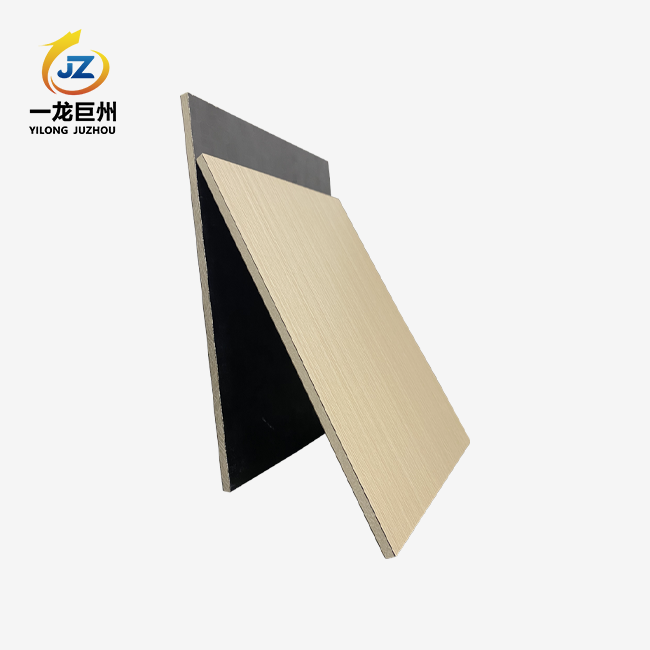
The thicknesses of YILONG JUZHOU panels range from 4.5 mm to 20 mm. They are 4.5 mm, 5.5 mm, 6, 8, 10, 12, 15, 18, and 20 mm. In general, they are 1,220 mm wide and up to 3,050 mm long. With this range of sizes, you can install from floor to ceiling in rooms with big gaps between walls, so you don't have to use horizontal joints that get dirty.
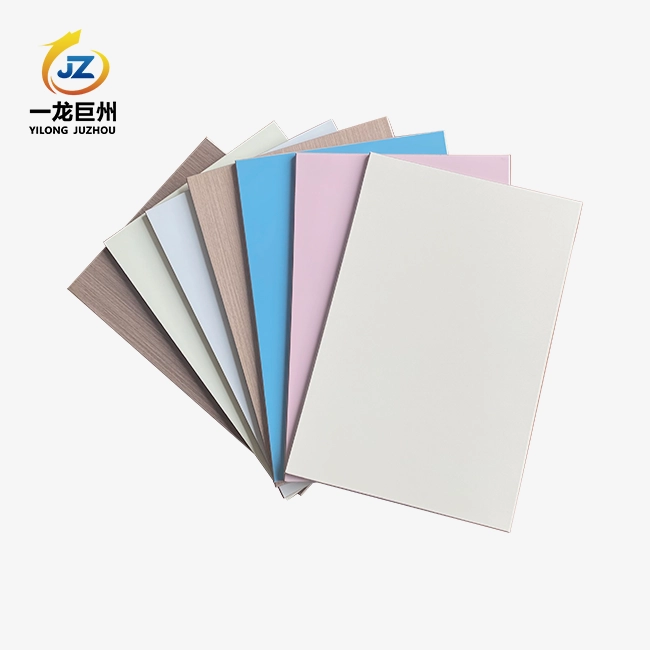
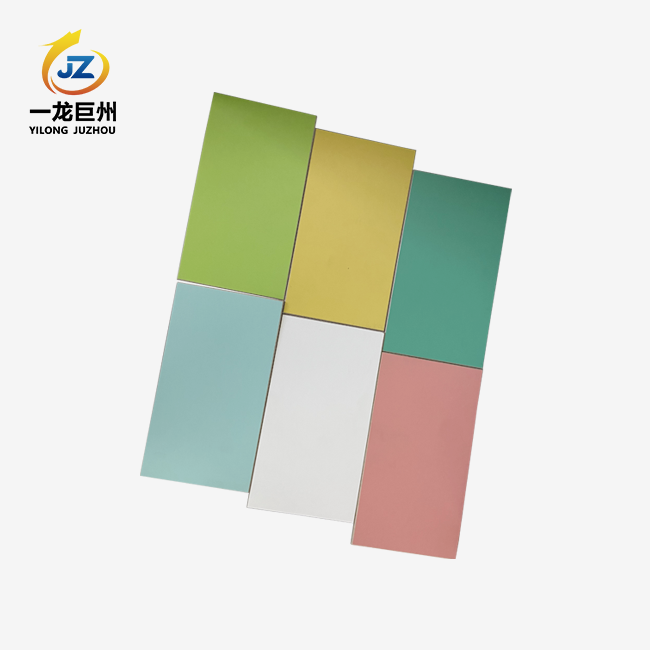
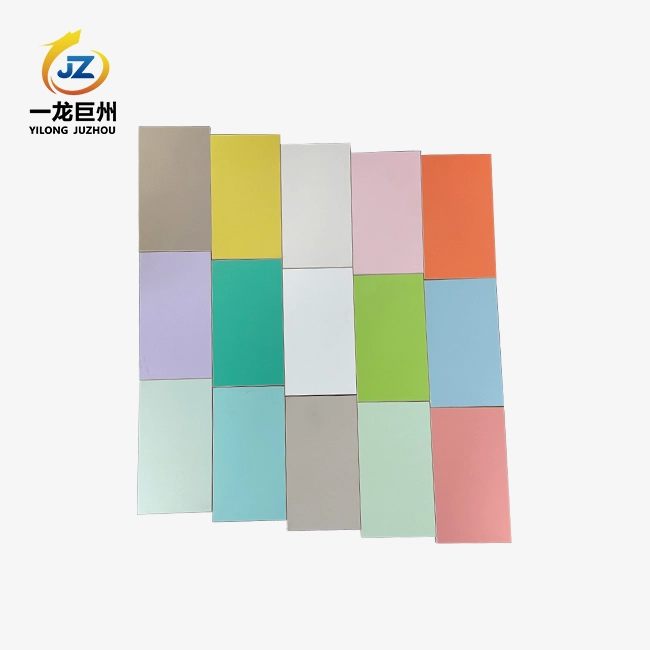
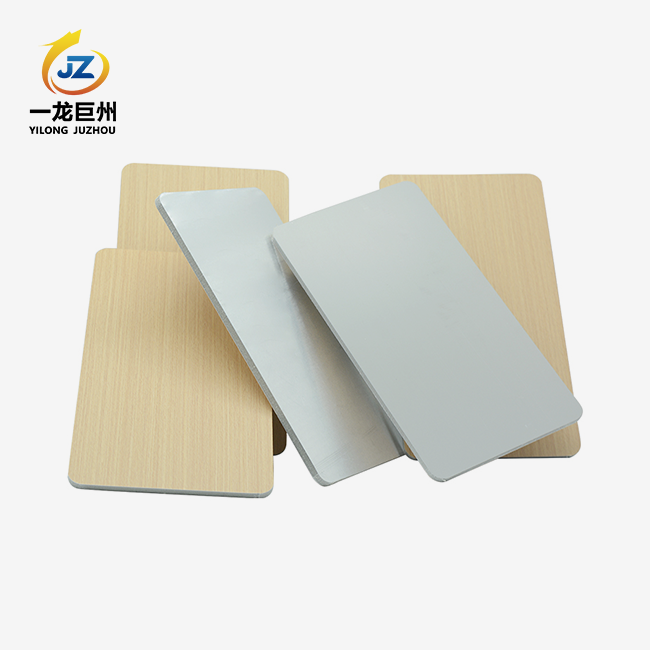
You can pick from a lot of colors and finishes. You can choose from solid color, woodgrain, marble, metallic, and cloth patterns for the surface. As long as this type doesn't lose its professional, soothing look, it can be used in outpatient clinics, medical spas, and pediatric rooms to keep patients from getting sick.
You can save money on each unit when you buy in bulk from YILONG JUZHOU. The quality of each batch stays the same. This works great for big projects like hospitals that need to be renovated all over or healthcare networks with multiple locations. You can set up your own sizes, names, or end needs because OEM and ODM are both acceptable. Someone on your team can try them out for free before deciding to buy the whole thing.
With the quick pressure-strip method, work on-site can be done in a lot less time. Medical clean board panels are made to order in the factory and are ready to be put together. This means that facilities don't have to be shut down for long periods of time during renovations, which is very important in healthcare buildings that are already occupied.
Procurement Best Practices and Decision-Making Framework
Building a Structured Evaluation Process
If you want to buy a healthcare building that works well, you need a structured review strategy instead of just comparing vendors as you go. First, make a list of how clean each area is (standard, improved, or critical). Next, make sure that each zone meets the minimum panel standards for fire safety, impact class, antibiotic grade, and moisture resistance.
Bring in providers as early as possible in the planning process. Before specification papers are sent out for bids, YILONG JUZHOU makes sure they are correct by giving expert advice and designing the installation. The most important thing is to get third-party lab test reports, preferably ISO 22196 antibiotic activity reports from reliable companies like SGS or Intertek.
Get in touch with the seller to find out about wait times and stock levels. YILONG JUZHOU has 50,000 m² of stock on hand, and it takes them 3–7 days to make something. In 3–5 days, you'll get your samples. Ships going to other countries leave from Shenzhen, Guangzhou, Shanghai, and Qingdao. Ports in Xi'an, Guangzhou, Shenzhen, and Foshan can be used for getting around on land. Large projects that are done in stages are less likely to have problems when they have this much logistics depth.
If the product doesn't meet the needs of the business user, they can get their money back in a clear way within three years. This makes the purchase even less risky.
Conclusion
When picking the best clean wall system for a healthcare setting, you should carefully think about how well it works biologically, how stable the material is, how well it meets regulations, and how reliable the provider is. The best answer is antibacterial wall panels that have both UV technology to kill germs and a calcium silicate core that is strong. These panels actively stop infections. They are also waterproof, don't absorb water, and can be shaped in different ways. A lot of evidence shows that passive surfaces are not enough in medical settings where getting rid of pathogens has a direct effect on how well patients do. Buying something today after giving it a lot of thought will protect both your patients and your facility's long-term budget.
FAQ
Q1: Does the antibacterial efficacy of these panels degrade over time?
There is a film that sticks to YILONG JUZHOU panels forever because the surface has been UV-cured. When regular soaps made for hospitals are used, the germ-killing substance doesn't come off. Its 99.99% antibacterial rate shows that it works well over time and after many cleaning cycles, not just at first.
Q2: Can these panels be used in NICUs or other sensitive patient zones?
Yes. It doesn't have any benzene or volatile chemical molecules in it. The UV curing method gets rid of the off-gassing from the material. This makes the area safe right away, so it can be used in places with newborns or patients whose immune systems aren't strong enough to handle germs.
Q3: How are panel joints sealed to prevent bacterial harborage?
Custom sizing at the plant and metal trim or sealant systems that work with the panels take care of the joints. This cuts down on the number of seams that need to be cut in the field. When you use the quick pressure-strip method to install something, the joints are tight and low-profile. This stops dirt and moisture from building up around the edges of the panels.
Q4: What cleaning agents are compatible with the panel surface?
Strong chemicals like chlorine bleach, hydrogen peroxide mist, and iodine-based treatments can damage the covering that was set by UV light. You can use standard medical disinfection methods that won't hurt the surface or leave spots.
Partner with YILONG JUZHOU for Your Next Healthcare Project
YILONG JUZHOU is a trustworthy business that makes antibacterial wall panels. Some of their plants are in Shaanxi and Foshan, China. They are approved by ISO, CE, and the China Environmental Protection Agency. We provide free samples, allow you to make changes through OEM/ODM, and promise quality for three years. Our technical team can be reached at cnyang2000114@gmail.com to get samples of our products, help with a project, or a competitive bulk quote made just for your facility.
References
1. World Health Organization. Report on the Burden of Endemic Health Care-Associated Infection Worldwide. WHO Press, 2022.
2. Dancer, S. J. "The Role of Environmental Cleaning in the Control of Hospital-Acquired Infection." Journal of Hospital Infection, 2009.
3. Weber, D. J., & Rutala, W. A. "Self-Disinfecting Surfaces: Review of Current Methodologies and Future Prospects." American Journal of Infection Control, 2013.
4. Centers for Disease Control and Prevention. Guidelines for Environmental Infection Control in Health-Care Facilities. CDC, 2019.
5. International Organization for Standardization. ISO 22196: Measurement of Antibacterial Activity on Plastics and Other Non-Porous Surfaces. ISO, 2011.
6. Salgado, C. D., et al. "Copper Surfaces Reduce the Rate of Healthcare-Acquired Infections in the Intensive Care Unit." Infection Control & Hospital Epidemiology, 2013.

Send Inquiry



Related Industry Knowledge
- Who Should Consider a PP Healthy Panel Test?
- Melamine fireproof board Installation Guidelines for Builders
- Calcium Silicate Fireproof Board Coating System
- UV Antibacterial panels Material Structure and Coating Technology
- Why Paint Peels Off Aluminum Composite Panels and How to Fix It
- UV Antibacterial panels Installation and Maintenance Guide
- Analysis of the Functional Principles and Market Prospects of the Negative ions panel
- Exploring the Versatile Applications and Benefits of PP Healthy Panel Solutions
- A Beginner’s Guide to Choosing Antibacterial Wall Panels
- Why Calcium Silicate Aluminum Composite Boards Are Ideal for High-Temperature Environments?