
Calcium Silicate Fireproof Board Coating System
September 1, 2026
When selecting fire-resistant interior wall solutions, calcium silicate fireproof board stands out as a premier choice for commercial and industrial applications. This engineered composite material combines silica, lime, and reinforcing fibres to deliver Class A fire resistance alongside exceptional durability. Modern coating systems enhance these boards further, creating protective barriers that resist moisture, maintain aesthetic appeal, and extend service life in demanding environments from hospitals to manufacturing facilities.
Introduction
It's getting harder and harder for purchasing managers, engineers, and dealers to choose materials that meet strict fire rules, allow for flexible design, and work well over the long term. Working with healthcare facilities, business developers, and industrial builders across North America has taught us that it's important to understand how Calcium silicate fireproof boards and their coating systems work together in order to make smart sourcing decisions.
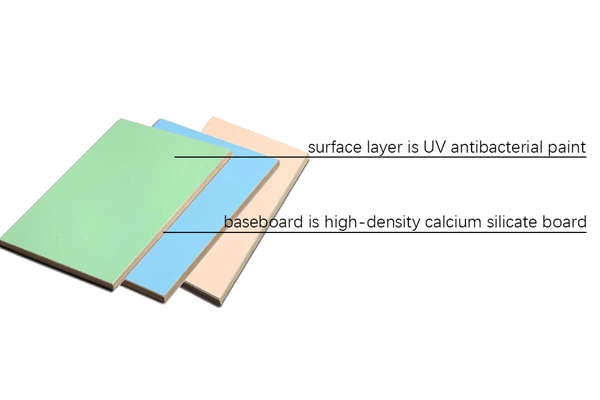
This detailed guide looks at how certain coating technologies improve the benefits of Calcium silicate fireproof boards that are already there. We look at real-world applications, compare different solutions, and describe buying strategies that balance budget concerns, safety requirements, and project deadlines. This guide gives you useful information on how to choose waterproofing systems that will protect your investment and meet high performance standards, whether you're building a new hospital wing or remodelling a business office complex.
Understanding Calcium Silicate Fireproof Boards and Their Coating Systems
Core Material Composition and Properties
Calcium silicate fireproof boards start with a carefully planned mix of siliceous and calcareous materials that are strengthened with cellulose fibres. During the manufacturing process, asbestos is completely removed, leaving behind panels that are non-combustible and maintain their shape even when the temperature changes. The material's natural porosity makes it a great insulator against heat loss, and its inorganic makeup keeps it from absorbing water, which can cause traditional gypsum goods to bend or grow mould.
The thickness of these boards is usually between 4.5mm and 15mm, and the normal size of 1220mm x 2440mm fits most building needs. The fire resistance ratings of thicker panels are higher—12 mm boards usually get ratings of 2-hour fire barriers—so they can be used for fire-rated wall systems and safe enclosures around structural steel in business buildings.
How Coating Systems Enhance Performance
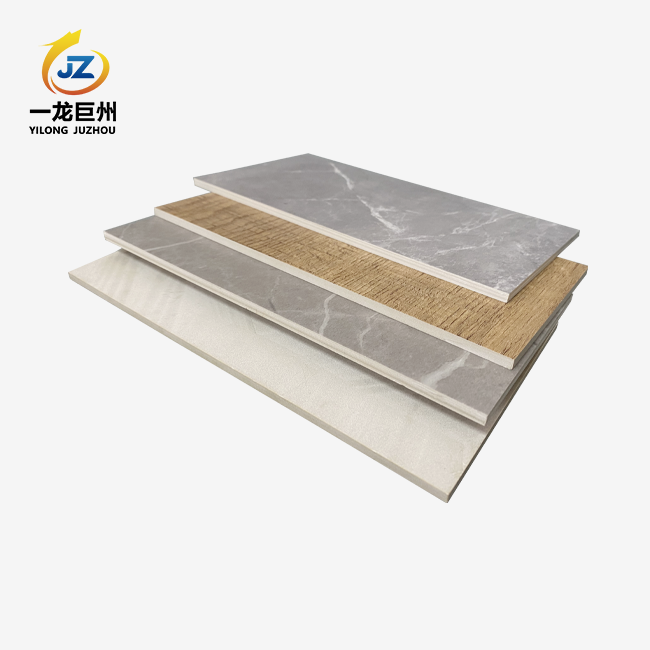
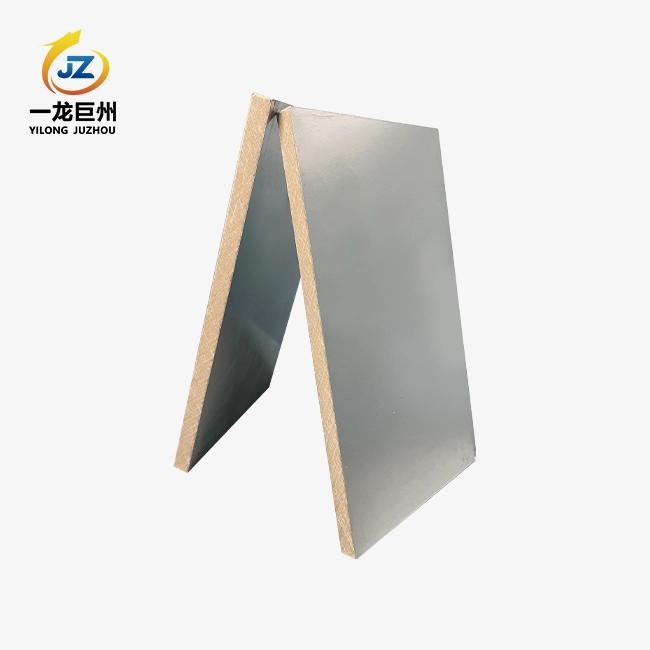
Surface coating technologies make usable fire-resistant materials into construction sections. YILONG JUZHOU's marble Calcium silicate board features a UV-cured coating that clings to it during production. Procurement teams like this unified strategy because it eliminates field paints and finishes.
The thick film covering protects the board surface and prevents dust buildup in hospitals, where infection prevention is crucial. Independent testing demonstrates our antibacterial combination destroys 99.99% of microorganisms. This satisfies Joint Commission guidelines for patient care surface cleaning. The coating is more impact-resistant than painted plasterboard, reducing repair costs in high-traffic corridors where carts strike walls and walls wear out.
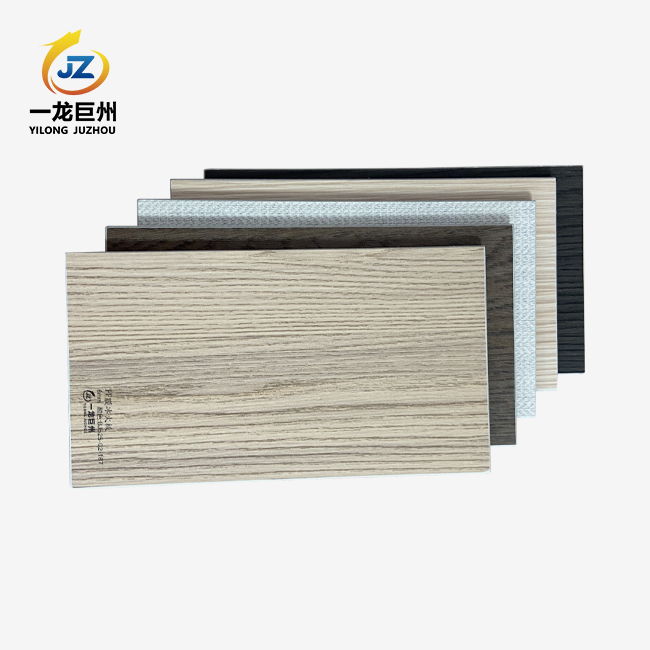
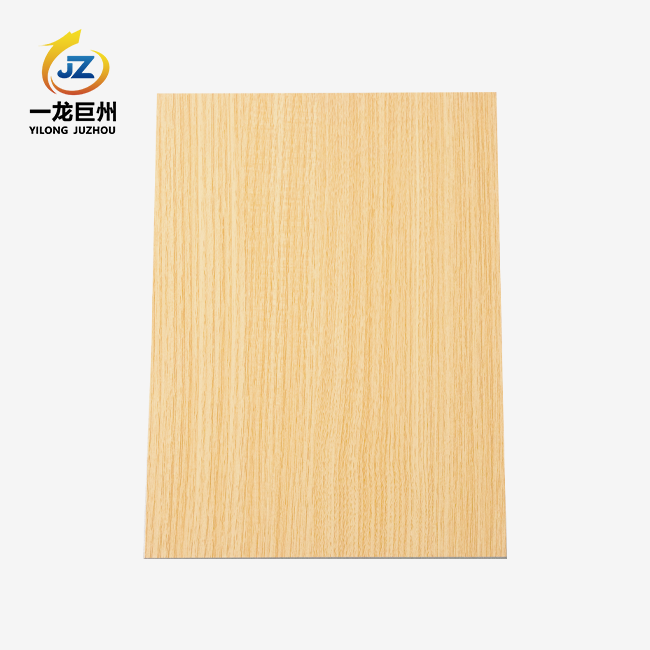
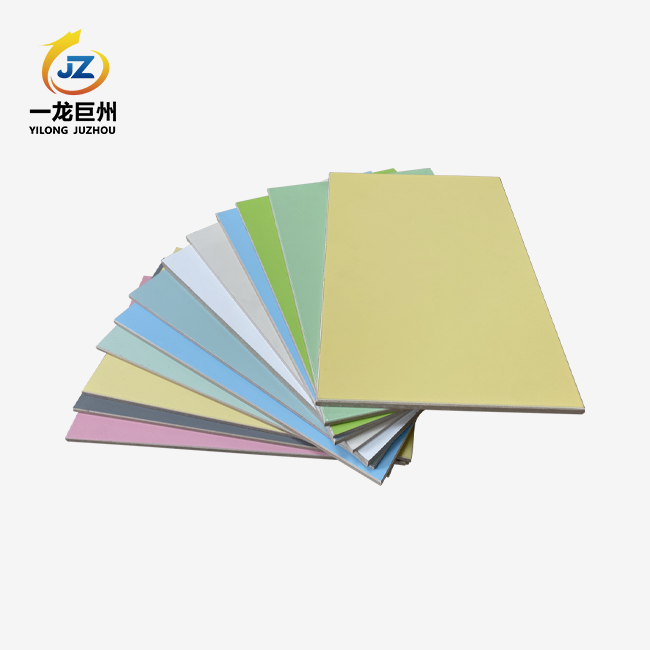
Covering systems allow designers to make many aesthetic improvements in addition to their utility. Wood grain textures, basic colours, metallic treatments, and cloth-like surfaces are offered. This versatility enables builders to pick fire-rated assemblies without losing appearance. Hospital lobby walls may appear like marble and fulfill Class A fire and infection control requirements.
Sustainability and Environmental Advantages
Indoor air quality and low-emission products are becoming more and more important in building standards. Our coating process uses ultraviolet curing technology to get rid of volatile organic compound (VOC) emissions while the coating is being installed. The material doesn't have any benzene, formaldehyde, or other chemicals that aren't allowed under LEED v4.1 guidelines. This helps projects that want to get green building approvals.
The quick occupancy benefit is appealing to project managers who have to meet tight shift times. Coated calcium silicate fireproof board panels are ready to use after installation, unlike field-painted systems that need time to cure and airflow. This feature is especially helpful for healthcare improvements because it lets floors that are currently filled by patients go through phased upgrades without having to deal with long-lasting smell complaints or air quality issues that keep rooms from being available.
Comparison of Calcium Silicate Boards and Coating Solutions with Alternatives
Performance Benchmarks Against Competing Materials
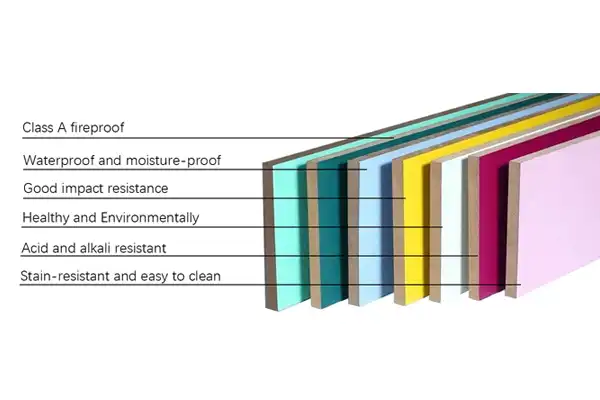
Fire-resistant wall system procurement professionals compare magnesium oxide boards, fibre cement panels, and fibreglass-reinforced gypsum to calcium silicate fireproof boards. Each material has advantages, but calcium silicate fireproof board solutions are preferable for regulated environments since they resist fire, water, and coatings.
Fiber cement boards are weatherproof and durable, making them ideal for outdoor use. They are thick and hefty, making vertical installation inside difficult. Calcium silicate fireproof boards are 60% lighter than conventional boards yet have the same fire ratings. This makes them simpler to install and cheaper to load and labor. Calcium silicate fireproof board's smoother surface helps creative coatings attach. This prevents cement-base texture discrepancies.
Fiberglass-reinforced gypsum boards withstand touch and accept conventional paint finishes. Their moisture tolerance is restricted to confined indoor environments, and prolonged exposure to high humidity impairs their fire-resistant capabilities. Laundromats, industrial kitchens, and tunnels require materials that can withstand prolonged wetness. Calcium silicate fireproof boards with hydrophobic coatings don't degrade over 85% humidity. They maintain fire ratings and stability.
Coating System Compatibility and Selection
Calcium silicate fireproof board foundation qualities determine coating choice. Due to its alkaline and porous nature, the material requires coatings that cling and prevent efflorescence. Factory-applied UV-cured films stick better because the production environment is regulated to prepare and cure the surface. Field applications fall short.
Intumescent coatings spread and generate char layers that protect objects below when heated. When the foundation board cannot provide enough fire ratings, these systems function effectively with Calcium silicate fireproof boards. In high-heat industrial structures, intumescent topcoats create thermal barriers during fires. This preserves building elements and allows people to leave.
In scratch-prone areas like parking garages and loading docks, cementitious coatings survive. Minerals chemically bind with Calcium silicate fireproof board substrates to create impact-resistant systems. Cementitious surfaces are rough, which works well in utilitarian areas but not beautiful office settings. This limits their application to industrial and back-of-house settings.
Procurement Considerations for Calcium Silicate Fireproof Board Coating Systems
Volume Requirements and Lead Time Planning
A good start to procurement is making accurate number predictions that are in line with the project's phasing plans. Our standard Calcium silicate board production capacity keeps 50,000 square metres in stock at our Shaanxi and Guangdong facilities to help with projects ranging from remodelling a single floor to building multiple new buildings. Standard orders from 500 to 5,000 square metres ship within 3 to 7 days of being confirmed, so they can fit into normal building schedules without having to pay extra for goods.
Planning ahead for production is helpful for big projects that are bigger than 10,000 square meters. Coordinating the delivery of materials with the end of building steps avoids storage problems on the job site and makes sure that panels come at the same time as the wall framing. We work directly with general builders and construction managers to make sure that shipping plans and labour availability are in sync. This cuts down on demurrage fees and material handling costs that drive up project costs.
Supplier Evaluation Criteria
Checking out foreign sellers requires more than just getting price quotes. Our factories have ISO 9001 quality management certification and CE marking for access to the European market, which shows that they follow consistent manufacturing controls. As part of product-specific certificates, the China Environmental Protection Standard must be met, and the Class A fire rating must be confirmed by a recognised testing laboratory.
The ability to provide technical support is what sets reliable suppliers apart from commodity vendors. During the design phase, our engineering team looks at building plans and suggests the best board thicknesses and panel layouts to get the most out of the materials used. Installation instructions help contractors who aren't familiar with Calcium silicate fireproof board systems put the systems together correctly, which stops callbacks and warranty claims caused by bad joint treatment or fastening.
Total Cost Analysis and Value Assessment
The purchase price is only one part of the total cost of ownership. When you look at the costs over a product's entire life, you can see that premium materials with built-in coatings are more cost-effective. Field-applied finishes on standard Calcium silicate fireproof boards cost an extra $2 to $4 per square foot for labour and materials, and they take several extra days to install for every thousand square feet. Factory-finished panels get rid of all of these costs and make the paint last longer, so it only needs to be done every 5 to 7 years instead of every 10 to 15 years.
Coated systems are better for high-traffic areas because they are easier to maintain. In hospital hallways, equipment is always moving around, which scratches and damages painted walls, which costs a lot to fix up over and over again. Our marble Calcium silicate fireproof board has an impact-resistant film coating that stops this kind of damage, so the board's appearance stays the same without the need for repair work. When facilities managers request pre-finished fire-rated panels in renovation projects, corridor upkeep budgets drop by 40 to 60 per cent, according to facilities managers.
Installation and Maintenance Best Practices for Maximum Performance
Substrate Preparation and Environmental Controls
Getting the best covering performance starts before the panels even get to the job site. Standard straightness tolerances must be met by wall frames, because surface flaws can be seen through thin panels and make the wall look uneven. For 6mm boards, metal studs should be no more than 400 mm apart. Thinner panels can be used in non-structural wall uses with closer spacing.
The environment during installation has a big effect on how well it works in the long run. During the installation time, job sites should keep the temperature between 10°C and 32°C and the relative humidity below 85%. Panels that are stored on-site need to be kept away from direct moisture contact. The packaging covers the surfaces, but the edges can still get water in and swell up.
Assembly Techniques and Quality Assurance
When compared to standard screw-and-tape plasterboard methods, our quick pressure strip installation system makes assembly easier. Panels are attached to the frame using special trim channels that hide the ends while still letting heat move. Compared to traditional systems, this method cuts installation time by about 30%, which helps workers keep to tight deadlines on quick projects.
Joint treatment is done according to the manufacturer's instructions to keep fire ratings the same across all panel assemblies. Fire-rated seals fill in the spaces between panels and where the floor meets the roof. This stops smoke from moving during a fire. Testing shows that correctly fitted assemblies meet code standards for both flame spread and smoke development. This means that checks by Authorities Having Jurisdiction (AHJ) don't need any repairs.
Long-Term Inspection and Upkeep Guidelines
Maintaining fire-resistant wall systems means checking them on a regular basis to make sure they are still up to code. Joint seals should be checked for cracks or separation once a year, especially in places where the building moves or vibrates. Damaged sealant lowers the fire rating and needs to be replaced right away with Calcium silicate fireproof board goods that are suitable and keep the original assembly approvals.
Simple steps are used for surface cleaning that are appropriate for general cleaning staff. Common disinfectants used in healthcare settings, such as quaternary ammonium compounds and dilute bleach solutions, can't damage the UV-cured coating. Do not use rough cleaners or high-pressure water washing on the film surface. Regular damp mopping with neutral pH cleaners keeps the floor's look and antibacterial qualities for as long as the guarantee lasts.
Case Studies and Future Trends in Fireproof Board Coating Systems
Healthcare Facility Renovation Success
A 450-bed regional hospital in the Midwest just finished a three-phase renovation that replaced the old vinyl-covered gypsum walls with marble Calcium silicate fireproof boards on all of the patient floors and in the diagnostic departments. The project team chose pre-finished panels so that there would be no paint smells that would mean the floors had to be closed off during installation.
Results were better than expected in a number of ways. The installation went 25% faster than planned, which meant that patient rooms could be used again before the planned date. The infection prevention team wrote that cleaning the terminals in isolation rooms was easier because the smooth finish got rid of the rough surface that biofilm used to stick to. Two years after installation, maintenance records show that there have been no surface fixes in high-traffic places that used to need to be patched every three months.
Innovation in Coating Technology
New developments in coating chemistry meet the needs of growing markets. Water-based UV-curable formulations have less of an effect on the earth while still keeping performance standards. These systems are just as hard and resistant to chemicals as standard solvent-based coatings. This helps companies meet their green goals without lowering the sturdiness of their products.
Digital printing technology lets you make design changes that were not possible before. Patterns with a high resolution can look like rare types of stone and custom graphics for branded environments. In healthcare systems, wayfinding features are built right into the wall finishes, and in hotel projects, signature looks that strengthen brand identity are created. Coated Calcium silicate fireproof board systems are different from general painted options because they can be customised. This makes the higher price worth it because the projects turn out better.
Regulatory Evolution and Compliance Planning
The building code is always changing to make fire safety standards stricter, especially for healthcare and institutional buildings. New changes to the NFPA put more emphasis on flame spread ratings for interior finishes in hallways and places where people can get to exits. These changes also favour Class A materials in main traffic paths. These requirements are naturally met by Calcium silicate fireproof boards, which give specification security as codes get stricter.
Similar trends can be seen in international markets, where developing countries are adopting fire rules that are based on those in the U.S. and Europe. When buying materials for projects in Southeast Asia, the Middle East, and Latin America, procurement teams do better when they work with sellers who are familiar with more than one certification system. Our collection of product testing results comes from labs that are known and trusted in North America, Europe, and the Asia-Pacific area. This makes the approval process easier with local authorities.
Conclusion
Finding the proper fire-resistant wall solutions requires balancing performance, aesthetics, and affordability. Calcium silicate fireproof boards with built-in coatings meet these criteria. The material's innate fire resistance, moisture resistance, and form stability make it a solid fire protection option in challenging settings. Factory-applied coatings save field finishing costs and provide design flexibility.
Successful purchasing requires more than product knowledge. This involves understanding the seller's capabilities, organising transportation, and analysing lifetime costs. From planning and design to installation and maintenance, working with manufacturers that provide experienced guidance, consistent quality processes, and flexible production capacity is the best approach to ensure project success.
Spending money on high-quality, pre-used materials protects project budgets and building occupants when fire safety requirements change and performance demands climb. Coated Calcium silicate fireproof board solutions are fire-resistant, durable, and attractive, making them ideal for healthcare facilities, corporate projects, and specialised industries throughout North America.
FAQ
1. What factors determine the fire rating performance of coated calcium silicate boards?
The main thing that determines how long fire protection lasts is the thickness of the boards. Panels between 9 and 12 mm usually get one-hour ratings that are good for non-structural walls. Boards between 12 and 15 mm get two-hour ratings that are good for fire barriers and shaft structures. The fire performance of coating systems can't be lowered, which is why our UV-cured films are tested as a whole unit instead of as separate parts using Calcium silicate fireproof boards.
2. Are coated calcium silicate boards suitable for high-humidity environments?
These systems are great for places that get a lot of wetness because they have an artificial board base and a sealed coating surface. Calcium silicate fireproof board stays strong and doesn't catch fire when the relative humidity goes above 85%, while gypsum products get softer when they get wet. This moisture tolerance is good for commercial kitchens, healthcare sterilisation departments, and natatoriums because they don't need to use special varieties that are resistant to moisture.
3. How does board thickness impact both fire resistance and thermal insulation?
Both qualities get better as the width goes up, but the benefits get smaller after a certain point. When you go from 6mm to 12mm panels, the thermal conductivity goes up by about 15%. This means that you can save a lot of energy in climate-controlled spaces. According to ASTM E119 testing guidelines, fire resistance gets much better as thickness goes up. For every 3 mm of thickness, the fire shield lasts about 30 minutes longer.
Partner with YILONG JUZHOU for Your Calcium Silicate Fireproof Board Requirements
YILONG JUZHOU has the best marble Calcium silicate fireproof board systems are in the business, and they are ready to help you with your next job. Our two factories, one in Shaanxi and one in Guangdong, make sure that we always have enough supplies. Our technical team also helps with specifications that are specific to U.S. building rules and projects. Commercial developers, healthcare facility managers, and building material distributors who need a trusted Calcium silicate fireproof board provider are welcome to contact us.
You can get free examples of our coatings and finishes to directly compare them. Sample orders usually get to you three to five days after you confirm your request. Our engineering staff looks over project drawings and suggests the best board thicknesses and panel layouts. This helps choose materials that are cheaper without lowering their safety performance. Email us at cnyang2000114@gmail.com to talk about big discounts, customisation options, and how to get our products to your job site.
References
1. Smith, J.R. & Williams, M.K. (2021). Fire-Resistant Building Materials: Performance Standards and Selection Criteria. Construction Materials Press.
2. National Fire Protection Association. (2022). NFPA 101: Life Safety Code Handbook, 2021 Edition. NFPA Publications.
3. Chen, L. & Roberts, P.D. (2020). "Comparative Analysis of Non-Combustible Wall Panel Systems in Healthcare Environments," Journal of Building Safety Engineering, 15(3), 287-304.
4. International Code Council. (2021). International Building Code Commentary: Fire-Resistance-Rated Construction. ICC Publications.
5. Anderson, T.S. (2023). "Advances in UV-Cured Coating Technology for Construction Materials," Materials Science Quarterly, 41(2), 156-172.
6. Zhang, H., Kumar, R. & Thompson, E.A. (2022). Sustainable Building Materials: Environmental Performance and Lifecycle Assessment. Green Construction Institute.

Send Inquiry

Related Industry Knowledge
- Understanding Aluminum Composite Panels for Beginners
- Antibacterial Vinyl Wall Sheet with various styles
- Why Choose a Negative Ion Healthy Panel for Interior Wall Decoration?
- Why Is Negative Ions Panel Ideal for Eco-Friendly Interior Wall Decoration?
- A Beginner’s Guide to Choosing Antibacterial Wall Panels
- melamine fireproof board Durability in High-Traffic Environments
- Inorganic pre-coated panels for Modern Architectural Applications
- What Is ice fireproof board and How Does It Resist High Heat?
- What are the key steps for installing aluminum composite panels?
- The Importance of Adhesion Testing for ACM Panels as Painting Supports