
Why Paint Peels Off Aluminum Composite Panels and How to Fix It
August 14, 2026
Paint peeling on aluminum composite panels presents a significant challenge for facility managers and procurement teams across commercial construction projects. When the coating on a painting aluminum composite panel begins to detach, it compromises both aesthetic appeal and protective performance. This degradation typically stems from inadequate surface preparation, environmental stressors, or incompatible coating systems that fail to bond properly with the aluminum substrate. Understanding these failure mechanisms and implementing corrective measures can extend panel lifespan by years while maintaining the professional appearance your project demands.
Understanding Why Paint Peels Off Aluminum Composite Panels
Common Causes of Paint Delamination
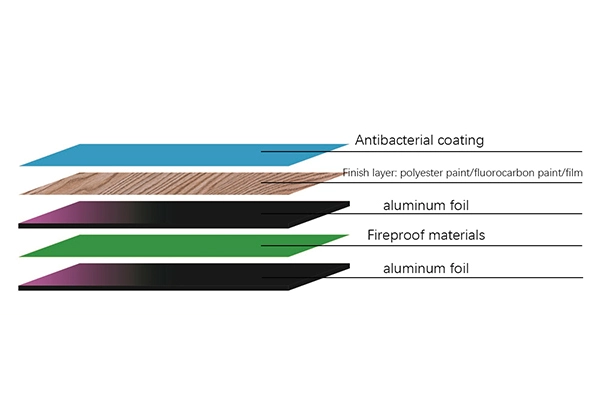
Surface pollution is one of the main reasons why coatings fail. Even very small amounts of oil, dust, or chemical residue left over from manufacturing or installation can act as invisible barriers between the aluminum skin and the coating that was applied. When the coating on a painted aluminum composite panel starts to come off, it loses its good looks and ability to protect. This wear and tear is usually caused by not properly preparing the surface, environmental stressors, or coating systems that don't work well with the aluminum substrate. By learning about these ways panels fail and taking steps to fix them, you can add years to their life and keep the professional look your project needs.
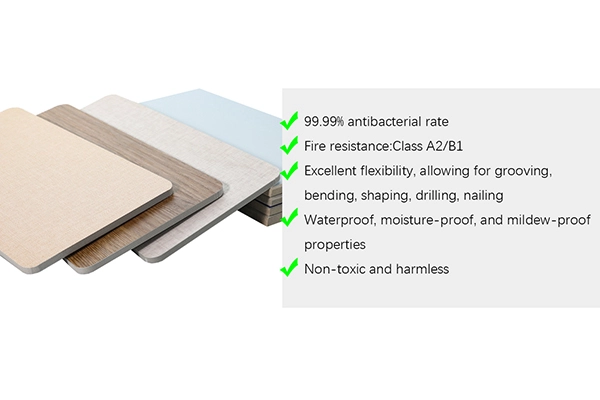
Exposure to the environment speeds up this process by a huge amount. Facilities near the coast are affected by salt spray corrosion, while buildings in industrial areas have to deal with acidic pollutants that attack the paint-metal interface chemically. Thermal cycling adds to these pressures because the material expands and contracts every day. This is especially true for outdoor uses where temperature changes can reach over 30°C.
Incompatible paint systems are another problem. Not every coating works well on metal surfaces. For proper mechanical bonding, polyester paint systems used on standard panels need certain primer formulations. No matter how good the finish is, panels that were made without the right surface pre-treatment, like chromate conversion coating or anodization, often fail too soon.
Technical Insight into Paint-Substrate Bonding
Coating and metal stick together through a process that uses both chemical bonding and mechanical joining. In order to apply uniform primer layers at controlled thicknesses—typically 5-8 microns—before applying the topcoat, quality painting aluminum composite panel products use continuous coil coating methods. This makes sure that the coverage is even and gets rid of the color differences that often happen when painting after fabrication.
Polyester-based systems stick to metal surfaces because the molecules of the glue interact with the oxide layer in a polar way. ASTM standards say that these bonds can withstand peeling forces of up to 7N/mm when the base is properly prepared. But if the surface isn't clean enough or the fix conditions aren't right during production, this strength can be cut in half, and failure can be seen in months instead of years.
PVDF coats last longer because they are made of a fluoropolymer chemistry that doesn't break down in UV light and stays flexible at all temperatures. These systems cost more at first, but they keep the gloss above 80% after fifteen years of exposure. This is important for healthcare facilities and public buildings where upkeep funds limit the number of times they can be painted.
Recognizing Early Warning Signs
Peeling goes through clear steps that can be seen with the naked eye. The first sign is surface chalking, which is when color particles leave behind a dusty film when touched. This means that the binder is breaking down in the topcoat. Next, blistering happens when water builds up under the paint film and makes swollen bubbles that finally pop. In the last step, large-scale delamination happens, which means that the whole covering sheets separate from the panel surface.
When procurement teams look at current systems, they should do tape-pull tests in more than one place. This easy method measures adhesive strength and finds weak spots before general failure, which would require expensive repairs. Panels with adhesion values below 5N/mm need to be looked at right away, even if there is no damage visible.
Effective Methods to Prevent and Fix Paint Peeling on Aluminum Composite Panels
Surface Preparation Best Practices
Thorough cleaning is the first step to getting a finish to work well. Industrial-grade alkaline degreasers get rid of the oil that people's fingers or packing materials leave behind when they handle things. Before applying primer, we suggest wiping the surface with solvent, then rinsing it with water, and letting it dry completely in the air. During this process, the air should stay below 70% humidity to keep the aluminum edges from flash rusting.
Fine-grit sanding (320–400 grit) causes mechanical abrasion, which makes the surface rougher, which helps the mechanical bonding. This step is especially helpful when coating old panels again because the oxide layer has become too smooth. Too much abrasion, on the other hand, wears away too much material and weakens the structural aluminum skin, which is only 0.21 mm thick on standard interior panels.
When applied by spray or dip on polyester paint ACP panel surfaces, conversion coatings offer better chemical bonding sites than mechanical preparation alone. These treatments put down a thin layer of chromate or non-chromate that helps paint stick and protects against corrosion even more. When factories add this step, the panels they make have coatings that last longer in rapid weathering tests.
High-Performance Coating Systems Comparison
PVDF fluoropolymer coatings are the best choice for projects that need to last as long as possible. Because these systems can stand up to constant UV light without changing color, they are perfect for airports, train stops, and other places with a lot of foot traffic where appearance is important. Because the layer stays flexible down to -30°C, it keeps cracks from forming in the cold that would let water in.
When used inside, where UV light isn't as strong, polyester paint solutions are a great deal. These days, polyester mixes can reach pencil hardness ratings of 2H, which is good enough for hospital halls, school hallways, and business lobbies. Because these coatings cure at moderate temperatures, production processes can be short, which means that prices for big orders can be kept low.
Polyester that has been modified with silicone fills the performance gap between regular PE and high-end PVDF choices. This hybrid chemistry provides better weather protection at a cost of about 60% of PVDF systems. This makes it ideal for covered outdoor uses like train stops or airport concourses where direct sunlight is only present sometimes.
Step-by-Step Repair Procedures
To fix localized peeling, you have to remove the whole damaged coating from the affected area plus an extra 50 mm around the edge. Getting rid of loose material without damaging the metal base can be done by wire brushing or carefully scraping. Feather-sanding the edge of the fix makes a smooth shift that keeps the finished patch from having edges that can be seen.
The connecting base is restored by spot priming with items that work well together. Two-component epoxy primers harden very quickly, allowing the finish to be applied the same day. This keeps the job from having to be shut down for too long. Color matching is the hardest part of repair work because factory-applied coatings have precise colorimetry that field touch-ups rarely match exactly. Keeping detailed records of the original panel's specs, including Pantone references, makes it easier to get better matches.
When compared to a single heavy coating, multiple thin coats give better results. Each layer, which is usually 25 to 30 microns thick when wet, should dry for the amount of time suggested by the maker before the next layer is added. This makes sure that the layers are properly linked together and gets rid of the trapped chemicals that cause burning. As part of quality control, shine meters are read, and things are looked at under constant lighting.
Ongoing Maintenance Protocols
Cleaning on a regular basis greatly increases the life of coatings by getting rid of built-up contaminants before they start to attack chemically. Mild cleaning solutions that are used every three months keep the panel surface from getting organic materials that hold on to water. You should not use high-pressure washing because it can push water under the edges of coatings, especially where fasteners go through or where panels join.
Once a year, checks record the state of the coating and find new problems early, when the cost of fixing them is lowest. Digital photography in set places lets you compare one year to the next, which shows trends of gradual decline. Facilities management teams can plan ahead and set aside money to replace sections instead of having to deal with emergencies where whole wall systems need to be fixed at once.
Accidental damage is avoided by taking precautions while nearby building or repair work is going on. Panels that have been placed are protected from welding sparks, paint overspray, and chemical spills that could damage the finish by temporary barriers. These safety measures are especially important in healthcare settings where strict rules about preventing infections already require strong disinfectants to be used on surfaces on a regular basis.
Case Studies and Practical Tips for B2B Clients
Healthcare Facility Renovation Project
A large hospital system had 15,000 m² of hallway solid color aluminum composite panel units that were placed only five years before the paint started to peel off. An investigation showed that the surface wasn't properly prepared before it was installed, and that harsh cleaning methods using quaternary ammonium disinfectants damaged the chemical bonds of the layer. The building management team worked with a certified panel maker to come up with a way to fix the problem without having to replace the whole panel.
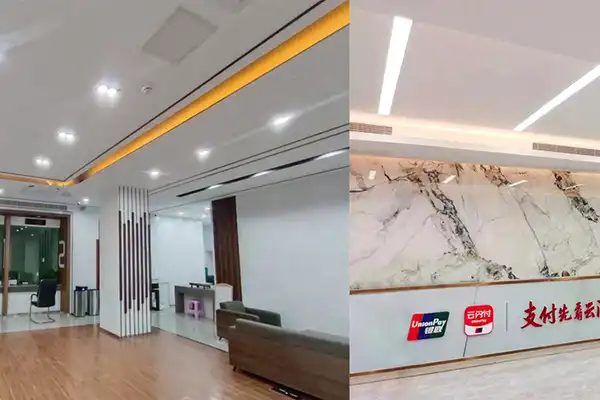
As a solution, only the damaged panels were replaced, and the stable panels were recoated using epoxy bases that were specially made to connect with the existing polyester topcoats. This combined method cut costs by 60% compared to replacing everything all at once and increased service life by 12 to 15 years. Instead of acidic cleaners, pH-neutral cleaners were used, which effectively stopped infections without harming the coating.
The project showed how important it is to work with knowledgeable suppliers who offer expert help in addition to selling products. On-site training taught maintenance staff the right way to clean and how to spot early danger signs that need attention. The warranty covered both the materials and the work that was done on the application. This protected the manufacturer's money and showed that they were confident in the answer they suggested.
Airport Terminal Expansion
For the 8,000m² ceilings of the exit halls at an international airport, painted composite panels were chosen because they were light and safe in case of fire. The procurement team looked at a number of suppliers but had trouble comparing marketing claims to real manufacturing skills. When I went to different production sites, I saw that the quality control methods and coating application techniques were very different.
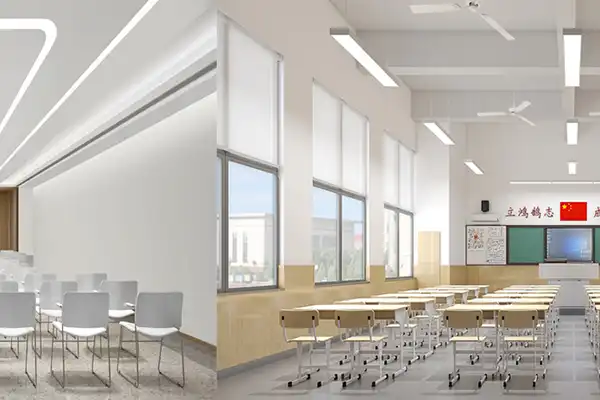
The chosen maker had ISO-certified factories with automatic coil coating lines that made sure the film thickness and cure profiles were always the same. Class A2 fire-rated panels with PVDF topcoats met the needs of the aviation authority and came with 20-year warranties on color retention. Customized panel lengths of up to 6 meters got rid of field joints that blocked important sightlines, giving the building the smooth look that the plan called for.
Scheduling the deliveries was very important because the building had to happen in stages so that materials could be released at the right time for the ceiling grid installation. The maker responded to logistics questions 24 hours a day and had flexible warehouse arrangements that worked with the changing schedules that come with big building projects. Inspections after the installation showed that there were no problems with the whole thing, which proved that the buying team was right to focus on qualifying suppliers instead of choosing the lowest bidder.
Best Practice Recommendations
To buy panels successfully, you need detailed specification documents that include performance requirements as well as size and shape details. Bidders will have a better idea of what is expected of them if the project specifications include minimum adhesion strength, coating thickness goals, and fire safety certifications. This level of detail gets rid of non-compliant plans that look good based on price alone but don't meet functional needs.
Building long-term ties with qualified suppliers has benefits that go beyond just finishing a job. Preferred vendor programs with well-known makers make future purchases easier by negotiating prices ahead of time, giving you priority timing for production, and collecting technical information about your unique application needs. These relationships are very helpful when there are sudden emergencies at the site, or chances to grow that come up out of the blue.
Conclusion
Aluminum composite panels' paint peeling in painting aluminum composite panel applications is caused by things that can be controlled, such as the quality of the surface preparation, the choice of finishing method, and how the panels are exposed to the environment. When procurement teams know the technical requirements for proper adhesion, they can choose the right products and make sure suppliers can meet those requirements before making a commitment. Preventive maintenance plans and quick repairs of specific problems can make an installed system last longer while keeping its good looks. When choosing a panel, you should look at how much it will cost over its entire life, not just how much it costs at first. Premium coating systems and qualified makers offer better long-term value by requiring less upkeep and replacing panels less often. This article gives building managers and buying workers the technical information and case study lessons they need to make smart decisions that improve the results of projects.
FAQ
1. How long should paint last on quality aluminum composite panels?
Polyester coatings that are applied at the factory to internal walls usually keep their look for 10 to 15 years under normal conditions. When used in tough conditions, premium PVDF systems can last longer than 20 years and still keep more than 80% of their original gloss. How long something actually lasts depends on how much it is exposed to things like UV light, cleaning products, and the way the building is used.
2. Can peeling paint be repaired without replacing entire panels?
When damage covers less than 20% of the panel's surface area, and the base below is still physically sound, localized repairs are the most cost-effective way to fix the problem. If you prepare the surface properly and use coating systems that work with it, the repairs will last for 5 to 7 years. If there is a lot of peeling or base rust, the panel should usually be replaced as a whole to make sure it works and looks the same for a long time.
3. Are eco-friendly paint options available for aluminum panels?
New coatings made with water and low volatile organic compounds (VOCs) are better for the environment and work just as well as old systems made with solvents. Green building certification is supported by panels made with these environmentally friendly coatings, which also keep the air quality healthy in occupied spaces. Check for certifications like Greenguard to make sure that the products you buy meet the sustainability needs of your project.
Partner with YILONG JUZHOU for Superior Painting Aluminum Composite Panel Solutions
To stop paint from peeling, you need more than just new parts. You need a manufacturing partner who knows about covering science and the limits of the project. YILONG JUZHOU has approved factories in both Shaanxi and Guangdong that make Class A2 bulletproof panels with polyester paint systems that are designed to stick for a long time. Our customizable choices come in thicknesses from 2 to 6 mm, widths up to 2000 mm, and lengths that aren't limited, so we can make sure that your exact needs are met. With an inventory of 50,000 m² and production rounds of 3–7 days, we can meet tight project deadlines without lowering the quality of our work. Free samples are sent within 3–5 days so that you can test them, and OEM/ODM features allow for special design needs. Get in touch with our team at cnyang2000114@gmail.com to talk about your project needs with painting aluminum composite panel manufacturers who offer three-year warranties and are ISO and CE certified.
References
1. American Architectural Manufacturers Association. "AAMA 2605-13: Voluntary Specification, Performance Requirements and Test Procedures for Superior Performing Organic Coatings on Aluminum Extrusions and Panels." Schaumburg, IL: AAMA, 2013.
2. ASTM International. "ASTM D3359-17: Standard Test Methods for Rating Adhesion by Tape Test." West Conshohocken, PA: ASTM International, 2017.
3. European Committee for Standardization. "EN 13501-1:2018: Fire Classification of Construction Products and Building Elements." Brussels: CEN, 2018.
4. National Fire Protection Association. "NFPA 285: Standard Fire Test Method for Evaluation of Fire Propagation Characteristics of Exterior Wall Assemblies Containing Combustible Components." Quincy, MA: NFPA, 2019.
5. U.S. Green Building Council. "LEED v4.1: Building Design and Construction—Material Ingredients." Washington, DC: USGBC, 2020.
6. Zhao, Jun and Michael Williams. "Durability of Organic Coatings on Aluminum Substrates: Environmental Degradation Mechanisms and Prevention Strategies." Journal of Protective Coatings and Linings, vol. 35, no. 8, 2018, pp. 42-58.

Send Inquiry
Related Industry Knowledge
- Why Is Calcium Silicate Fireproof Board Ideal for Class A1 Interior Walls?
- Negative ions panel: A Versatile Solution for Improving Indoor Environments
- Ultimate Fiberglass resin board for Beginners
- Why Is Fiberglass Resin Board Ideal for Class A Interior Wall Decoration?
- Applications of Inorganic pre-coated panels in Commercial Buildings
- A Beginner’s Guide to Choosing Antibacterial Wall Panels
- Medical Clean Board Features and Benefits Explained
- What is the difference between an aluminum composite panel and an aluminum sheet?
- How to install an aluminum composite panel?
- How do I choose the right aluminum composite panels for my building?