
Why Is Fiberglass Resin Board Ideal for Class A Interior Wall Decoration?
July 25, 2026
Fiberglass resin board has emerged as a transformative solution for commercial interior wall applications where safety, performance, and aesthetics converge. This composite material excels in Class A fire rating compliance, providing non-combustible protection essential for hospitals, schools, office towers, and transit hubs. Beyond fire resistance, its integrated moisture barrier, antibacterial surface, and impact-resistant structure address the toughest challenges facing facility managers and procurement teams. When projects demand materials that balance regulatory compliance with long-term cost efficiency and design versatility, this panel technology delivers measurable advantages across every performance metric.
Understanding Fiberglass Resin Board and Its Core Properties
What Makes This Composite Unique?
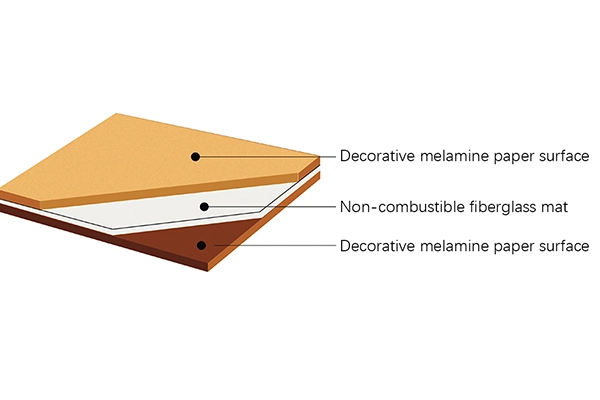
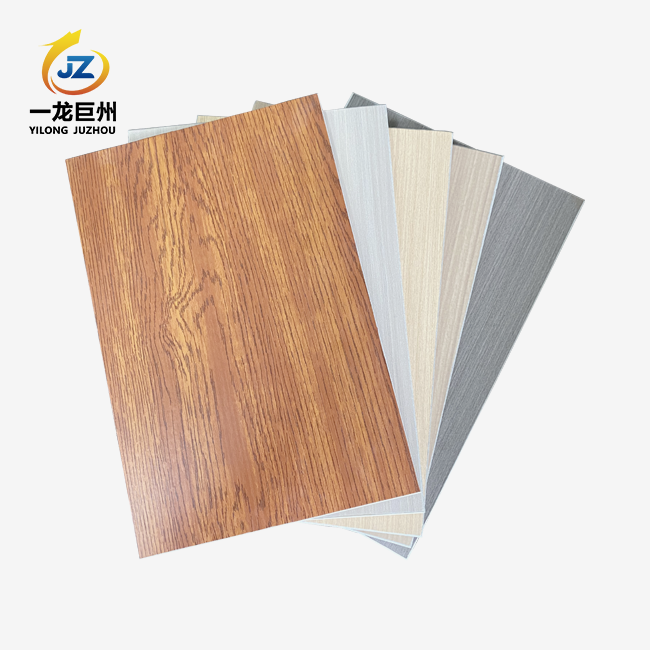
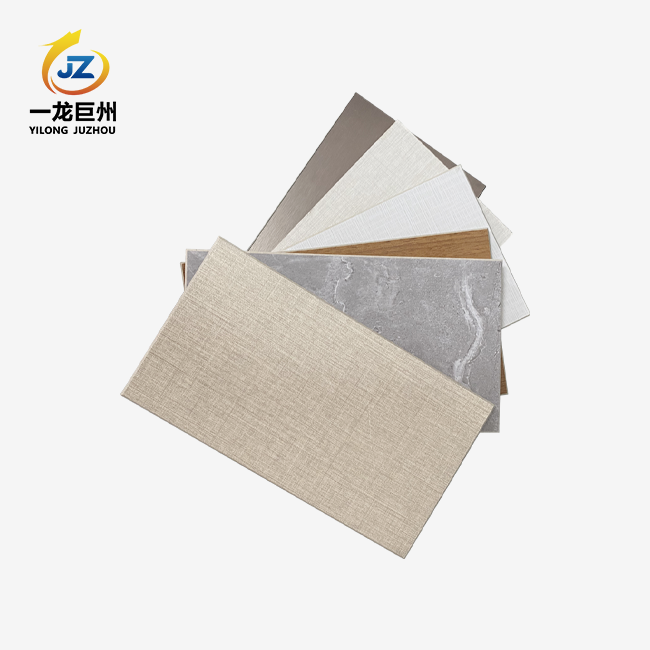
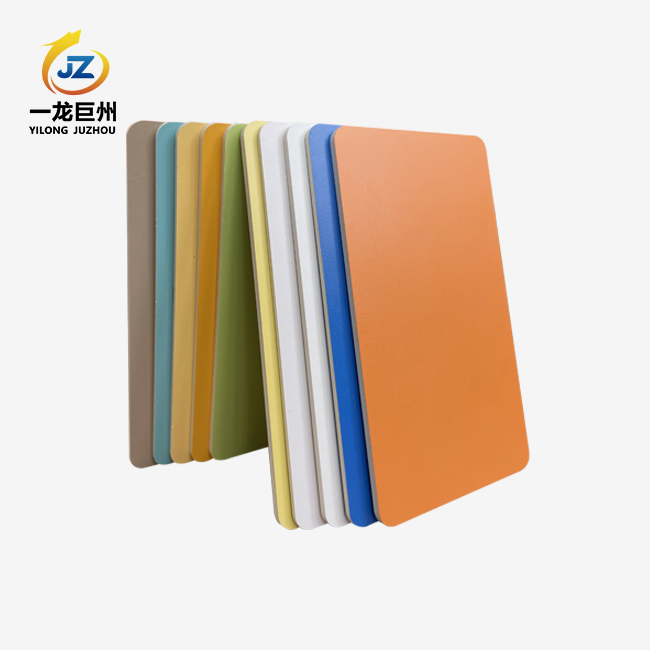
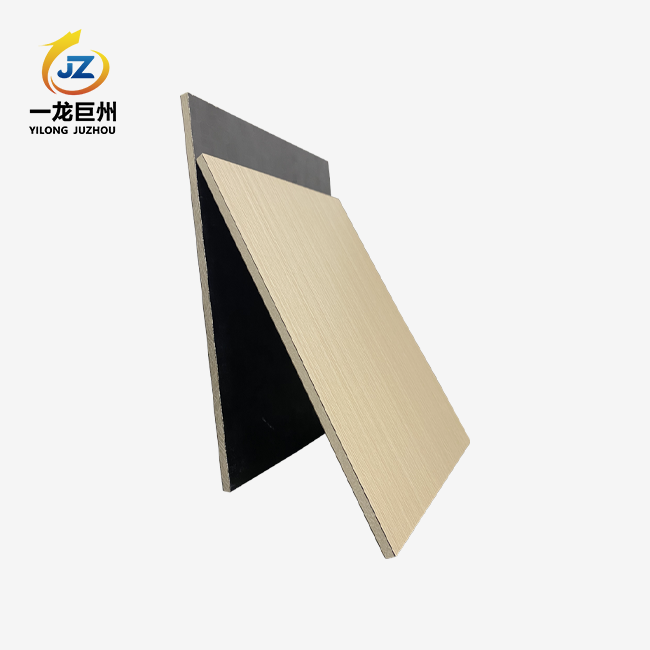
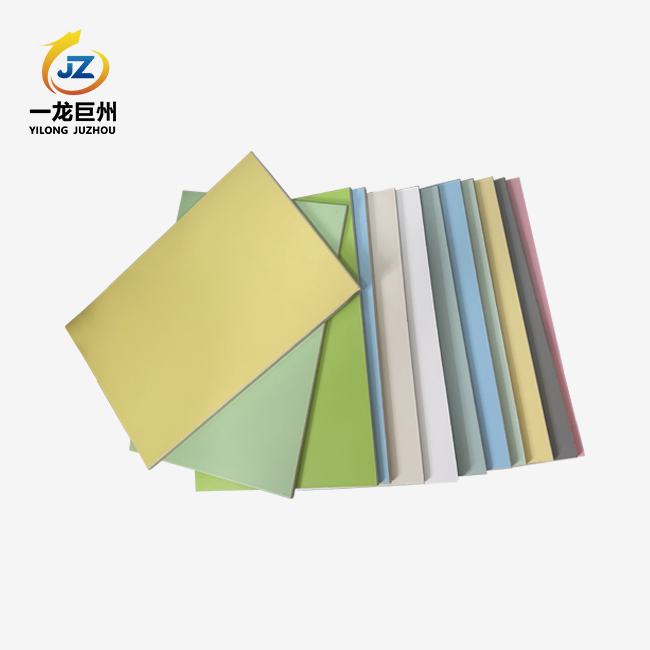
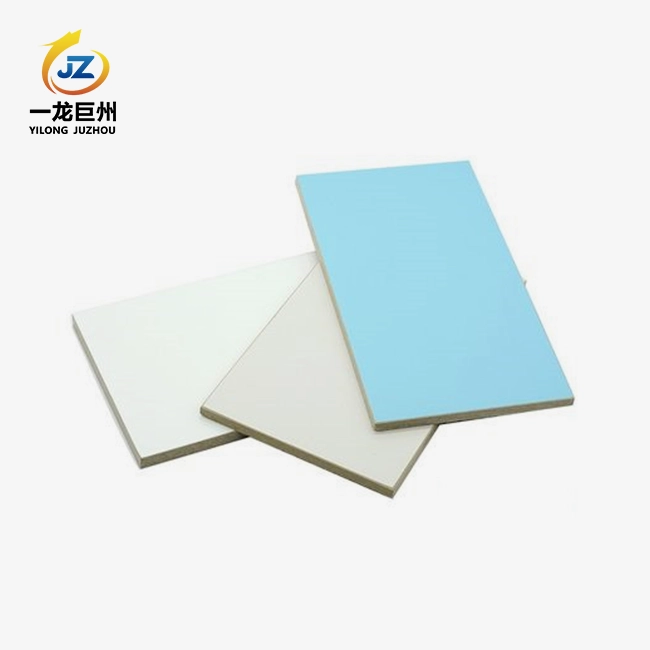
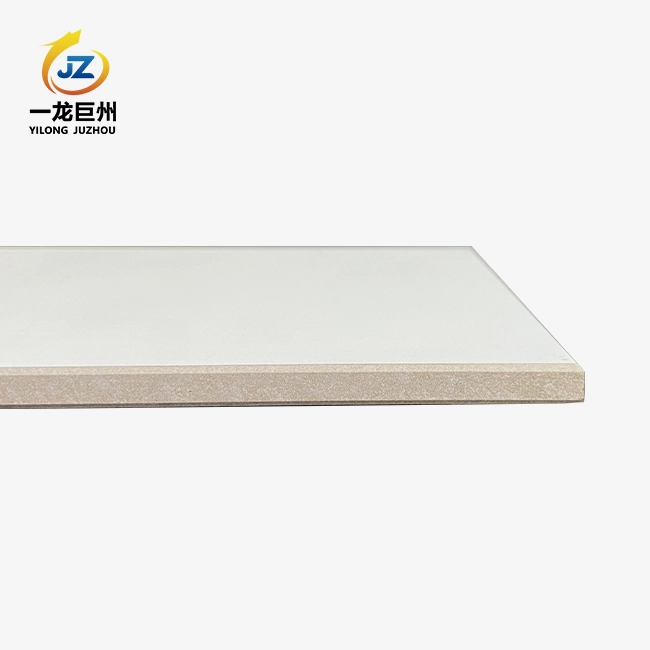
YILONG JUZHOU's Fiberglass resin board is made of several layers. The core is made of alkali-free glass fiber felt that has been saturated with cured resin. On both sides, melamine paper is bonded to make the board scratch-resistant and give it a variety of looks. This architecture makes a rigid panel that is 1220mm x 2440mm and has widths ranging from 1mm to 8mm. It was designed to be used for internal wall systems in business spaces with a lot of foot traffic. The melamine layer on top, which is bound with heat and pressure, is as hard as stone finishes. It protects against wear and tear and comes in solid colors, woodgrain patterns, marble effects, metallic textures, and knitted cloth looks.
Fire Safety Credentials That Meet Regulatory Standards
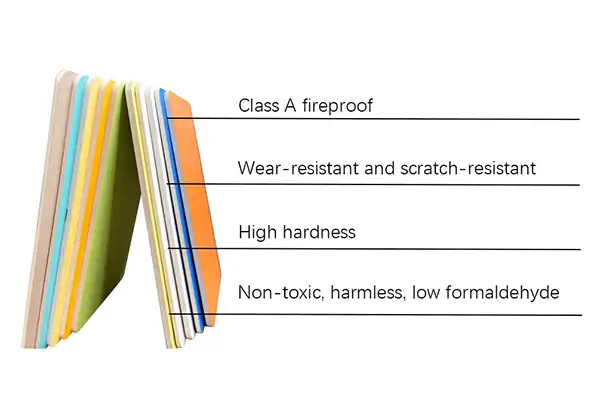
Getting certified as Class A non-combustible puts this material at the top level of safety for building interiors. The glass fiber reinforcement doesn't change shape when it's near flames, and the resin matrix doesn't catch fire or make smoke. This level of fire performance is needed in places like hospitals that need infection control zones, schools that need to keep students safe, and tube stops that need to make sure riders are safe. Testing by a third party confirms that the board follows the strict building codes that are common for healthcare and public infrastructure projects.
Moisture Resistance and Environmental Durability
The panel will keep its shape and appearance even in high-humidity environments as long as it absorbs less than 0.1% water. Commercial kitchens, pharmaceutical cleanrooms, and underground transport passageways are always wet, which damages normal wall materials by warping, allowing mold to grow, and separating the surface. The closed-cell structure of this composite stops water from getting in, which stops bacteria from growing and making hygiene standards less strict. This waterproof feature makes it last a lot longer than gypsum boards or MDF panels, which break down when they get wet.
Comparing Fiberglass Resin Boards with Traditional Interior Wall Materials
When procurement professionals look at wall systems, they usually look at more than one type of material. Figuring out how Fiberglass resin boards compare to other choices makes their value offer clearer.
In industrial settings, traditional plywood and medium-density fiberboard don't meet fire safety standards because they only get Class B or C grades and soak up water, which causes mold and swelling. Plastic wall panels might be resistant to water, but when they burn, they often give off harmful fumes and aren't strong enough for high-impact areas. Ceramic tiles last a long time, but they are very expensive up front and need to be installed by someone with a lot of experience. Standard fiberglass sheets that haven't been properly treated on the outside have rough textures that aren't good for finished interiors.
The melamine-surfaced fiberglass composite fills in these gaps by offering Class A fire ratings along with resistance to impact and moisture penetration in a lightweight and simple-to-install format. Lifecycle cost analysis shows lower upkeep costs: the scratch-resistant surface means you don't have to paint the walls as often, and the mold-proof construction means you don't have to pay for expensive repairs. The panel's ability to keep its shape even when the temperature and humidity change cuts down on callback service problems that hurt contractors' profits and project schedules.
Another competitive advantage is how well installations are done. With a density of about 1.8 g/cm³, the boards are still manageable for two-person crews and stay rigid enough, so they don't sag between the studs. Without special tools, standard woodworking tools can cleanly cut the panels, and the material can be joined with adhesives or mechanical systems. This makes handling easier, which speeds up project schedules. This is especially helpful during phased business building, where finishing dates are set by when the interiors are finished.
Practical Applications and Benefits in Class A Interior Wall Decoration
Healthcare Facilities: Infection Control and Patient Safety
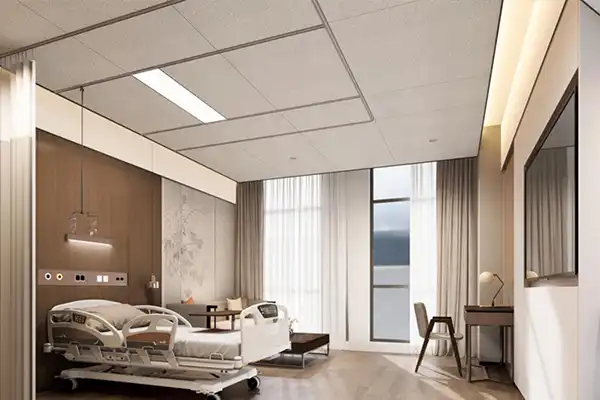
Walls in hospital hallways, operating rooms, and clinical laboratories need materials that can stand up to strict cleaning procedures. Independent lab tests on common pathogens like E. coli showed that this board's antibacterial qualities kill 99.99% of bacteria that come in contact with it. Staphylococcus aureus and E. coli. The surface of the melamine is not porous, so it can be cleaned many times with bleach solutions and hospital-grade quaternary ammonium compounds without losing its shape. Impact resistance keeps walls from getting dents and cracks where tools and gurneys touch them, so infection shields stay in good shape for as long as the building is in use.
Educational Institutions: Durability and Acoustic Performance
The board can stand up to daily abuse from students and still meet fire codes that protect people inside during emergencies. This is good for schools, kindergartens, and university buildings. There is measurable sound dampening in the composite structure, which keeps noise from traveling from classrooms to office areas. This acoustic soundproofing makes learning spaces better without the need for extra treatments that reduce sound. Schools can use color-coded wayfinding systems or put institutional logos directly on walls thanks to the variety of finish choices. This creates consistent interior identities that make campus settings better.
Transit Infrastructure: Weather Resistance and Vandal Protection
Walls in tube stops, airport hubs, and train platforms are vulnerable to changes in temperature, condensation, and damage done on purpose. Graffiti can't get through the Fiberglass resin board composite; marks just wipe off the hard surface without using chemicals that damage painted walls. The material doesn't give off any VOCs, so it stays in line with air quality standards for enclosed public spaces, which is helpful in underground areas with limited airflow. The panel's ability to resist rust is very important in coastal airports or tunnels where salty air speeds up the breakdown of metal fixtures and the flaking of concrete. Class A Non-Combustible wall boards also provide enhanced fire safety performance for these high-traffic public areas.
Commercial Real Estate: Aesthetic Flexibility and Tenant Satisfaction
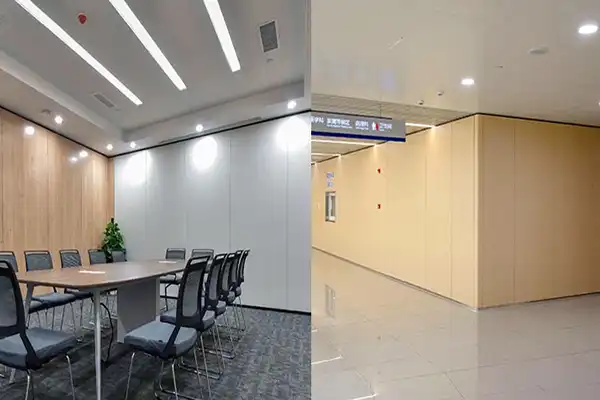
The inside of office buildings, hotels, shopping malls, and high-end clubs needs finishes that show off quality while keeping costs low. With the large pattern library, designers can choose real marble looks for lift lobbies or warm wood tones for luxury rooms without having to deal with the weight and cost of natural materials. This design flexibility helps with quick tenant improvement projects where owners need to clean up areas between tenants. Property managers like that the panel is easy to clean, which keeps the panel's look throughout the lease term without having to hire care staff. This protects asset values and increases the number of tenants who stay.
Installation, Maintenance, and Safety Guidelines for Optimal Performance
Preparation and Mounting Techniques
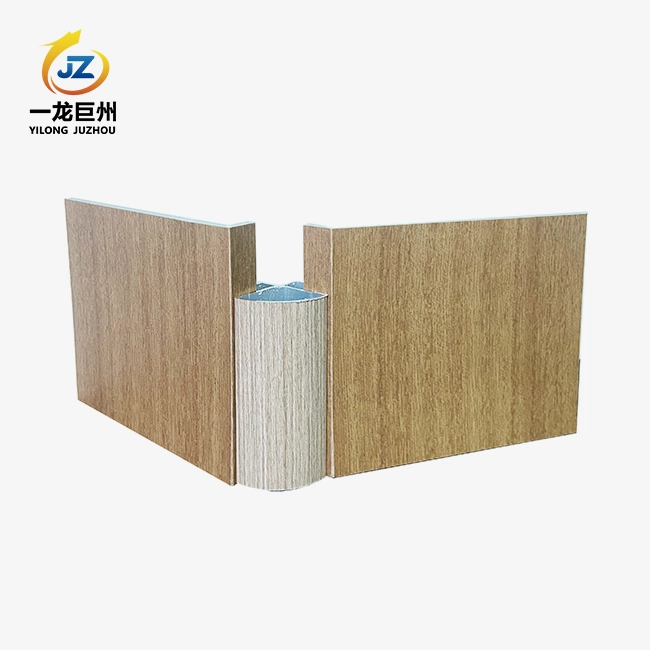
Getting the best results starts with preparing the substrate correctly. To keep panels from gaping, the wall frame should keep vertical margins within 3 mm every 3 meters. At 300 mm intervals along the edges and 400 mm in the field, fasteners go through the Fiberglass resin board and into studs. These are made of corrosion-resistant screws with finishing nuts that sit flush. For adhesive installation, construction-grade contact cement is spread evenly on both the substrate and the panel back. Rolling pressure is then applied right away to make sure the bond is complete.
Routine Care and Damage Prevention
To clean every day, all you need are damp microfiber cloths to remove dust, and for places that get dirty, you can wash them every so often with neutral pH soaps. The melamine surface doesn't get stained easily by things like coffee, ink, and fats that are typical in business settings. Do not use rough scouring pads or cleaning with solvents, as they may dull the shine over time. Impact damage from material handling equipment usually only leaves marks in certain areas and doesn't weaken the structure. Affected panels can still be used or replaced in spots without affecting nearby sections.
Worker Safety and Environmental Responsibility
When working with cut edges, installation teams should wear gloves to keep fiber splinters from touching their skin. Cutting creates fine dust that needs to be ventilated properly, and workers must wear breathing protection as required by workplace health standards. The board doesn't have any heavy metals, asbestos, or formaldehyde in it, which is in line with green building standards like LEED and WELL. End-of-life dumping follows normal procedures for building waste; the inert makeup doesn't cause leachate problems in landfills, and the energy content of the material supports waste-to-energy recovery systems in facilities that can handle composite processing.
Procurement Insights—Choosing the Right Fiberglass Resin Board Supplier and Product
Certification Verification and Quality Assurance
Specifications for purchases should require proof that the Class A Non-Combustible wall boards fire grade is met by well-known testing labs. YILONG JUZHOU still has ISO recognition and approval from the China Environmental Standard. This gives the company the traceability needed for official bidding processes in public building projects. Ask for samples so you can check the quality of the surface finish, the stability of the edges after cutting, and the consistency of the sizes across production lots. Reliable providers give out technical data sheets that show how much a Fiberglass resin board can bend, how well it can withstand impacts, and how much water it can absorb using standard testing methods.
Pricing Structure and Delivery Reliability
Volume pricing models reward customers who commit to bigger purchases while still allowing for flexible delivery schedules that work with construction plans. Compare the minimum order amounts to the size of the project to get the best freight rates without tying up working capital in extra inventory. Standard products usually have lead times of 3 to 7 days from YILONG JUZHOU's production bases in Shaanxi and Guangdong. The company also keeps 50,000 square meters of stock on hand to meet urgent needs right away.
Customization Capabilities and Long-Term Partnerships
OEM and ODM services let wholesalers build a regional market footprint through private labeling, or they can make patterns that fit specific design briefs. Customization of samples usually takes three to five days, which gives design teams time to look at real materials before agreeing to full purchase. The three-year quality warranty shows that the maker is confident in the product and protects buyers from the risk of defects.
Conclusion
Fiberglass resin board is a complete solution for interior wall applications that need to meet strict fire safety, hygiene, and design requirements. Its Class A noncombustible grade, antibacterial surface, and ability to keep water out meet the most important needs of healthcare facilities, schools, transit systems, and business properties. Compared to other materials, this composite has a better lifecycle value because it requires less maintenance, can be installed faster, and lasts longer. People who work in procurement should choose providers like YILONG JUZHOU that offer certified product quality, expert support, flexible customization, and a reliable transport network that covers both domestic and foreign markets.
FAQ
1. What thickness should we specify for high-traffic commercial corridors?
Choose a thickness between 4mm and 6mm for walls that will be hit by carts and tools often. These measurements give the best impact protection while keeping costs low. Standard office walls and low-contact areas work fine with 2mm to 3mm Fiberglass resin board panels, which saves money on materials without lowering fire ratings.
2. Can this material integrate with existing wall framing systems?
The board can be used with both steel stud and wood framing systems that are popular in industrial buildings. Because of how light it is, it only needs normal load-bearing studs spread 400mm to 600mm apart for structural support. Because it works with standard building methods, installation teams that already know how to use plasterboard techniques don't need any extra training.
3. How does the antibacterial performance maintain effectiveness over time?
The antibacterial properties come from additives that are built into the surface layer of melamine, not from coatings that are put on top and wear off. As a result, the panel will always be resistant to microbes, even if it needs to be reapplied or treated again. Independent tests have shown that it will keep working for more than ten years with normal cleaning.
Ready to Specify Premium Interior Wall Solutions for Your Next Project?
With certified Class A wall panels designed for tough uses, YILONG JUZHOU is your go-to Fiberglass resin board maker. Our factories in Shaanxi and Guangdong keep a lot of different thicknesses and finishes in stock, so we can send you samples quickly (within 3–5 days) to help you with your evaluation process. Our expert team can help you choose the right materials for a multi-phase healthcare campus, an educational renovation, or an upgrade to the infrastructure of public transport. They can also provide installation instructions and performance paperwork that make the buying process easier. Email our experts at cnyang2000114@gmail.com to get free samples, talk about how our OEM/ODM services can help you make custom patterns, or get project-specific advice based on our 30 years of experience with composite materials.
References
1. National Fire Protection Association (2021). NFPA 101: Life Safety Code—Interior Finish Requirements for Commercial Occupancies. Quincy: NFPA Publications.
2. American Society for Testing and Materials (2020). ASTM E84: Standard Test Method for Surface Burning Characteristics of Building Materials. West Conshohocken: ASTM International.
3. U.S. Green Building Council (2019). LEED v4.1 Building Design and Construction—Low-Emitting Materials Credit. Washington: USGBC Press.
4. Healthcare Facilities Today (2022). "Antimicrobial Wall Surfaces: Performance Standards and Infection Control Applications." Healthcare Design Magazine, 15(3), 42-48.
5. Composites Manufacturing Association (2021). Technical Guide to Thermoset Composite Panels for Architectural Applications. Arlington: CMA Industry Publications.
6. Building Owners and Managers Association (2020). Lifecycle Cost Analysis for Commercial Interior Finishes: Comparative Study of Wall System Performance. Chicago: BOMA Research Foundation.

Send Inquiry
Related Industry Knowledge
- What Are The Advantages of an exterior ACP Sheet?
- Exploring the Versatile Applications and Benefits of PP Healthy Panel Solutions
- How Does UV light curing board Technology Improve Surface Hardness?
- What Is ice fireproof board and How Does It Resist High Heat?
- UV Antibacterial panels vs Traditional Wall Panels: Key Differences
- Top 10 Tips for Working with Aluminum Composite Material Panels
- What are aluminum composite panels used for?
- How to spray paint on aluminum composite panels
- What is the difference between an aluminum composite panel and an aluminum sheet?
- Things to Know About Aluminium Composite Panels