
UV Antibacterial panels Material Structure and Coating Technology
August 24, 2026
When we talk about interior wall systems that truly protect occupants, UV antibacterial panels stand out by combining calcium silicate substrates with specialized UV-cured antimicrobial coatings. These panels embed silver ion technology within a photopolymerized surface layer, creating a permanent hygienic barrier that achieves a 99.99% antibacterial rate against common pathogens. Unlike temporary disinfectant sprays, the antimicrobial agents are cross-linked into the polymer matrix during the UV curing process, ensuring long-lasting protection without leaching or degradation over time.
Understanding UV Antibacterial Panels: Materials and Coating Technologies
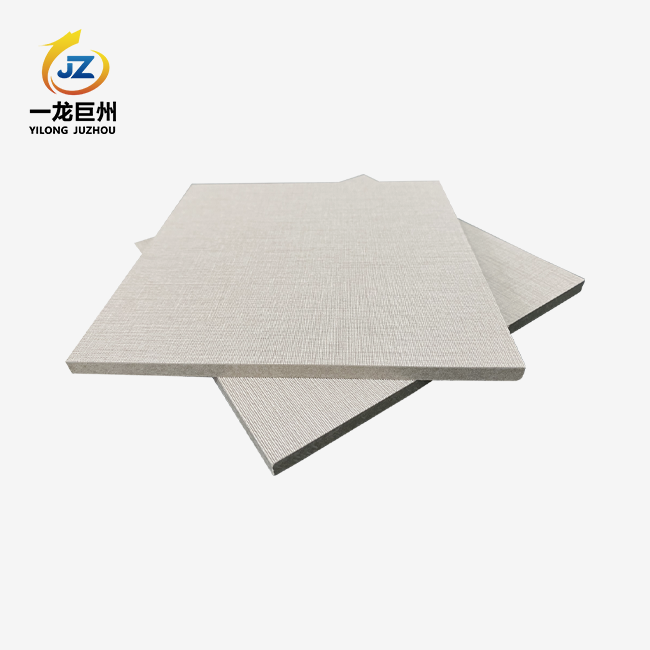
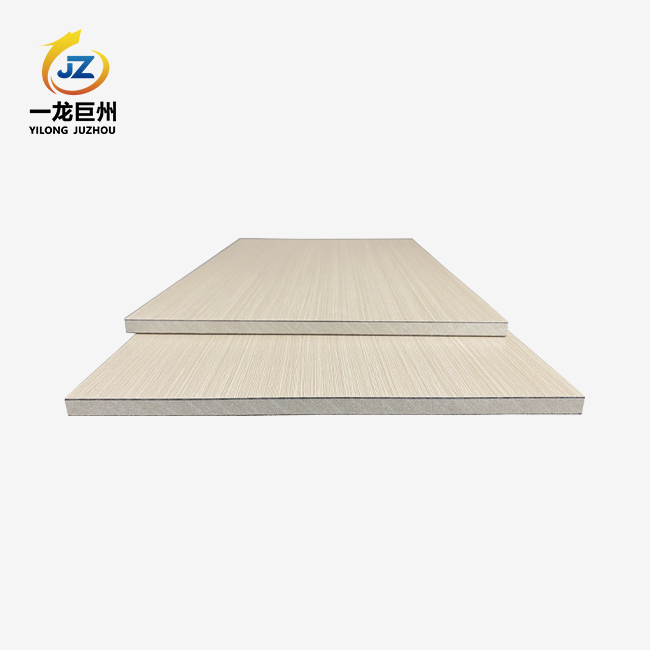
How well antibacterial wall panels work depends a lot on how well the base and surface treatments work together. Calcium silicate board is used as the core base in YILONG JUZHOU's panels. This is a well-known material for its ability to keep its shape, fight fire, and keep moisture out. For high-traffic business areas, this base gives the structure the strength it needs and is also perfect for improved coating adhesion.
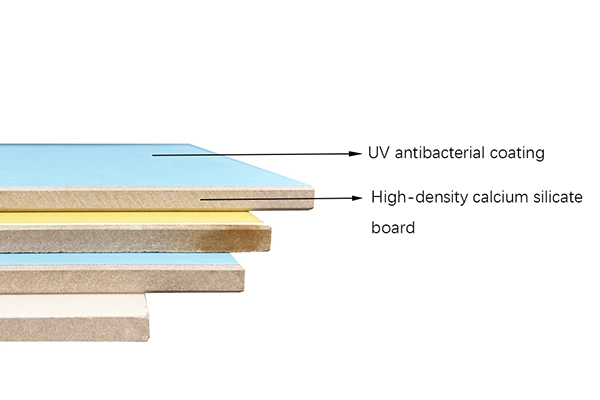
The Role of Calcium Silicate Substrates
Calcium silicate boards are better than standard MDF or plywood cores in a number of ways. The material is very good at resisting moisture, so the substrate doesn't swell and separate, which can happen in damp places like hospitals and food processing plants, and shorten the life of the panel. Calcium silicate is not flammable, which also helps the panel get a GB8624 Class A fire rating, which is very important for public and hospital buildings. The low porosity of the base makes the surface secure and stops water or contaminants from moving from behind the wall system. This keeps the antibacterial surface layer intact.
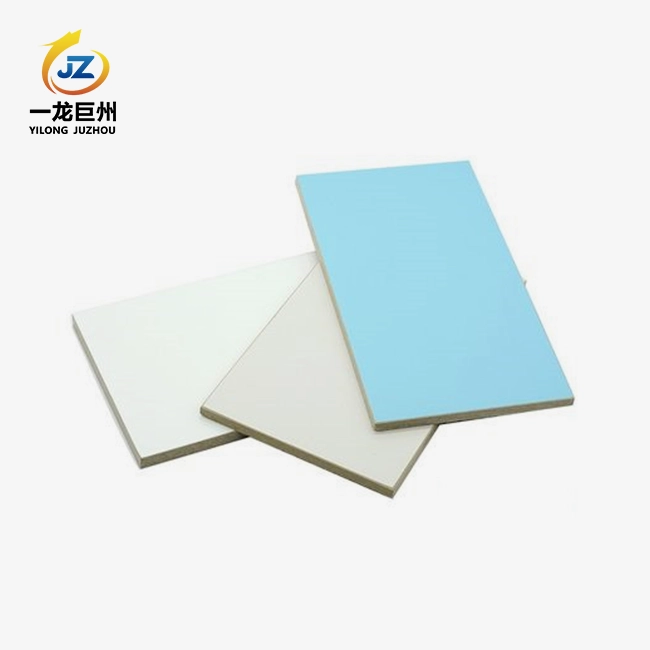
| name | UV antibacterial panels | thickness | 4.5/5/6/8/10/12mm |
| baseboard | calcium silicate board | fireproof | Class A |
| density | ≥1.45 | antibacterial rate | ≥99.99% |
UV-Cured Antibacterial Coating Technology
Infection control and materials science meet at the surface layer. Our UV antibacterial coating has inorganic silver ions mixed in with a high-density polymer matrix that is formed when ultraviolet light cures the polymer. This method is very different from the usual solvent- or water-based coatings. When high-intensity UV light hits the liquid covering during production, photoinitiators start rapid polymerization. This makes a cross-linked molecular structure in seconds. The flash-curing method makes the material 100% solid, getting rid of any volatile organic chemicals and giving it a surface hardness of 3H to 6H on the pencil hardness scale, which is much harder than most finishes.
There is a contact-kill device that makes the silver ion technology work. When bacteria land on the panel, silver ions damage the cell wall and stop DNA replication, which stops the bacteria from multiplying. As the antimicrobial qualities stay strong even after years of use, the surface will still show normal signs of wear because the ions are built into the coating rather than being sprayed as a surface treatment.
PVC Film Options for Enhanced Aesthetics
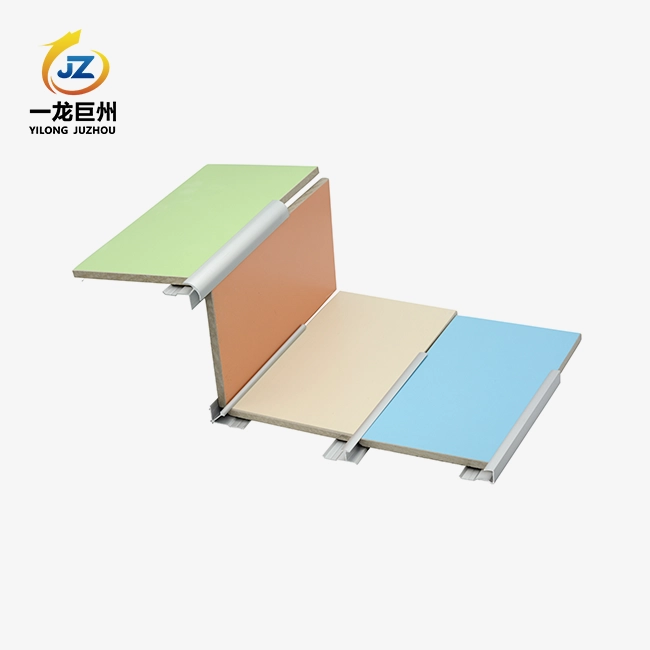
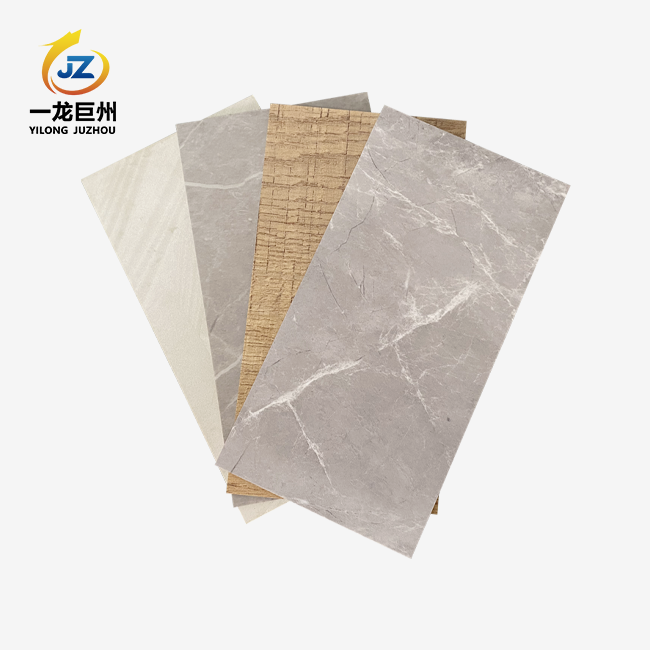
For some uses, artistic options that go beyond uniform colors are needed. We have screens with antibacterial technology built into the PVC film on the outside. These films have patterns like woodgrain, marble, metal, and cloth, and they still keep the cleanliness that is important in healthcare and food service settings. Using heat and pressure, the PVC film is laminated to the calcium silicate substrate. This makes a bond that can withstand the changes in temperature that happen in buildings with variable HVAC systems.
Comparative Analysis of UV Antibacterial Panels vs. Traditional Panels
In the past, antibacterial treatments for building materials were usually done by adding chemicals to paints or laminates that cover the surface. There are some problems with these solutions that become clear after a while of using them. Normal antimicrobial ingredients can wear off over time, especially if they are cleaned over and over with harsh disinfectants that are common in hospital settings. The active ingredients lose some of their power as they move below the surface or get sucked up by biofilms and organic dirt.
Our UV antibacterial panels fix these problems by adding antimicrobial agents that stay in place in the cured coating matrix. Following tests according to ISO 22196 and JIS Z 2801 guidelines show long-lasting effectiveness with log reduction values higher than 2.0 against MRSA, E. coli, and other common germs even after being cleaned thousands of times. In Ohio, a hospital replaced painted drywall in patient rooms with our panels. Over the course of 18 months, regular swab tests showed that the amounts of surface contamination were 43% lower.
The natural picture is also very different. Solvent-based topcoats that give off VOCs while they are being applied and drying are often needed for traditional panels. Our UV curing process produces almost no emissions, making UV antibacterial wall panels a suitable option for buildings that need to be used right away without worrying about off-gassing. The calcium silicate substrate doesn't have any formaldehyde, benzene, or other chemicals that are bad for your lungs. It meets the CARB P2 and E0 standards, which are becoming more and more important for public building materials in the US.
Comparing durability shows that some things are better than others when it comes to impact protection and surface stability. The thick UV-cured surface doesn't scratch, dent, or chip as softer materials do, which are good places for bacteria to live. Our panels can survive the normal bumps and hits that happen when carts and other equipment are moved around in hospital hallways without any damage to the surface. This means that they keep the clean barrier that infection control rules require.
Key Factors to Consider When Selecting UV Antibacterial Panels
When buying antibacterial wall systems, you should think about how well they meet performance standards, legal requirements, and the needs of your particular project. Knowing the technical criteria that determine quality helps you stay away from products that look nice but don't really help with hygiene.
Certification and Testing Standards
Antimicrobial claims that are true need to be checked by a third party. Look for panels that have been tested according to the ISO 22196 or JIS Z 2801 protocols. These protocols list the types of bacteria that are used, how much of them are used, how long they are in contact, and how the results are calculated. There are certifications that say our panels kill 99.99% of gram-positive and gram-negative bacteria. Check the fire ratings with reputable testing organizations. For example, our GB8624 Class A non-combustible rating meets the strict standards of healthcare building rules across North America.
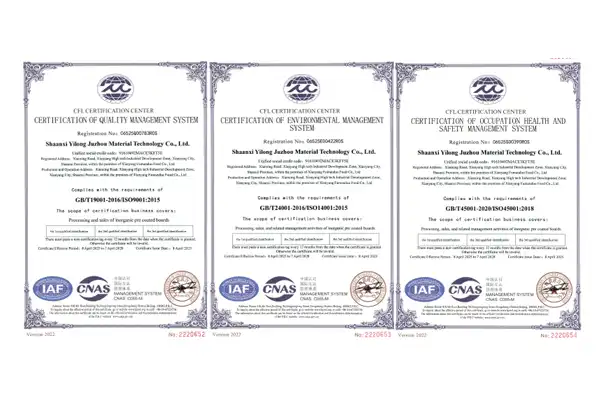
Environmental certifications are important for projects that want to get LEED credits or follow the rules for sustainability set by institutions. Our panels meet the China Environmental Protection Standards, the ISO quality control systems, and the CE marking, so they can be used all over the world. Low VOC content and no formaldehyde emissions help keep the air inside healthy, which is important for medical and school buildings.
Dimensional Options and Customization
Most building projects can use standard panel sizes of 1220mm wide and 2440mm long, but custom sizes up to 3050mm high can be made to fit floor-to-ceiling setups without horizontal joints that can trap dirt. Our thickness ranges from 4.5 mm to 20 mm, so builders can find choices that fit the needs of the structure and the way it will be installed. For renovation projects that need to be light, thinner panels work well, while thicker panels are better at blocking out noise in rooms that need it.
Choosing colors and patterns isn't just about how they look; it's also about how they work. Solid colors in light tones show dirt up quickly, so food service areas need to be cleaned often. In areas with a lot of foot traffic, subtle patterns can hide small scuffs and keep the floor looking clean. We have basic colors, woodgrain patterns, marble patterns, metallic finishes, and cloth textures in stock. For projects that need brand-specific themes, we can also do custom matches.
Installation and Maintenance Requirements
The quick pressure strip installation method cuts down on the cost of work and the amount of damage to buildings that are already in use. Panels can be attached directly to furring strips or walls that are already there, so they don't need to be mudded, taped, or painted like drywall systems do. During phased improvements, installation teams can finish a normal hospital patient room in half the time it takes to do it the old way.
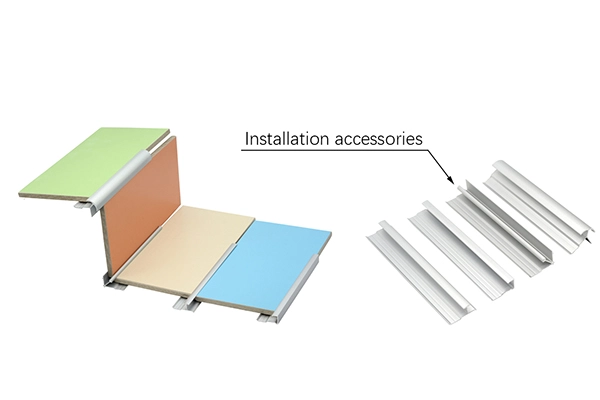
The antibacterial surface should be kept in good shape without hurting the UV-cured coating through maintenance steps. For everyday cleaning, we suggest pH-neutral cleaners and microfiber cloths instead of rough pads that could damage the surface. The UV coating is resistant to chemicals, so it can be used with quaternary ammonium compounds and diluted bleach solutions that are common in healthcare disinfection protocols. With proper care, panels can last longer than 15 years in harsh settings, making them a better investment over their lifetime than materials that need to be refinished often.
Procurement Strategies and Custom Solutions for UV Antibacterial Panels
To find antibacterial wall systems quickly and easily, you need to think about the operations of the supply chain, the ability to customize, and the dependability of the seller. Early involvement with manufacturers can help with planning production schedules, quality control, and delivery schedules for big projects.
Our two factories, one in Shaanxi and one in Guangdong, give us manufacturing freedom and geographical duplication. The Guangdong facility is close to the ports of Shenzhen and Guangzhou, which makes it easier for North American projects to ship goods by sea. Standard production runs are finished in three to seven days, and 50,000 square meters of material is kept on hand to meet the needs of projects with tight deadlines. We respond to technical questions and quote requests 24 hours a day, 7 days a week, because we know that procurement teams often have to work quickly.
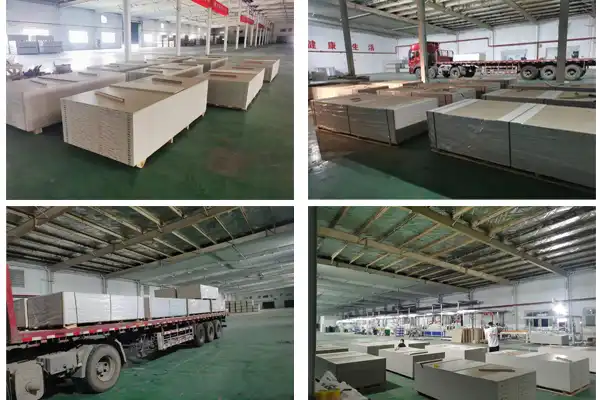
Volume price models for UV panels allow for phased delivery to fit building plans and reward bigger commitments. Projects bigger than 10,000 square meters get better prices, and payment terms can be negotiated based on the customer's credit history and relationship history. We can send separate packages to different job sites, which is something that developers often need to do when they are working on multiple projects at the same time in different places.
Our OEM and ODM skills let us customize products that aren't in our normal line. Our technical team can work with healthcare systems that need specific color schemes, hotel brands that need signature finishes, or industrial sites that need measurements that aren't standard to come up with custom solutions. We can customize samples in three to five days, so designers have time to think about their choices before committing to full production runs. This ability to make quick prototypes is useful during the design development phase, when choosing materials is still not set in stone.
International logistics coordination makes buying things across borders easier. We take care of filling containers, paperwork, and sending goods through major ports like Shenzhen, Guangzhou, Shanghai, and Qingdao. Our long-term ties with these ports ensure that we can offer reasonable shipping rates. Our knowledge of US customs procedures and rules for importing building materials helps our clients escape delays and fees that they didn't expect, which can blow their project budgets.
Ensuring Safety and Sustainability in UV Antibacterial Panel Use
Appropriate selection of antibacterial wall systems takes into account the safety of people, the environment, and how to get rid of them when they're no longer useful. Antimicrobials are in UV-cured surfaces, but the technology doesn't pose any health risks if it is made and put correctly.
The amount of silver ions in our panels is still below what could cause argyria or other health problems. This is because the ions are bonded within the polymer matrix, which stops the skin from absorbing them. The panels don't need ultraviolet light to work; the UV curing happens during production to make the coating more solid, not to make the antimicrobial properties work. This takes away any worries that people inside might be exposed to UV light, which can happen with germicidal UV lighting systems.
Environmental duty goes all the way through the span of a product. The calcium silicate base comes from natural rocks that aren't taken from forests. Waste streams from factories are cleaned up and reused, and closed-loop water systems are used in factories to reduce water flow. The zero-VOC curing process gets rid of the air pollution that comes from solvent-based finishing. This makes the plant healthier for workers and helps clean up the air in nearby towns.
When compared to thermal curing ovens, which are needed for standard baked enamel finishes, UV curing uses a small amount of energy. The instantaneous polymerization only needs seconds of UV exposure, which means that a lot less energy is needed to make a square meter of finished product. Our panels have a long service life—usually 15 to 20 years in business settings—which spreads out the embodied energy over many years of use. This makes the total environmental impact smaller than with materials that need to be replaced often.
The principles of the circular economy are supported by responsible end-of-life management. Calcium silicate boards can be broken down and reused to make aggregate that can be used to make concrete or improve the soil. We tell our customers to look into local recycling programs instead of putting their construction trash in landfills because we know that this is much worse for the earth. Our quality guarantee lasts for three years and ensures performance while encouraging proper maintenance that extends service life.
Conclusion
UV antibacterial panels reflect a merger of material science, infection control, and practical building requirements. The combination of calcium silicate substrates with UV-cured silver ion coatings delivers measurable antimicrobial performance, fire safety, moisture resistance, and durability that conventional wall systems cannot match. These panels act as a passive defense against germs in places like schools, hospitals, food processing plants, and other places where cleanliness has a direct effect on people's health. They stay in place even when the area is being cleaned. It's important to pay attention to testing standards, dimensional requirements, and supplier skills when making specifications so that goods live up to their technical claims instead of just believing what they say in the marketing.
FAQ
1. Does the antibacterial efficacy of our panels diminish over time?
The antimicrobial qualities of the panel will last as long as the physical surface stays the same because the silver ions that are contained in the UV-cured polymer matrix don't evaporate or wash away. This is not the same as spray-on coats, which can come off after a few cleanings.
2. Can these panels replace regular cleaning protocols in hospitals?
When bacteria touch antibacterial panels, they die, but they don't get rid of dirt, grease, or other physical debris. They work as a constant defense mechanism between cleanings, lowering the number of bacteria but not getting rid of the need for physical cleaning that removes walls that keep ions from coming into contact with pathogens.
3. How do UV antibacterial panels compare to HPL regarding hygiene?
Standard high-pressure laminate doesn't have antibacterial qualities by itself unless it has additives are added to it. Our UV-cured surface has a higher cross-linking density, which makes the finish smoother and less porous. This makes it better at stopping bacterial formation than rough laminates.
4. Are the panels safe for direct food contact?
Once UV-cured surfaces are fully polymerized, they are chemically inert. However, applications that will come into direct contact with food should check that they are in line with FDA 21 CFR 175.300 to make sure that no parts move around while they are being used.
Partner with YILONG JUZHOU for Superior Antibacterial Wall Solutions
YILONG JUZHOU can help with business-building projects all over North America because it has two factories and decades of experience in material technology. We have a large collection, can produce UV antibacterial panels quickly, and offer full technical help to make sure your project is successful. Our ISO- and CE-approved goods meet strict safety and environmental standards, backed by a three-year quality guarantee and responsive customer service. We are happy to work with developers, builders, and distributors who are looking for dependable sources of high-performance internal wall systems to form B2B partnerships with us. You can email our team at cnyang2000114@gmail.comto get technical specs, project pricing, or free samples that show how our panels are better than others.
References
1. Chen, W., Zhang, Y., & Liu, H. (2021). Antimicrobial Properties of Silver Ion-Enhanced UV-Curable Coatings for Interior Applications. Journal of Applied Polymer Science, 138(24), 50567-50578.
2. International Organization for Standardization. (2011). ISO 22196: Measurement of Antibacterial Activity on Plastics and Other Non-Porous Surfaces. Geneva: ISO Standards.
3. Kumar, R., & Sharma, P. (2020). Calcium Silicate Building Materials: Composition, Properties, and Applications in Modern Construction. Construction and Building Materials, 256, 119428.
4. National Fire Protection Association. (2019). NFPA 101: Life Safety Code – Interior Finish Requirements for Healthcare Occupancies. Quincy, MA: NFPA Publications.
5. Thompson, J. D., & Martinez, A. L. (2022). Evaluation of Long-Term Antimicrobial Efficacy in Hospital Wall Panel Systems. American Journal of Infection Control, 50(6), 612-619.
6. Yang, X., Wang, S., & Chen, L. (2023). UV-Curing Technology in Functional Architectural Coatings: From Chemistry to Commercial Performance. Progress in Organic Coatings, 175, 107321.

Send Inquiry



Related Industry Knowledge
- UV Antibacterial panels Installation and Maintenance Guide
- How to Choose the Right PP Healthy Panel for Interior Wall Decoration
- How Does UV light curing board Technology Improve Surface Hardness?
- UV light curing board Scratch Resistance and Durability Explained
- Antibacterial Wall Panels vs Traditional Wall Materials: What’s the Difference
- A Beginner’s Guide to Choosing Antibacterial Wall Panels
- Inorganic pre-coated panels vs Organic Coated Boards Comparison
- Where Are Antibacterial Wall Panels Most Commonly Used
- Medical Clean Board Features and Benefits Explained
- How to Choose the Best Medical Clean Board