
Who Should Consider a PP Healthy Panel Test?
September 30, 2026
If you manage procurement for a commercial building, healthcare facility, or industrial space, the PP healthy panel deserves a close look before your next interior wall specification. This polypropylene film-surfaced decorative board combines a calcium silicate or aluminum composite core with a food-grade PP film layer, delivering measurable performance across fire safety, hygiene, and moisture resistance. It is not a niche product — it serves hospitals, schools, airports, hotels, and manufacturing environments where wall surface integrity directly affects occupant health and operational compliance.
Understanding the PP Healthy Panel: What It Is and Why It Matters
Composite Structure and Surface Technology
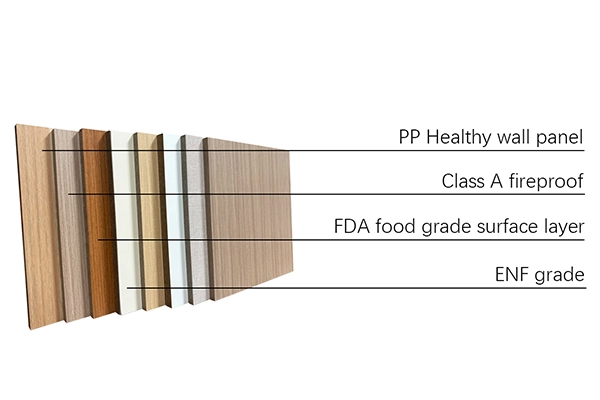
The PP healthy panel is made with an aluminum composite panel (ACP) or calcium silicate board as the core and a PP film layer on top of it. When heated, PP film doesn't give off any chemical compounds, plasticizers, or formaldehyde like PVC-faced boards do. Instead, it only gives off carbon dioxide and water. It gets ENF-grade environmental approval, which means it meets China's strictest standards for indoor air quality. Its surface stays smooth and easy to clean, and bacteria can't grow on it (a 99.99% antibacterial rate under normal testing settings confirms this).
Performance Certifications That Matter to Procurement Teams
YILONG JUZHOU's PP healthy panel is certified by both the EU and the China Environmental Protection Standard. These badges aren't just for looks; they're proof that the product is fire-resistant at Class A, resistant to water, and durable against impacts. For procurement managers who have to deal with formal bid reviews, certified documentation cuts the qualification phase by a huge amount.
Who Should Consider a PP Healthy Panel Test?
The answer is more general than most procurement teams think at first. Four different groups of professionals will benefit the most from looking over this material.
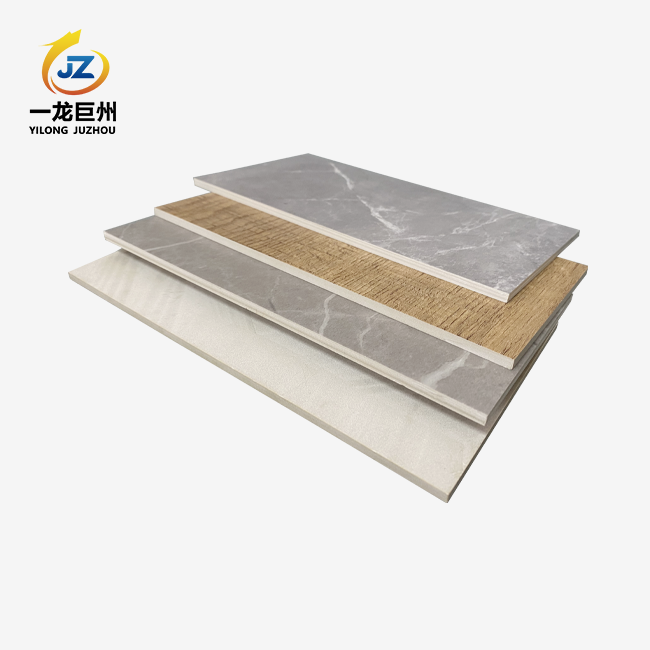
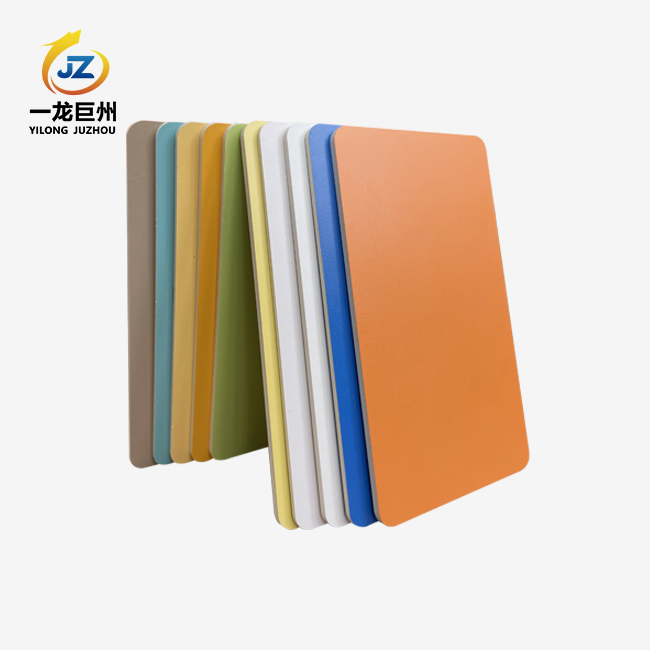
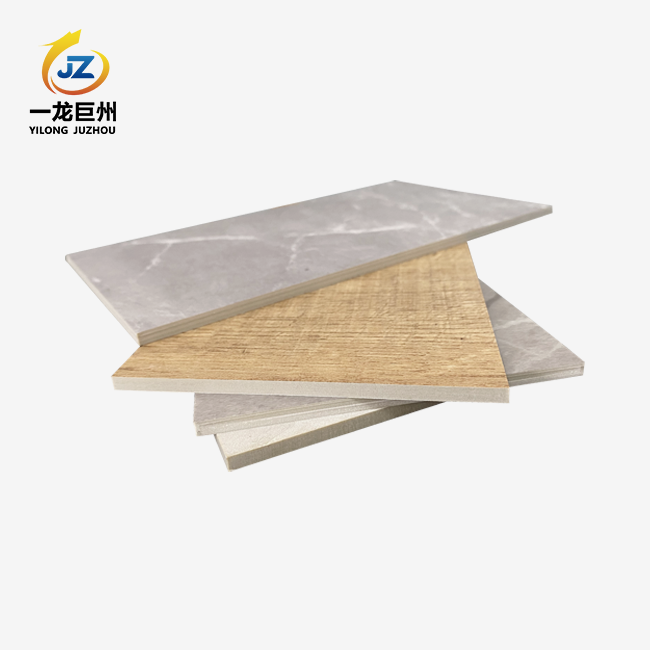
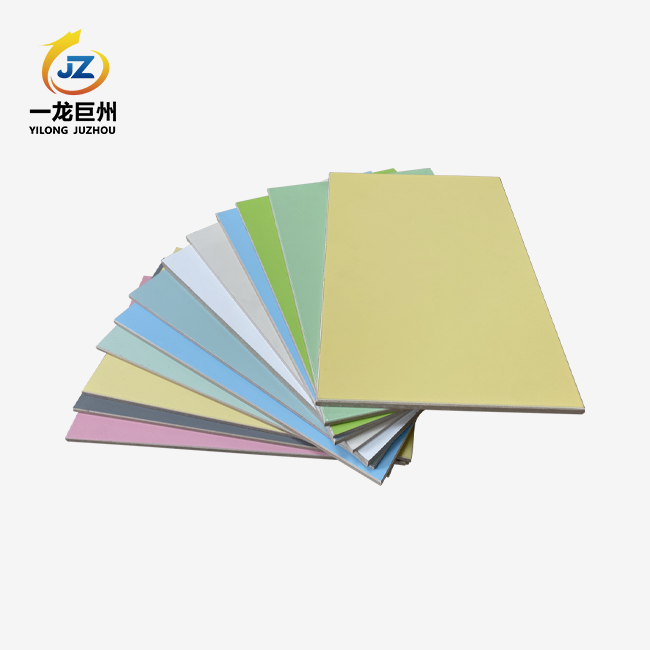
Commercial builders and real estate investors are constantly under pressure to choose interior wall materials that meet fire codes, look good in buildings, and can be delivered in stages. The PP healthy panel comes in thicknesses from 4 mm to 15 mm, with a standard width of 1220 mm and lengths of up to 3050 mm. There are solid color, woodgrain, marble, metallic, and cloth pattern options for the surface, which gives design teams real freedom without sacrificing compliance.
Healthcare and public infrastructure facilities, like hospitals, clinics, schools, and government buildings, need wall surfaces that can be cleaned with disinfectants many times without breaking down. Chemicals can't damage the PP film surface, so rubbing alcohol and regular hospital-grade disinfectants don't hurt the finish. This, along with the panel's 99.99% antibacterial rate, makes it a good choice for places that need to keep infections under control.
Industrial and specialized spaces such as food processing plants, drug production areas, and transit tunnels are all examples of industrial and specialized spaces that need wall systems that don't let water in, mold grow, or damage from heavy objects. The panel is waterproof and won't grow mildew, so all three problems are solved at the same time. Custom sizes can be made, which is useful for infrastructure with non-standard shapes.
International distributors and construction material traders operating in the Middle East, Southeast Asia, Africa, or the Americas can source the PP healthy panel from YILONG JUZHOU's two production bases in Foshan, Guangdong, and Xianyang, Shaanxi. With a 50,000-m² stock on hand and a production wait time of 3–7 days, large orders can be met without the supply problems that hurt long-term distribution agreements.
Comparing the PP Healthy Panel with Alternative Interior Wall Materials
When it comes to choosing indoor materials, many procurement managers still go with ceramic tile, painted drywall, or PVC wall covering. This is why a direct comparison shows that the PP healthy panel is stronger.
Ceramic tile is good at keeping water out, but it adds a lot of dead weight, needs skilled workers to install, and doesn't absorb impact. PVC covering is easy to install, but when it burns, it gives off harmful hydrogen chloride gas, which is a major safety concern during fire evacuations. Painted drywall is cheaper at first, but it soaks up water, grows mold, and can't handle being disinfected over and over again without losing its surface.
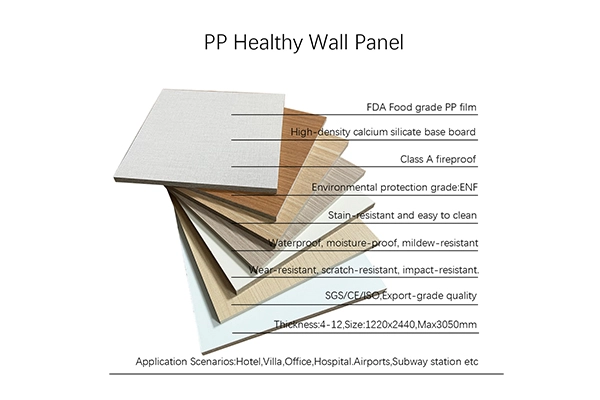
Here are the main ways that the PP healthy panel performs better than these other options:
- Fire behavior: Class A fire protection with non-toxic combustion leftovers, unlike PVC, which produces halogenated smoke that makes it harder to get out and harms HVAC systems.
- Hygiene durability: The PP film surface doesn't wear down when cleaned with chemicals, so it keeps its antibacterial properties without losing its shine. This is a clear advantage over painted gypsum board.
- Impact resistance: The composite core structure absorbs lateral impact, stopping wall cracks and surface dents that happen quickly in schools, transit stations, and hospitals with a lot of foot traffic.
- Installation efficiency: Tongue-and-groove or mechanical fastener methods make installation faster than putting tiles, which saves money on labor costs for big business projects.
These differences in performance directly lead to lower maintenance costs over the lifecycle and fewer warranty callbacks. Procurement teams can measure these results when creating total cost of ownership models for institutional clients.
How to Procure PP Healthy Panel for Your Project?
PP Film Interior Wall Decorative Panel is what YILONG JUZHOU does both OEM and ODM work for, so buyers can ask for custom sizes, patterns on the surface, or branding needs. You can get free samples, which are usually sent out within 3–5 days. This is a good way to start before committing to large sales.
Ships leave from many seaports, such as Shenzhen, Guangzhou, Shanghai, and Qingdao. You can also get there by land by going through Xi'an, Guangzhou, Shenzhen, and Foshan. This routing flexibility helps international buyers who are working on projects with tight deadlines in a lot of different places. YILONG JUZHOU also offers a quality guarantee that lasts for three years and expert help for installation, so the buying process doesn't end with the shipping container.
For buyers conducting formal tender evaluations, technical documentation, test certificates, and demo samples are available on request through yljz.aixdb.cn. The PP healthy panel procurement process is designed to be efficient for international projects.
Conclusion
The PP healthy panel fills a specific need in the market for interior wall materials: a surface that meets fire safety codes, hygiene standards, resistance to moisture, and design flexibility, all without using halogen chemistry. There are different reasons why commercial developers, healthcare facility managers, industrial operators, and foreign distributors buy products. This product meets the needs of all four groups and has performance that can be checked and confirmed. A sample review is a low-cost, high-value way to make a better long-term choice if the wall materials you currently have are PVC, standard gypsum board, or old ceramic tile.
FAQ
Q1: Is the PP healthy panel suitable for high-humidity environments like hospital washrooms?
Yes. Because the PP healthy panel is waterproof and won't grow mildew, it can be used in places with a lot of moisture. The PP film surface doesn't soak up water, and the calcium silicate or ACP core doesn't break down when exposed to high humidity for a long time. This makes it a good choice for wet corridors and clinical washrooms.
Q2: What thickness is recommended for commercial corridor walls?
Thicknesses of 6 mm to 10 mm are usually required for business corridors with a lot of foot traffic in office buildings, hotels, or transit stops. 12 mm to 15 mm walls may be better for places with a lot of foot traffic, like school halls or factories.
Q3: Does YILONG JUZHOU support custom branding for distributor partners?
Yes, you can get OEM and ODM services. Distributors can ask for unique surface designs, panel sizes, and packaging to meet the needs of the markets in their areas.
Q4: How quickly can a sample be delivered to the United States?
Free samples are usually ready in three to five days. International shipping times depend on where the goods are going, but YILONG JUZHOU's seaport access through Shenzhen and Shanghai makes it easy to get goods to buyers in North America.
Request Your Free Sample from YILONG JUZHOU Today
The YILONG JUZHOU system makes it easy to evaluate procurement. We answer all of your questions within 24 hours as a verified PP healthy panel manufacturer with two production bases and 50,000 m² of stock on hand. You can email our team at cnyang2000114@gmail.com to get free samples, detailed information, or OEM prices. For your next job, you should use a wall system that has been tested and proven to work well.
References
1. ASTM International. ASTM E84: Standard Test Method for Surface Burning Characteristics of Building Materials. ASTM International, 2023.
2. World Health Organization. Natural Ventilation for Infection Control in Health-Care Settings. WHO Press, 2009.
3. U.S. Green Building Council. LEED v4.1 Building Design and Construction Reference Guide. USGBC, 2022.
4. European Commission. Construction Products Regulation (EU) No 305/2011: Requirements for Interior Wall Cladding Materials. Official Journal of the European Union, 2011.
5. International Organization for Standardization. ISO 22196: Measurement of Antibacterial Activity on Plastics and Other Non-Porous Surfaces. ISO, 2011.
6. National Institute of Standards and Technology. NIST Technical Note 1936: Fire Performance of Polypropylene-Based Wall Cladding Systems in Commercial Buildings. U.S. Department of Commerce, 2017.

Send Inquiry


Related Industry Knowledge
- PE Aluminum Composite Board Sheet: Sizes, Specs and Uses
- Melamine fireproof board Installation Guidelines for Builders
- Medical Clean Board Material Types and Performance
- Medical Clean Board Solutions for Sterile Laboratories
- ACP Sheets: Pros, Cons, and Uses Explained
- Is Calcium Silicate Fireproof Board Easy to Install?
- Calcium Silicate Fireproof Board - the reliable and safe choice for fire doors
- How Does UV light curing board Technology Improve Surface Hardness?
- What Is a Calcium Silicate Aluminum Composite Board? A Complete Guide
- Where Are Antibacterial Wall Panels Most Commonly Used