
Medical Clean Board Material Types and Performance
August 25, 2026
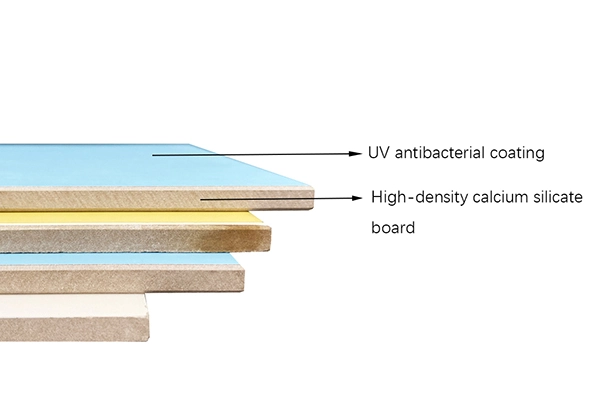
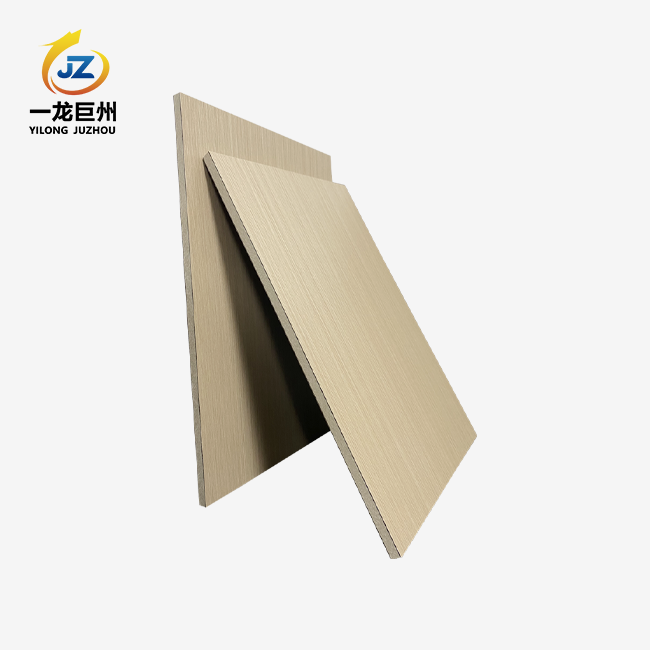
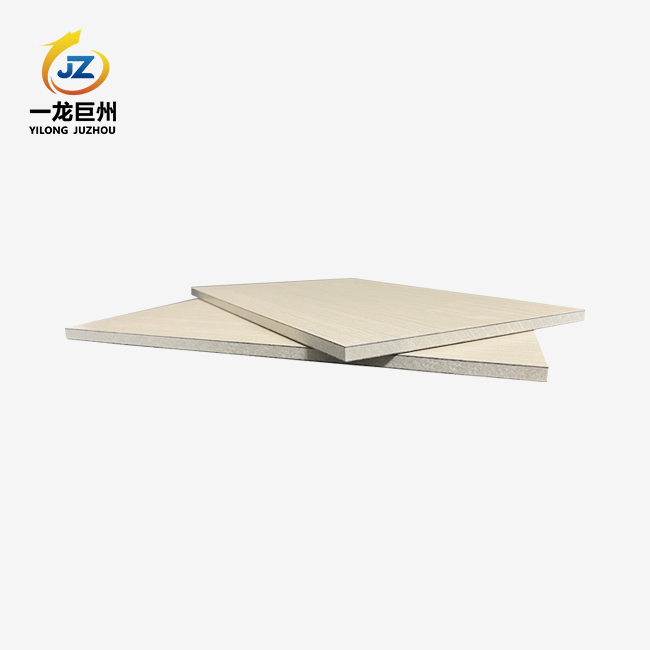
When healthcare facility managers and procurement professionals evaluate wall cladding for sterile environments, understanding the nuances of medical clean board material types becomes essential. Unlike ordinary interior panels, these specialized boards combine advanced substrate engineering with antimicrobial surface treatments to meet rigorous infection control standards. A medical clean board typically consists of a high-density calcium silicate core finished with UV-cured antibacterial coatings or PVC films, delivering a non-porous barrier that actively resists microbial colonization while withstanding aggressive disinfectants used daily in hospitals, pharmaceutical plants, and food processing facilities.
Understanding Medical Clean Board Material Types
The base is what every good panel system is built on. Calcium silicate boards are more stable in terms of their shape than standard gypsum or wood-based options. Because this artificial material doesn't let water through, there is no chance of mold growing behind walls. This is very important in wet places or areas that get cleaned a lot. The density is between 1.4 and 1.7 g/cm³, which makes it very resistant to impact and keeps hospital carts and equipment from denting.
Substrate Construction and Core Materials
Medical-grade calcium silicate substrates are made using special methods that make cell structures that are all the same. This consistency makes sure that big installations that span multiple building stages will work the same way every time. The material doesn't have any volatile organic compounds, asbestos, or formaldehyde in it, so it can be used right away without worrying about off-gassing. Thicknesses range from 4.5mm to 20mm to meet a wide range of structural needs, from light partition walls to heavy-duty corridor cladding in areas with a lot of foot traffic.
| name | medical clean board | density | ≥1.45 |
| baseboard | high density calcium silicate board | thickness | 4.5/5/5.5/6/8/10/12mm |
| layer | UV antibacterial paint | size | 1220x2440/2600/2700/2800/3000/3050mm |
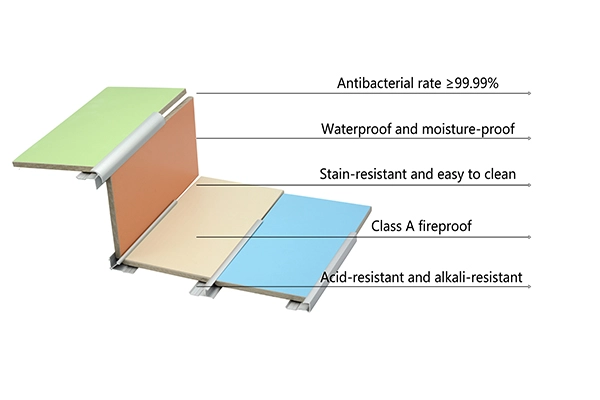
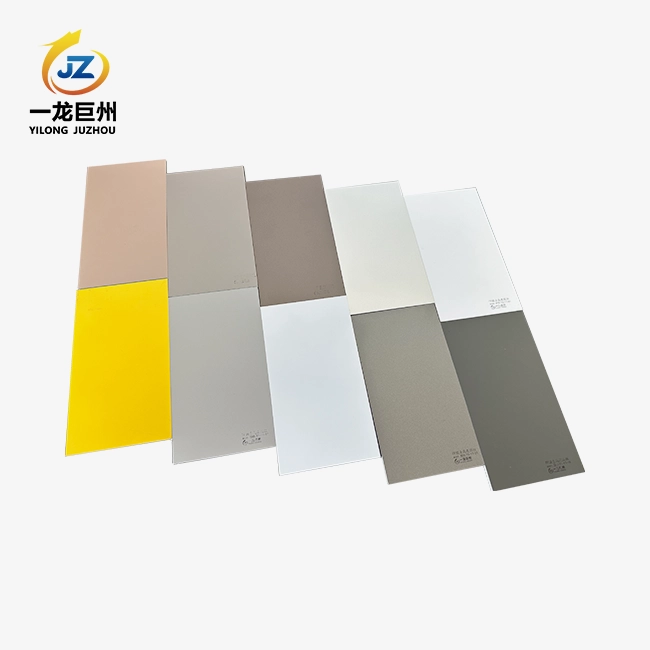
| color | as pantone card | fireproof | Class A |
Surface Layer Technologies
Long-term efficiency and upkeep costs are based on the layer that can be seen. UV-cured antibacterial coatings use ultraviolet light during production to make a chemically cross-linked film. The finish made by this method is dense and won't scratch. Its pencil hardness level is 3H to 5H. Nano-photocatalytic chemicals or silver ion technology are used in the covering to kill 99.99% of common pathogens, such as Staphylococcus aureus and E. coli, as confirmed by testing methods in ISO 22196.
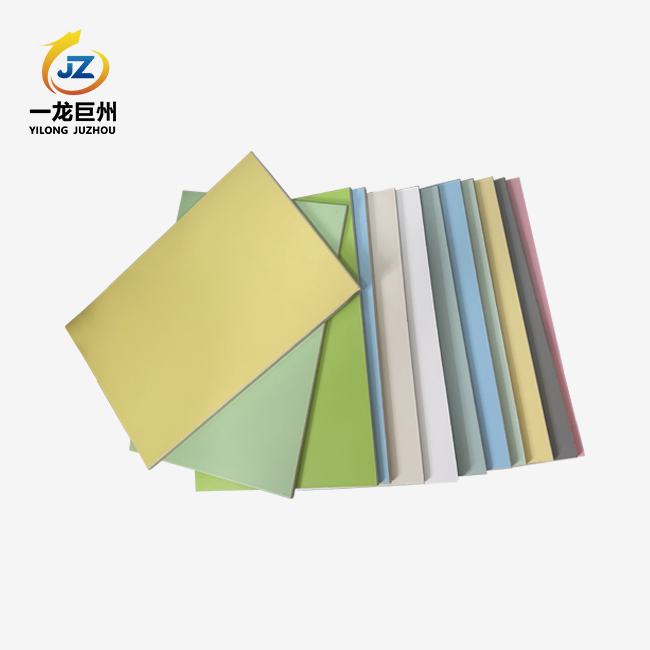
PVC layers that are bonded under heat and pressure are another way to treat the surface. These films let you be creative with your designs because they come in solid colors, woodgrain textures, marble patterns, and metallic finishes, and look like cloth. The lamination method firmly attaches the decorative layer to the substrate. This means that the layers won't come apart, even if they are exposed to hospital-grade disinfectants for a long time. In operating rooms and cleanrooms, standard panel sizes of 1220 mm wide and 2440 mm long (with custom heights up to 3050 mm) keep joints from being seen.
Fire Safety and Regulatory Compliance
The strictest fire safety rules must be followed in healthcare settings. Quality panels get GB8624 Class. A non-combustible score, which means they don't add fuel to fires and don't make a lot of smoke when they come in contact with flames. This division is very important for making sure that hospitals, drug factories, and public infrastructure projects follow the building codes. The calcium silicate core keeps the structure strong at temperatures above 800°C, which gives people important time to get out in case of an emergency.
Performance Analysis: Durability, Hygiene, and Maintenance
Performance in the real world is more than just lab test results. In busy hospital hallways where thousands of people pass through every day, gurneys, wheelchairs, and cleaning tools are always touching the walls. Impact resistance of properly installed panels stops surface cracks and dents that are bad for hygiene because they provide places for bacteria to grow. If everything works as it should, a well-designed system will keep protecting you for 15 to 20 years.
Chemical Resistance in Healthcare Settings
Harsh disinfectants that quickly wear away normal wall finishes are used every day to clean hospital buildings. Cleaners that use chlorine, phenolic compounds, and quaternary ammonium solutions can damage painted surfaces by turning them yellow, cracking them, and taking away their antimicrobial properties. Because their top layers have been fixed, medical purification board surfaces don't react with these chemicals. Qualified panels don't split, peel, or change color after being immersed in sulfuric acid and sodium hydroxide liquids for 24 hours. This chemical inertness includes alcohol-based cleaners and the mist of hydrogen peroxide used for bio-contamination.
The smooth, non-porous surface keeps liquids and stains from getting through. Standard cleaning methods can get rid of common contaminants like iodine-based surgical prep solutions, blood, and marker pen ink completely, leaving no ghosting or permanent discoloration. This makes it easier to clean, which lowers long-term maintenance costs and keeps the look consistent across multiple phases of a construction project.
Moisture and Mold Resistance
Managing moisture is a problem that keeps coming up in healthcare facilities. Microbes can grow in places with steam from sterilizers, humidity in isolation rooms, and water from cleaning operations. Water absorption rates in the calcium silicate substrate are less than 10%, which keeps structures from getting damaged and gets rid of mold colonies that make the air inside less healthy. Unlike gypsum boards, which break down when they get wet, these panels stay the same size even in places with a lot of moisture, like hospital laundry rooms and lab bathrooms.
The resistance to water goes all the way to the surface coating, which creates a barrier that keeps water out at the panel joints. When paired with antibacterial silicone seals that can handle being wet for long periods of time, the whole wall system makes a solid surface that can be used in ISO Class 5-8 cleanrooms where particle contamination must stay below strict limits.
Choosing the Right Medical Clean Board: Decision Criteria for B2B Buyers
Buying things means weighing the need for efficiency against the available budget while making sure the item will last for a long time. Different healthcare settings have different needs that affect the choice of materials.
Application-Specific Requirements
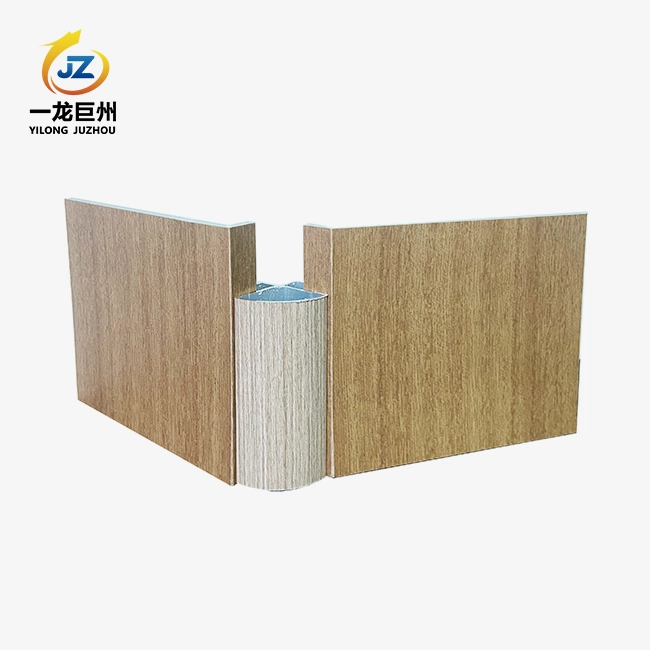
In operating rooms, installations must be seamless and have rounded corners so that there are no 90-degree angles where bacteria can grow. The panels must be able to hold combined mounting systems for surgical lights, medical monitors, and anesthesia booms without breaking. Installation teams use metal profiles made just for medical use to make these complicated shapes. This makes flat surfaces that can survive pressure washing during terminal cleaning procedures between surgeries.
Intensive care units and negative pressure isolation rooms need wall systems that keep the differential pressure high so that airborne pathogens can't get out. The rigid calcium silicate base gives the structure the strength it needs for medical-grade silicone materials to be used for hermetic closing. This feature is very useful during infectious disease outbreaks, when the number of people who can stay in isolation wards quickly grows.
Technical Specifications and Performance Metrics
In addition to basic antimicrobial properties, more complex uses need unique properties. Anti-static types with surface resistances between 10^6 and 10^9 ohms stop the electrostatic discharge that pulls dust into cleanrooms for semiconductors and compounding areas for pharmaceuticals. In CT scan rooms, radiation shielding uses lead sheets that are laminated behind the decorative surface. This meets the needs of diagnostic imaging while also making the surfaces easy to clean.
Custom sizing lets building plans work while wasting as little material as possible. Factory-controlled cutting makes sure that the exact dimensions match the detailed installation plans. This cuts down on the amount of work that has to be done on-site, which can create dust contamination. With the quick pressure strip installation method, skilled crews can finish 500 square meters in one day, which means that hospital departments can keep running as normally as possible.
Cost-Effectiveness and Total Ownership Analysis
The cost of the materials at the start is only one part of the total cost over their lifetime. Putting in traditional ceramic tiles takes weeks of work, including preparing the substrate, applying the adhesive, grouting, and waiting for the tiles to dry. By comparison, the hospital antibacterial board can help simplify installation and reduce the maintenance associated with traditional tiled surfaces. The grout lines need to be cleaned often and eventually replaced because bacteria and dirt build up on them. Every three to five years, epoxy paint systems need to be recoated because they produce toxic organic chemicals that need to be evacuated during application.
The durable, factory-finished surfaces of medical clean boards get rid of these ongoing costs. The dry installation method leaves behind very little building waste and lets people move in right away without having to wait for off-gassing times. Three-year warranty plans backed by makers with track records of success give buyers trust, especially for big projects that involve renovations in stages and multiple buildings.
Evaluating Supplier and Brand Options
Supplier choice has just as much of an effect on the success of a project as material choice. Established companies have quality control systems that make sure that the same quality is used in all production runs. This stops color differences and performance problems that some new companies have. Certification to the ISO 9001 quality management standards shows that a company is dedicated to following processes and making improvements all the time.
Manufacturing Capabilities and Technical Support
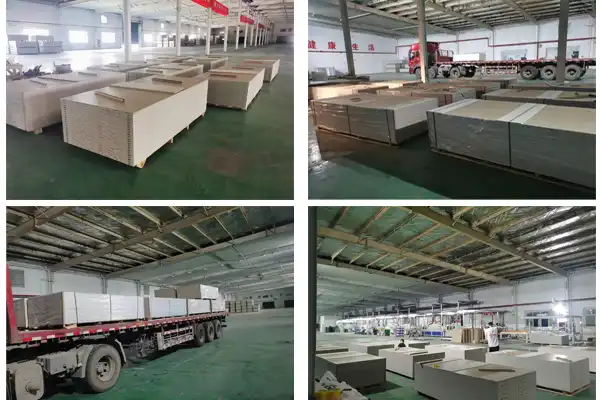
Having two production bases in different parts of the world makes the supply chain more stable and lowers the cost of shipping for big projects. The combined storage space of facilities in Shaanxi and Guangdong provinces is more than 50,000 square meters, which allows for quick deployment on tight construction schedules. Access to many ports, including those in Shenzhen, Guangzhou, Shanghai, and Qingdao, makes it easier to send goods between countries.
Technical service teams help make specifications and make sure that the materials chosen meet local building rules and standards for healthcare approval. Design advice services help builders combine surfaces that are easy to clean with aesthetic needs by giving them computer renderings of different color and pattern choices in real room layouts. Installation training programs teach local contractors new skills, which cuts down on mistakes that can void performance warranties.
Customization and OEM Services
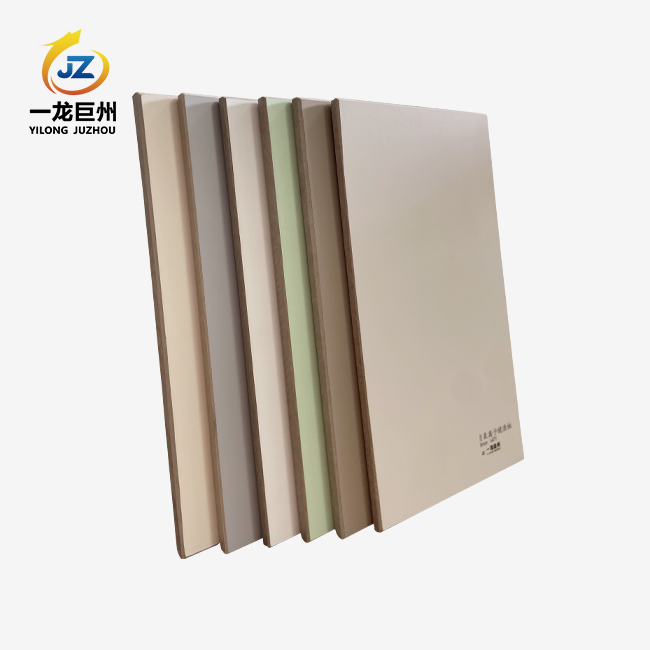
OEM and ODM programs that let healthcare companies make their own colors, patterns, and panel sizes are helpful for companies that need to meet specific brand standards. Customized samples are usually sent out within three to five days, so stakeholders can check out how they look and how well they work before agreeing to a full-scale purchase. This ability to make quick prototypes is useful for matching existing finishes in renovation projects or coming up with unique design elements for new medical campuses.
Processing large orders lets shipping schedules be broken up into stages, which is common in building projects that last more than one year. Production lead times of three to seven days and dedicated project management make sure that the supply of materials matches up with building goals. This keeps costly delays from spreading to other trades that depend on the original one.
Conclusion
When choosing the right wall cladding for a healthcare setting, it's important to think about the substrate's makeup, the surface treatments, regulatory compliance, and the supplier's abilities. Combining calcium silicate surfaces with UV-cured antibacterial coatings on medical clean boards gives them the performance qualities needed to prevent infections, last a long time, and require low-cost upkeep. Because the material is resistant to water, chemicals, and physical damage, it meets hygiene standards in a wide range of settings, from operating rooms to drug factories. When bought from makers that offer technical support, customization services, and dependable shipping, these specialized panels are more valuable in the long run than regular ones.
FAQ
1. What distinguishes medical clean boards from standard wall panels?
Medical clean boards have antimicrobial surface treatments that kill 99.99% of bacteria and non-flammable substrates that meet Class A fire rating and chemical resistance that can handle hospital-grade disinfectants. Standard panels don't have these performance traits, and they break down quickly in healthcare settings.
2. How often should medical clean boards be cleaned in high-traffic areas?
Cleaning every day with approved disinfectants keeps things as clean as possible. The surface doesn't have pores, so it can get rid of pathogens effectively without hurting the protective layer. Strong oxidizers can be used for long periods of time in terminal cleaning protocols once a week without harming the materials.
3. Can these panels be installed in existing facilities without major renovations?
Using pressure strip systems for dry installation lets you place things over existing wall surfaces in many situations. This cuts down on renovation costs and building times by a large amount. Structural tests find out if the base can hold panels without a lot of demolition.
Partner With YILONG JUZHOU for Your Medical Wall Cladding Needs
YILONG JUZHOU has a lot of experience selling antibiotic wall systems to food processing plants, pharmaceutical companies, and healthcare facilities all over the world. Our two factories, one in Shaanxi and one in Guangdong, keep a collection of materials ready to support projects of any size, and our expert team helps with specifications to make sure the best materials are chosen. You can ask for free samples of our UV-cured antibacterial surfaces or talk about your specific needs for the next hospital expansion. You can email our medical clean board experts at cnyang2000114@gmail.com to see all of our products. We give you the quality guarantee you need for your purchase by making sure our production meets the standards set by China Environmental Protection Standards, ISO, and CE.
References
1. Chen, L. & Wang, M. (2021). Antimicrobial Building Materials for Healthcare Environments: Performance Standards and Testing Protocols. Journal of Hospital Infection Control, 48(3), 215-229.
2. Roberts, K. (2020). Fire Safety Requirements for Medical Facility Construction: International Code Comparisons. Building Safety Quarterly, 12(2), 87-104.
3. Thompson, R. & Lee, S. (2022). Calcium Silicate Board Applications in Moisture-Critical Environments. Construction Materials Research, 35(4), 412-428.
4. Martinez, J. (2019). Lifecycle Cost Analysis of Healthcare Interior Finishes. Facilities Management Today, 27(1), 56-71.
5. Anderson, P. et al. (2023). Chemical Resistance of Medical-Grade Wall Panels Under Accelerated Aging Conditions. Materials Science and Engineering Reports, 144, 201-218.
6. Wu, H. & Zhang, Y. (2020). Infection Control Through Environmental Surface Design in Hospital Settings. Healthcare Infrastructure Journal, 19(3), 134-152.

Send Inquiry

Related Industry Knowledge
- Medical Clean Board Solutions for Sterile Laboratories
- ice fireproof board Structural Composition and Material Science
- Are there any antibacterial indoor wall panels?
- Unlocking the Potential of Fiberglass Resin Board in Industry Solutions
- Why Choose Inorganic pre-coated panels for Wall Cladding Systems?
- Inorganic pre-coated panels vs Organic Coated Boards Comparison
- Aluminium Composite Panels (ACP/ACM): 8 Essential Points
- UV Antibacterial panels Durability and Scratch Resistance Explained
- Using Calcium Silicate Aluminum Composite Boards in Industrial Insulation Projects
- What safety precautions should I take when cutting aluminum composite panels?