
Melamine fireproof board Installation Guidelines for Builders
September 17, 2026
Installing a melamine fireproof board correctly is one of the most consequential decisions a builder or procurement manager makes on any commercial project. This composite panel — built on a calcium silicate substrate with melamine paper fused to one or both surfaces — delivers Class A fire resistance, 99.99% antibacterial performance, and superior moisture resistance. When installation is executed properly, these properties hold for the building's entire service life. This guide walks procurement managers, site engineers, distributors, and OEM clients through every stage of the process, from material verification to final joint sealing, so every panel performs exactly as specified.
Understanding Melamine Fireproof Board and Its Key Properties
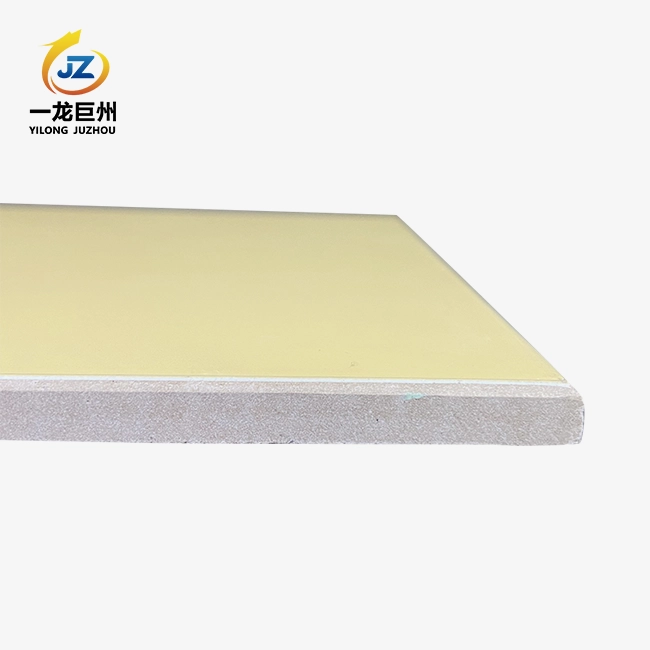
A melamine fireproof board is more than just a piece of paper with designs on it. It is made up of a mineral-based, non-flammable core called calcium silicate board, which is layered with melamine-impregnated decorative paper on one or both sides. The end result is a panel that is safe to Class A standards and has a surface Taber abrasion resistance rating of at least 400 cycles and a scratch resistance rating of at least 3N.

This panel doesn't speed up the spread of fire like plywood or normal MDF-backed laminates do. When heated, the calcium silicate core turns into a carbonization shield that makes it take longer for air to reach the inside. Because of this, the material meets the standards for ASTM E84 Class A and the fire codes IBC and NFPA 101, which are used in hospitals, schools, and transit hubs across the United States.
Here is a quick look at the panel's performance that makes it stand out in procurement reviews:
- Fire resistance: Class A grade, which means it goes out on its own and makes little smoke, as required by ASTM E84.
- Antibacterial performance: Has a 99.99% antibacterial rate, so it can be used in places that need to keep infections under control, like hospital hallways and treatment rooms.
- Moisture and mold resistance: The melamine surface doesn't let water through, and the calcium silicate core keeps it from swelling when the humidity level is high. High-density building keeps walls from denting and cracking in hallways, lobbies, and public concourses that get a lot of use.
- Environmental safety: No benzene or volatile organic compounds. UV-cured surface film stops base off-gassing, so it's possible to live in the building right away after installation.

The Melamine Fire and Ice panel is the best choice for hospitals, airports, subway stations, hotels, schools, shopping malls, and drug facilities because it has all of these qualities.
Preparation Steps Before Installation
Costly rework can be avoided by proper preparation. Before any melamine fireproof board is put up on a wall, the procurement team and site supervisor should make sure of three things: the panels provided meet the approved standard; the substrate is structurally sound; and the setting is suitable for installation.
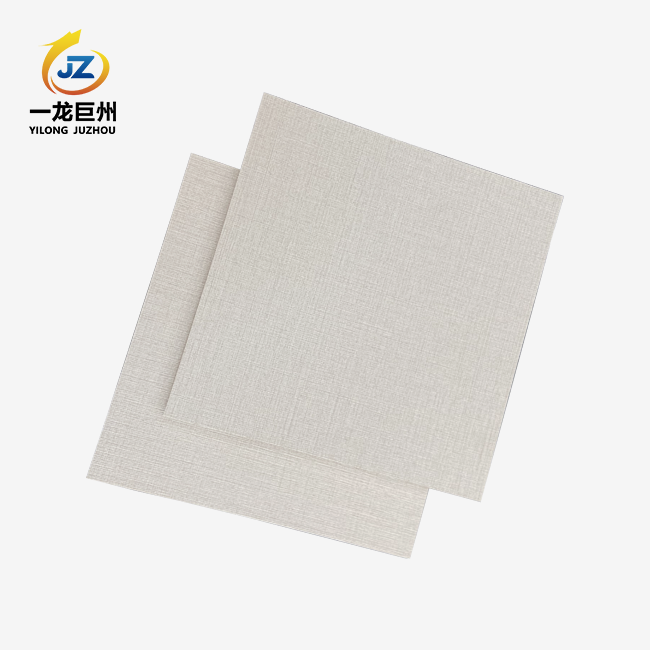
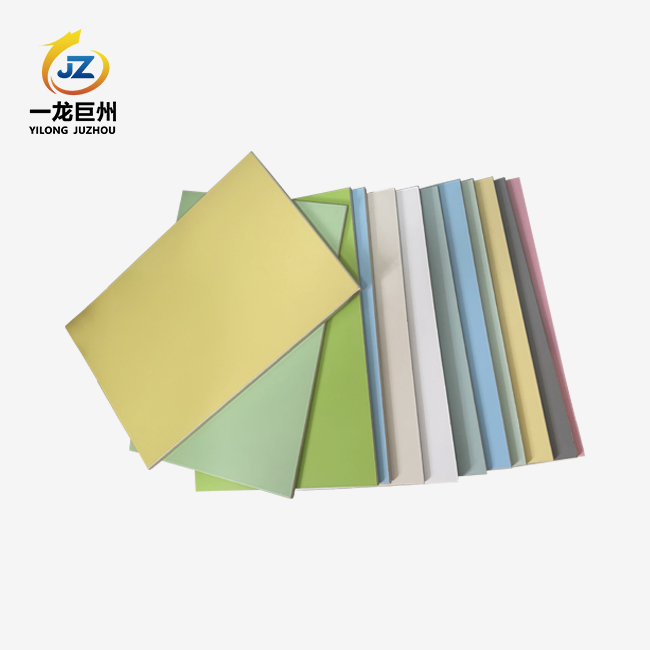
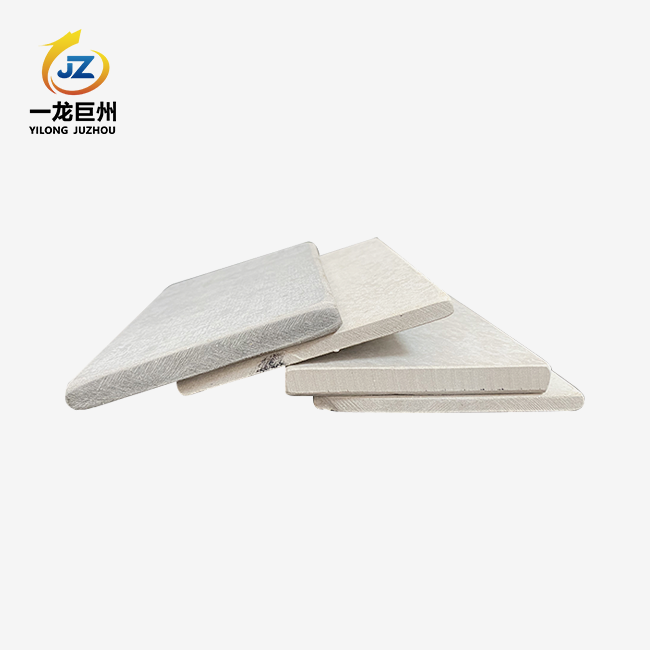
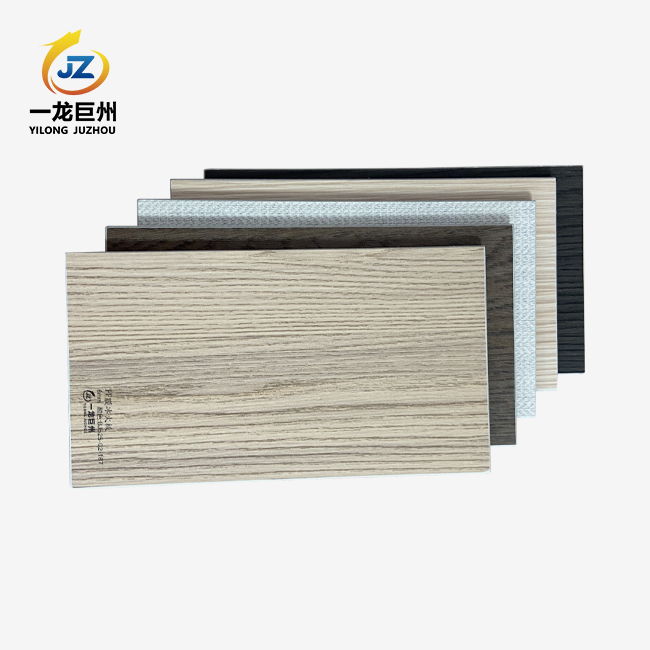
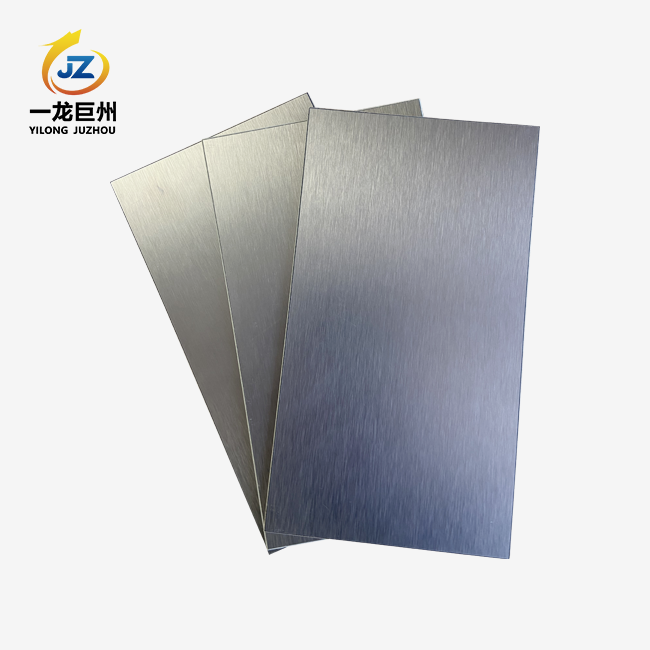
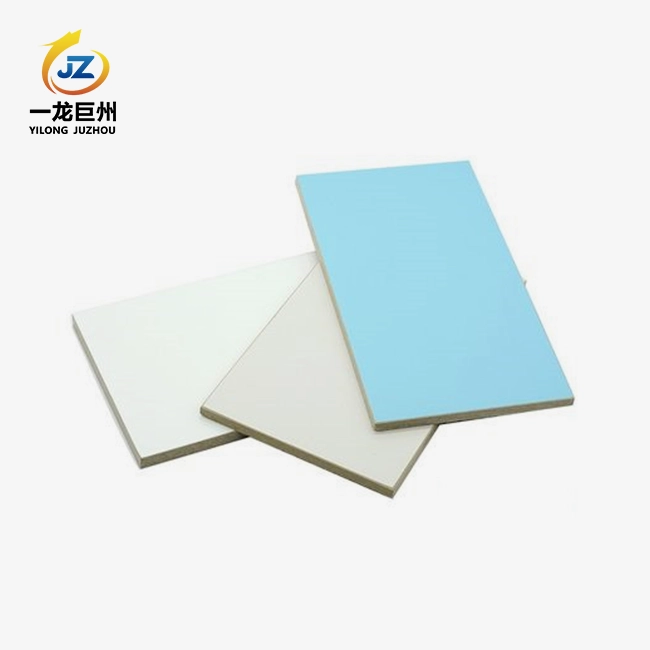
The panels come in 4.5, 5, 5.5, 6, 8, 10, 12, 14, and 15 mm thicknesses and a standard width of 1,220 mm. They can also be as long as 2,440 mm and as tall as 3,050 mm. Check that the measurements, surface finish (such as solid color, woodgrain, marble, metallic, or cloth design), and certification papers that were sent match the ones on the purchase order.
Check the base wall to make sure it is flat within ±3 mm over a 2-meter span. During the installation, the temperature should stay between 10°C and 35°C, and the humidity should stay below 75%. These conditions protect the strength of the glue bond and stop the dimensions from moving too soon.
Before you start working, make sure you have the right safety gear, such as tungsten carbide-tipped (TCT) saw blades for cutting, fireproof mechanical bolts or building glue, fire-resistant sealant, and dust masks and safety glasses.
Step-by-Step Installation Process of Melamine Fireproof Board
To cut this melamine fireproof board, you'll need a TCT or diamond-tipped blade set up with a score blade. The melamine surface's high resin density makes it easy for standard blades to chip. This weakens the edges and leaves the core open to water entry. If you don't want to chip the surface, always cut with the decorative face up on a circular saw or down on a jigsaw.
The factory-compatible quick pressure strip system is the best way to attach things. This system of mechanical clips lets panels fit together neatly without any obvious fasteners on the front surface. This keeps the look while still ensuring structural connection. If you can't use mechanical clips, place fireproof screws 200 mm apart along the framing members with the heads flush with the surface.
Joint sealing is a must for systems that are meant to withstand high humidity or fire. Put a fire-resistant intumescent sealant around the edges and joints of all the panels. When this sealant gets hot, it stretches and fills in any holes that a flame or smoke could use to get through the wall assembly. To keep the core from growing, exposed panel edges in wet areas must also have PVC or ABS edge bands put around them.
After each row of panels, check them visually and for size. Maintain records of where the fasteners were placed, how well the sealant covered them, and how straight the panels were. In the U.S., large business projects often need approval from a third party after an inspection. Accurate installation paperwork speeds up this process.
Common Challenges and Troubleshooting During Installation
The most common problem in the field is melamine fireproof boards that are not lined up correctly. It usually comes from uneven substrate preparation instead of problems with the panel itself. Before putting in the next row, check the smoothness tolerance again, and use a laser level across the whole wall plane to find drift early.
Over time, a unit that doesn't have enough space between its fasteners will lose its ability to withstand wind load or impact forces. If a panel bends or moves, add intermediate screws without taking out the original design for fixing. If you tighten screws too much on panels that are only 4.5 to 6 mm thick, the stress at the fastener hole can cause micro-cracks near the surface.
The biggest threat to the fire rating accuracy of interior wall decoration 4/5/6/8/12mm Melamine fireproof wall board is joints that aren't sealed all the way. Smoke can get through a panel joint with a gap as small as 2 mm. This can happen during a room fire. A mid-sized U.S. general contractor was working on a commercial hotel renovation project when thermal imaging showed three unsealed joints behind a row of service corridor panels. Re-sealing those joints with intumescent sealant brought them back up to code before the final inspection by the fire inspector. This case shows why sealing joints is just as important as fastening them.
Procurement Considerations for Builders and Supply Chain Stakeholders
It takes more than checking prices per sheet to find a source of melamine fireproof board. Before placing an order, procurement managers should make sure they have the following: a report on the combustion behavior test (ISO 5660 or UL 723), the results of a test to see how well the material resists water at high temperatures (less than 2% water absorption with no delamination), information on the surface bond pull-off strength (above 1.0 MPa), and environmental certifications like ISO, CE, and China Environmental Protection Standard Certification.
When buying, teams use OEM and ODM services; they can specify custom panel sizes, surface patterns, and logos. This is especially helpful for hotel chains, airport operators, and healthcare networks that use standard interior design programs. With a stock of 50,000 m², the minimum lead time for custom production runs is usually between 3 and 7 days.
When looking at cost-effectiveness, fire-rated composite panels are more expensive per unit than fire-retardant plywood. However, the lifecycle calculation changes a lot when you consider the lower maintenance, the fact that the building can be used right away after installation, and the fact that mold or moisture damage will not require remediation costs over a 10–15 year period.
Conclusion
Installing melamine fireproof board correctly isn't just a matter of checking off a list of steps; it directly affects how well a building works in real fire situations. The rated performance of the assembly is affected by each step, from checking the substrate and cutting it precisely to placing the fasteners and sealing the joints. When purchasing teams work with suppliers who have valid certifications, dependable production capacity, and quick technical support, they get a clear advantage in meeting deadlines for projects and following regulations. Pick partners and products that can show success, not just say they can.
FAQ
Q1: How does a melamine fireproof board compare to fire-retardant plywood?
A lot of people want to know how melamine fireproof board is different from fire-resistant plywood. For fire-retardant plywood to have its rating, a flammable wood substrate is treated with chemicals. A melamine fireproof board has a calcium silicate core that can't catch fire. This means that the base material can't support fire. The calcium silicate-based panel is more reliable in situations where it is exposed to fire for a long time because of this difference in structure.
Q2: Is this panel suitable for high-humidity environments like hospital wet rooms?
The plastic surface doesn't have pores and doesn't absorb water very well. Outside edges need to be sealed with PVC or ABS bands. If you treat the edges of these panels the right way, they will work reliably in wet places like hospital bathrooms, food processing plants, and commercial kitchens.
Q3: What certifications should builders verify before specifying these panels?
Check the documentation for the ASTM E84 Class A fire rating, ISO certification, CE marking, and environmental compliance. Compare the standards of NFPA 101 and IBC for U.S. healthcare projects. Ask for test results from a third party instead of just the manufacturer's own statements.
Q4: Can panels be custom-sized for non-standard wall heights?
Yes. The tallest standard length is 3,050 mm, and OEM production can handle special sizes, surface patterns, and widths ranging from 4.5 mm to 15 mm.
Partner with YILONG JUZHOU for Certified Fireproof Wall Panel Solutions
YILONG JUZHOU has two production bases, one in Foshan, Guangdong, and the other in Xianyang, Shaanxi. Each base has 50,000 m² of stock and can turn around orders in 3–7 days. We are a reliable company that makes melamine fireproof boards and has ISO, CE, and China Environmental Protection certifications. We also offer free samples within 3–5 days and a quality guarantee that lasts for three years. To get a personalized price, email our expert team at cnyang2000114@gmail.com.
References
1. ASTM International. ASTM E84: Standard Test Method for Surface Burning Characteristics of Building Materials. ASTM International, 2023.
2. National Fire Protection Association. NFPA 101: Life Safety Code. NFPA, 2021.
3. International Code Council. International Building Code (IBC). ICC, 2021.
4. European Committee for Standardization. EN 13501-1: Fire Classification of Construction Products and Building Elements. CEN, 2019.
5. Ramachandran, V.S., and Beaudoin, J.J. Handbook of Analytical Techniques in Concrete Science and Technology. Noyes Publications, 2001.
6. Schiavoni, S., D'Alessandro, F., Bianchi, F., and Asdrubali, F. "Insulation Materials for the Building Sector: A Review and Comparative Analysis." Renewable and Sustainable Energy Reviews, 2016.

Send Inquiry
Related Industry Knowledge
- Is Calcium Silicate Fireproof Board Easy to Install?
- Medical Clean Board Applications in Healthcare Facilities
- ice fireproof board Structural Composition and Material Science
- How Durable Are Calcium Silicate Aluminum Composite Boards in Harsh Environments?
- What is a PP healthy panel? Uses, Benefits & Future Trends Explained
- Benefits of Using UV light curing board in High-End Interiors
- melamine fireproof board Durability in High-Traffic Environments
- Inorganic pre-coated panels for Modern Architectural Applications
- How to Beat the Heat with Aluminium Composite Panels
- The Importance of Adhesion Testing for ACM Panels as Painting Supports