
Medical Clean Board Applications in Healthcare Facilities
August 14, 2026
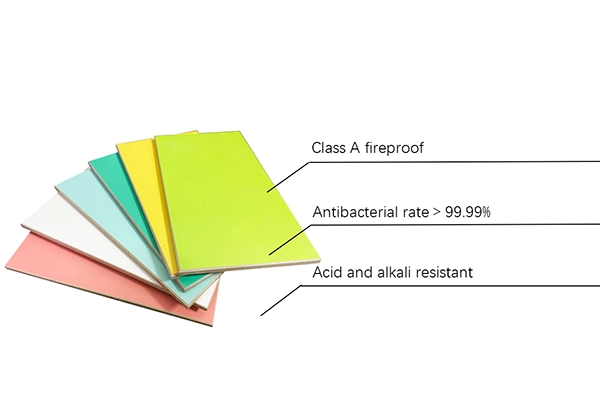
Healthcare facilities across the United States face an ongoing challenge: maintaining sterile, hygienic environments where infection control is non-negotiable. Medical clean board solutions—specialized wall cladding systems engineered explicitly for sterile environments—address this critical need head-on. Unlike standard interior finishes, these panels combine calcium silicate substrates with UV-cured antibacterial coatings to create surfaces that actively resist microbial colonization while withstanding aggressive hospital-grade disinfectants. With a proven 99.99% antibacterial rate and Class A fire resistance, these wall systems have become indispensable in operating rooms, intensive care units, pharmaceutical laboratories, and emergency departments nationwide.
Understanding Medical Clean Boards and Their Critical Role in Healthcare Infrastructure
You might not notice the walls right away when you walk through a modern hospital, but that's the point. The surfaces around patients and staff work quietly to keep them from getting sick, keep water out, and look good even though they are constantly being looked at.
What Defines a High-Performance Medical Wall System
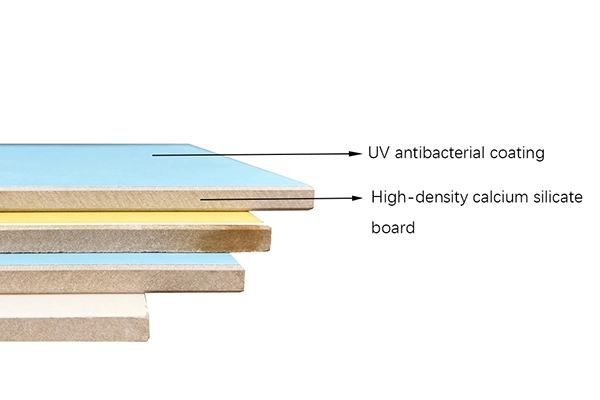
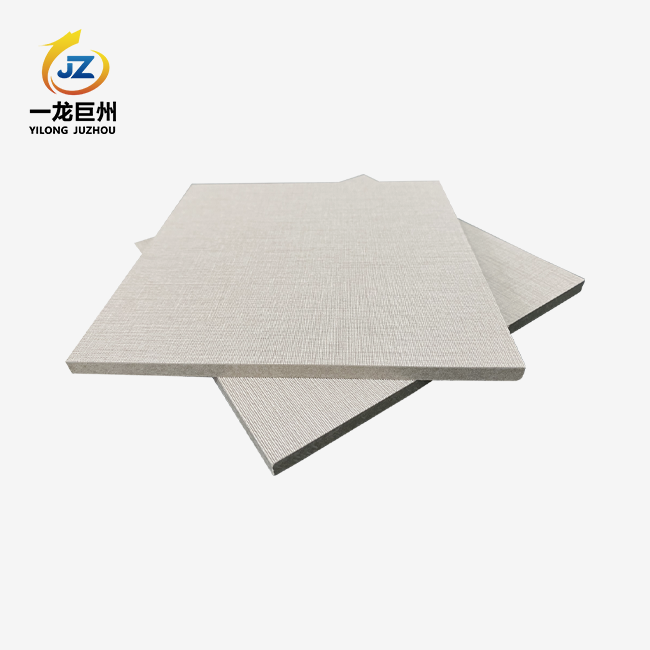
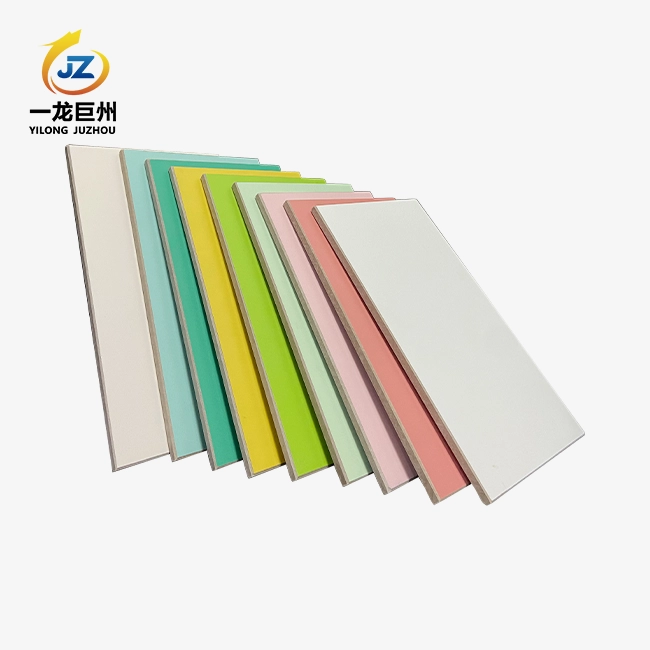
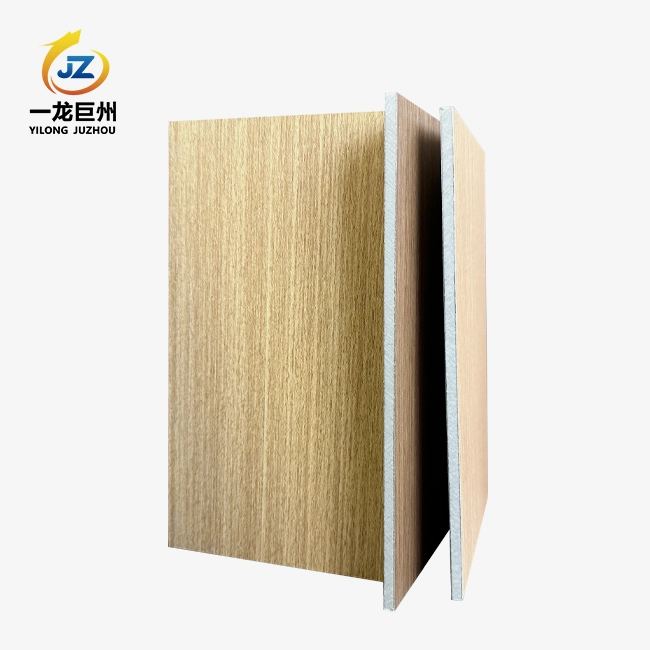
Medical wall panels are a big step forward from the materials that are usually used for building. Core structures are usually made of high-density calcium silicate board, which is an inorganic base that naturally stops wetness and bacterial growth. Special surface treatments are then applied on top of the board. UV-cured antibacterial coats make a thick, non-porous finish that makes it impossible for germs to get the tiny holes they need to grow. This building method gets rid of the volatile organic chemicals that are found in standard paint systems. This means that newly renovated rooms can be used right away without worrying about off-gassing.
The engineering behind these panels fixes three major problems with the way healthcare buildings are made: surfaces that are open and can hold germs, joints that collect dirt, and materials that break down after being cleaned many times. When these weak spots are taken care of, properly specified wall systems stop being backdrops and start being active parts of infection prevention plans.
Why Traditional Materials Fall Short in Clinical Settings
Standard gypsum walls, ceramic tile, and painted surfaces all have big problems when used in healthcare settings. Over time, painted gypsum soaks up water, which makes it perfect for mold to grow behind the top layer. When ceramic tiles are put down, grout lines appear. These are hundreds of linear feet of porous material that traps dirt and makes it hard to clean thoroughly. Even though epoxy paint systems are immune to chemicals, they chip and peel when equipment hits them, making surfaces that aren't smooth, which makes it harder to clean.
More and more, healthcare facility managers are realizing that the original cost of materials is only a small part of the total costs over the life of the facility. Surfaces that need to be repainted, grouted, or replaced too soon because they are wearing down cause a lot of work to be done and delays in operations. These ongoing costs are eliminated by modern wall panel systems, which are naturally long-lasting and resistant to chemicals.
Comparing Performance Standards: Selecting the Right Wall System for Your Facility
When healthcare building projects need to buy materials, they have to carefully compare different materials against clear performance standards. Project managers can explain their requirements and avoid mistakes that cost a lot of money if they know how different systems compare.
Material Composition and Surface Technology Assessment
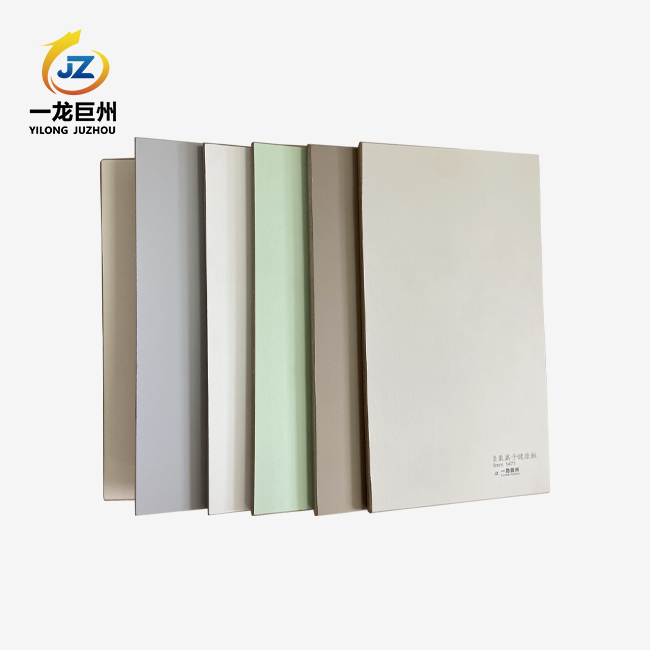
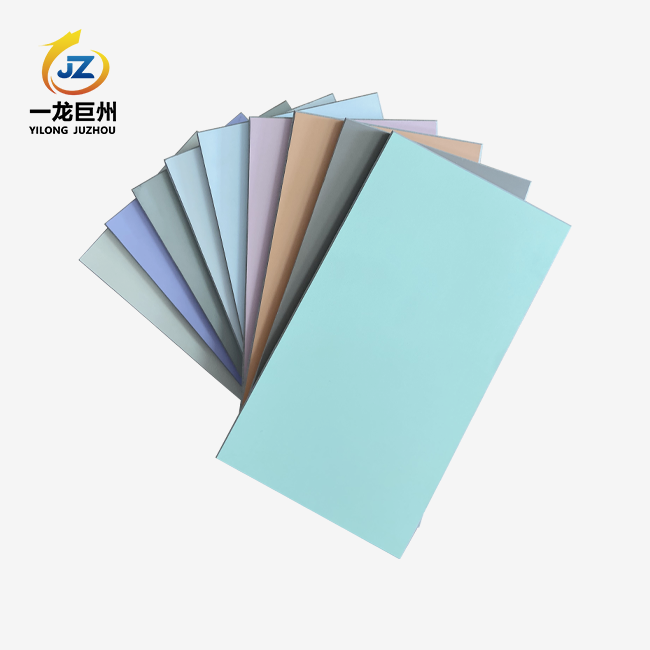
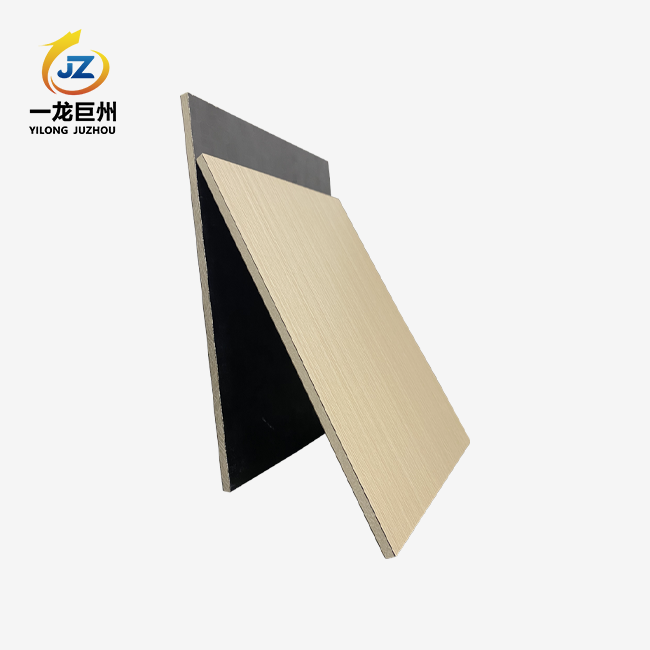
The wall panel systems on the market today are very different in how they are built and what they can do. Premium choices have calcium silicate cores that are 6mm to 20mm thick, giving the structure a lot of options for different installation needs. Surface treatments are what set good products apart from great ones. For example, UV-cured antibacterial layers work better than simple vinyl films or regular paint finishes.
The UV curing process makes molecular bonds that can't be broken down by chlorine-based disinfectants, hydrogen peroxide vapor, or the quaternary ammonium compounds that are often used in terminal cleaning procedures. When compared to regular finishes, which can show damage within months of installation in high-traffic hospital areas, this chemical protection makes the surface last a lot longer. Testing results from different labs show that UV coats that are properly made keep their antibacterial properties and good looks even after thousands of cleaning cycles.
Fire Safety and Environmental Compliance Considerations
Healthcare facilities have to follow strict building codes that require certain fire resistance ratings for the finishes inside. The GB8624 Class A non-combustible approval makes sure that wall materials won't help a fire spread, which is a very important safety factor in places where people with limited movement live. Some composite panels give off harmful fumes when they come into contact with fire. But good calcium silicate boards stay stable in the event of a fire and don't give off any harmful gases.
In current hospital buildings, environmental certifications are just as important as other certifications. Formaldehyde-free construction, no benzene content, and low VOC fumes are all good for protecting both installation workers and people who live or work in the building. Advanced wall panels help buildings meet their sustainability goals without lowering their performance standards, which is good for places that want to get LEED certification or Green Globes recognition. Because it's possible to move in right away, there's no need to wait for paint smells to go away, which directly leads to more income for new buildings and less downtime during renovations.
Practical Applications Across Healthcare Environments
Because advanced wall panel systems like Medical purification board are so flexible, they can be used in a wide range of healthcare settings, with each one needing a different set of performance characteristics.
Operating Room and Sterile Processing Department Requirements
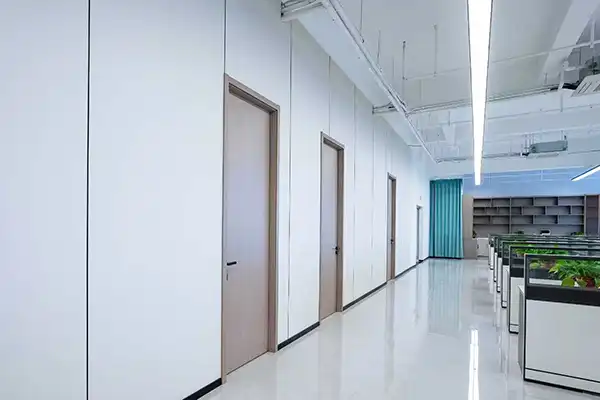
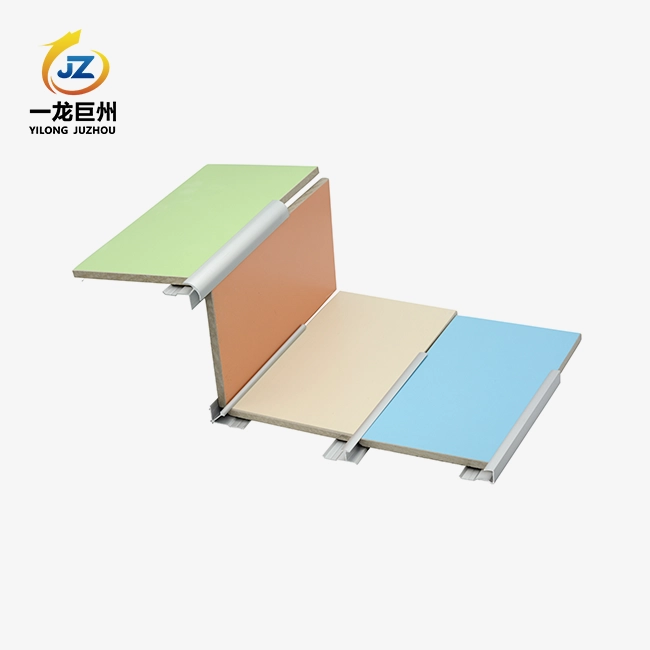
Surgical rooms are the most difficult places for interior surfaces to be used. In this case, wall systems need to be able to support smooth installation with radius corners that get rid of the 90-degree curves where dirt and other things can gather. Being able to easily connect to ceiling systems and make continuous, solid surfaces stops particles from settling and makes managing air quality easier.
In these areas, impact resistance is very important because surgical tables, equipment carts, and anesthesia machines often bump into walls while being moved or positioned. Panels with a strong core can handle these mechanical pressures without cracking or denting, keeping their protective barrier integrity even after years of heavy use.
Patient Care Areas and Isolation Ward Applications
Wall systems that make it easy to clean quickly and thoroughly between patients are helpful in intensive care units, emergency rooms, and isolation wards. Because UV-cured finishes don't have pores, they can clean up blood, body fluids, and medicine spills totally without staining or absorbing them. This ability to be cleaned is very important for keeping up with standards of visual cleanliness that reassure patients and their families while also supporting actual hygiene protocols.
Negative pressure isolation rooms must be built so that flying pathogens can't get out. Wall panel systems help keep things inside by having precisely cut sides that fit perfectly with closing systems. This creates the pressure differences needed for the isolation room to work properly. The moisture resistance of calcium silicate surfaces stops the bending and degradation that can happen in damp places or when liquid disinfectants are used over and over again.
Pharmaceutical Manufacturing and Laboratory Spaces
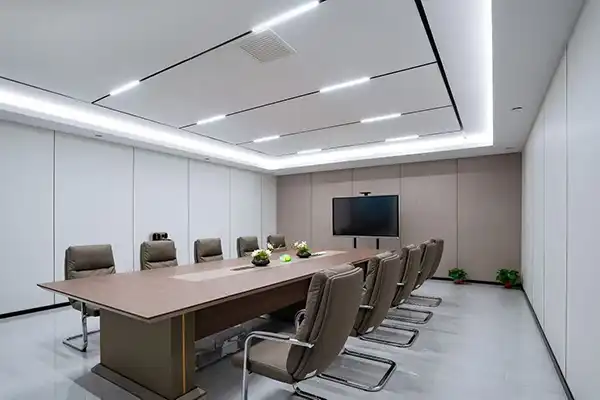
Particulate control is measured in particles per cubic meter and is needed in cleanrooms where drugs are made and in research labs. Microfibers and dust from old building materials get into controlled environments and make them dirty. Premium wall panels don't shed because they have thick, cured top layers that keep their shape even when the temperature and humidity change.
In these situations, chemical resistance goes beyond regular disinfectants and includes organic solvents, acids, bases, and other process chemicals. The inorganic substrate makes sure that spills and splashes don't damage the structure, and the surface coating doesn't stain or fade, so it doesn't need to be replaced too soon.
Procurement Strategy and Supplier Evaluation for Healthcare Projects
Strategic purchasing methods that balance low costs with quality security and supply chain dependability are key to the success of healthcare building projects.
Evaluating Manufacturer Capabilities and Certifications
When choosing a supplier, the first thing that should be checked is the company's ability to make things and its quality certifications. Manufacturers with a good reputation keep their factories ISO-certified and write down their quality control methods, which include checking the raw materials and testing the finished product. For U.S. projects, suppliers should show that they know the rules for building in the U.S. and be able to back up their claims with technical documents.
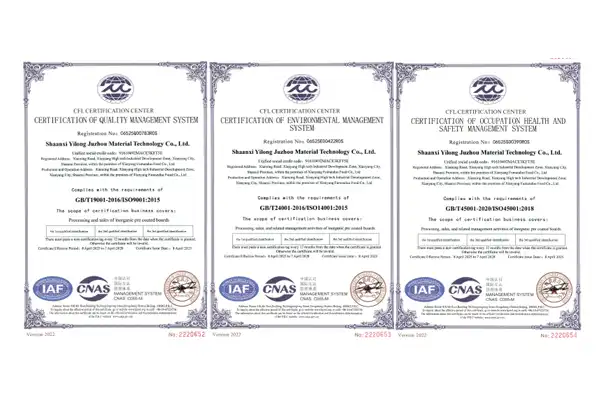
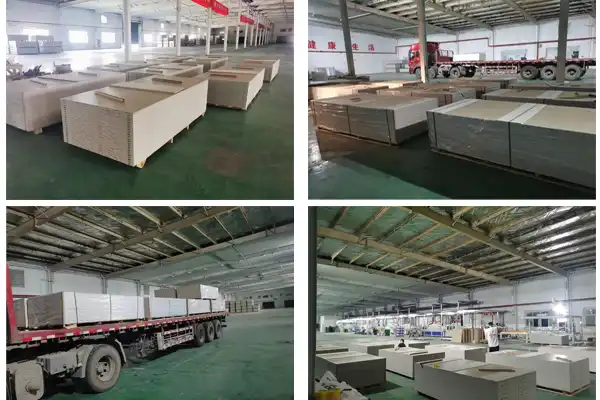
Large healthcare systems that are planning multi-facility rollouts or big renovation projects need to think a lot about their production capacity. Manufacturers with large inventories (50,000 square meters or more) can meet tight building schedules without having to delay materials. Having two production sites, like ones in both the Shaanxi and Guangdong areas, makes the supply chain more reliable and gives you more options for shipping.
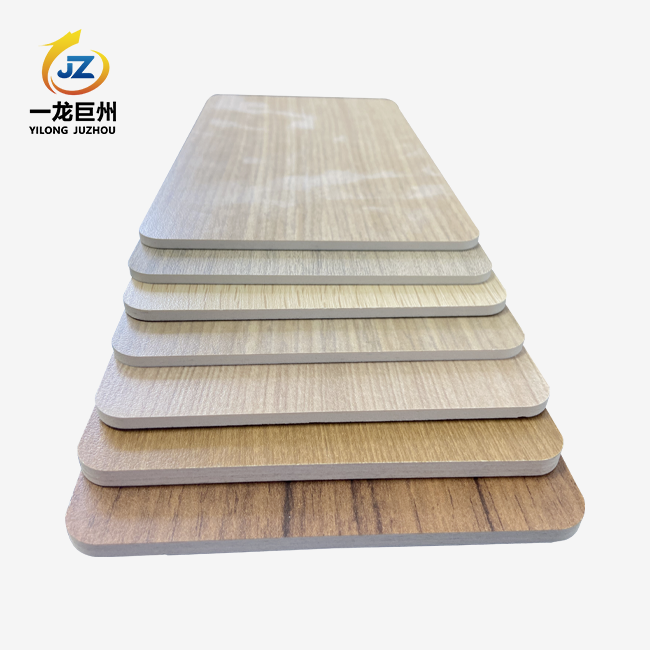
Evaluation of samples is an important part of choosing materials. Forward-thinking suppliers offer customized samples within three to five days. This lets project teams check the surface quality, color matching, and physical properties firsthand before committing to full procurement. During the sampling process, the samples should be tested with disinfectants that are specific to the facility to make sure they are compatible.
Logistics and Installation Support Considerations
The cost of materials is only one part of the total cost of installation. Shipping procedures, especially when buying things from other countries, need to be carefully coordinated to keep projects on schedule. Suppliers who have built ties at important ports like Shenzhen, Guangzhou, Shanghai, and Qingdao have experience exporting goods and can quickly get through customs.
Technical support during the planning and installation stages for Hospital antibacterial boards is very helpful and goes beyond just supplying the product. Manufacturers that give design consultation can help the teams that work in healthcare facilities turn useful needs into detailed specs. Installation instructions make sure that panels are put in the right way, with the right closing and joining, so that they work well and last a long time. A three-year warranty protects you financially against material flaws and shows that the maker trusts the product to last.
Maintaining Performance Through Proper Care and Lifecycle Management
To reach their full service life potential, even the most advanced materials need to be maintained in the right way.
Cleaning Protocol Development and Staff Training
Clear rules that are tailored to the type of surface and the needs of the building are the first step to effective upkeep. Wall panels with UV antibacterial coatings can handle harsh cleaning products, but standard procedures make sure that results are always the same and that the panels don't get worn out too quickly. Usually, microfiber cloths that remove germs without scratching surfaces are used to wipe down surfaces every day with hospital-approved sanitizing solutions.
When terminal cleaning is done between patients or after isolating infectious patients, stronger cleaners or longer touch times may be used. Chemical resistance built into good wall systems lets these intense methods work without damaging the surface. Facility management teams should write down how to clean things and teach environmental services staff the right way to do things so that things stay clean and last as long as possible.
Inspection and Preventive Maintenance Strategies
Inspections done on a regular basis find small problems before they get worse and need expensive repairs. By walking through high-impact areas, corners, and seam areas every three months, any damage to the finish or joint split can be found early. If you catch surface damage early, you can fix it locally instead of having to replace the whole panel.
Calcium silicate building is naturally strong, so systems that are put correctly usually last longer than fifteen years in demanding healthcare settings. This durability comes from the way the materials are made, not from safety measures. This lets facilities make accurate budgets for long-term capital planning. UV curing makes colors stable, so they don't fade or yellow over time as regular finishes do. This means that the finish will look good for as long as it's used.
Emerging Technologies Reshaping Healthcare Surface Materials
Innovation keeps adding new features to wall systems, giving early users chances to get tactical benefits.
Antimicrobial Technology Evolution
Antibacterial coatings on the market today use silver ions and photocatalytic compounds to kill 99.99% of bacteria. Copper nanoparticles, which are effective against resistant organisms, and self-cleaning surfaces modeled after the structures of lotus leaves are being studied as next-generation antibacterial mechanisms. These improvements look like they will make it even easier to keep germs from spreading and might even make cleaning easier.
Smart surface technologies are a new area of research, and test projects are looking into putting sensors into surfaces to see if they are properly cleaned, to find moisture, or to track surface contamination in real time. Even though these features are still mostly experimental, the flexible design of panel systems makes it possible to add them in the future without having to change all the materials.
Sustainability and Circular Economy Approaches
As healthcare systems try to reach their lofty sustainability goals, environmental concerns become more and more important in the choices they make. The latest high-end wall panels already don't contain formaldehyde or volatile organic compounds (VOCs), but makers are looking into using bio-based foundation materials and recycled content. Designing panels so that they can be taken apart and their parts recovered instead of being thrown away in a dump at the end of their useful life is in line with circular economy ideas that are becoming more popular in institutional buying.
Improving the performance of wall systems can also help save energy. Better resistance to water and heat affects the performance of the building envelope, which could lead to lower HVAC loads and lower operational energy use. Even though these improvements are small for each panel, they add up to measurable energy cost savings across big healthcare sites.
Conclusion
Healthcare facilities should not use general-purpose materials that have been hacked; instead, they should have wall systems that are designed to meet their particular needs. Medical clean boards made of calcium silicate and antibacterial surfaces that have been UV-cured give hospital settings the infection control, longevity, and lifecycle value they need. These specialized systems work better than regular ones in every way that matters, from operating rooms that need to be spotless to drug factories that need to keep particulates under control. Healthcare organizations can make healing spaces where surfaces actively contribute to patient safety instead of just occupying space between equipment and people by strategically purchasing items with proven manufacturing capabilities, full technical support, and long-term performance that has been shown to work.
Frequently Asked Questions
1. How does panel thickness selection impact performance?
Different structural and soundproofing needs can be met by panels with thicknesses ranging from 6 mm to 20 mm. Standard hospital applications usually call for 8mm to 12mm panels, which balance resistance to impact with ease of installation. Thicker panels are better at blocking out noise in places that need to control the noise level, while thinner profiles are better for renovation projects that don't have a lot of wall space. Our technical team can help you choose the right thickness based on the needs of your application and the way the structure is built now.
2. What lead times should facilities expect for large-scale orders?
Our 50,000-square-meter inventory allows us to meet many typical needs right away, and our standard production processes range from three to seven days for in-stock specifications. Depending on how complicated the specifications are, custom colors, patterns, or sizes that aren't standard may make the process take longer. To make sure that material availability and construction schedules are in sync and to avoid critical path delays, we suggest getting in touch with our procurement team early on in the planning process.
3. Can these panels integrate with existing wall systems during phased renovations?
Flexible construction methods make panel systems suitable for renovations that are done in stages. In healthcare facilities, where renovations are common while the building is still occupied, transition trim pieces make it possible for new panel areas to fit in with existing finishes in a clean way. Because they can be installed quickly and don't give off any gases, they don't cause much trouble in nearby occupied areas, so departments can keep working while the building is going on.
Get Started with YILONG JUZHOU Medical Clean Board Solutions
Healthcare facility managers and project developers looking for reliable antibacterial wall systems for hospitals, clinics, or pharmaceutical facilities can find them all at YILONG JUZHOU. We have two factories in Shaanxi and Guangdong provinces, and we keep a lot of stock on hand so that we can quickly start working on projects of any size. We offer free customization of samples within five days, so you can give them a good look before you decide to buy. Our three-year warranty shows that we're confident in the product's long-term performance, and our technical advice services help you turn your unique needs into detailed specifications. Contact our team at cnyang2000114@gmail.com to talk about your project needs with skilled medical clean board suppliers.
References
1. Healthcare Facilities Today, "Infection Control Through Building Materials Selection in Modern Hospitals," 2023.
2. American Society for Healthcare Engineering, "Interior Surface Standards for Sterile Environments: Technical Guidelines," 2022.
3. Journal of Healthcare Risk Management, "Material Performance in Clinical Settings: Comparative Analysis of Wall Systems," 2023.
4. International Association for Healthcare Security and Safety, "Fire Safety Compliance in Healthcare Construction Projects," 2022.
5. Green Building & Design Magazine, "Sustainable Material Selection for Healthcare Facility Renovation," 2023.
6. Cleanroom Technology Journal, "Particulate Control Through Advanced Wall Panel Systems in Pharmaceutical Manufacturing," 2022.

Send Inquiry
Related Industry Knowledge
- Antibacterial Vinyl Wall Sheet with various styles
- UV light curing board Scratch Resistance and Durability Explained
- Inorganic pre-coated panels vs Organic Coated Boards Comparison
- Medical Clean Board for Hospital Wall and Ceiling Systems
- How to clean an aluminum composite panel?
- The Benefits Of Antimicrobial Wall Cladding For Hygienic Spaces
- Exploring Modern Aluminum Composite Panel Innovations
- What are aluminum composite panels used for?
- Print on Aluminum Composite Panel: A Modern Twist on Traditional Wall Art
- How to cut an aluminum composite panel?