
How Durable Are Calcium Silicate Aluminum Composite Boards in Harsh Environments?
August 6, 2026
Tunnel, hospital, and coastal infrastructure wall cladding must be durable. Calcium silicate aluminum composite board combines the non-combustible strength of inorganic calcium silicate with the weather resistance of aluminium facing to create a hybrid material designed for moisture, fire danger, and mechanical stress. These panels stand up to saltwater corrosion, freeze-thaw cycles, and Class A1 fires without toxic smoke. Their reliability in subways, pharmaceutical cleanrooms, and offshore facilities exceeds gypsum or polymer-core panels.
Send Inquiry
Understanding Calcium Silicate Aluminum Composite Board Durability
The engineered structure of these composite panels is what makes them last, not just the way the surface is treated. Knowing what makes them strong helps procurement teams choose materials that won't need to be replaced too soon.
Composition and Material Properties
The core is made up of high-density calcium silicate that is made by heating siliceous and calcareous materials in an autoclave under high pressure. This makes the Tobermorite crystal structure stable. The inorganic matrix sticks to metal skins that are between 0.1 mm and 0.5 mm thick. The surface can be made of polyester paint, PET film, PVC film, or PP film, based on how it looks and how much chemical exposure there is.
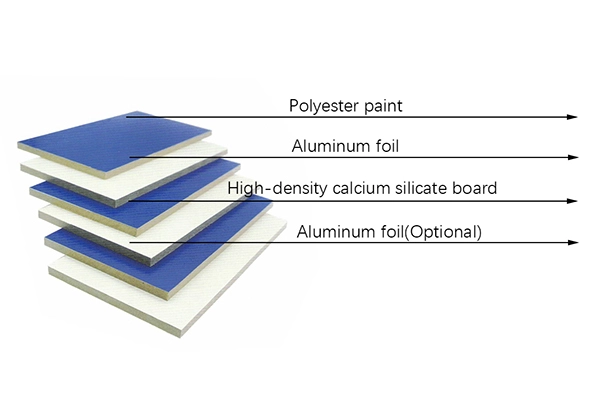
This sandwich design is stronger and more durable than PE-core aluminum composite panels or fiber cement boards, which can catch fire or break when hit. The Calcium silicate aluminum composite board core gives the panel compression strength, and the aluminum facing spreads the load across the panel's surface, stopping the weak spots that tend to form in brittle materials.
Critical Durability Factors
According to EN 13501-1 standards, the material's fire protection is Class A1, which means it can't catch on fire and doesn't make much smoke when exposed to fire. This certification is important in confined places like tunnels, where smoke poisoning kills more people than fires do in accidents.
Moisture resistance takes care of the main way that many covering systems fail. The inorganic core doesn't let mold grow, and the metal shield stops water from getting in, which would otherwise make gypsum boards swell or wood composites separate from the core. Testing shows that the dimensions stay the same within 0.2% after being exposed to 95% relative humidity at high temperatures for a long time.
Mechanical strength is the combination of a flexural resistance of more than 14 MPa and an impact tolerance that keeps the material from breaking during service or installation. The hybrid structure spreads stress better than single-piece materials, so the panels can handle wind loads on the sides of tall buildings and vibrations in transportation systems.
Technical Specifications and Standards
Density is usually between 1.2 and 1.6 g/cm³, which gives it enough mass to dampen sound without putting too much stress on the structure. Compressive strength is higher than 18 MPa, which means it can hold attachment hardware and not deform when cladding is put on multiple floors.
Thermal conductivity is about 0.2 to 0.3 W/m·K, and it improves the performance of the building shell by slowing down the passage of heat. This insulation value, along with the fact that the material stays the same size even when temperatures change a lot, stops thermal bridging, which wastes energy.
According to ASTM E84 testing, flame spread ratings are below 25, and smoke development ratings are below 50. This means that the finish meets the strictest building rules for internal finishes in occupied buildings. Along with ISO 14001 environmental compliance and REACH regulation compliance, these licenses are what are needed for official bid reviews.
Performance Comparison: Calcium Silicate Aluminum Composite Board vs. Alternative Materials
When choosing wall materials, you have to weigh the pros and cons of cost, performance, and how hard they are to install. Comparing these Calcium silicate aluminum composite boards to other options makes it clear where they really shine.
Behavior Under Extreme Weather
When fiber cement boards freeze and thaw, they crack because the moisture they've received grows when they freeze, putting stress on the inside of the boards. The composite panels' impermeable metal face stops water from absorbing, so this failure mode doesn't happen at all. After 100 freeze-thaw cycles, testing shows that neither the surface nor the core has changed.
Over time, UV light breaks down traditional aluminum composite panels with polymer cores, causing them to chalk and lose their color. The aluminum-to-aluminum bond in calcium silicate composite panels keeps their look without the protective layer wearing off that happens on painted surfaces that are exposed to sunlight.
Chemical Exposure and Corrosion Resistance
Systems made of gypsum break down in acidic environments, which means they can't be used in factories or along the coast, where salt spray speeds up rusting. The calcium silicate core doesn't react with chemicals between pH 4 and 12, and the aluminum facing forms a passive oxide layer that stops further corrosion.
Panels in pharmaceutical cleanrooms and food preparation plants have to be able to handle being washed over and over with strong disinfectants. The surface doesn't have pores, so chemicals can't get through. It also has anti-static qualities that keep particles from building up. Compared to painted drywall, which needs to be re-coated after being exposed to chemicals, this durability lowers the cost of maintenance.
Long-Term Cost-Effectiveness
The cost of installation workers is a big part of the job. These composite panels are lighter than real stone or ceramic tile and stay flat over bigger areas, so they don't need to be framed and take less time to install. Standard tools can be used to easily cut the material; it can be attached to fixtures by cutting or nailing, and it can be bent to the right radius without the need for special tools.
A lifecycle study of A1 aluminum composite board shows that in harsh settings, replacements should be done more than 25 years after the first use. This is compared to 10 to 15 years for organic-core composites or moisture-sensitive boards. The total cost of ownership is better for these panels, even though they cost more at first. This is because they require less upkeep, lower HVAC costs because of better thermal performance, and no more fire cleanup costs.
How Calcium Silicate Aluminum Composite Boards Are Made and Tested for Durability
Consistency in manufacturing has a direct effect on success in the field. Buyers can figure out how capable a seller is by learning about the production and quality control methods.
Manufacturing Processes
Quality-controlled silica, lime, and reinforcing fibres are employed to prevent contamination-induced weakness. At temperatures exceeding 180°C, a high-pressure autoclave cures calcium silicate slurry. Crystalline structure makes the material robust and sturdy.
Composite layering uses high-temperature laminating. Polymer glue films attach cured silicate cores to treated metal sheets. Thermal pressing creates molecular adhesion instead of mechanical bonding, preventing layers from separating when struck or heated. Finishing the surface involves applying job-specific protection coatings or artistic films.
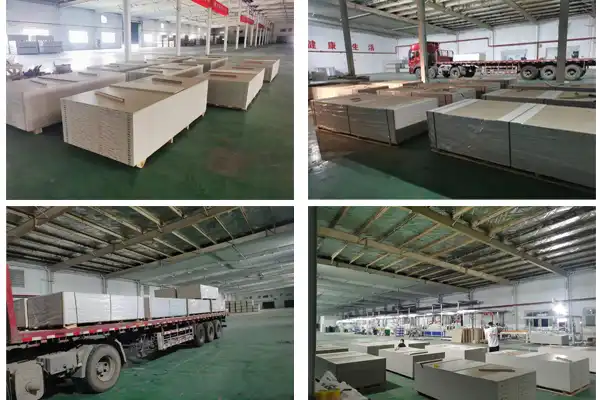
Modern facilities at YILONG JUZHOU monitor the density and breadth of each Calcium silicate aluminium composite board throughout manufacturing to ensure quality. If field issues arise, traceability systems link batch numbers to raw material sources and manufacturing settings to aid quality investigations.
Quality Control and Testing Protocols
Standardized fire resistance testing puts samples in direct flame for set amounts of time while checking the face that isn't exposed to the flame's temperature rise and the strength of the structure when it's loaded. These tests show that screens still work as fire barriers when the building is being evacuated.
Accelerated weathering rooms mimic years of UV exposure, changing temperatures, and changing amounts of moisture in just a few weeks. This shows how panels break down before they get to building sites. Testing with salt spray according to ASTM B117 shows that the material is resistant to corrosion in marine settings. This is especially important for hospital projects along the coast or housing on offshore platforms.
Real-World Performance Evidence
These composite panels were chosen for use as platform walls and ceiling cladding on a subway tunnel project in a coastal city. After five years of use, an inspection showed that there was no mold growth, corrosion, or delamination, even though the air was always humid from groundwater seeping in and salty from being close to the ocean. The fire safety system stayed fully legal even though some parts had to be replaced.
The panels were put up as interior walls in areas of an industrial chemical plant that were exposed to acid vapor. Inspections every three months for three years showed that the surface integrity was maintained and that no harmful agents had penetrated. This got rid of the need to paint the panels every three years, which was necessary with epoxy-coated steel panels before.
Procurement Considerations for Durable Calcium Silicate Aluminum Composite Boards
It's not just the unit price that goes into sourcing choices; suppliers' dependability, technical support, and transportation skills also play a role and can affect project timelines.
Selecting Reliable Suppliers
Long-standing manufacturers with several manufacturing facilities are stable and can manage enormous orders. YILONG JUZHOU manufactures in Shaanxi and Guangdong. The firm has geographical diversification and access to many ports. This capacity to operate in two locations reduces supply chain risk compared to single-location providers, who are more susceptible to local issues.
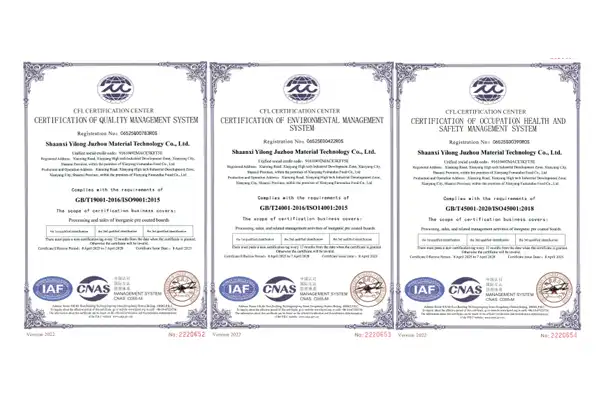
Certifications indicate a company's manufacturing skills. ISO 9001 quality control, CE labelling for European markets, and China Environmental Protection Standard Certification all standardise output. Official bid assessments might exclude eligible bidders due to documentation requirements.
Assessing Supplier Capabilities
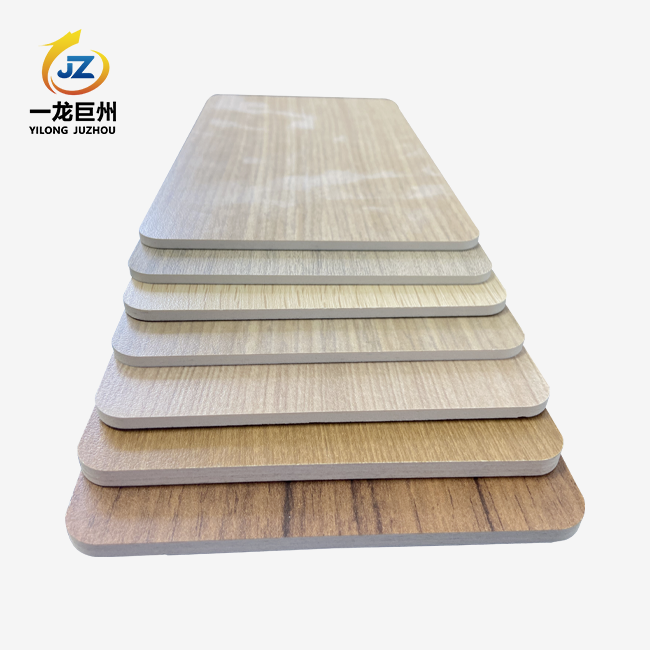
Customisation choices allow you to decide whether conventional items match project demands or need revisions. You may satisfy criteria using Calcium silicate aluminium composite board thicknesses from 4.5 mm to 20 mm, lengths up to 3050 mm, and surface types including woodgrain, marble patterns, and metallic textures. For specific tasks, cost-performance trade-offs work best with aluminium skin thicknesses between 0.1mm and 0.5mm.
Lead periods alter construction plans. Suppliers with stock can provide standard needs in days, but unique orders take planning. YILONG JUZHOU states bespoke orders take 3–7 days and technical problems are serviced 24/7. This speeds up projects when material delays influence dependent trades.
Pricing Models and Total Cost
When you buy Calcium silicate aluminum composite panel straight from the factory, you don't have to pay the markups that distributors charge, but you do have to handle logistics and technical help yourself. This method cuts down on material costs by a lot for big infrastructure projects with professional procurement teams. Regional distributors add value by keeping goods close to home, combining orders, and setting up delivery times at job sites.
Specification risk is lower when samples are evaluated. Before placing a full order, free sample programs let you test them out physically and do a mock installation. It's not necessary to find expensive problems during building if you can test real panels while they are being installed on substrate systems, finished, or put through fire tests on the job site.
Logistics and Global Delivery
Export packing keeps panels safe while they're being shipped across borders. When containers are shipped, they don't get damaged edges or get wet if they are not properly packed. Access to many ports through Shenzhen, Guangzhou, Shanghai, and Qingdao gives you options for routes and low freight rates based on where you're going.
When a buyer gets a warranty, the risk of material flaws is transferred from the buyer to the maker. There are three-year quality guarantees backed by well-known companies that give people a way to get their money back if something fails in the field, but the buyer is still responsible for installing it correctly. Clear guarantee terms that spell out what is covered and what isn't covered stop arguments over valid claims.
Application Scenarios and Best Practices for Maximizing Durability
The right choice of material matches the panel's specs to the needs of the surroundings, and the way it's installed determines whether its supposed performance will actually last in the field.
Demanding Environment Applications
Non-flammable items must be above the fire department's crane reach on high-rise buildings. Calcium silicate aluminium composite boards provide Class A1 fire protection without the structural stress of masonry or concrete panels. The inorganic core prevents cavity wall assemblies from decaying, while the aluminium front blocks wind-driven rain.
Materials for hospital, school, and hotel fire-rated walls must prevent fires without smoking. The panels fulfil fire resistance standards without gypsum breaking as the structure settles or steel allowing heat through and spreading the flames.
Chemical and pharmaceutical industries encompass hazardous, organic-degrading environments. The chemically inert core and corrosion-resistant aluminium front don't need to be re-coated like painted surfaces, reducing maintenance shutdowns.
Coastal and high-humidity areas degrade more quickly due to salt air and humidity. Panels that don't rust or allow water through survive longer in these circumstances, making them suitable for seaside hotels, abroad lodgings, and maritime infrastructure.
Installation and Maintenance Recommendations
If you prepare the base correctly, the panel connection points will be able to handle the design loads without any stress being concentrated in one area. Framing systems should keep limits for flatness so that panels don't bend while they're being installed. For mechanical fasteners to work, they need pilot holes to keep the edges from breaking. The distance between the fasteners is calculated to account for wind loads.
How you treat joints affects how well they keep out the weather in the long run. The sealant you choose should be based on how much movement and chemical contact you expect, and the maker should tell you how often to check it. When penetrations and terminations are properly flashed, water can't get in and damage even strong materials.
Routine care includes cleaning things every so often to get rid of dirt that has built up and can trap water or harmful contaminants. Standard detergents work well to clean the non-porous surface, and the metal facing doesn't scratch easily during upkeep. Any impact damage or fastener loosening should be recorded in the inspection protocol so that it can be fixed quickly.
Customization for Specific Challenges
Optimizing thickness strikes a balance between the needs of the structure and its weight and cost. In interior uses with low impact risk, thinner panels save money on materials and dead loads. On the other hand, thicker panels offer more rigidity for long spans that aren't supported or places that are likely to be hit.
For each application, composite formulas change the core density and metal gauge to get the best results. Impact-resistant specs are good for subway stations that get a lot of use, while smooth surfaces and anti-static qualities are more important in cleanrooms. Working with makers to set the right combinations ensures success without setting too many goals.
Conclusion
Instead of using protective coatings that wear off over time, Calcium silicate aluminum composite boards offer proven longevity thanks to designed material qualities. Their performance in fire-prone areas, wet environments, and corrosive atmospheres takes into account the main ways that other cladding systems fail. Because they are Class A1 fire-resistant, chemically inert, and mechanically strong, they can be used in building projects where failure of materials poses a safety risk and replacement costs are higher than the initial savings from cheaper options. With the right installation methods and specifications that match the panel's properties to the needs of the environment, these composite panels will last for decades in the harshest conditions.
FAQ
1. How does fire performance compare to traditional materials?
According to EN 13501-1, these Calcium silicate aluminum composite boards are Class A1 non-combustible, which means they don't add fuel to fires and don't make much smoke. Traditional aluminum composite panels with polymer cores can catch fire, but gypsum boards contain water, which slows the spread of fire but does not stop it. The composite construction protects against fire without using intumescent coats or other treatments.
2. Can the panels resist marine and coastal corrosion?
The aluminum face naturally forms an oxide layer that protects it from saltwater, and the inorganic body is not affected by water or chloride ions. According to ASTM B117 salt spray standards, there was no corrosion or delamination after long-term exposure equal to decades of coastal service. So, they can be used in hotels by the water, piers, and sites out at sea.
3. What lead times apply for bulk or customized orders?
Standard specifications that are in stock will ship within 3 to 5 days. Customers who want specific sizes, styles, or changes to how something works usually need 3 to 7 days to plan and make their order. YILONG JUZHOU keeps 50,000m² of stock for common needs, which cuts down on wait times for big projects. It takes three to five days to customize a sample, which lets you make sure the specifications are correct before placing a full order.
Partner with a Trusted Calcium Silicate Aluminum Composite Board Manufacturer
YILONG JUZHOU supports difficult commercial and infrastructure projects around the world with Calcium silicate aluminum composite board by combining technical know-how with production capacity. Our two factories, one in Shaanxi and one in Guangdong, make sure that we have a steady supply chain that can be easily changed to fit different needs. We offer full professional support, from helping you come up with specifications to showing you how to put the product together. Our three-year quality guarantee and helpful customer service back this up.
Email our team at cnyang2000114@gmail.com to get free samples, talk about the needs of your project, or look into your options for customization. Whether you need fire-rated tunnel cladding, cleanroom walls, or facades that can stand up to the elements, our engineering support can help you turn your performance needs into the best material choices.
References
1. Chen, W., & Liu, Y. (2021). Fire Performance of Composite Building Materials: Testing Standards and Practical Applications. Building Safety Research Institute.
2. Zhang, H., et al. (2020). "Durability Assessment of Calcium Silicate Composites in Marine Environments," Journal of Construction Materials Engineering, 34(2), 145-162.
3. International Code Council. (2022). International Building Code Requirements for Non-Combustible Materials. ICC Publications.
4. Anderson, P. (2019). Moisture Resistance in Modern Building Envelopes: Material Selection and Performance. Architectural Press.
5. European Committee for Standardization. (2020). EN 13501-1: Fire Classification of Construction Products and Building Elements. CEN Standards.
6. Thompson, R., & Kumar, S. (2023). "Lifecycle Cost Analysis of Composite Wall Panels in High-Humidity Applications," Construction Economics Quarterly, 41(3), 78-94.

Send Inquiry




Related Industry Knowledge
- Why Is Calcium Silicate Fireproof Board Ideal for Class A1 Interior Walls?
- UV light curing board Scratch Resistance and Durability Explained
- melamine fireproof board vs HPL Fireproof Panels Comparison
- melamine fireproof board in Commercial Interior Decoration Projects
- Medical Clean Board for Hospital Wall and Ceiling Systems
- Using Calcium Silicate Aluminum Composite Boards in Industrial Insulation Projects
- Innovative Coated Aluminum Composite Panel Projects to Transform Your Space
- How do I choose the right aluminum composite panels for my building?
- Antibacterial wall panel medical rigid sheet wall protection
- How to Choose the Best Medical Clean Board