
ACP Sheets: Pros, Cons, and Uses Explained
August 21, 2026
When specifying wall cladding for high-traffic commercial environments or public infrastructure, one material consistently rises to the top of safety-conscious procurement lists: the A2 Aluminum Composite panel. These panels combine a mineral-filled, fire-resistant core with protective aluminum skins, delivering non-combustible performance classified under EN13501-1 as Class A2. Unlike standard polyethylene-core panels that can fuel vertical fire spread, A2-grade aluminum composite sheets provide architects, developers, and facility managers with a proven solution balancing fire safety, design versatility, and long-term durability—particularly critical for hospitals, airports, and high-rise office buildings where regulatory compliance and occupant protection are non-negotiable.
Send Inquiry
Understanding A2 Aluminum Composite Panels: Specifications and Benefits
What Sets A2 Panels Apart from Standard Composite Cladding
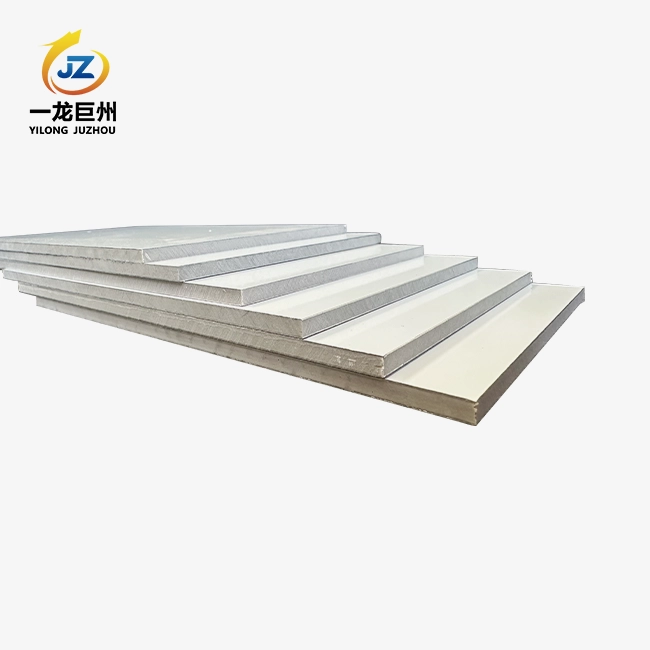
A2 Aluminum Composite panels are fundamentally different in what they are made of. Low-density polyethylene, which is light but can catch fire, is often used in standard ACP sheets. A2-rated panels, on the other hand, have two aluminum skins and more than 90% artificial material fillers, which are usually magnesium hydroxide or aluminum hydroxide. The structure achieves limited combustibility, which means that the material won't catch fire or provide a lot of fuel for a fire. The panels meet strict international fire standards, such as EN13501-1 Class A2-s1, d0, which means they don't make a lot of smoke (s1) and don't let burning drops form (d0).
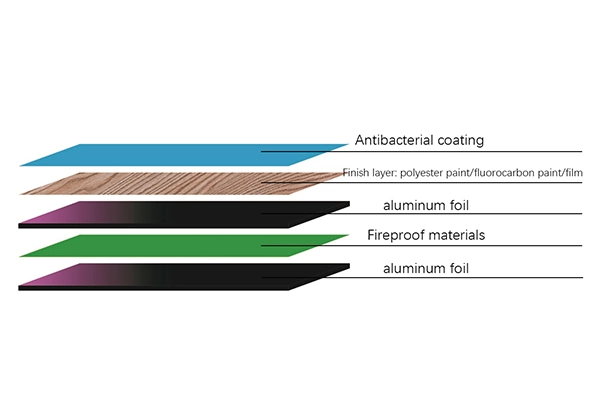
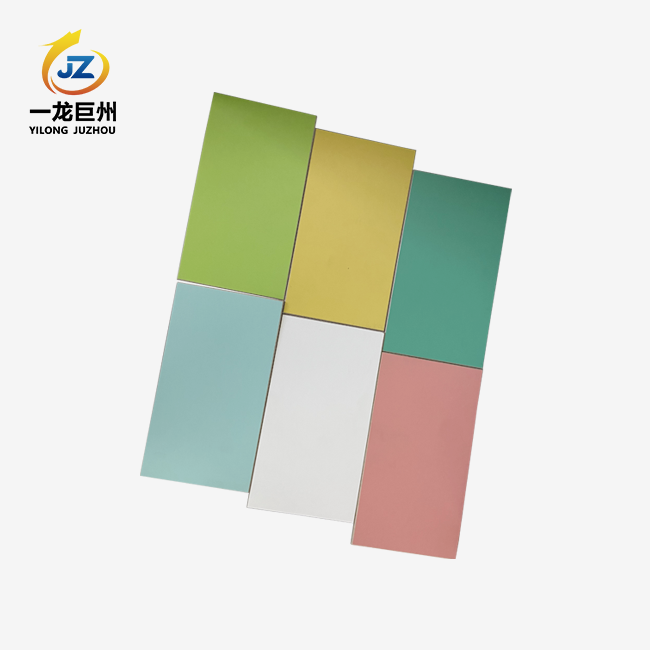
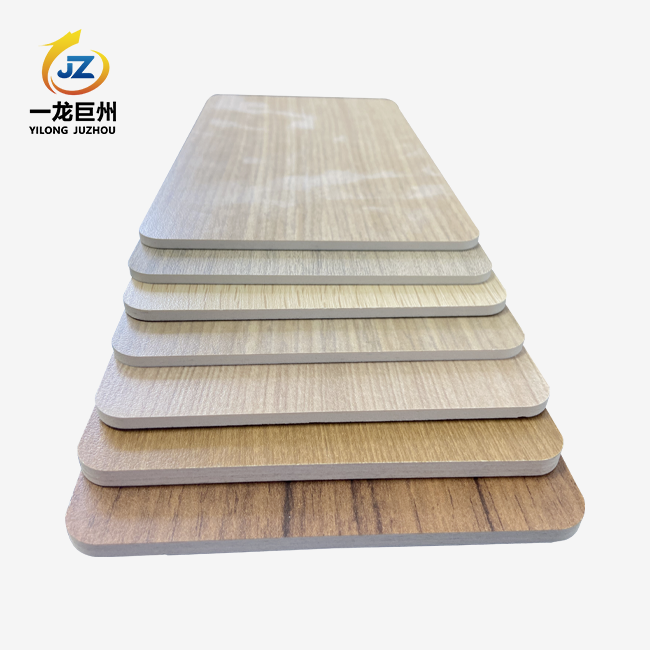
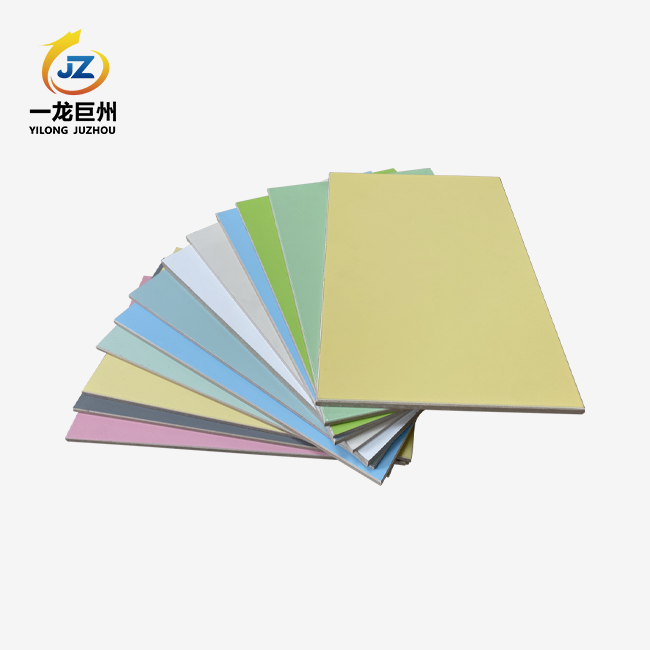
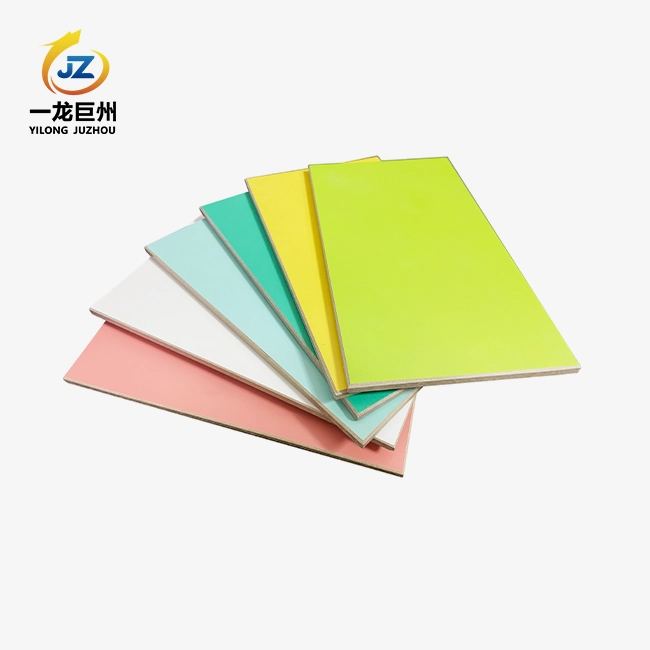
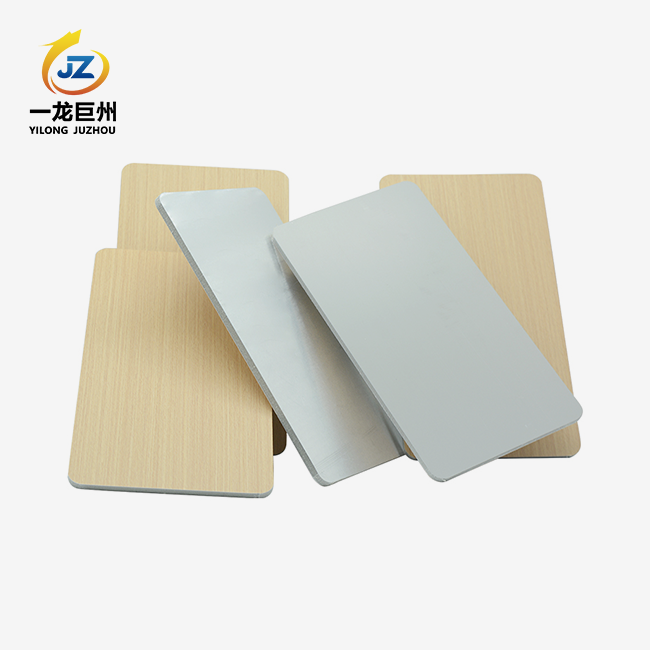
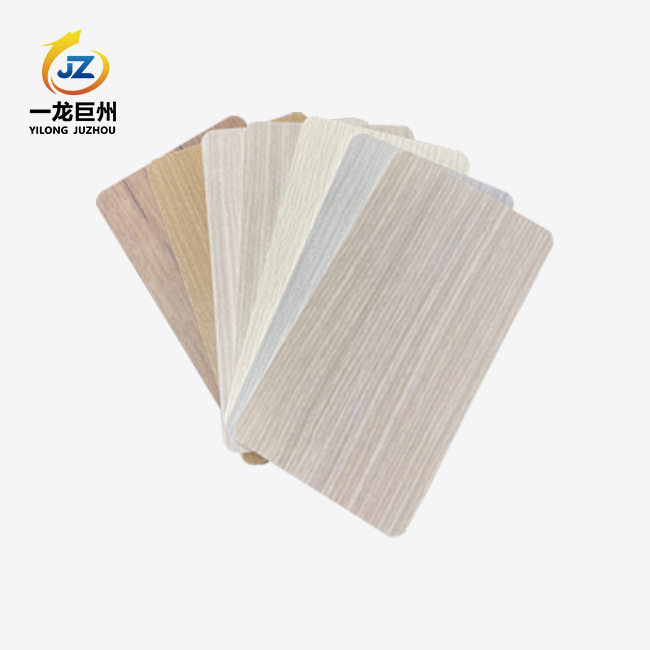
From a technical point of view, these panels come in common sizes of 1220mm, 1500mm, and 2000mm and thicknesses that range from 2mm to 6mm. Custom lengths can be made to fit the needs of each job, which cuts down on waste on large-scale installs. The metal skins are between 0.1mm and 0.5mm thick, and they can be finished on the outside with polyester paint, PET film, PVC film, or PP film. With solid colors, woodgrain patterns, marble textures, shiny finishes, and cloth patterns, these treatments give architects a lot of ways to make buildings look good without sacrificing safety.
| name | aluminum composite wall panels | fireproof | A2 |
| thickness | 4mm | thickness of aluminum film | 0.10-0.5mm |
| width | 1220 | lenth | Customizable |
| color | pvc/pvv/solid color | usage | interior wall decoration |
Core Performance Advantages for B2B Procurement
A2 Aluminum Composite panels are useful for more than just keeping out fires. These materials are very good at keeping out moisture and mold, which makes them perfect for damp places like hospital operating rooms, commercial kitchens, and cleanrooms where drugs are made. Because the panels are flexible, they can be bent into curved architectural shapes. This gives designers more options for how to create feature walls and welcome areas. Installation teams like how easy the material is to work with—normal tools can be used to drill, nail, and bend it. However, the mineral core needs carbide or diamond-tipped blades because it is rough.
Environmental qualities are becoming more and more important to big buyers. A2 Aluminum Composite panels from reputable producers don't release formaldehyde, volatile organic compounds, or radiation, so they can be considered green building materials by a number of different approval systems. Because the panels last longer, they don't need to be replaced as often, which lowers the lifetime costs for property managers who are in charge of multiple buildings. The original premium over standard ACP goes down a lot when you look at the total cost of ownership over a 20-year service life, which includes cleaning, upkeep, and safety compliance.
Comparing A2 Aluminum Composite Panels with Other Cladding Solutions
Fire Rating Distinctions: A1, A2, and B1 Classifications
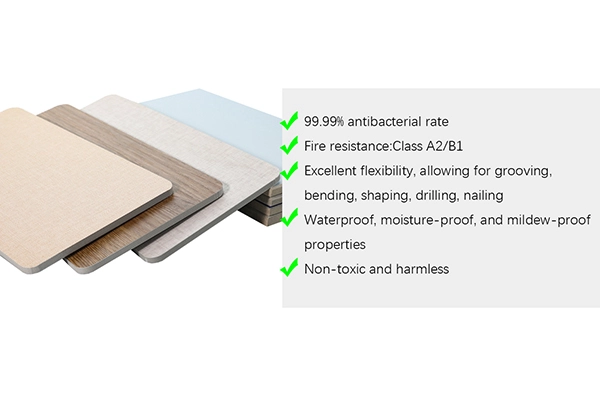
Knowing the details of fire classification helps procurement teams make smart choices. A1-rated materials are completely non-flammable and are usually made of solid metal or stone. However, they are heavier and cost more. A2 Aluminum Composite panels are a good compromise because they are lighter and easier to work with than A1 panels while still having less than 10% flammable material. B1 or FR (fire-retardant) panels may be able to put out fires on their own, but they still have 40–50% combustible core material, which is something that building codes are increasingly not allowing in buildings taller than 18 meters.
These differences are carefully confirmed by testing methods. The ash content test burns panel cores to make sure that the amount of inorganic waste is more than 90%. This checks to see if the A2 makeup is real and not a fake. The peel strength study (ASTM D1781) makes sure that the mineral-rich core sticks well to the metal skins and doesn't come apart when heated. When accredited laboratories like SGS or Intertek do smoke density tests and measurements of heat release, they provide the proof needed for building permit approvals and insurance underwriting.
Cost-Benefit Analysis Against Steel and Solid Aluminum
Although steel cladding is very good at keeping fires out, it can cause thermal bridges, corrosion, and heavy structural loads. Solid metal panels completely remove the risk of fire, but they are too expensive for big facades and need strong support frames. A2 metal Aluminum Composite panel offers similar fire safety at about 40–60% of the installed cost of solid metal alternatives. They weigh about 7-8 kg/m² for 4mm thickness, which is manageable for most existing building structures without the need for expensive reinforcement.
When project teams look at these materials, they should think about how hard they are to install. Composite panels are easier to put together than separate pieces of steel or stone, which cuts down on work hours and speeds up project timelines. Customization options increase value even more; we offer custom sizes, pre-fabricated panel shapes, and color matching that works for large orders, making sure that everything stays the same during the different stages of construction. Our facilities keep an inventory of 50,000m², which makes production reliable, and shipping from Shenzhen, Guangzhou, Shanghai, and Qingdao ports makes supply chain management easier for foreign wholesalers who serve multiple regional markets.
Installation and Maintenance of A2 Aluminum Composite Panels
Best Practices for Secure Fitting and Long-Term Performance
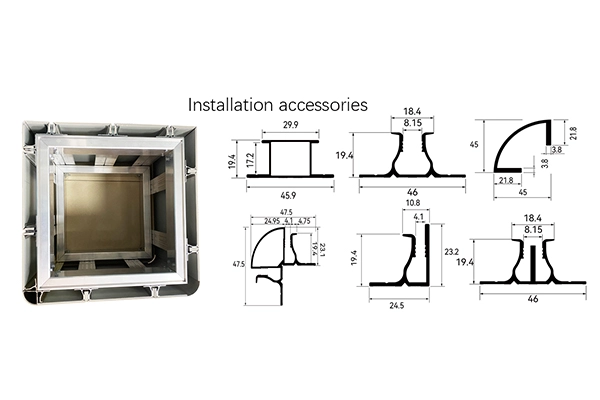
Preparing the base correctly is the first step in a proper fitting. For interior wall uses, level framing with enough airflow is needed to keep moisture from building up behind panels. For load-bearing jobs, installers should use mechanical fastening systems like stainless steel screws or metal rivets instead of adhesive-only methods. Silicone sealants that work with both metal and mineral cores keep water out of joints and allow for heat expansion.
When installing facades on tall buildings, it's important to pay extra attention to wind load calculations and earthquake movement plans. Since the A2 Aluminum Composite panels are light, they don't put as much stress on the structure. However, the connection details must make sure that forces are spread evenly across the support grid. During the specification phase, we suggest that you talk to structural engineers to make sure that the substructure plans take into account the mineral core's density and stiffness, which are different from those of regular PE-core panels.
Routine Care Protocols for Institutional Environments
A hidden operational benefit is that it is easier to maintain. Hospitals and airports use regular cleaning processes to keep surfaces clean and make them look professional. Commercial cleaners and high-pressure washing won't damage the surface of A2 Aluminum Composite panels as long as rough brushes and strong solvents aren't used. Inspections should be done every three months to make sure that the screws stay tight, the sealant joints don't crack, and the surface coats don't chalk or fade. With normal UV exposure, good PVDF finishes will usually keep their color for fifteen to twenty years.
The steps for fixing damage are simple. Unlike solid cladding systems, individual pieces can be taken off and put back on without affecting nearby parts. This modularity is useful in healthcare facilities where tools or repairs can sometimes hit things by mistake. Keeping extra panels in colors that match the project is easy when you use our OEM and ODM services. This makes fixes go smoothly and keeps the look of big indoor spaces consistent.
Making Informed Procurement Decisions: Buying A2 Aluminum Composite Panels
Supplier Qualification Criteria for Global B2B Buyers
When choosing an A2 ACP panel maker, you need to look at a number of their competencies. Portfolios of certifications should include ISO quality control systems, CE marks for European markets, and proof that the business is following environmental rules. Suppliers with two production bases, like our sites in Shaanxi and Guangdong, show that they are reliable and can handle big orders. Production lead times of 3–7 days for standard specifications and 3–5 days for custom samples show that the manufacturing process works well and can meet tight construction schedules.
Technical support skills are what set good suppliers apart from great partners. Look for companies that offer design help, fitting help, and quality warranties that last for three years. It is easier to write specifications and get regulatory approvals when you can provide material test records, fire classification certificates, and technical models that work with BIM. We promise to respond within 24 hours. It's important to be able to communicate quickly when managing foreign packages during different stages of a project.
Pricing Factors and Return on Investment Considerations
The price of a panel depends on its thickness, width, length, metal skin gauge, and the complexity of the surface finish. Because they take more work to make, woodgrain and marble designs usually cost more than plain colors. To make true budget comparisons, buyers should ask for quotes that break down the costs of materials, assembly, packing, and shipping. Orders over 1,000m² qualify for volume savings, which makes consolidating purchases across multiple project sites a smart financial move.
When figuring out the return on an investment, you need to take into account more than just the initial buy price. The fire safety of A2 Aluminum Composite panels lowers commercial property insurance rates because insurers know that non-combustible cladding is a lower risk. Longer replacement intervals and less work needed for upkeep lead to lower running costs over the life of a building. The panels' thermal properties make them better for saving energy when they are put into insulated wall assemblies. They also help earn LEED or BREEAM certification points, which raise the value of the property.
Pros and Cons of A2 Aluminum Composite Panels for B2B Applications
Compelling Advantages for Commercial and Institutional Projects
Fire safety is the most important risk factor in current building design, and A2 Aluminum Composite panels meet that need. Recent deaths involving combustible cladding have made regulators look more closely, and the A2 rating is becoming more and more required for public buildings instead of being a choice. In addition to meeting requirements, the material's natural properties also help with everyday problems. Mold- and water-resistant properties make them good for damp places like subway stops, indoor pools, and business laundry rooms, where regular materials break down quickly. The panels don't contain formaldehyde, so they meet strict indoor air quality standards for places like schools and medical beauty centers where vulnerable people spend a lot of time.
Architects can make unique spaces by giving designs more freedom. We've given panels to art galleries that needed 3-meter-tall feature walls that were seamless, hotel hallways that needed surfaces with complex curves, and meeting centers that needed to quickly set up between bookings. The versatile nature of the material means that it can be drilled for mounting signs, nailed for attaching fixtures, and bent for wrapping columns. This means that you don't have to buy a bunch of different materials.
Limitations and Practical Mitigation Strategies
Honesty about problems builds trust with buyers who know what they're looking for. A2 Aluminum Composite panels are 30–50% more expensive than standard PE-core options. This is because the mineral fillers are more expensive and the manufacturing process is more complicated. Cost-conscious projects need to weigh this extra cost against the benefits of saving money over time and lowering risk. Because the panels are denser, the structure needs to be checked, and in repair situations, the foundation may need to be upgraded. This cost should be taken into account in project feasibility studies.
Installing something needs trained workers who know how to work with that specific material. The rough mineral core quickly dulls regular cutting tools, which extends the time it takes to make things and raises the cost of replacing tools. These problems can be lessened by working with skilled installation workers or giving hands-on training, which are both things our technical support teams do. Including carbide-tipped or diamond blades in the contract papers stops delays and quality problems on the job site. For some building uses, complex shapes may need engineered estimates, which adds costs to the design part that simpler materials don't have.
Conclusion
A2 Aluminum Composite panels are a mature and tried-and-true option for business building and public infrastructure projects where fire safety, longevity, and design quality are all important factors. The mineral-filled core of the material really doesn't catch fire, meeting Class A2 fire ratings that meet stricter building codes around the world. In addition to meeting regulations, these panels are resistant to wetness and mold, can be styled in a variety of ways, and are environmentally friendly. These are all qualities that hospitals, airports, office buildings, and other public buildings value. The material costs more than standard options and needs to be installed by someone who knows what they're doing. However, the reduced insurance costs, low maintenance needs, and longer service life make the investment worth it for quality-conscious building owners and managers.
FAQ
1. What makes A2 aluminum composite panels safer than B1 fire-retardant panels?
The main thing that decides how a fire behaves is its core makeup. B1 panels are made up of 50–60% minerals and a lot of plastic filler, which can catch fire and spread flames before going out on its own. A2 Aluminum Composite panels are made up of more than 90% inorganic minerals, which means they can't catch fire and won't add any useful fuel to fires. This difference is very important in tall buildings where flames can grow vertically and trap people inside.
2. Can A2 panels be used in both interior and exterior applications?
Yes, but how to improve efficiency depends on the surroundings. The material's smoke suppression (s1 grade) and easy-to-clean surfaces make it a good choice for use inside of hospitals, schools, and public hubs. Fire safety and weather protection are improved by exterior walls, but it's even more important to make sure that proper sealing and thermal expansion measures are in place. Always make sure that the panel finishes you choose are right for the environment. For example, PVDF coats work great outside, while polyester finishes are better for safe indoor areas.
3. What are typical delivery timelines for large-scale projects?
Standard specifications ship within 3–7 days from our production facilities in Shaanxi or Guangdong, and we have 50,000m² of inventory on hand to support immediate partial fulfillment. For custom colors, patterns, or sizes that aren't standard, it takes 7–14 days to set up production and check the quality. International logistics add 15 to 30 days, depending on the ports of entry and exit and the time it takes to clear customs. To account for possible delays, we suggest placing orders 45 to 60 days prior to installation times.
Partner with YILONG JUZHOU for Premium A2 Aluminum Composite Panel Solutions
To get around the complicated world of fire-safe building materials, you need a supplier that can both make great products and provide quick technical support. YILONG JUZHOU has two factories, one in Shaanxi and one in Guangdong. It has ISO and CE licenses, as well as approvals from the China Environmental Protection Standard. Our A2 Aluminum Composite panels are used in over 30 countries in hospitals, airports, office towers, and specialized industry sites. We offer three-year quality guarantees and full OEM/ODM capabilities. We offer free samples within 3–5 days so that you can see and feel the product before committing to it, and we answer technical questions 24 hours a day, seven days a week. Whether you need materials for a 50-story office building or appropriate cladding for healthcare upgrades, our team can help. We offer custom sizing, pattern matching, and operations planning to keep projects on track and on budget. Get in touch with our experts right away at cnyang2000114@gmail.com.
References
1. Building Research Establishment. (2020). Fire Performance of Metal Composite Panels in High-Rise Construction. BRE Publications, United Kingdom.
2. International Code Council. (2021). International Building Code Chapter 14: Exterior Walls and Flame Resistance Requirements. ICC Publications.
3. Chen, L., & Morrison, R. (2019). Aluminum Composite Materials: Manufacturing, Properties and Applications in Modern Architecture. Materials Science Quarterly, 45(3), 287-312.
4. European Committee for Standardization. (2018). EN 13501-1: Fire Classification of Construction Products and Building Elements – Part 1: Classification Using Data from Reaction to Fire Tests. CEN Publications.
5. National Fire Protection Association. (2022). NFPA 285: Standard Fire Test Method for Evaluation of Fire Propagation Characteristics of Exterior Wall Assemblies Containing Combustible Components. NFPA Standards.
6. Zhang, W., & Thompson, P. (2021). Lifecycle Cost Analysis of Fire-Rated Cladding Systems in Commercial Construction. Journal of Building Economics, 38(2), 145-168.

Send Inquiry
Related Industry Knowledge
- Inorganic pre-coated panels Environmental and Safety Advantages
- Negative ion boards: natural enemies of bacteria and viruses
- How Does UV light curing board Technology Improve Surface Hardness?
- How Does melamine fireproof board Enhance Interior Fire Safety?
- Inorganic pre-coated panels for Modern Architectural Applications
- What Is ice fireproof board and How Does It Resist High Heat?
- UV Antibacterial panels vs Traditional Wall Panels: Key Differences
- Print on Aluminum Composite Panel: A Modern Twist on Traditional Wall Art
- The Importance of Adhesion Testing for ACM Panels as Painting Supports
- How to Choose the Best Medical Clean Board