
A2 Aluminum Composite Panel for High-Rise Fire Safety
September 8, 2026
When fire breaks out in a high-rise building, cladding material determines whether a fire stays contained or races up the facade. An A2 aluminum composite panel — engineered with an inorganic mineral core bonded between high-strength aluminum skins — is classified as limited combustibility under EN 13501-1, with a Gross Calorific Potential below 3 MJ/kg. That chemistry stops vertical flame propagation at its source. For architects, procurement teams, and distributors sourcing compliant facade solutions for towers, hospitals, or transit hubs, understanding what separates A2 from lower-grade panels is not optional — it is a liability decision.
Understanding A2 Aluminum Composite Panels and Their Fire Safety Significance
What Makes the A2 Rating Different from Standard Panels
The EN 13501-1 rating A2 means that the material has restricted combustibility. It is one grade below the fully non-combustible A1 (solid aluminum) and a long way above the fire-retardant B1 or standard polyethylene-core panels. Over 90% of a real A2 Aluminum Composite panel's core is made up of artificial minerals, most often magnesium hydroxide or aluminum hydroxide. When these elements are under a lot of heat stress, they give off water vapor, which actively absorbs heat instead of feeding it. The end result is a panel that doesn't easily catch fire or make burning droplets (d0 rating), which eliminates the specific risk of molten drip ignition on lower floors, which has been shown to speed up the spread of fire in several high-rise incidents around the world.

Performance Attributes Beyond Fire Resistance
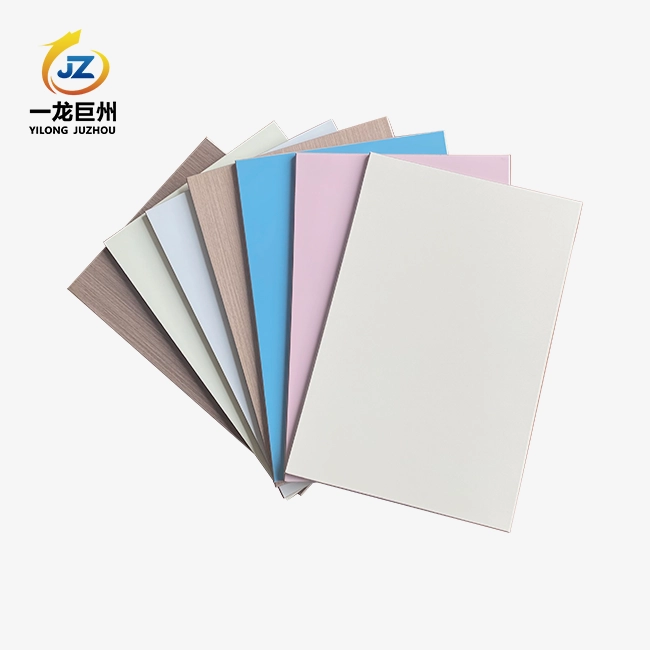
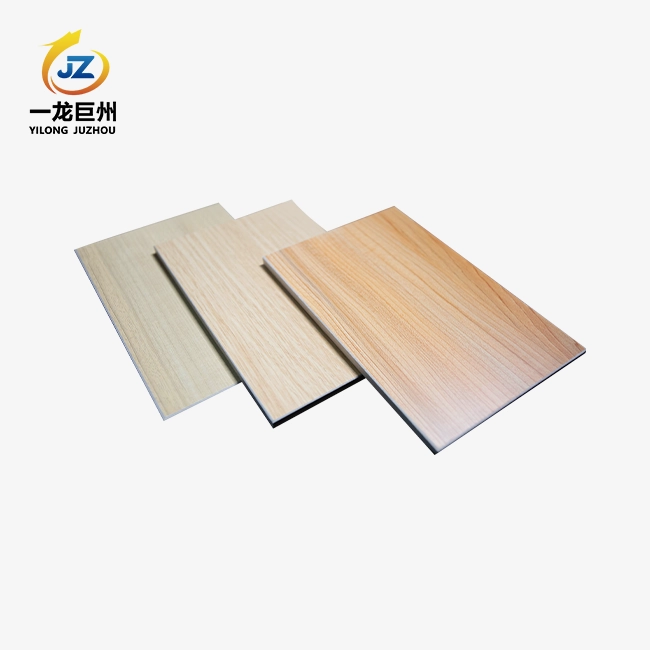
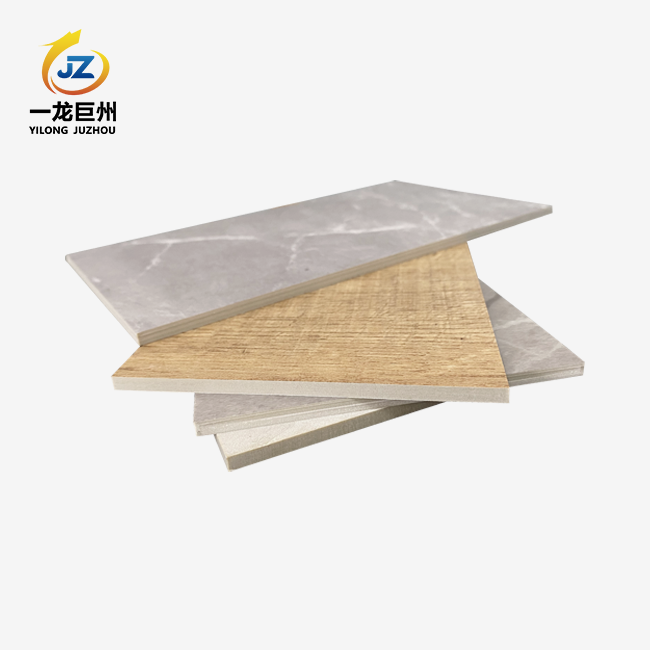
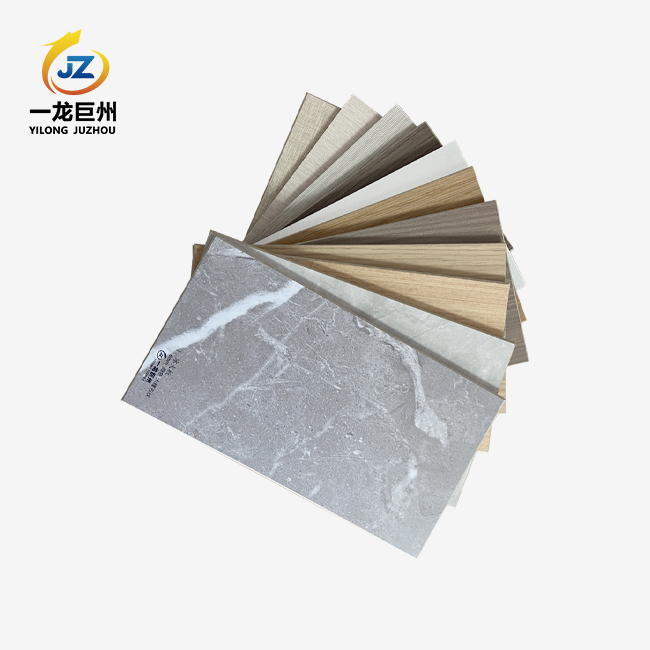
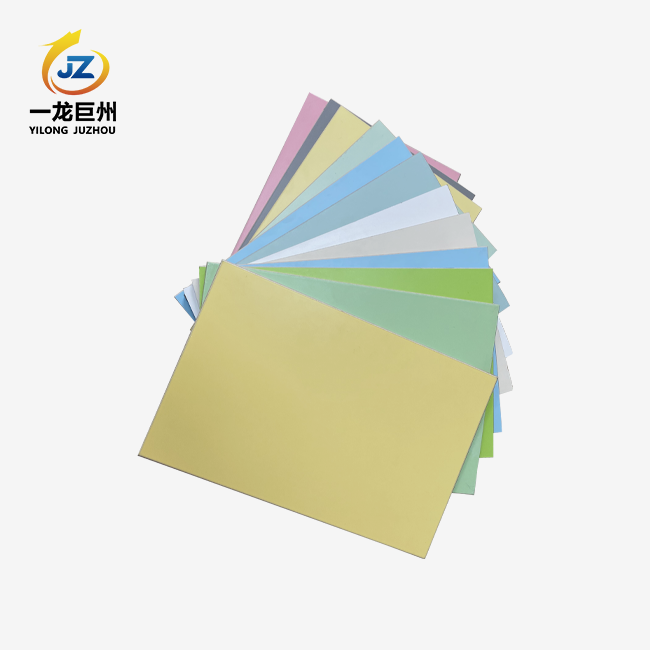
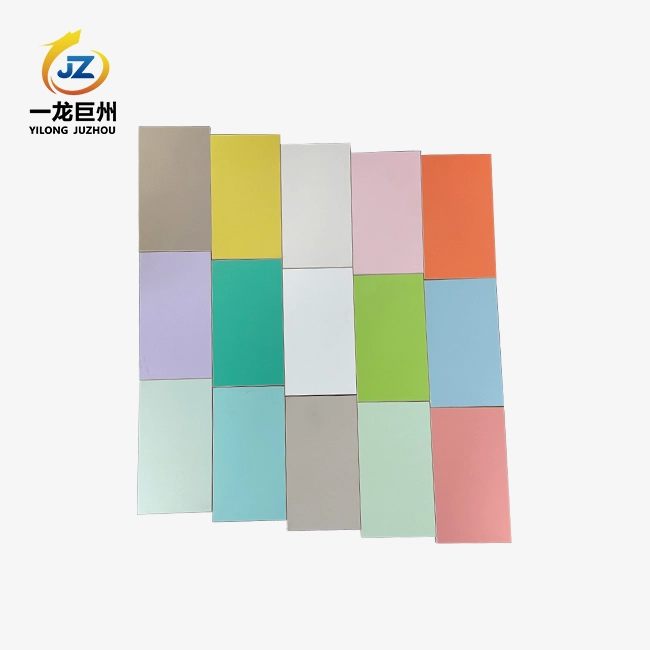
This type of panel has many uses besides just meeting fire safety standards. These panels come in 2, 3, 4, 5, and 6 mm thicknesses, 1220 mm, 1500 mm, or 2000 mm widths, and lengths that can be customized to be longer than 3 meters. They can be used with almost any building exterior or interior wall system. The thickness of the aluminum skin is between 0.1 and 0.5 mm. It has the right mix of weight and stiffness, better than solid aluminum or stone. Surface finishes, such as polyester paint, PET film, PVC film, and PP film, come in solid colors, woodgrain patterns, metallic patterns, and cloth patterns. This gives design teams a lot of options for how things look without sacrificing safety.
Comparing A2 Panels with Other Fire-Resistant Cladding Options
A1 solid aluminum, A2 ACP panels, B1 fire-retardant composites, and stainless steel are some of the cladding choices that procurement workers often come across. Each has different effects on cost, weight, and efficiency that are different. In real life, these are how they compare:

- A1 solid aluminum offers full non-combustibility but adds considerable dead load to curtain wall substructures and costs significantly more per square meter, making it impractical for large-scale interior applications.
- B1 fire-retardant (FR) core panels: Only 50–60% of these panels are made up of inorganic minerals. They put out fires on their own in a lab, but they can still catch fire if they are exposed to strong or long-lasting heat sources. Because of this risk, major building codes in the US, UK, and Gulf region no longer allow them on high-rise walls above 18 meters.
- Stainless steel cladding: Doesn't catch fire, but it makes thermal bridging harder, is hard to shape into complicated shapes, and requires more upkeep over the life of a building.
The practical middle ground is the A2 Aluminum Composite panel, which is non-combustible enough to meet the requirements of most global high-rise codes, light enough to cut down on substructure load calculations, and cheap enough to buy in bulk for big public and commercial infrastructure projects.
How A2 Aluminum Composite Panels Are Made and Their Sustainability Profile
Manufacturing Process and Quality Controls
The mineral core compound of the A2 Aluminum Composite panel is first made. It is then pressed and fused under controlled heat to get the high-density structure (1.8 to 2.0 g/cm³) that is needed for both structural stability and fire performance. After that, continuous lamination is used to attach aluminum skins to both sides. Quality control measures include ISO 1716 (Heat of Combustion) and ISO 1182 (Non-Combustibility) tests, checking the ash content to make sure the mineral loading is higher than 90%, and ASTM D1781 peel strength tests to make sure the material doesn't separate when it's under stress.
Sustainability Credentials That Matter in Global Procurement
In addition to fire safety, these panels are made of materials that meet environmental standards that are now part of official bid reviews for healthcare, government, and educational projects. Certification from the China Environmental Protection Standard shows that the panels don't contain any formaldehyde, smell, or radiation. The aluminum skins can also be recycled completely when they're no longer needed. ISO and CE certifications help foreign projects follow the rules, and the fact that they don't release volatile organic compounds means they can be used in public places like hospitals, schools, and metro stops, where the air quality affects people's health directly.
Practical Guide to Procurement and Installation for B2B Clients
Selecting a Supplier That Supports Project Continuity
For procurement teams in charge of large-scale import contracts or phased construction pipelines, the reliability of the supplier is just as important as the product specification. Important things to look for when doing your research are confirmed fire classification test results from reputable labs like SGS or Intertek, proven lead times, and proof of production capacity. A2 ACP boards are very easy to work with—standard manufacturing tools can be used to drill, nail, and bend them. They are also very flexible, so they can be installed in curved or irregular architectural shapes, which cuts down on waste and repair costs on-site.
Here are the core handling and installation practices that protect performance throughout a project:
- Tool selection matters: The mineral core is rough, so the tools you use are important. Saw blades and cutter bits with carbide or diamond tips last longer and keep their clean-cut edges, which keep the weather seal intact.
- Storage protocol: Before being put in place, panels should be kept flat, off the ground, and covered to keep dampness out. Once installed, the waterproof and mildew-proof core can handle humidity well, but standing water before installation can lower the quality of the glue bond.
- Substructure load calculations: A2 Aluminum Composite panels are heavier than PE-core options, weighing about 7–8 kg/m² for a 4 mm thickness. This is something that structural engineers should think about when they build the curtain wall brackets and anchors.
These steps protect the fixed fire performance of the system, not just the finish on the outside. If you correctly specify a panel but don't install it correctly, it might not contain fires as well as it should.
Enhancing High-Rise Fire Safety: Real Applications and the Road Ahead
Large transit infrastructure projects, like metro station interiors, airport terminals, and train station concourses, use mineral-core composite cladding as the standard for ceiling and wall linings because it has an S1 smoke rating, which means it doesn't make it hard to see during an evacuation. In a single-panel system, hospitals and pharmacy facilities can get antibacterial surface finishability, moisture protection, and fire compliance. This makes it easier to get the materials they need and keep track of their compliance.
In light of recent high-profile wall failures, fire safety rules around the world are getting stricter. The trend is toward requiring non-combustible cladding on buildings that are getting shorter, stricter third-party certification requirements, and a higher demand for products that are good for both the environment and fire safety. Teams that buy only A2 Aluminum Composite panels are now getting their supply lines ready for when regulations change, instead of responding to them.

Conclusion
Choosing fire-safe cladding is one of the most important choices that need to be made when buying high-rise buildings or public structures. The A2 aluminum composite panel is a technically proven and commercially viable option that strikes a good mix between not catching fire, design flexibility, and environmental responsibility. These panels meet the needs of business developers, healthcare facilities, industrial operators, and global distributors alike. They can be made in any size, have a variety of surface finishes, and have certificates that are recognized in all international markets. Picking the right panel and supplier saves both the people who live in the building and its long-term value.
FAQ
1. What is the practical difference between A2 and A1 fire-rated panels?
A1 panels are made of solid aluminum that can't catch fire and don't contain any organic materials. A2 Aluminum Composite panels have a solid core that is more than 90% artificial, so they are considered to have limited combustibility. For most high-rise uses above 18 meters, A2 meets building code standards and costs less and weighs less than A1 solid aluminum.
2. Are A2 panels suitable for humid or coastal climates?
The inorganic material core is naturally waterproof, resistant to moisture, and not prone to mildew. This makes the panels perfect for seaside, tropical, or high-humidity areas.
3. Do A2 panels comply with U.S. fire safety standards?
Certification to EN 13501-1 is used all over the world. For jobs in the United States, NFPA 285 system testing is the main way to make sure that outdoor wall assemblies meet code requirements. Buyers should ask their supplier for up-to-date NFPA 285 test reports and EN classification paperwork.
4. Can custom dimensions and colors be produced?
Panels come in different widths and lengths, ranging from 2 mm to 6 mm thick and up to 2000 mm long. There are plain, woodgrain, marble, metallic, and cloth design colors. Both OEM and ODM production can be done.
Connect with YILONG JUZHOU for Your Next Procurement Project
YILONG JUZHOU has two production bases, one in Foshan, Guangdong, and the other in Xianyang, Shaanxi. It keeps 50,000 m² of ready stock on hand and has production lead times of 3–7 days. As a certified A2 aluminum composite panel manufacturer that ships to more than 30 countries, we offer free samples that are sent out within 3–5 days, full OEM/ODM capabilities, and a quality guarantee that lasts for three years. You can email our technical team at cnyang2000114@gmail.com to get bulk pricing, installation guides, or a consultation on your specific needs.
References
1. Grenfell Tower Inquiry. (2019). Phase 1 Report: The events of 14 June 2017. UK Government.
2. European Commission. (2020). Construction Products Regulation – Fire Performance of Cladding Materials. EUR-Lex.
3. National Fire Protection Association. (2021). NFPA 285: Standard Fire Test Method for Evaluation of Fire Propagation Characteristics of Exterior Non-Load-Bearing Wall Assemblies. NFPA.
4. International Organization for Standardization. (2021). ISO 1716: Reaction to fire tests for products – Determination of the gross heat of combustion. ISO.
5. International Organization for Standardization. (2020). ISO 1182: Reaction to fire tests for products – Non-combustibility test. ISO.
6. U.S. Fire Administration / FEMA. (2022). High-Rise Building Fires: National Fire Protection Topical Report. USFA.

Send Inquiry


Related Industry Knowledge
- UV Antibacterial panels in Commercial Interior Design Projects
- How does an aluminum composite panel Improve Building Facades?
- Can Calcium Silicate Aluminum Composite Boards Replace Traditional Insulation Panels?
- Top Applications of Calcium Silicate Aluminum Composite Boards in Fireproof Systems
- 7 Facts About Aluminum Composite Panels
- ice fireproof board Structural Composition and Material Science
- Antibacterial Vinyl Wall Sheet with various styles
- Exploring the Versatile Applications and Benefits of PP Healthy Panel Solutions
- UV Antibacterial panels for Hospitals and Cleanroom Applications
- The Rise of ACP Panels for Modern Kitchen Design