
UV Antibacterial panels in Commercial Interior Design Projects
September 7, 2026
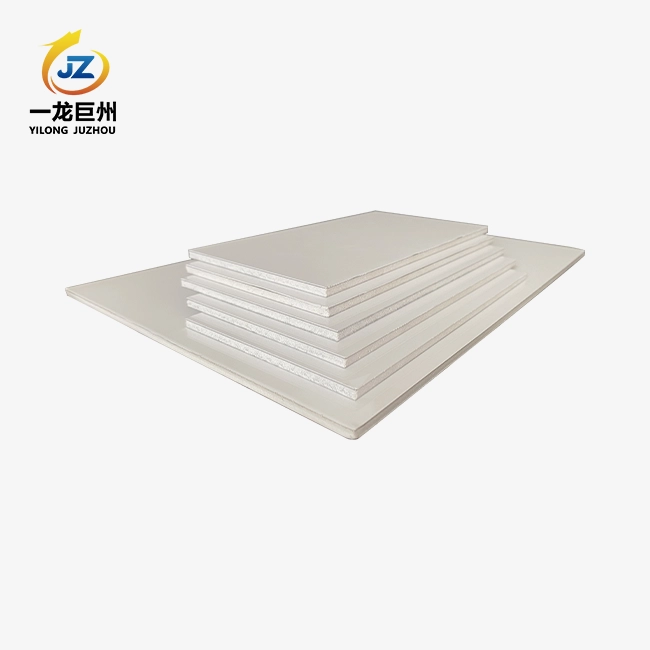
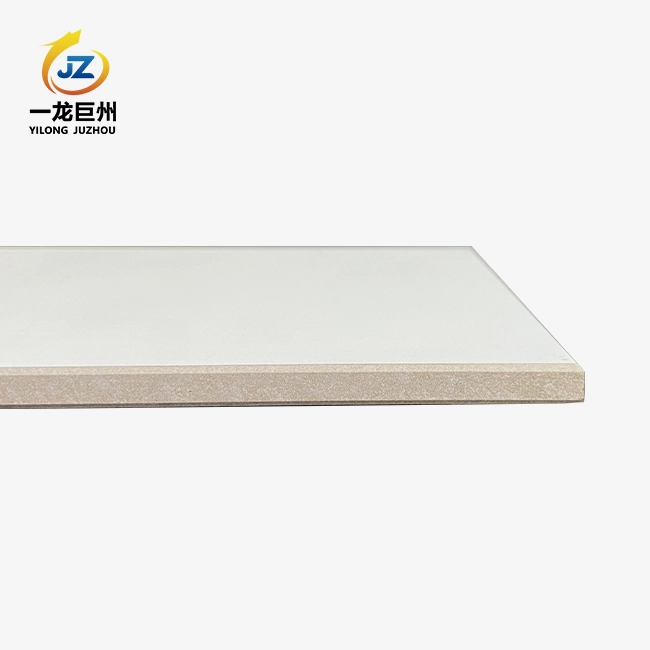
UV antibacterial panels are redefining hygiene standards in commercial interior design across the United States. Built on a calcium silicate board substrate with a UV-cured antibacterial coating or PVC film surface layer, these panels deliver a 99.99% antibacterial rate against pathogens like E. coli and Staphylococcus aureus. Procurement teams in healthcare, education, food processing, and real estate development are increasingly specifying antimicrobial wall cladding systems that reduce infection risk, meet fire safety codes, and maintain a clean aesthetic — all without demanding intensive maintenance cycles.
What Are UV Antibacterial Panels and How Do They Work?
The Science Behind UV-Cured Antibacterial Surfaces
UV Antibacterial panels use photopolymerization to bond silver-ion-based antimicrobial agents directly into the coating matrix during curing. This makes a surface that is dense and doesn't have pores. The antibacterial qualities stay on this surface forever; they don't wash off or disappear. ISO 22196 is an international standard for measuring how antibacterial plastic surfaces are. Surfaces treated with silver-ion technology can get log reduction values above 2.0, which means that 99% or more of pathogens are killed.

The antibiotic protection in these panels stays active between cleaning processes, which is different from spray-on disinfectants. The layer creates a buffer that breaks down microbial cell walls when they come into contact with it. This is especially useful in places with a lot of foot traffic where cross-contamination is likely to happen.
Core Benefits of UV Antibacterial Panels in Commercial Interiors
Performance Features That Matter to Procurement Teams
Procurement managers need more than just marketing language when choosing wall materials like UV antibacterial wall panels for big commercial or institutional projects. They also need to know that the materials will actually work. The main things that make these panels stand out are the following:

- 99.99% antibacterial rate: They have a 99.99% antibacterial rate, which was tested against common bacterial types. This means they can be used in operating rooms, clean rooms, and drug facilities.
- GB8624 non-combustible Class A fire rating: This rating meets strict fire safety rules in hospitals, business buildings, and public infrastructure in the U.S. and around the world.
- Superior moisture and mold resistance: Better resistance to mould and moisture is very important in places like food plants, subways, and arenas where humidity changes.
- Pencil hardness of 3H–6H: This gives walls in high-traffic areas great impact protection that keeps them from cracking and denting.
- Zero benzene, near-zero VOC emissions: There are no benzene or VOC emissions because the UV hardening process creates a fully cross-linked film that stops the base from off-gassing, meaning the building can be occupied right away after installation.
- Colorfast performance: Colorfast performance, with UV inhibitors that stop yellowing over time, is important for keeping clinical settings looking clean and white.
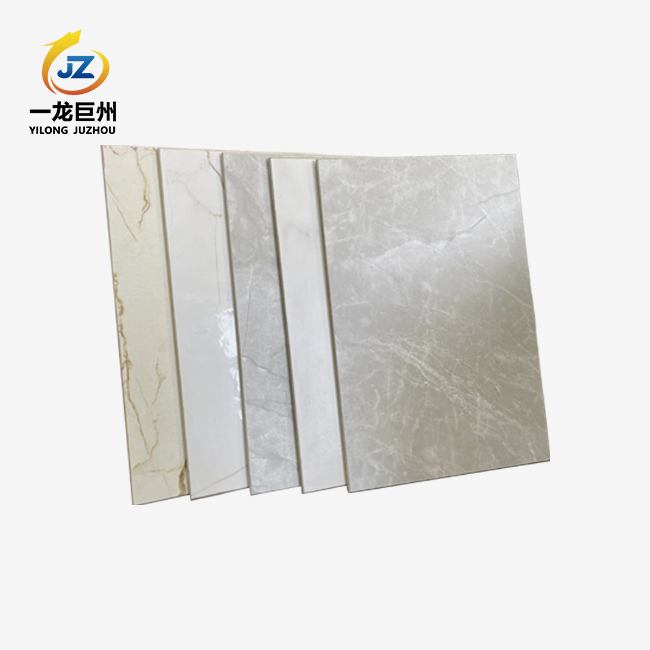
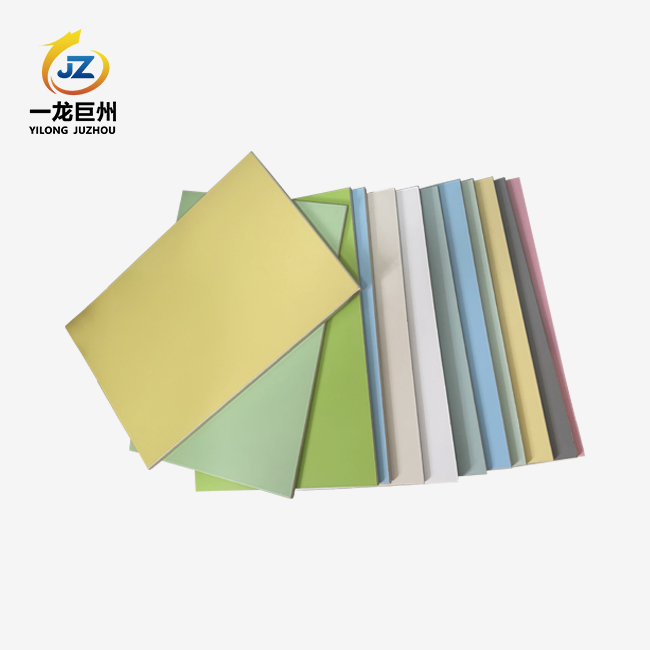
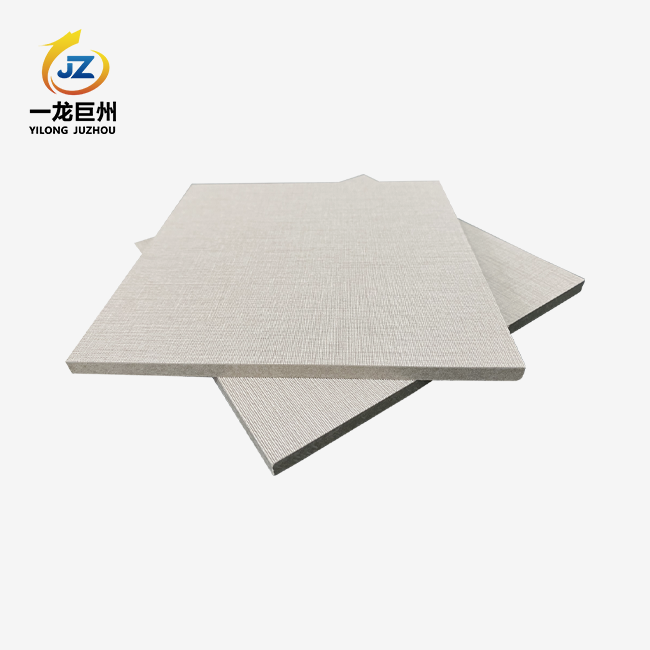
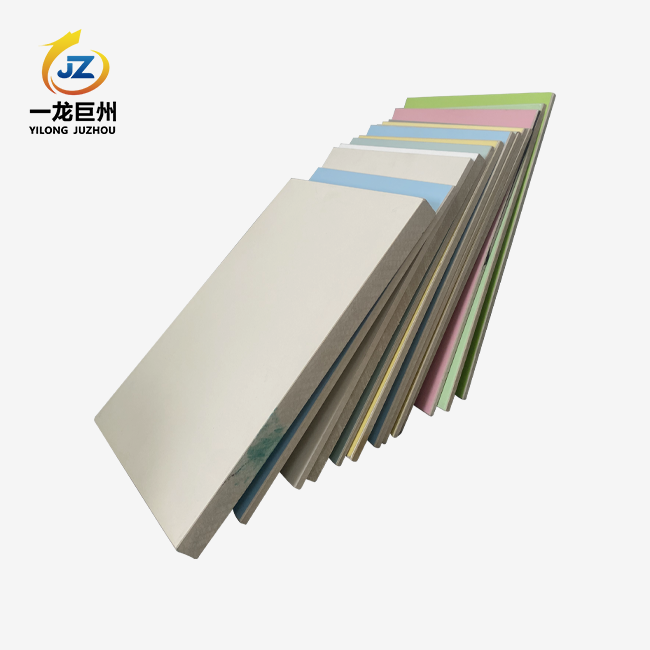
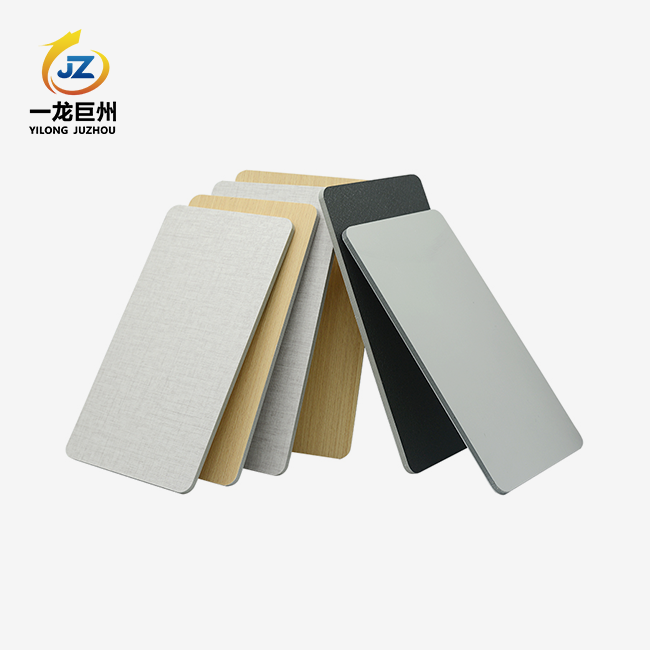
Together, these performance properties lower the costs of maintenance over the course of a building's life and the need to use chemical disinfectants. This helps LEED-aligned projects meet their green building goals. The UV Antibacterial panels' thicknesses range from 4.5 mm to 20 mm, and the widths range from 1220 mm to 3050 mm. This means that they can be used in a lot of different building styles. There are many finish choices, such as solid colour, woodgrain, marble, metallic, and cloth patterns. This gives design teams a lot of freedom without compromising cleanliness.
| name | UV Antibacterial panels | thickness | 4.5-20mm |
| baseboard | calcium silicate board | size | 1220x2440/2600/2800/3000/3050mm |
| color | as color card | density | ≥1.45 |
Comparative Analysis: UV Antibacterial Panels vs. Other Solutions
Where These Panels Outperform Conventional Alternatives
When B2B procurement teams look at hygiene options, they often compare a number of different tools. HEPA filtration gets rid of airborne pollutants, but it doesn't protect surfaces. Standalone UV-C sterilisation devices clean the air and objects that are exposed while they are working, but they need to be left alone and don't offer constant passive protection. Traditional antimicrobial HPL (high-pressure laminate) panels can have additives, but the textured surfaces make it easier for biofilms to stick to them.
Because UV lacquer has a high cross-linking density, UV Antibacterial panels wall coating has a smoother, thicker surface. The Class 1A chemical resistance of the coating ensures that the antibacterial shield can withstand repeated contact with industrial cleaning agents. This is an important factor in places where drugs are made and food is processed. When lifetime savings in upkeep and remediation are taken into account, the cost per square meter for UV-coated calcium silicate panels is competitive for procurement teams that handle large orders across multiple project phases.
Procurement Guide: How to Select UV Antibacterial Panels
Evaluation Criteria for Commercial and Institutional Buyers
To choose the best UV panels, you need to make sure that the technical specs match the project's legal and operational needs. When evaluating suppliers, procurement managers should put these things in order of importance:
- Third-party test certification: Ask for ISO 22196 or JIS Z 2801 lab reports with log reduction values (R ≥ 2.0) against E. coli and MRSA. Make sure that the results come from independent, approved labs.
- Fire rating documentation: For projects that need to meet ASTM E84 standards, make sure that the fire rating paperwork includes GB8624 Class A non-combustible certification or its U.S. version.
- Adhesion and curing integrity: Quality control: Suppliers should show ASTM D3359 cross-hatch adhesion test results and MEK rub test data to show that the coating has fully cured and will stick for a long time.
- OEM/ODM capability: Being able to change panel sizes, finishes, and packing is very helpful for developers and marketers who are in charge of branded projects.
- Lead times and stock availability: Suppliers who can guarantee they can meet tight building plans are needed for projects. For standard specs, look for makers who have a written output timeline of 3–7 days and a lot of stock on hand.
Once you have a short list of providers, ask for samples before you commit to large orders. Within 3–5 business days, a reputable manufacturer should send you samples.
Practical Applications: Where UV Antibacterial Panels Deliver Results
Verified Use Cases Across Commercial Environments
A lot of different types of business spaces use UV antibacterial panel wall systems. The panels work as a passive antimicrobial layer in healthcare settings like hospitals, operating rooms, and medical aesthetic centers. They lower the number of pathogens on wall surfaces between cleaning cycles. In hospital settings, surfaces treated with silver ions cut bacterial contamination by up to 95% compared to surfaces that were not treated. The study was reported in the American Journal of Infection Control.
Because people touch walls and partitions a lot in schools, keeping them clean is always a worry. When schools and kindergartens use antimicrobial cladding, there are fewer microbial residues on the inside of the walls. This makes the learning spaces healthy. Corporate offices and shopping centers like how versatile the looks are. For example, marble and wooden finishes look great and keep surfaces clean in a way that regular decoration panels can't. There are more places where moisture resistance, impact durability, and fire compliance are all combined in a single panel specification. These include food factories, pharmaceutical clean rooms, pet hospitals, and subways.
Conclusion
UV antibacterial panels are a technically sound and commercially viable option for interior design projects that need to balance cleanliness, durability, fire safety, and good looks. They can be used in healthcare, education, food processing, industrial, and high-end commercial settings because they have a calcium silicate core, a UV-cured antibacterial layer on the outside, and different finish options. For purchasing teams in the U.S. market that have to deal with complicated project requirements, these panels are a good option that is backed by evidence and lowers long-term upkeep costs while still meeting strict safety standards.
FAQ
1. Do the antibacterial properties wear off over time?
No, the silver-ion agents are not sprayed on the surface; they are built into the UV Antibacterial panels' polymer structure. They work for as long as the panel does, as long as the surface stays in one piece.
2. Can these panels replace regular cleaning protocols?
They should not. The panels stop microbes from growing between cleaning rounds, but they still need to be cleaned by hand to get rid of dirt and other things that get in the way of the antibacterial agents' ability to kill bacteria.
3. Are these panels safe for continuous human occupancy?
Yes. The UV curing method makes a surface that is fully cross-linked, biologically inert, and gives off almost no VOCs. There are no off-gassing issues after installation, so rooms can be used right away.
4. What thickness is recommended for high-traffic commercial walls?
Thicknesses of 8mm to 12mm are usually required for hallways and public areas that will be hit. In areas with less impact, thinner panels (4.5mm to 6mm) work well for partition walls and renovation overlays.
Partner with YILONG JUZHOU for Your Next UV Antibacterial Panels Project
With 50,000 m² in stock and a 3–7-day production schedule, YILONG JUZHOU sells UV antibacterial panels directly from the maker at two factories in Foshan and Shaanxi. There are certifications from ISO, CE, and China Environmental Protection for our panels. We offer free samples, customisation through OEM/ODM, and a quality warranty for three years. Email our team at cnyang2000114@gmail.com to ask for samples or talk about the details of your project.
References
1. International Organization for Standardization. (2011). ISO 22196: Measurement of Antibacterial Activity on Plastics and Other Non-Porous Surfaces. ISO.
2. U.S. Green Building Council. (2023). LEED v4.1 Building Design and Construction Reference Guide. USGBC.
3. Antimicrobial Test Laboratories. (2022). Silver Ion Technology in Surface Coatings: Performance and Durability Review. ATL Technical Report.
4. Dancer, S. J. (2014). Controlling hospital-acquired infection: Focus on the role of the environment and new technologies for decontamination. American Journal of Infection Control, 42(10), S247–S252.
5. Centers for Disease Control and Prevention. (2023). Infection Prevention in Schools and Childcare Settings. CDC.
6. ASTM International. (2019). ASTM E84: Standard Test Method for Surface Burning Characteristics of Building Materials. ASTM.

Send Inquiry

Related Industry Knowledge
- Can Calcium Silicate Aluminum Composite Boards Replace Traditional Insulation Panels?
- 7 Facts About Aluminum Composite Panels
- Why Choose a Negative Ion Healthy Panel for Interior Wall Decoration?
- UV light curing board Scratch Resistance and Durability Explained
- Why Is Medical Clean Board Important in Cleanrooms?
- ice fireproof board Thermal Stability and Performance Analysis
- How to clean an aluminum composite panel?
- A Buyer's Guide to Aluminum Composite Material (ACM)
- How to Choose the Right Calcium Silicate Aluminum Composite Board for Your Project
- What safety precautions should I take when cutting aluminum composite panels?