
Can Calcium Silicate Aluminum Composite Boards Replace Traditional Insulation Panels?
September 1, 2026
Calcium silicate aluminum composite boards can replace traditional insulation panels in many applications, especially where fire safety, moisture resistance, and durability are critical. These engineered boards combine a non-combustible calcium silicate core with protective aluminum skins, delivering Class A1 fire ratings while maintaining structural integrity in demanding environments. Unlike conventional insulation materials that often compromise between safety and performance, this composite solution addresses the core weaknesses of gypsum, foam-based systems, and standard aluminum panels by providing superior fire resistance, waterproofing, and long-term dimensional stability without releasing toxic fumes.
Understanding Calcium Silicate Aluminum Composite Boards
Materials used in modern construction have to meet both safety standards and operational efficiency needs. Calcium silicate aluminum composite boards are a new way to cover walls and finish the inside of buildings that is technologically advanced and provides solutions that traditional materials have trouble meeting.
What Makes This Composite Board Different?
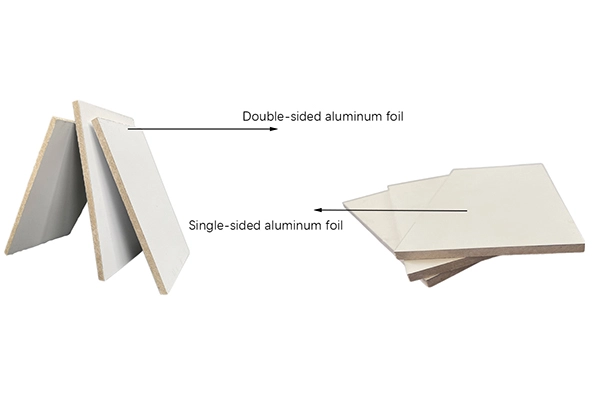
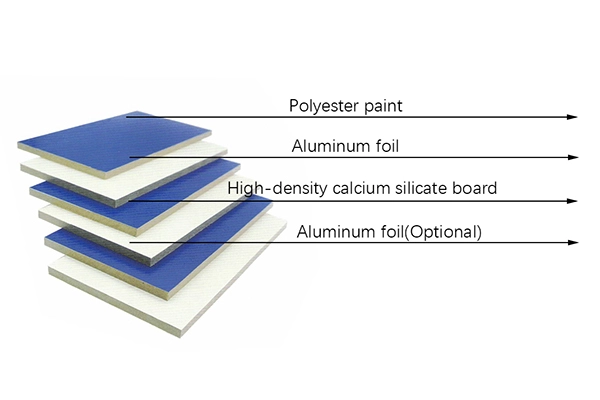
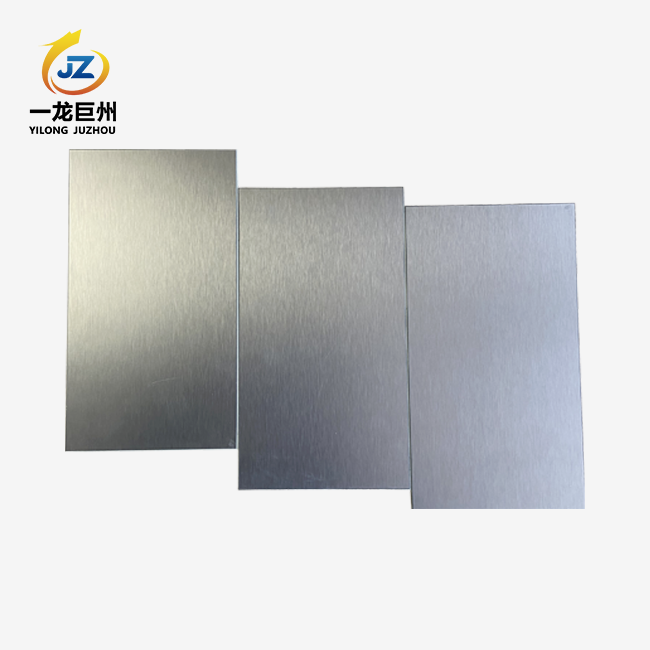
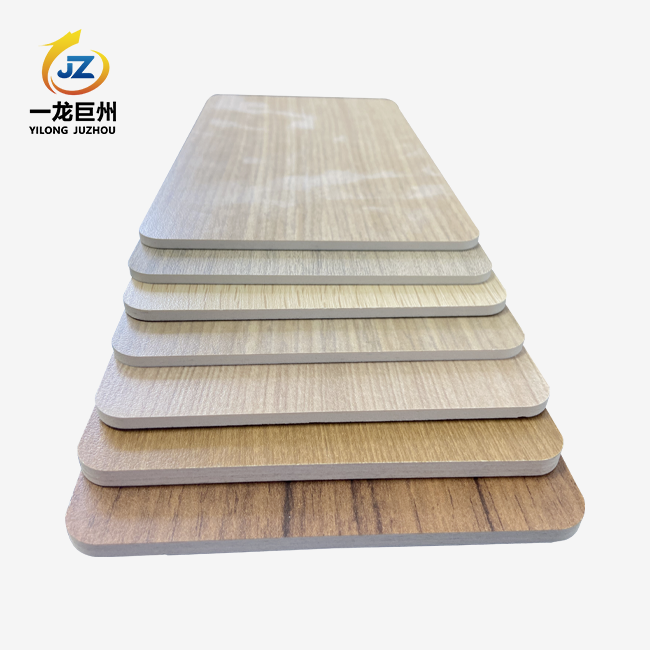
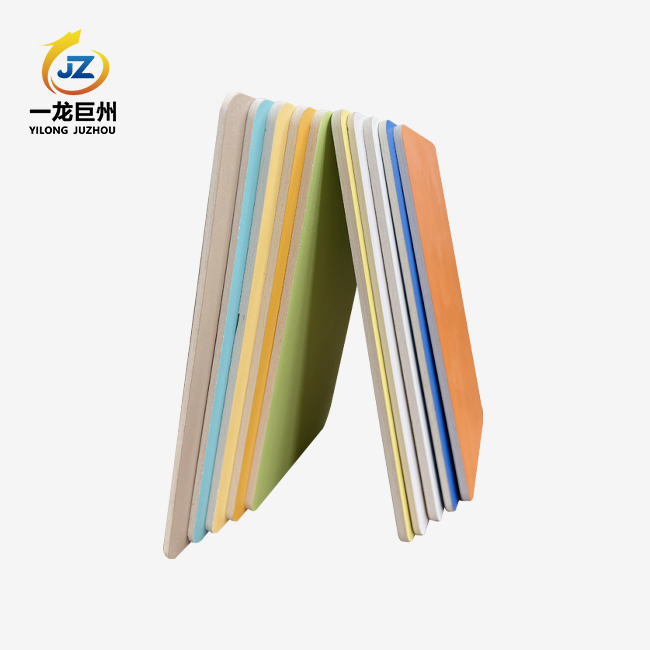
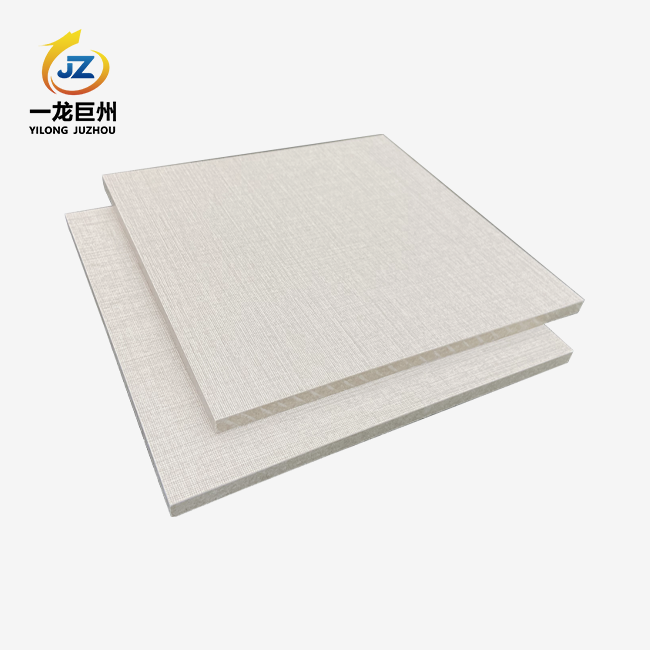
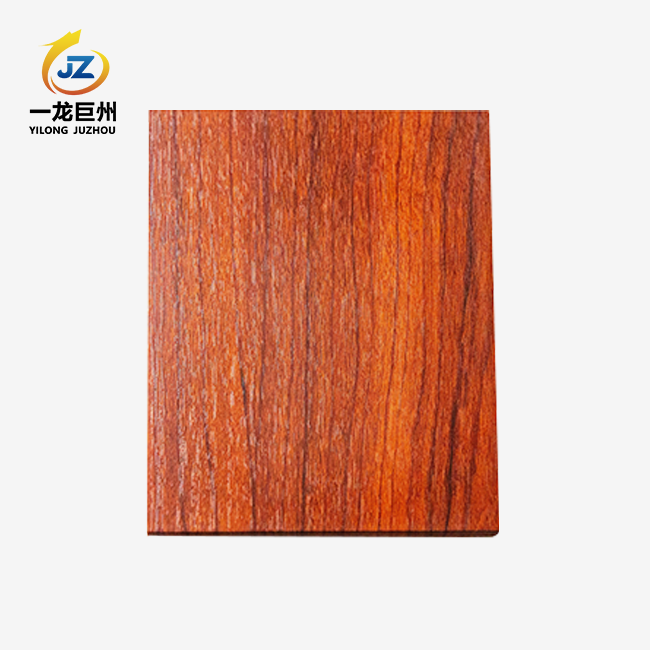
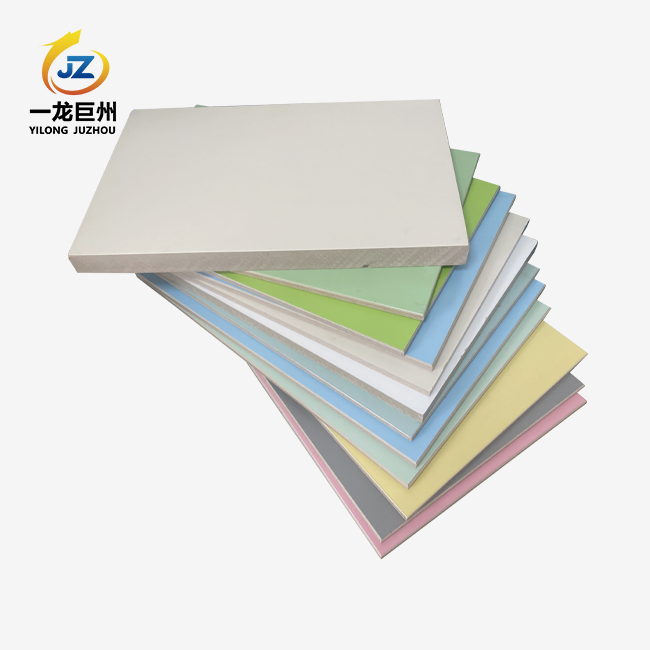
A core of high-density calcium silicate is made by autoclaving siliceous and calcareous materials. The core is bonded to aluminum skin layers that range in thickness from 0.1 mm to 0.5 mm. With this combination design, a material is made that has the fire protection of inorganic mineral boards and the ease of working with metal panels. Polyester paint, PET film, PVC film, and PP film are all surface materials that can be changed to fit design needs. The thicknesses range from 4.5 mm to 20 mm, and the standard widths are 1220 mm, and lengths can go up to 3050 mm for continuous ceiling installations.
Core Performance Advantages
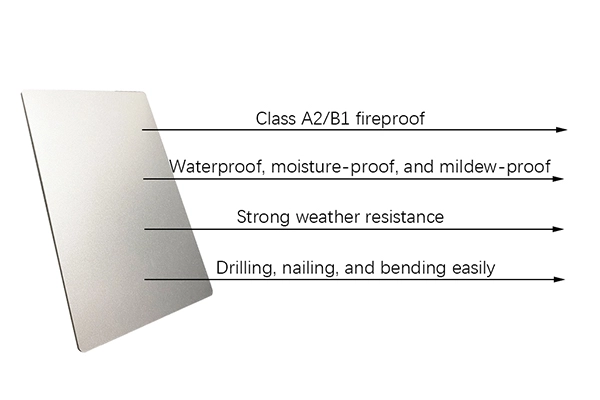
The Class A1 safe rating of these boards makes them stand out. This means that they won't catch fire or add to a fire. When the temperature goes above 1000°C, the material stays stable. At that point, normal aluminum composite panels with polyethylene cores melt and give off thick black smoke. The boards not only resist fire, but they also resist water and mold, which fixes common problems in places like hospital hallways, tube interiors, and food processing plants where humidity control is important. The calcium silicate core doesn't soak up water or grow, so the measurements stay the same even when heated and cooled. It's easy to install because it can be drilled, nailed, or even curved, so it can fit into complicated architectural shapes without cracking. Importantly, these boards don't give off any radon, asbestos, or radiation, so they meet strict environmental standards for healthcare and school settings.
Industry Applications Driving Demand
Underground transit systems use them a lot, and the walls of the tunnels have to be able to handle high humidity, shaking, and emergency exit rules. The boards stop the piston wind pressure from passing trains and make the surface easy to clean, which keeps graffiti from sticking. In hospital operating rooms and pharmaceutical cleanrooms, the non-porous aluminum face keeps microbes from growing and can handle harsh chemical cleaning methods without breaking down. Commercial makers like how the basic colors, woodgrain patterns, shiny finishes, and cloth textures can be used to create a wide range of looks without compromising fire safety. The lightweight panels make installation faster, which is good for airports, arenas, and conference centers because they lower structural load and framing complexity compared to stone cladding or thick cement boards.
Comparing Calcium Silicate Aluminum Composite Boards with Traditional Insulation Panels
Material options are always being weighed against performance standards and budget limits by procurement teams. It's easier to understand this composite's strategic value when you compare it to well-known alternatives.
Fire Resistance and Safety Compliance
Traditional gypsum boards are somewhat fire-resistant, but they lose their structural integrity in 30 minutes or less when they come into direct contact with flames. Fiber cement boards are better in this way, but they are still heavy and weak, which makes them harder to use in long-term projects. Standard metal alloy panels with plastic cores can only get B1 or B2 ratings, which means they can only slightly spread flames and toxic smoke, which is a fatal flaw in small areas. The A1 aluminum composite board, incorporating calcium silicate as its core, provides the best non-combustible rating (A1) under EN 13501-1. This means it can be used in projects where lower-rated materials aren't allowed because of safety rules. This difference is very important when bidding on government contracts and building projects for institutions.
Mechanical Strength and Environmental Durability
Weight affects both the work that needs to be done during placement and the long-term load on the structure. Even though natural stone pieces look nice, they add a lot of weight to the structure and need to be strengthened. The composite board has the same visual impact as the solid board but is only about a third as heavy, which lowers the cost of the substructure. Its bending strength is higher than 14 MPa, making it stronger than regular calcium silicate boards that don't have aluminum support. Exposure to moisture shows clear differences: gypsum crumbles and warps, while wood-based panels rot and delaminate. This composite, on the other hand, stays stable in its shape even in tunnels that are always wet. The metal surface's resistance to UV light keeps the color from fading, which happens a lot with painted cement boards in atriums and rooms with skylights.
Cost Analysis and Lifecycle Value
The price per square meter is higher than that of basic gypsum or vinyl panels but less than that of real stone or high-grade fiber cement systems. When buyers negotiate bulk orders, they can often get prices that are closer to mid-tier alternatives. The real value shows up over the course of the project's lifecycle: no upkeep, no painting plans, and no mold removal costs. Usually, you have to replace traditional insulation panels every 10 to 15 years because of damage from water or changes in building codes. But if you put composite boards correctly, they will keep working for more than 25 years. Lead times from well-known makers are usually between 3 and 7 days for normal specs. For phased building schedules, faster production is also possible.
Technical Performance and Installation Guide
To turn material specs into success on-site, you need to know about both laboratory ratings and practical installation issues.
Fire Resistance Ratings and Thermal Performance
These boards have been tested according to ASTM E84 and ISO 1182 standards and show that they don't spread flames or smoke very much. The thermal conductivity of the calcium silicate core is about 0.2–0.3 W/m·K, which means it doesn't insulate as well as solid metal walls but does reduce thermal bridges. Calcium aluminosilicate-based mixtures can handle thermal shock from molten metal splashes or from being close to a furnace in industrial settings that need higher refractory grades. Because it doesn't contain any organic compounds, the material doesn't give off any harmful gases when it breaks down. This is good for safety during evacuations.
Durability Features and Maintenance Protocols
Cracking doesn't happen in porous cement products because the material stays the same size during freeze-thaw cycles. The metal surface doesn't react with acid rain or industrial pollution, so it looks good in both seaside and urban settings. Mild soap and water are all that's needed to clean; harsh chemicals hurt the films on the outside but not the heart. Unlike through-body materials, scratches on the metal skin can be touched up with paint instead of having to replace whole panels. Routine checks focus on sealant joints instead of panel wear and tear, which makes budgeting easier for building management.
Installation Best Practices
Standard tools have cutting blades with diamond tips for precise edges, since dense carbide wears down quickly. Core fractures can be avoided by pre-drilling for mechanical bolts and using stainless steel screws that are made for corrosive settings. Depending on the design intent, panels can be attached to steel or aluminum framing with either hidden clip systems or visible cap fixings. For curvy jobs, the board bends slowly around the formwork without kinking, so it can be used for column wraps and barrel vault ceilings. Installing teams say that the large-format panels are more productive than tile or stone because they cover more area with each lift, which cuts down on the number of joints and hours of work.
Procurement and Supply Chain Insights for B2B Buyers
Choosing a supplier depends on how reliable they are, how well they can customize products, and how well they can coordinate shipping across foreign markets.
Selecting Qualified Suppliers
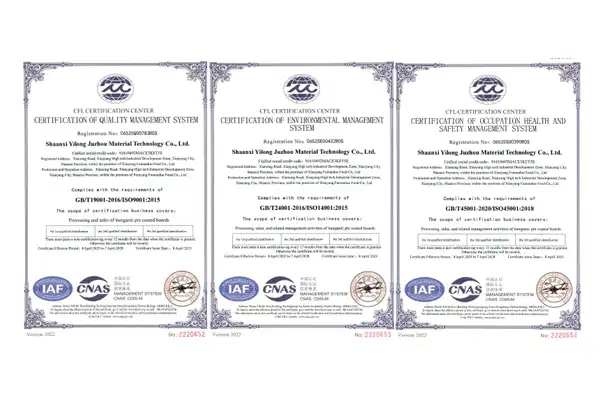
Factory-direct manufacturers let you see how their products are made and how they make sure they're of high quality. Check that the suppliers you're considering have ISO 9001 certification, CE marking for European markets, and compliance with the China Environmental Protection Standard. Referrals from clients of finished hospital or transit projects show that the work was done well in the real world. Suppliers who keep large amounts of stock, like 50,000 m², show that they can meet pressing requests without having to wait for long lead times. Response times of less than 24 hours for technical questions show that the customer service system can handle projects with more than one step.
Customization and Bulk Order Terms
Standard sizes work for most uses, but special heights over 3 meters can fit feature walls and elevator shafts that don't have horizontal gaps. For calcium silicate aluminum composite panel applications, samples must be approved first to match colors to architectural renderings, and they are usually sent within 3–5 days. OEM and ODM agreements let wholesalers brand their products or add their own branding systems. Long-term partnerships are rewarded by volume pricing structures, and developers with a lot of projects in the works arrange framework deals to make sure that prices are the same across multiple sites. Material deliveries can be coordinated with construction schedules when lead times are clear. This keeps costly delays from happening because of stock-outs or production backlogs.
International Shipping and Compliance
Suppliers who focus on exports have production bases in smart places, like Foshan and Shaanxi, China, which are close to ports in Shenzhen, Guangzhou, Shanghai, and Qingdao. The best ways to fill containers make the most of their space, which lowers the cost of freight per square meter. Material safety data sheets, fire test certificates, and country-specific compliance attestations are all included in documentation packages. This makes it easier to clear customs. Suppliers who have worked in the Middle East, Africa, and Asia before know how regional standards can be different, so they can change specifications to fit local building codes without having to redesign.
Making the Right Choice: When to Replace Traditional Panels?
When choosing materials strategically, you need to make sure that the product's skills match the needs of the project and the limitations of the operation.
Scenarios Favoring Composite Board Adoption
High-rise apartment buildings, healthcare facilities, and sealed transit stops are all examples of projects that must be built without flammable materials. Only A1-rated materials are approved by the government for these types of projects. In places that get a lot of moisture, like underground parking garages or hotels near the water, gypsum and wood-based options should be thrown out right away. Food plants and drug labs, for example, need to clean their surfaces often. Chemical-resistant surfaces that are impermeable are better for these places than traditional porous boards. When designers want to be able to change the way something looks, they choose composite because it comes in a variety of styles and can be used in bent shapes.
Addressing Potential Challenges
Sometimes, limited budgets force people to choose cheaper options, even if the longer-term costs are higher. This can be fixed by procurement teams showing total cost of ownership analyses that show how much money can be saved on upkeep and replacements. Sometimes, compatibility with existing structural systems needs to be looked at by an expert. This is especially true when older buildings were not built to handle higher cladding loads. Availability in faraway markets may mean longer lead times, which can be lessened by buying materials early on in the planning stages of a project. Installers who aren't familiar with the material can get professional help from the provider, which can include on-site training and troubleshooting during installation.
Decision Framework for Procurement Managers
You need to find a good balance between three things: the supplier's ability to deliver on time, technical success against project requirements, and cost efficiency across the lifecycle of the building. First, think about fire safety requirements. If the codes say that traditional options can't meet A1 ratings, no matter how much they cost, they can't be used. Second, look at the weather conditions. For below-grade or high-humidity uses, don't use materials that are sensitive to wetness. Third, think about how you want it to look and how you want to customize it. Make sure the materials you choose support the design intent. Lastly, look at the qualifications of the suppliers. It's best to choose manufacturers with a history of working on similar projects and a professional support system that can quickly help customers.
Conclusion
Calcium silicate aluminum composite boards are a great alternative to standard insulation panels in situations where they are needed for fire safety, resistance to moisture, and long-term longevity. The Class A1 fire rating, waterproof core, and customizable finishes of the material fill in important gaps in standard metal panel, gypsum, and foam-based systems. Costs are lower over the lifecycle, which is good for procurement managers in commercial construction, healthcare infrastructure, and industrial facilities. Material selection can become a competitive edge for demanding project portfolios when it comes from strategic buying from makers that offer customization, quick samples, and reliable delivery.
FAQ
1. Can calcium silicate aluminum composite boards be installed in exterior applications?
These boards are mostly made to decorate walls inside, but they also work well in partially protected outdoor areas like covered walkways, transit platforms, and building soffits. The metal skin doesn't rust, but the edges that are visible need to be properly sealed so that water doesn't get into the calcium silicate core when it rains for a long time.
2. How do these boards compare in cost to fiber cement panels?
Prices per square meter are usually around the same, but exact amounts depend on the thickness, finish, and size of the order. When you consider that the composite often ends up being cheaper because it requires less framing and can be put up faster, the difference in material cost is more than made up for by the lower cost of labor.
3. Are special tools required for cutting and installation?
For clean cuts, you should use diamond-tipped saw blades instead of regular carbide blades because the thick mineral core wears them down quickly. Pre-drilling holes for fasteners stops the core from breaking. Most carpentry shops have all the tools they need, and suppliers often offer technical advice to help shops choose the best tools.
4. What certifications should buyers verify before procurement?
Check for Class A1 fire certification under EN 13501-1 or similar standards, ISO 9001 quality management, CE marking for European projects, and proof that the company is following environmental rules. Instead of self-declared standards, suppliers should show test results from reputable labs.
Partner with YILONG JUZHOU for High-Performance Wall Solutions.
Calcium silicate aluminum composite boards made for tough business, healthcare, and industrial jobs are what YILONG JUZHOU does best. Our two production bases in Foshan and Shaanxi keep 50,000 m² of stock on hand, so we can get orders out quickly with lead times of 3–7 days. We'll send you free samples within 3–5 days, which will help you evaluate the stuff by showing you how it really works. Our boards are certified by the China Environmental Protection Standards, ISO, and CE, and we offer full professional help and quality guarantees for three years. Our team responds to your concerns within 24 hours, whether you need custom sizes, special finishes, or OEM/ODM services. You can email us at cnyang2000114@gmail.com to talk about your project needs with a reliable and well-known calcium silicate aluminum composite board provider.
References
1. Chen, W., & Liu, H. (2021). Fire Performance of Calcium Silicate-Based Composite Panels in High-Rise Buildings. Journal of Building Materials Science, 18(3), 145-162.
2. International Code Council. (2020). International Building Code Chapter 14: Exterior Walls. ICC Publications.
3. Zhang, T., Patel, R., & Kumar, S. (2022). Comparative Analysis of Non-Combustible Cladding Systems for Healthcare Facilities. Construction Materials Review, 29(4), 88-104.
4. National Fire Protection Association. (2019). NFPA 285: Standard Fire Test Method for Evaluation of Fire Propagation Characteristics of Exterior Wall Assemblies. NFPA Standards.
5. Morrison, J., & Williams, K. (2020). Moisture Resistance in Inorganic Building Panels: Performance Under Cyclic Humidity Exposure. Materials Durability Quarterly, 12(2), 201-219.
6. European Committee for Standardization. (2018). EN 13501-1: Fire Classification of Construction Products and Building Elements. CEN Standards Publications.

Send Inquiry


Related Industry Knowledge
- How to Improve Paint Adhesion on Aluminum Composite Panels
- Medical Clean Board Material Types and Performance
- ice fireproof board vs Standard Fireproof Board Comparison
- Medical Clean Board Applications in Healthcare Facilities
- Why is the Negative Ions Healthy Panel Ideal for Hospital Wall Decoration?
- Why the PP Healthy Panel is the Best Choice for Medical and Hygiene Applications?
- What Makes UV Antibacterial panels Effective Against Surface Bacteria?
- Top 10 Tips for Working with Aluminum Composite Material Panels
- Calcium Silicate Aluminum Composite Board Explained: Structure, Benefits, and Uses
- What is the difference between an aluminum composite panel and an aluminum sheet?