
How to Improve Paint Adhesion on Aluminum Composite Panels
August 26, 2026
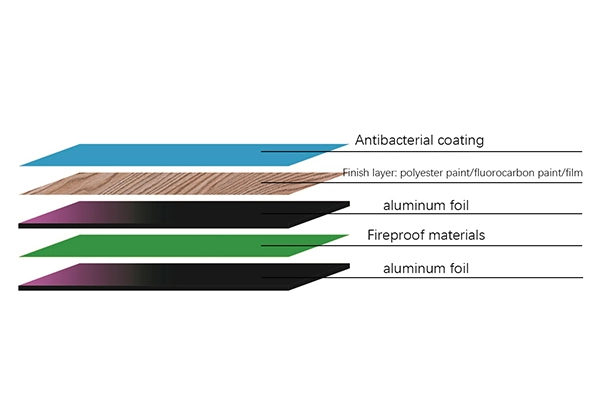
Improving paint adhesion on aluminum composite panels begins with understanding the unique properties of these materials and the factors that compromise bonding. A painting aluminum composite panel is a sandwich structure with a refractory core bonded between two aluminum skins, typically coated with polyester or fluoropolymer finishes. Superior adhesion depends on proper surface preparation, selecting compatible primers and paint systems, controlling environmental conditions during application, and ensuring adequate curing. These factors directly influence whether your panels will maintain their appearance and performance over time, especially in high-traffic commercial, healthcare, and industrial environments.
Understanding the Challenges of Paint Adhesion on Aluminum Composite Panels
Why Does Paint Adhesion Fail on Aluminum Composite Materials?
The smooth, non-porous surface of aluminum composite panels makes it hard for paint to stick to them. They can also get dirty during production or storage. The metal skin forms an oxide layer on its own, which can make it harder for paint to stick. Also, dust particles, residual oils from the manufacturing process, and contact with wetness all act as barriers between the base and the coating. When procurement managers order painted panels for hospitals, airports, or office buildings, they need to be aware that the way the panels look on the outside has a direct effect on how well they work in the long term.
Environmental and Chemical Stressors Affecting Adhesion
Changes in temperature, UV light, and water getting into the material all make it less likely to stick in interior applications. While conditions outside are tougher, wall art inside places like medical aesthetic centers and conference centers still has to deal with cleaning chemicals, humidity from HVAC systems, and mechanical impacts. Paint systems that don't stick well peel, split, and lose their color within months instead of years. Engineers can choose the right protective coatings and maintenance procedures if they know about these stressors.
Common Defects and Root Causes
Problems that can be seen, like cracking, flaking, and loss of gloss, are caused by not properly preparing the surface or using paint chemicals that don't work well together. Mechanical bonding can't happen because of oily residues, and the topcoat can peel off if the primer isn't applied enough. When it comes to places like food processing plants and drug companies that have to follow strict cleanliness rules, these flaws make it harder to clean and look better. Finding the root causes during the design phase keeps projects from being held up and costs from going up.
Key Principles and Best Practices to Enhance Paint Adhesion
Surface Preparation: The Foundation of Strong Adhesion
Before painting, the panel's surface needs to be cleaned well to get rid of any dirt or dust that could weaken the bond. There are several important steps in the preparation process that have a direct effect on the final adhesion strength.
To get rid of oils and residues, start by using industrial degreasers that are made for metal surfaces. After that, use fine-grit sandpaper or synthetic abrasive pads to abrade the surface mechanically to make a textured shape that gives you more surface area to join. Chemical etching solutions can improve adhesion even more by changing the oxide layer, but they need to be used carefully so they don't damage the substrate.
Panels made by YILONG JUZHOU have surfaces that are perfect for coating applications. This cuts down on preparation time and keeps quality high. The company's factories in Shaanxi and Guangdong use quality controls to keep surfaces clean from the start of the manufacturing process.
Selecting Compatible Primer and Paint Systems
The program environment and efficiency needs determine which paint system to use. When you choose a polyester paint ACP panel over fluoropolymer coatings, you have to weigh the costs, durability, and variety of looks.
Polyester paint systems are great at keeping their color and can be used inside shopping malls, hotels, and train stops where UV light isn't a problem. When the right primers are used, these coatings stick well to aluminum substrates. Fluoropolymer coatings are better at withstanding weather, which is why they are used in transportation hubs and stadiums where long-term color stability is important.
The primer you choose needs to work with both the base and the finish. Epoxy-based binders make strong mechanical bonds with metal and keep it from rusting. Acrylic paints dry faster and give off fewer volatile organic compounds (VOCs), so they can be used for projects that need to be finished quickly or that have to follow strict environmental rules.
Application Techniques and Environmental Controls
The right way to apply the coating makes sure that the thickness is the same and that the curing conditions are ideal. Spray application gives the most uniform effects on big panel surfaces, with fewer roller and brush marks. Spray patterns that can be controlled cut down on wasteful overspray while keeping coverage even across the width of the panel, whether it's 1220mm, 1500mm, or 2000mm.
Conditions in the environment during application have a big effect on how well something sticks. The best conditions for curing are temperatures between 15°C and 25°C and relative humidity below 70%. Higher humidity can trap water under the layer, and too much heat speeds up the drying process and stops the proper flow and levels.
Using several thin coats instead of one thick layer lowers the chance of liquid trapping and boosts bonding at all interfaces. Giving enough flash-off time between coats lets the solvent evaporate without messing up the schedule for coating. These methods lead to finishes that last a long time and meet the strict needs of healthcare facilities and public building projects.
Evaluating Performance and Durability of Painted Aluminum Composite Panels
Testing Methods for Adhesion Verification
Quantitative testing gives accurate numbers about how well paint sticks, which is important for buying choices. Pull-off adhesion testing puts a straight-line tension force on the layer to find the lowest amount of force needed to separate it. Megapascal (MPa) measurements let you directly compare various paint systems and ways of applying them.
Cross-cut adhesion testing uses a grid pattern cut into the film to check the integrity of the coating. The quality of the adhesive is shown by the amount of coating that is still there after the tape is taken off. Ratings range from 5B (no separation) to 0B (significant removal). This simple method works well for quality control checks both during production and after delivery.
Environmental Aging and Long-Term Performance
Accelerated weathering tests make things suffer years of exposure in a shorter amount of time. UV rooms mimic the effects of sunlight, and salt spray testing checks how resistant something is to corrosion in seaside settings. Testing performance under moisture stress with humidity cycling is especially useful for inside uses in hospitals and schools where water and disinfectants are used for cleaning.
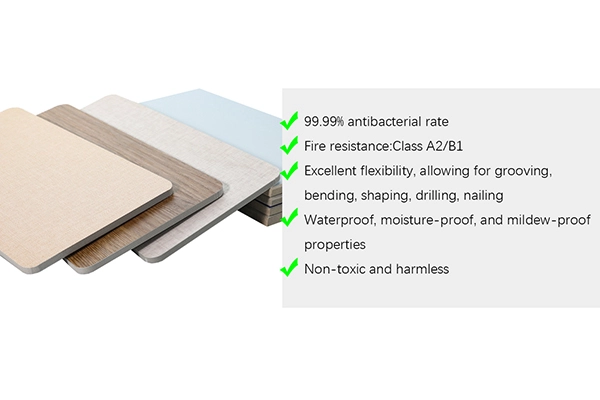
Panels that meet Class A2 or B1 fireproof standards are not only resistant to flames but also have coatings that don't change when heated. YILONG JUZHOU's painted aluminum alloy panels are put through a lot of tests to make sure they are waterproof, resistant to wetness, and resistant to mildew. This makes sure they stay stuck together in a variety of situations.
Maintenance Strategies for Extended Service Life
Using the right cleaning methods will keep the coating's stickiness throughout the panel's life. Mild detergents and soft cloths get rid of surface dirt and grime without scratching. The coating is safe from chemical attack and mechanical stress if you don't use harsh cleaners or high-pressure cleaning.
Fixing small problems as soon as they happen stops them from spreading. Touch-up systems that are matched to the original covering chemistry fix damaged areas and stop water from getting in and causing adhesion loss in nearby areas. Documented repair plans back up warranty claims and show that assets are being managed properly, which are both important things for property developers who are in charge of many projects.
Comparing Painted vs. Unpainted Aluminum Composite Panels for Procurement Decisions
Performance Advantages of Pre-Painted Panels
There are many good reasons to use pre-painted metal composite panels, including a solid color aluminum composite panel, instead of field-applied finishes. When applied in a factory, the quality is the same on all panels, and there is no color difference from batch to batch, as there is when painting is done on-site. Coating methods that are automated can make films with exact thickness and even coverage that is hard to do by hand.
High-quality panels use coil coating technology, which puts paint on in continuous rolls while temperature and humidity are controlled. This makes the adhesion better at the molecular level. This process embeds the coating into the ready aluminum surface, making chemical and mechanical bonds that keep the coating from coming off when the aluminum is stressed.
Painted panels come ready to be put up, which cuts down on construction time and costs for labor. Contractors don't have to set up temporary spray rooms, deal with VOC fumes, or work out curing plans with other trades, which can be expensive and difficult. This efficiency is especially helpful for projects that need to be finished quickly, like airport terminals and office building renovations, where shortening the schedule makes the project more valuable.
Design Flexibility and Customization Options
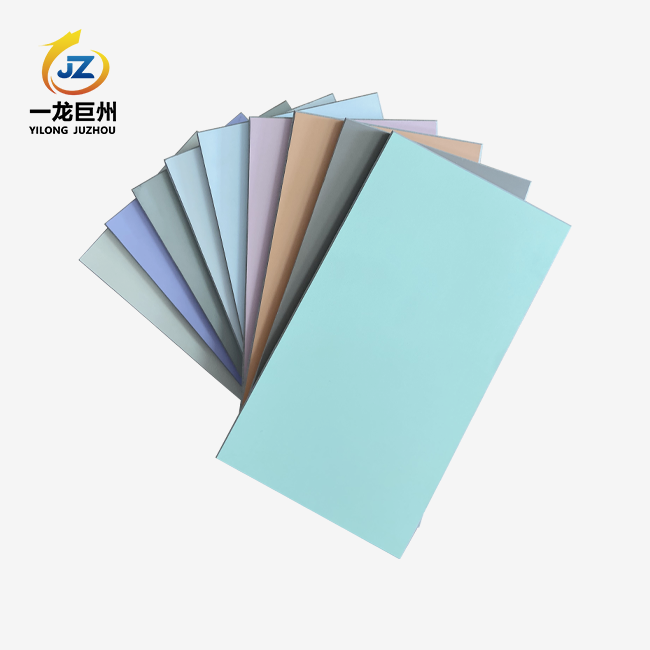
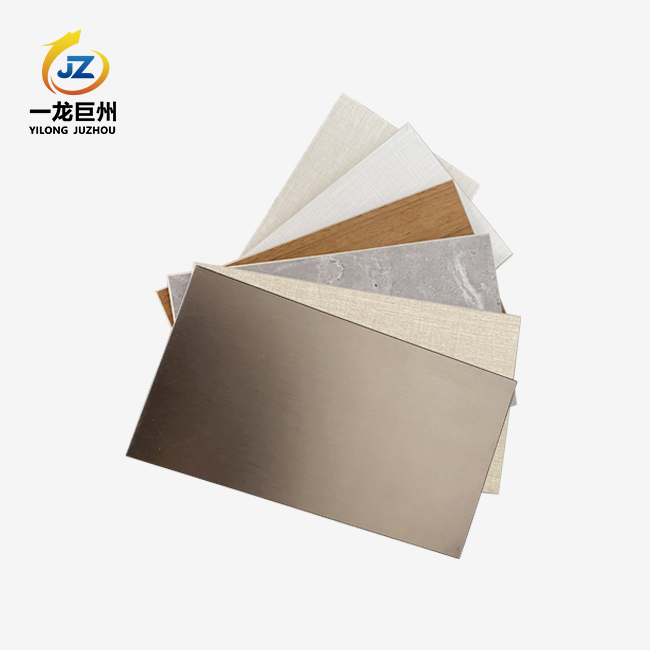
Customizing colors lets builders make their design ideas come to life without sacrificing anything. Solid color options that are based on Pantone charts give you almost infinite palette options, which helps corporate offices and retail spaces stay in line with their brands. It's easy to match current architectural features or create your own unique style when you work with manufacturers that offer full-color services.
Customized panel sizes that fit the needs of the project cut down on waste and make assembly easier. Customizable lengths get rid of the need to cut in the field, and standard widths of 1220mm, 1500mm, and 2000mm can fit a range of design modules. With thicknesses ranging from 2mm to 6mm, the structure can be optimized to find the best balance of weight, stiffness, and acoustic qualities for the job.
Cost-Benefit Analysis for Procurement Professionals
Even though painted panels cost more per unit than raw ones, the total cost of ownership usually works out better for the pre-finished choice. Costs that are no longer needed for painting in the field include labor, renting tools, surface preparation materials, and longer project times. Fewer defects mean fewer guarantee claims and lower upkeep costs over the life of the building.
Through quantity discounts and dedicated production runs, buying in bulk can unlock more value. Distributors and traders of construction materials who work on a lot of different projects benefit from stable prices and delivery times. YILONG JUZHOU keeps 50,000 m² of stock in all of its production bases. This lets them quickly fill both standard and custom orders, which take between 3 and 7 days to make.
Step-by-Step Guide: How to Improve Paint Adhesion on Aluminum Composite Panels
Initial Surface Assessment and Cleaning
First, look at the panel surfaces in the right lighting to find any pollution, oxide buildup, or production flaws. Write down any problems that might affect adhesion, especially if the panels are kept outside or in a humid warehouse. This evaluation sets the standard conditions and guides the cleaning procedures.
Clean the panels in a planned way using the right cleaners and degreasers. Use lint-free cloths or non-abrasive pads to apply solutions, and work in a pattern to make sure you get all of the areas covered. To avoid water spots or mineral layers, rinse well with clean water and dry right away. For big jobs with hundreds of panels, automated washing systems get uniform results while cutting down on the amount of work that needs to be done by hand.
Mechanical Preparation and Primer Application
After cleaning, use controlled scratching to give the surface a mechanical roughness. Scuff the surface with 180–320-grit abrasive materials without taking off too much aluminum. The goal is to make tiny scratches that increase the bonding surface area while keeping the panel flat. Before applying the primer, vacuum or wipe away any loose dust.
Choose primers that work with both the metal base and the topcoat method you want to use. Follow the instructions that come with the starters and pay close attention to the pot life and application windows. Use spray equipment that is set up for the viscosity of the primer to apply it in thin, even coats. Allow enough time for drying between applying the primer and the finish. Depending on the weather, this is usually between 2 and 4 hours.
Paint Application and Quality Control
Use methods for applying topcoats that reduce flaws and maximize adhesion. To avoid runs, sags, and dry spray, keep the spray distance and overlap patterns the same. Use the right gauges to keep an eye on the wet film thickness and change the application settings to get the area you want. When compared to a single heavy application, multiple thin coats work better.
Monitoring the environment during application stops problems caused by humidity and ensures the right drying happens. Putting temperature and humidity sensors near the work area gives real-time information that can be used to make changes to the process. Recording the elements of the surroundings helps with quality control and fixes issues with adhesion that may arise later.
Post-Application Inspection and Documentation
Before saying that panels are ready to be installed, test their adhesion on representative samples. Cross-cut tests on areas that won't be seen make sure that the coating is solid without hurting the surfaces that can be seen. Keep written and photographic records of test results to back up insurance claims and quality certifications.
Carefully pack panels to protect finished surfaces while they are being moved and stored. To keep panels from scratching or transferring, put interleaving materials between them. Labels that are easy to read and show direction, project assignment, and handling instructions help keep your bonding investment safe throughout the supply chain and reduce installation mistakes.
Conclusion
To achieve better paint adhesion when painting aluminum composite panel surfaces, you need to prepare the surface, choose suitable materials, use controlled application methods, and maintain strict quality standards. When these methods are combined, the panels become long-lasting, uniform-looking building components that can be used in demanding commercial, industrial, and healthcare environments. Procurement professionals can select materials that meet strict performance standards and provide excellent value throughout their service life by understanding adhesion challenges and applying proven solutions.
FAQ
1. What Paint Types Work Best for Aluminum Composite Panels?
Fluoropolymer paints work best outside and in high-stress situations. They are more resistant to UV light and keep their color for 20 years or more. Polyester paint methods are very good for indoor uses where they won't be exposed to weather much but where cleanliness and looks are still important. In order for both methods to stick well, they need primers that are made to work with metal substrates.
2. How Can I Verify Paint Adhesion Quality?
Cross-cut adhesion testing is useful for field verification because all you need is a cutting tool and adhesive tape to check the integrity of the coating. Pull-off testing gives you numbers that can be used for official checks and to meet procurement acceptance standards. Consistency is ensured by testing on a regular basis during production runs, and receiving inspections ensures that panels meet standards before they are installed.
3. Are Painted Panels Suitable for Harsh Environments?
When properly specified and maintained, high-quality painted aluminum composite panels can stand up to harsh environments. Panels that meet Class A2 or B1 fireproof standards and are also waterproof and resistant to moisture work well in hospitals, train stops, and factories. The key is to match coating systems to environmental stressors and follow the right maintenance schedules to keep protective layers in good shape for as long as the service life is needed.
Partner with YILONG JUZHOU for Superior Painting Aluminum Composite Panel Solutions.
Our advanced painting aluminum composite panel systems, made in ISO and CE-certified factories in Shaanxi and Guangdong, are an example of technical excellence from YILONG JUZHOU. Our panels have precision-coated aluminum skins that are attached to refractory cores. They come in a range of thicknesses and widths, from 2 mm to 6 mm and up to 2000 mm. Our technical team can help you with any kind of design support you need, whether you need Class A2 fireproofing for a medical esthetic center or moisture-resistant walls for a food processing facility. Delivery usually takes 3–7 days. As a reliable company that makes painting aluminum composite panels for hospitals, airports, hotels, and office buildings in thirty countries, we offer low prices and can do both OEM and ODM work. You can talk to our team about your project needs at cnyang2000114@gmail.com to see all of our products and technical resources.
References
1. American Architectural Manufacturers Association. "AAMA 2605-13: Voluntary Specification, Performance Requirements, and Test Procedures for Superior Performing Organic Coatings on Aluminum Extrusions and Panels." 2013.
2. Brace, A.W., and Sheasby, P.G. "The Technology of Anodizing Aluminum." Technicopy Ltd., 2000.
3. Lambourne, R., and Strivens, T.A. "Paint and Surface Coatings: Theory and Practice. "Woodhead Publishing, 1999.
4. Müller, B., and Poth, U. "Coatings Formulation: An International Textbook." Vincentz Network, 2011.
5. Satas, D., and Tracton, A.A. "Coatings Technology Handbook." CRC Press, 2001.
6. Wernick, S., Pinner, R., and Sheasby, P.G. "The Surface Treatment and Finishing of Aluminum and Its Alloys." ASM International, 1987.

Send Inquiry
Related Industry Knowledge
- ice fireproof board Structural Composition and Material Science
- How Do UV Antibacterial panels Improve Indoor Hygiene Levels?
- What are negative ion boards? All about negative ion boards
- Analysis of the Functional Principles and Market Prospects of the Negative ions panel
- What Makes UV Antibacterial panels Effective Against Surface Bacteria?
- ice fireproof board Thermal Stability and Performance Analysis
- Inorganic pre-coated panels for Modern Architectural Applications
- How to clean an aluminum composite panel?
- How do I choose the right aluminum composite panels for my building?
- How Antibacterial Wall Panels Improve Hygiene in High-Traffic Areas