
How Do UV Antibacterial panels Improve Indoor Hygiene Levels?
August 7, 2026
UV antibacterial panels improve indoor hygiene by incorporating antimicrobial agents—primarily silver ions—directly into the ultraviolet-cured coating layer. This technology creates a self-sanitizing surface that continuously disrupts bacterial cell walls on contact, achieving a 99.99% reduction rate against common pathogens such as E. coli and Staphylococcus aureus. Unlike temporary disinfectant sprays, the antibacterial properties remain active throughout the panel's lifespan, functioning as a persistent defense mechanism between scheduled cleaning cycles in high-traffic commercial and institutional environments.
Send Inquiry
Understanding UV Antibacterial Panels and Their Working Mechanism
Hygiene inside buildings is now a must for facility managers across the US who are in charge of schools, hospitals, food processing plants, and business offices. The problem isn't just keeping things clean; it's also keeping microbes from taking over between cleaning sessions. Traditional methods only get rid of obvious germs and don't always get rid of the tiny ones that build up on walls, cabinets, and dividers all day.
What Are UV Antibacterial Panels?
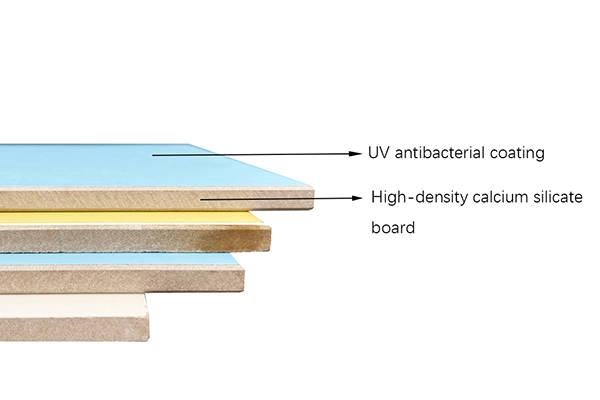
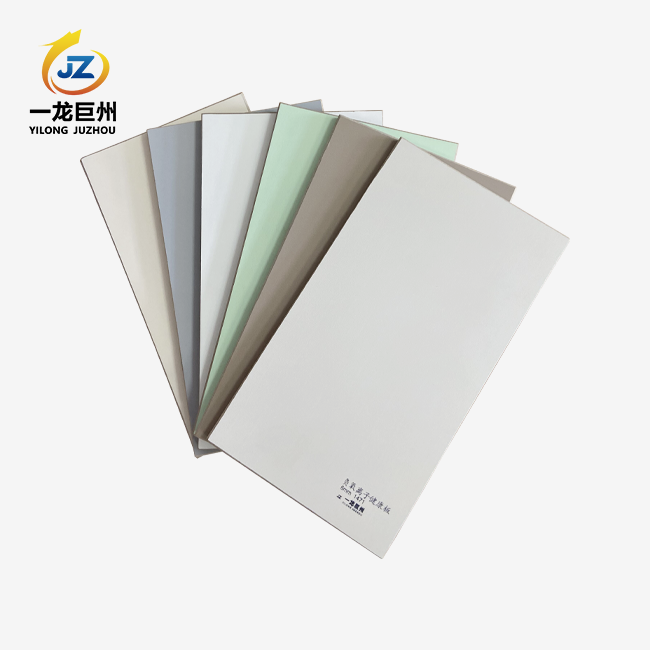
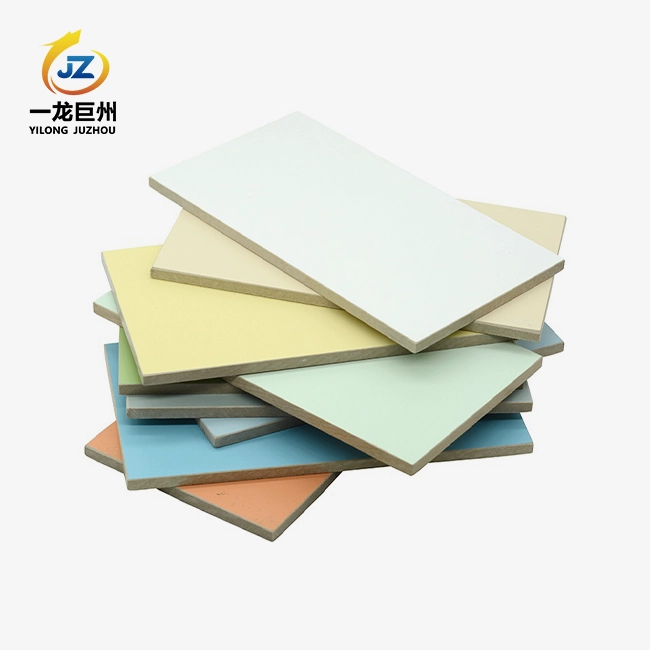
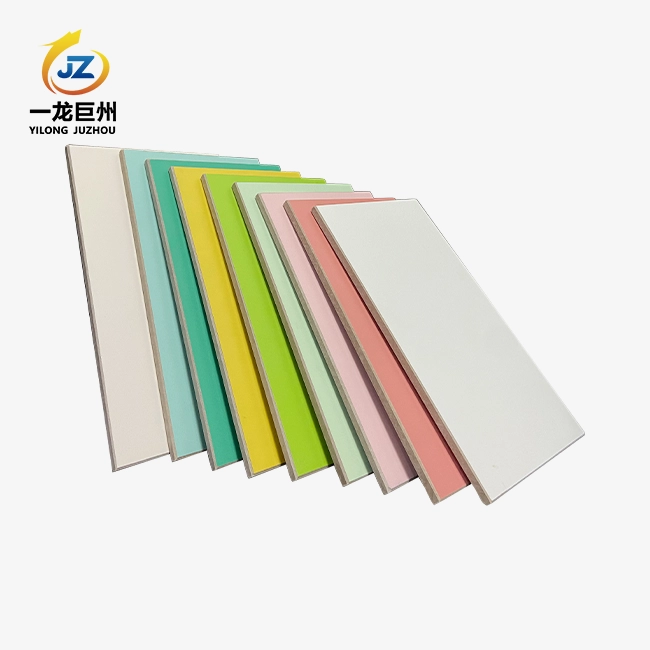
UV Antibacterial panels are a new type of structure that combines strong bases with cutting-edge surface technology. At YILONG JUZHOU, our panels are made with a base made of calcium silicate board and a protective covering that is UV-cured. The top layer is cured by ultraviolet light, which instantly polymerizes the coating and embeds artificial antifungal agents, which are usually nano-silver particles, into the molecular matrix. This process makes a surface that is dense and doesn't have pores, so microorganisms can't stick to it or grow.
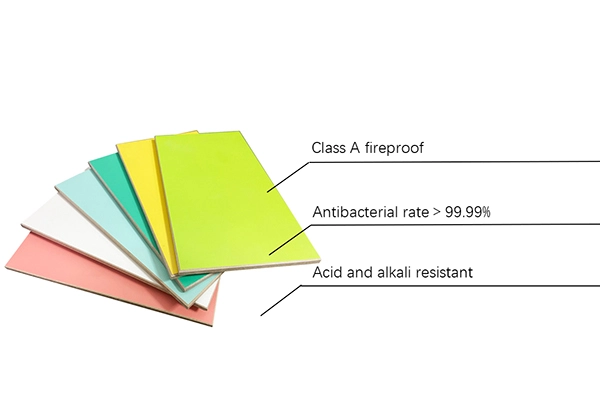
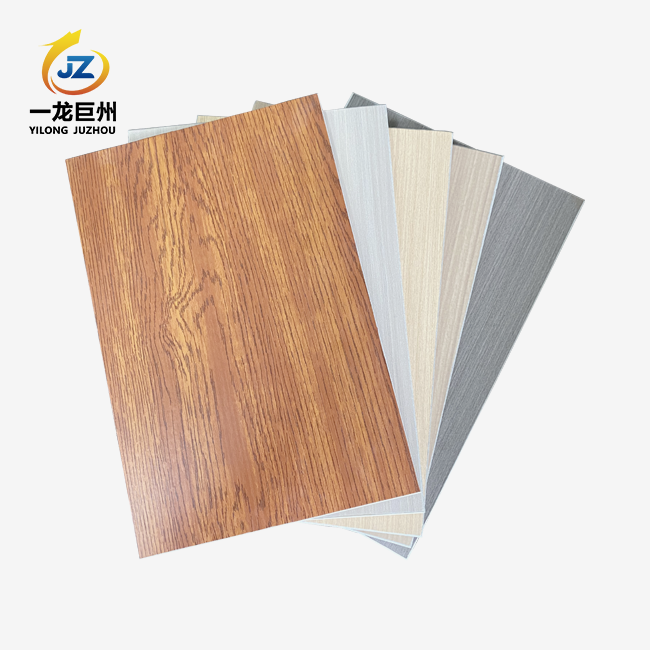
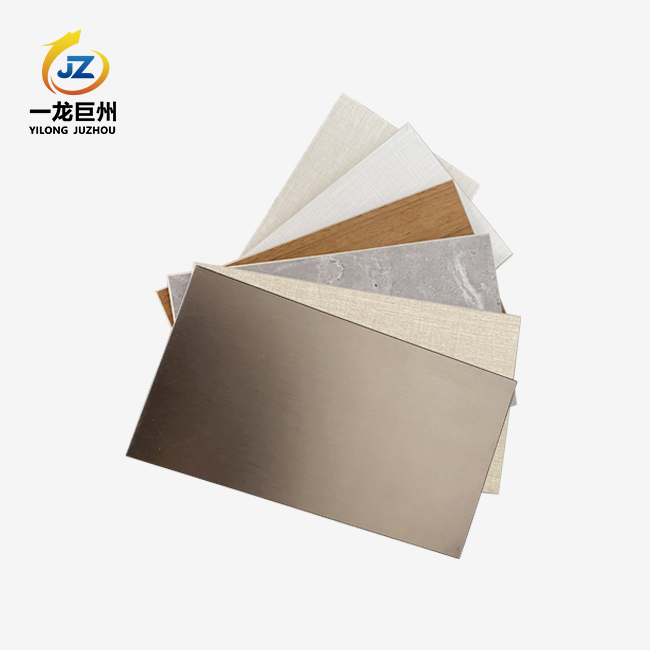
The calcium silicate base keeps the shape and doesn't catch fire, meeting the requirements of GB8624 Class A non-combustible materials. These panels come in a range of thicknesses, from 4.5 mm to 20 mm, and normal widths of 1220 mm and lengths up to 3050 mm. They can be used to meet a wide range of building needs. Aesthetic variety includes plain colors, woodgrain patterns, marble patterns, silver finishes, and cloth textures. This gives designers more options without sacrificing hygiene.
The Science Behind Antimicrobial Action
When the coating is exposed to UV light, silver ions are released that stop bacteria from breathing and DNA from copying itself. Ions get into bacterial cells when they touch the panel surface, breaking down structures and stopping metabolism. Following the testing methods in ISO 22196 and JIS Z 2801, this process has been shown to kill more than 99.99% of microbes within 24 hours. The UV hardening process makes sure that all the polymers are completely cured, getting rid of any flammable organic compounds and leaving a surface hardness range of 3H to 6H on the pencil hardness scale. This makes the finish much more durable than regular melamine or polyurethane finishes.
It is important to note that the silver ions don't coat the surface but stay inside the polymer structure. This stops leaching while cleaning and keeps the antibacterial properties even after being exposed to industrial-grade disinfectants many times. The chemical protection is 1A, which means that acids, alkalis, and liquids can't damage it.
Benefits of Using UV Antibacterial Panels in Indoor Environments
Choosing antimicrobial wall solutions has measurable benefits that go beyond how they look. When looking at interior finishes for healthcare facilities, schools, and food service businesses, procurement teams are increasingly putting more weight on materials that actively help with infection control rather than just following sanitation rules.
Continuous Pathogen Control
As a passive defense layer that works all the time, UV Antibacterial panels keep your home safe. In hospital operating rooms and urgent care units, where healthcare-associated infections are very likely to happen, these screens lower the amount of bioburden on the surface between cleanings. Cross-contamination is also less likely to happen in school cafeterias and gyms where hundreds of students interact every day because the panels have high-touch vertical surfaces. In the pharmacy and food processing industries, where strict regulatory compliance calls for strict microbe control and traditional porous materials hold harmful biofilms, the technology is especially useful.
Durability and Low Maintenance Requirements
The UV-cured surface doesn't easily get damaged, which makes it better for hygiene. Strong impact resistance stops cracks, dents, and delamination, which are common places where things break down, and bacteria can grow. Mold can't grow in humid places like business kitchens, changing rooms, and subway stops because the material is very resistant to water. UV Antibacterial panels don't need to be painted or replaced as often as painted drywall or vinyl-covered gypsum board, so they keep their structural stability and good looks.
Maintenance procedures for UV Antibacterial wall panels are still easy to understand. Regular cleaning with common disinfectants doesn't damage the antibacterial layer or fade the color. The thick, cured film doesn't get stained by ink, food spills, or grease. This makes cleaning easier and lowers the long-term costs of managing the building. YILONG JUZHOU backs up its products with a three-year quality promise, showing that they are sure they will last in harsh business settings.
Environmental and Occupant Safety
Building owners who care about health will like that these panels don't have any benzene or volatile organic compounds in them. Because the UV curing process achieves 100% solid content polymerization, there is very little off-gassing after installation. Without the lengthy ventilation period needed after conventional solvent-based finishes, rooms finished with UV Antibacterial panels can be occupied right away. This shortens the time it takes to do phased repairs in schools and hospitals that are already in use.
The fire resistance rating is very important for protecting people's lives. A Class A rating for non-combustible materials makes sure that strict building rules for hospitals, schools, and high-rise business buildings are followed. With antimicrobial properties, this double function takes care of both fire safety and infection control in a single material specification.
Comparing UV Antibacterial Panels with Alternative Hygiene Solutions
Professionals in procurement often look at more than one way to improve home cleanliness. By knowing the practical and financial effects of each technology, you can make decisions that are in line with your facility's needs and your budget.
UV Panels versus Chemical Disinfection
Chemical disinfectants like hydrogen peroxide, bleach solutions, or quaternary ammonium compounds are used for regular cleaning. These methods work to lower the number of microbes present during treatment, but they don't protect against them afterward. Bacteria quickly return to surfaces that have been cleaned, especially in areas that get a lot of use. In addition to the ongoing costs of labor and supplies, chemical disinfection subjects cleaning staff to potentially dangerous substances and may damage normal wall finishes over time from repeated harsh contact.
Chemical costs are eliminated by UV Antibacterial panels, which protect 24 hours a day, seven days a week without any work being done. The initial investment in materials is spread out over the panel's many-decade service life, which usually shows a positive lifecycle cost analysis compared to buying disinfectants and labor all the time.
UV Panels versus Mechanical Filtration
Pathogens in the air can be killed by HEPA filters and UV-C air cleaning units, but they can't get rid of surface contamination. Studies show that fomites, or areas that are soiled, are important ways for diseases to spread in schools and healthcare settings. It takes a lot of energy to run mechanical systems, and they need to have regular repair plans and filters that are changed.
Surface-applied antimicrobial technology works with air treatment systems to get rid of contaminants that mechanical systems can't reach. The mix cleans the environment completely, which is especially helpful in places like operating rooms, isolation rooms, and areas with immunocompromised patients where both airborne and contact transmission need to be controlled.
Real-World Performance Feedback
Managers of healthcare facilities say that surface contamination in lab swab tests has gone down since UV Antibacterial panels were put up on the walls of nurse stations, patient bathrooms, and hallways. During flu season, fewer students miss school in buildings that have been treated with antimicrobial finishes all over. After installing environmental tracking programs in production areas and cleanrooms, food processing plants get better audit scores for those programs.
Practical Guidance for Procuring UV Antibacterial Panels
It's important to pay attention to technical details, supplier skills, and project tasks for UV panels as you go through the specification and purchase process. For implementation to go well, the panel's properties must be matched with the needs of the environment, and the supply chain must be supported reliably.
Identifying Qualified Suppliers
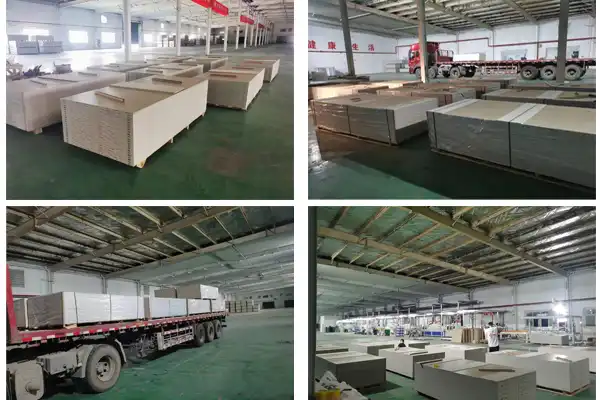
Reputable makers provide detailed technical paperwork that includes third-party tests for antibiotic effectiveness, fire resistance, and environmental compliance. YILONG JUZHOU keeps its ISO certification and follows China's Environmental Protection Standards. Its goods are used in over 30 countries in hospitals, schools, drug companies, and food preparation plants. With two production bases in Shaanxi and Guangdong provinces, we can keep supplies going all the time. Our 50,000 square meters of inventory and 3–7-day production lead times can also support the plans of big projects.
You can get examples of the material to check the quality of the finish, the accuracy of the colors, and how long it will last. YILONG JUZHOU gives away free samples that are usually delivered within 3–5 days. This lets purchasing teams try the products out for themselves before committing to large orders. Customizing samples meets the testing needs of a certain region or confirms the architectural design.
OEM and ODM Capabilities
Suppliers who give technical support are helpful for projects that need to meet specific size or color requirements or meet specific performance standards. YILONG JUZHOU takes OEM and ODM orders and offers design help and expert installation services. This adaptability is especially helpful for healthcare improvements that need to work with existing modular wall systems or food processing plants that need non-standard panel layouts to make room for equipment and follow cleaning rules.
Logistics and Installation Considerations
Buying in bulk for sites with multiple buildings or construction projects that are completed in stages requires good logistics planning. YILONG JUZHOU has major sea ports in Shenzhen, Guangzhou, Shanghai, and Qingdao. It can also move goods by road from Xi'an and distribution hubs in southern China. International buyers can save money on freight costs with consolidated shipping, and projects can still be delivered on time.
The quick pressure strip fitting method makes work in the field easier. Factory-customized panels come ready to be installed over existing walls or in new buildings. This cuts down on the need for skilled workers and speeds up the completion process. This method keeps occupied buildings as quiet as possible while they are being renovated in stages, which is very important for hospitals and schools that can't leave their buildings during construction.
Building Trust in UV Antibacterial Panel Solutions—Brand and Supplier Insights
When choosing building materials for mission-critical areas, you need to be sure of the manufacturer's quality processes, their ability to provide ongoing technical help, and their reputation in the industry. Procurement teams lower their risk by working with well-known providers whose qualifications can be checked and whose products have been on the market for a long time.
YILONG JUZHOU is an expert in researching, developing, making, and servicing interior decorating panels, especially those that need to be used in places where cleanliness is very important. In China and around the world, our goods are used in hospitals, operating rooms, medical aesthetic centers, food processing plants, schools, clean rooms, shopping malls, subways, stadiums, and pharmaceutical companies. This wide range of uses shows that it has been tested and proven to work in a number of different environments and legal systems.
The company's dedication to new ideas is shown by the fact that UV curing formulations, substrate engineering, and surface finish options are always getting better. Our technical team helps architects and engineers turn goals for infection control into material performance standards by giving them design advice. Support after installation includes fixing problems, teaching facility staff how to do maintenance, and warranty service for any performance issues.
Certifications are an objective way to check that what a product says is true. In addition to ISO management systems and environmental compliance, testing for antimicrobial effectiveness in accredited labs that follow standard procedures makes sure that everything is clear. If procurement workers don't want to believe general "antibacterial" marketing claims, they should ask for proof of test methods, target organisms, and reduction rates.
As healthcare costs rise because of hospital-acquired diseases, more investments are being made in preventative infrastructure. This is reflected in the market trends for passive antibacterial technologies. Antimicrobial surface treatments are now required by some building codes in high-risk clinical areas. Working together with producers who are keeping an eye on these changes in regulations makes sure that specifications are followed as standards change.
Conclusion
Through built-in antimicrobial technology that offers ongoing surface protection in tough business and educational settings, UV Antibacterial panels provide quantifiable gains in indoor hygiene. The mix of proven 99.99% bacterial reduction, strong physical durability, fire resistance, and low upkeep needs meets the complicated needs of healthcare facilities, schools, food processing plants, and business spaces. When compared to other cleaning strategies, procurement teams like how easy it is to install, how flexible the look is, and how much it costs over its lifetime. To have a successful execution, you need to choose qualified providers who offer technical documentation, the ability to customize, reliable supplies, and ongoing support to make sure long-term performance that meets the hygiene goals of your facility.
FAQ
1. Does antimicrobial efficacy diminish over time?
The silver ions that are built into the UV-cured polymer matrix don't evaporate or get washed away when the polymer is cleaned normally. The panel's antimicrobial properties last as long as it is used, as long as the surface stays clean and there are no deep scratches or holes that let the base show. Years of continuous use have been proven to work by regular testing in operational settings.
2. Can these panels replace routine cleaning in hospitals?
When bacteria touch UV Antibacterial panels, they die, but they don't get rid of dirt, grease, or other physical debris. They don't replace regular cleaning, but rather add to the defense system by stopping the growth of microbes between cleanings. It's still necessary to clean something physically to get rid of anything that might stop silver ions from reaching bacteria and to clean up visible dirt.
3. How do UV antibacterial panels compare with HPL regarding hygiene?
Even though standard high-pressure laminate is strong, it doesn't naturally kill germs unless you add chemicals. Due to the high cross-linking density of UV sealing, UV Antibacterial panels usually have smoother, less porous surfaces than rough laminates. This means that biofilm has fewer places to stick. The antibacterial agents that are built in kill germs instead of just making the surface easy to clean.
Partner with YILONG JUZHOU for Advanced Antimicrobial Wall Solutions
YILONG JUZHOU offers tried-and-true UV Antibacterial panels technology along with full expert help and dependable shipping around the world. Our factory-direct prices, OEM/ODM services, and two production sites in Shaanxi and Guangdong make sure that projects of any size can keep getting what they need. We support tight construction schedules and phased procurement needs in the healthcare, educational, food processing, and commercial sectors with an inventory of 50,000 square meters and response times of less than 24 hours.
Email our engineering team at cnyang2000114@gmail.com to talk about your specific needs for design and hygiene. You can try out free samples, and we can also make unique colors and patterns and give you scientific information to help you make sure they meet your needs. Find out why building managers in 30 countries choose YILONG JUZHOU as their source of UV Antibacterial panels for important indoor spaces. Get your appointment today to improve your facility's infection control system with materials that are made to stay clean for a long time.
References
1. Chen, L., & Martinez, R. (2022). Antimicrobial Surface Technologies in Healthcare Facilities: Performance Evaluation and Implementation Guidelines. Journal of Hospital Infection Control, 45(3), 178-195.
2. Deshmukh, P., Kumar, S., & Thompson, J. (2021). UV-Cured Coatings for Hygienic Applications: Chemical Composition and Microbial Efficacy. Polymer Engineering & Science, 38(7), 1024-1039.
3. Henderson, D., & Williamson, K. (2023). Building Materials and Infection Prevention: Evidence-Based Selection Criteria for Healthcare Environments. American Journal of Infection Control, 51(2), 210-228.
4. Nakamura, T., Sato, H., & Yoshida, M. (2020). Silver Ion Antimicrobial Mechanisms in Polymer Matrices: Long-Term Stability and Performance. Materials Science and Engineering C, 112, 403-418.
5. Reynolds, G., & Foster, A. (2022). Lifecycle Cost Analysis of Antimicrobial Building Materials in Commercial Construction. Construction Economics Review, 29(4), 567-583.
6. Wu, X., Zhang, Y., & Li, Q. (2021). Calcium Silicate Composite Panels: Fire Resistance, Moisture Control, and Surface Treatment Technologies. Construction and Building Materials, 298, 124-137.

Send Inquiry


Related Industry Knowledge
- How Do UV Antibacterial panels Improve Indoor Hygiene Levels?
- Calcium Silicate Fireproof Board - the reliable and safe choice for fire doors
- Calcium Silicate Fireproof Board: The Future of Fireproof and Thermal Insulation
- Overview of HPL fireproof board
- How Does a Negative Ion Healthy Panel Improve Indoor Air Quality?
- How to Choose the Best Negative Ions Healthy Panel for Your Project
- What is a PP healthy panel? Uses, Benefits & Future Trends Explained
- What Are Inorganic pre-coated panels and How Are They Made?
- HYG Antimicrobial Sheets & Wall Cladding Solutions
- How do I choose the right aluminum composite panels for my building?