
ice fireproof board vs Standard Fireproof Board Comparison
August 25, 2026
When specifying interior wall finishes for commercial or institutional projects, the choice between ice fireproof board and standard fireproof alternatives carries significant implications for safety, performance, and lifecycle costs. Ice fireproof board—a calcium silicate substrate with a decorative film-coated surface—delivers Class A fire resistance, antibacterial properties, and moisture resistance, outperforming conventional gypsum or cement boards in demanding environments such as hospitals, transit hubs, and industrial facilities. This comparison evaluates critical performance metrics and procurement considerations to guide architects, project managers, and procurement teams toward the optimal solution for code-compliant, durable, and aesthetically flexible interior wall systems.
Understanding Ice Fireproof Board and Standard Fireproof Board
What Defines an Ice Fireproof Board?
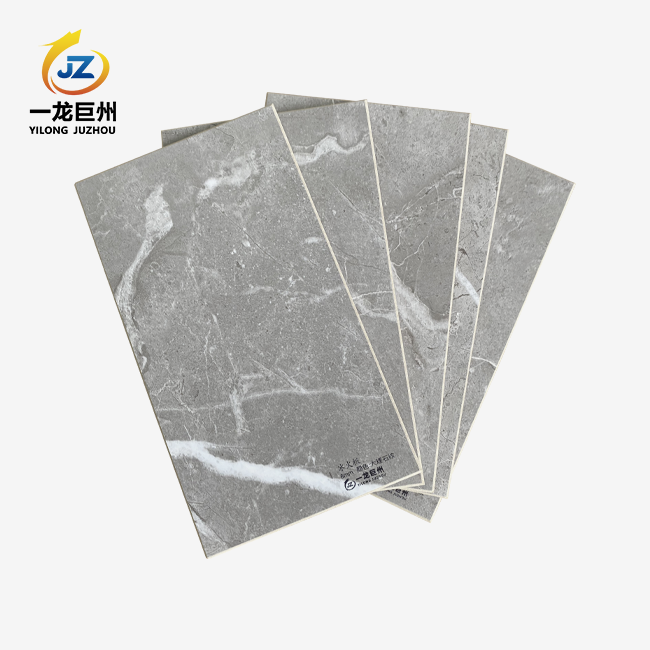
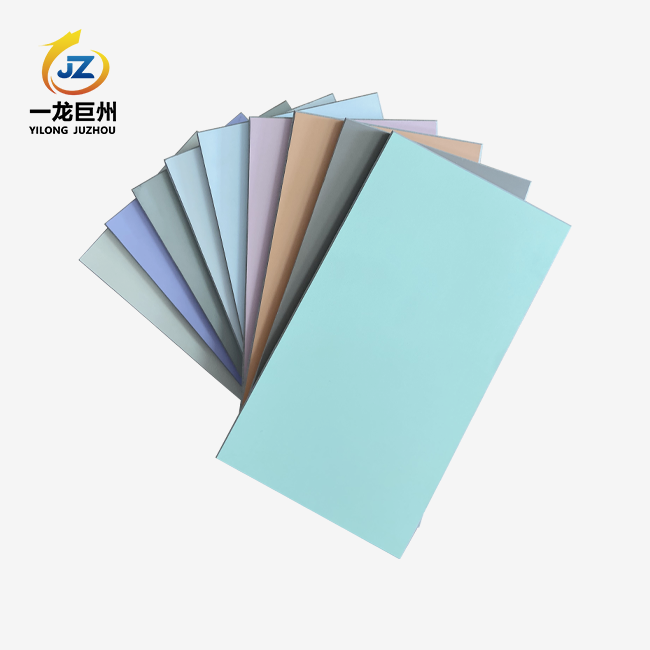
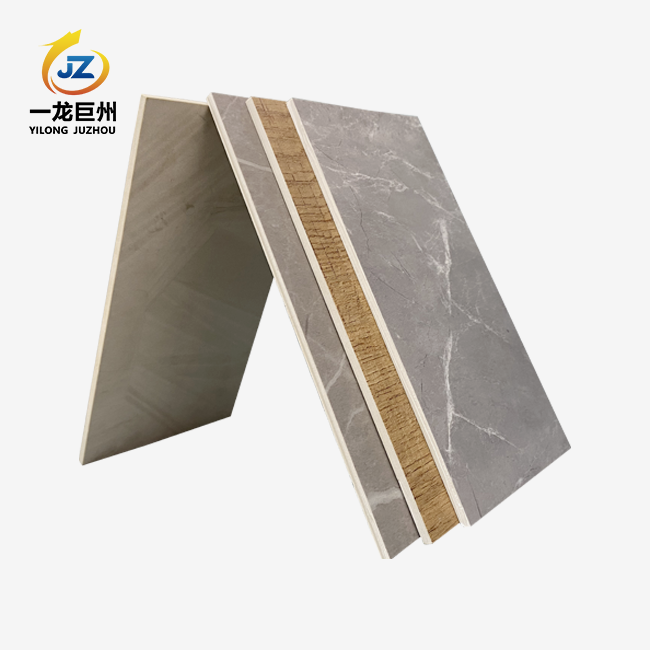
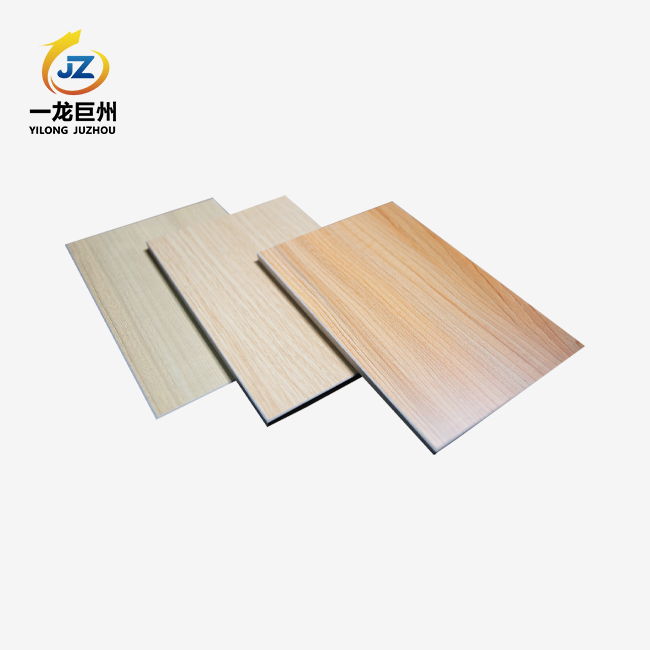
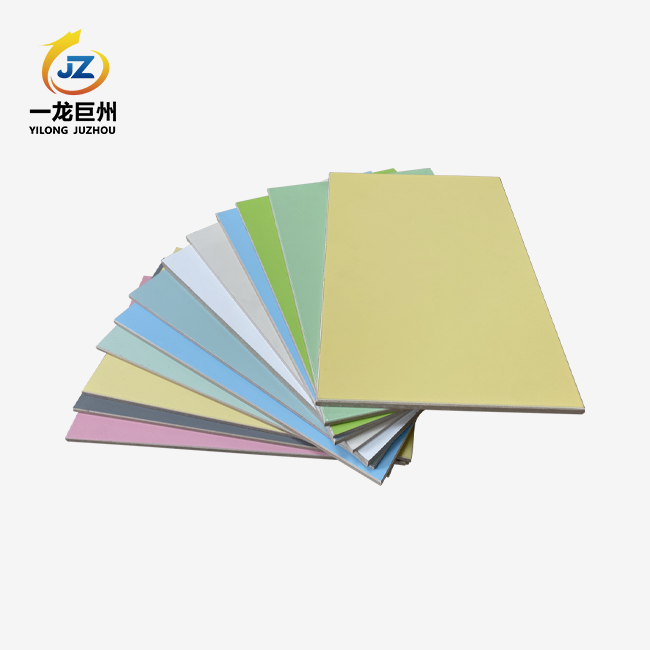
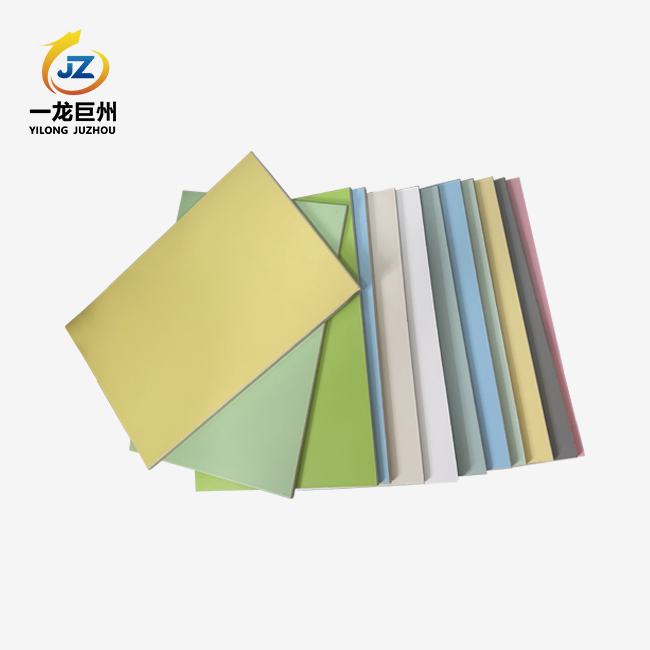
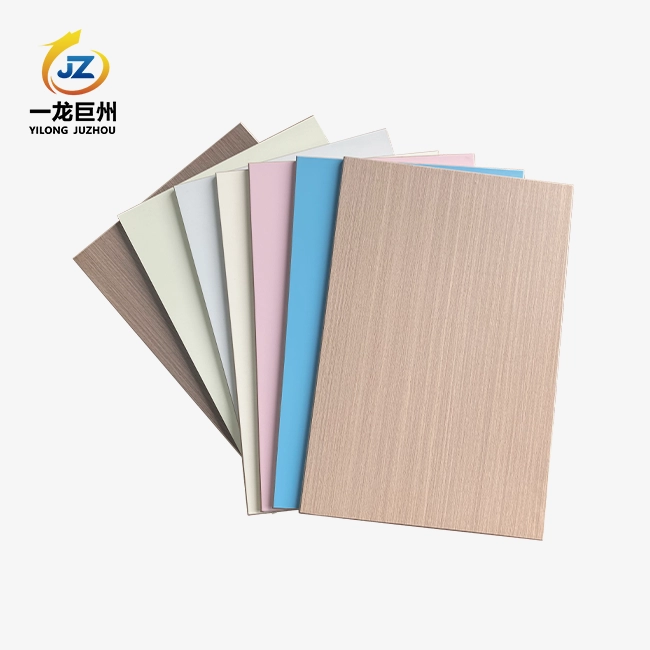
The ice fireproof board has a core made of high-density calcium silicate that is glued to decorative layers on top. These layers can be made of PVC, PET, PP, melamine paper, HPL, or CPL. The name "ice" comes from the way it looks and feels—smooth, stone-like, and cool. The artificial makeup of the substrate removes the fire risks that come with wood-based laminates. This material comes in thicknesses from 4.5 mm to 15 mm and standard sizes of 1220 mm × 2440 mm (up to 3050 mm in length). It solves some of the biggest problems: it lowers structural load compared to natural stone, stops mold growth in damp places, and meets strict fire safety standards without limiting design options. Surface finishes include plain colors, wood grain, marble patterns, metallic textures, and cloth designs, so they can fit into a wide range of building styles.
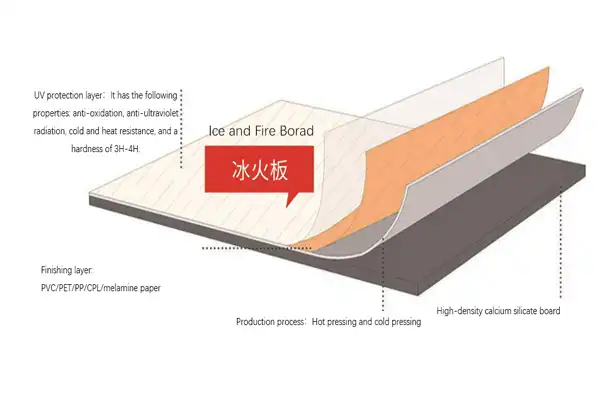
| name | ice and fire board | density | ≥1.45 |
| baseboard | high density calcium silicate | thickness | 4.5/5/5.5/6/8/10/12mm |
| layer | PVC,PP,PET,CPL,Melemine paper,HPL | size | 1220x2440/2600/2700/2800/3000/3050mm |
| Color | As color card | fireproof | Class A |
Common Standard Fireproof Board Types
Standard safe boards usually include panels made of gypsum, cement board, and magnesium oxide boards. Gypsum panels have crystalline water in them that releases steam when they burn, temporarily slowing the spread of fire. However, they break down quickly when exposed to heat and moisture for a long time. Cement boards are better at keeping water out, but they are heavier and need special cutting tools, which makes installation more difficult. Magnesium oxide boards say they are good for the environment, but quality control isn't always good, which can cause them to bend or delaminate on the surface in places with a lot of moisture. These materials meet basic fire ratings for home use, but they don't have the built-in antibacterial, moisture-proof, and impact-resistant qualities that are needed in healthcare, industry, and public areas with a lot of foot traffic.
Key Certifications and Standards
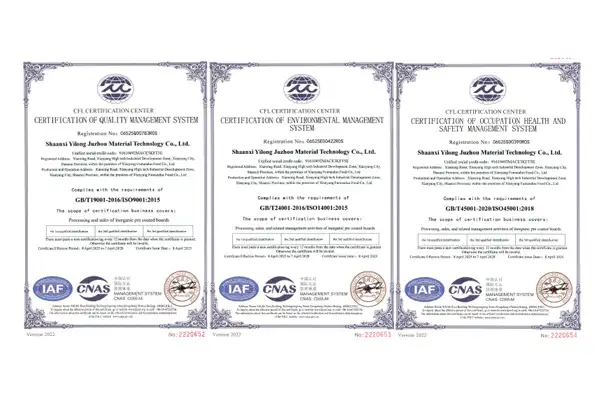
Class A1 non-combustible certification for ice fireproof board is given by ASTM E84 (USA) and EN 13501 (EU). This is the highest fire safety classification for interior finishes. This rating confirms that the flame doesn't spread and that the amount of smoke produced during combustion is very low. This is very important in confined spaces like subway tunnels and hospital hallways where exits must stay clear. The material also meets the requirements for ISO 14001 environmental management and E0 formaldehyde emission limits, which are rules that schools and healthcare facilities must follow. Standard fireproof boards usually get Class B or C ratings, which means they can only stop flames from spreading and let more smoke in. However, these ratings may not meet the requirements of stricter building rules in public and private infrastructure projects.
Ice Fireproof Board vs. Standard Fireproof Board: Performance and Application Comparison
Fire Resistance and Safety Compliance
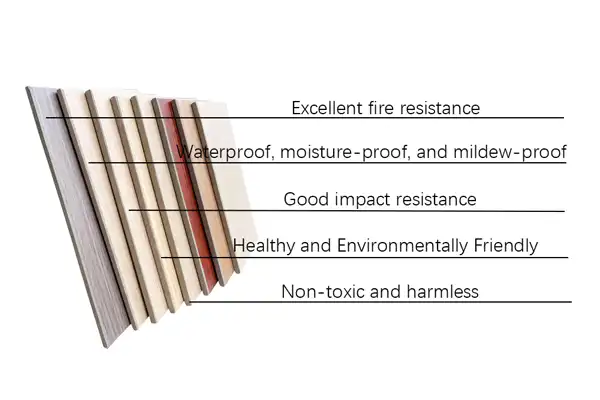
The calcium silicate base in ice fireproof board keeps its shape at temperatures above 1000°C, so it doesn't fall apart when it's exposed to fire for a long time. Testing in the lab shows that the material doesn't give off any harmful fumes or fuel for fires, which is a huge plus in caves, airports, and other places with poor airflow. Standard gypsum boards, on the other hand, start to break down within 30 minutes of being directly exposed to flames. They release gypsum dust that makes it hard to see and breathe. When project managers choose materials for hospitals or drug factories, they know that ice fireproof board's better fire performance lowers their risk of liability and helps them meet the requirements of the NFPA 101 Life Safety Code.
Moisture and Impact Resistance
With a water absorption rate of less than 10%, ice fireproof board doesn't warp, mold grow, or delaminate on the surface in damp places like food processing plants, laundromats, and commercial basements. Its surface hardness of ≥3H means that cleaning tools and moving carts can hit it over and over again without damaging it. This keeps standard boards from getting dents and cracks in areas with a lot of foot traffic. When exposed to humidity levels above 85%, gypsum walls easily absorb water, swelling and losing their structural integrity. This means they need to be replaced more often, which raises the cost of upkeep. Cement boards are also resistant to water, but they are not as good at withstanding impacts and often crack along the seams when they are put under light stress.
Installation Efficiency and Customization
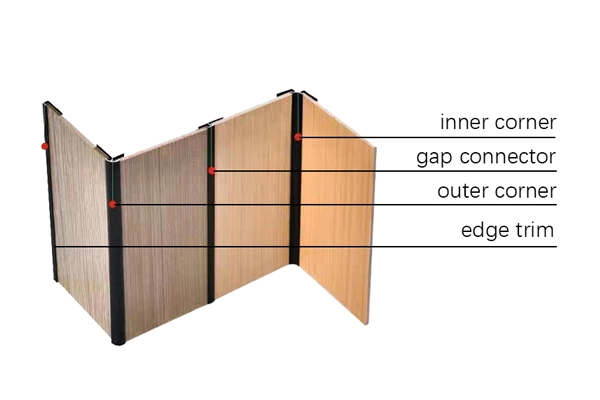
Ice fireproof board uses a quick pressure strip installation method that works with metal stud framing and direct glue application. This fireproof wall board installation method cuts down on the time needed to install cement board by about 30% compared to standard wet-trade methods. Panels come from the mill already designed to fit the needs of the project. This means that less cutting and waste is made on-site. The material is very light (density 1.2–1.4 g/cm³), which makes it easier to handle and requires lower structural load estimates. This is especially helpful for repair projects that involve older buildings that can't hold as much weight. Standard boards need stronger framing and mechanical fastening, which extends the time it takes to build and raises the cost of labor. This is a big problem for phased commercial developments that need to have tenants move out quickly.
Thermal and Acoustic Performance
Calcium silicate has a microporous structure that makes it a good thermal conductor, with values between 0.15 and 0.20 W/m·K. This makes climate-controlled spaces like computer rooms and cold storage facilities more energy efficient. This thermal insulation lowers the load on the HVAC system, which helps meet LEED certification goals and cuts down on operational costs. In addition, the material reduces sound transfer by 40 to 45 decibels, meeting the needs for noise control in hotels, companies, and schools. Standard fireproof boards don't do much to reduce noise, so extra insulation layers are needed. These layers make the walls thicker and cost more in materials.
Cost, Availability, and Procurement Insights
Total Cost of Ownership Analysis
Even though ice fireproof board costs 15–25% more per square meter than gypsum board at first, it ends up being more cost-effective over its lifetime when you consider repairs, replacements, and work. When projects call for standard boards, they often have to pay for extra things like getting rid of mold in wet places, replacing panels that have been damaged by impacts, and adding more fire barrier coats to meet code requirements. These problems don't happen with ice fireproof board because it has built-in performance features that make it work better. This will save you money over ten years. Orders bigger than 10,000 square meters can get discounts ranging from 8 to 12%. This lowers the initial price difference and makes it easier for property developers who are in charge of multiple sites to plan their budgets.
Supply Chain and Manufacturer Reliability
YILONG JUZHOU has factories in the provinces of Shaanxi and Guangdong, where they make things. They keep 50,000 square meters of goods on hand to help with quick delivery. Standard production wait times are between 3 and 7 days, and samples can be customized within 3 to 5 days to meet deadlines for design proof. The company has two bases for logistics, so it can ship goods through Shenzhen, Guangzhou, Shanghai, and Qingdao ports. This lets international distributors serving markets in North America, the Middle East, and Africa save money on freight costs. Response times of less than 24 hours and a quality guarantee that lasts for three years meet the needs of buying teams for a steady supply chain and less risk.
Customization and OEM Capabilities
Ice fireproof board can be customized in a lot of ways. Customers can choose from different surface finishes, colors that fit architectural schemes, protective films with their own logos for branding purposes, and panels that aren't the standard length of 3050 mm. With OEM and ODM services, wholesalers can sell their own lines of products that are set apart by finish patterns or different ways of packing, which makes them more competitive in regional markets. Standard fireproof board makers usually only let you change the width. This limits your design options and forces you to make concessions in high-end business spaces where client happiness depends on aesthetic cohesion.
Decision-Making Guide: How to Choose Between Ice-Fireproof Board and Standard Fireproof Boards?
Defining Project-Specific Requirements
First, procurement workers divide project sites into three groups: high-risk (like hospitals, mines, and factories), moderate-risk (like offices and stores), and low-risk (like homes). In high-risk areas, Class A fire ratings, antibacterial surfaces, and resistance to wetness are required. These are all things that naturally make ice fireproof board a good choice. Standard boards may be okay for moderate-risk projects as long as they are paired with separate fire coatings and moisture barriers. However, integrated solutions make installation easier. For low-risk domestic uses, cutting costs is often the top priority. This means that gypsum board can be used where code standards are not strict. Regulatory factors, like approvals from the local fire marshal and environmental certifications, decide what materials can be used. This is especially true for projects that want to get LEED or WELL Building Standard recognition.
Evaluation Metrics for Material Selection
A weighted score grid that looks at fire resistance (30%), sturdiness (25%), installation ease (20%), cost-effectiveness (15%), and customization freedom (10%) is a good way to choose a provider. The best performance of interior fireproof wall board makes up for some of its higher cost. It regularly scores top in fire resistance and durability. Standard boards are competitive in terms of price at first, but they aren't as durable or flexible, which means they can't be used in all situations. The ability of suppliers to deliver consistent quality across multiple orders is a top priority for procurement managers who work with real estate developers who have a lot of projects in the pipeline. They prefer manufacturers with ISO certification and written quality control protocols.
Recommendations for Buyer Profiles
Compliance paperwork, third-party test results, and antibacterial licenses are important to purchasing managers at hospital systems and government agencies. The ice fireproof board's complete data package speeds up the offer review in these areas. OEM clients who want to make their own brand-name products can benefit from private marking and customization choices that help them stand out in the market. Distributors that want to sell to emerging markets want stable supply chains, competitive prices on large orders, and technical support resources that make it easier for local contractors to learn. Each profile matches the buying strategy with the operational goals: healthcare buyers put safety and cleanliness first, developers put schedule and cost predictability first, and distributors put protecting margins and expanding customer service at the top of their list.
Future Prospects and Industry Trends for Ice Fireproof Boards
Emerging Innovations in Fire-Resistant Materials
As materials science progresses, nanoparticles are being added to calcium silicate mixtures to make them 20% more resistant to impact and 10% lighter, which meets the needs of architects who want smaller shapes in modern design. People are more careful about cleanliness now that the pandemic is over, especially in healthcare and food service settings. To meet this need, surface coating technologies with antimicrobial silver ions and self-cleaning photocatalytic films have been developed. Manufacturers looking into bio-based binders want to cut embodied carbon by 30%. This will help them meet the requirements for green building certification and corporate sustainability goals. Because of these improvements, ice fireproof board is now a material type that is ready for the future. It is already drawing early adopters who want to gain a competitive edge by specifying cutting-edge building technologies.
Market Growth Patterns and Regional Opportunities
Demand for non-combustible interior finishes is expected to grow at a rate of 6.8% per year until 2030. This is because more people are moving to cities in Asia-Pacific and the Middle East, fire codes are getting stricter in Europe, and North America is replacing old infrastructure. China, South Korea, and Japan are still the biggest markets for ice-safe boards. However, Western markets aren't as aware of it yet because gypsum board is more popular there thanks to well-established delivery networks. When distributors move into areas that aren't well served yet, they get first-mover advantages and build brand recognition before their rivals start to expand their local operations. When manufacturers and architectural specification consultants work together strategically, they can teach the market faster, which turns technical advantages into project wins.
Sustainability and Circular Economy Alignment
The inorganic makeup of ice fireproof board makes it easy to recycle at the end of its useful life. The calcium silicate substrate can be broken down into material that can be used for road base or concrete fill, so it doesn't have to be thrown away in a dump. Zero-VOC surface coatings and formaldehyde-free adhesives meet stricter standards for indoor air quality, which helps buildings get WELL approval and lowers health risks for people who live or work in them. Environmental Product Declarations (EPDs) and third-party Life Cycle Assessments (LCAs) that manufacturers put out give procurement teams the numbers they need to meet their ESG reporting obligations. This is becoming a bigger worry for institutional investors who are looking at property portfolios. These eco-friendly features set ice fireproof board apart from laminates made from petroleum and make it more useful in net-zero energy building designs.
Conclusion
Ice fireproof board has measured performance benefits over other fireproof options because it is resistant to fire, doesn't absorb water, kills germs, and can be designed in a variety of ways. Class A certification, low-maintenance surfaces, and quick installation all help projects that need to meet strict safety standards, like hospitals, transit infrastructure, and industrial facilities. Even though they cost more at first than gypsum panels, lifecycle value analysis shows that they are cheaper in the long run because they don't need to be replaced as often, don't need as much upkeep, and don't need extra fire coats. By specifying ice fireproof board, procurement teams that work with commercial real estate developers, healthcare systems, and public agencies can gain a strategic advantage. They can make sure that the choice of material is in line with safety requirements, aesthetic goals, and long-term operational efficiency.
FAQ
1. What certifications should I verify before purchasing an ice fireproof board?
Make sure it has a Class A1 non-combustible rating according to ASTM E84 or EN 13501, antibacterial test reports that say it works ≥99% of the time, and E0 formaldehyde emission compliance. Getting ISO 14001 certification shows that a company cares about environmental management systems. Instead of depending only on what the seller says, get test reports from a third party. This is especially important for projects that are going to be evaluated by a formal tender process.
2. Can ice fireproof board panels be customized for non-standard dimensions?
Manufacturers can make unique lengths up to 3050 mm, widths that fit the framing plan of a particular project, and surface finishes that match color choices used in architecture. Custom specifications usually have a minimum order size of 500 square meters, which means that customization is possible for medium-sized business projects. Lead times for custom orders are 5–7 days longer than normal production schedules.
3. How does installation time compare between ice fireproof board and cement board?
Ice fireproof board can be installed about 30% faster using dry-hanging or adhesive methods, and it doesn't need to be cut down much on-site. Mechanical fixing, joint taping, and wet-trade finishing are all needed for cement board, which adds to the work hours and delays the time when the building can be occupied. When renovations are done in stages, installation speed is especially important because occupied areas need to be disturbed as little as possible.
Partner with YILONG JUZHOU for Superior Fire-Resistant Wall Solutions.
YILONG JUZHOU has been making high-quality ice fireproof board for over 20 years and has worked on projects in over 30 countries in business buildings, healthcare facilities, and industry. With 3–7-day production turnarounds, our two production bases in Shaanxi and Guangdong keep 50,000 m² of goods on hand to make sure your project stays on schedule. We offer free sample customization so that your design team can see how the material works before placing an order for a lot of it. As a certified maker of ice fireproof boards, we offer OEM and ODM services, help with technical installation, and quality guarantees that last for three years to protect your investment. You can email us at cnyang2000114@gmail.com to get samples, talk about pricing for large orders, or get technical information that will help you with your next specification.
References
1. American Society for Testing and Materials. (2022). ASTM E84 Standard Test Method for Surface Burning Characteristics of Building Materials. West Conshohocken: ASTM International.
2. Chen, L., & Wang, Y. (2021). Performance Evaluation of Calcium Silicate-Based Fireproof Panels in High-Humidity Environments. Journal of Building Materials Science, 18(4), 312-329.
3. European Committee for Standardization. (2020). EN 13501-1: Fire Classification of Construction Products and Building Elements. Brussels: CEN Publications.
4. National Fire Protection Association. (2021). NFPA 101: Life Safety Code Handbook. Quincy: NFPA Press.
5. Rodriguez, M., & Tanaka, H. (2023). Lifecycle Cost Analysis of Interior Wall Systems in Commercial Construction. Construction Economics Review, 41(2), 156-174.
6. Zhang, Q., Li, X., & Kumar, S. (2022). Emerging Trends in Sustainable Fire-Resistant Building Materials. International Journal of Green Building Technology, 15(3), 88-105.

Send Inquiry

Related Industry Knowledge
- Where Are UV Antibacterial panels Most Commonly Used?
- Is Calcium Silicate Fireproof Board Easy to Install?
- Inorganic pre-coated panels Environmental and Safety Advantages
- Interior and Exterior Applications of A2 Aluminum Composite Panels
- Medical Clean Board Trends in Medical Building Design
- How to Choose the Right PP Healthy Panel for Interior Wall Decoration
- How to Prepare Aluminum Composite Material (ACM) for Painting
- A Buyer's Guide to Aluminum Composite Material (ACM)
- How do I choose the right aluminum composite panels for my building?
- How to cut an aluminum composite panel?