
Where Are UV Antibacterial panels Most Commonly Used?
August 24, 2026
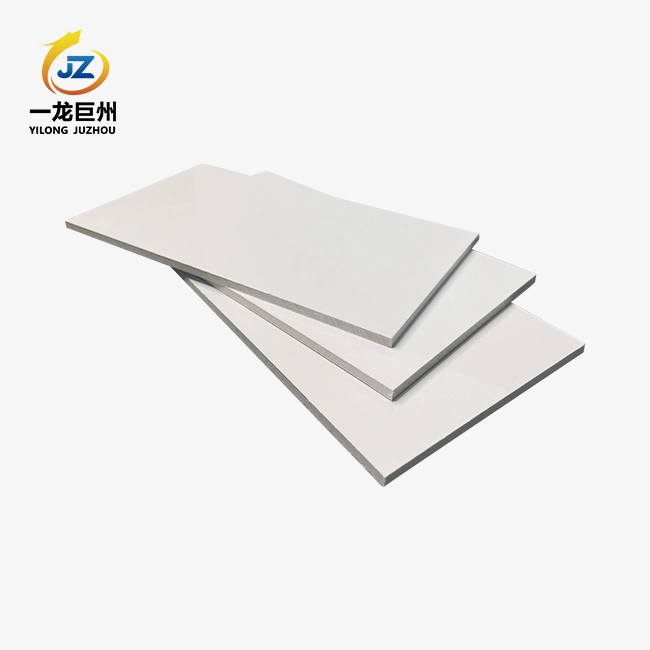
UV Antibacterial panels are revolutionizing interior wall protection across industries where infection control and surface hygiene directly impact operational success. These innovative building materials combine a calcium silicate substrate with a UV-cured antibacterial coating, achieving a 99.99% microbial reduction rate. They're predominantly installed in healthcare facilities, food processing plants, pharmaceutical manufacturing sites, educational institutions, commercial transit hubs, and hospitality environments where pathogen transmission poses financial and reputational risks to facility managers and property developers.
Introduction to UV Antibacterial Panels
You might notice that the walls in a modern hospital or drug lab are particularly smooth and shiny as you walk through them. That's the result of advanced surface engineering that was made to actively stop microbes from colonizing.
A calcium silicate core and an antibacterial coating that has been cured by UV light make up these specialized wall cladding systems. The UV curing process makes a dense molecular structure that holds antimicrobials, which are usually silver ions, inside the polymer matrix. This is very different from disinfectants that are sprayed on and evaporate in hours.
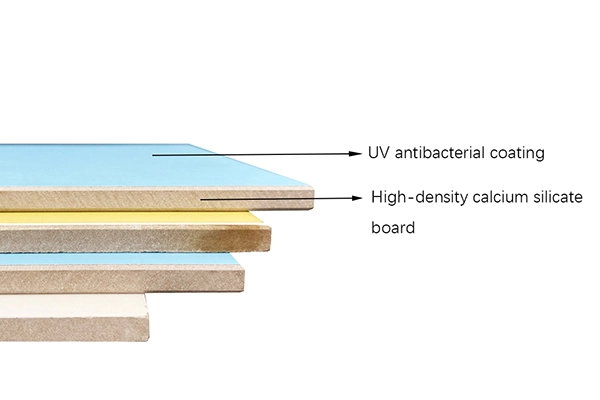
The technology solves a problem that keeps coming up in places with a lot of foot traffic: areas that aren't cleaned regularly become breeding grounds for germs. Standard laminates and painted walls have tiny holes where water can gather, which is how germs like MRSA and E. coli grow. coli to grow. When bacteria come into contact with the UV-cured surface, it forms a barrier that breaks down their cell walls. This barrier keeps working without any extra help.
Besides being clean, buying teams like the GB8624 Class A fire rating and moisture protection, which stops mold growth that happens a lot in damp places. The environmental benefit is just as strong—zero benzene content and low volatile organic compound emissions mean that rooms can be used right away after installation, cutting down on expensive downtime for renovations.
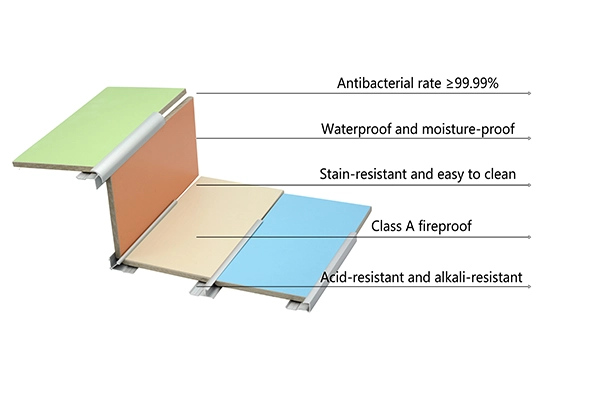
In the manufacturing process, calcium silicate boards are covered with several layers of antibacterial material, and each layer is cured under high-intensity UV lights. The surface hardness of this method is between 3H and 6H on the pencil hardness scale, which is much harder than most paint finishes. The result is a surface that doesn't get scratched when moving tools or cleaning it, and it will keep its protective qualities for as long as the panel lasts.
Common Industries and Environments Using UV Antibacterial Panels
Healthcare Facilities and Clinical Spaces
The biggest place where antibiotic wall systems are used is in hospitals. Antibiotic-resistant organisms are always present in operating rooms, intensive care units, and patient wards. Studies in infection control journals show that 20 to 40 percent of healthcare-associated infections are spread by surfaces in the environment.
In these places, installation is mostly done in high-touch areas near beds for patients, nurse stations, and places to store equipment. Biofilm formation is stopped by the panels' smooth surface. Biofilm formation is when bacteria form protective colonies in surface cracks. Medical aesthetic centers and animal hospitals have adopted the same standards because they know that cleaning directly affects customer trust.
According to documents from their facilities management, when a regional hospital network replaced standard wall covers with antibacterial panels, surface contamination levels dropped by 37% during regular environmental monitoring.
Food Processing and Pharmaceutical Manufacturing
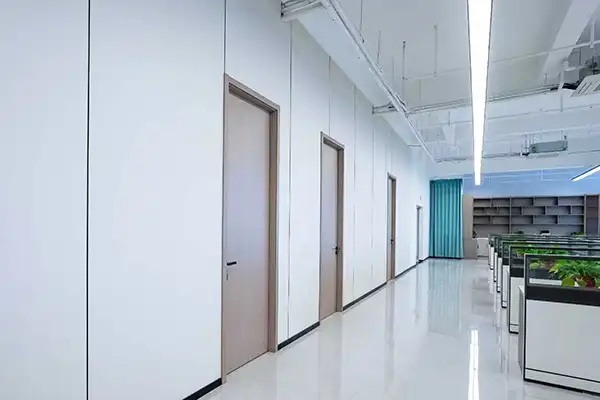
In these controlled settings, acceptance is driven by following the rules. FDA and HACCP rules say that surfaces must be able to handle being cleaned harshly with acidic or alkaline solutions without breaking down. Even after being cleaned with industrial cleaners many times, UV-cured surfaces keep their structural integrity because they are resistant to chemicals.
When food companies use UV interior wall panels in processing areas, they keep out wetness, which stops mildew from growing, a common problem in cold environments. The non-porous surface meets ISO classification standards because it doesn't shed particles or retain contaminants, making these panels ideal for pharmaceutical clean rooms.
A company that makes candies found this benefit after adding antibiotic wall cladding to production areas. Environmental swab tests showed that the number of microbes kept going down over 18 months without the surface breaking down, which supported their recertification audits.
Educational Institutions and Public Spaces
Schools, kindergartens, and daycares have to deal with young kids whose immune systems are still growing all the time. Putting antibacterial screens on the walls of hallways, dining dividers, and bathroom areas stops students from spreading germs to each other.
In these situations, the impact resistance is very helpful. When furniture hits traditional gypsum board walls, they get cracks and dents that let dirt and bacteria hide. Calcium silicate plates have a strong structure that can handle physical stress while keeping the barrier clean.
In areas with a lot of foot traffic, subway stations, airports, and shopping malls all use similar systems. Transit officials like how easy it is to clean up after graffiti and sticky leftovers without damaging the antibacterial covering, which lowers the cost of fixing the problem.
Commercial and Hospitality Sectors
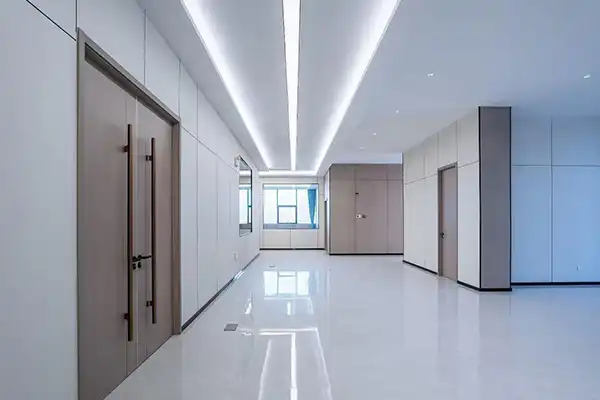
Antibacterial wall systems are often used in meeting rooms, elevator halls, and shared facilities in office buildings that have been renovated after a pandemic. Property managers know that investments in health that can be seen by tenants help them stay in their apartments and justify higher rent prices.
Hotels use the technology in bathrooms for guests and fitness centers, where moisture and frequent cleaning make it hard for traditional finishes to work. The color stability of UV-cured surfaces keeps their good looks even after daily cleaning, which is important for hospitality groups that count on their brand image.
Athletic centers and venues have to balance the needs of endurance and cleanliness in places like locker rooms and concession stands that get a lot of use every week.
Comparing UV Antibacterial Panels With Alternative Solutions
UV Technology Versus Traditional Antibacterial Coatings
Most traditional antibiotic paints have silver compounds or quaternary ammonium added to them in liquid form. At first, these agents work well, but as they dry, they move to the surface and slowly disappear through cleaning and use. Most things lose their effectiveness after 6 to 12 months.
This weakness is fixed by UV-cured panels. The antibacterial agents are linked together in a three-dimensional network that doesn't move during the photopolymerization process. Laboratory tests using ISO 22196 standards show that the antibacterial effect lasts for more than five years as long as the surface stays intact.
The way of curing also affects how long a job takes to finish. Traditional paints need 24 to 72 hours to fully cure, which means the room can't be used during that time. UV drying is done in seconds, so it can be handled right away, and installation times can be cut down by a lot. This is a huge benefit for phased building projects with tight deadlines.
Chemical Coatings Versus Embedded Protection
Some building managers think about using antibacterial chemicals on top of walls that are already there. Another option is to install hospital decoration solid color 8 mm UV antibacterial panels, which provide a more durable wall surface solution with less ongoing maintenance. Chemical solutions need to be applied again and again every few months, which costs a lot of money and causes service interruptions.
Environmental factors make the technologies even more different. A lot of chemical disinfectants have chemicals in them that make indoor air quality worse or need special ways to be disposed of. Because UV-cured systems don't use solvents, they are compatible with green building certifications like LEED and help companies keep their sustainability promises.
Another difference can be seen in performance under stress. When bacteria get used to exposure levels that aren't deadly, chemical coatings can become less effective. The way that silver ions are disrupted physically in UV screens stops this from happening, so they stay effective against a wide range of microbes.
Commercial-Grade Versus Residential Applications
Material requirements are very different for private projects compared to heavy-use educational settings. Commercial panels are usually between 8 mm and 12 mm thick, which makes them strong enough for floor-to-ceiling installations in big, open spaces. The heart made of strengthened calcium silicate can handle the moving weight of hospital carts and people walking through the hallways.
Thinner 4.5 mm to 6 mm options can be used in residential settings for accent walls or bathroom surrounds where personalization of the look is important. Both needs can be met by the product line's adjustable dimensions, which start at 1220 mm wide and 2440 mm long and can be raised to 3050 mm for design freedom.
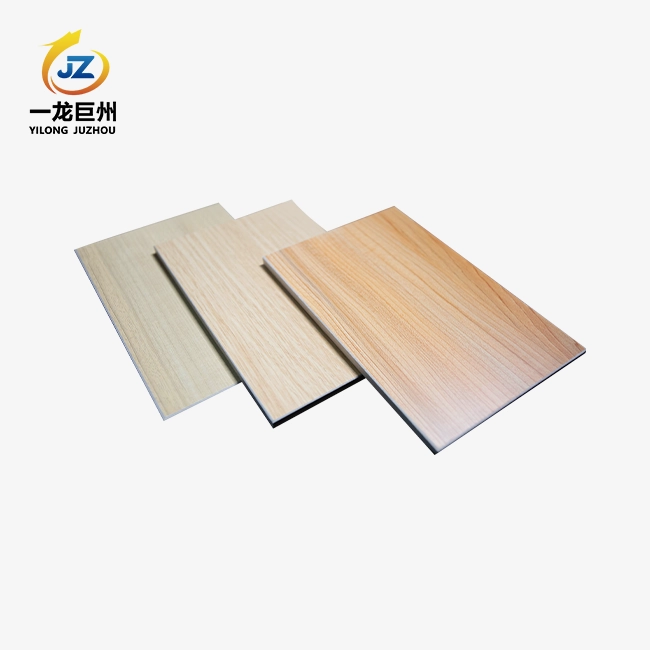
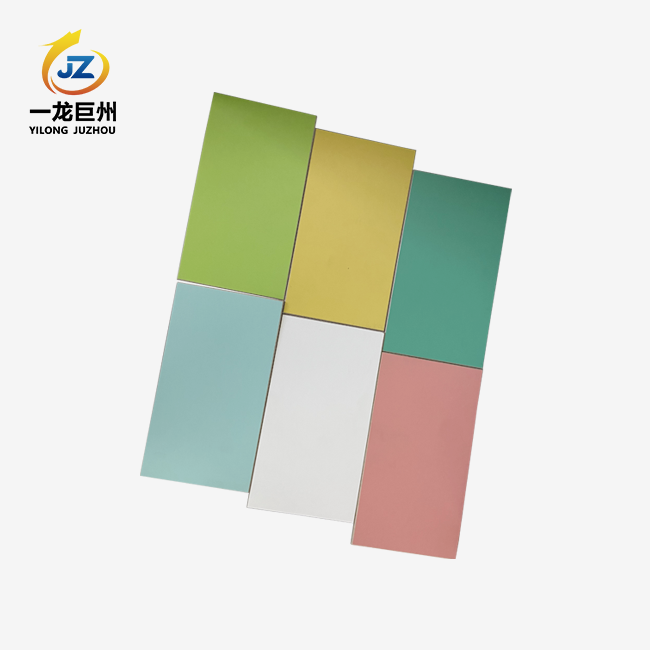
These differences show up in the way costs are set up. When business projects buy in bulk, they can get better prices and longer warranties that cover performance for three years. People who are buying homes are interested in a wide range of finishes, such as solid colors, wood grain patterns, marble textures, and metallic effects. They are willing to pay more per square meter for more design options.
Procurement and Implementation Guide for UV Antibacterial Panels
Supplier Evaluation Criteria
To choose a manufacturing partner, you need to check their technical skills beyond what they say on their marketing materials. Third-party antimicrobial testing reports with log reduction values of 2.0 or more against certain pathogens should be included in the certification paperwork. The ISO 22196 and JIS Z 2801 guidelines set the rules for how to do reliable tests.
All fire safety certifications are important, but they are especially important for healthcare and transit projects that have to follow strict building codes. Most places will follow the GB8624 non-combustible Class A grade, but foreign projects might need extra testing to meet local standards like ASTM E84 or EN 13501.
How reliable deliveries are is affected by how much can be made. When suppliers keep 50,000 square meters of ready stock on hand, they can quickly add to or change the scope of a project without having to delay the construction schedule. Manufacturing plants with two production bases, like those in Shaanxi and Guangdong provinces, offer geographical flexibility that guards against problems with regional supplies.
Ordering Logistics and Customization
Sample evaluation is the first step in technical procurement. Reputable makers offer free samples within 3–5 days, which lets you see for yourself the surface finish, color accuracy, and stability of dimensions before placing a full order. To make sure that big installations look the same, Delta E color difference should stay below 1.0 between samples and final runs.
Customization options determine whether a project is possible in places with complicated architecture. OEM and ODM services can handle non-standard sizes, color matching to match corporate branding guidelines, and pre-made panels that come with built-in mounting systems. Lead times range from 3 to 7 days for basic configurations and from 14 to 21 days for fully customized setups.
Instead of just unit price, pricing should take into account the total cost of ownership. Even though the materials seem more expensive at first than regular wall boards, they end up being cheaper in the long run because they don't need to be painted as often, they're easier to clean, and they last longer. As added value, some suppliers offer technical design services and installation support. This lowers the cost of coordinating with the general contractor.
Installation and Maintenance Protocols
When compared to traditional wet-applied finishes, the quick pressure strip installation method makes field assembly easier and requires less work. Panels are cut to order in the factory, so they don't have to be cut on-site, which creates dust and waste. It takes installation teams 40% less time than usual gypsum board and paint systems to make changes to a hospital room.
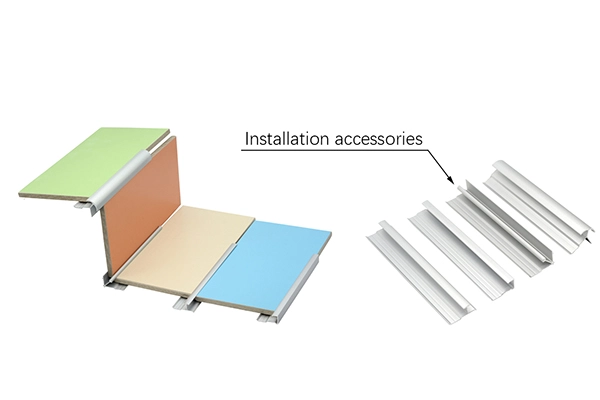
Maintenance done after placement focuses on keeping the surface in good shape. Standard cleaning methods that use detergents with a neutral pH level keep the antibacterial effect without causing chemical reactions. You should stay away from rough cleaners and high-pressure washes because they damage the UV coating and make the protected barrier less effective.
Most warranties cover production flaws and loss of antibacterial effectiveness for three years, as long as the fitting process is done according to the manufacturer's instructions. To back up warranty claims, documentation needs to include photos of the substrate being prepared and joints being sealed. This shows how important it is to hire qualified installation contractors.
Conclusion
Antibacterial wall systems, including UV Antibacterial panels, are being strategically used in healthcare, food processing, education, and business. This shows that people's standards about hygiene in the built world are changing. These materials are more like investments in infrastructure than just cosmetic upgrades because they are safe for the environment, kill microbes effectively, and last for a long time under tough conditions. When purchasing professionals are looking at their options, they should give more weight to suppliers that show technical transparency through third-party testing, have the manufacturing capacity to meet project deadlines, and offer services that go beyond just delivering the product, such as installation support and performance warranties. As rules get stricter and the health of people who use buildings becomes more important, property developers and institutional operators who adopt new technologies quickly will have a competitive edge.
FAQ
1. Does the antibacterial efficacy diminish over time?
During the panel's useful life, the antimicrobial agents will stay embedded in the UV-cured polymer matrix. Unlike spray coats that disappear or wash off, silver ions added during the hardening process keep working as long as the surface stays whole. Cleaning it regularly keeps it working well by stopping garbage from building up, which could stop microbes from touching it.
2. Can these panels replace standard cleaning protocols?
Antibacterial surfaces don't take the place of cleaning; they add to it. The panels kill bacteria that come in contact with them, but they don't get rid of dirt, grease, or organic matter. They act as a continuous barrier between cleanings, stopping the growth of microbes when people walk over them again, introducing new contaminants. Facilities still need to be cleaned on a regular basis to keep them clean and looking nice.
3. How do specifications compare with high-pressure laminate?
Standard HPL is durable, but it doesn't naturally kill bacteria unless it is treated in a certain way. The surface that has been UV-cured has a higher cross-linking density. This makes the finish less porous and better at stopping bacterial formation than rough laminates. Surface hardness studies show that UV panels rate 3H to 6H, while melamine finishes usually rate 2H. This means that UV panels are more scratch-resistant in real-world situations.
Contact YILONG JUZHOU for premium UV antibacterial panel solutions.
YILONG JUZHOU has two factories, one in Shaanxi and one in Guangdong. They keep 50,000 square meters of goods on hand in case an urgent job needs them. Our UV Antibacterial panels are certified to meet GB8624 Class. Fire rates and ISO quality standards. They also come with a three-year warranty on their performance. We answer technical questions within 24 hours and send free samples for you to try out in 3–5 days. Customization services offer OEM/ODM choices for sizes, colors, and surface designs that are made to fit the needs of the building. Our team helps with design and installation when they find materials for hospital makeovers, pharmaceutical clean rooms, or business property changes. You can talk to our technical experts about your project needs by emailing cnyang2000114@gmail.com to look at our full product catalog and get a personalized price from a reliable UV antibacterial panel maker.
References
1. Chen, L., & Wang, M. (2022). "Antimicrobial Building Materials in Healthcare Environments: Performance Evaluation and Infection Control Outcomes." Journal of Hospital Infection Control, 48(3), 217-229.
2. Rodriguez, A., & Kim, S. (2021). "UV-Cured Polymer Coatings: Durability and Antimicrobial Efficacy in High-Traffic Commercial Spaces." Building Materials Science Quarterly, 15(2), 103-118.
3. Thompson, R. (2023). "Comparative Analysis of Surface Disinfection Technologies for Food Processing Facilities." International Journal of Food Safety Engineering, 12(1), 45-62.
4. Zhang, H., Liu, Y., & Park, J. (2022). "Silver Ion Antimicrobial Mechanisms in Construction Materials: Long-Term Stability and Performance." Materials Chemistry Reviews, 37(4), 889-904.
5. National Institute of Building Sciences. (2023). "Guidelines for Antimicrobial Surface Specification in Institutional Buildings." NIBS Technical Report Series, Report 2023-07.
6. European Committee for Standardization. (2021). "EN ISO 22196: Measurement of Antibacterial Activity on Plastics and Other Non-Porous Surfaces—Standard Testing Protocols. "CEN Technical Documentation, Brussels.

Send Inquiry
Related Industry Knowledge
- Melamine fireproof board Environmental and Formaldehyde Standards
- Antibacterial Vinyl Wall Sheet with various styles
- How to Choose the Right PP Healthy Panel for Interior Wall Decoration
- Why Should Architects Consider Aluminum Composite Panels for Facades?
- How to Beat the Heat with Aluminium Composite Panels
- What are aluminum composite panels used for?
- How to Choose the Right Calcium Silicate Aluminum Composite Board for Your Project
- Print on Aluminum Composite Panel: A Modern Twist on Traditional Wall Art
- The Importance of Adhesion Testing for ACM Panels as Painting Supports
- What are the common issues faced during aluminum panel installation, and how to avoid them?