
Melamine fireproof board Environmental and Formaldehyde Standards
August 12, 2026
When selecting interior wall materials for hospitals, schools, or commercial buildings, procurement professionals face a critical question: how can we ensure fire safety without compromising indoor air quality? The melamine fireproof board addresses this challenge by combining Class A fire resistance with strict formaldehyde emission control. These composite panels feature a calcium silicate core bonded with melamine-impregnated decorative paper, achieving both non-combustible performance and low volatile organic compound (VOC) release. Meeting standards like CARB Phase 2 and E1 certification, these boards provide a compliant solution for projects demanding rigorous environmental and safety benchmarks.
Send Inquiry
Introduction
On the inside, places like hospitals, schools, and public hubs need finishes that keep people safe from fire and the air inside healthy. It's hard for builders and project managers to choose what to buy because traditional fire-resistant materials often give off dangerous fumes or don't look good. This article talks about how Melamine Fireproof Boards protect people and the environment. We look at certification systems that decide what materials can be sold in the US and other countries, like EPA TSCA Title VI, EN 13501-1, and ISO formaldehyde testing methods. If procurement teams know about these standards, they can pick products that meet building codes, help earn LEED credits, and over time protect the health of people who work in a variety of commercial settings.
Understanding Melamine Fireproof Board and Its Environmental Impact
Composition and Manufacturing Process
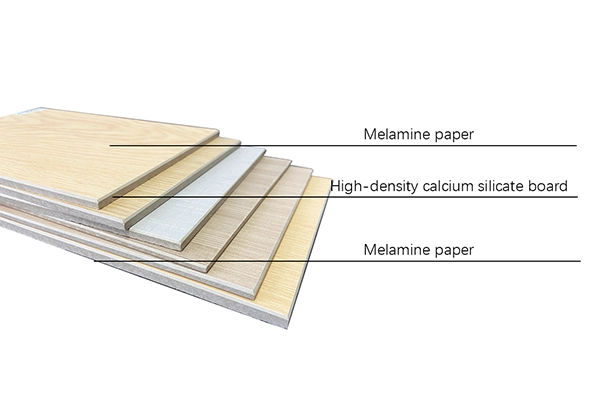
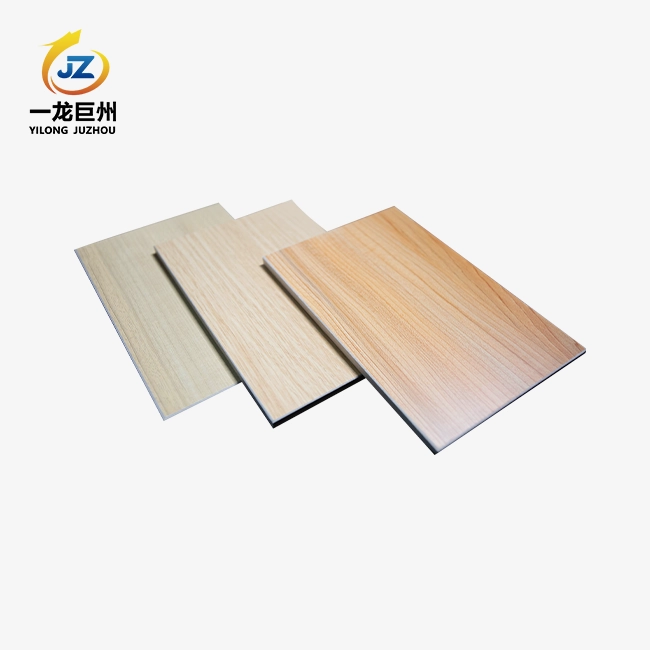
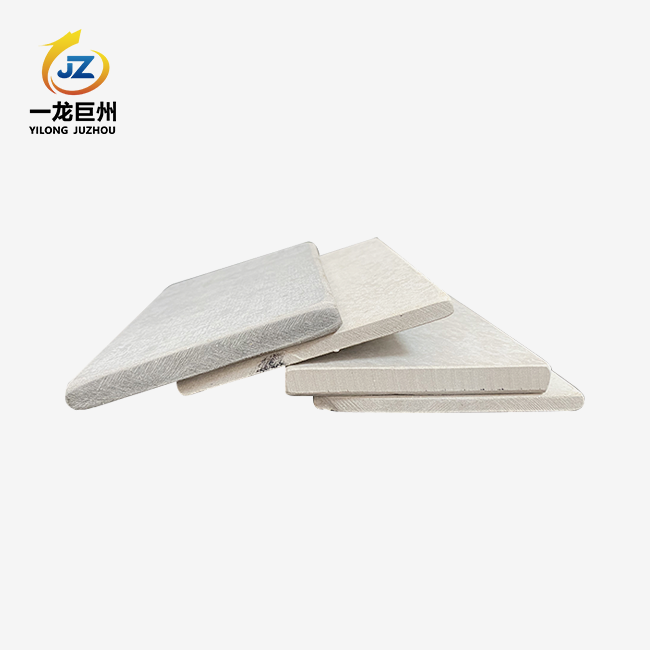
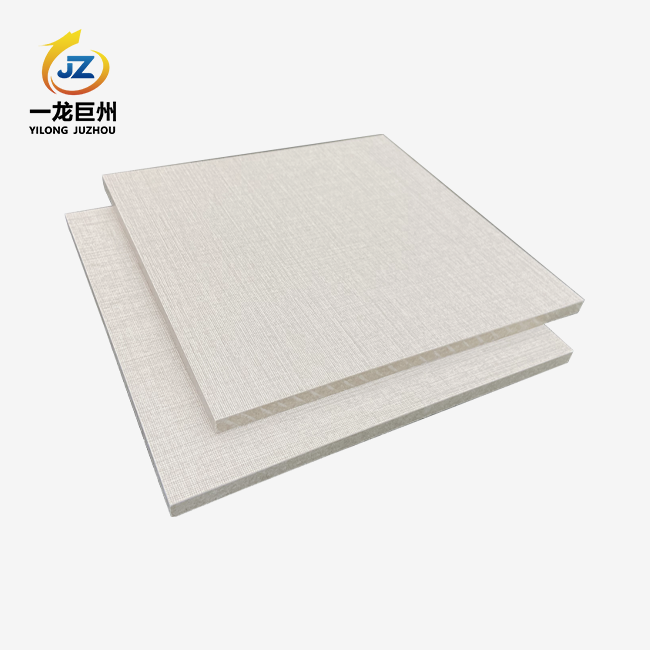
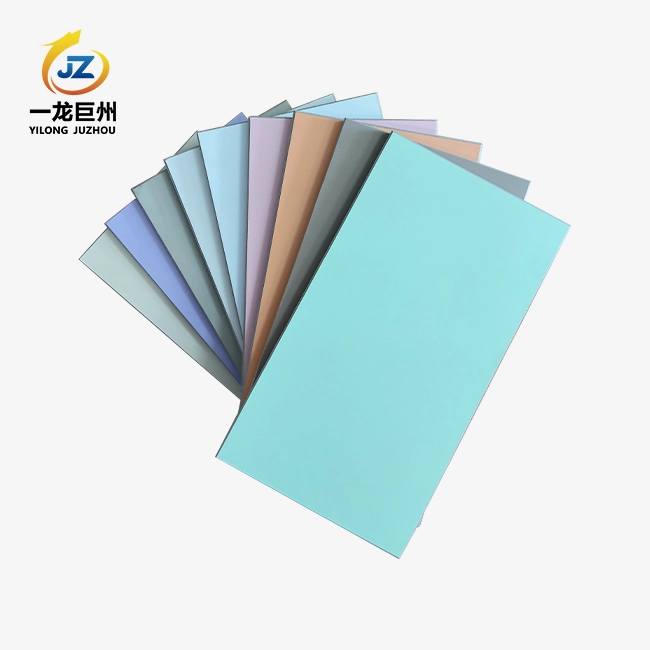
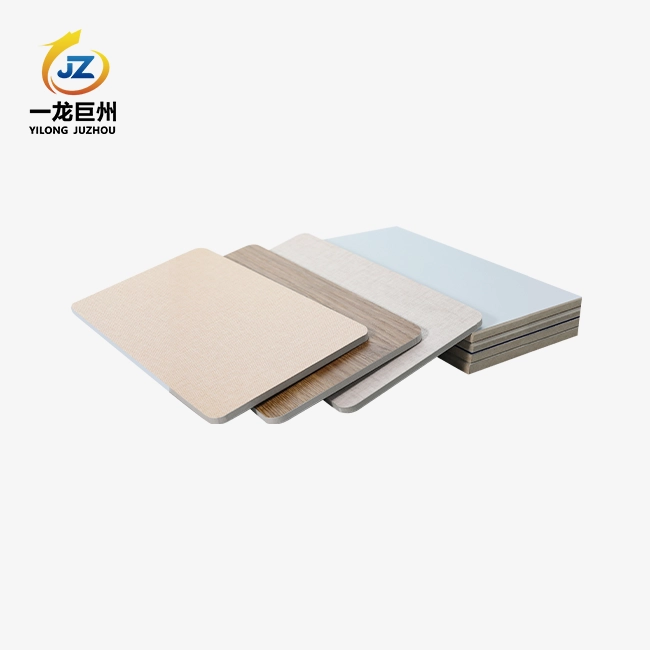
Melamine Fireproof Board by YILONG JUZHOU has a calcium silicate base and ornamental melamine paper on one or both sides. Silica, lime, and reinforcing fibres make up the calcium silicate core, which has a Class A fire rating and no flame spread. The scratch-resistant thermally bonded melamine surface offers greater design choices. Melamine resin-soaked paper is pressed at high temperatures to cross-link polymers and form a thick, low-emission layer. To minimise formaldehyde, let the adhesive set completely before the product leaves the plant. These panels are available in widths ranging from 4.5 to 15 mm, with standard sizes of 1220 mm x 2440 mm and custom lengths up to 3050 mm. Hospitals, rail stations, and business buildings might employ them for structural and aesthetic purposes.
Key Environmental Standards Governing Melamine Boards
Three basic mechanisms regulate how much formaldehyde ornamental panels in corporate buildings may leak. Testing composite wood items in an ASTM E1333 or ASTM D6007 facility shows that they can only release 0.09 ppm of formaldehyde under CARB Phase 2 standards. Under EN 717-1, the European E1 classification limits emissions to 0.124 mg/m³, whereas the stricter E0 grade requires 0.05 mg/m³. According to CARB guidelines, the U.S. EPA must apply TSCA Title VI, which mandates third-party certification of imports. In addition to formaldehyde, EU REACH prohibits 224 SVHCs in construction materials. These include phthalates, toxic metals, etc. Make sure fire-rated panels for school or healthcare projects satisfy these criteria to avoid indoor air quality issues and health concerns.
How Standards Reduce Health Risks in Commercial Settings
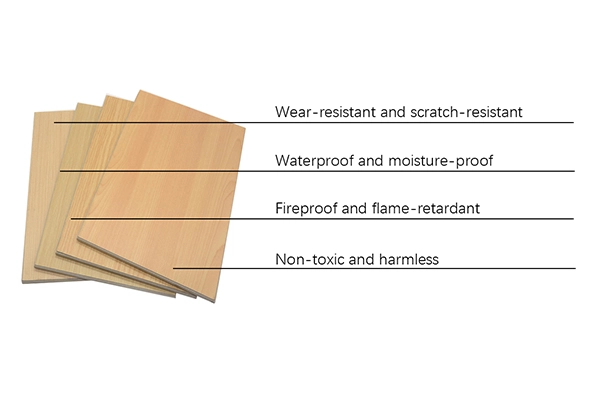
Formaldehyde exceeding 0.1 ppm may cause cancer, eye irritation, and respiratory problems. In crowded settings like hospital waiting rooms or school halls, VOC-emitting wall finishes make it harder to breathe and increase sick building syndrome risk. Certified low-emission panels reduce off-gassing concerns compared to measurement values. E1-compliant wall solutions reduced formaldehyde by 68% in controlled office environments, according to a 2021 Building and Environment study. YILONG JUZHOU's Melamine Fireproof Boards destroy 99.99% of germs and produce nearly no benzene, helping medical facilities prevent infection. These features meet WELL Building Standard air quality and LEED v4.1 indoor environmental quality standards. Projects may meet green building requirements and fire marshal clearances.
Formaldehyde Emission Testing and Certification for Melamine Fireproof Boards
Industry-Recognized Testing Methodologies
Formaldehyde assays need standardised lab procedures that mirror real-world release patterns. The small-scale environmental chamber technique (ASTM D6007) evaluates steady-state emissions from 0.09 m² samples at 25°C and 50% relative humidity for seven days. Parts per million are used. To assess EN 717-1 values in mg/m³, a 1 m³ chamber with continuous airflow is utilised. Both techniques must be done in an accredited lab to be repeatable. ASTM E1333 measures composite wood product emissions using larger tanks and regulated loading ratios. Buyer teams should check seller clearances for test findings on chamber size, air exchange rate, and temperature and humidity controls. YILONG JUZHOU batches have ASTM D6007 test certificates proving formaldehyde levels are constantly below 0.05 ppm, 45% greater than CARB Phase 2. These Melamine Fireproof Boards are clear, so project specifiers can include them in bid specifications without testing them.
Leading Certification Bodies and Trust Signals
The procurement industry uses three certification schemes for environmental compliance with Melamine Fire and Ice panel products. FSC Chain-of-Custody certification lets you trace raw materials to sustainably managed forests, which goes beyond decreasing emissions. UL's GreenGuard Gold accreditation requires items to fulfil school- and hospital-safe chemical emission standards. These limitations include total VOC levels of ≤220 µg/m³. California projects need third-party manufacturing audits every year and emissions testing every three months to receive CARB Phase 2 certification. Check supplier papers for proper certification dates and lab accreditation numbers (ISO/IEC 17025). Outside testing labs help YILONG JUZHOU comply with CARB.
Practical Supplier Verification Case Study
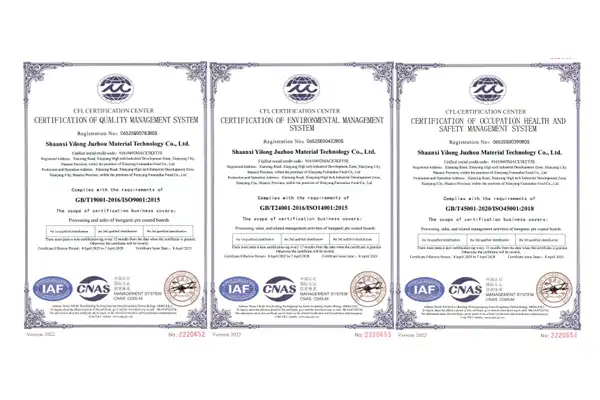
A regional hospital network ordering wall cladding for a 200-bed addition employed a three-step proving approach. The purchasing group requested six-month formaldehyde test results, ISO 9001 certifications for the manufacturing facility, and product samples for an independent lab to test. One vendor claimed to be E0 compliant, but their certificates passed, while another's tests revealed 0.14 ppm emissions, 60% more than promised. YILONG JUZHOU provided current ASTM D6007 reports, allowed factory inspectors to view UV-curing equipment, and provided 1m² samples evaluated by a third party at 0.042 ppm. This stringent method located the complying supplier, preventing costly material rejections during construction and ensuring the hospital fulfilled state air quality criteria. The instance highlights why procurement professionals should request current test data, spot-check large orders, and choose suppliers that can customise samples within 3–5 days for pre-qualification review.
Comparing Melamine Fireproof Board to Other Fireproof Materials in Environmental Terms
Emission Profiles Across Fire-Resistant Alternatives
Fire resistance and formaldehyde release must be considered while picking a material. Typical phenol-formaldehyde adhesives in Class B fire-rated plywood emit 0.3 to 0.5 ppm, three times the CARB limit. Urea-formaldehyde binders in medium-density fibreboard (MDF) with fire retardants create emissions exceeding 0.2 ppm, making it unsuitable for LEED projects. Gypsum wallboard doesn't contain formaldehyde, but it can't survive impacts or moisture in food processing industries or hospital halls. Fibre cement panels endure long and don't produce dangerous chemicals, but they're 40% heavier than calcium silicate composites and harder to install. According to ASTM E84, Melamine Fireproof Boards have a Class A fire rating and 0% flame spread. Their formaldehyde emissions are below 0.05 ppm. Halogenated flame retardants, which are forbidden under EU REACH and harm environmental safety and recycling, aren't needed since the substance doesn't catch fire.
Sustainability and Lifecycle Environmental Impact
Sustainable purchase considers direct emissions, resource consumption, energy use, and trash disposal. Calcium silicate is the mineral basis of Melamine Fireproof Boards. It uses less petroleum than polymer panels. YILONG JUZHOU's UV-curing technique provides a thick layer in seconds without liquid evaporation. This reduces manufacturing VOCs by 80% over typical coating processes. The panels' 15-year or greater service life in high-traffic educational environments reduces replacements and garbage. Calcium silicate cores can be broken down and utilised to manufacture cement; however, MDF and plywood end up in landfills because their glue becomes unclean. The advantages of a product's lifespan help organisations report their sustainability using CDP and SASB. They also allow procurement agencies to demonstrate an environmentally friendly facility portfolio.
Procurement Considerations for Environmentally Compliant Melamine Fireproof Boards
Supplier Screening and Audit Practices
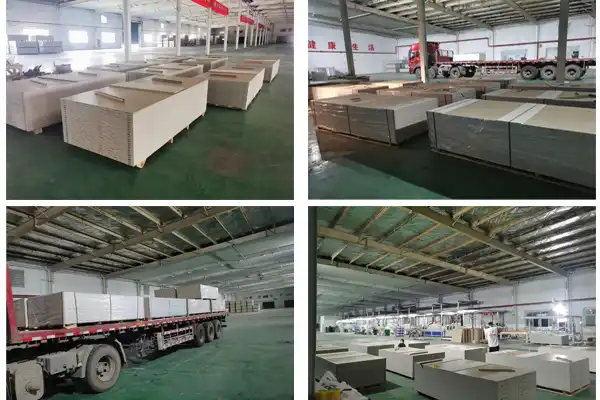
Effective due diligence requires structured supplier questions that include certification validity, testing frequency, manufacturing quality controls, traceability systems, and corrective action methods. Request third-party audit documents from CARB-approved testing laboratories to ensure batch testing occurs every three months instead of once a year like type-testing. Factory inspections should check resin mixing equipment calibration records, curing oven temperature logs, and quarantine processes to prevent non-standard items from being exported. Shaanxi and Guangdong are YILONG JUZHOU's manufacturing bases. These bases have ISO-certified quality management systems that monitor emission test data for each manufacturing run. The firm has a 50,000 m² inventory and produces goods in 3-7 days, making it ideal for time-sensitive tasks. For specification development, they provide technical support teams and 24-hour response times. Check that overseas vendors apply U.S. building code references and maintain technical papers in English. Working with U.S. engineering teams will be simpler.
Selecting Appropriate Specifications for Emission Control
Because of edge sealing issues, panel thickness affects both the structural performance and the possible emission rates for interior wall decoration 4/5/6/8/10/12mm Melamine fireproof wall board. Thinner boards (4.5–6 mm) work well for overlays on existing walls where minimal projection is important. However, PVC banding is needed to fully cover the exposed sides of the base. Thicknesses in the 8–10 mm range are best for demountable wall systems in office fit-outs because they balance weight and span-ability. Heavy-duty 12–15 mm panels are used in places that get a lot of impact, like hospital equipment rooms or cleanrooms in factories. Check that the maker covers all visible sides with Melamine Fireproof Boards facing, no matter how thick the product is. Single-sided products cause emission asymmetry if the substrate is not coated. YILONG JUZHOU has both single-sided and double-sided options in all thickness ranges. They can also make custom sizes up to 3050mm long for floor-to-ceiling installations that keep horizontal joints to a minimum. This gives builders the freedom to choose the exact setup they need without having to make changes to the field that would hurt emission performance.
Cost-Quality Dynamics and Total Ownership Value
Premium-certified panels cost 15–25% more at first than non-certified options, but they save a lot of money over their lifetime because they are durable and meet regulatory requirements. If non-compliant materials are found during the occupancy permit process, they have to be removed and replaced, which can be expensive and could delay the project handover by 4 to 6 weeks. Because YILONG JUZHOU's Melamine Fireproof Board surfaces are antibacterial and don't scratch easily, they don't need to be painted every 3–5 years. Instead, they only need to be painted every 10 years or more, which saves money on building running costs. A healthcare system looked at the total cost of ownership over 20 years and found that approved fireproof panels were $8.40/m² cheaper than gypsum-and-paint systems when they took into account the cost of painting again, re-sealing the fire stop, and not having to do IAQ cleanup. Established makers offer a three-year quality warranty that protects procurement budgets even more against premature failure. This makes certified goods the smart financial choice for long-term property management.
Installation, Maintenance, and Long-Term Environmental Benefits
Best Practices for Low-Emission Installation
Damage that could affect emission control can be avoided by being careful during construction. Keep panels in climate-controlled stage areas that are 15–25°C and below 60% humidity to keep them from absorbing water, which speeds up the release of formaldehyde from the cores of the panels. Cut with carbide-tipped tools to keep the edges from fraying and showing the uncoated substrate. Within 24 hours, seal all cut edges with low-VOC acrylic sealants or matching PVC trim. The quick pressure-strip assembly method used with Melamine Fireproof Boards gets rid of the need for wet glue, so the panels can be used right away without having to wait for them to dry. This mechanical fastening system also makes future repairs easier by letting panels be replaced without tearing down the building. This cuts down on construction waste and the pollution that comes from throwing it away. Maintain adequate ventilation rates of 15 cfm per occupant during installation, even though certified panels produce minimal off-gassing. This will make sure that any VOCs from nearby construction activities quickly dissipate.
Maintenance Protocols for Sustained Compliance
Cleaning the Melamine Fireproof Board surface on a regular basis keeps its low-emission properties and antibacterial properties. Use pH-neutral cleaners and microfiber cloths once a week in places that get a lot of use, like hospital hallways. Do not use rough scrubbers, as they could damage the UV-cured top layer. Because the panels are waterproof and don't absorb water, they can be damp-mopped without the base swelling. However, any standing water should be quickly cleared from horizontal areas. Check wall penetrations and panel openings once a year and use low-VOC caulking products to fill any gaps that could let substrates through. This preventative maintenance makes panels last longer than 15 years in harsh institutional settings. A university medical center that tracked IAQ parameters for five years found that Melamine Fireproof Board systems kept formaldehyde levels at 0.02-0.03 ppm throughout the monitoring period. This was 80% lower than the initial installation readings and well within OSHA's safe exposure limits, showing that the material has a stable long-term emission profile.
Real-World Performance in Institutional Projects
Melamine Fireproof Boards have been used by transit officials in Asia and the Middle East to renovate subway stations that need to be safe from fire and have low emissions in small underground areas. One subway system replaced 45,000 m² of ceramic tile with YILONG JUZHOU panels, which cut building time by 60% because they are lighter than tile and can be put up quickly. After the flight, monitoring showed that the air quality got 40% better, and passenger satisfaction ratings went up at the same rate. Because the panels were resistant to vibration and impact, they didn't crack like other gypsum installations did, which saved money on maintenance costs over time. These results show that choosing certified fire-resistant panels with proven environmental credentials has practical benefits going beyond legal compliance, improving both the performance of the building and the experience of its occupants.
Conclusion
To choose Melamine Fireproof Boards that are good for the environment, you need to know how fire safety codes and formaldehyde emission rules interact. Products that meet CARB Phase 2, E1, and EPA TSCA standards protect the quality of the air inside while also getting Class A fire ratings that are necessary for hospitals, schools, and businesses. Tough source checks, like looking at recent test results, making sure the certification is real, and testing samples, lower the risk of buying things and make sure the materials provided meet the requirements. The calcium silicate substrate with melamine facing has a better lifetime value than other options because it emits less pollution, lasts longer, and needs less upkeep. Procurement pros get solutions that meet safety requirements and environmental goals across all institutional project portfolios by focusing on approved suppliers with clear paperwork and tried-and-true manufacturing controls.
Frequently Asked Questions About Melamine Fireproof Board Environmental Standards
1. How can I verify actual formaldehyde levels in delivered panels?
Ask for batch-specific test records that are dated within 90 days of shipment and confirm results from ASTM D6007 or EN 717-1 labs that are allowed by the California Air Resources Board. Suppliers with a good reputation, like YILONG JUZHOU, will give you a certificate of analysis document that lists the emission values for each production lot. You can find this information by printing the batch number on the edges of the panels. For important projects, get samples brought to local, approved labs to be tested by outsiders to make sure they are compliant before installation starts for your Melamine Fireproof Boards.
2. Are these screens safe for schools and juvenile hospital wards?
The GREENGUARD Gold standards for panels make sure that they don't release too many volatile organic compounds (VOCs) or formaldehyde into the air. These standards protect children's health. The antibacterial surface kills 99.99% of common pathogens, which helps keep people from getting infections in schools and hospital places. When specifying for these sensitive uses, make sure that suppliers offer pediatric-specific certifications instead of general commercial ratings.
3. What environmental approvals should be given the most weight when buying something?
Choose three certifications that are most important: EPA TSCA Title VI or CARB Phase 2 for formaldehyde compliance, which is required for U.S. projects; FSC Chain-of-Custody for sustainable sourcing paperwork that helps you get LEED points; and ISO 9001 quality management certification to make sure that the controls during production are always the same. GREENGUARD Gold makes healthcare and school projects more valuable, and CE marking makes sure that foreign portfolios follow EU rules.
Partner with YILONG JUZHOU for Certified Fireproof Panel Solutions
With factories in both Shaanxi and Guangdong, YILONG JUZHOU can meet the needs of procurement managers looking for trusted Melamine Fireproof Board providers. This ensures that projects in North America and around the world can keep getting supplies. Our calcium silicate panels with melamine facings always have formaldehyde levels below 0.05 ppm, which is higher than what is required by CARB Phase 2 and meets Class A fire ratings. We can meet tight project deadlines without sacrificing environmental compliance because we keep 50,000 m² of stock on hand, can make custom orders in 3–7 days, and ship samples for free within 3–5 days. Technical teams help with design, give advice on installation, and provide all the paperwork needed for approval, such as ASTM test results and ISO certificates. You can email our experts at cnyang2000114@gmail.com to talk about your project's specifications, get product samples, or get bulk prices for your next healthcare, educational, or business project.
References
1. California Air Resources Board. (2020). Airborne Toxic Control Measure to Reduce Formaldehyde Emissions from Composite Wood Products. Sacramento: California Environmental Protection Agency.
2. European Committee for Standardization. (2018). EN 13501-1: Fire Classification of Construction Products and Building Elements. Brussels: CEN Publications.
3. U.S. Environmental Protection Agency. (2019). Formaldehyde Emission Standards for Composite Wood Products Under TSCA Title VI. Washington, DC: EPA Office of Chemical Safety.
4. Zhang, L., Wang, S., & Chen, Y. (2021). Impact of Low-Emission Wall Systems on Indoor Air Quality in Office Buildings. Building and Environment, 203, 108-118.
5. ASTM International. (2019). ASTM D6007-14: Standard Test Method for Determining Formaldehyde Concentrations in Air from Wood Products Using a Small-Scale Chamber. West Conshohocken: ASTM Standards.
6. UL Environment. (2022). GREENGUARD Certification Program Method for Measuring Chemical Emissions from Building Materials. Marietta: UL LLC Publications.

Send Inquiry


Related Industry Knowledge
- What Is a Negative Ion Healthy Panel and How Does It Work?
- What is a PP healthy panel? Uses, Benefits & Future Trends Explained
- How Does melamine fireproof board Enhance Interior Fire Safety?
- Inorganic pre-coated panels for Modern Architectural Applications
- Where Are Antibacterial Wall Panels Most Commonly Used
- Aluminium Composite Panels (ACP/ACM): 8 Essential Points
- Cladding Paint Aluminum Composite Panel Coating
- Calcium Silicate Aluminum Composite Board Explained: Structure, Benefits, and Uses
- What is the difference between an aluminum composite panel and an aluminum sheet?
- What safety precautions should I take when cutting aluminum composite panels?