
Exterior wall ACP panel: Benefits, Uses, and Design Options
September 11, 2026
When specifying cladding materials for commercial facades, the exterior wall ACP panel has become a preferred solution among architects, procurement managers, and construction engineers across the United States. Composed of two aluminum skins bonded to a fire-resistant mineral core, these aluminum composite panels deliver a compelling balance of structural performance, design flexibility, and long-term cost efficiency. Whether you are managing a high-rise office retrofit or sourcing materials for a healthcare campus, understanding what ACP facade cladding offers can significantly sharpen your procurement decisions.
What Is an Exterior Wall ACP Panel?
Panel Composition and Core Materials
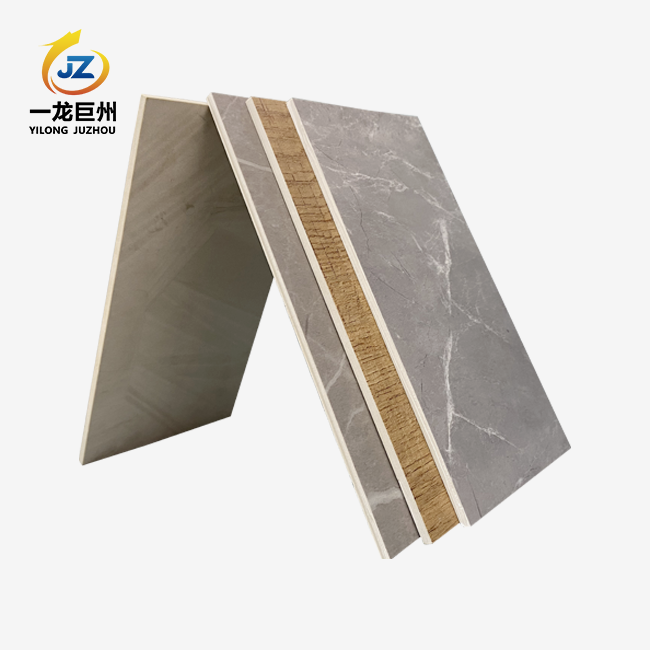
Aluminum composite panels are constructed by permanently attaching two sheets of aluminum alloy to a core that is not made of aluminum. These sheets are then bonded together to form the panel. In most cases, the thickness of the sheets ranges from 0.1 to 0.5 millimeters. The fundamental nature of the substance is the most essential item. It is common practice to employ Class A2 non-combustible mineral cores or Class B1 fire-retardant cores for applications that take place outdoors. These cores must comply with stringent building requirements such as NFPA 285, which regulates the manner in which flames spread in outdoor wall assemblies.


The typical lengths of YILONG JUZHOU panels are 1220, 1500, and 2000 millimeters, and the thicknesses of these panels are 2, 3, 4, 5, and 6 millimeters. Due to the fact that panel lengths may be altered to any length, including heights of more than three meters, it is feasible to cover the façade of large structures without leaving any gaps. For continuous facade covering, the outside wall ACP panel offers a strategic advantage that benefits the overall design.
Surface Coating: Polyester Paint Finish
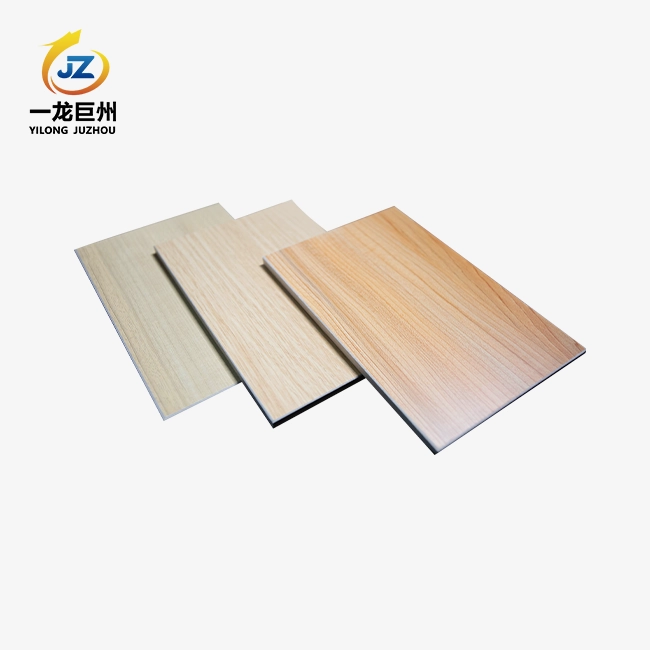
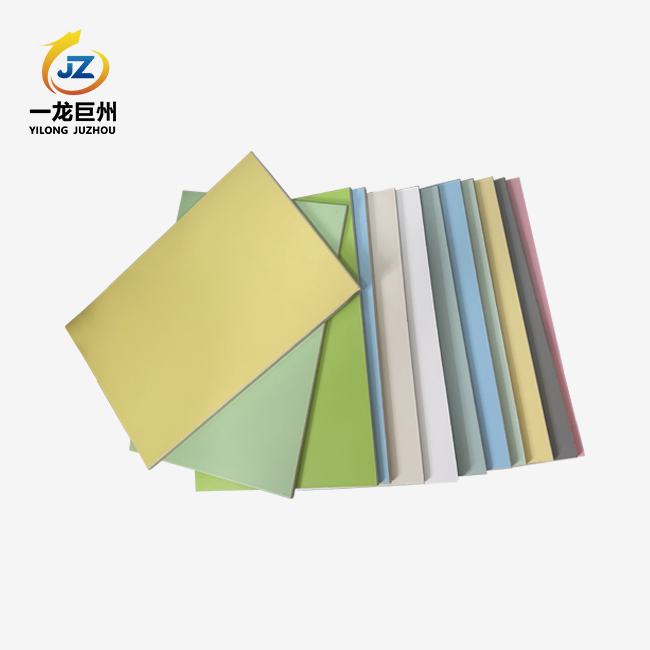
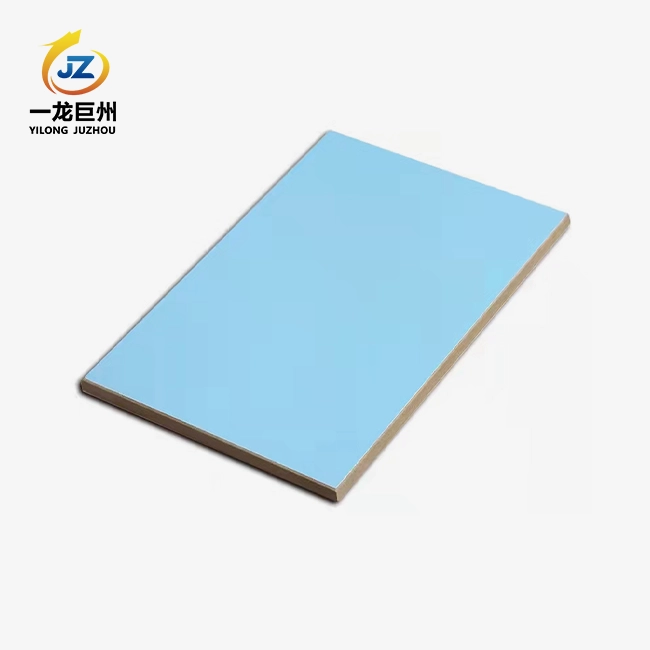
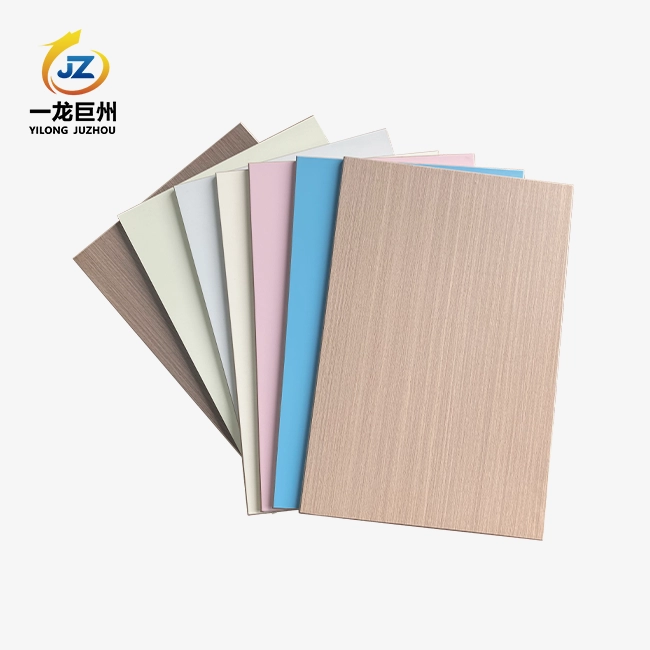
A polyester paint coating is applied to the top layer of the outside cladding panels that are used by YILONG JUZHOU. It is possible to use any solid color that corresponds to the Pantone chart for this coating. When applied to extended lines of panels, this finish is a dependable method of protecting against fading, and the vibrant colors remain consistent throughout the whole run. The maintenance of color uniformity from batch to batch, as shown by Delta E values that are lower than 0.8, ensures that enormous building facades seem cohesive with one another.
Key Benefits of Aluminum Composite Cladding
You have to weigh efficiency against lifetime cost when picking the right material for a facade. Here are the main reasons why exterior ACP panels are a good choice from a strategic point of view:

- Class A2/B1 Fire Resistance: Panels have recognized fire safety classes, which are necessary for projects in business, healthcare, and institutions that need to follow IBC and NFPA rules.
- Waterproof, Moisture-Proof, and Mildew-Resistant: The composite structure stops water from getting in and biological growth from happening, which is a big plus in humid coastal areas or wet-process industrial settings.
- Lightweight Structural Load: A typical 4 mm panel weighs about 5.5 kg/m², which is about 70% less than stainless steel siding. This means that supporting structures don't have to carry as much weight, and the cost of the subframe goes down.
- Formaldehyde-Free, Odorless, and Radiation-Free: These panels meet environmental protection standards and are therefore green building materials that can be used in hospital settings and LEED-certified projects.
- Fabrication Flexibility: Panels can be drilled, nailed, bent, and routed without the risk of delamination, which lets architects make complex geometric wall shapes and curved architectural features.
- Durability Without Fragility: Unlike glass or fiber cement, the aluminum composite structure doesn't break when it gets hit. This means that the building will require less maintenance over its lifetime.
There is less work to do during installation, longer-term upkeep costs are lower, and official tender entries require stronger compliance paperwork packages.
Applications Across Commercial and Industrial Sectors
Due to the fact that it is so versatile, the Exterior wall ACP panel may be used on a wide variety of building types. For procurement teams that are in charge of a wide variety of projects, the fact that a single panel system may be utilized for more than one item at the same time is a helpful feature.
ACP facade panels are often used in the commercial construction industry for the outside of a variety of structures, including office buildings, hotels, retail malls, rail stations, soccer stadiums, and airport facilities. Due to the fact that they are so lightweight, they are ideal for use in emergency situations when it would be prohibitively costly to reinforce the structure in order to hold heavier cladding.
Healthcare and government facilities, such as hospitals, clinics, schools, and government buildings, benefit the most from the material's capacity to be readily cleaned and its absence of formaldehyde and odor, which enables it to fulfill regulations for the cleanliness of the air within the structure. The capacity to combat moisture and mold is highly appreciated in high-humidity working environments, such as those found in pharmaceutical enterprises, food processing factories, and tunnel interiors. This is because it prevents the surface from deteriorating over time.
Two factories are located in Foshan, Guangdong, and Xianyang, Shaanxi, respectively, and are owned by international distributors such as YILONG JUZHOU. These distributors are seeking items to market in Asia, the Middle East, and Africa. Both of the enterprises generate a large quantity of items on a constant basis and have a standing stock of 50,000 square meters.

Design Options and Installation Guidance
Color and Finish Customization
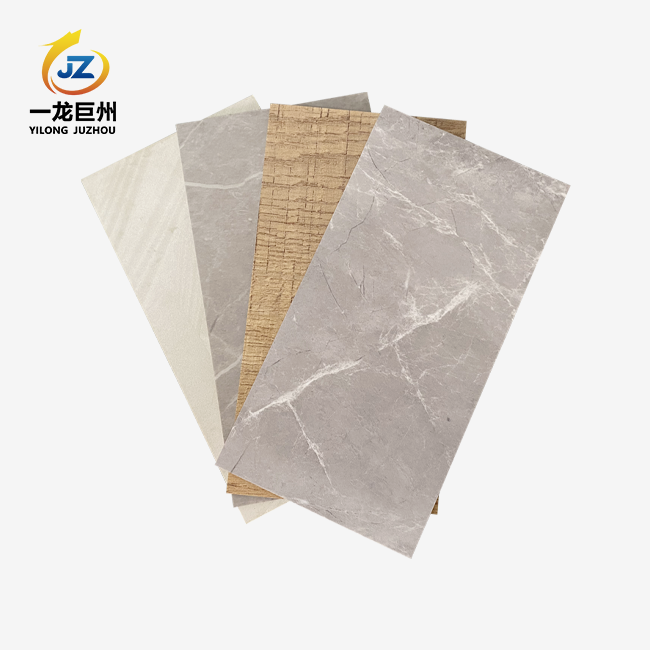
A real strength of the exterior wall ACP panel is that it can be used in a lot of different ways. YILONG JUZHOU has solid colors that are exactly matched to the Pantone chart. This lets architects choose exact brand colors or colors that go with curtain wall systems. Because OEM and ODM are available, builders can get panels with unique sizes, finishes, and packaging arrangements to meet the needs of their individual projects.
Installation Best Practices
How well a wall panel system works over time depends on how well it was installed. ACP panels need an aluminum or galvanized steel sub-frame that is properly aligned and leaves a space for airflow behind the panel face. This rainscreen principle controls the flow of moisture vapor, allows for thermal expansion, and stops corrosion behind the cladding that is caused by condensation. While rivets and other fixings should not be over-tightened, panels should be fixed with enough room for growth. If they are, the surface can become wavy, a condition known as "oil-canning." YILONG JUZHOU helps engineering teams with design and installation during the planning phase, which cuts down on costly mistakes that happen on-site.

Maintenance, Cleaning, and Longevity
Aluminum composite facades are made to be low-maintenance. The polyester layer can be kept in good shape by cleaning it once a year with clean water and a neutral soap (pH 6–8) and a soft cloth. If you want to keep the paint layer in good shape, don't use alkaline or solvent-based cleaning. Visual checks should be done regularly, at least every six months. This way, building managers can spot problems like sealant wearing down or fastener movement before they get worse and need structural repairs.
YILONG JUZHOU guarantees the quality of its products for three years and offers after-sales support after the sale, such as ordering replacement panels and getting samples, which are usually sent out within three to five days. Procurement managers can trust this service infrastructure to help them build long-term contracts for the Exterior wall ACP panel.
How to Choose the Right ACP Cladding Panel for Your Project
To begin the process of selecting the appropriate standard for your outside wall ACP panel, you must first ensure that you have a thorough understanding of the fire safety requirements of the project. Cores that are designated A2 cannot be flammable and are required for high-rise and hospital construction projects. Mid-rise commercial buildings are permitted to have fire-retardant cores of type B1 according to local building rules. Checking the thickness of the panels, which is typically 4 millimeters for exterior walls, against wind load estimations for the building's height and location is something that should be done periodically.
Furthermore, the dependability of the provider is of utmost significance. YILONG JUZHOU has certifications from both the International Organization for Standardization (ISO) and the European Union (CE). Because of this, they are able to get the necessary papers for official tender assessments. The cities of Shenzhen, Guangzhou, Shanghai, and Qingdao all have ports that are capable of exporting water, and there are also land transit routes available via Xi'an, Guangzhou, Shenzhen, and Foshan. Buyers from other countries now have a variety of options for obtaining their items.
Conclusion
Aluminum composite panels have become a popular choice for building facades because they meet real architectural and purchasing needs, such as fire safety requirements, weight reduction, design freedom, and long-term sturdiness. YILONG JUZHOU makes exterior wall ACP panels with a Class A2/B1 rating that are waterproof, don't contain formaldehyde, and can be made in any size or color. The company is a reliable supplier for business developers, institutional clients, and foreign wholesalers looking for quality facade solutions because it has two production bases, certified quality management, and quick-response technical support.
FAQ
1. What is the difference between A2 and B1 fire-rated ACP panels?
A2-rated panels have a mineral core that can't catch fire and meet the best fire safety standard for building facades. This standard is required by most high-rise and healthcare building rules in the US and Europe. B1-rated panels have a fire-resistant core that keeps the flame from spreading but still has some flammable material in it. YILONG JUZHOU offers both grades; the right one to use depends on the height of the building, the type of occupancy, and the rules in your area.
2. Can ACP facade panels be custom-sized for non-standard projects?
Yes, YILONG JUZHOU lets you change the length of the panels to any length you want, even ones that are taller than 3 meters. The standard widths are 1220, 1500, and 2000 mm. OEM and ODM production are both possible, which means that finishes, colors, and packaging can be made to fit the needs of each project.
3. How do I clean and maintain an aluminum composite facade?
A soft cloth and water mixed with a neutral cleanser (pH 6–8) once a year are enough to clean it. Do not use rough tools or chemical cleaners on the surface covering because they can damage it. To find early signs of wear, sealant joints and fastener conditions should be checked every six months.
4. Does YILONG JUZHOU offer free samples?
Yes, you can get free samples, which are usually sent out 3 to 5 days after you ask for them.
Partner With YILONG JUZHOU — Your Trusted Exterior Wall ACP Panel Supplier
YILONG JUZHOU provides approved, high-performance aluminum composite cladding panels that are made for tough industrial and business jobs. We help procurement teams from the specification stage all the way through delivery with OEM/ODM capabilities, free samples, and a 3-year quality guarantee. Get in touch with us right away to get a free trial or talk about placing a large order. You can email cnyang2000114@gmail.com for your next exterior wall ACP panel project.
References
1. National Fire Protection Association. (2022). NFPA 285: Standard Fire Test Method for Evaluation of Fire Propagation Characteristics of Exterior Non-Load-Bearing Wall Assemblies Containing Combustible Components. NFPA.
2. ASTM International. (2021). ASTM D2244: Standard Practice for Calculation of Color Tolerances and Color Differences from Instrumentally Measured Color Coordinates. ASTM.
3. Aluminum Association. (2020). Aluminum: The Element of Sustainability. The Aluminum Association.
4. American Architectural Manufacturers Association. (2017). AAMA 2605: Voluntary Specification, Performance Requirements and Test Procedures for Superior Performing Organic Coatings on Aluminum Extrusions and Panels. AAMA.
5. SGS Group. (2023). Building Materials Certification and Testing Services. SGS.
6. U.S. Green Building Council. (2023). LEED v4.1 Building Design and Construction Reference Guide. USGBC.

Send Inquiry


Related Industry Knowledge
- Coated Aluminum Composite Panel: Key Benefits
- What Is a PE aluminum composite board?
- Aluminum Composite Panel vs. Solid Aluminum: Which Is Better?
- ice fireproof board Structural Composition and Material Science
- Coated Aluminum Composite Panel: Structure, Features, and Applications Explained
- UV Antibacterial panels for Hospitals and Cleanroom Applications
- HYG Antimicrobial Sheets & Wall Cladding Solutions
- How to Beat the Heat with Aluminium Composite Panels
- The Importance of Adhesion Testing for ACM Panels as Painting Supports
- Antibacterial wall panel medical rigid sheet wall protection