
What Is a PE aluminum composite board?
September 9, 2026
A PE aluminum composite board is a lightweight sandwich panel constructed with a low-density polyethylene (LDPE) core bonded between two aluminum skins, finished with a polyester (PE) coating system. Weighing roughly 3.5–5.5 kg/m², it eliminates the dead-load burden of solid metal sheets while delivering superior rigidity. Widely adopted across commercial interiors, healthcare facilities, transportation hubs, and retail environments, this material balances chromatic vibrancy, fabrication versatility, and cost-efficiency — making it a preferred specification for procurement teams, architects, and distributors managing large-scale interior cladding projects globally.
Understanding PE Aluminum Composite Board
Composition and Dimensions
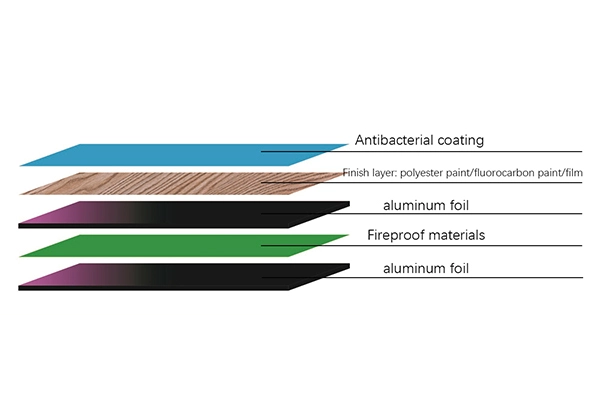
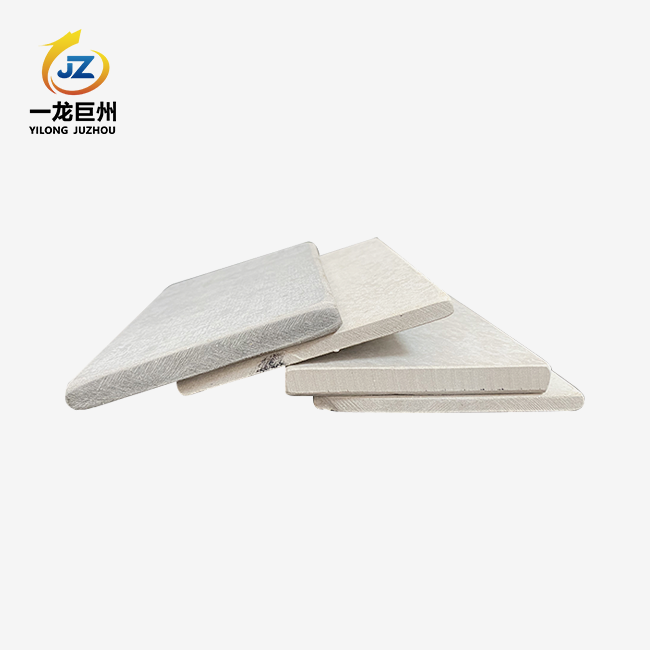
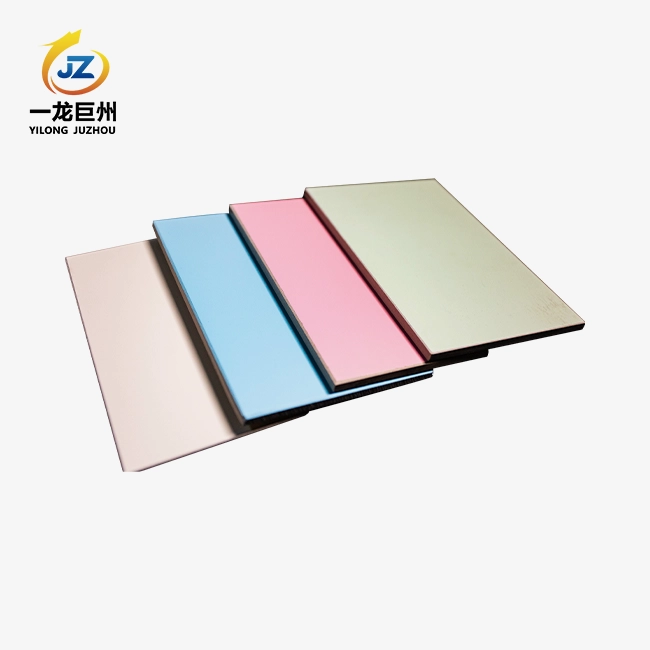
This panel's structure is simple: two aluminum skins, with thicknesses ranging from 0.1 mm to 0.5 mm, cover a non-toxic polyethylene core using a continuous hot-press lamination process. Polyester paint, PET film, PVC film, and PP film are the surface finishes that can be used, each meeting different aesthetic and functional needs. Standard total thicknesses of 2 mm, 3 mm, 4 mm, 5 mm, and 6 mm are the norm. You can choose from 1220 mm, 1500 mm, or 2000 mm in width, and the length of the PE aluminum composite board can be changed to any length you want. Panels longer than 3 meters can be made upon request, which is very important for long wall runs in stadiums or airports.
Core Material Properties
The polyethylene core does more than just add weight. The Chinese national standard for aluminum composite panels, GB/T 17748-2016, and the ASTM D1781 peel adhesion norms say that a quality PE core must have a 180° peel strength greater than 5 N/mm. This strong bonding keeps the layers from coming apart during production or heat cycles in service. The material achieves Class B1 fire resistance (if it has a mineral-filled FR core blend), is waterproof, and is mildew-proof. It also doesn't contain any formaldehyde, radiation, or smell, so it meets the requirements of the China Environmental Protection Standard Certification, ISO, and CE compliance frameworks.
Uses and Benefits of PE Aluminum Composite Board in B2B Applications
Where It Performs Best
PE aluminum composite boards appear across a striking range of indoor settings. Hospitals and medical beauty centers depend on their cleanable, antibacterial-compatible surfaces. Airports, subway stations, and train stations specify them for column covers and ceiling tunnel linings because the panels can be bent without the coating micro-cracking. Shopping malls, office buildings, hotels, conference centers, art galleries, gyms, and villas use them for decorative wall cladding where the pattern has to be the same on a large area.
Beyond wall decoration, these panels serve as corporate identity signage and modular kitchen fabrication. The polyester coating has a high surface tension that makes it perfect for UV flatbed printing and vinyl adhesion — making gas station canopy interiors and retail shopfronts common applications where RAL/Pantone color matching is critical.
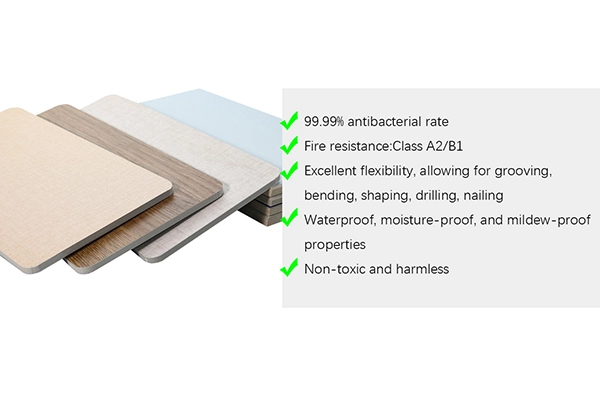
These advantages translate directly into procurement value. Here are the core performance factors that drive specification decisions:
- Class B1 fire resistance — meets the requirements of building codes for public and commercial interiors, reducing the risk of liability for developers and facility managers.
- Waterproof, moisture-proof, and mildew-proof — performs reliably in places with a lot of humidity, like food processing plants, pharmaceutical factories, and tunnel wall systems.
- High flexibility — the panel can be bent, drilled, nailed, and routed without breaking; CNC routing with a single-flute carbide bit is the industry-standard fabrication method.
- Formaldehyde-free construction aligns with green building standards and healthcare procurement mandates that control the quality of indoor air.
- Sturdy yet lightweight — resists breakage under normal installation stress while keeping the structural load minimal.
These characteristics make this material genuinely competitive against heavier metal cladding, moisture-prone wooden panels, and costlier PVDF composites — particularly for projects where interior aesthetics and budget discipline must coexist.
Color and Customization Range
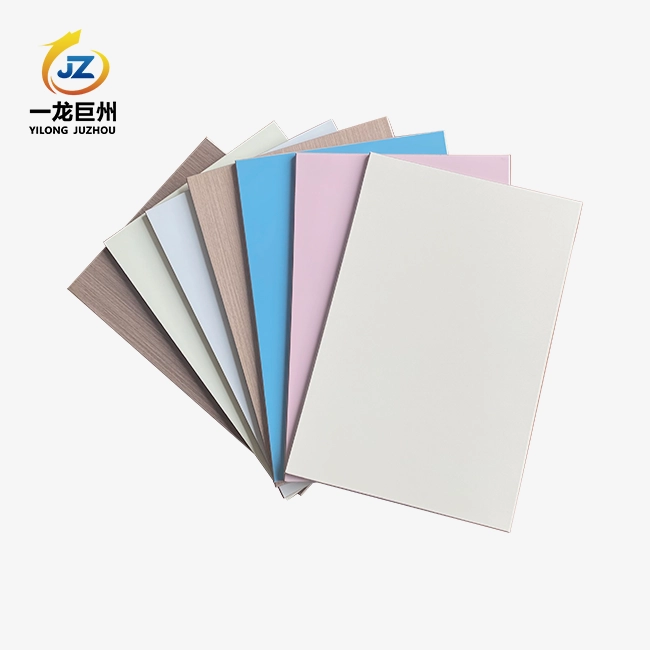
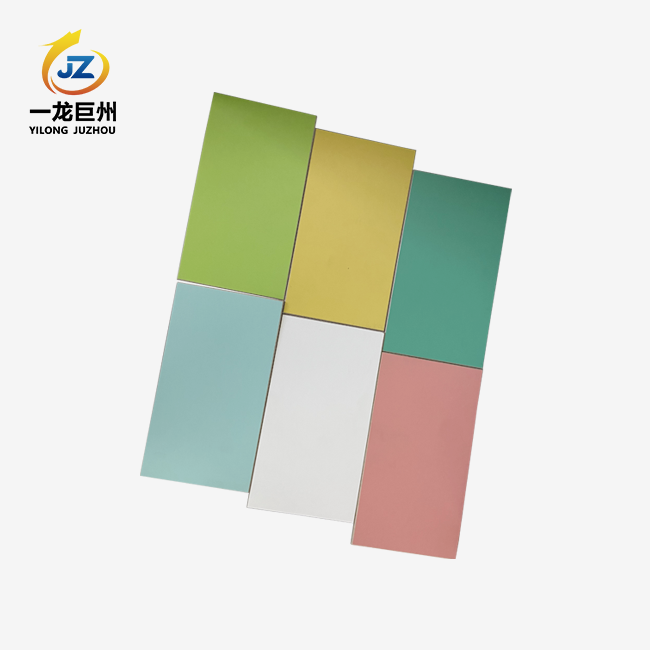
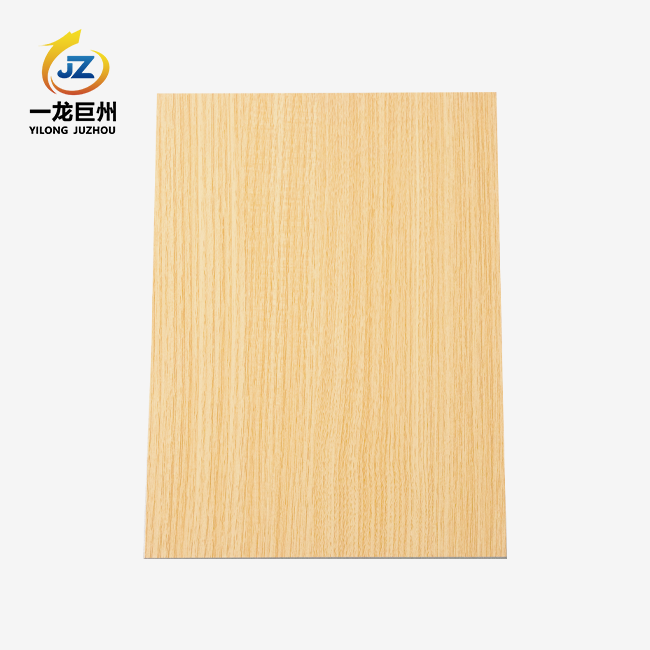
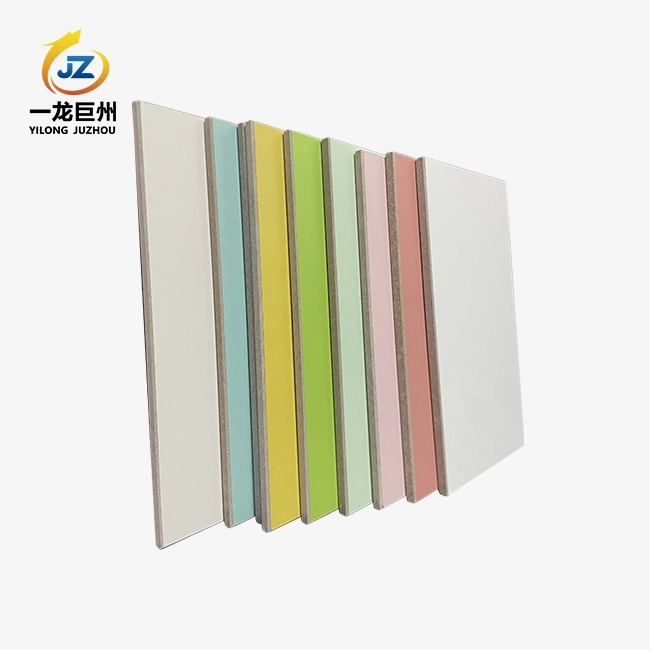
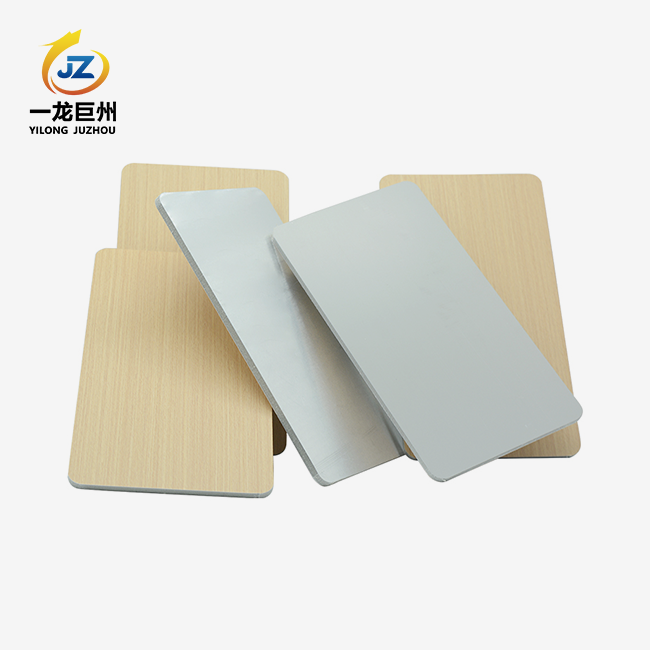
Color availability spans solid tones, woodgrain textures, marble patterns, metallic finishes, and cloth-effect surfaces. This variety helps design-forward projects because it doesn't require custom paint runs, shortening specification lead times for procurement teams that are handling multiple project pipelines simultaneously.
Procurement Considerations for PE Aluminum Composite Boards
Evaluating Suppliers
Selecting a reliable PE ACP board supplier requires scrutiny beyond price per square meter. Procurement professionals should prioritize suppliers who can demonstrate third-party certifications (ISO, CE, China Environmental Protection Standard) and provide material test reports covering peel strength, pencil hardness (minimum HB/H), MEK solvent resistance, and boiling water resistance. Warranty terms that last at least three years signal manufacturing confidence.
China remains the dominant production hub for aluminum composite panels, accounting for a significant share of global output. Manufacturers operating dual production bases — such as facilities in both Shaanxi and Guangdong provinces — offer supply redundancy that protects international buyers against regional disruption. Key export ports, including Shenzhen, Guangzhou, Shanghai, and Qingdao, connect Chinese manufacturers efficiently to markets across North America, the Middle East, Africa, and Southeast Asia.
Practical ordering parameters to confirm with any supplier include minimum order quantities, custom dimension capabilities, production lead times (typically 3–7 days for in-production orders), and payment flexibility for cross-border transactions.
Installation and Maintenance of PE Aluminum Composite Boards
Installation Best Practices
Professional installation requires a clean, flat substrate, appropriate mechanical fasteners or concealed clip systems, and CNC-routed V-groove folding at panel joints. Cutting with a single-flute carbide bit preserves edge integrity. Laser cutting is not recommended — the heat melts the polyethylene core and causes PE aluminum composite board skin distortion at cut edges.
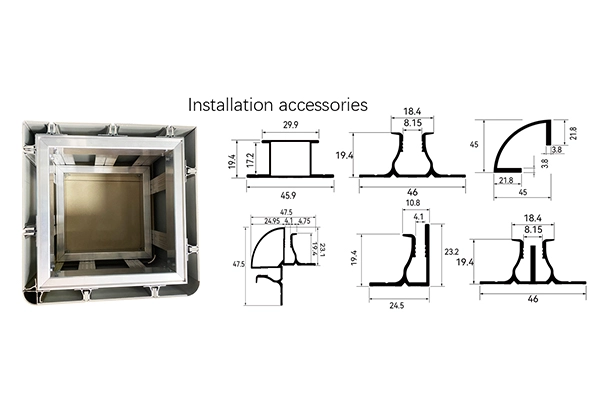
Maintenance is straightforward: routine cleaning with a mild neutral detergent and a soft cloth prevents surface buildup without compromising the polyester coating. Avoid abrasive pads or alkaline cleaners that degrade paint adhesion over time. Minor surface scratches can be addressed with compatible touch-up coatings; delamination at edges signals adhesive failure and warrants supplier consultation rather than field repair.
PE Aluminum Composite Board vs. Alternatives – Making Informed Choices
PE-core panels and PVDF-coated aluminum composites address different performance envelopes. PVDF coatings deliver 15–20-year UV stability for exterior facades. PE polyester coatings carry a color warranty suited for interior and semi-sheltered applications — at a meaningfully lower cost per square meter. For procurement teams balancing budget and specification, this distinction is decisive: specifying PVDF for interior hospital corridors adds cost without adding performance benefit.
Against wooden panels and MDF, PE aluminum composite boards win on moisture impermeability, dimensional stability under humidity, and fire resistance — properties that wooden substrates structurally cannot match in regulated environments like pharmaceutical factories or public transport infrastructure.
Conclusion
PE aluminum composite boards occupy a well-defined and valuable position in modern interior construction. Their sandwich architecture delivers a practical combination of lightness, rigidity, design flexibility, and compliance with fire and environmental standards. For procurement teams across commercial development, healthcare, industrial, and distribution sectors, understanding this material's properties, fabrication behavior, and supplier qualification criteria is the foundation of confident specification. When sourced from a certified manufacturer with demonstrable quality controls, these panels deliver long-term performance that justifies their place in demanding interior environments worldwide.
FAQ
1. How long do PE aluminum composite panels last in commercial interiors?
In protected interior environments — offices, hospitals, retail spaces — well-manufactured panels maintain structural and aesthetic integrity for 10–15 years under normal use conditions. Surface coating durability depends on cleaning practices and ambient humidity levels.
2. Are these panels recyclable?
Both the aluminum skins and the polyethylene core are theoretically recyclable. Aluminum recovery is well-established in industrial recycling streams. Core separation requires specialist processing, so buyers prioritizing circular sourcing should confirm the supplier's recyclability documentation.
3. What certifications should I verify before purchasing?
Request ISO certification, CE marking, China Environmental Protection Standard documentation, and test reports for peel strength, fire classification (B1 or better), and formaldehyde emissions. Legitimate manufacturers provide these on request without hesitation.
4. Can panels be custom-sized for large-format installations?
Yes. Reputable suppliers accommodate custom widths and lengths, including heights exceeding 3 meters — a practical requirement for uninterrupted wall cladding in airports, stadiums, and transit stations.
Partner with YILONG JUZHOU — Certified PE Aluminum Composite Board Manufacturer
YILONG JUZHOU operates dual production bases in Foshan, Guangdong, and Xianyang, Shaanxi, with 50,000 m² of PE aluminum composite board stock ready for dispatch and a 3–7 day production cycle. Our aluminum composite panels carry ISO, CE, and China Environmental Protection certifications, backed by a three-year quality guarantee. We support OEM and ODM orders, custom dimensions, and free samples delivered within 3–5 days. Contact our team today at cnyang2000114@gmail.com to request a quote tailored to your project.
References
1. GB/T 17748-2016: Aluminum Composite Panels — Standardization Administration of China, 2016.
2. Interior Cladding Systems for Transit Infrastructure — Construction Specifier Magazine, 2022.
3. Signage Material Standards and Coating Performance — Sign & Digital Graphics Industry Report, 2021.
4. Quality Evaluation of Aluminum Composite Panels: Peel Strength and Coating Integrity — Journal of Building Materials, Vol. 24, 2020.
5. Fabrication Best Practices for Aluminum Composite Materials — Fabricator Magazine, 2023.
6. PVDF vs. Polyester Coatings for Architectural Applications — Coatings World, 2022.

Send Inquiry

Related Industry Knowledge
- UV Antibacterial panels in Commercial Interior Design Projects
- Medical Clean Board Material Types and Performance
- Medical Clean Board Applications in Healthcare Facilities
- How Durable Are Calcium Silicate Aluminum Composite Boards in Harsh Environments?
- What Is a Negative Ion Healthy Panel and How Does It Work?
- melamine fireproof board Durability in High-Traffic Environments
- Inorganic pre-coated panels for Modern Architectural Applications
- ice fireproof board Applications in Cold Storage and Fire Safety
- How to Beat the Heat with Aluminium Composite Panels
- Calcium Silicate Aluminum Composite Board vs Traditional ACP Panels: Key Differences