
Coated Aluminum Composite Panel: Key Benefits
September 9, 2026
Coated aluminum composite panels deliver a compelling combination of fire resistance, moisture protection, design flexibility, and structural durability that few interior wall materials can match. Whether you are sourcing materials for a hospital renovation, a hotel lobby, or a large commercial office build-out, these panels offer measurable performance advantages backed by certified standards. This guide walks through everything a B2B procurement professional needs to know — from product structure and core benefits to applications, comparisons, and how to work with a trusted manufacturer.
Understanding Coated Aluminum Composite Panels
What Makes Up the Panel Structure?
A coated aluminum composite panel, often known as an ACP, is a sandwich material that has been created. Within its body, which is composed of refractory materials, it has two skins that are formed of aluminum alloy and are thermally linked to one another. A protective film, which may be formed of PET, PVC, or PP, is applied to the surface as a final surface treatment. Because of this film, the covering is safeguarded while it is being manufactured and transported. Panels are available in lengths of 1220mm, 1500mm, and 2000mm, and their thicknesses vary from 2mm to 6mm, all the way up to 2000mm. Because it is feasible to create custom lengths that are longer than three meters, purchasing teams have more alternatives for undertaking large-scale projects.

Coating Types and Their Role
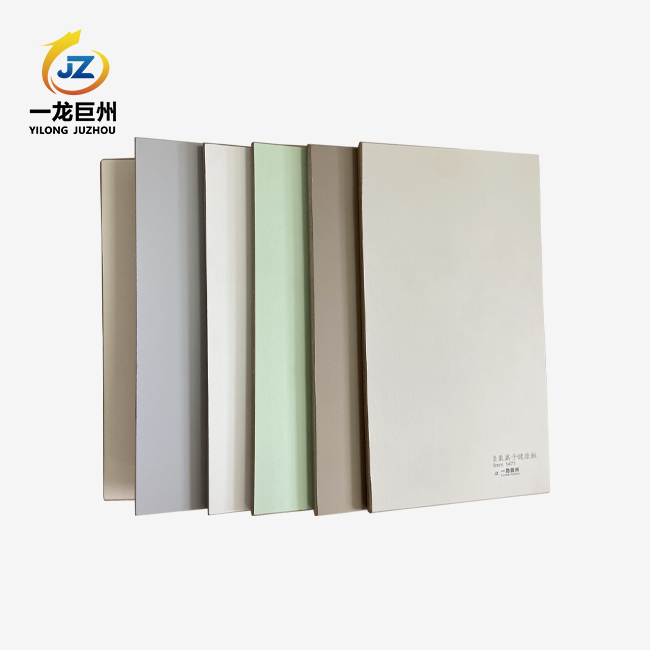
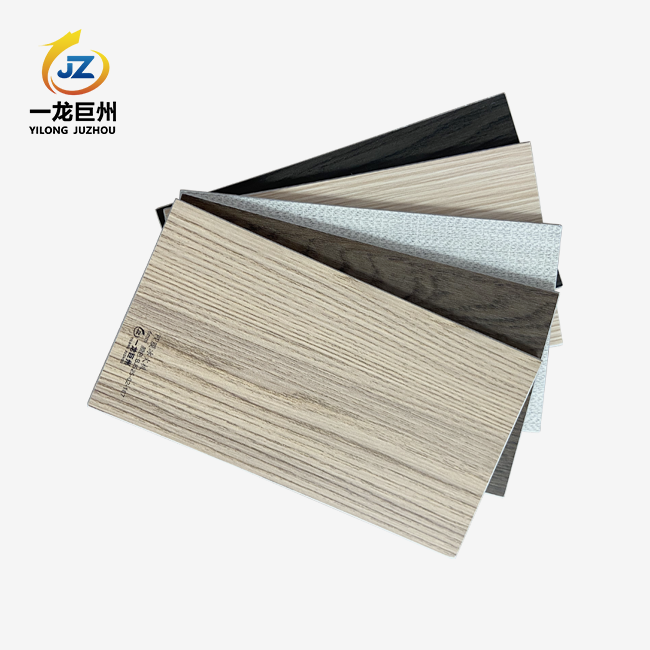
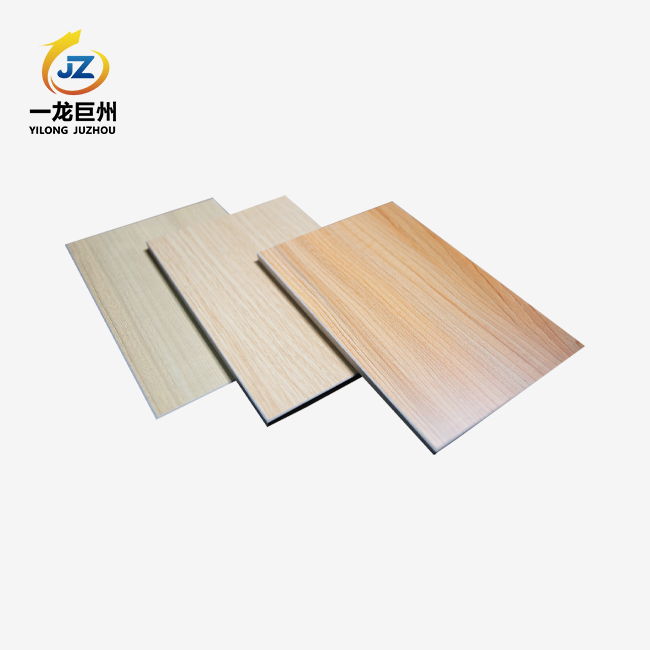
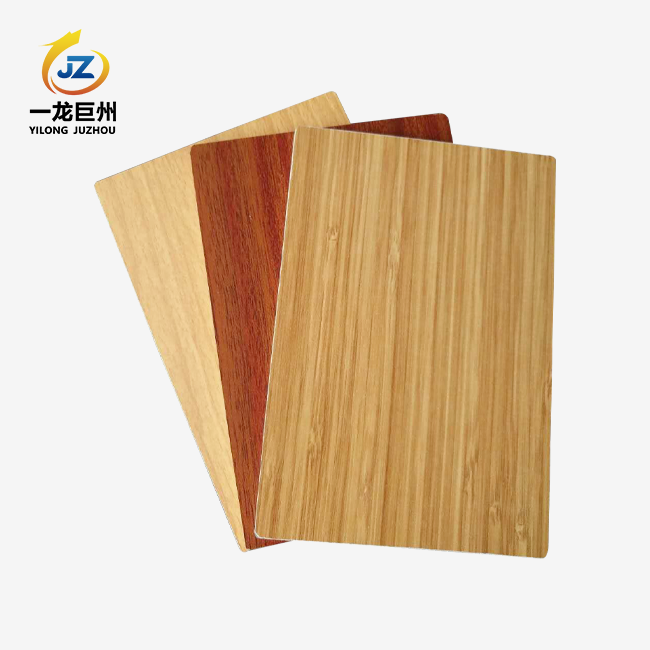
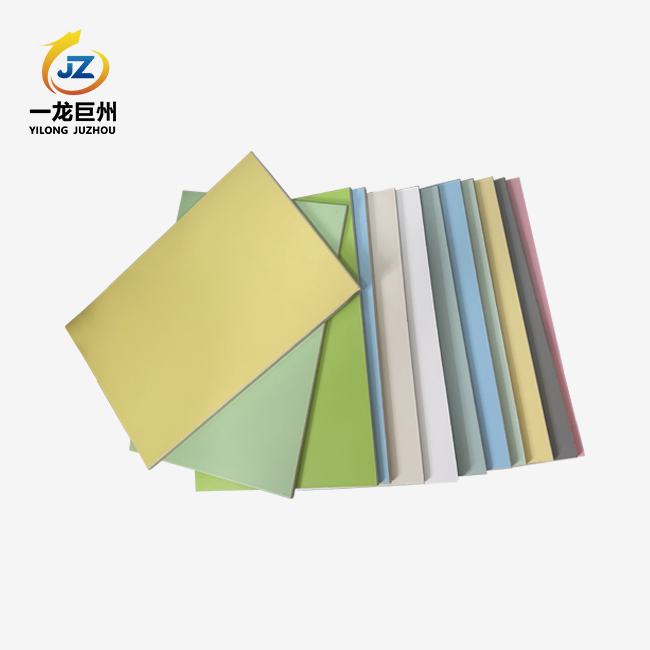
It is dependent on the layer that is on the surface of the panel, how effectively it functions over time. Polyester (PE) coatings are inexpensive and perform well for interior applications that are subjected to modest levels of exposure. For public spaces that are subjected to a great deal of foot traffic, it is essential to have PVDF coatings that contain at least 70 percent fluorocarbon resin. These coatings provide superior UV protection and color stability over extended cycles. This means that FEVE coatings are somewhere in the center when it comes to both price and performance. Builders and interior designers have access to a wide variety of color options, including solid colors, woodgrain patterns, metallic finishes, and fabric textures, to name just a few. Because of this, they are able to satisfy almost any aesthetic need.
Key Benefits of Coated Aluminum Composite Panels
In a number of important performance areas, these panels consistently perform better than traditional wall coverings. For buying teams, these are the main benefits that mean the most:

- Class A2 / B1 fire resistance: The mineral-filled core meets both Class A2 (non-combustible) and B1 (fire-retardant) ratings according to recognized building standards. This means that these panels can be used in hospitals, subway stations, airports, and other places where following fire codes is a must.
- Waterproof, moisture-proof, and mold-resistant: The aluminum skin and sealed core keep water out, which is very important in places like food processing plants, drug factories, and basement installations where controlling humidity directly affects cleanliness.
- Formaldehyde-free and odorless construction: These ACPs don't have any formaldehyde, dangerous radiation, or volatile organic chemicals like many wood-based wall panels do. This fits with ways to get green building certifications like LEED and helps meet guidelines for indoor air quality in hospital settings.
- High fabrication flexibility: Standard CNC tools can be used to drill, nail, bend, and route panels. Because it is very flexible, it can be used for work in curved hallways, ceilings with arches, and wrapping around columns, which are all things that hard materials can't do without being specially cast.
- Lightweight with strong structural integrity: A normal 4mm ACP sheet is much lighter than a solid aluminum sheet of the same rigidity. This lowers the structural load and cuts down on shipping costs and construction time.
For the whole project lifetime, these benefits immediately lead to lower total project costs and fewer compliance issues for woodgrain aluminum composite panels. Purchasing managers looking at interior wall cladding for big commercial or institutional buildings can use this performance profile to find a product that meets the most common specification needs.
Comparing Coated ACPs With Alternative Wall Materials
There are good reasons to use solid aluminum sheet, stainless steel plates, and regular gypsum board. Coated aluminum composite panels, on the other hand, always do better in the most important areas for business and institutional jobs.
Solid aluminum sheets are stiff, but when they get bigger, they tend to show oil-canning, which is a waviness effect on the surface. Plus, they cost more per square meter and are heavier. Stainless steel panels are very resistant to corrosion, but they are very expensive and hard to change in color and finish. Gypsum board is still commonly used for basic wall separation, but it doesn't hold up well against moisture, isn't very flexible structurally, and doesn't come with the variety of surface finishes that high-end business spaces need.
Total Cost of Ownership
Coated aluminum composite panels don't need much upkeep over the course of their life. Routine cleaning only needs a soft sponge and a light pH-neutral cleanser. No rough chemicals or abrasive tools are needed. The finishing surface keeps its gloss and color for a long time, which cuts down on the number of times it needs to be painted or replaced. Lifecycle economics shows that ACPs are better than most other options when procurement teams look at the total cost of ownership over 10 to 15 years.
Practical Applications Across Key Sectors
Commercial and Institutional Interiors
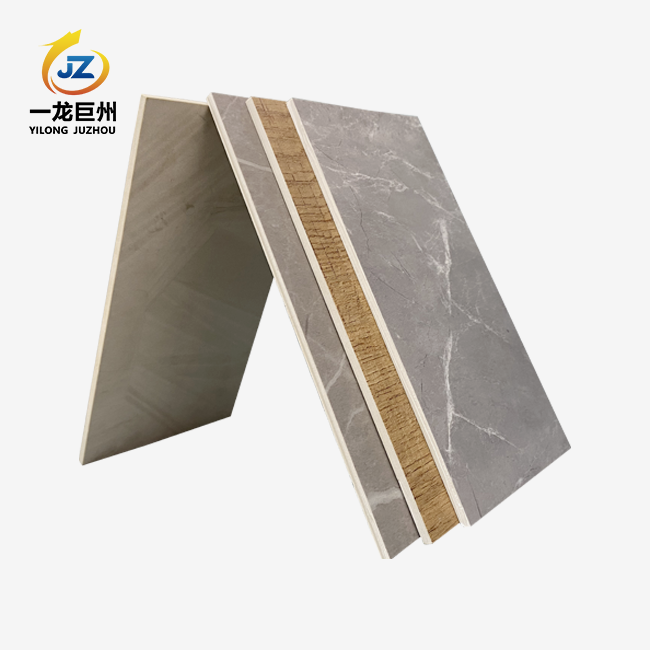
There is a wide range of colors and finishes that can be used to decorate the inside of buildings like hotels, office buildings, meeting centers, and shopping stores. Woodgrain and marble-patterned panels look like high-end materials but don't cost nearly as much. This is a good deal for hotel and hospitality makers who are working with small funds for each key update.

Healthcare and High-Hygiene Environments
Hospitals, clinics, and medical aesthetic centers need wall systems that don't let bacteria build up and can be cleaned over and over again. Marble aluminum composite panels are a good choice for these requirements because they don't contain formaldehyde and have an aluminum surface that doesn't have pores. The benefit of being easy to clean in high-contact, high-traffic areas is the same in schools and gyms.

Specialized Infrastructure
Wall cladding that is certified to resist fire and be able to handle mechanical stress and changes in humidity is needed in tunnels, tube stops, airports, and train platforms. Composite panels' ability to dampen vibrations lowers noise transmission in travel areas, which is a useful quality that single-layer materials can't match.
Procurement Guide: What to Evaluate Before Ordering
It takes more than just comparing price sheets to find the right coated aluminum composite panel supplier. Here are the factors that procurement managers with a lot of experience look at:
- Certifications: Make sure the product has ISO, CE, and environmental protection approvals. Claims that something is formaldehyde-free must meet the China Environmental Protection Standard Certification.
- OEM and ODM capability: For custom sizes, finishes, and private-label packaging, you need a maker who can create and make the products themselves.
- Sample availability: Before committing to large orders, ask for physical samples. Samples are sent out by trustworthy sources within 3–5 business days.
- Lead time and stock: Manufacturers can meet production lead times of 3–7 days by keeping stock on hand. Check to see how much stock is available before setting up installation dates.
- Shipping and port access: Buyers from the U.S. and other countries should check to see if there are any export ports available. Shipping goods by sea from Shenzhen, Guangzhou, Shanghai, or Qingdao is a fast way to get to most places in the world.
You can get a good idea of how a supplier will handle order management and after-sales support by how quickly they respond to your inquiry within the first 24 hours.
Conclusion
One of the most flexible and easy-to-specify interior wall materials offered on an industrial scale is coated aluminum composite panels. Their verified fire resistance, resistance to moisture, lack of formaldehyde, and ability to be designed in a variety of ways meet the needs of healthcare facilities, business developers, building projects, and foreign distributors. If you buy these panels from a company with verified certifications, OEM capabilities, and reliable shipping, they lower both the risk of the project and the cost of upkeep over time. Understanding this product group is a useful step for procurement teams that have to deal with complicated material specs.
FAQ
1. What fire rating do coated aluminum composite panels carry?
You can get YILONG JUZHOU panels with Class A2 (non-combustible) or Class B1 (fire-retardant) cores. These meet recognized building safety standards that can be used in public institutions, hospitals, and transit systems.
2. Are these panels suitable for curved or non-standard installations?
Yes. The composite structure is very flexible, so panels can be bent, routed, and shaped to make curved walls, column wrapping, and arched shapes without cracking or coming apart.
3. Can I order custom sizes and finishes?
You can choose a panel width of 1220mm, 1500mm, or 2000mm. Custom lengths are possible, and panels longer than 3 meters are also an option. There are different types of finishes, such as plain color, woodgrain, marble, metallic, and cloth designs. We take both OEM and ODM orders.
4. How should I clean and maintain the panels?
Use a soft cloth or sponge and a mild cleanser that doesn't change the pH level (pH 5–8). Do not use rough pads or alkaline cleaners on the coating surface; they can damage it permanently.
Connect With YILONG JUZHOU — Coated Aluminum Composite Panel Manufacturer
YILONG JUZHOU has two production bases, one in Foshan, Guangdong, and the other in Xianyang, Shaanxi. It has 50,000 m² of stock on hand and makes products every three to seven days. Coated aluminum composite panels from us come with a three-year quality guarantee and are certified by ISO, CE, and China Environmental Protection. Contact our team at cnyang2000114@gmail.com to get a free sample or bulk quote today.
References
1. Petrie, E. M. (2007). Handbook of Adhesives and Sealants. McGraw-Hill. Covers polymer lamination and coating adhesion relevant to ACP manufacturing.
2. European Committee for Standardization. (2018). EN 13501-1: Fire Classification of Construction Products and Building Elements. CEN. Referenced in fire rating discussion (Class A2/B1).
3. U.S. Green Building Council. (2023). LEED v4.1 Building Design and Construction Reference Guide. USGBC. Referenced in indoor air quality and formaldehyde-free material standards.
4. Architectural Aluminum Manufacturers Association. (2005). AAMA 2605: Voluntary Specification for High Performance Organic Coatings on Aluminum Extrusions and Panels. AAMA. Referenced in PVDF coating maintenance guidance.
5. American Institute of Steel Construction / Construction Specifier. (2021). Interior Wall Panel Systems for Transit and Infrastructure Applications. Construction Specifier Magazine. Referenced in transit and tunnel ACP performance.
6. McGraw-Hill Construction. (2014). SmartMarket Report: The Business Value of BIM for Construction in Major Global Markets. Dodge Data & Analytics. Referenced in procurement responsiveness and supplier evaluation practices.

Send Inquiry


Related Industry Knowledge
- Calcium Silicate Fireproof Board Coating System
- Inorganic pre-coated panels Color Stability and Weather Resistance
- How Do UV Antibacterial panels Improve Indoor Hygiene Levels?
- What is HPL fireproof board?
- Negative ion boards: natural enemies of bacteria and viruses
- How to Choose the Best Negative Ions Healthy Panel for Your Project
- What Are Inorganic pre-coated panels and How Are They Made?
- Why Calcium Silicate Aluminum Composite Boards Are Ideal for High-Temperature Environments?
- Print on Aluminum Composite Panel: A Modern Twist on Traditional Wall Art
- How to install an aluminum composite panel?