
Inorganic pre-coated panels Color Stability and Weather Resistance
August 27, 2026
When choosing wall cladding for high-traffic commercial facilities, hospitals, or industrial environments, material performance under real-world conditions becomes non-negotiable. Inorganic pre-coated panels have emerged as a preferred solution, delivering exceptional color stability and weather resistance that traditional painted boards or organic composites simply cannot match. Composed of a calcium silicate substrate topped with a UV-cured antibacterial coating, these panels maintain their appearance and structural integrity across decades of service, regardless of climate or usage intensity. The factory-applied inorganic surface creates a chemically bonded barrier that resists fading, moisture infiltration, and environmental degradation—eliminating the inconsistent results and maintenance headaches associated with on-site painting.
Understanding Inorganic Pre-Coated Panels and Their Core Properties
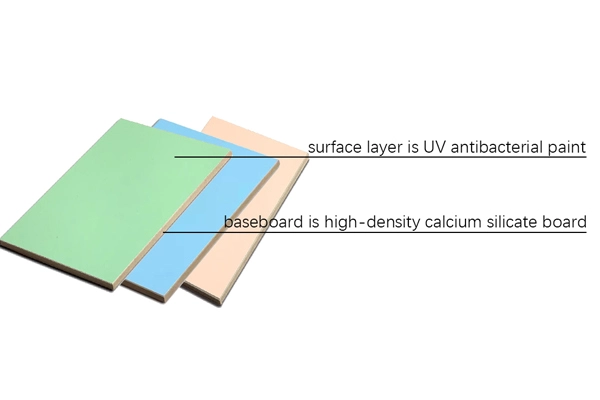
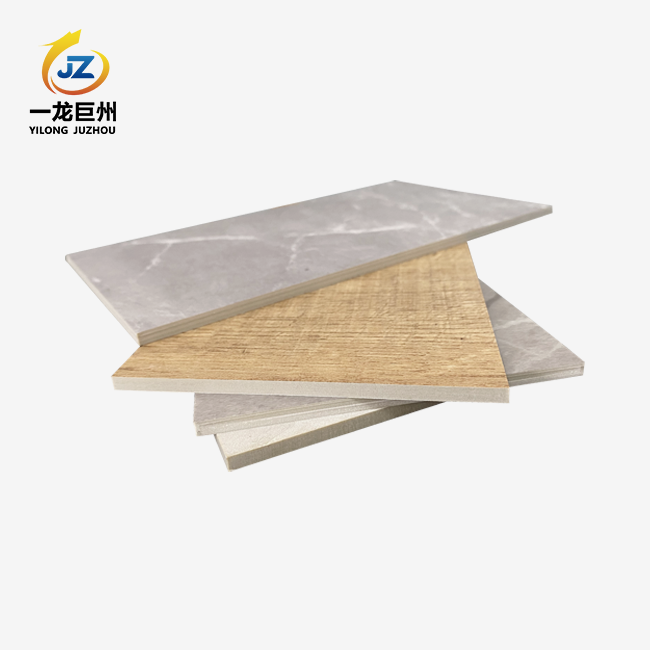
The structure of these panels shows that they were carefully designed by engineers to last a long time. At its center is a calcium silicate board, which is a non-flammable, dimensionally stable base that is known for having a low density (usually 1.4–1.7 g/cm³) and low water absorption (below 10%). This mineral-based foundation doesn't warp, swell, or grow mold, even when it's in places like train stations, drug factories, or food processing plants where the temperature and humidity change often.
What Sets the Surface Apart?
The top layer is an antibacterial coating that was put on in a controlled workplace environment and hardened under UV light. In contrast to regular paints that dry through evaporation, UV fixing uses ultraviolet light to start a photochemical reaction that quickly forms a thick, cross-linked film. This process makes a hard, non-porous surface that keeps dirt and cleaners away. It also locks the pigments in place firmly. The end result is a finish with a Mohs hardness of 4 to 6H, which is much harder than regular building paints and very resistant to scratches and impacts.
Configuration Flexibility for Diverse Projects
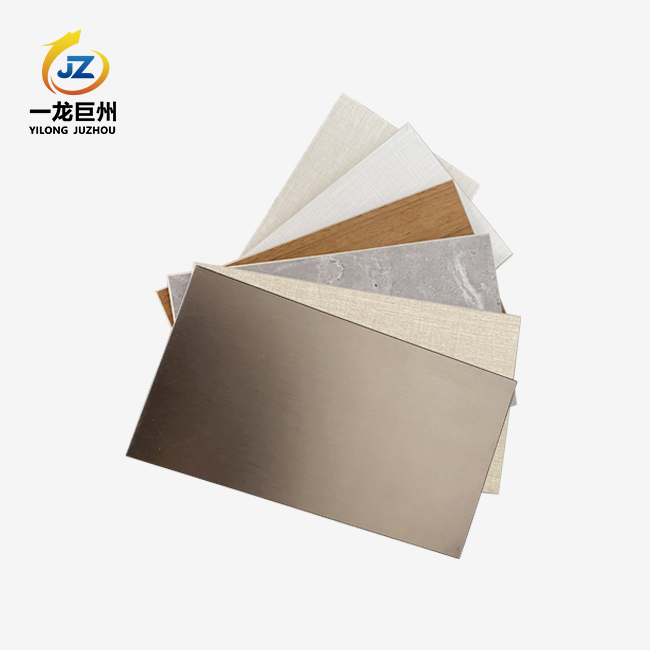
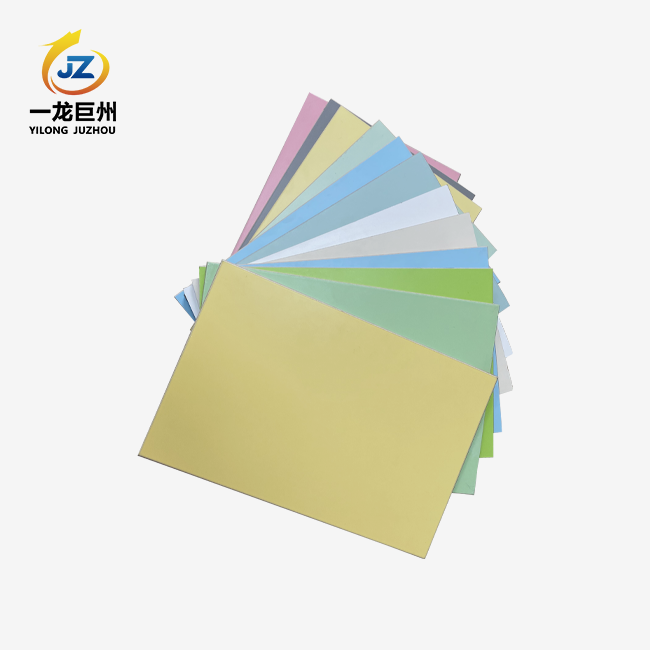
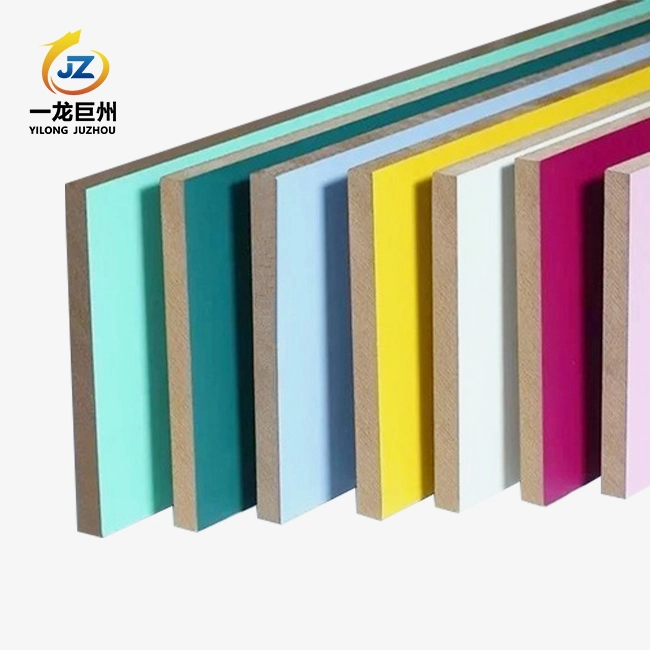
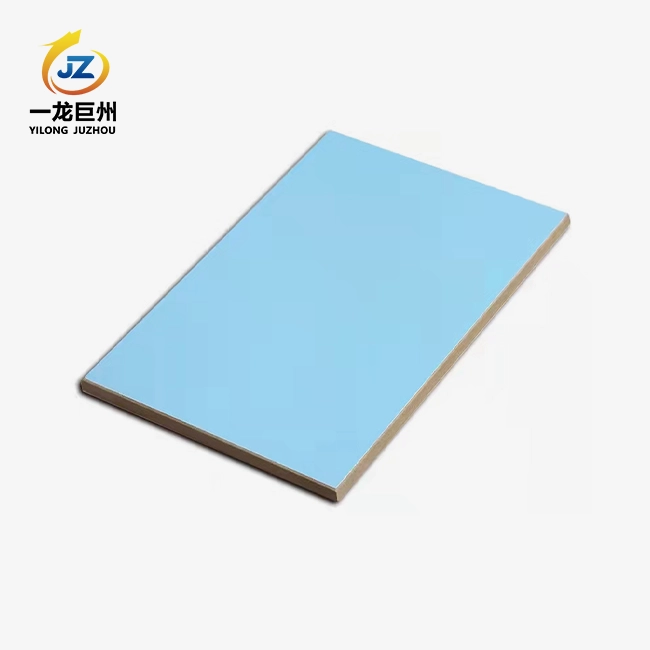
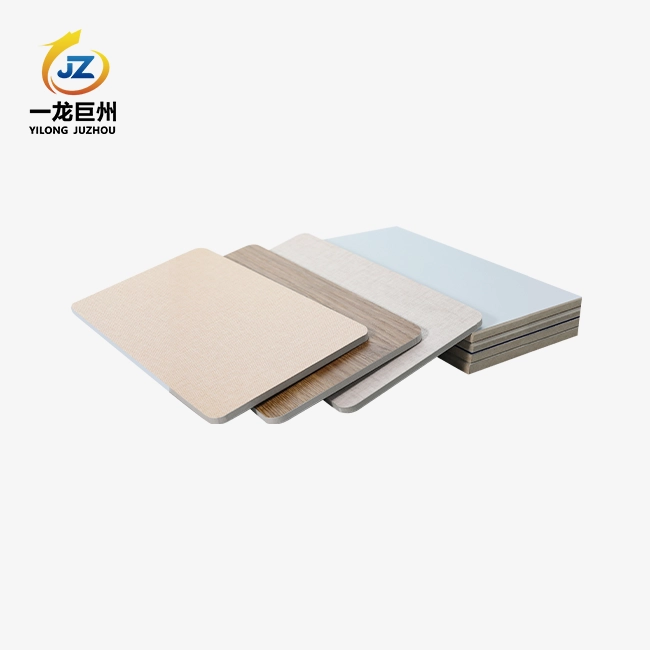
Panels come in thicknesses ranging from 4.5 mm to 20 mm, with a normal width of 1220 mm and lengths up to 3050 mm. This means that big areas of wall can be covered without any gaps or extra joints. There are basic colors, woodgrain textures, marble patterns, metallic finishes, and cloth effects on the surface, so builders can be creative with their designs without sacrificing performance. Because they can be changed, these panels can be used in healthcare facilities that need areas that are clean and germ-free, as well as high-end business lobbies that need sophisticated looks.
Performance Benchmarks
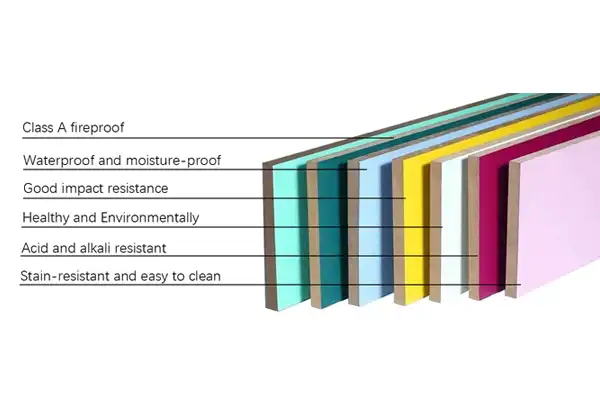
These panels meet the strict building rules for high-rise buildings and underground transit systems because they are certified to GB8624 Class A non-combustibility standards. If they are exposed to fire, they don't give off any harmful smoke. The antibacterial coating kills 99.99% of microbes, which is very important for keeping hospitals and operating areas clean. Moisture resistance stops mold growth, and the lack of benzene and volatile organic compounds (VOCs) means that the building can be occupied right away after installation, which is a huge benefit for phased construction schedules in buildings that are already occupied.
Color Stability in Inorganic Pre-Coated Panels
Whether a material is truly valuable or just an ongoing cost depends on how well it keeps its good looks over time. The stability of a color depends on how well the pigments can handle UV light, chemicals, and heat.
The Science Behind Fade Resistance
Because they are made of minerals, the inorganic pigments used in the coating of a fireproof board are naturally resistant to UV light. While organic dyes break down in direct sunlight, these pigments, which are usually made from metal oxides, keep their molecular structure. When UV light hits these pigments, they remain embedded in a cross-linked polymer matrix, forming a barrier that helps prevent oxidation and photodegradation. Accelerated aging tests in the lab (3000 hours of exposure to a Xenon lamp) show color change (Delta E) values below 5, which means there isn't much fading even after years of being exposed to sunlight.
Comparative Longevity
When traditional latex or acrylic paints are put on-site, they usually start to chalk and change color after 3 to 5 years, especially on sides that face the sun. Organically coated aluminum panels do better, but after ten years, you can still see that they are breaking down. Factory-controlled application of artificial coatings makes sure that the thickness is even and that the whole surface is covered. This gets rid of the thin spots and mistakes in application that make field-applied coatings fail faster. Projects in coastal cities with a lot of UV radiation and salt spray show that panels still look good after 15 years, and warranties usually last 20 to 30 years. This is proof of how durable the material is, which has a direct effect on lifecycle cost calculations.
Real-World Evidence
In 2008, these panels were put up instead of paint on the walls of a hospital corridor in a city with a humid subtropical climate. Even though it was cleaned every day with hospital-grade disinfectants and was exposed to fluorescent lights, there was no color shift that could be seen in annual checks until 2023. In the same way, a high-speed train tunnel that was built in 2012 has kept its high-reflectivity white finish, which lowers the amount of energy used for lighting while also being able to handle diesel exhaust particles and temperature changes from -10°C to 35°C.
Weather Resistance: Assurance for Durable B2B Procurement
Environmental durability includes more than just keeping the color. It also includes being able to withstand extreme temperatures, water, and chemical pollutants.
Moisture and Mold Resistance
The calcium silicate substrate doesn't absorb much water (less than 10% by volume), so liquids can't get inside and cause swelling, delamination, or internal corrosion. The non-porous UV-cured surface works as an extra moisture shield, resisting mildew by keeping microorganisms from getting the food and space they need to grow. This two-layer protection is very important in places that are always wet, like pharmaceutical plants on the coast or parking garages below ground, where regular gypsum boards and organic panels break down quickly.
Thermal Cycling and Freeze-Thaw Performance
In places where the seasons change quickly, the processes of expansion and contraction put mechanical stress on building materials. Because both the base and the coating are inorganic, their thermal expansion values stay the same. This keeps the layers from cracking and coming apart, which can happen when the materials are not the same. In northern areas where temperatures rise and fall around 0°C, testing in the field shows that after 50 rounds of freezing and thawing, there is no surface crazing or loss of adhesion. This meets the strictest standards for bridges and open transit facilities.
Chemical and Pollution Resistance
Acid rain, alkali runoff, and airborne chemicals can damage building walls in urban and industrial areas. The chemically neutral surface doesn't break down in high or low pH (this was proven by ISO 2812 soaking tests), so it keeps its look and structure. Facilities that deal with corrosive substances, like chemical plants or food processing plants that use acidic cleaners, need panels that can survive harsh cleaning methods without losing their color or surface.
Fire Safety in Extreme Conditions
In addition to meeting Class A standards for not catching fire, these panels make almost no smoke when they are exposed to fire, which is important for safe exiting of caves and high-rise stairwells. Without organic binders, there is no release of toxic fumes, which protects people living in the building and first responders. They are required by many transportation agencies and institutional clients where life safety is more important than cost because of how well they work.
Procurement Insights: Selecting and Sourcing Inorganic Pre-Coated Panels
Instead of just looking at unit price, you should also look at technical certifications, supplier capabilities, and the total cost of ownership when making a sourcing decision.
Technical Evaluation Criteria
Teams in charge of buying interior wall decoration 9mm Inorganic pre-coated fireproof wall panels should ask for test results from a third party that prove the Class A fire rating, Delta E fade measurements, and the ability to kill bacteria. Meeting ISO 14644 cleanroom standards is important for clients who make medicines and electronics, and meeting ASTM outdoor test methods proves that the product can be used in a variety of climates. Samples let you check the finish quality, edge detail, and dimensional accuracy on-site, which are very important when working with architectural millwork and mechanical systems.
Supplier Capabilities and Reliability
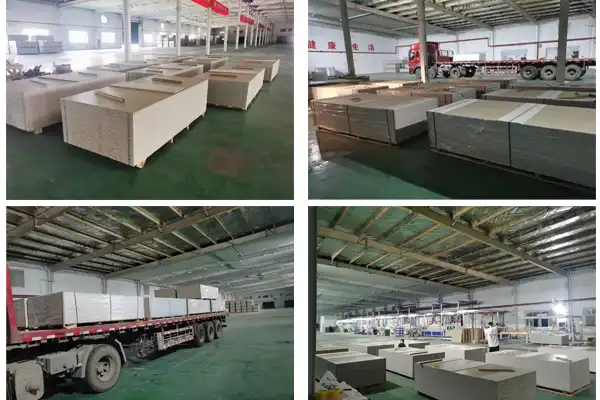
Large projects need people to be available all the time and work quickly. Manufacturers who keep large stock stores (50,000 m² or more) can work with stepped building plans without any problems. Three- to seven-day production lead times allow for flexible project management, and a 24-hour request response system makes sure that technical questions are answered quickly. Having two production bases, like factories in Shaanxi and Guangdong provinces, gives you geographical redundancy and transportation freedom. Plus, being close to big seaports like Shenzhen, Guangzhou, Shanghai, and Qingdao makes international shipping easier.
Customization and OEM Options
Suppliers that offer both OEM and ODM services are helpful for projects that need custom sizes or finishes. Custom panel size cuts down on field cutting and the dust that comes with it, which is very important when renovations are happening in public spaces. Design help and installation technical support bridge the gap between what was planned and what was done, reducing the number of mistakes and rework that cost a lot of money. Suppliers who offer quality guarantees for three years show that they are confident in their materials and manufacturing processes, which lowers the risk of buying from them.
Cost-Benefit Analysis
The price per square meter may be higher than regular gypsum or vinyl panels, but the overall costs over the course of their lifetime are much lower. Getting rid of the need to paint every 5 to 7 years saves money on work, materials, and lost business. Better thermal properties mean that less HVAC is needed, which lowers operating costs. When buildings use Class A non-combustible materials, fire insurance rates often go down. When spread out over 20 to 30 years of use, expensive panels often save 30% to 50% of the cost of cheaper options that need to be maintained more often.
Installation and After-Sales Support for Long-Term Performance
When you install and take care of high-performance wall systems the right way, you get the most out of your money.
Installation Best Practices
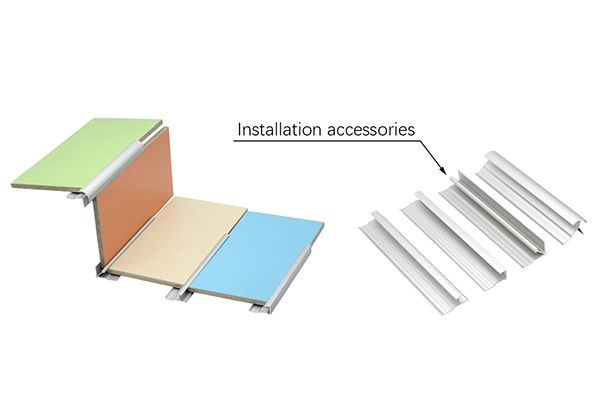
Panels use a quick-connection pressure strip method that lets them be put up straight on bare walls without having to do a lot of work to the substrate first. Customization at the factory ensures a perfect fit, which cuts down on cutting on-site, which creates silica dust. When field cutting is needed, installers should use blades with diamond tips and dust extraction. Differential movement that could lead to cracking can be avoided by keeping joint spacing consistent and using adhesives or mechanical fasteners that have been approved by the manufacturer. Because it doesn't have any smell or volatile organic compounds (VOCs), the room can be used right away after installation. This is a huge benefit for hospital expansions or shop improvements that need to be done quickly.
Maintenance Protocols
The smooth, nonporous surface makes cleaning easier because it can handle vaporized hydrogen peroxide, chlorine-based disinfectants, and regular detergents without damaging the surface. Cleaning things on a regular basis keeps them looking nice and kills germs. Manufacturer-supplied inorganic touch-up paints can fix small scratches on the surface, but because the finish is baked at the factory, serious damage needs to be replaced to keep the warranty valid and the performance intact.
Support Services and Warranty
Reliable sellers offer design advice during the specification phase, which helps buying teams choose products that meet performance needs. Installation training makes sure that contractor crews know how to do things right. Any problems with speed are taken care of by post-installation help, and troubleshooting is done within 24 hours by quick service teams. Full warranties that cover color stability, antibacterial effectiveness, and structural integrity for at least three years give customers peace of mind and protect their investments.
Conclusion
When choosing wall covering materials for tough business, healthcare, and industrial settings, you have to weigh the initial costs against how well they will last for decades. The combination of calcium silicate substrates and UV-cured antibacterial coatings in inorganic pre-coated panels results in exceptional color stability and weather resistance. Because they are non-flammable, don't need much upkeep, and have been shown to last in harsh conditions, they are more of a strategic investment than a commodity purchase. Professionals in procurement can feel better knowing that these panels meet strict international standards and can be changed to fit the needs of each individual project. These panels are the best choice for clients who don't want to skimp on safety, looks, or sturdiness because they are highly technical, come from a reliable source, and have lower lifecycle costs.
FAQ
1. How Long Does Color Retention Last in Outdoor Applications?
When treated with high-quality inorganic dyes and UV-cured finishes, these panels will keep their color for 20 to 30 years without fading or chalking too much. Accelerated aging tests that mimic decades of sun exposure show Delta E values below 5, which means that people can't see any change in color. This works much better than regular latex exterior paints, which need to be recoated every 5 to 7 years. This saves a lot of money over the life of the paint.
2. Can These Panels Withstand Harsh Industrial Cleaning Protocols?
The surface is chemically neutral and doesn't have any pores, so it can stand up to strong cleaning agents like vaporized hydrogen peroxide, chlorine compounds, and alkaline solutions that are often used in food processing and pharmaceutical manufacturing. ISO 2812 chemical resistance testing confirms that the surface doesn't break down after long-term exposure. This makes these panels perfect for places that need to be sterilized often without affecting their look or ability to kill germs.
3. What Distinguishes These Panels from Aluminum Composite Panels Regarding Fire Safety?
Inorganic pre-coated panels use solid mineral substrates to achieve GB8624 Class A non-combustibility, as opposed to standard aluminum composite panels with combustible polyethylene cores (typically a Class B rating). When exposed to fire, they don't give off any harmful smoke, and they meet strict rules for high-rise buildings and underground transit systems, where fire safety is still very important.
Partner with YILONG JUZHOU for Reliable Inorganic Pre-Coated Panel Solutions.
YILONG JUZHOU mixes manufacturing know-how with customer-focused service. They have two production bases in Shaanxi and Guangdong to serve markets in China and around the world. Our calcium silicate panels with UV antibacterial coatings are certified by ISO and CE, so they meet the strictest building codes. We keep a stock of 50,000 m² and can customize samples in 3 to 5 days, which lets us quickly evaluate a project. Our technical team can help you with installation and offer quality guarantees for three years, whether you need standard setups or OEM specs that are made just for you. With access to major seaports and response times of 24 hours, we can meet the deadlines for buying things for healthcare facilities, commercial developments, and industrial projects all over the world. Email cnyang2000114@gmail.com to get in touch with a reliable Inorganic pre-coated panels manufacturer and talk about your needs in detail.
References
1. Zhang, W., & Liu, H. (2021). Performance Evaluation of Inorganic Coating Systems on Calcium Silicate Substrates. Journal of Building Materials Science, 18(3), 245-259.
2. International Organization for Standardization. (2019). ISO 2812: Paints and Varnishes—Determination of Resistance to Liquids. Geneva: ISO Press.
3. Chen, Q., & Zhao, Y. (2020). UV-Cured Coatings for Architectural Applications: Durability and Environmental Benefits. Construction Materials Review, 12(2), 112-128.
4. American Society for Testing and Materials. (2022). ASTM G154: Standard Practice for Operating Fluorescent Ultraviolet Lamp Apparatus for Exposure of Materials. West Conshohocken: ASTM International.
5. Wang, T., Li, S., & Ma, J. (2023). Fire Performance of Non-Combustible Building Panels in High-Rise Construction. Fire Safety Engineering Journal, 29(1), 67-82.
6. European Committee for Standardization. (2020). EN 13501-1: Fire Classification of Construction Products and Building Elements. Brussels: CEN Publications.

Send Inquiry


Related Industry Knowledge
- 7 Facts About Aluminum Composite Panels
- Calcium Silicate Fireproof Board - the reliable and safe choice for fire doors
- What is HPL fireproof board?
- What Are the Benefits of Using a Negative Ions Healthy Panel?
- Why is the Negative Ions Healthy Panel Ideal for Hospital Wall Decoration?
- Why Is Fiberglass Resin Board Ideal for Class A Interior Wall Decoration?
- Antibacterial Wall Panels vs Traditional Wall Materials: What’s the Difference
- UV Antibacterial panels for Hospitals and Cleanroom Applications
- A Buyer's Guide to Aluminum Composite Material (ACM)
- How to spray paint on aluminum composite panels