
Aluminum Composite Panel vs. Solid Aluminum: Which Is Better?
September 5, 2026
When procurement managers and project engineers compare cladding and wall materials, this question surfaces repeatedly. The short answer: an Aluminum Composite panel delivers superior value for most interior and facade applications. It combines a mineral-rich or polymer core bonded between two aluminum skins, cutting structural load by up to 40% compared with solid aluminum while preserving rigidity. Solid aluminum offers unmatched raw strength in heavy-load structural contexts. Understanding where each material excels — and where it falls short — saves budgets, shortens timelines, and keeps projects compliant with U.S. fire and environmental codes.
What Are These Two Materials, Exactly?
Aluminum Composite Panel: Engineered Sandwich Construction
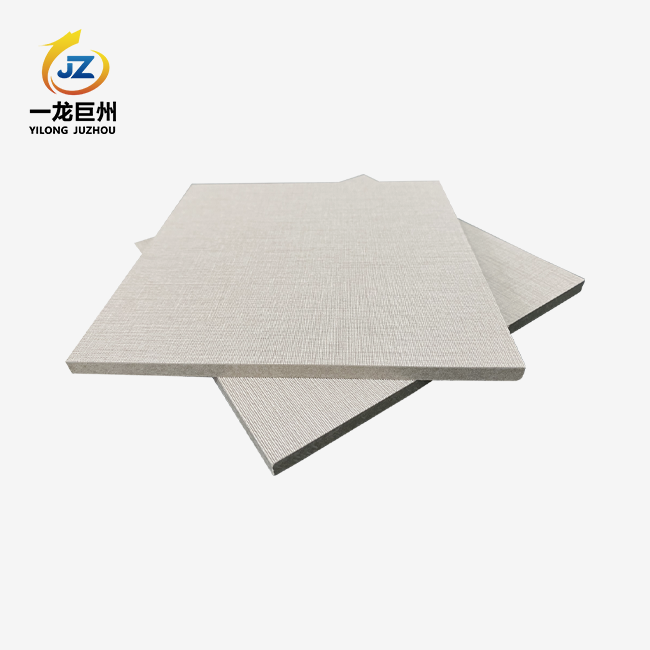
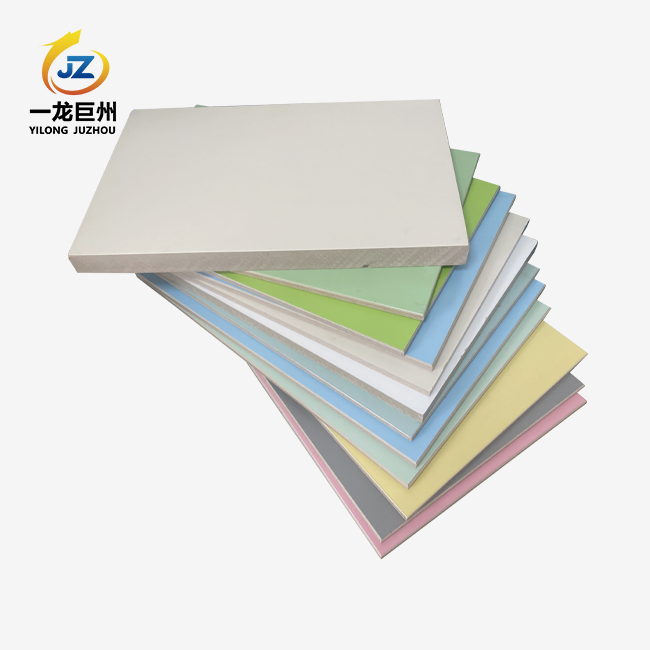
For the purpose of producing an Aluminum Composite Panel (ACP), which is a sandwich-shaped product, two skins made of aluminum alloy are thermally bonded to a core made of a material other than aluminum. Depending on the core material, the fire performance will be different. When it comes to high-rise walls and restricted areas like hospitals, mineral-filled cores with the Class A2 non-combustible classification under EN 13501-1 are necessary. Standard polyethylene (PE) cores, on the other hand, are suitable for low-risk interiors. Paint made of polyester (PE), PET film, PVC film, and PP film are all examples of surface finishes that may be used to suit a variety of requirements for appearance and durability. It is common for the lengths to be 1,220 mm, 1,500 mm, and 2,000 mm, and the widths to be 2 mm, 3 mm, 4 mm, 5 mm, and 6 mm of standard dimensions. It is possible to get custom lengths that are longer than three meters, which is a very useful feature for installations in large corridors or lobby spaces.

Solid Aluminum: High-Strength Single-Material Sheet
The requirements for tensile strength and corrosion resistance may be accomplished by rolling or extruding solid aluminum sheet from metal types such as 3003, 5052, or 6061. This can be done in accordance with the requirements. Because it does not have a core layer, the proportion of its mechanical strength to its thickness remains constant throughout the whole of its construction. There is a significant increase in the expense of shaping it into decorative curves or curved surfaces due to the fact that it is so homogeneous. Additionally, it is heavier per square foot.
Head-to-Head Comparison: Key Performance Factors
To choose between these two materials for metal Aluminum Composite panel, you need to look at the things that procurement teams look at when they evaluate formal bids. This is how each group works in real life.
Weight and structural load: A 4 mm Aluminium Composite panel weighs about 5–6 kg/m², while a solid aluminium sheet of the same thickness and stiffness weighs 10–12 kg/m². Lighter panels lower the cost of the substructure and make installation easier, especially in train stops, airport hubs and high-rise curtain walls.

Fire safety rules say that A2-rated composite panels have more than 90% inorganic mineral substance, most of which is magnesium hydroxide or aluminium hydroxide. This means that they don't contain much flammable fuel. Solid aluminium can't catch fire by itself, but it doesn't keep heat in. If you select an A2 core for U.S. projects that are controlled by IBC Section 1407, you don't have to pay for expensive extra fire barriers.
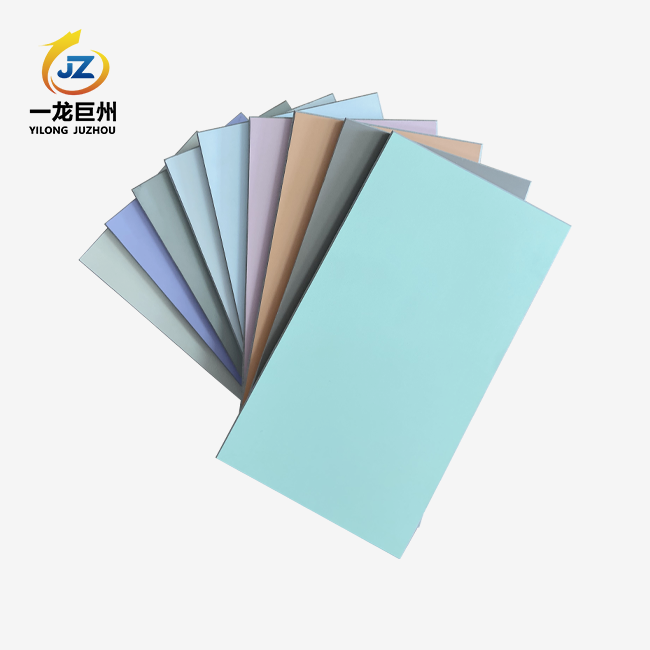
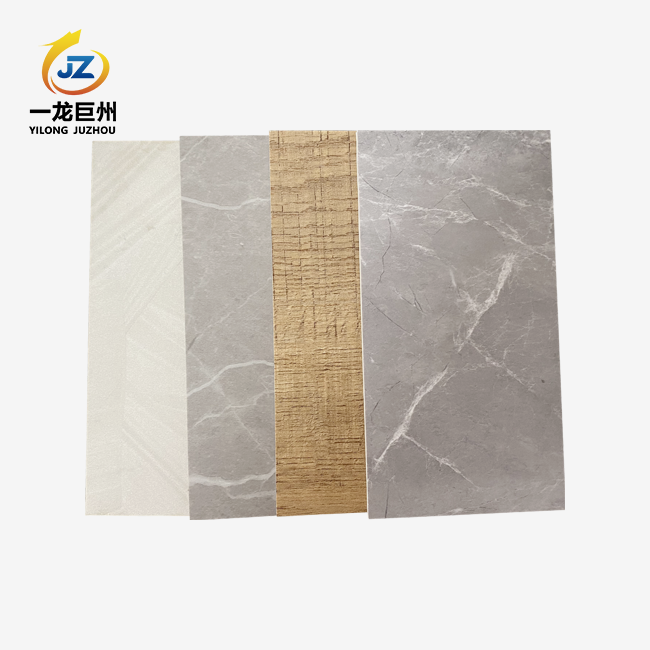
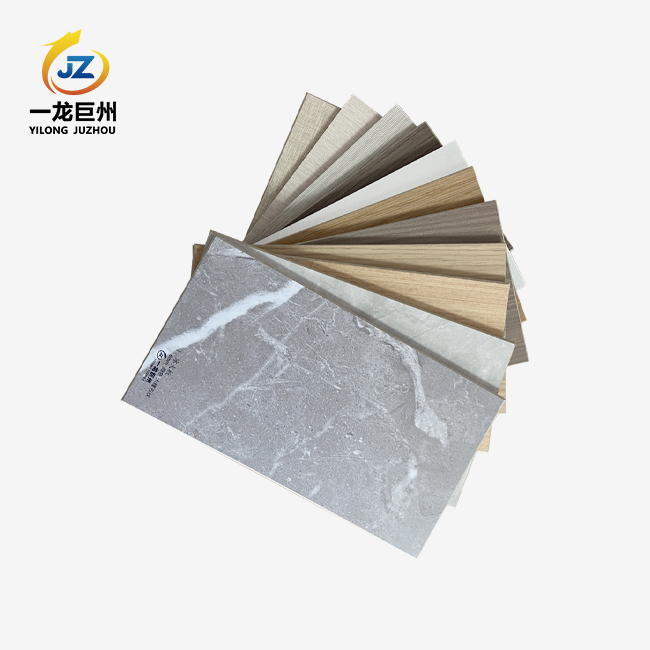
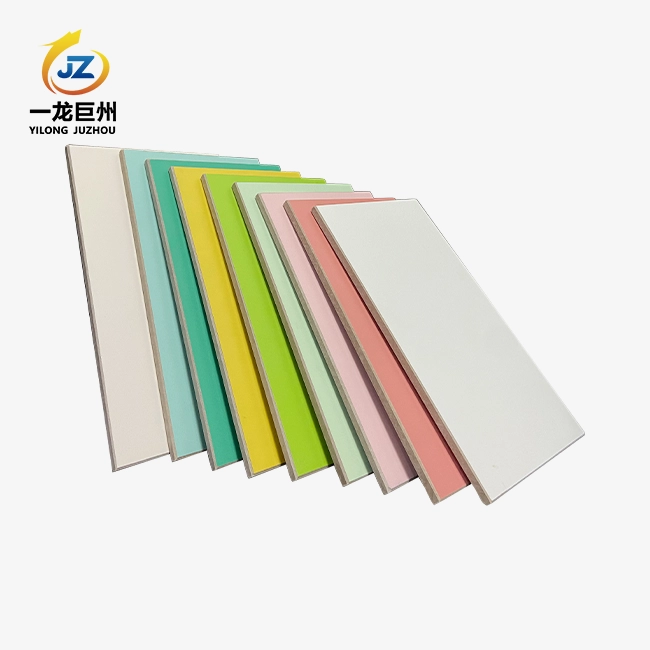
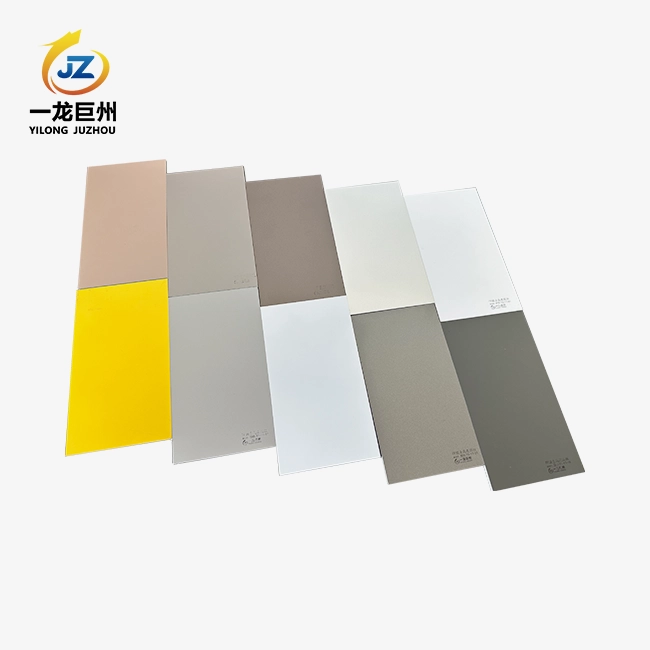
Aesthetic versatility: The surfaces of composite panels can be treated with more options, such as solid colours, wood grain, marble pattern, shiny finish, and cloth texture, than the surfaces of solid aluminium panels, which need to be expensively processed again. This is a very important thing to think about for healthcare, retail, and leisure projects where branding drives design choices.
Machinability and adaptability on-site: Composite panels can be drilled, nailed, and cold-bent without cracking. Solid aluminium needs to be precisely cut out before it can be used, and it can crack under stress when it is being changed in the field.
All of these things make composite panels the best choice for decorating internal walls and cladding exterior walls. On the other hand, solid aluminium is still the best choice when raw structural rigidity is a must, like in industrial frames or load-bearing infrastructure.
Where Each Material Belongs: Sector-by-Sector Fit
Composite Panels for Interior and Facade Applications
In hospitals, schools, shopping malls, office buildings, subways, airports, train stops, stadiums, art galleries, gyms, homes, medical aesthetic centers, hotels, and conference centers, composite panels are the most common way to decorate the inside walls. Because they are so light, phased building plans can be sped up, and crane or lift needs can be cut down. Mineral-core panels that don't emit formaldehyde, smell, or radiation can be used in healthcare settings to prevent infections without causing off-gassing problems, which is an important requirement for U.S. hospitals when they buy materials.
Solid Aluminum for Structural and Industrial Roles
Solid aluminium sheets are still the best choice for roofs, heavy-gauge equipment shelters, and infrastructure parts where panel distortion from impact or bending would weaken the structure, unlike Aluminum Composite board, which is better suited for lighter cladding applications. Pharmaceutical clean rooms and food processing plants sometimes ask for wall-mounted surfaces made of solid aluminium because they need to be resistant to wear and chemical washdowns that happen every day.
Procurement Cost Analysis: What Drives the Price Gap?
The line number for material cost stands out the most, but the total installed cost tells the whole story. When material, fabrication, and fitting labour are added together, composite panels usually cost 30–50% less per square meter than solid aluminium sheets of the same size. For developers who are handling multiple phases of a project, bulk order prices, OEM panel configurations, and custom surface films can all help bring down the cost per unit even more.
Just as much attention should be paid to supplier verification. Teams in charge of buying things should make sure that they follow the rules for ISO quality management, get CE marking for projects that will be exported, and get China Environmental Protection Standard Certification. The A2 Aluminium Composite panels from YILONG JUZHOU have ISO, CE, and China Environmental certifications, which are official documents needed to bid on goods in the U.S. and international markets. Long-lead international supply chains have less operational risk when there is a three-year quality guarantee and a promise to respond within 24 hours.

Total cost is also affected by how hard the installation is. You can install composite panels by moving, folding, and mechanically connecting them. You don't need to weld or use heavy lifting equipment. On big projects, that simplicity cuts work hours by a measurable amount.
Sustainability and Long-Term Value
Both aluminium skins from composite panels can be separated and fully re-smelted, which is in line with LEED v4 Material Ingredients points. The mineral core in A2 panels doesn't have any organic material that can catch fire. This means that during a fire, no harmful results of burning get into the building's ventilation systems.
Over the course of 20 years, composite panels need less upkeep than solid aluminium in indoor settings. Their surface coatings stop moisture, mould, and microbial growth, which has been proven by tests that show they are waterproof and mildew-proof. This means they don't need to be replaced as often and cost less over their lifetime. The European Aluminium Association's life cycle review data show that composite panel systems produce less embodied carbon per unit area than solid aluminium sheets with the same level of stiffness.
Conclusion
Either material can be right or wrong depending on the situation for Aluminum Composite panel solutions. In the vast majority of commercial, healthcare, and institutional applications, aluminium composite panels outperform solid aluminium in terms of weight, design flexibility, fire safety, and total installed cost. When a composite core can't hold up under structural load or is constantly exposed to chemicals, solid aluminium stays in place. A2-rated composite panels are the best choice for buying teams in the U.S. market looking for internal cladding for projects that need to follow rules or look good. They are also the most cost-effective option.
Frequently Asked Questions
1. Is an aluminum composite panel more cost-effective than solid aluminum?
In most business and government settings, the answer is yes. The rigidity of composite panels is about the same, but they are about half as heavy and cost 30–50% less per square metre to install. Costs are cut even more by ordering in bulk and using OEM setups.
2. Does an A2-rated panel meet U.S. fire codes?
According to EN 13501-1, A2 panels are not flammable because they contain more than 90% inorganic minerals. This meets the standards of IBC Section 1407 for wall systems on the outside. Always check with the Authority Having Jurisdiction (AHJ) in your area.
3. What surface finish options are available?
Solid colour, wood grain, marble pattern, metallic pattern, and cloth pattern are some of the standard choices. They can be applied with polyester paint, PET film, PVC film, or PP film, based on the performance requirements.
4. Can panels be customized beyond standard dimensions?
Yes. It can be made in lengths longer than 3 meters, and widths of 1,220 mm, 1,500 mm, and 2,000 mm work for most building layouts. We take both OEM and ODM designs.
Source Your A2 Aluminum Composite Panels Through YILONG JUZHOU
YILONG JUZHOU has two factories, one in Foshan, Guangdong, and one in Xianyang, Shaanxi. They ship goods through the ports of Shenzhen, Guangzhou, Shanghai, and Qingdao. We offer ISO, CE, and China Environmental Protection-certified A2 panels with a three-year warranty as a certified Aluminum Composite panel manufacturer. Email cnyang2000114@gmail.com to get free samples or a unique price. Within 24 hours, our expert team will get back to you.
References
1. Aluminum Association. (2023). Aluminum in Building and Construction. Aluminum Association.
2. European Aluminium. (2022). Sustainability of Aluminium in Buildings. European Aluminium Association.
3. U.S. Green Building Council. (2023). LEED v4 Reference Guide for Building Design and Construction. USGBC.
4. Construction Specifier. (2022). Fire-Rated Cladding Systems: Code Compliance for High-Rise Facades. Construction Specifier Magazine.
5. International Building Code (IBC). (2021). Section 1407: Metal Composite Materials. International Code Council.
6. McGraw-Hill Construction. (2022). Dodge Data & Analytics: Specification Trends in Commercial Interior Wall Systems. Dodge Construction Network.

Send Inquiry

Related Industry Knowledge
- Aluminum Composite Panel vs. Solid Aluminum: Which Is Better?
- A2 vs B1 Aluminum Composite Panel: What’s the Difference?
- What are negative ion boards? All about negative ion boards
- Exploring the Versatile Applications and Benefits of PP Healthy Panel Solutions
- Why Should Architects Consider Aluminum Composite Panels for Facades?
- What Makes UV Antibacterial panels Effective Against Surface Bacteria?
- Medical Clean Board for Hospital Wall and Ceiling Systems
- Why Choose ice fireproof board for Industrial Wall Protection?
- Exploring Modern Aluminum Composite Panel Innovations
- Things to Know About Aluminium Composite Panels