
A2 vs B1 Aluminum Composite Panel: What’s the Difference?
August 27, 2026
The core difference between A2 and B1 aluminum composite panels lies in fire safety performance and core material composition. The A2 Aluminum Composite panel achieves non-combustible classification under EN 13501-1, utilizing a mineral-filled core with over 90% inorganic content, making it essential for high-rise buildings and public infrastructure where strict fire codes apply. B1 panels, while offering flame-retardant properties, contain polymer-based cores with lower mineral content, providing cost-effective solutions for projects with moderate fire safety requirements. Understanding this distinction enables procurement teams to select materials that balance regulatory compliance, performance expectations, and budget considerations.
Introduction
Aluminum composite panels have changed the way architects and engineers design building exteriors and inner walls in the healthcare, institutional, and business sectors. At YILONG JUZHOU, we know that sourcing professionals are under more and more pressure to choose materials that meet stricter fire safety rules while still staying on schedule and on budget for projects. Choosing between A2- and B1-classified panels is more than just a matter of technical specifications. It affects long-term building safety, insurance rates, and compliance paths.
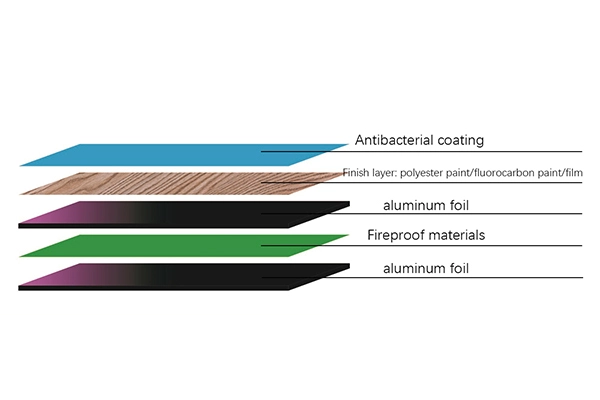
It's important to have technical clarity when telling the difference between these two groups. Both types of panels are made of aluminum skins that are bonded to a central core. However, the way they behave in fire is very different because of what's inside them. This comparison helps project managers who are in charge of hospitals, airports, shopping malls, and office buildings, since the choice of materials has a direct effect on the safety of the people who will be using the building and on getting it approved by the government. This study gives people who make decisions the information they need to follow fire safety rules in a variety of project settings by looking at differences in core materials, how they work, and how they are used in the real world.
Understanding Aluminum Composite Panels: A2 and B1 Overview
Core Material Composition and Fire Behavior
The main difference starts at the level of molecules. The cores of A2 aluminum composite panels are made from magnesium hydroxide or aluminum hydroxide compounds. This makes a matrix where more than 90% of the material is inorganic. When these minerals are near a flame, they absorb heat and give off water vapor instead of gases that can catch fire. This reaction mechanism stops the flame from spreading and greatly slows down the rate at which heat is released during fires.
| item | A2 | B1 |
| core material | calcium powder+Magnesium hydroxide, Aluminum hydroxide | pe |
| layer | PP/PVC/HPL/PET/polyester paint | PP/PVC/HPL/PET/polyester paint |
The cores of B1 panels are made of polyethylene and are strengthened with flame-retardant materials like aluminum trihydrate. The polymer base is still flammable, but these chemicals make it take longer to light and stop the flame from spreading compared to regular PE cores. When exposed to heat for a long time, B1 cores eventually add fuel to fires, but at rates that are controlled enough to meet modest fire safety standards set by building codes for lower-risk situations.
Regulatory Classifications and Testing Standards
There are seven fire performance groups in the European rating system EN 13501-1. A2-s1,d0 is the second-highest safety tier. This label shows that the substance is not easily ignited, doesn't make much smoke (s1 rating), and doesn't produce many flaming drops (d0 rating). As part of the testing process, panels are put through a steady flame and radiant heat while the temperature rise, weight loss, and makeup of the burning gas are recorded.
According to national standards like China's GB 8624, a B1 rating means that the material is flame-resistant, which has been proven through vertical burning tests. These screens put out fires on their own when the source of fuel is taken away, but they are not non-combustible, which is needed in high-consequence areas. When procurement teams know about these testing protocols, they can look at supplier certifications and make sure that paperwork from companies like YILONG JUZHOU matches the project requirements.
Structural Properties and Performance Range
In their own safety categories, both types of panels allow for a lot of customization. YILONG JUZHOU makes A2 Aluminum Composite panels with thicknesses between 2 mm and 6 mm, widths of 1220 mm, 1500 mm, or 2000 mm, and lengths that can be customized to be longer than 3 meters for seamless installations. The thickness of the aluminum skin ranges from 0.1 mm to 0.5 mm, which is a compromise between weight and structural strength needs.
Because of the higher mineral core density of A2 panels, they weigh about 15 to 20 percent more than B1 panels of the same size. This means that load estimates are needed for mounting systems on facades. But this extra mass helps to improve soundproofing and temperature stability, which are important qualities for places like hospitals and meeting centers where comfort is important.
Key Differences Between A2 and B1 Aluminum Composite Panels
Fire Safety Performance and Compliance Implications
The main selection factor is how resistant something is to fire. It is possible for A2 panels to become non-combustible, which means they don't contribute much to fires and stay structurally sound longer than B1 panels. This performance is very important during evacuations, when wall materials must not help the fire spread faster or make toxic smoke that makes it hard to see in hallways and stairwells.
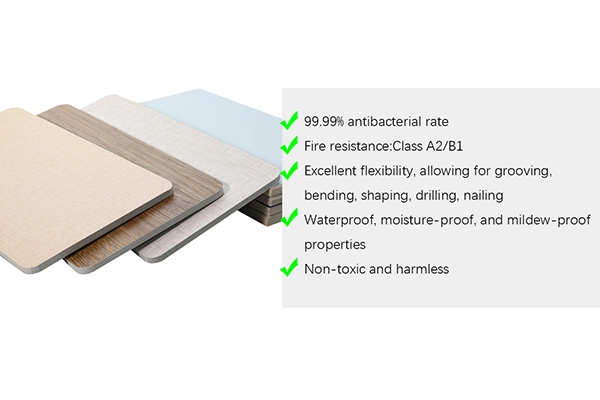
The effect is clear in high-rise buildings taller than 18 meters, where non-combustible cladding such as an A2 ACP board is required by the International Building Code and local amendments. Due to high occupancy rates and difficult evacuations, public gathering places like stadiums, train stations, and meeting centers have to follow similar rules. The building codes still allow B1 panels to be used in mid-rise buildings and as interior walls in offices with direct exits and fire protection through separation.
Material Composition and Environmental Considerations
The environmental profiles of these panel types are very different. A2 mineral cores don't have any halogens or organic compounds that give off harmful chemicals when they burn, so they are compatible with green building certifications like WELL and LEED. The inorganic makeup also naturally stops microbes from growing, so there are no worries about mold and mildew in hot places or places that tend to get wet, like gyms and medical cosmetic centers.
Even though flame retardants are added to B1 polymer cores, they need to be carefully made so that they have the least possible effect on the environment. Manufacturers of good products make sure that the rules about brominated compounds and heavy metal stabilizers are followed. Both types of panels at YILONG JUZHOU are made without formaldehyde and have no smell. This meets indoor air quality standards, which are very important for places like schools and hospitals where sensitive people spend a lot of time.
Cost Analysis and Value Proposition
The initial costs of materials for A2 panels are usually 25–40% higher than those for B1 panels. This is because the minerals have to be processed in a certain way, and there are strict testing requirements. This extra cost is usually worth it because it lowers insurance costs, speeds up the permit process, and gets rid of the need for expensive fire safety engineering studies that are needed to support the use of flammable materials in low-impact situations.
Lifecycle cost models should include how often to do upkeep, how long the product is expected to last, and when it might need to be replaced. A2 panels are better at withstanding the weather when they are used outside, and the PVDF coats keep their color for 15 to 20 years in harsh industrial or ocean environments. When durability and fire safety are combined, the product is a great deal for institutional clients who are in charge of handling building standards across multiple projects.
Decision-Making Factors for Selecting A2 or B1 Aluminum Composite Panels
Regulatory Environment and Code Compliance
The site of the project sets basic fire safety standards that can't be broken. NFPA 285 testing is being used more and more in the United States to find flammable parts in wall systems above a certain height. These requirements are reliably met by A2 panels without the need for system-level testing. This makes the specification process easier for design teams. B1 panels might need extra proof that they work well in certain assembly arrangements, which would add review time to the permit processes for permits.
The NFPA 101 Life Safety Code has very strict rules for healthcare facilities. These rules limit the types of materials that can be used to finish the inside of buildings based on how easily they spread flames and produce smoke. When it comes to hallway walls, nurse stations, and patient room walls, A2 labeling makes it easy to follow the rules. B1 materials, on the other hand, might need to go through thorough flame spread index testing and authority approval.
Project-Specific Risk Assessment
In addition to code minimums, risk management factors affect the choice of material. Pediatric hospitals, senior living facilities, schools, and other buildings that house fragile people should use conservative methods that put protecting the people who live there ahead of saving money. Also, things that can't be replaced in art galleries or archival storage make the case for non-combustible building materials, such as A2 metal aluminum composite panel, that limit fire damage even when suppression systems work.
Transportation hubs like airports and subway stations have special problems because of the large numbers of people, the complicated exit routes, and the need for continuous operations. These problems justify the A2 specification. The S1 smoke grade makes sure that there is enough visibility to find your way in an emergency, and the non-combustibility of the cladding keeps it from adding to fire loads in places where electrical systems or repair work could start a fire.
Aesthetic Flexibility and Design Integration
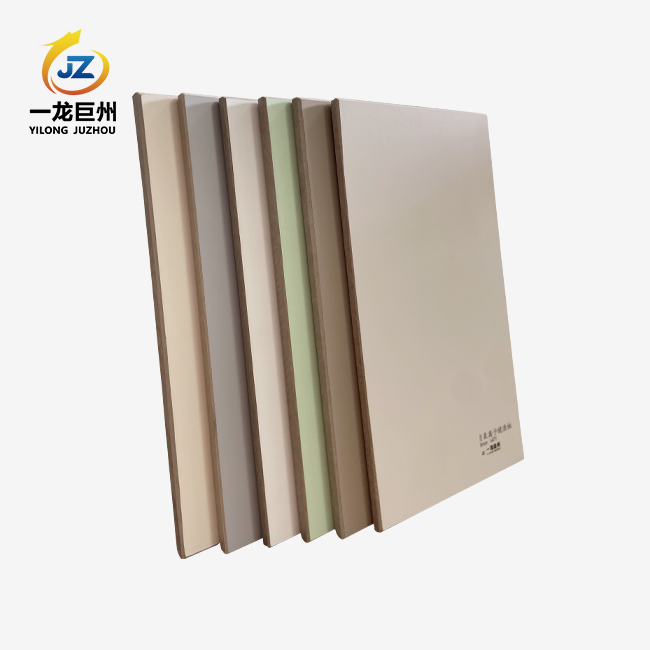
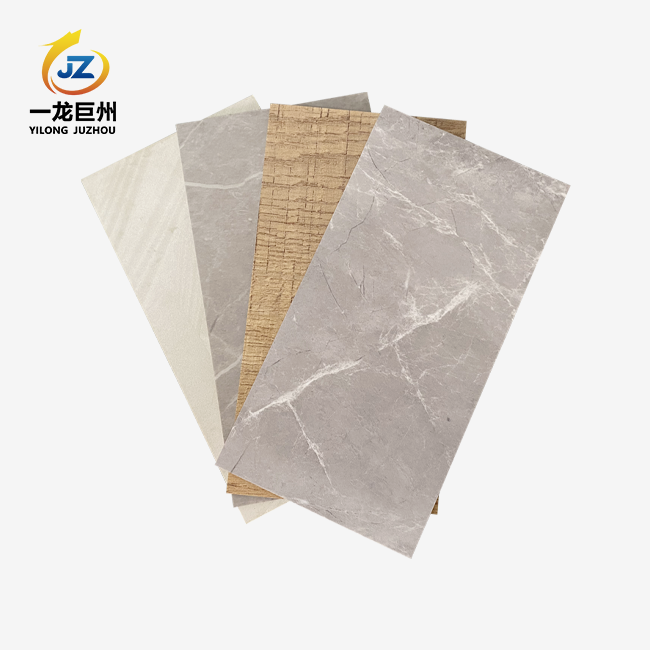
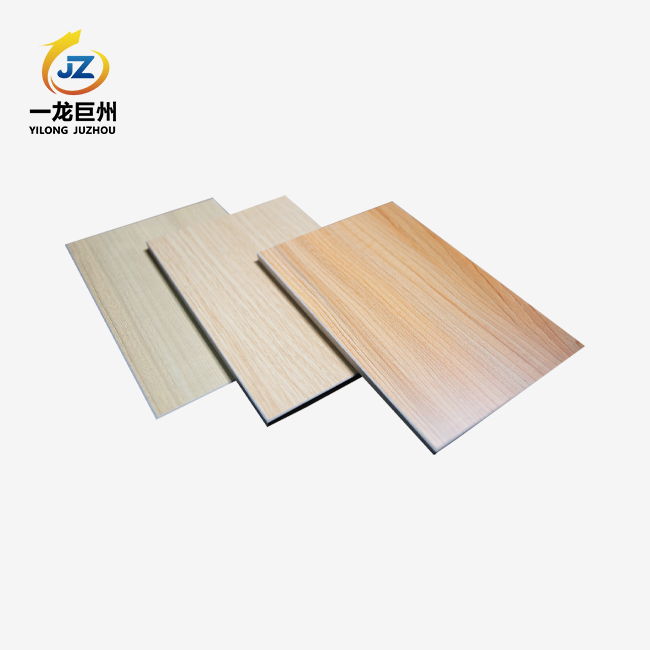
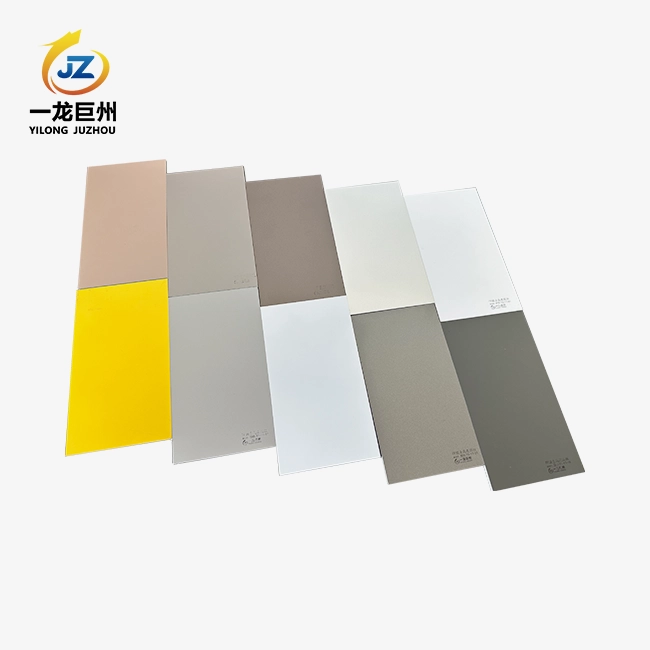
Both types of panels still have a lot of surface treatment choices. YILONG JUZHOU has A2 Aluminum Composite panels that can be finished with solid colors, woodgrain patterns, metallic effects, or fabric simulations. The panels can also be painted with polyester paint, PET film, PVC film, or PP film. This flexibility lets builders achieve their design goals without putting fire safety at risk, so the brand stays consistent on campus or mixed-use projects.
Because the material is flexible, it can be made into curved shapes, folded geometries, and three-dimensional features that define modern architectural expression. Panels can be drilled, nailed, and bent, and they can be installed in a variety of ways, from using hidden fastener systems to showing joints. Custom heights above 3 meters get rid of seam lines in double-height lobbies and atriums, giving projects in the hospitality and corporate headquarters industries a smooth visual impact that is valued.
Procurement Guide: Buying A2 and B1 Aluminum Composite Panels
Supplier Evaluation and Quality Verification
To choose reliable A2 aluminum composite panel suppliers, you need to check their production skills and make sure that their certifications are real. YILONG JUZHOU has factories in the provinces of Shaanxi and Guangdong, where they make things. They follow the rules set by ISO certification and the Chinese Environmental Protection Standard. Our inventory of 50,000 square meters allows for quick deployment, and production lead times of 3–7 days meet the needs of business building projects that need to be finished faster.
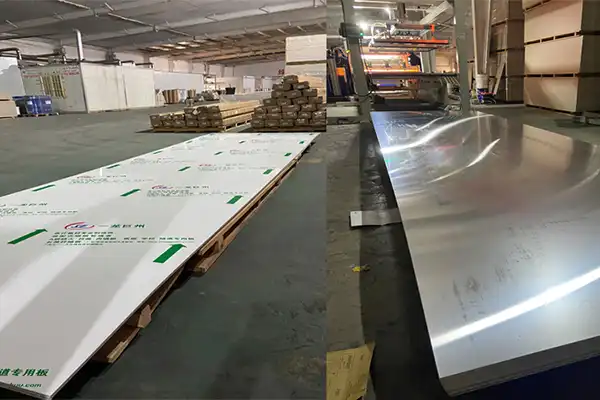
Third-party testing records should include full test reports, not just certificates, that show how much heat is released, how much smoke is produced, and how the combustion process behaves across the temperature range defined in EN 13501-1 or an equivalent standard. Asking for an ash content analysis that shows the mineral composition is higher than 90% in A2 cores helps procurement teams tell the difference between real non-combustible products and the many falsely labeled ones that are sold around the world.
Customization Capabilities and Technical Support
For complicated projects to succeed, they need suppliers who can do more than just sell goods. Here at YILONG JUZHOU, we offer OEM and ODM services that can meet specific size needs, color matching to brand standards, and integration with mounting systems created by curtain wall builders. Design assistance helps specification teams figure out how to balance the needs for panel thickness, aluminum skin gauge, and structural performance.
Sample programs help people make decisions faster by letting them try things out before committing to them. YILONG JUZHOU sends free samples within 3–5 days so architects can check the finish quality, how it's made, and how well it works with other materials. This physical confirmation lowers the risk of not meeting the requirements and boosts trust among project partners whose approval is needed to move the project forward.
Logistics and Delivery Infrastructure
Coordinating the supply chain well is necessary for a global project to be completed. Because it is in a good spot, YILONG JUZHOU is close to many important shipping places, such as Shenzhen, Guangzhou, Shanghai, and Qingdao. This makes it easier to combine containers and send freight more efficiently to North American destinations. Land transportation hubs in Xi'an, Guangzhou, Shenzhen, and Foshan help with shipping within China and connecting cities within the country.
Protocols for packaging must protect panels during foreign shipping while also making the best use of containers. When you use the right crating, you can avoid edge damage and surface wear that can ruin the look of your installation. Clear paperwork, like material safety data sheets, country-of-origin certificates, and compliance declarations, speeds up the customs process and makes sure that import rules in target markets are followed.
Conclusion
When choosing between A2 aluminum composite panels and B1 aluminum composite panels, you have to think about fire safety requirements, project budgets, and performance expectations for a wide range of building types. A2 panels provide non-combustible safety that is needed in high-rise buildings, healthcare centers, and public gathering areas where regulations and life safety concerns make a special investment worthwhile. B1 panels are a cheap option for mid-rise buildings and internal uses where moderate fire resistance meets code requirements without losing freedom in how they look. Getting the best results from providers like YILONG JUZHOU is key for procurement teams. These companies have the production know-how, technical support, and global logistics infrastructure needed to complete projects successfully in the business, institutional, and industrial sectors.
FAQ
1. What specific fire tests distinguish A2 from B1 aluminum composite panels?
The EN 13501-1 test measures how much heat the panels give off, how far the flames spread, and how much smoke they make after being exposed for a long time. The classification needs less than 3 MJ/kg of total heat release and a small rise in temperature, which proves that the material doesn't catch fire. According to GB 8624, B1 testing involves applying a vertical flame and checking how long it takes to put out on its own and how long the afterglow lasts. This shows flame retardancy rather than non-combustibility.
2. Can B1 panels be used in hospital corridor applications?
An appropriate hospital hallway depends on how the local building codes are interpreted and how tall the building is. A lot of places allow B1 materials to be used in healthcare facilities with one or two stories and easy ways to get out. Because of how hard it is to evacuate and the number of vulnerable patients who need longer rescue times, corridor walls in multi-story hospitals usually need to be classified as A2.
3. How does mineral core composition affect panel fabrication?
Because A2 material cores are rough, they need carbide or diamond-tipped cutting tools. For B1 polymer cores, on the other hand, normal steel blades will work. Feed rates and cutting speeds need to be changed to keep tools from wearing out too quickly. This will add time to the fabrication process, but it can still be done with the right tools and training for the operators.
4. What warranty coverage should procurement teams expect?
Reputable makers, like YILONG JUZHOU, offer three-year guarantees that cover delamination, coating adhesion, and structural stability in normal weather conditions. PVDF coatings may come with extended guarantees that last up to 15 years against color fading, as long as the upkeep instructions are followed and the quality of the installation is checked.
Partner with YILONG JUZHOU for Certified Fire-Safe Aluminum Composite Panels.
Years of specialized experience have helped YILONG JUZHOU make A2 Aluminum Composite panels and B1 solutions for tough commercial, healthcare, and infrastructure uses. Our two factories, one in Shaanxi and one in Guangdong, follow strict quality control standards that are confirmed by ISO approval and compliance with environmental protection laws. This makes sure that every panel meets the important specifications for the success of your project. We offer customized panel layouts with thicknesses ranging from 2 mm to 6 mm, widths up to 2000 mm, and lengths of any length. Production can be completed in as little as 3 to 7 days, and we keep 50,000 square meters of ready-to-use panels in stock. YILONG JUZHOU is an A2 aluminum composite panel seller that is dedicated to technical excellence. They offer free samples, OEM/ODM services, fitting help, and quick response times (within 24 hours). You can email our team at cnyang2000114@gmail.com to talk about your specific needs and get full product paperwork that makes buying easier and makes sure that all of your buildings meet fire safety standards.
References
1. Building Research Establishment, "Fire Performance of External Thermal Insulation for Walls of Multistorey Buildings," BRE Trust Report, 2019.
2. National Fire Protection Association, "NFPA 285: Standard Fire Test Method for Evaluation of Fire Propagation Characteristics of Exterior Wall Assemblies Containing Combustible Components," 2019 Edition.
3. European Committee for Standardization, "EN 13501-1: Fire Classification of Construction Products and Building Elements – Part 1: Classification Using Data from Reaction to Fire Tests," 2018.
4. American Architectural Manufacturers Association, "AAMA 508-19: Voluntary Specification, Performance Requirements, and Test Procedures for Aluminum Composite Material (ACM) Panels," 2019.
5. International Code Council, "International Building Code Chapter 14: Exterior Walls and Chapter 26: Plastic," 2021 Edition.
6. Green Building Council, "Material Transparency and Fire Safety in High-Performance Building Envelopes," USGBC Technical Report, 2020.

Send Inquiry


Related Industry Knowledge
- Where Are UV Antibacterial panels Most Commonly Used?
- Inorganic pre-coated panels Surface Technology and Durability Guide
- Interior and Exterior Applications of A2 Aluminum Composite Panels
- How to Choose the Right PP Healthy Panel for Interior Wall Decoration
- What is a PP healthy panel? Uses, Benefits & Future Trends Explained
- Composite Fireproof Boards Compared: Why Calcium Silicate Aluminum Panels Stand Out
- A Beginner’s Guide to Choosing Antibacterial Wall Panels
- Where Are Antibacterial Wall Panels Most Commonly Used
- Using Calcium Silicate Aluminum Composite Boards in Industrial Insulation Projects
- How to Choose the Right Calcium Silicate Aluminum Composite Board for Your Project