
Inorganic pre-coated panels Surface Technology and Durability Guide
August 18, 2026
Inorganic pre-coated panels are a major step forward in building technology that should be considered when choosing internal wall materials for tough business settings. These panels have a calcium silicate base and UV-cured antibacterial coats on top of it. They are fireproof, meet cleanliness standards, and last a long time, which is something that painting surfaces can't do. Knowing about their surface technology and how well they perform helps procurement teams make smart choices that balance the cost of the purchase with its value over time.
Understanding Inorganic Pre-Coated Panels: Technology and Properties
Inorganic pre-coated panels are designed wall systems that combine structural bases with protected coats that are sprayed at the factory. Unlike traditional materials that need to be painted on-site, these panels come to job sites already installed, so there aren't any of the problems that come with painting on-site.
Composition and Core Structure
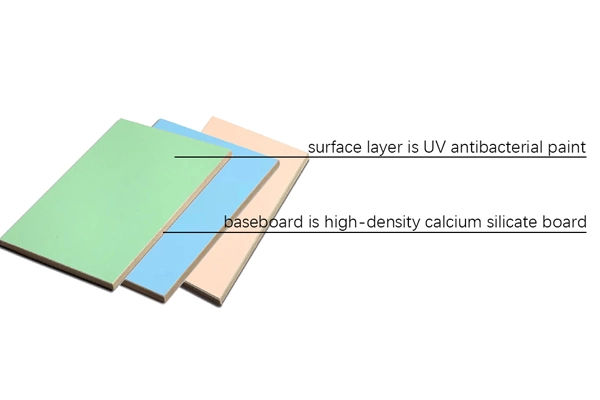
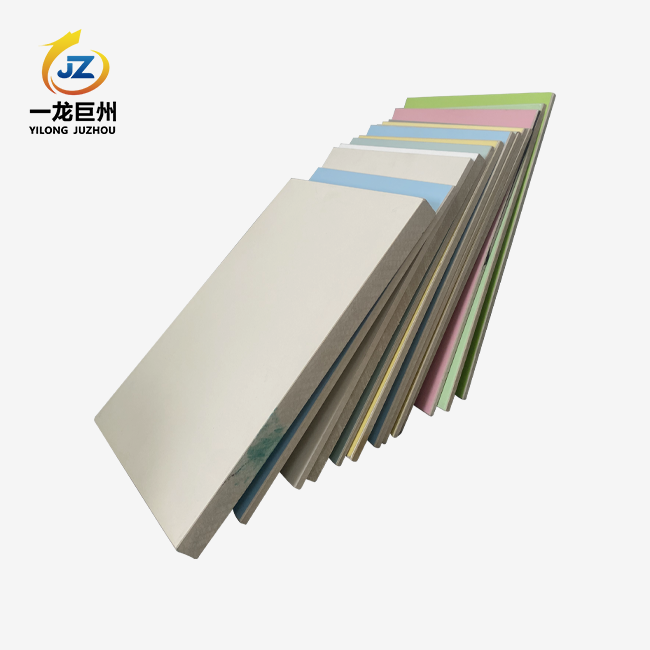
As the base of these panels, calcium silicate board is often used. This is a man-made material that doesn't burn and is known for staying in shape and not getting wet. The UV-cured antibiotic covering that was put on during production is held in place by this base, which also keeps the structure strong. A chemically fused top layer is made during the coating process. It doesn't come off and works well for as long as the panel is used.
| Base board | calcium silicate board | thickness | 4-20mm |
| Density | ≥1.45 | size | 1220x2440/2600/2700/2800/3000/3050mm |
| surface layer | UV antibacterial paint | fireproof | Class A |
| color | solid color | hardness | 4H |
Fire-Resistant Minerals and Safety Compliance
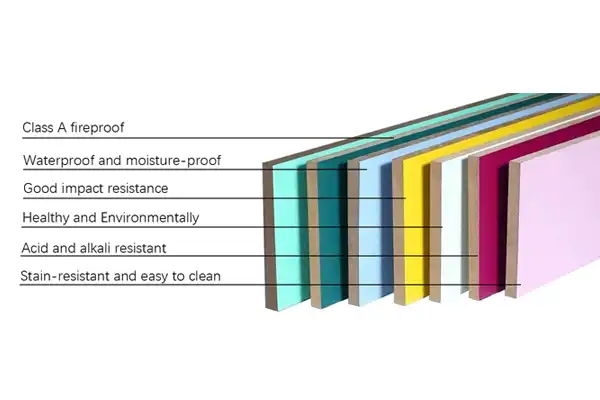
As neither the base nor the covering is made of living things, they are very good at resisting fire. As per GB8624 Class A, these panels are not flammable, which means they don't catch fire, make little smoke, or give off dangerous fumes when heated. Now, these can be used in places with strict fire safety rules, like hospitals, tunnels, and public places.
Comparison with Organic Alternatives
UV light and heat can break down the carbon-based polymers that are used in most organic coatings. Non-living coatings are made of minerals that don't change when heated or cooled and don't react with chemicals. Because of this simple difference, the colour will last longer, need less maintenance, and work better in areas with a lot of foot traffic or that need to be cleaned often with strong disinfectants.
Surface Technology Innovations Enhancing Durability
Protective coats stick to panel surfaces better now that things are made in more modern ways. This means that goods last longer and work better every time.
UV-Curing Process and Antibacterial Properties
UV-curing technology uses ultraviolet light to change covering materials into polymers right away. These polymers stick together to make a thick, cross-linked film on the surface. Almost no flammable organic chemical fumes are made because the liquid doesn't evaporate during this process. After it has dried, the surface is 99.99% antibiotic. This keeps germs from growing and making kitchens and hospitals less clean. There are no holes in the layer, so bacteria can't get the food and water they need to grow. This naturally stops infections from happening without using chemicals.
Surface Finish Options and Aesthetic Flexibility
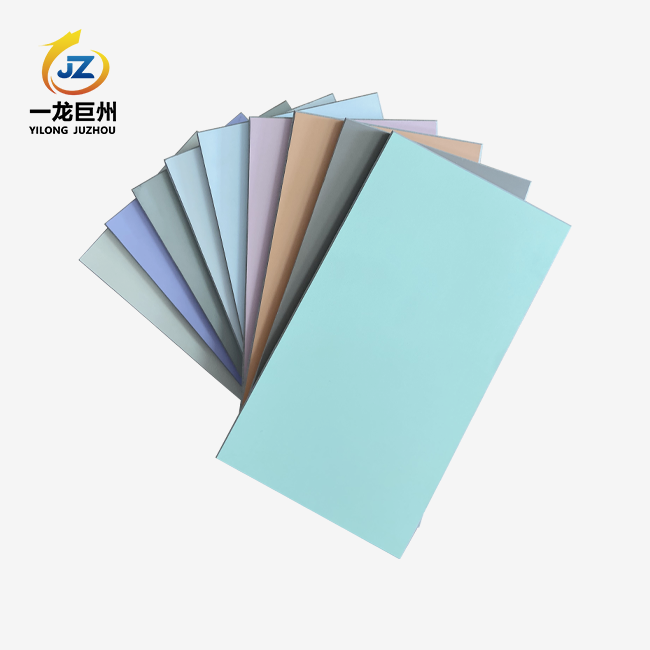
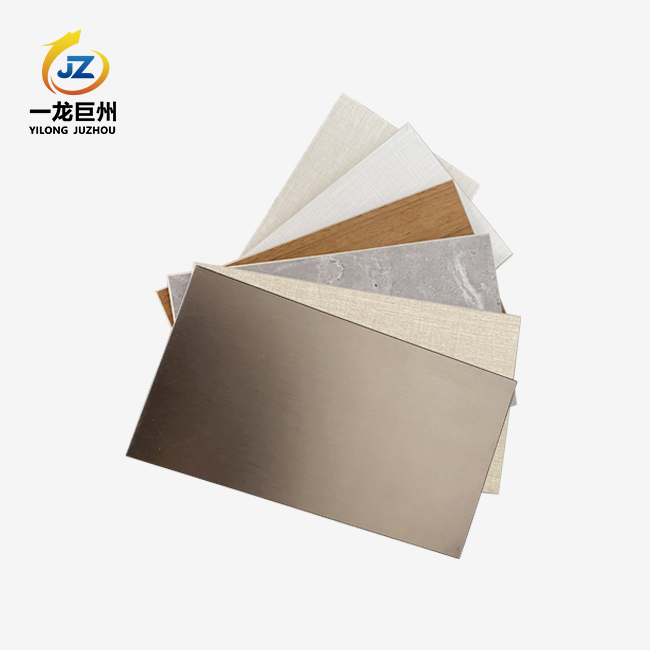
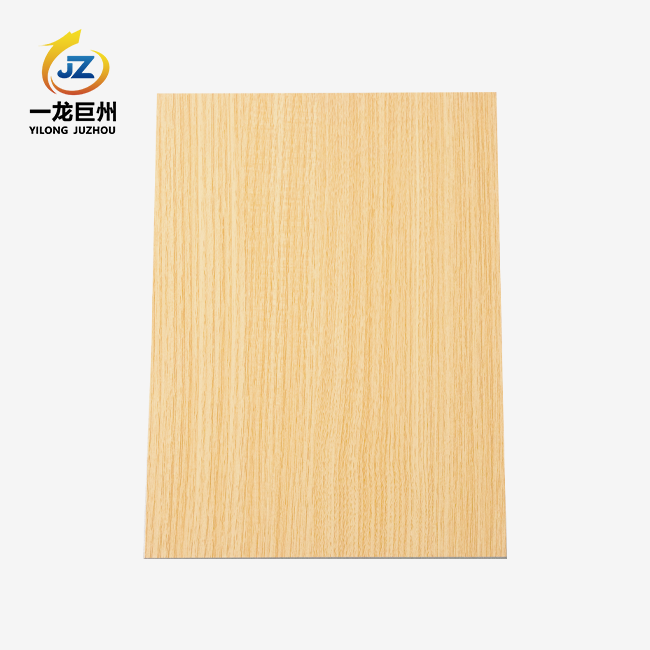
Manufacturers now offer a lot of different finish patterns, such as solid colours, woodgrain textures, marble effects, metallic sheens, and cloth patterns. This gives workers the chance to pick pieces that meet the needs of the project and the goals of the creators. It's easier to clean in operating rooms when the finish is glossy, and it cuts down on glare in tunnels and tube stops when the finish is matte. UV-cured paints keep their colour for a long time, so even big projects will look the same. They also stop painted plasterboard from fading.
Testing Standards and Performance Verification
Strict quality control checks on fireproof board make sure the panels work well before they are shipped. Protocols for testing look at how well something resists contact, water uptake, chemical resistance, and color fastness. With water absorption rates below 10%, panels are very good at keeping out moisture, so they don't warp in wet areas. Impact testing shows that the surface can handle physical stress without cracking or denting, which is important for areas with a lot of foot traffic and public buildings.
Comparing Inorganic Pre-Coated Panels with Alternative Solutions
Before making a purchase decision, it's important to know how different wall systems compare in terms of cost, safety, and upkeep.
Performance Advantages Over PVC Panels
Even though PVC panels are cheaper at first, their organic makeup makes them dangerous for fire safety. When PVC is burned, it gives off hydrochloric acid gas, which makes the air poisonous and breaks down machinery. With inorganic pre-coated panels, this risk is completely gone. When temperatures rise, PVC also softens and loses its structural integrity. Calcium silicate, on the other hand, stays strong even when temperatures rise.
Lifecycle Cost Considerations
The initial prices of materials for inorganic pre-coated panels are usually higher than those for painted plywood or basic PVC systems. Over time, the economic benefit shows up in the form of less upkeep, longer replacement rounds, and lower labor costs. By finishing in the factory instead of painting in the field, construction schedules can be sped up, and quality can be guaranteed. The panels' resistance to impact keeps them from getting damaged, which is common in school settings and saves money on repair costs. Total ownership costs often prefer inorganic solutions over a 20-year service life, even though they cost more up front.
Durability Comparison with Painted Metal Composites
Organic coatings on aluminum composite panels wear off over time, so they need to be painted over again. Inorganic pre-coated panels don't need to be refinished, which saves time and keeps people from having to move. Metal panels also conduct heat, which could lead to condensation problems. Calcium silicate, on the other hand, acts as thermal insulation, which saves energy.
Procurement Insights: How to Choose and Source Inorganic Pre-Coated Panels
Paying attention to certifications, production skills, and service support is important when choosing the right supplier and product specs.
Material Certifications and Quality Assurance
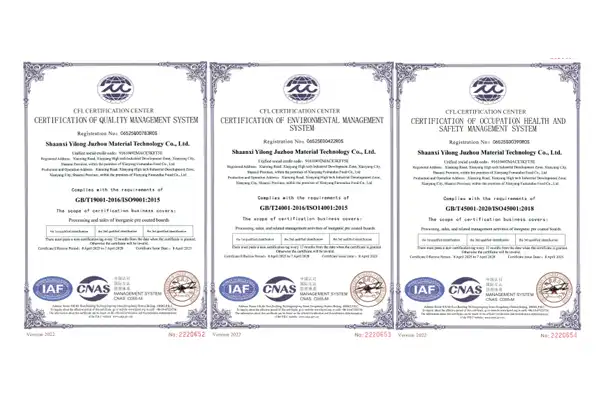
Check that the panels carry relevant safety certifications, such as ISO quality management paperwork and fire test reports that follow your area's building codes. Products should meet environmental standards that make sure they don't contain any dangerous materials like asbestos or formaldehyde and have low VOC emissions. Instead of relying only on what the manufacturer says, get test data from a third party.
Supplier Evaluation Criteria
Check to see how much a potential supplier can produce, how reliable their deliveries are, and how well they can help with technical issues. For big projects, manufacturers need to be able to keep up with the schedules for each step of building. Check to see if the suppliers offer customization services, such as non-standard sizes, colors, or systems that install themselves. Shaanxi Yilong Jiuzhou Material Technology has two production bases that can handle more than 50,000 square meters of goods every day. These bases are supported by many production lines that make sure goods are always available.
Dimensional Options and Customization
Standard panel sizes for interior wall decoration Inorganic pre-coated fireproof wall panels are usually 1220 mm wide and 2440 mm long, with a maximum height of 3050 mm to cover the whole wall without any horizontal gaps. You can choose from thicknesses ranging from 4.5mm to 20mm, so you can make your own specifications based on your building needs and fire safety standards. Impact protection and soundproofing are both improved by using thicker walls. Customizing colors and patterns lets the design stay the same from one project phase to the next.
Sampling and Testing Process
Reputable makers offer free samples within three to five days, so you can see how the product works before you place a big order. Test items in ways that are relevant to the project, such as by exposing them to cleaning products that are used in your building. Make sure the surface finish can handle the expected wear and that the panel's measurements are within the acceptable range for fitting.
Maintenance and Longevity of Inorganic Pre-Coated Panels
Installing wall systems correctly and taking care of them regularly will make them last longer and protect your investments.
Routine Cleaning Protocols
Compared to coated drywall, the UV-cured surface is easier to keep clean because it is not porous. Cleaning the coating regularly with neutral pH detergents gets rid of dust and other impurities without hurting the coating. The surface can handle quaternary ammonium chemicals and hydrogen peroxide solutions, which are used to clean hospital facilities. Avoid using rough scrubbing pads on the finish because they could scratch it, even though the coating is more scratch-resistant than regular paints.
Installation Best Practices
Quick pressure strip installation methods let you place things quickly and easily without using special tools. Panels stay flat and firmly connected as long as the substrate is properly prepared. Allow enough space for expansion to allow for thermal movement. This will keep the edges of the panels from getting stress cracks. Customizing in the factory to exact measurements cuts down on cutting in the field, which cuts down on dust and installation time. Panels can be put up in empty building areas, which speeds up the completion of the job.
Environmental Factors and Longevity
Changing temperatures, changes in humidity, and chemical contact all affect how long a panel lasts. Inorganic materials are very stable no matter what the environment is like. In coastal areas, air that is high in salt damages metal fixings before it damages the panel surfaces. You should choose mounting tools that won't rust to match the longevity of the panels. Indoor installations in climate-controlled areas can last longer than 25 years with little upkeep.
Early Intervention and Damage Prevention
Check the edges of the panels every so often for damage or fixing systems that are coming loose. Fix small problems right away to stop water from getting behind panels, which can weaken the base. The impact resistance of the panels lowers damage from equipment collisions and normal wear and tear. However, areas that are likely to be hit hard might benefit from having guardrails or bollards put up.
Conclusion
In terms of safety, cleanliness, and lifetime costs, inorganic pre-coated panels outperform their competitors. Their non-combustible design, antibacterial surface technology, and low maintenance needs make them ideal for use in healthcare, institutional, and industrial settings. Even though the initial costs are higher than basic options, the total cost of ownership is very appealing because there is no need to paint, the product lasts longer, and it can be installed faster. Buying these panels is an investment in the long-term value of the asset and the safety of the people who live or work in it.
FAQ
1. What distinguishes inorganic from organic pre-coated panels?
Mineral-based surfaces, such as calcium silicate, and UV-cured films that don't contain carbon polymers are used in inorganic pre-coated panels. PVC or painted steel with carbon-based finishes are some of the materials used to make organic panels. This difference changes how well it resists fire, UV light, and chemicals.
2. How do these panels achieve antibacterial performance?
When the surface is UV-cured, it forms a thick, non-porous finish that germs can't get the water they need to grow. Testing has shown that it is 99.99% effective against bacteria without any chemical additions, making it perfect for use in hospital and food processing settings where passive infection control is needed.
3. Can panels be customized for specific project requirements?
Manufacturers offer a wide range of customization options, such as non-standard sizes up to 3050mm in height, different thicknesses from 4.5mm to 20mm, and different finish patterns. OEM and ODM services can handle custom color requirements and installation systems that work with other systems.
4. What certifications verify panel safety and environmental compliance?
Quality panels have GB8624 Class A fire ratings, ISO quality standards, and environmental testing that proves they don't release any asbestos or VOCs. Ask for proof that the building meets local building rules and green building standards.
Partner with YILONG JUZHOU for Reliable Inorganic Pre-Coated Panel Solutions
YILONG JUZHOU has the production capacity, technical knowledge, and quick service that complicated projects need. It is a reliable company that procurement professionals can turn to for inorganic pre-coated panels. Our two factories in Shaanxi and Guangdong provinces keep 50,000 square meters of ready stock, which lets us produce items in 3–7 days and answer questions 24 hours a day, seven days a week. We offer full customization, which includes changing the sizes, making new patterns, and integrating the installation system. Giving a sample within three to five days lets you fully evaluate before committing. Our ISO and CE certifications show that we meet high standards for quality, and our three-year warranty shows that we trust our products to last. You can email our team at cnyang2000114@gmail.com to talk about the details of your project and get full technical data. Our design and installation support services make sure that the project goes smoothly from the planning stage to the time it's finished.
References
1. Chen, L., & Wang, M. (2021). Fire Performance of Inorganic Building Materials: Standards and Testing Protocols. Building Safety Press.
2. Harrison, T. (2020). Antibacterial Surface Technologies in Healthcare Construction. Medical Facilities Journal, 15(3), 112-128.
3. Kumar, R., & Singh, P. (2022). Lifecycle Cost Analysis of Interior Wall Systems in Commercial Buildings. Construction Economics Review, 28(2), 45-67.
4. National Fire Protection Association. (2023). NFPA 101: Life Safety Code Handbook. NFPA Publications.
5. Thompson, J., & Rodriguez, A. (2021). UV-Cured Coatings: Chemistry, Applications, and Performance. Polymer Technology Institute.
6. Zhang, Q., Liu, H., & Park, S. (2022). Comparative Durability of Inorganic versus Organic Wall Cladding Systems. Journal of Building Materials Science, 34(4), 289-305.

Send Inquiry



Related Industry Knowledge
- Calcium Silicate Fireproof Board - the reliable and safe choice for fire doors
- Coated Aluminum Composite Panel: Structure, Features, and Applications Explained
- What Is ice fireproof board and How Does It Resist High Heat?
- Why Choose ice fireproof board for Industrial Wall Protection?
- UV Antibacterial panels Durability and Scratch Resistance Explained
- What are the key steps for installing aluminum composite panels?
- What are aluminum composite panels used for?
- Antibacterial wall panel medical rigid sheet wall protection
- How to Choose the Best Medical Clean Board
- How Antibacterial Wall Panels Improve Hygiene in High-Traffic Areas