
Can Calcium silicate aluminum composite board Improve Insulation?
September 28, 2026
Calcium silicate aluminum composite board is a true improvement in thermal, fire, and acoustic insulation. This material is a thick, fiber-reinforced calcium silicate core with bonded aluminium skin layers, creating a panel resistant to heat transfer, flame propagation, and sound transmission. Its thermal conductivity rating of about 0.2-0.3 W/m.K is a significant improvement over regular gypsum and regular fibre cement boards. For procurement teams selecting interior wall systems for commercial, healthcare, or industrial projects, these qualities mean instant code compliance, tenant comfort, and long-term energy savings.
What Is Calcium Silicate Aluminum Composite Board?
Material Composition and Structure
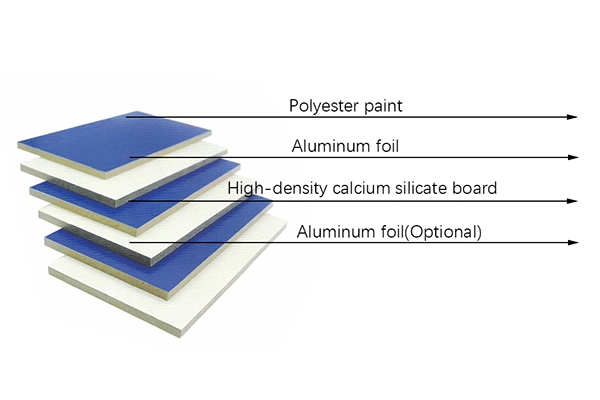
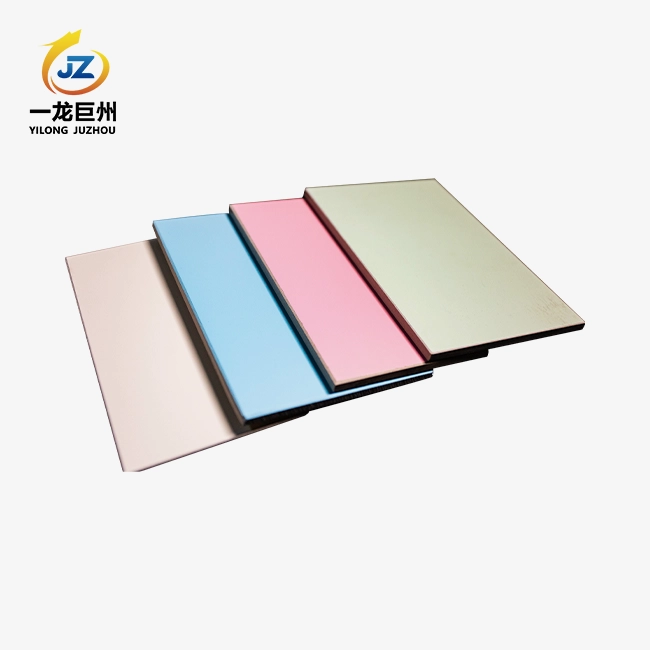
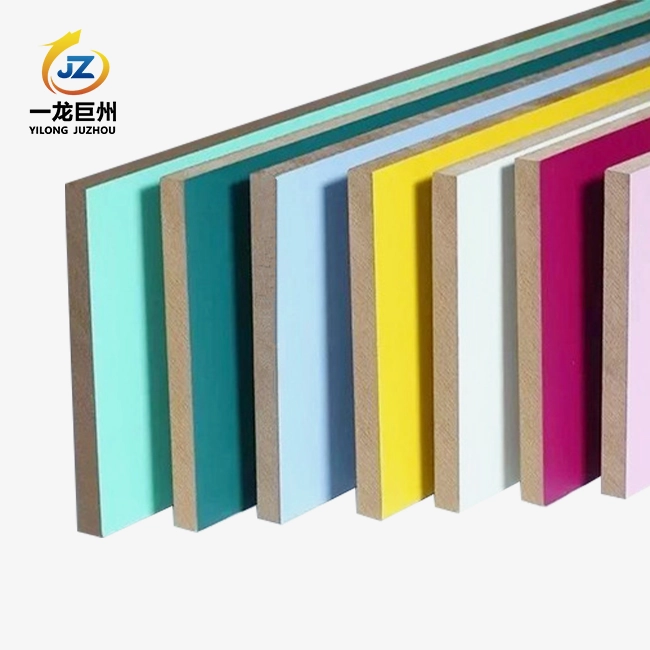
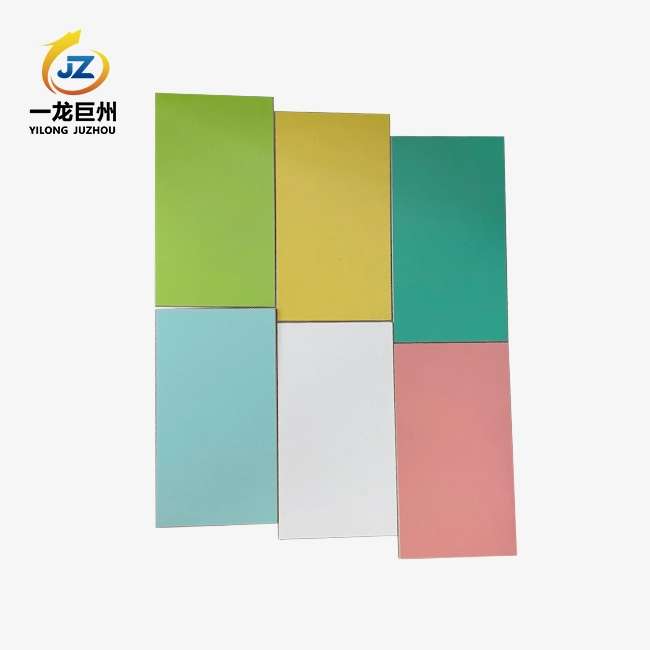
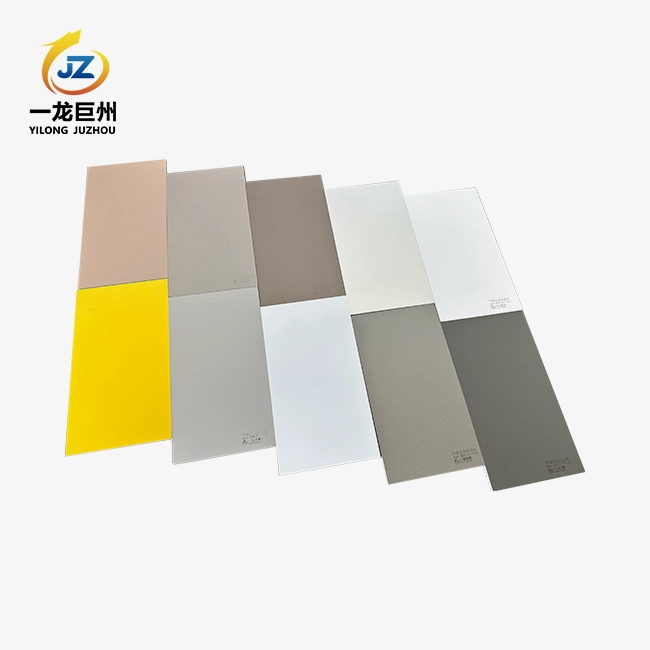
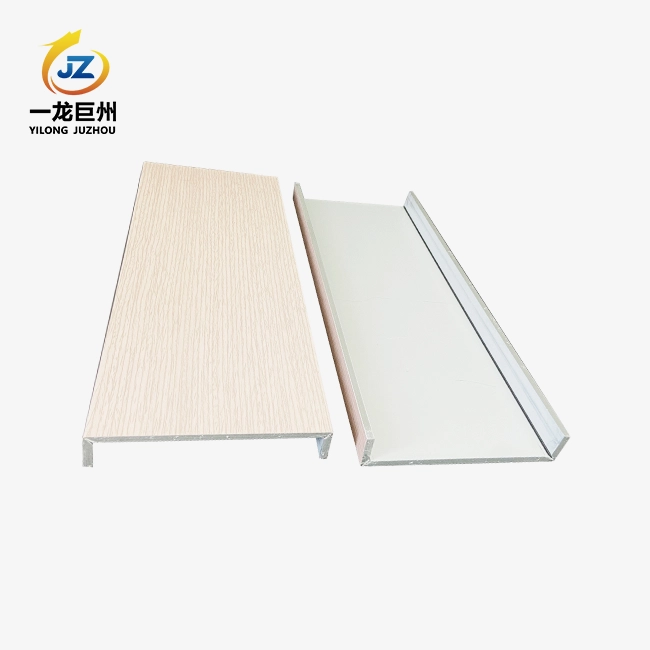
The panel design is simple but scientifically sound. A central core of high-density calcium silicate is cured in an autoclave under high pressure to generate a solid Tobermorite crystal matrix. Then they laminate an aluminium skin 0.1-0.5 mm thick on one or both sides. The surface can be finished with polyester paint, PET film, PVC film or PP film. The films come in solid colours as well as wood grain, marble, metallic and textile motifs. The standard size is 1220×2440 mm, and custom heights can be 3050 mm and above, which is a huge bonus for long-span architectural usage.
How the Manufacturing Process Shapes Performance
Curing in an autoclave is not a side step. It is the most critical aspect of the production process. High-pressure steam-cured boards generate crystalline bonding that will not allow the boards to shrink after installation. Shrinkage is a common failure mode for air-cured boards. This generates dimensional stability that retains tight connecting systems, flat panels throughout years of fluctuating temperatures, and insulation continuity that procurement teams ask for on paper but seldom see maintained in real life.
Evaluating the Insulation Performance
Thermal Conductivity Data
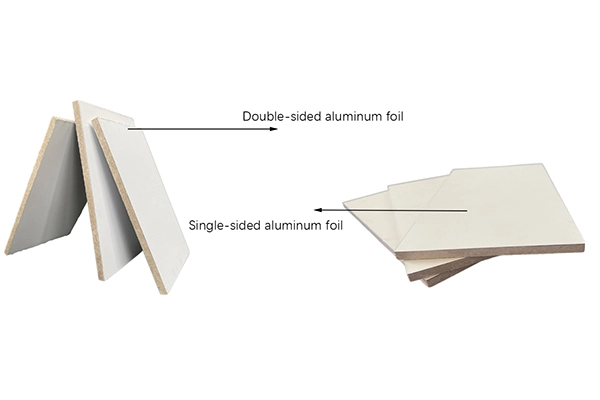
The A1 aluminum composite board has a thermal conductivity of only about 0.2–0.3 W/m·K, far lower than that of ordinary concrete (1.7 W/m·K) and aluminium itself (205 W/m·K). The calcium silicate core blocks heat flow while the metal front layers reinforce the structure and prolong the life of the surface. Thicknesses of 4.5, 5, 5.5, 6, 8, 10, 12, 15, 18 and 20 mm give designers the option to choose how much insulation they want for certain R-value requirements without compromising interior room space.
Fire Resistance and Safety Ratings
EN 13501-1: Class A1 non-combustibility indicates that the panel does not emit any harmful smoke when it’s on fire. This is more than a box to check; it's the standard for curtain wall assemblies at hospitals, airports, subway stops, and high-rise office buildings in the US and around the world. This board has an inorganic mineral core, which does not feed a fire like polyethylene-core aluminium composite panels (certified B1 or B2) do, making it a far safer option for any building that will be used by people.
Acoustic Attenuation
Besides protection against heat and fire, the density of the panel (typically 1.2 to 1.6 g/cm³) also provides good noise reduction. Dense wall assemblies absorb and reflect air sounds, making it harder for noise to transfer between rooms. This is a coveted trait in environments such as hospital corridors, hotel room walls, conference centres, and airport terminals, where noise levels have an immediate impact on people's mood and the success of the operation.
Comparative Analysis: CSA Composite Board vs. Alternative Materials
It is often compared to gypsum board, fiber cement, magnesium oxide board, and standard aluminum composite panels by people in charge of buying things. There are pros and cons to each option that become important over the span of a building.
Here is how the materials compare across key procurement criteria:
- Gypsum board is cheap to buy at first, but it absorbs water, breaks down in damp places, and only gets a B-grade fire rating in most standards. It doesn't have the strength or resistance to water that is needed in tunnels, food processing plants, or coastal areas.
- Fiber cement board does a good job with fire and moisture tests, but it doesn't have an aluminum skin that lets architects choose from a variety of surface finishes, such as woodgrain, marble, and metallic.
- Magnesium oxide board is very similar to other materials when it comes to fire resistance, but it has problems with hygroscopic expansion in humid climates, which causes panels to bow and coatings to fail, which costs a lot of money and time to fix on big projects.
- Standard PE-core aluminum composite panels look great, but their flammable cores mean they can't be used on the outside of high-rise buildings, in healthcare facilities, or on public transportation systems. This is because of current US and foreign fire rules.
By combining an artificial, moisture-resistant core with a sturdy, finish-ready aluminum surface, the calcium silicate aluminum composite board gets rid of these individual flaws. Lifecycle cost analysis always favors materials that don't need to be replaced too often. This panel's 25–50 year service life, when installed correctly, shows that it is one of those materials.
These comparative strengths position the panel as a reliable long-term investment rather than simply a competitive bid item.
Practical Applications and Installation Guidance
Where This Panel Performs Best
Because the panel is insulated and has a safety profile, it works well in places where material failure could have real effects. Office buildings, shopping malls, hotels, meeting centers, and arenas are all commercial uses. Hospitals, schools, airports, train stops, and subway lines are all places where public infrastructure is used. Pharmaceutical cleanrooms, food processing plants, and gyms are all examples of industrial and specialty installations. In all situations, the panel's formaldehyde-, odor-, and radiation-free makeup protects people's health and meets stricter and stricter standards for indoor air quality.
Installation and Maintenance Practices
The panel can be drilled, nailed, and bent, which makes installation easier in shapes that aren't perfectly round. Because it is flexible, it can follow curved surfaces, which is useful in business spaces with complicated architecture. Due to the rough silicate core, cutting needs tungsten carbide-tipped or diamond-tipped saw blades. HEPA filtering is usually used to remove dust because of the silica content. For places that get wet, joints must be sealed to maintain their moisture resistance. Once the panel is put in place properly, it doesn't need much upkeep because the aluminum surface doesn't need any special treatment to fight chemical cleaners, graffiti, and UV damage.
How to Procure This Material for Insulation Projects?
When requesting a quote for a Calcium silicate aluminum composite panel, buyers should be clear about three things: the thickness they need, the surface finish they want, and whether they need custom sizes bigger than 3050 mm. To support formal bids, you should ask for certification paperwork like a Class A1 fire rating, ISO, CE, and the China Environmental Protection Standard, as well as technical datasheets and test results from a third party.
For standard production orders, lead times from YILONG JUZHOU are 3–7 days, and they have 50,000 m² of stock for quick needs. Requests for samples are met within 3–5 days, and buyers who need unique sizes, colors, or surface films can use OEM/ODM customization. The business ships from ports in Shenzhen, Guangzhou, Shanghai, and Qingdao, and you can also get there by land through Xi'an, Guangzhou, Shenzhen, and Foshan. This supports both the timelines for importing goods into North America and the distribution networks in Asia, the Middle East, and Africa.
Conclusion
Insulation is significantly and sustainably improved by calcium silicate aluminum composite board. It meets the main performance needs of business developers, healthcare facility managers, and industry procurement teams every day thanks to its low thermal conductivity, Class A1 fire resistance, and acoustic density. Because the panel is structurally flexible, doesn't absorb water, and comes in a variety of finishes, it can be used in more places than a single-function option. When looking at things through the lens of total cost of ownership, the evidence consistently supports this material as a high-value, long-lasting choice for tough interior wall applications.
FAQ
Q1: Does the aluminum skin reduce or enhance the board's thermal insulation?
The metal skin makes the structure more rigid and the surface last longer without making the whole system much better at transferring heat. The temperature performance profile is dominated by the calcium silicate core. The insulating mass of the core cancels out the conductivity of the aluminum, creating a net-positive thermal environment addition.
Q2: Is this board appropriate for renovation projects, or only new construction?
It works well in both situations. The panel is lighter than concrete or brick cladding, which makes it a good choice for retrofits because it lowers the load on current structural systems. Custom sizing and flexible installation methods can work with bay sizes that aren't always the same, which can happen during renovations.
Q3: What fire certifications does the board carry?
Class A1 according to EN 13501-1 and Part 4 of BS 476 are both met by the board. Along with meeting the requirements of the China Environmental Protection Standard, YILONG JUZHOU goods also have ISO and CE licenses. Tender submissions can get copies of these documents upon request.
Q4: How does this panel handle high-humidity environments like tunnels or food plants?
The calcium silicate core doesn't absorb water, so it won't rot, bend, or allow mold to grow. The aluminum facing prevents moisture from getting in as well. For long-term exposure to high humidity, sealed border joints finish off the moisture control system.
Request a Sample or Quotation — YILONG JUZHOU
The two factories that YILONG JUZHOU uses to make calcium silicate aluminum composite boards are in Foshan and Shaanxi, China. There is a Class A1 fire rating, as well as ISO and CE standards and a three-year quality guarantee. We can handle both immediate orders and long-term supply contracts because we keep 50,000 m² of stock on hand and can start making things in 3–7 days. Email us at cnyang2000114@gmail.com to get free samples or a quote straight from the factory from a reputable calcium silicate aluminum composite board maker.
References
1. Buchanan, A. H., & Abu, A. K. Structural Design for Fire Safety. Wiley, 2017.
2. Beall, C. Masonry Design and Detailing. McGraw-Hill, 2004.
3. Babrauskas, V. Ignition Handbook: Principles and Applications to Fire Safety Engineering. Fire Science Publishers, 2003.
4. European Committee for Standardization. EN 13501-1: Fire Classification of Construction Products and Building Elements. CEN, 2018.
5. Hou, P., Kawashima, S., Kong, D., Corr, D. J., Qian, J., & Shah, S. P. "Modification effects of colloidal nanoSiO₂ on cement hydration and its gel property." Composites Part B: Engineering, 2013.
6. Kurtis, K. E. "Innovations in cement-based materials: Addressing sustainability in structural and infrastructure applications." MRS Bulletin, 2015.

Send Inquiry

Related Industry Knowledge
- How to Choose PE aluminum composite board for Cladding
- Is Calcium Silicate Fireproof Board Easy to Install?
- Medical Clean Board Applications in Healthcare Facilities
- Ultimate Fiberglass resin board for Beginners
- How to Choose the Best Negative Ions Healthy Panel for Your Project
- Benefits of Using UV light curing board in High-End Interiors
- melamine fireproof board Durability in High-Traffic Environments
- UV Antibacterial panels Durability and Scratch Resistance Explained
- The Importance of Adhesion Testing for ACM Panels as Painting Supports
- How to Choose the Best Medical Clean Board