
How to Choose PE aluminum composite board for Cladding
September 17, 2026
When specifying wall cladding materials for commercial or institutional projects, PE aluminum composite board consistently emerges as a practical solution worth serious evaluation. This sandwich panel — built with a low-density polyethylene core bonded between two aluminum skins and finished with a polyester coating — delivers an outstanding balance of rigidity, surface quality, and cost efficiency. Whether you are outfitting a hospital corridor, an airport terminal, or a hotel lobby, understanding how to select the right aluminum composite panel can protect your budget, timeline, and compliance standing.
Understanding PE Aluminum Composite Board for Cladding
What Makes This Panel Different
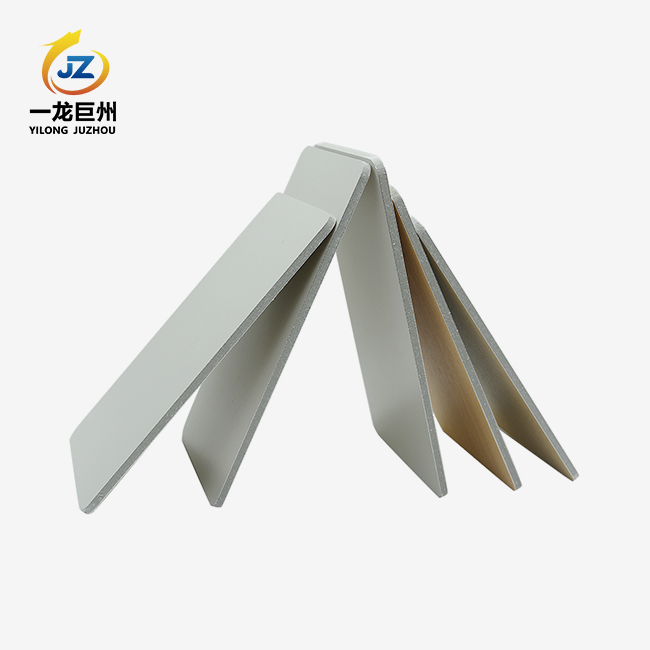
A PE aluminum composite board is simple in how it is put together: two aluminum skins, each between 0.1 mm and 0.5 mm thick, surround a non-toxic polyethylene core. The top layer can be finished with polyester paint, PET film, PVC film, or PP film. Each has its own surface tension and print adhesion properties. This layered design makes the panel light (about 3.5 to 5.5 kg/m²) and gets rid of the surface waves that come with solid metal sheets.
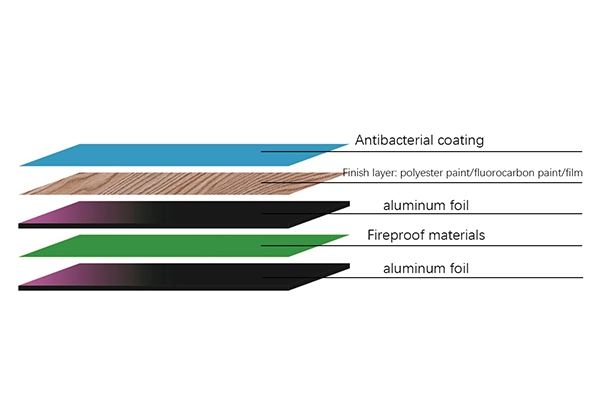
PVDF-coated panels are made for high-UV outdoor surfaces and come with 15–20 year color warranties. PE-coated panels, on the other hand, are best for interior decoration, canopy linings, and low-rise building shells where color vibrancy and cost-effectiveness are more important than extreme weather resistance. Fire-retardant (FR) core types replace the standard polyethylene core with mineral-filled compounds like aluminum hydroxide. This makes the fire performance Class B1.
You can get YILONG JUZHOU PE aluminum composite boards in 2, 3, 4, 5, and 6 mm thick and in 1220 mm, 1500 mm, and 2000 mm wide. The length of the panels can be changed to any length, and they can be made taller than 3 meters, so this material can be used in non-standard building situations.
Essential Criteria for Choosing the Right Aluminum Composite Panel
When buying wall panels, there are many trade-offs to think about that go beyond the price per square meter. A structured review system helps project engineers and procurement managers make sure that the material requirements match up with the real world of the project.
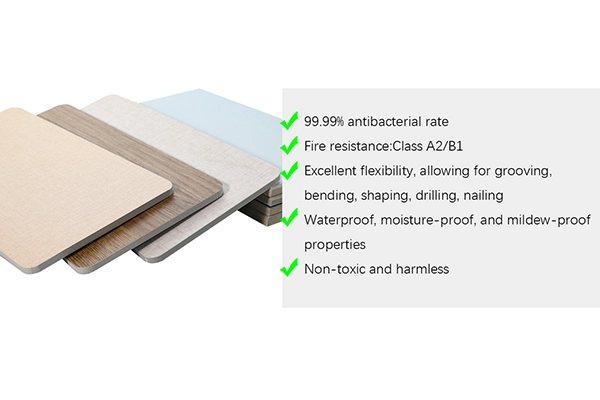
Here are the main factors that B2B buyers always use to make decisions:
- Fire rating alignment: Confirm whether your project requires Class B1 or B2. YILONG JUZHOU panels carry Class B1 fire certification, meeting stringent building code requirements for hospitals, schools, and public transit infrastructure.
- Panel thickness for application type: 3 mm panels are standard for signage and light partitioning; 4 mm is the industry benchmark for interior wall cladding in commercial buildings; 5–6 mm suits heavy-traffic or structurally demanding environments.
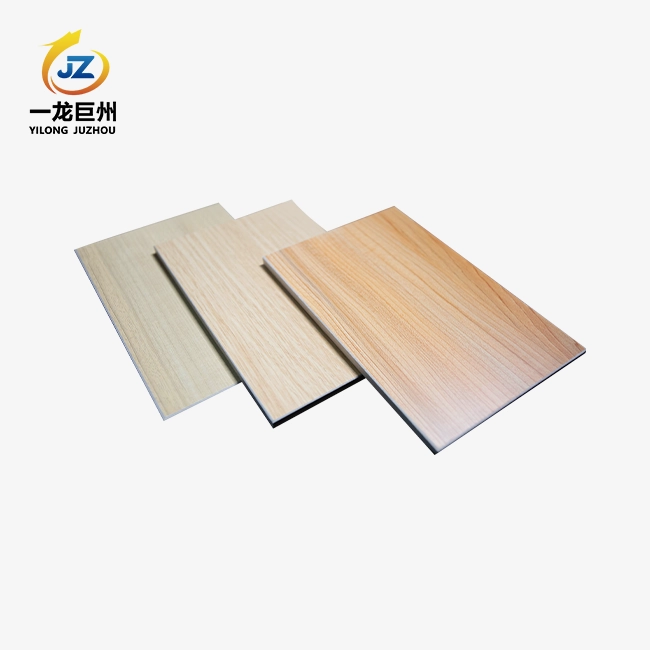
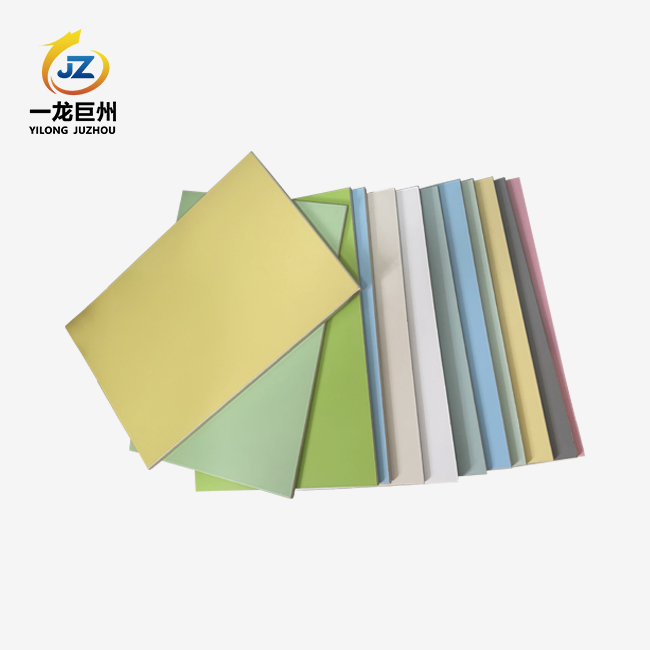
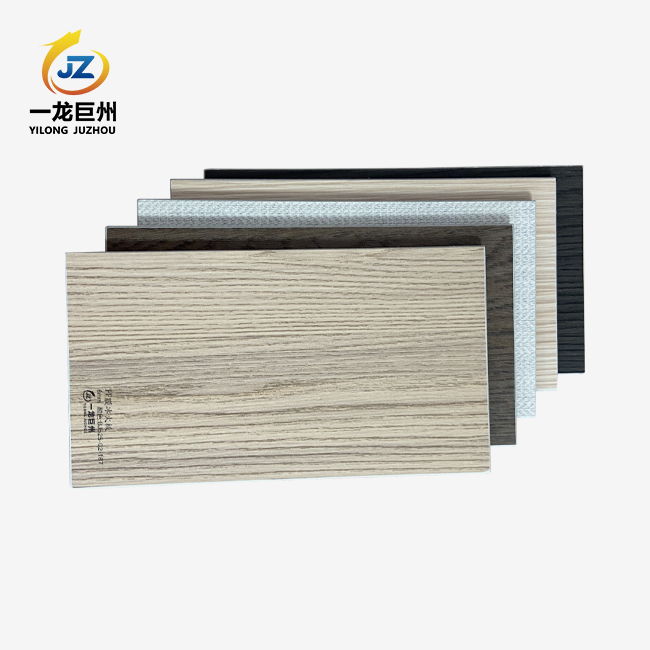
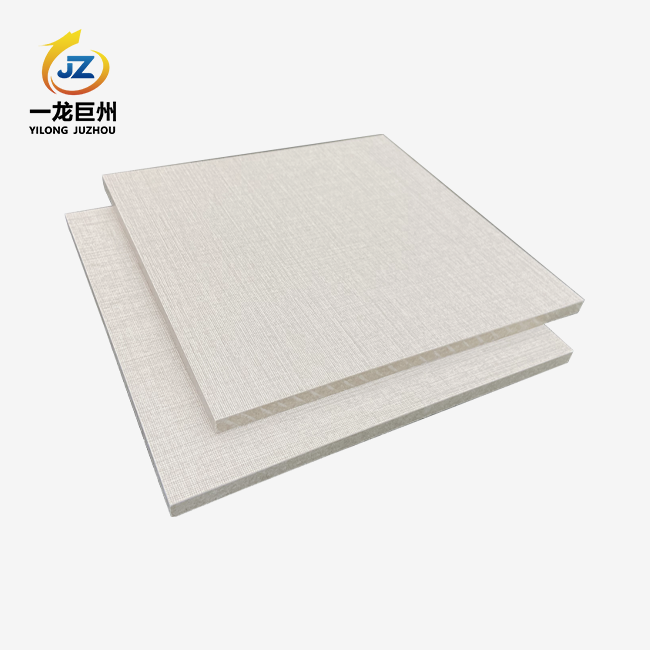
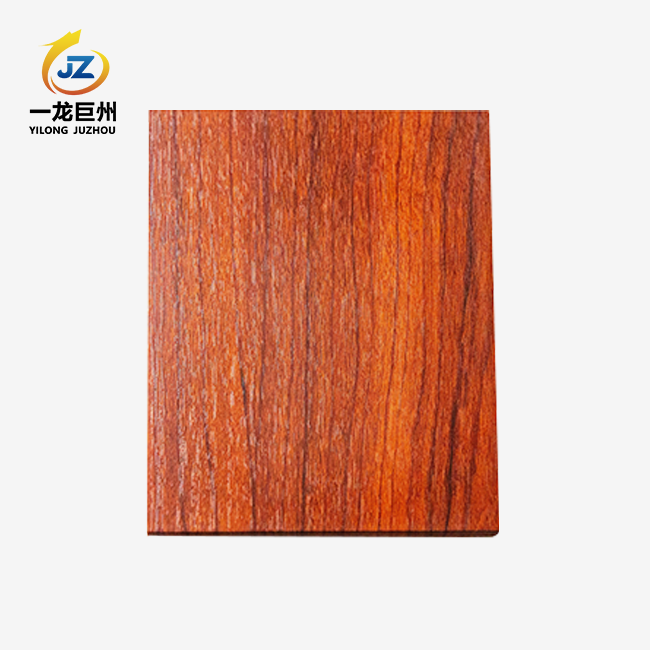
- Surface finish compatibility: Polyester paint offers consistent RAL/Pantone color matching, which is critical for corporate identity applications. PET and PVC films provide additional texture options including woodgrain, marble, metallic, and cloth patterns.
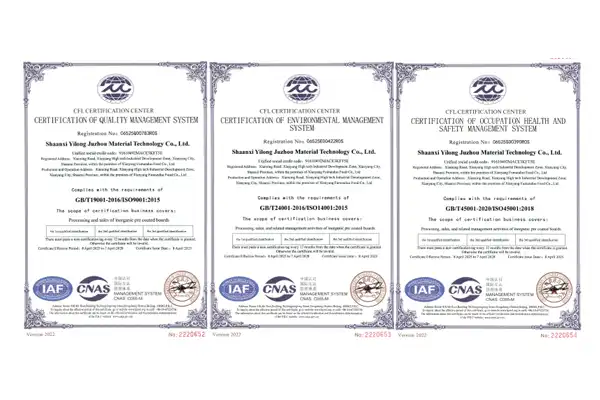
- Environmental certification: For healthcare and institutional procurement, verify formaldehyde-free, odorless, and radiation-free compliance. YILONG JUZHOU panels hold China Environmental Protection Standard Certification, ISO, and CE credentials.
These factors are directly translated into specification language for bid papers, which makes the evaluation of suppliers clearer. Once the requirements are set, the next step is to check how reliable the seller is.
Supplier and Brand Selection: Ensuring Quality and Trusted Partnerships
Certifications and Manufacturing Capacity
The best way to tell if a supplier's products are consistent is to look at their list of certifications. Verified ISO and CE standards, along with environmental compliance marks, show that a company has quality systems that can be checked. One production base is in the Xianyang High-tech Zone in Shaanxi Province, and the other is in Foshan City in Guangdong Province. YILONG JUZHOU has a standing stock of 50,000 m² and a production lead time of 3–7 days. This two-facility model lowers supply chain risk for projects that need to be done quickly or in large quantities.
Evaluating Samples Before Committing
In professional procurement of PE ACP board, you have to ask for samples before you place large orders. Some important quality checks are an eddy current test to make sure the coating is at least 16 μm thick, a 2T bend test to make sure the fabrication can go ahead without the paint cracking, and an 180° peel strength test to make sure the bond between the aluminum skin and the core is strong. Within 3–5 days, YILONG JUZHOU offers free samples. This gives buying teams the real proof they need to pass internal technical reviews or bids.
Aluminum composite panels that meet well-known standards are made by global baseline names like Alucobond, Alpolic, and Reynobond. When buyers are comparing suppliers, they should ask for the same test results, preferably GB/T 17748-2016 or ASTM D1781 peel strength results, so they can put each supplier's product in a known performance context.
Purchase Considerations: Pricing, Ordering, and Logistics
Customization, Cost Drivers, and Lead Times
How much a PE aluminum composite panel order costs per unit depends on a number of factors. The main cost factor is the aluminum skin gauge. A 0.5 mm skin adds useful weight and rigidity, but it costs more in materials than a 0.3 mm configuration. Prices per unit are also affected by custom sizes, specialty surface films, and color matching that isn't the norm. When buyers combine orders from different stages of a project, they can usually get better volume discounts without having to wait longer for delivery.
YILONG JUZHOU does both OEM and ODM work, which means that clients can choose their own panel sizes, finishes, and package forms. Ships going out to sea can leave from Shenzhen, Guangzhou, Shanghai, or Qingdao. Ships going out by land can leave from Xi'an, Guangzhou, Shenzhen, or Foshan. International buyers from Asia, the Middle East, Africa, and the Americas can rely on this multi-port infrastructure to keep their schedules.
After-sales support, such as technical help with installation and a three-year quality guarantee, makes the purchase package more valuable, especially for EPC contractors who are in charge of handling phased building schedules.
Practical Tips for Installation, Maintenance, and Longevity
Installation Best Practices
CNC routing with single-flute carbide bits is the standard way to cut aluminum composite panels in the business world. This method makes clean edges without letting heat build up, which could melt the core. Most people don't like laser cutting because the heat makes the metal plates bulge at the cut edges. Because the panel is naturally flexible, it can be bent into curved shapes, like column covers and ceiling tunnel linings, without microcracking the coating surface.
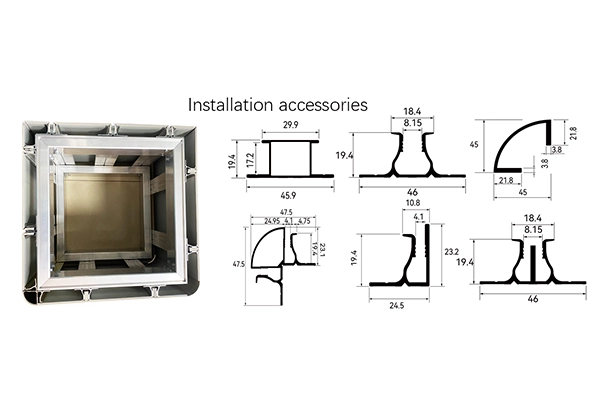
When installing PE ACP board, it's just as important to use suitable fasteners and prepare the material correctly. Because YILONG JUZHOU's panels can be attached by drilling, nailing, or mechanical means, installation teams can choose the attachment method based on the needs of the structure.
Cleaning and Long-Term Maintenance
The polyester-coated surface doesn't get dirty easily and can handle neutral cleansers. A monthly wipe-down routine keeps surfaces clean and in good shape in places with a lot of foot traffic, like train stops, sports stadiums, and medical aesthetic centers. The panel's polyethylene core is resistant to both mold and moisture, which makes it very useful in places like food processing plants and pharmaceutical labs where controlling humidity is very important.
To maintain fire safety standards after installation, the panel joints and fixing points must be checked on a regular basis to make sure that mechanical wear hasn't lowered the assembly's rated fire performance.
Conclusion
To choose the best interior cladding panel, you need to think about the fire safety ratings, the performance of the surface, the flexibility of the sizes, and the reliability of the supplier. These concerns are met by PE aluminum composite board, which has a tried-and-true sandwich structure, a variety of finish choices, and a formaldehyde-free material profile that works well in controlled settings. By looking at the fire class standards, choosing the right aluminum skin gauge, and making sure that supplier certifications are valid by seeing real samples, procurement managers can make solid, confident material choices that will last until the project is finished and beyond.
FAQ
Q1: What is the difference between PE and PVDF aluminum composite boards?
Polyester (PE) coating is cheap, works well for indoor uses, and is good for signs. The color warranty lasts for 5 to 8 years on average. PVDF (fluorocarbon) coating is designed to protect outdoor walls from UV rays and comes with a 15–20-year warranty. For high-exposure facade projects, choose PVDF. For interior decoration projects, choose PE.
Q2: Is PE aluminum composite board fire-rated?
The normal polyethylene core has a grade of Class B2 for fire safety. If you choose a fire-resistant (FR) mineral-filled core, the performance goes up to Class B1, which is what hospitals, schools, and other public buildings need. YILONG JUZHOU makes panels that are certified to Class B1.
Q3: What customization options are available?
Panels come in thicknesses between 2 mm and 6 mm, widths between 1220 mm and 1500 mm, and lengths that can be changed to fit any need. Finishes on the surface can be solid color, woodgrain, marble, metallic, or cloth. We take both OEM and ODM designs.
Q4: Can these panels be curved or shaped on-site?
The plastic core is flexible enough to bend into curved shapes, like column wraps and cave ceiling profiles, without the coating coming off. Standard installation workflows can be used with both CNC routing and mechanical fastening.
Partner With YILONG JUZHOU — Trusted PE Aluminum Composite Board Supplier
YILONG JUZHOU offers approved factory-direct PE aluminum composite board that can be made in three to seven days and comes with a three-year quality guarantee. Within 3–5 days, you can get a free sample of our panels to see how well they meet the needs of your unique project. Distributors and big contractors can choose from OEM and ODM options. You can email us at cnyang2000114@gmail.com to look at our product catalogs, bulk pricing, and technical documents that are specifically made for your buying needs.
References
1. Architectural Record — "Performance Standards for Interior Wall Cladding Systems," 2022.
2. Construction Specifier — "Aluminum Composite Panels: Material Selection and Code Compliance," 2021.
3. ASTM International — ASTM D1781 Standard Test Method for Climbing Drum Peel for Adhesives, 2020.
4. GB/T 17748-2016 — National Standard of China for Aluminum Composite Panels, General Administration of Quality Supervision, 2016.
5. Journal of Building Engineering — "Fire Performance Evaluation of Polyethylene-Core Aluminum Composite Materials," Elsevier, 2023.
6. International Journal of Architectural Engineering Technology — "Lifecycle Assessment of Lightweight Cladding Materials in Commercial Construction," 2022.

Send Inquiry


Related Industry Knowledge
- PE aluminum composite board vs PVDF: Which Is Better?
- How to Improve Paint Adhesion on Aluminum Composite Panels
- Is Calcium Silicate Fireproof Board Easy to Install?
- Melamine fireproof board Environmental and Formaldehyde Standards
- Medical Clean Board Trends in Medical Building Design
- Analysis of the Functional Principles and Market Prospects of the Negative ions panel
- Why Is Medical Clean Board Important in Cleanrooms?
- ice fireproof board Applications in Cold Storage and Fire Safety
- Unlock the Power of Aluminium Composite Panel
- Antibacterial wall panel medical rigid sheet wall protection