
Is an aluminum composite panel Fire-Resistant and Weatherproof?
October 27, 2026
Yes — but the answer depends on what type you choose. An aluminum composite panel (ACP) consists of two aluminum skins bonded to a core material. Standard polyethylene cores offer limited fire protection, while A2-grade mineral-filled cores meet the highest non-combustible classifications under EN 13501-1 and ASTM E84. As for weather resistance, ACPs with PVDF or polyester surface coatings resist UV radiation, moisture, and corrosion effectively. Choosing the right core and coating combination is what determines whether your panel truly performs in both categories.
Understanding Aluminum Composite Panels (ACPs)
To properly judge success, it is helpful to know what an ACP is and how it is put together.
What Is an ACP Made Of?
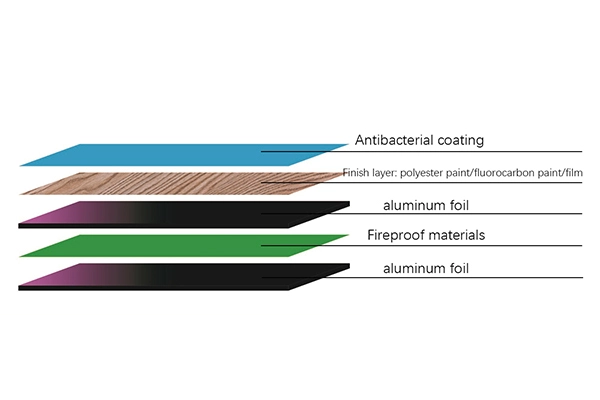
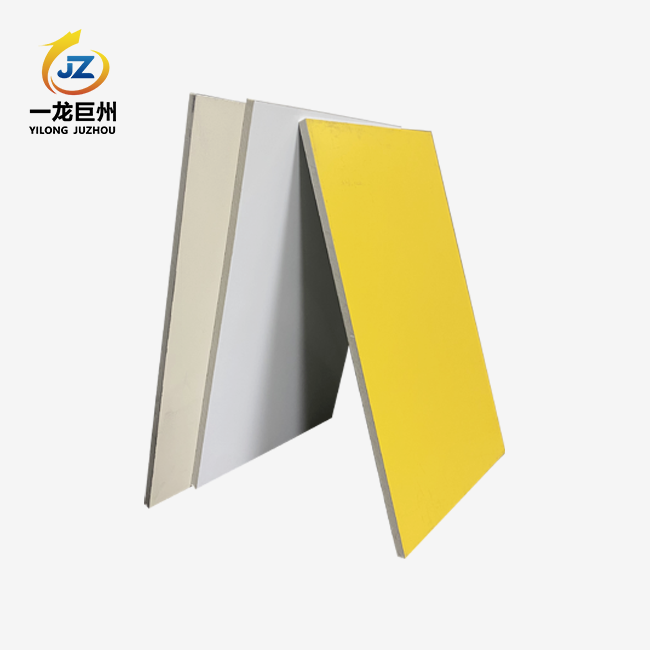
An ACP is a sandwich panel made up of a non-aluminum core and two thin aluminum skins that are linked together thermally. How a fire behaves depends on its core material. You can choose from low-density polyethylene (LDPE), fire-resistant (FR/B1), and non-flammable mineral-filled (A2) bases. The YILONG JUZHOU A2 aluminum composite panel has refractory mineral material on both sides under the aluminum skin, which gives it a Class A2 fire rating.
Available Sizes and Finishes
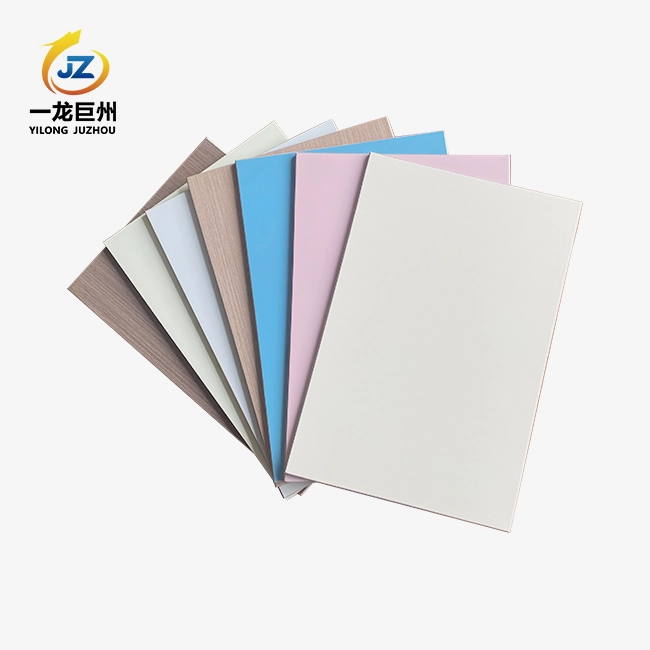
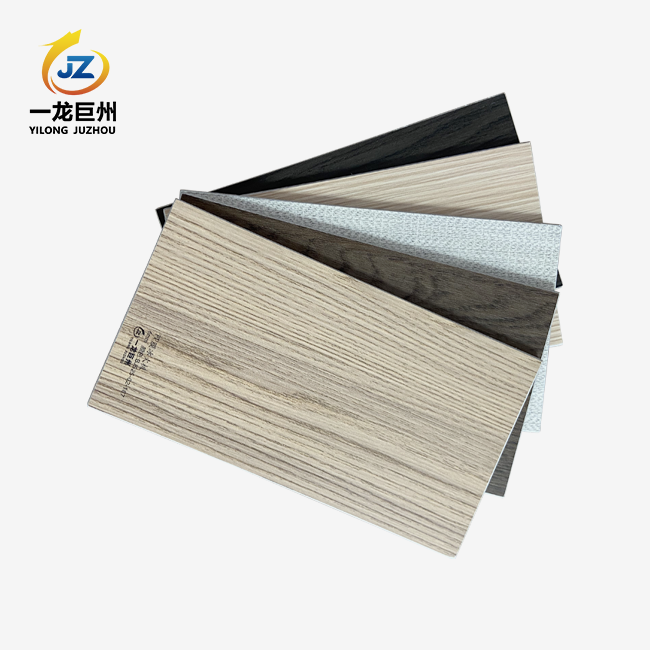
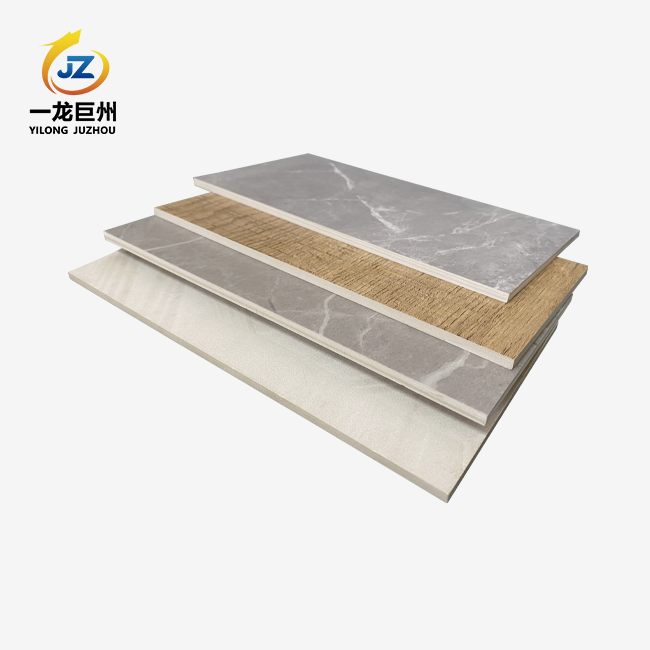
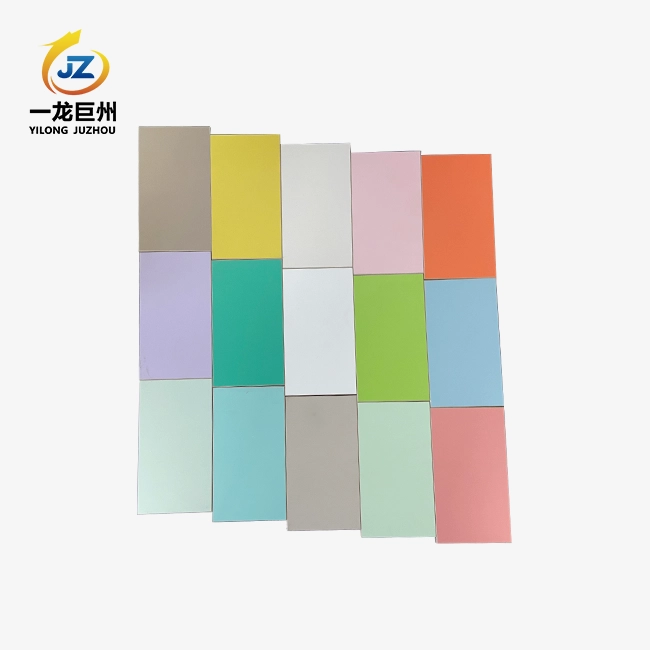
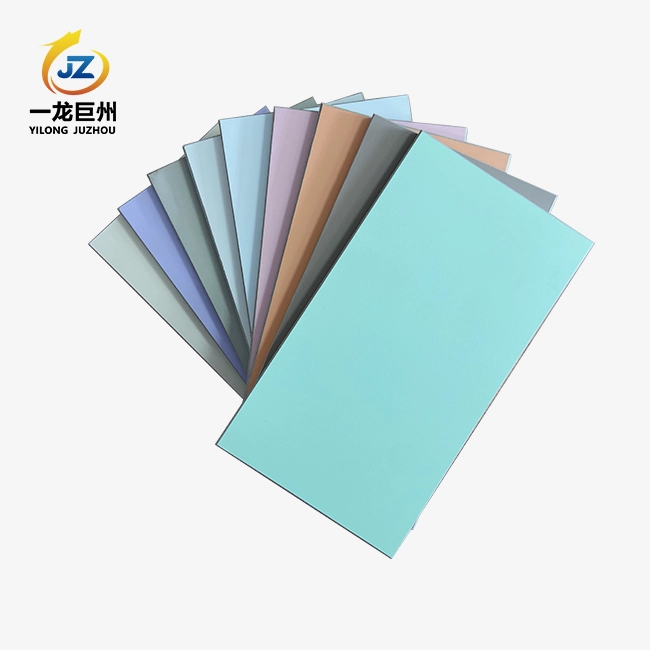
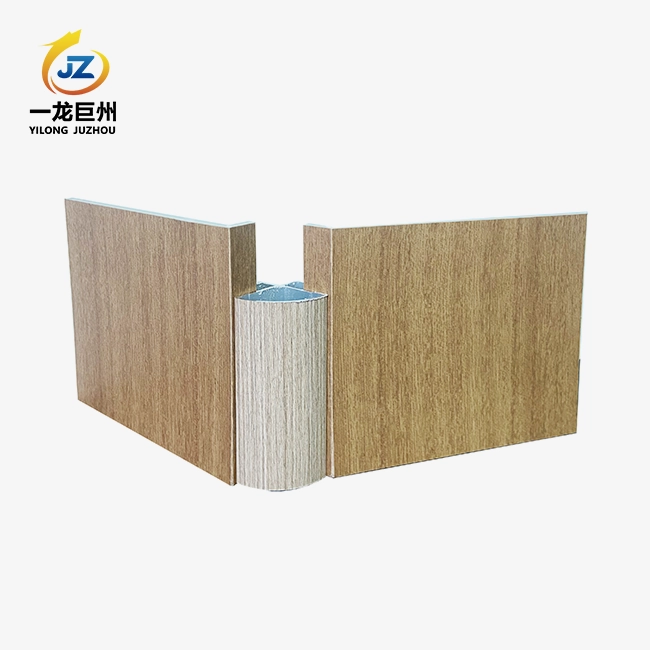
The A2 panels from YILONG JUZHOU come in 2, 3, 4, 5, and 6 mm thick options, with widths of 1220 mm, 1500 mm, and 2000 mm. The length of each panel can be changed to any length, even heights higher than 3 meters for big building projects. Surface finishes can be solid color, woodgrain, marble pattern, metallic pattern, or cloth pattern. They can be put on with polyester paint, PET film, PVC film, or PP film.
Where Are ACPs Used?
These panels are used in a lot of different ways on indoor walls. ACPs are used in schools, airports, train stops, shopping malls, hotels, gyms, art galleries, medical esthetic centers, and meeting centers because they look good and work well. The metal skin thickness can be anywhere from 0.1 mm to 0.5 mm, which gives specifications a lot of room to grow for different types of projects.
Fire Resistance of Aluminum Composite Panels
When buying an ACP, fire performance is the one property that is looked at the most, especially after high-profile façade fire incidents around the world.
How Fire Classification Works
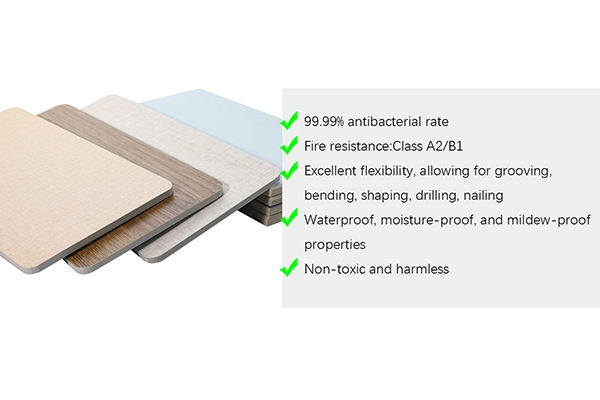
International fire testing standards, such as ASTM E84 in the U.S. and EN 13501-1 in Europe, group panels into groups based on how quickly they spread flames, smoke, and heat. According to EN 13501-1, A2-s1,d0 is the second-highest level of non-combustibility, which means that the panel doesn't produce much smoke or burning drops. As long as the YILONG JUZHOU A2 metal Aluminum Composite panel has Class A2 fireproof certification, it can be used in controlled environments.
PE vs. FR vs. A2 Cores
The core material determines the fire risk. Being flammable, standard PE cores are no longer allowed to be used in the exterior cladding of many high-rise buildings. FR/B1 cores can put out fires on their own and are good for low-rise buildings. A2 mineral cores, which are mostly magnesium hydroxide or aluminum hydroxide and make up more than 90% inorganic material, don't burn. For public buildings, airports, hospitals, and other medical facilities, choosing an A2 core is both the law and the smart thing to do.
Third-Party Certifications Matter
When buying fire-rated screens, always ask for test results that can be proven, not just promises made by the company. The panels made by YILONG JUZHOU have been certified by ISO, CE, and the China Environmental Protection Standard. These papers help with formal bid reviews and lower the risk of not following the rules in both local and foreign projects.
Weatherproof Qualities of Aluminum Composite Panels
Even if a panel is fire-rated, it still has to be able to handle the daily effects of wetness, UV light, changing temperatures, and rust.
Moisture and Mold Resistance
There is no water, mold, or mildew on the YILONG JUZHOU A2 panel. Because of this, it is a good choice for places like food processing plants, drug factories, tunnels, and other places where condensation or humidity is a problem. The mineral core doesn't soak up or hold on to water as gypsum or wood-based panels do, and the sealed metal surface keeps water out.
Surface Coating Durability
Long-term weather protection is controlled by the layer on the surface. Polyester (PE) coats work well inside, and PVDF fluorocarbon coatings make things outside last 15–20 years longer by blocking UV light from chalking and losing color. YILONG JUZHOU can finish with polyester paint, PET film, PVC film, and PP film. This gives project managers and specifiers the freedom to choose the right coating type for the conditions of exposure.
Structural Resilience in Variable Climates
The temperature changes make aluminum expand and contract. When ACPs are fitted correctly and have enough expansion joints (10–15 mm), they can handle thermal cycles without buckling or delaminating. YILONG JUZHOU panels are very bendable and can be shaped in many ways without breaking. They can be drilled, nailed, and bent on-site, which makes installation easier in a wide range of climates and complex architectural configurations.
Decision-Making Guide for Selecting Fire-Resistant and Weatherproof ACPs
Often, procurement teams are under a lot of pressure to meet performance standards while staying within their budgets. This is an organized way to make the choice.
Evaluate Core Type Against Project Requirements
Fire classification needs to be based on the type of building and the area building code. Metal aluminum composite panels are usually required for public buildings like hospitals, schools, and government buildings. Commercial interiors in areas with less risk may be able to handle FR/B1. Before shortlisting goods, make sure you know what standards apply.
Verify Certifications and Request Samples
Ask each supplier to show you proof of test results from a third party. For official bidding processes, broad claims about fire ratings are not enough. YILONG JUZHOU gives away free samples that are usually sent out within 3–5 days. This way, purchasing teams and project managers can check the quality of the materials, the accuracy of the finish, and the regularity of the sizes before placing large orders.
Assess Supplier Capacity and Lead Times
Supply continuity is important for big EPC projects or building projects that are done in stages. YILONG JUZHOU has two factories. One is in Foshan City, Guangdong Province; the other is in Xianyang High-tech Zone, Shaanxi Province. The company has a stock of 50,000 m², production lead times of 3–7 days, and access to seaports through Shenzhen, Guangzhou, Shanghai, and Qingdao. This means it can meet the time-sensitive delivery needs of both domestic and international clients.
Environmental Impact and Sustainability of Aluminum Composite Panels
Sustainability isn't just an afterthought when it comes to buying construction materials anymore; it has a direct effect on project certification and long-term operating costs.
Formaldehyde-Free, Low-Emission Materials
The YILONG JUZHOU A2 panel doesn't have any formaldehyde, odors, or radiation. These properties are especially useful in places like hospitals, schools, and homes where people's health is a top priority. The panel is a green building element that is good for the environment and helps meet indoor air quality standards.
Recyclability and LEED Alignment
Aluminum is one of the building products that can be recycled the most. When something is no longer useful, the metal skins can be taken off of the material body and melted down to be used again. This ability to be recycled helps projects get LEED and BREEAM credits that are needed for green building approval.
Long Lifespan Reduces Replacement Costs
A strong, long-lasting panel that doesn't get damaged by water, fire, or impact means that the building won't need to be replaced as often over its lifetime. The YILONG JUZHOU A2 panel is hard to break or shatter, which lowers maintenance costs and material waste, which is a practical sustainability result that procurement teams can measure.
Conclusion
A hybrid panel made of metal can be both fire-resistant and weatherproof, but only if the right core material and surface finish are chosen. The YILONG JUZHOU A2 aluminum composite panel is classified as Class A2 fire-resistant, doesn't absorb water or mold, and has ISO, CE, and environmental standards that help with official purchasing processes. It is a reliable material for commercial, healthcare, industrial, and public infrastructure projects in the U.S. and around the world because the sizes can be changed, the surface can be finished in a variety of ways, OEM and ODM support is available, and there are two production facilities in China.
FAQ
1. Is every aluminum composite panel fire-resistant?
No, fire resistance depends on what's inside. For public and high-rise use, many building rules don't allow standard PE-core panels because they can catch fire. Certified fire ratings are only given to mineral-core panels that are FR (B1) or A2. Before specifying for regulated environments, you should always check the core type and ask for test documents.
2. What surface finish provides the best weather resistance?
PVDF (fluorocarbon) coatings can stand up to UV light and weather for 15 to 20 years when used outside. Polyester paint and covers made of PET, PVC, or PP work well inside and come in many colorful choices. Make sure the coating is right for the environment where your project will be used.
3. Does installation method affect fire and weatherproof performance?
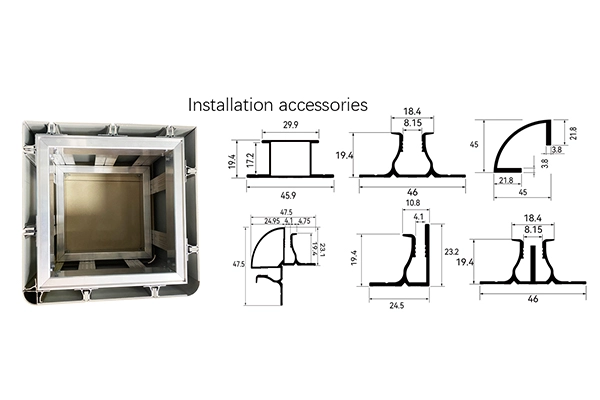
Yes. Installing something wrong, like not having enough expansion joints or not sealing it well enough, can make both fire containment and moisture protection less effective. For non-standard layouts in tunnels, factories, and other special places, YILONG JUZHOU offers planning and installation expert services to make sure panels work as planned.
4. Can YILONG JUZHOU produce custom panel sizes?
Of course. Panels come in thicknesses between 2 and 6 mm, widths between 1220 and 1500 mm, and lengths that can be changed in any way you want. It can handle heights of more than 3 meters, and OEM and ODM services are available for custom needs.
Request Your Free Sample from YILONG JUZHOU — A2 Aluminum Composite Panel Supplier
For commercial, healthcare, and industrial projects, YILONG JUZHOU provides A2 aluminum composite panels that are certified to resist fire and moisture and can be easily customized. We ship all over the world within 3–7 days because we are a trusted aluminum composite panel maker with two production bases and 50,000 m² of stock. You can get a free sample or bulk quote today by emailing cnyang2000114@gmail.com.
References
1. ASTM International. ASTM E84: Standard Test Method for Surface Burning Characteristics of Building Materials. ASTM International, 2023.
2. European Committee for Standardization. EN 13501-1: Fire Classification of Construction Products and Building Elements. CEN, 2018.
3. U.S. Green Building Council. LEED v4.1 Building Design and Construction Reference Guide. USGBC, 2021.
4. Aluminum Association. Aluminum: The Element of Sustainability. The Aluminum Association, 2020.
5. National Fire Protection Association. NFPA 285: Standard Fire Test Method for Evaluation of Fire Propagation Characteristics of Exterior Non-Load-Bearing Wall Assemblies. NFPA, 2019.
6. Building Research Establishment. BRE Global Fire Performance Testing of Cladding Systems: Guidance and Assessment. BRE Press, 2020.

Send Inquiry

Related Industry Knowledge
- How to Choose the Right Fiberglass Resin Board
- How Often Should You Use a PP Healthy Panel?
- Aluminum Composite Panel Design Ideas for Modern Architecture
- Inorganic pre-coated panels Environmental and Safety Advantages
- Antibacterial Vinyl Wall Sheet with various styles
- Calcium Silicate Fireproof Board: The Future of Fireproof and Thermal Insulation
- Inorganic pre-coated panels vs Organic Coated Boards Comparison
- How to Beat the Heat with Aluminium Composite Panels
- The Rise of ACP Panels for Modern Kitchen Design
- Things to Know About Aluminium Composite Panels