
Aluminum Composite Panel Design Ideas for Modern Architecture
October 9, 2026
Aluminum composite panel solutions frequently come in first place when architects and procurement teams look for a wall cladding material that strikes a balance between visual impact and real-world performance. An ACP is a sandwich construction made of two thermally bonded aluminium skins attached to a non-aluminum core, which results in a stiff but light structure. It goes one step further with an A2 aluminum composite panel with a mineral-filled, non-combustible core to achieve Class A2 fire certification, making it the top choice for hospitals, airports, high-rise workplaces, and public transit systems across the United States and the globe.
Understanding Aluminum Composite Panels for Architectural Design
What Makes ACP a Versatile Building Material?
Compared to solid aluminium sheets, ACPs can reduce the dead load by up to 40% without reducing the stiffness of the structure. In the A2 form, non-living minerals such as magnesium hydroxide or aluminium hydroxide are bonded between metal skins of 0.1 mm to 0.5 mm. 2 mm, 3 mm, 4 mm, 5 mm and 6 mm thick panels allow engineers to establish the greatest balance between weight and stiffness. Sheets with lengths of 1,220 mm, 1,500 mm and 2,000 mm can be utilised to cover most curtain walls and inner barrier modules. Custom lengths above 3,000 mm are available to cover atrium walls and tunnel walls that conventional sheets cannot reach.

Interior vs. Exterior Panel Selection
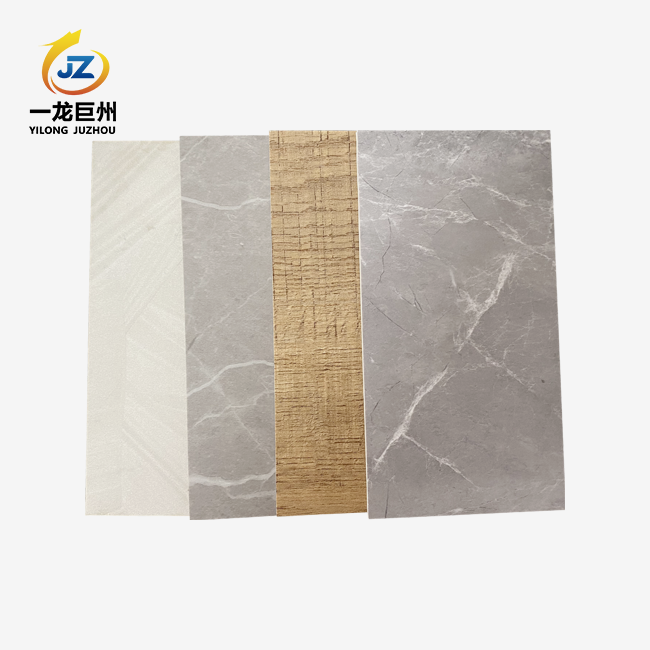
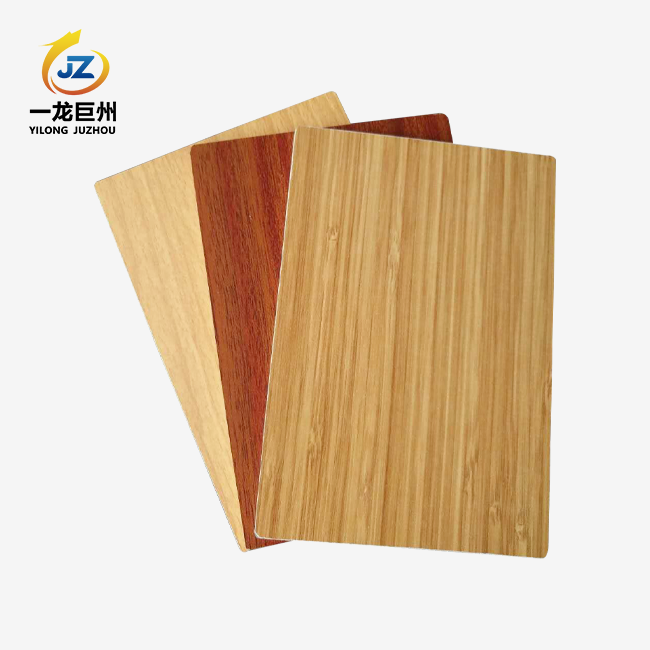
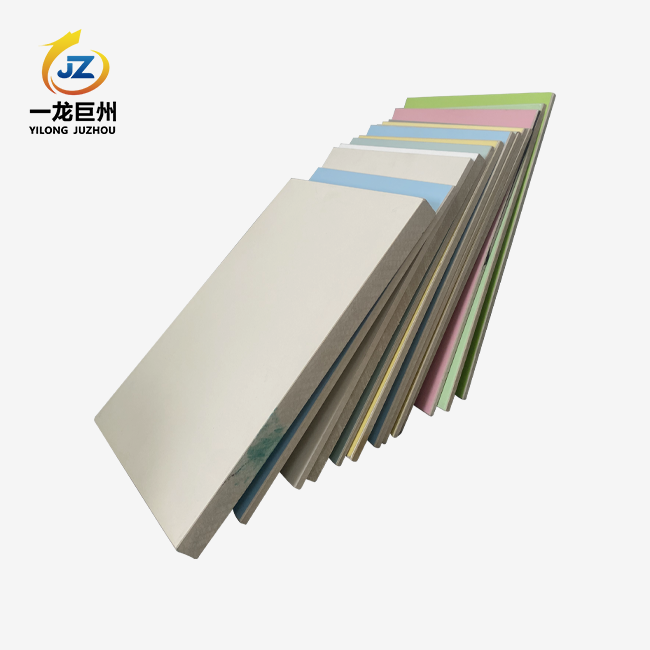
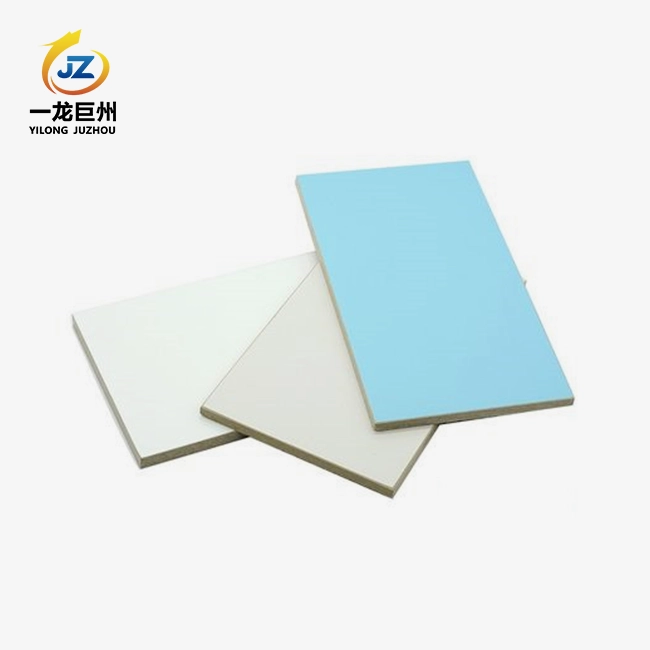
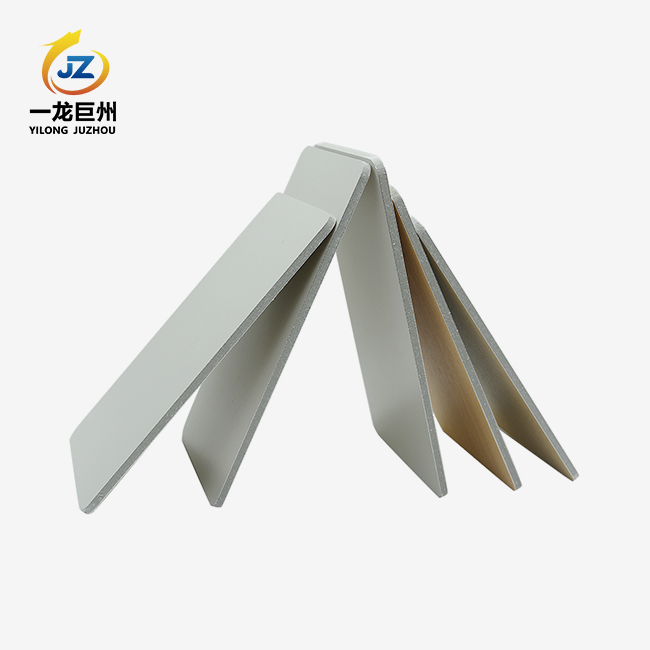
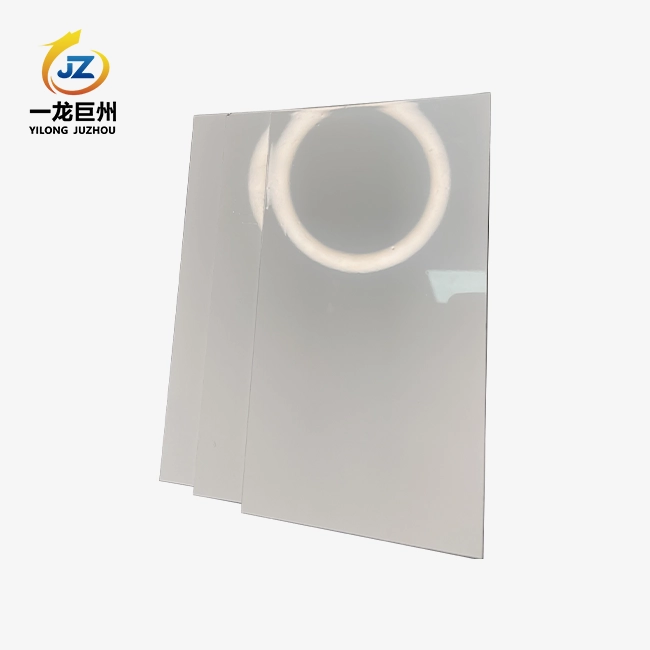
The polyester paint, PET film, PVC film, or PP film are typically used as a finish for interior grade A2 panels. That makes the surfaces smooth and easy to maintain, so they are ideal for areas such as schools, hospitals, shopping malls and conference rooms. Aside from solid colour and woodgrain, there are also lots of varied surface textures such as metallic, cloth-effect, and marble-patterned. This gives design teams a lot of choice without having to commit to a specific stone or wood finish. These panels have no formaldehyde in their core, smell good, and don’t emit radiation, so they comply with the environmental safety criteria that most public sector bids demand.

Top Aluminum Composite Panel Design Ideas for Modern Architecture
Modern builders see walls less and less as hurdles and more and more as active parts of the design. The smooth, flat face of a metal Aluminum Composite panel can be used to make strong monotone statements in conference rooms or color schemes that get lighter as you go up the hotel building. Today, these styles are being used more and more in business projects in the United States.
- Minimalist monochrome facades: A single solid-color finish across an entire building elevation unifies scale and signals brand confidence. Metallic-effect skins amplify this by shifting tone under different lighting conditions throughout the day, reducing the need for applied ornament.
- Mixed-material compositions: Pairing ACP panels with structural glass curtain walls and exposed steel framing is a hallmark of contemporary civic architecture. The panel's machinability — it accepts drilling, nailing, and bending without specialized tooling — makes tight integration with mullion systems straightforward on site.
- Biophilic texture palettes: Woodgrain and marble-patterned finishes bring organic warmth to interiors such as art galleries, gyms, and medical aesthetic centers where a clinical appearance would undermine the user experience, yet the substrate still performs as a moisture-resistant, mold-resistant wall system.
- Custom-print branding panels: Stadiums, transit hubs, and retail flagships use digitally printed surfaces to embed wayfinding graphics or brand identity directly into the wall plane, eliminating applied signage and simplifying long-term maintenance.
There are minimalist walls in black and white. The size of a building is brought together by a single solid-color finish on the front. This also shows that people believe in the brand. This looks even better with metallic skins because they change color with the light during the day, so you don't need to add as much decoration.
How to Choose the Right Aluminum Composite Panel for Your Project?
The F-1 Criteria Screening Approach
When purchasing managers work in restricted areas like hospitals or public transit systems, they need to make sure that panels match up with four gates in a certain order before sending out a purchase order. To begin, let us talk about fire rating. Buildings with a lot of people must have Class A2 certification under EN 13501-1 or a similar ASTM standard. Next, see how well it keeps water out. Without the need for extra membrane layers, a core that is truly waterproof and mildew-proof will protect wall systems in kitchens, locker rooms, and outdoor soffits. Third, check how flexible the panel is in terms of its size. Projects with high ceilings or wide desks that bend need a panel that doesn't break when it bends. Finish by getting panels that are eco-friendly certified by ISO, CE, and China. Environmental Protection Standard marks are what many institutional clients in the U.S. need for LEED projects to meet their documentation needs.

ACP vs. Alternative Facade Materials
ACP, an aluminum composite panel, is much lighter and has a smoother surface than fiber cement board. It stays in shape better when the temperature changes than plastic covering. It doesn't catch fire as easily as solid metal sheeting, but it costs more and is heavier, which most budgets for interior fit-outs can't handle. Glass walls let in the most light, but they don't stop sound. When ACP panels are put up with glass, they make rooms look bigger and less echoey in busy halls. This material can be cut on-site to non-standard sizes, which cuts down on waste and speeds up the fitting process. This is a big plus for phased construction plans where project milestones are directly affected by lead time.
Installation and Maintenance Guide for Aluminum Composite Panels
Step-by-Step Installation Practices
The first step to a good fit is to make sure the substrate is correct. Put up a sub-frame made of metal or stainless steel that goes all the way to the building wall. Make sure the whole panel run is straight and level before you drive a single screw. To account for the fact that metal expands by about 2.4 mm per linear meter per 100 °C delta, panel joints need to have 10–15 mm of space between them. Use bolts made of stainless steel to attach panels to each other through holes that have already been drilled. Cutting the material can be done without carbide tools for site drills. Cold-bend the panel slowly on a brake press to make curved surfaces. When bent to a radius that can be reached with standard shop tools, the A2 core stays strong.
Cleaning and Long-Term Maintenance
Simple repairs are easy to do. Clean the panels' faces every three months with a soft cloth and a mild soap solution to keep dirt and dust from building up and dulling the shine. Fabric or film coats will get scratched if you use rough pads on them. Every year, check the joints where the sealant was used and put more silicone where shrinkage has made gaps bigger than 2 mm. In climate-controlled rooms, fixes are rarely needed because the Aluminum Composite board base is not weak and doesn't grow mold. This will save you a lot of money over the life of the gypsum board or natural stone tile.
Procurement Insights: Buying ACP Panels for Large-Scale Projects
We are getting ready for awards for large purchases. If you get a quote, it should come with proof of color accuracy, peel strength above 7 N/mm, and fire classification. You should also be given samples of the product. Make sure the seller has ISO, CE, and any other environmental standards that are important. Also, check that the minimum order quantities match the project's phased delivery schedule.
YILONG JUZHOU has two factories. One is in Xianyang, which is in Shaanxi Province, and the other is in Foshan, which is in Guangdong Province. Altogether, these bases store 50,000 m² of goods. It usually takes 3–7 days to get something made, and buyers in other countries can get real models in 3–5 days. The seaports of Shenzhen, Guangzhou, Shanghai, and Qingdao are all good places to ship panels. You can also take the land route through Xi'an, Guangzhou, Shenzhen, and Foshan. The business supports both OEM and ODM programs and provides technical design and installation services. They also offer a three-year quality guarantee. These are important things for procurement teams that need to keep getting goods for hospital changes that happen in stages or airport area fit-outs.
Conclusion
Modern architecture needs to be safe from fire, have a lot of design options, and be cheap. The A2 aluminum composite panel meets all of these needs. Hospital hallways, airport concourses, and hotel lobbies can all use it because it has a non-combustible mineral core, comes in many finishes, and can be worked on-site. It also doesn't cost a lot of money. By checking certifications, asking for samples, and making sure of output capacity, procurement professionals make sure that their projects will be completed on time and work well in the long run when they start working with providers early on.
FAQ
Q1: How does an A2 aluminum composite panel differ from a standard fire-retardant panel?
It has a Class B1 flame-retardant plastic core that burns off by itself but can still hold a fuel load. In an A2 panel, that core is replaced with inorganic mineral fill, which is more than 90% non-flammable. In other words, it doesn't add much to a fire as fuel. More and more, IBC Section 1407 and other U.S. building codes for high-occupancy structures call for cladding assemblies that can't catch fire. In this case, the only legal choice is A2, which is good for hospitals, schools, and high-rise businesses.
Q2: What customization options are available for large commercial orders?
You can make panels with any diameter between 2 mm and 6 mm, any width between 1,220 mm and 2,000 mm, and any length you want. It is common to make panels longer than 3,000 mm. The surface can be a single color, wooden, marble-patterned, shiny, or have the look of cloth. For stadiums, retail chains, and hospitality groups that want to make branded spaces, there are OEM and ODM programs that let you pick your own colors, logos, and paint jobs.
Q3: What fire resistance rating should I specify for a U.S. commercial project?
As per EN 13501-1, pick Class A2 or make sure it meets the ASTM E84 Class A standards (flame spread index ≤ 25 and smoke developed index ≤ 450). Both scores are good enough to meet the International Building Code's standards for non-flammable flooring in schools, hospitals, and buildings with more than four stories.
Request Your Free Sample from YILONG JUZHOU Today
It takes three to seven days to get certified aluminum composite panel solutions from YILONG JUZHOU. They have two production sites, a 50,000 m² stock, and a wait time. In three to five days, the company will send you free samples. They also offer full OEM/ODM support and a quality guarantee for three years. Customers in more than 30 countries trust this company to make metal composite panels. Email cnyang2000114@gmail.com to get a bulk quote or talk about project details right now.
References
1. Brookes, A. J., & Grech, C. — The Building Envelope: Applications of New Technology Cladding, Butterworth-Heinemann, 1990.
2. American Institute of Architects — Architectural Graphic Standards, 12th Edition, Wiley, 2016.
3. Building and Construction Authority — Fire Safety Requirements for Exterior Wall Cladding Systems, BCA Technical Guide, 2019.
4. Lstiburek, J. — Understanding Vapor Barriers and Cladding Systems, ASHRAE Journal, 2014.
5. National Fire Protection Association — NFPA 285: Standard Fire Test Method for Evaluation of Fire Propagation Characteristics of Exterior Non-Load-Bearing Wall Assemblies, NFPA, 2019.
6. U.S. Green Building Council — LEED v4 Reference Guide for Building Design and Construction, USGBC, 2022.

Send Inquiry


Related Industry Knowledge
- What is an aluminum composite panel?
- Aluminum Composite Panel Installation: A Practical Guide
- How Are Antibacterial Wall Panels Installed and Maintained?
- Ice fireproof board Usage in Commercial and Industrial Buildings
- Is Calcium Silicate Fireproof Board Easy to Install?
- Calcium Silicate Fireproof Board - the reliable and safe choice for fire doors
- melamine fireproof board vs HPL Fireproof Panels Comparison
- How Does melamine fireproof board Enhance Interior Fire Safety?
- The Rise of ACP Panels for Modern Kitchen Design
- How to Choose the Best Medical Clean Board