
Ice fireproof board Usage in Commercial and Industrial Buildings
September 16, 2026
In terms of interior wall solutions for commercial and industrial buildings, ice fireproof board has been one of the most trustworthy options on the market. Based on a calcium silicate substrate and a surface layer of film coating, this panel system provides Class A fire resistance, 99.99% antibacterial rate and waterproof performance in one product. Whether you are setting up in a hospital corridor, a subway station or a high-end hotel lobby, this material meets the call for safety, hygiene and aesthetics without making you sacrifice on any front.
Understanding Ice Fireproof Board: Properties and Performance
What Makes This Material Different from Traditional Options
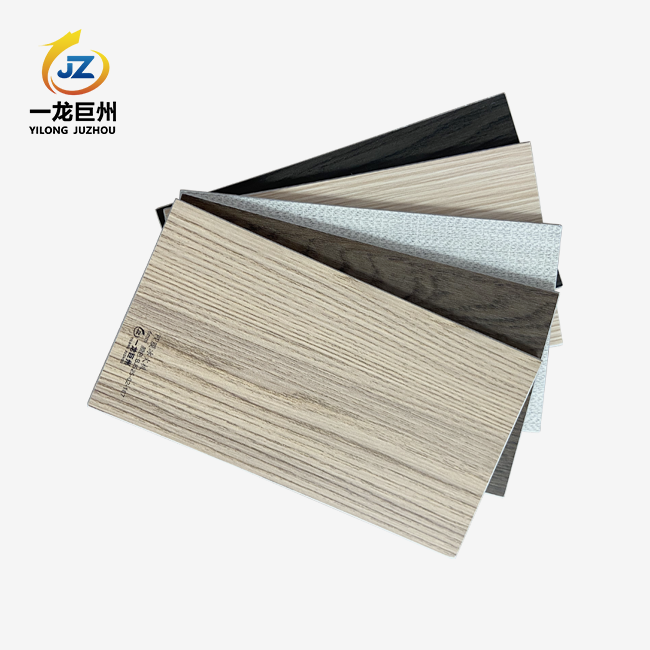
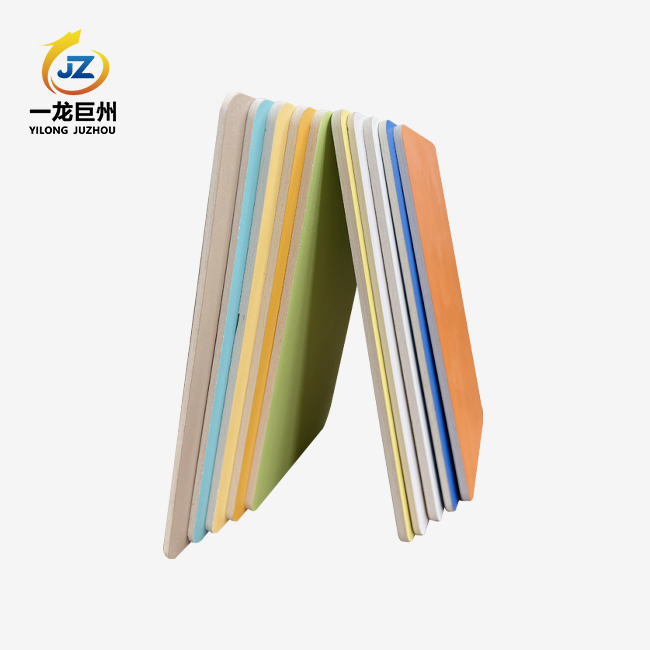
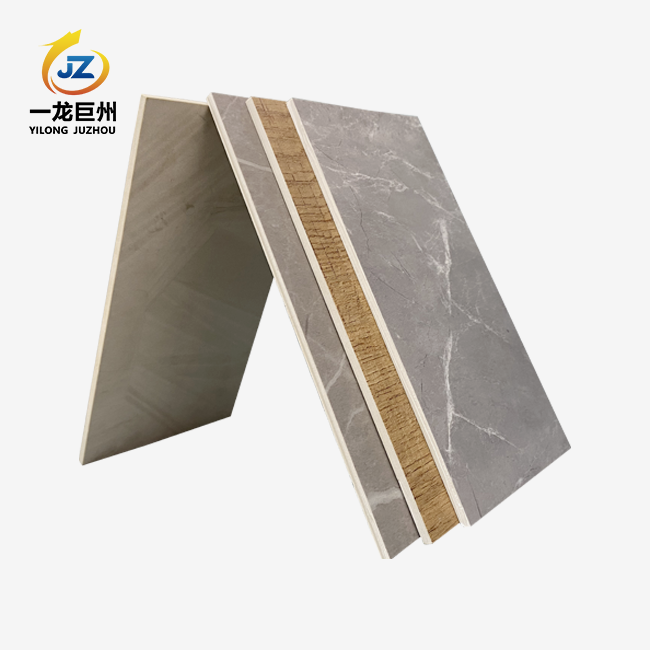
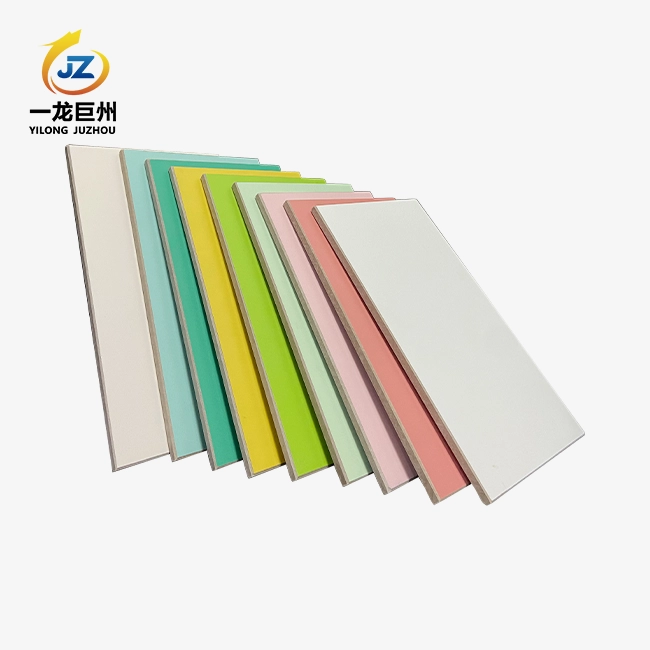
Ice fireproof board is a composite panel with a decorative top layer and a high-density calcium silicate core glued together. There are several surface alternatives available including PVC, PET, PP, Melamine paper, HPL and CPL. This allows the specifiers a lot of flexibility in the operation of the product and the way it looks. Thicknesses vary from 4.5 mm to 15 mm. Standard widths are 1,220 mm and lengths up to 3,050 mm. These sizes are suitable for big format wall applications without seam breaks.
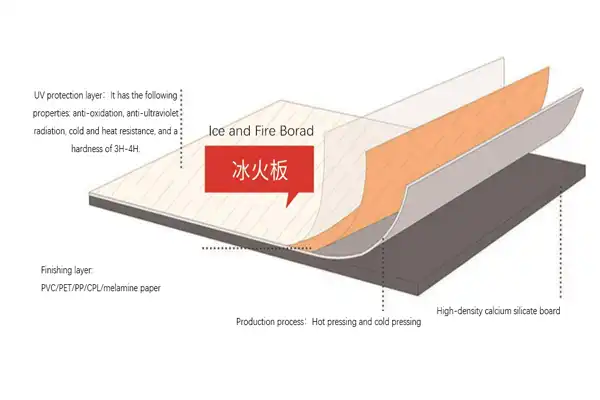
The core is calcium silicate and is Class A non-combustible, meaning the panel adds no fuel to a fire. It does not absorb more than 10% water hence will not bend or delaminate in wet spots. The surface is highly hard (≥3H) so it won't get scratched or worn down in high usage areas.
Certifications and Environmental Compliance
This fireproof wall board is free of asbestos, benzene or formaldehyde. UV-cured surface coatings provide a thick sealed film that prevents off-gassing after installation and locks in the substrate, allowing immediate building occupancy. The panels are suitable for both local and overseas applications and are in compliance with China Environmental Protection Standards, ISO, and CE. The product’s performance profile meets the requirements for surface-burning characteristics under ASTM E84 for purchasing teams in the United States. This is something that should be checked with the seller directly during the specification review.
Comparing Ice Fireproof Board with Other Fireproof Wall Materials
Gypsum board and fiber cement board are often used by procurement teams to compare internal protective panels. The comparison stands up to these important tests:
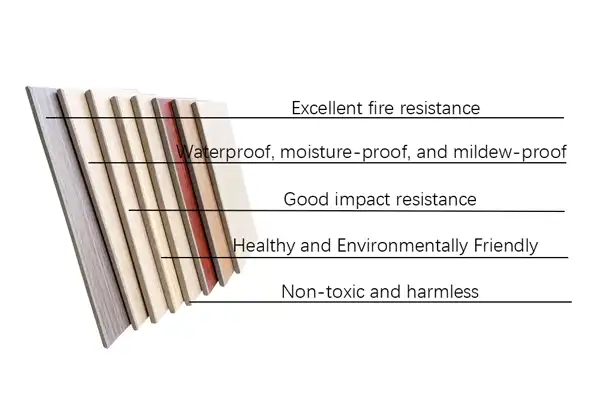
- Fire resistance: Gypsum board is rated Type X fire rated because of hydration chemistry, while the core breaks down slowly when exposed to moisture. Because the inorganic core does not absorb ambient moisture in the same way, calcium silicate panels maintain Class A performance during humidity cycles.
- Antibacterial characteristics: Normal gypsum and cement boards do not have any antibacterial qualities. A major distinction for healthcare and food processing environments is the certified 99.99% antibacterial rate provided by Ice fireproof board.
- Durability of surface: HPL panels have strong surface hardness but are generally flammable at the core. The ice fireboard contains a calcium silicate core to resist combustibility but yet allows for premium decorative laminates on the face.
- Longevity: Calcium silicate panels resist mould, moisture and impact damage , providing a longer service life than paper-faced gypsum in highhumidity or high-impact areas.
When things are controlled, these differences are most important. Facilities that give contracts through official bidding processes, like hospitals, government buildings, and transit hubs, often ask for fire and hygiene licenses from a third party. This panel gets those bars over those bars, which is where cheap boards often fail.
Installation and Application in Commercial and Industrial Buildings
Where This Panel System Performs Best
There are a huge number of ways that ice fireproof board can be used. It is used in hotel lobbies, shopping malls, airport terminals, office buildings, and high-end clubs for commercial construction. It works in libraries, train stops, hospitals, schools, kindergartens, and other public buildings. Its resistance to water, mold, and corrosion makes it useful in industrial and specialized settings like tunnels, food processing plants, and pharmaceutical factories.
How Installation Works in Practice
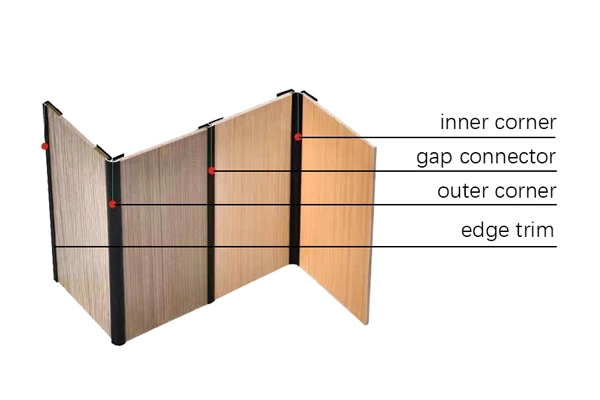
The panel's quick pressure-strip installation method is one of its benefits that isn't given enough credit. Panels are custom made at the factory, cut to the exact size of the project, and ready to be mounted directly on the wall without any wet trades or curing periods. The system can be used with both steel-frame and concrete substrates that are already in place. Installation teams say that these systems require a lot less work than standard tile or plaster systems.
The maintenance is also very easy. The UV-cured surface is non-porous, so it doesn't stain and can be cleaned with regular disinfectants. This is necessary in places like hospitals and labs where sterilization protocols are common. Because the UV coating doesn't fade colors and doesn't let UV light damage them, the color stays the same over the life of the panel. This means that there is no random fading like you see on painted surfaces.
Procurement Considerations for B2B Clients
Finding fireproof wall panels is more complicated than just looking at unit prices. These should be the main points of review for procurement managers and foreign distributors:
- Certification documentation: Request fire test reports, antibacterial test results, and environmental compliance certificates. Legitimate suppliers provide these without hesitation.
- Substrate quality: Confirm the calcium silicate-to-fiber ratio in the core. Boards with excessive lime content become brittle over time and fail under thermal cycling.
- Surface bond integrity: Ask for peel-strength test data. The decorative layer must maintain adhesion through temperature and humidity fluctuations without blistering.
- Lead time and stock availability: For phased construction schedules, consistent supply matters as much as unit cost. Verify that the supplier maintains adequate stock and production capacity.
- OEM and ODM capability: Projects with branded specifications or custom color requirements need a manufacturer capable of accommodating bespoke orders.
These criteria for selecting interior fireproof wall board lower the risk of procurement and build a strong relationship with a supplier. When distributors are in charge of supply lines that go through more than one country, they do better when they work with makers who have both quality management certifications and export transportation infrastructure that spans multiple ports.
Why Choose Ice Fireproof Board for Your Projects?
The choice between calcium silicate artistic panels and other options comes down to the value over the whole life of the product. The initial cost per panel is about the same as premium HPL systems, but the difference in performance, especially in fire safety, resistance to moisture, and antibacterial cleanliness, lowers risk, which means that building owners and operators will have less long-term liability.
Here are the main performance benefits that keep people coming back for more:
- Class A fire resistance with no combustible core, compliant with the most stringent building code requirements
- 99.99% antibacterial rate, independently verified, critical for healthcare and food-industry environments
- Waterproof, moisture-proof, and mildew-proof construction that holds up in tunnels, kitchens, and wet utility areas
- Impact-resistant surface that prevents wall dents and cracks in high-traffic zones
- Immediate occupancy after installation due to zero off-gassing from the UV-cured surface layer
- Colorfast UV coating that eliminates color drift over time, reducing repainting cycles
Because of these benefits, the total cost of ownership of the building is lower over its entire life. This difference is quickly seen by procurement teams that are thinking about long-term infrastructure investments rather than just initial bid prices.
Conclusion
Ice fireproof board is a useful, certified, and esthetically pleasing option for industrial and commercial interiors. Its calcium silicate core, different surface styles, and easy-to-install system meet the needs of fire safety, cleanliness, and design quality all at the same time. This type of panel should be carefully thought through by procurement teams looking at interior wall systems in the healthcare, hospitality, education, transit, or industrial sectors. With its Class A fire rating, antibacterial qualities, and zero-VOC installation requirements, it is one of the most full business indoor cladding options on the market right now.
FAQ
Q1: What fire resistance rating does ice fireproof board carry?
The panel is classified as Class A non-combustible, which means it doesn't catch fire or add to the fire under normal circumstances. According to most building codes, this rating is the best for interior finishes. This includes codes that apply to hospitals, schools, and public transit.
Q2: Can these panels be installed in retrofit projects?
Yes. The pressure-strip method can be used with concrete, brickwork, and steel frames as wall substrates that are already in place. Panels come pre-cut to your specifications, which means they don't need to be changed on-site and can be used for renovations in buildings that are already occupied.
Q3: How does this material compare environmentally to gypsum board?
Asbestos, formaldehyde, and benzene are not found in the calcium silicate core. After placement, the UV-cured surface stops VOCs from giving off gasses. Most of the time, this description meets the environmental standards of public tender specs and green building certification programs.
Q4: What surface finishes are available?
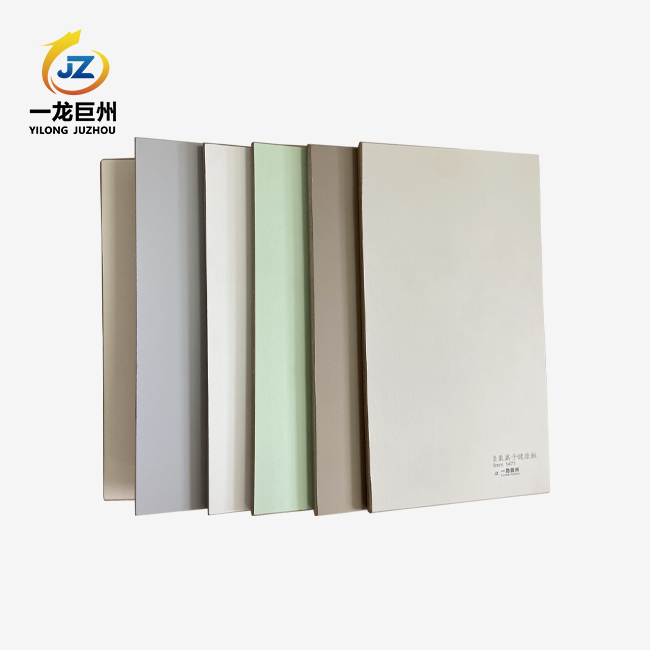
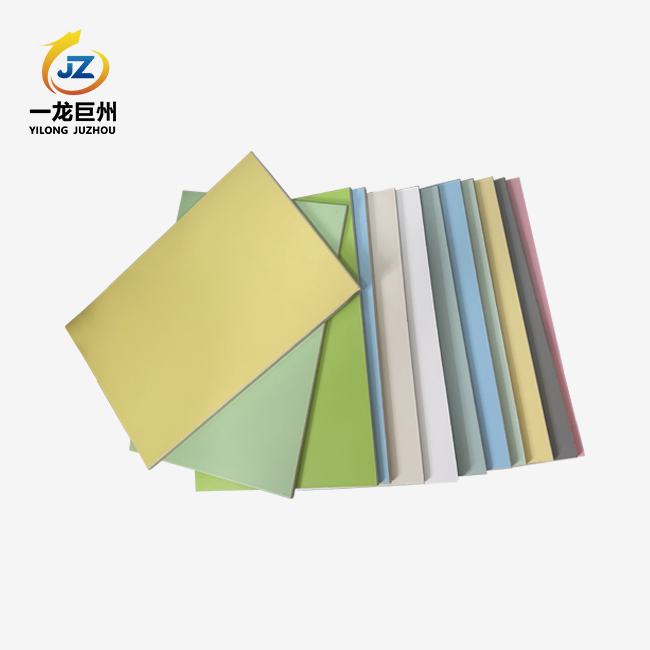
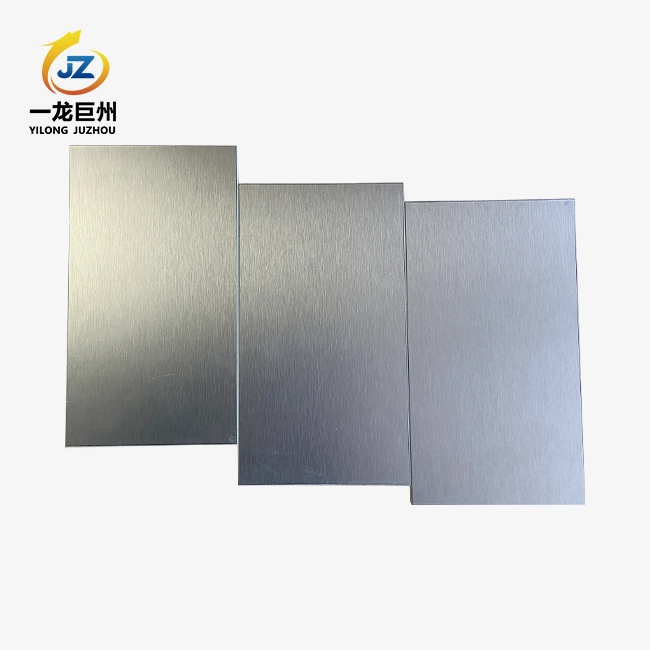
You can choose from a uniform color, a woodgrain design, a marble pattern, a metallic pattern, or a cloth pattern. You can get surface layers made of PVC, PET, PP, melamine paper, HPL, and CPL, so you can meet both budget and high-end needs.
Request a Quote from YILONG JUZHOU — Trusted Ice Fireproof Board Manufacturer
YILONG JUZHOU, a manufacturer of ice fireproof board, has two factories, one in Foshan and one in Shaanxi. They keep 50,000 m² of stock on hand and can ship goods through Shenzhen, Guangzhou, Shanghai, and Qingdao. We are certified by the China Environmental Protection Agency, ISO, and CE, and we offer OEM/ODM orders with a quality guaranty that lasts for three years. You can email cnyang2000114@gmail.com with details about your project to get samples or a personalized quote within 24 hours.
References
1. National Fire Protection Association (NFPA). NFPA 101: Life Safety Code. 2021.
2. ASTM International. ASTM E84: Standard Test Method for Surface Burning Characteristics of Building Materials. 2023.
3. European Committee for Standardization. EN 13501-1: Fire Classification of Construction Products and Building Elements. 2018.
4. U.S. Green Building Council. LEED v4.1 Building Design and Construction Reference Guide. 2021.
5. Intertek Group. Global Building Products Fire Performance Testing and Certification Report. 2022.
6. Construction Specifier Magazine. Interior Wall Systems: Evaluating Fire-Rated Panels for Commercial Applications. 2023.

Send Inquiry

Related Industry Knowledge
- ice fireproof board Moisture Resistance and Durability Features
- Why Is Calcium Silicate Fireproof Board Ideal for Class A1 Interior Walls?
- Unlocking Quality: A Comprehensive Guide to Sourcing Premium HPL Fireproof Boards Globally
- Calcium Silicate Fireproof Board: The Future of Fireproof and Thermal Insulation
- How Does UV light curing board Technology Improve Surface Hardness?
- Coated Aluminum Composite Panel: Structure, Features, and Applications Explained
- Why Choose Inorganic pre-coated panels for Wall Cladding Systems?
- How Do Antibacterial Wall Panels Work to Prevent Bacterial Growth
- Print on Aluminum Composite Panel: A Modern Twist on Traditional Wall Art
- How do I choose the right aluminum composite panels for my building?