
How Are Antibacterial Wall Panels Installed and Maintained?
September 22, 2026
Antibacterial wall panels are engineered cladding systems based on a calcium silicate substrate with a UV-cured antibacterial coating or PVC film surface. Installation includes surface preparation, mechanical fixing or adhesive bonding, and sealed jointing to ensure hygienic integrity. It should be regularly cleaned with compatible cleaning solutions and undergo regular microbiological audits, and any damaged areas should be repaired immediately. When both processes are performed correctly, these panels provide a continuous 99.99% antibacterial rate, protecting high-traffic settings — from operating rooms to food processing lines — without heavy labour or replacement cycles.
What Are Antibacterial Wall Panels Made Of?
Core Structure and Surface Technology
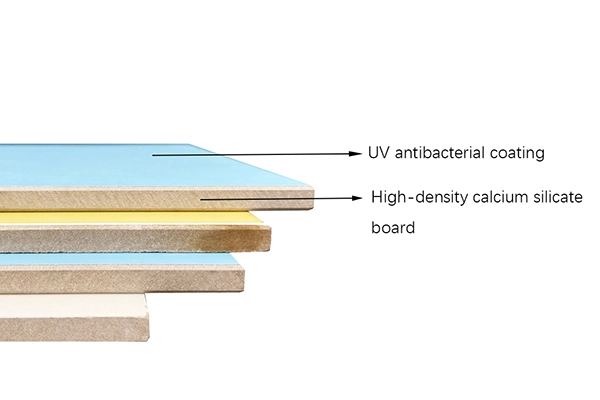
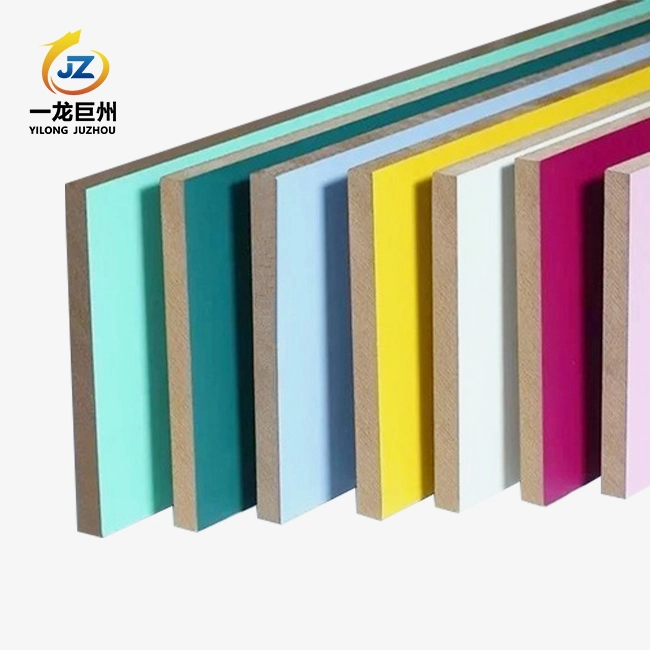
YILONG JUZHOU antibacterial wall panels are based on a calcium silicate board. This core is coated with a UV bactericidal coating or a PVC film. The UV cure forms a thick, cross-linked layer that seals out benzene and other volatiles. That means there is no fragrance on the surface shortly after it is installed. Standard widths are 1,220 mm and lengths up to 3,050 mm, with thicknesses from 4.5 mm to 20 mm available. These sizes are suitable for big commercial installations as they don’t need too many seams.
How the Antibacterial Mechanism Works
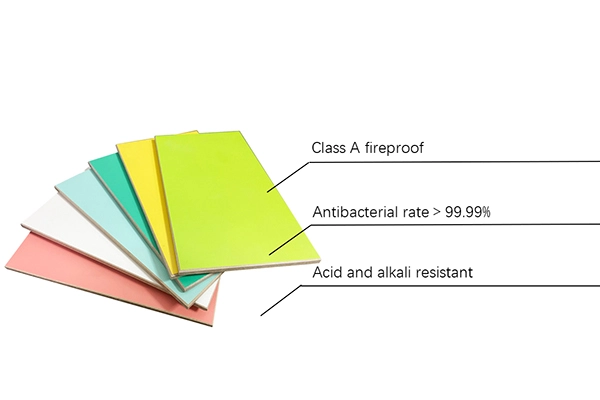
The UV antibacterial layer consists of active biocidal chemicals that destroy the bacterial cell walls on contact. The product was tested to ISO 22196 testing standards and was proven to have an antibacterial rate of 99.99%. Standard PVC cladding has a passive ‘easy-clean’ coating. However, this dynamic process kills pathogens like MRSA, E. coli and mould spores 24 hours a day without chemicals or energy. The surface has no holes and isn’t water-repellent, so bacteria can’t cling to it.
These Medical antibacterial board panels are one germ-free barrier that works in hospitals, pharmaceutical cleanrooms, food factories, schools, pet clinics, and subway stations. Grouting ceramic tile is notoriously a breeding ground for bacteria, and latex paint soaks up water and promotes mildew.
Step-by-Step Installation of Antibacterial Wall Panels
Pre-Installation Preparation
For a clean installation to take place, the site must be properly examined beforehand. Before you order, take accurate measurements of the walls, determine where dampness can get in, and identify where electrical lines and HVAC penetrations are. YILONG JUZHOU panels are customisable in the factory and can handle OEM/ODM, so buying teams may supply the exact proportions, even for non-standard heights up to 3,050 mm. Risk of cutting and contamination on-site is reduced.
The primary procedures to follow if you want to have a legal installation are:
- Surface preparation: Clean the wall of the substrate to eliminate dust, grease, and loose particles. Use a moisture-barrier primer in wet locations, such as food processing areas. Uneven walls need to be skimmed to a level finish. Any deviation higher than 3 mm per 2 m will affect the binding of the panel and produce concealed voids.
- Panel fastening: YILONG JUZHOU panels are fitted using a rapid pressure-strip installation system. Furring channels of aluminium or stainless steel are fixed to the wall at 400 mm intervals, and the panels are clicked or pressed into the channels. This mechanical solution avoids the use of solvent-based adhesives in sensitive zones and permits panel replacement without demolition.
- Sealing and jointing: All joints between panels, particularly at transitions with floors, ceilings and penetrations, should be sealed with antimicrobial silicone sealant or fitted with matching aluminium trim profiles. Open joints break the sanitary barrier. This step is required for cleanroom or surgical applications.
By following these three measures, you can safeguard the kill zone on the top layer and your ability to meet hygiene laws like FDA and HACCP construction standards. The factory-customized approach means installers spend less time on-site making cut changes and more time establishing clean, airtight joins.
Maintenance Best Practices to Preserve Antibacterial Effectiveness
Cleaning Agents and Schedules
The UV-cured top layer is resistant to quaternary ammonium compounds, dilute bleach (up to 500 ppm sodium hypochlorite), and sanitizers that use hydrogen peroxide. These are all popular cleaning products used in hospitals and the food business. Do not use rough scrubbing pads or soaps with a pH level above 11. These will break down the cross-linked layer over time. For everyday cleaning, a microfiber cloth or soft-bristle brush will do.
Schedules are suggested based on how much you use the Medical clean board. Every day, an approved sanitizer should be used to clean up high-risk areas like surgery rooms and sterile processing units. Moderate-traffic areas like school hallways and the inside of shopping malls should be sanitized once a week and cleaned more thoroughly once a month. Keep a record of every time you clean; this will help with infection-control checks and make regulatory inspectors happy.
Long-Term Performance Monitoring
In healthcare settings, microbe swab testing is done every three months to make sure that the antibacterial surface layer is still working. The UV antibacterial coating doesn't wash off during normal cleaning cycles because it's built in and not added as a spray. But impact damage that goes through the top layer leaves areas that aren't protected; any dent or crack that goes deeper than the coating thickness means the panel needs to be replaced right away to close the biological gap.
Quality is guaranteed by YILONG JUZHOU for three years on all of its panels. If a panel shows signs of delamination or coating failure within that window, it's easy to replace: just open the pressure-strip channel, slide out the damaged panel, and click in a new one. There are no wet trades, no curing time, and no facility downtime after the repair window.
Antibacterial Panels vs. Traditional Wall Finishes
People who work in procurement often compare sanitary siding to ceramic tile, epoxy paint, or regular PVC sheet. This isn't just a measure of up-front costs.
Ceramic tile works well on clean surfaces, but the grout lines collect bacteria that are hard to get rid of completely. Epoxy paint has a smooth finish, but it chips when it gets hit, showing the porous base underneath. Standard PVC coating can be washed, but it doesn't have an active biocidal process. To get rid of germs, it only needs to be physically cleaned.
Each of these holes is filled with antibacterial wall panels. The calcium silicate core has Class A non-combustible fire resistance according to GB8624, which is better than most polymer-only cladding options. The composite is resistant to contact, so it doesn't dent or crack as paint and thin tiles do in areas with a lot of foot traffic. Lifecycle cost analysis of commercial hospital projects always shows that the higher unit price is canceled out within three to five years by less work needed to clean up infections and do maintenance.
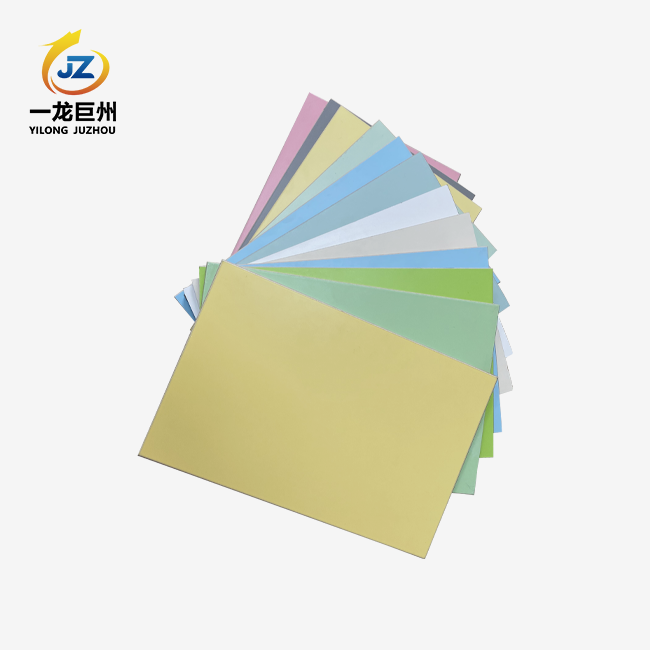
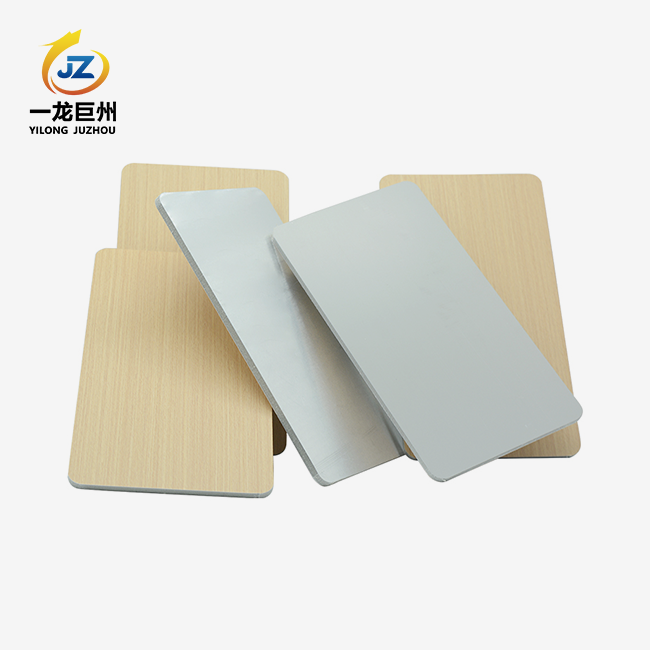
These panels come in a variety of colors and finishes, such as solid, wood grain, marble, metallic, and cloth patterns. They can be used by architects who are designing high-end hotel lobbies or retail spaces, as well as by facility managers who are designing walls for clinical hygiene.
Sourcing Quality Antibacterial Wall Panels: What to Verify
There are four main things you should check when looking for an antibacterial wall panel seller. Ask for an Antimicrobial Activity Report from a third party that was issued by a recognized laboratory and confirms that ISO 22196 was followed. Check the Class A fire certification. It is the norm for public buildings in most controlled markets to be non-combustible. Look over test results that show how well the disinfectants your building uses work against chemicals. Lastly, make sure you know how much can be produced and how long it takes to get it. For example, YILONG JUZHOU keeps 50,000 m² of stock in two production bases in Foshan and Xianyang. Production wait times are three to seven days, and they guarantee an answer within 24 hours.
Panel sizes, surface patterns, and thickness specs from 4.5 mm to 20 mm can be changed through OEM and ODM. Free samples are sent out within three to five days, so buying teams have time to test them in-house before placing large orders.
Conclusion
Only when installation and upkeep are approached as integrated disciplines rather than separate tasks can antibacterial wall panels provide continuous microbial suppression. The 99.99% antibacterial rate of these panels is maintained by properly prepping the base, joining them together in a way that keeps air out, and using cleaning products that are compatible with the panels. This makes them the best choice for hospitals, cleanrooms, food facilities, and business spaces. When you choose a maker with certified output, open customization, and documented expert help, you lower the risk of the project and the cost of running it in the long run.
FAQ
Q1: Do antibacterial wall panels require special tools to install?
No specialized tooling is needed. The quick pressure-strip method uses standard carpentry tools. Panels click into pre-mounted aluminum channels, and trims are cut with a fine-tooth saw. Factory customization means most panels arrive at the correct dimensions, reducing on-site modification significantly.
Q2: How often should hygienic cladding be inspected for microbial integrity?
Healthcare and food-industry facilities should conduct quarterly microbial swab audits. Commercial environments—offices, retail, schools—can schedule semi-annual inspections supplemented by visual checks after any impact event.
Q3: Can panels be installed directly over existing ceramic tile?
Yes, provided the tile substrate is structurally sound, flat to within 3 mm per 2 m, and free of hollow sections. The pressure-strip system adds minimal depth to the wall profile, making overlay installation practical in renovation projects where demolition is disruptive.
Q4: What cleaning agents damage the UV antibacterial surface layer?
Abrasive powders, solvent-based cleaners, and high-alkaline degreasers above pH 11 degrade the cross-linked UV coating. Use microfiber cloths with dilute disinfectant solutions approved for food-contact or clinical surfaces.
Partner With YILONG JUZHOU for Your Next Project
YILONG JUZHOU is a reliable company that makes antibacterial wall panels for businesses, hospitals, and factories in more than 30 countries. We have two production bases, 50,000 m² of ready stock, and a quality guarantee that lasts for three years. In three to seven days, we can send approved panels that can be customized. To get a free sample or a quote for your project right away, email our team at cnyang2000114@gmail.com to begin reviewing your requirements.
References
1. Journal of Hospital Infection — "Antimicrobial surfaces and their potential in reducing the role of the inanimate environment in the incidence of hospital-acquired infections," 2016.
2. Building and Environment — "Performance evaluation of antibacterial coating systems for interior wall applications in healthcare facilities," 2019.
3. ASHRAE Journal — "Hygienic wall and ceiling systems in cleanroom and healthcare design," 2020.
4. Food Control — "Wall cladding materials and microbial contamination risk in food processing environments," 2018.
5. ISO 22196:2011 — Measurement of antibacterial activity on plastics and other non-porous surfaces, International Organization for Standardization, 2011.
6. Construction and Building Materials — "Calcium silicate board composites: Fire resistance, moisture performance, and environmental compliance in modern interior construction," 2021.

Send Inquiry


Related Industry Knowledge
- PE Aluminum Composite Board Sheet: Sizes, Specs and Uses
- What Is a PE aluminum composite board?
- Can Calcium Silicate Aluminum Composite Boards Replace Traditional Insulation Panels?
- How to Choose the Best Negative Ions Healthy Panel for Your Project
- How to Choose the Right PP Healthy Panel for Interior Wall Decoration
- Composite Fireproof Boards Compared: Why Calcium Silicate Aluminum Panels Stand Out
- How to Beat the Heat with Aluminium Composite Panels
- What Is Medical Clean Board and Where Is It Used?
- How to spray paint on aluminum composite panels
- How Antibacterial Wall Panels Improve Hygiene in High-Traffic Areas