
Aluminum Composite Panel Installation: A Practical Guide
September 23, 2026
When it comes to interior wall cladding for commercial, healthcare, and industrial spaces, aluminum composite panel systems have become a go-to solution for architects, project managers, and procurement teams across the United States. This guide walks you through everything from understanding ACP composition to a step-by-step installation process, material comparisons, and maintenance practices. Whether you are specifying materials for a hospital renovation, a hotel lobby, or an airport terminal, this practical resource helps you make informed decisions and achieve lasting results.
Understanding Aluminum Composite Panels Before Installation
What Makes Up an ACP?
An aluminum composite panel is made of two aluminum skins that are joined to a non-aluminum body. Important speed factors depend on the core type. Standard polyethylene cores are good for use inside, but mineral-filled A2-grade cores, which are made up of more than 90% solid substances, meet the strictest fire safety standards, such as EN 13501-1 Class A2-s1, d0. The A2 aluminum composite panel from YILONG JUZHOU has refractory material layers on both sides, which makes it non-flammable without affecting its ability to be worked on.
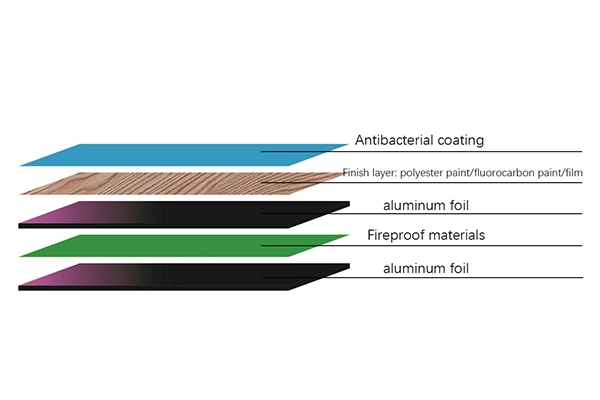
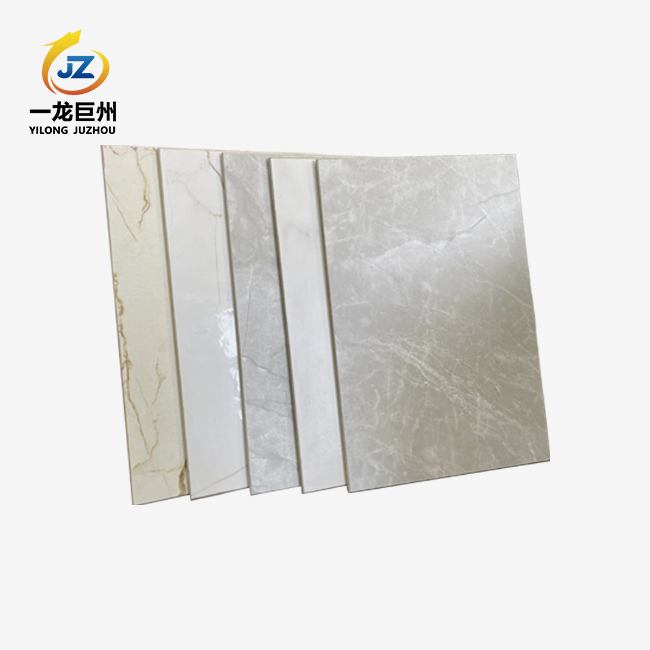
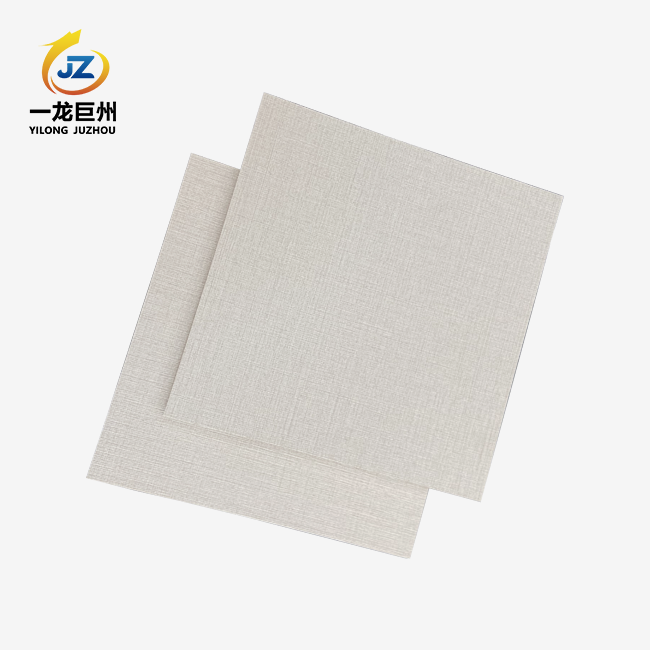
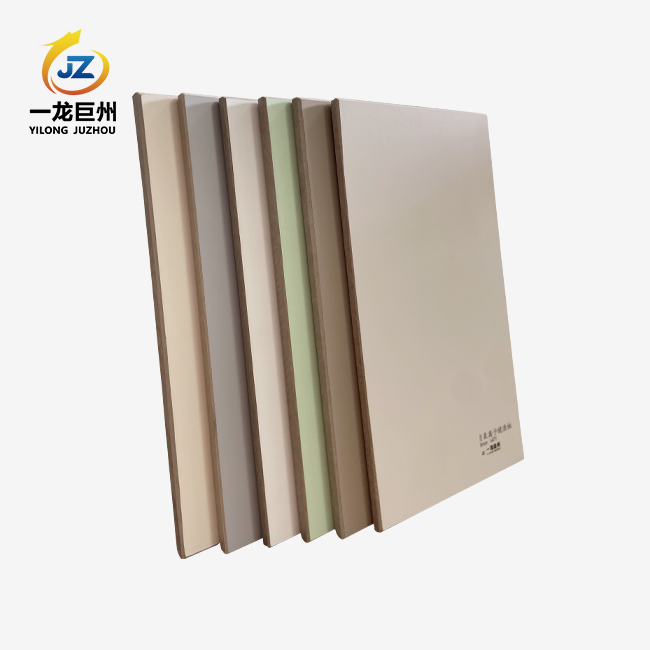
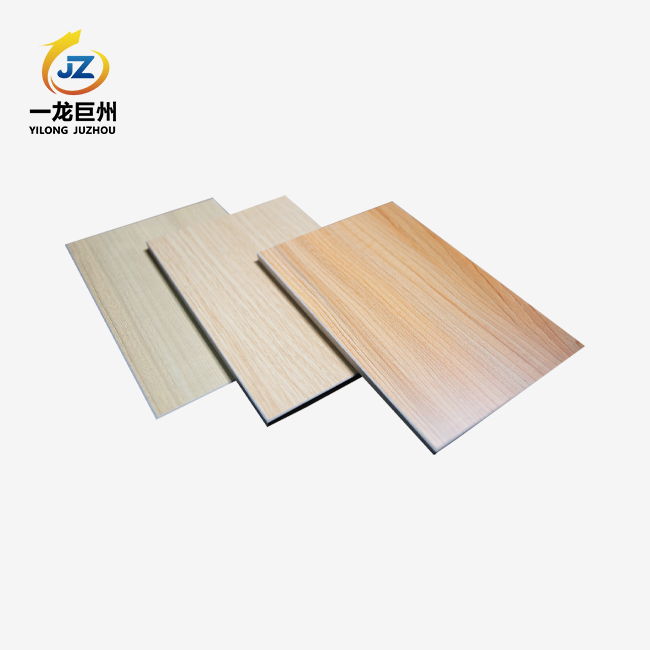
The thicknesses range from 2 mm to 6 mm, and the widths are 1220 mm, 1500 mm, and 2000 mm. The lengths can be changed to fit your needs, and panels can be longer than 3 meters. Polyester paint, PET film, PVC film, and PP film are all surface finishes that come in plain colors, woodgrain, marble, metallic, and cloth designs.
In places where both looks and performance are important, like hospitals, schools, shopping malls, office buildings, subways, airports, train stations, stadiums, art galleries, gyms, villas, medical aesthetic centers, hotels, and conference centers, these panels are put in place.
Pre-Installation Considerations: Planning and Preparation
Site Assessment and Material Selection
How well the finished wall with metal Aluminum Composite panel works for years to come depends on how well it was planned before the first panel was put up. First, do a full inspection of the base. Make sure the mounting surface is physically sound, level, and free of any wetness or contamination. Any movement or deflection of the substrate that goes beyond what is acceptable will be transmitted through the panel face.
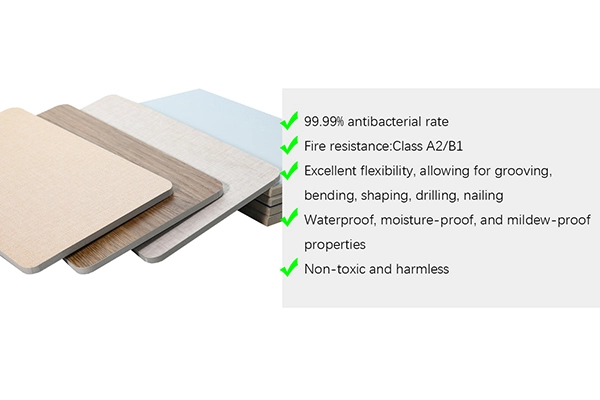
Choosing the right panel specification is just as important. A2-rated walls that are resistant to moisture, mold, and formaldehyde are the best choice for healthcare facilities or food processing areas that need to meet strict cleanliness standards. The panels made by YILONG JUZHOU have been approved by China Environmental Protection Standards, ISO, and CE. This is proof that they meet the requirements for official bidding reviews and third-party compliance reviews.
Here is a useful pre-installation list that is used by professional installation teams:
- Verify substrate flatness tolerance (typically within 3 mm over a 2-meter span) before marking layout lines.
- Confirm that the subframe material — aluminum extrusions or galvanized steel brackets — is rated for the panel weight and local wind or seismic loads.
- Select adhesive and sealant products compatible with the panel's surface coating to avoid delamination or discoloration over time.
- Review thermal expansion allowances: aluminum expands approximately 2.4 mm per linear meter for every 10°C change in temperature, making gap sizing between panels critical.
Taking care of these issues early on saves money on rework and keeps projects on schedule.
Step-by-Step ACP Installation Guide
Modern Methods vs. Traditional Approaches
Early ACP installations relied on through-bolt fixing and obvious screw lines, which made it hard to line up the panels and let water get in around the points where they went through. These methods have mostly been replaced by concealed fastener systems, structural silicone adhesives, and modular rail-and-bracket assemblies, which are more accurate and better at keeping out the weather over time.
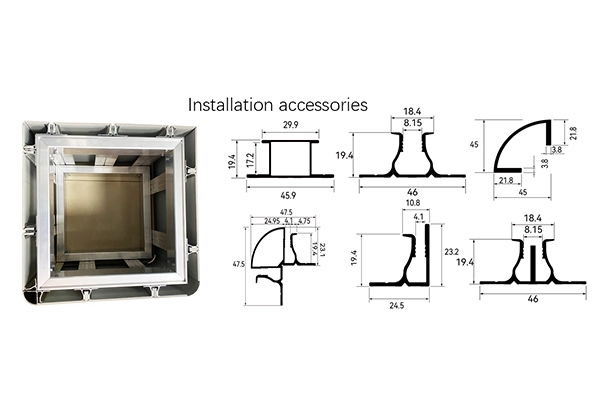
Based on current best practices for indoor wall applications, the steps below show how to place the product:
- Measure and mark the wall layout using a laser level, establishing a grid that accounts for panel dimensions, expansion joints, and architectural feature lines.
- Cut panels to size using a fine-tooth circular saw or CNC router. YILONG JUZHOU panels support drilling, nailing, and bending — the A2 mineral core routes cleanly without cracking or splintering.
- Fabricate returns and reveals by scoring and folding the panel along routed channels. The high flexibility of these panels allows them to be bent into curved profiles for column wraps or arched surfaces.
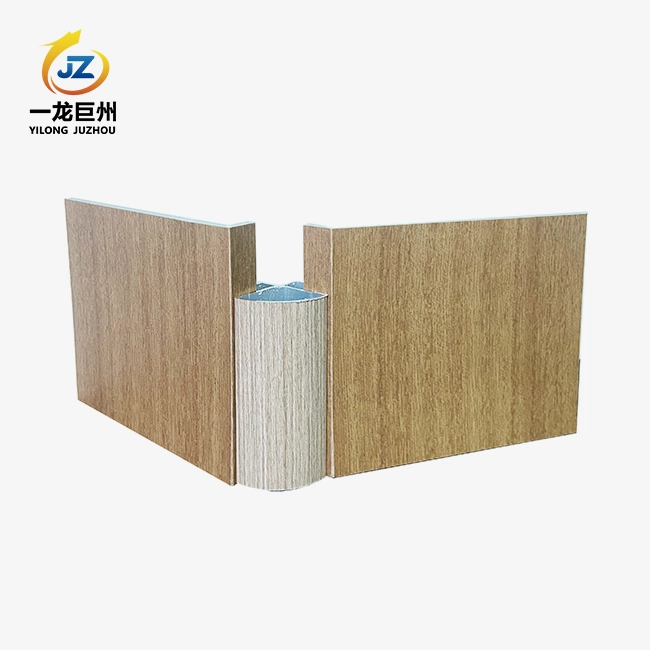
- Install the subframe — typically aluminum T-profiles or Z-brackets anchored to the structural wall — maintaining the designed cavity depth for ventilation and services access.
- Mount panels onto the subframe using concealed clips or mechanical fasteners, working from a reference corner outward. Check plumb and level at every third panel.
- Apply structural silicone sealant in expansion joints where panels meet. Allow full cure time before any traffic or loading against the surface.
Panels that warp after being put together are usually caused by fasteners that are too close together or expansion joints that were skipped. Water can't get behind panels either if the sealant is applied according to the manufacturer's instructions and there are no gaps or voids.
Comparing ACP Installation Against Other Cladding Materials
Why Procurement Teams Consistently Choose ACP
Aluminum Composite board has clear advantages over solid aluminum sheet, wood siding, and PVC wall covering when compared side by side. These advantages affect both the time it takes to install and the overall cost of ownership.
Solid metal sheet can lower the structural load compared to stone, but it still gets oil-canning, which is a wavy look on big flat surfaces, and needs stronger subframe support. Wood paneling adds warmth to a room, but it needs to be sealed against moisture, refinished every so often, and is a fire risk in controlled environments. PVC panels are cheap, light, and good for low-traffic areas. However, they break down when exposed to UV light, and they're not stiff enough for large-format feature walls.
ACP, on the other hand, lowers the load on structures by up to 40% compared to solid metal while keeping the panels rigid across large sizes. YILONG JUZHOU's A2 panels are strong and don't break easily when they hit something. They are also light enough that two-person teams can handle full sheets of them without using motorized lifting equipment for most interior jobs. When surfaces are pre-finished and colors are matched at the plant, there is no need to paint anything on-site. This saves a lot of time during the building process.
Post-Installation Maintenance and Fire Resistance Insights
Keeping Your Panels Performing Long-Term
It's easy to do regular upkeep on internal ACP walls. Use a mild neutral detergent and a soft cloth to clean polyester-coated surfaces. Do not use rough pads, as they will scratch the finish coating. Visual inspections should be done at least once a year. At these inspections, look for cracks or separation in the sealant joints and corrosion on the heads of the fasteners.
The difference between core types is very important when it comes to fire performance. The Class A2 fire approval for YILONG JUZHOU's A2 aluminum composite panel means that the core doesn't add much to the flammable fuel load. This classification meets the fire protection standards for high-rise buildings in the U.S. It also meets the requirements of NFPA 285 and the International Building Code for Type I and Type II construction for both outer and inner cladding.
Facilities managers who have to do phased renovations can replace individual panels without disturbing the subframe around them. This is useful in places like hospitals and airports that can't afford to be closed for long periods of time. Targeted fixes are quick and cheap with the modular installation method.
Conclusion
To successfully install ACP wall systems, you need to plan ahead, follow the right specifications, and use a focused building method. You can choose a mineral-core A2 panel for a hospital corridor or route curved profiles in a hotel lobby. The material is easy to work with, has good fire performance, and doesn't need much maintenance, so it's a good choice for both commercial and institutional projects. YILONG JUZHOU's A2 aluminum composite panels don't contain formaldehyde, are certified as environmentally friendly, and come in a lot of different sizes and styles to meet any need. There is 50,000 m² of stock, and free samples will be sent out within 3 to 5 days. Production takes 3 to 7 days.
FAQ
Q1: How long does a typical ACP wall installation take?
Project scale, team size, and the complexity of the subframe all affect how long it takes. A two-person crew with a lot of experience can usually install 80–120 m² of a normal business interior wall every day using a pre-made rail system. Once the subframe grid is set up, bigger jobs with modular panel plans go faster.
Q2: Are permits required for interior ACP installations in the U.S.?
Most of the time, yes. Finishing the inside of a business building needs a building permit and has to follow local fire rules and the International Building Code. In regulated areas like hospitals, schools, and transit hubs where non-combustible materials are required, A2-rated panels help speed up the permit approval process.
Q3: Can ACP panels be installed in extreme humidity or cold conditions?
Silicone sealants and structural adhesives can only be used in certain temperature ranges, usually between 5°C and 40°C. If you install below these levels, the bond might not fix properly and fail. The panels from YILONG JUZHOU are waterproof, moisture-proof, and mildew-resistant by design. However, the instructions that come with the adhesives and sealants should always be followed when applying them in cold weather.
Q4: Does YILONG JUZHOU support OEM or custom sizing?
Yes, we can take both OEM and ODM orders, and we can make unique lengths longer than 3 meters. The thickness of the aluminum skin can be anywhere from 0.1 mm to 0.5 mm, based on the load and the use.
Partner with YILONG JUZHOU — Your Trusted Aluminum Composite Panel Supplier
YILONG JUZHOU makes A2 aluminum composite panels in two factories in Foshan and Shaanxi, China. The panels are shipped to other countries via Shenzhen, Guangzhou, Shanghai, and Qingdao. We are a certified manufacturer of aluminum composite panels and offer free samples within 3–5 days. We also guarantee the quality of our products for three years and offer full OEM/ODM support. To get a price or specification sheet right away, email our team at cnyang2000114@gmail.com.
References
1. Aluminum Association. Aluminum in Building and Construction: Design Guidelines. 2020.
2. National Fire Protection Association. NFPA 285: Standard Fire Test Method for Evaluation of Fire Propagation Characteristics of Exterior Non-Load-Bearing Wall Assemblies. 2019.
3. International Code Council. International Building Code (IBC). 2021.
4. ASTM International. ASTM E84: Standard Test Method for Surface Burning Characteristics of Building Materials. 2022.
5. European Committee for Standardization. EN 13501-1: Fire Classification of Construction Products and Building Elements. 2018.
6. American Architectural Manufacturers Association. AAMA 2605: Voluntary Specification for Superior Performing Organic Coatings on Aluminum Extrusions and Panels. 2017.

Send Inquiry


Related Industry Knowledge
- What Are The Advantages of an exterior ACP Sheet?
- Medical Clean Board in Modern Healthcare Construction
- Where Are UV Antibacterial panels Most Commonly Used?
- Interior and Exterior Applications of A2 Aluminum Composite Panels
- Are there any antibacterial indoor wall panels?
- What Is a Negative Ion Healthy Panel and How Does It Work?
- Negative ion boards: natural enemies of bacteria and viruses
- What Makes UV Antibacterial panels Effective Against Surface Bacteria?
- Where to buy aluminum composite panel?
- Print on Aluminum Composite Panel: A Modern Twist on Traditional Wall Art