
Medical Clean Board in Modern Healthcare Construction
September 8, 2026
When a hospital wing undergoes renovation or a new pharmaceutical facility breaks ground, wall material selection carries consequences far beyond aesthetics. A medical clean board — a high-performance interior wall panel engineered from a calcium silicate substrate with a UV-cured antibacterial coating or PVC film — has become the specification standard for sterile and high-traffic environments across the United States. From operating rooms to food processing plants, these panels deliver verifiable antibacterial, fire-resistant, and moisture-proof performance that conventional drywall or ceramic tile simply cannot match in regulated construction contexts.
What Makes a Medical Clean Board Different From Standard Wall Panels
More and more, people who work in healthcare construction can tell the difference between decorative wall cladding and clinically engineered surface systems. When infection control and following the rules are important, the gap is very important.
The Science Behind Antibacterial Wall Cladding
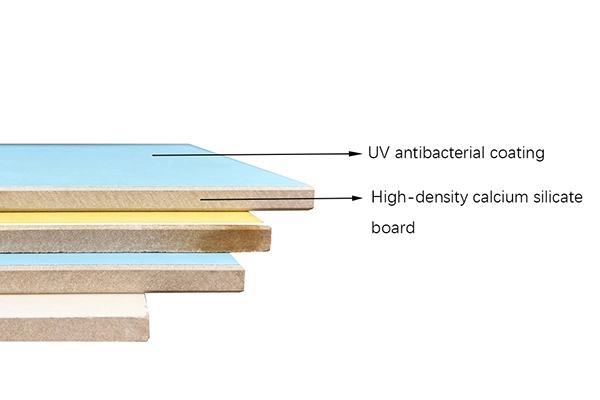
Based on ISO 22196 testing guidelines, YILONG JUZHOU's medical clean board has a 99.99% success rate in killing germs like Staphylococcus aureus and E. coli. During production, the UV-cured top layer turns into a thick, non-porous film that physically stops microbes from sticking to it instead of just using chemicals. Healthcare-associated infections (HAIs) affect about 1 in 31 hospitalised patients in the U.S. every day, so choosing the right surface material is a real matter of patient safety.
Core Structure and Material Composition
The panel structure is made up of a high-density calcium silicate base that doesn't contain any formaldehyde or asbestos and a UV-resistant finish or PVC film layer on top. The panels don't add fuel to a fire, so this mixture gets the GB8624 Class A non-combustible fire grade. Impact resistance that is strong enough to stop wall cracks and dents from equipment carts, gurneys, and high-traffic hallway use is provided by the base density. Importantly, the material doesn't contain any benzene or volatile organic chemicals, so it can be used right away without worrying about off-gassing.
Specification Parameters That Procurement Teams Need to Verify
Procurement managers and project architects need accurate dimensional and performance data before they can place purchase orders for large healthcare or institutional projects. Specifications that aren't clear lead to expensive arguments over substitutions during building. The following are the tested technical specs for YILONG JUZHOU medical clean wall board panels:
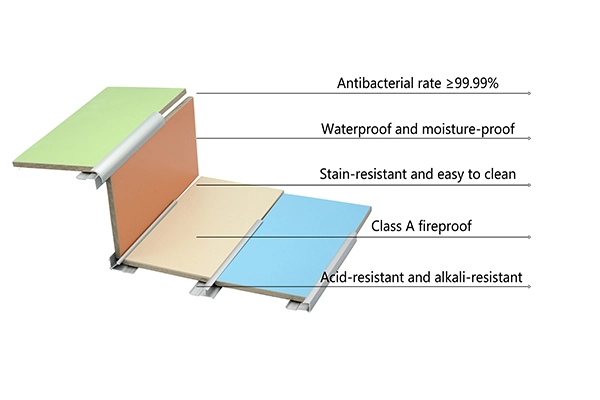
- Thickness options: There are different thicknesses available, ranging from 4.5 mm to 20 mm. These thicknesses can be used for a wide range of applications, from light indoor wall panelling to heavy-duty industrial wall systems.
- Standard panel dimensions: Standard panel sizes are 1220 mm wide and 2440 mm long, and they can go up to 3050 mm tall for use in high corridors or atriums.
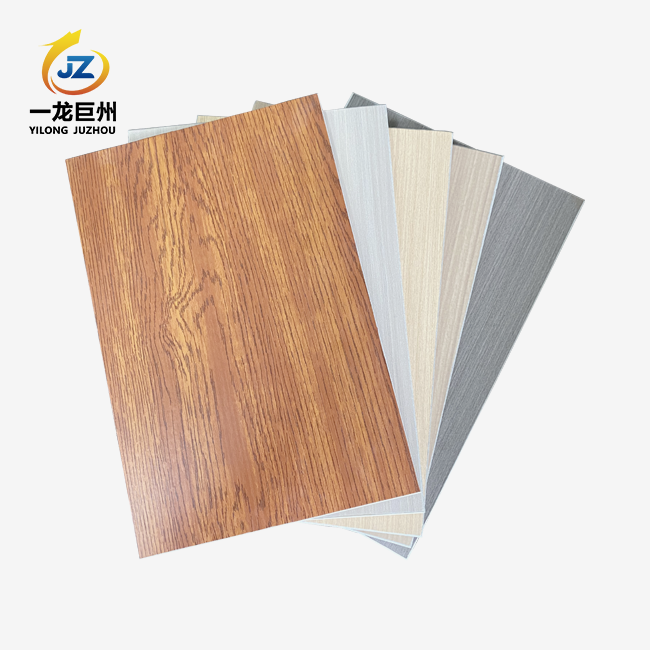
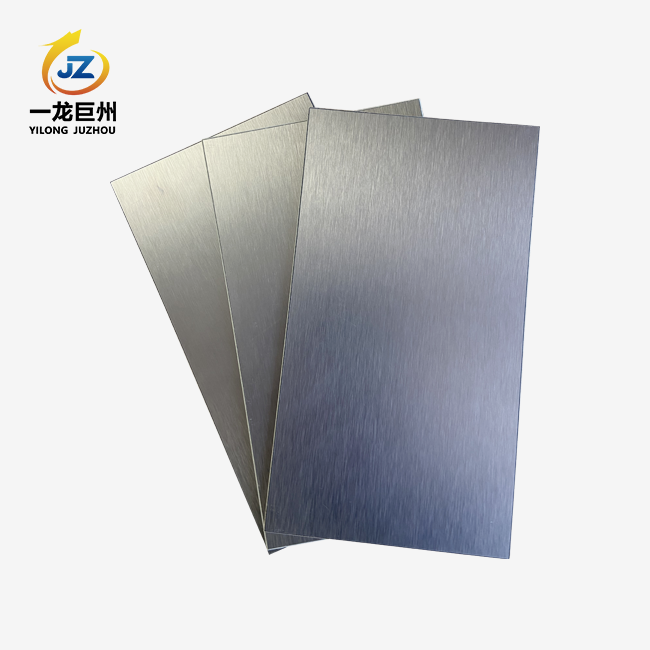
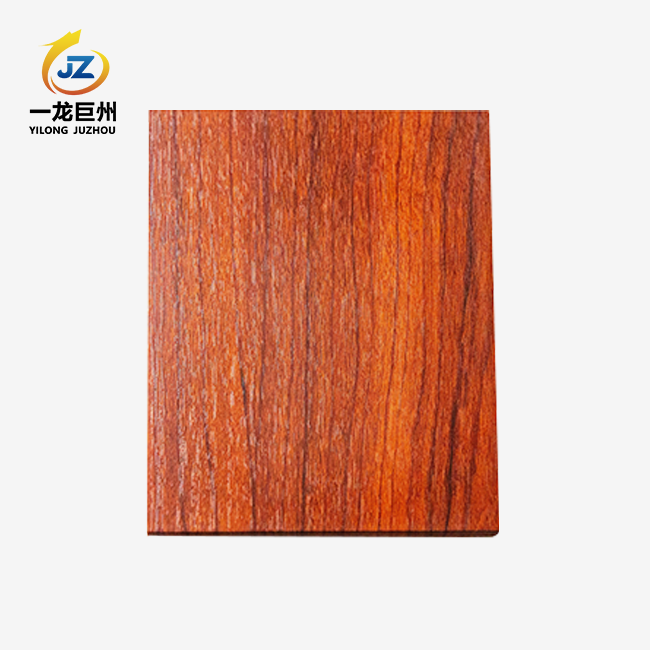
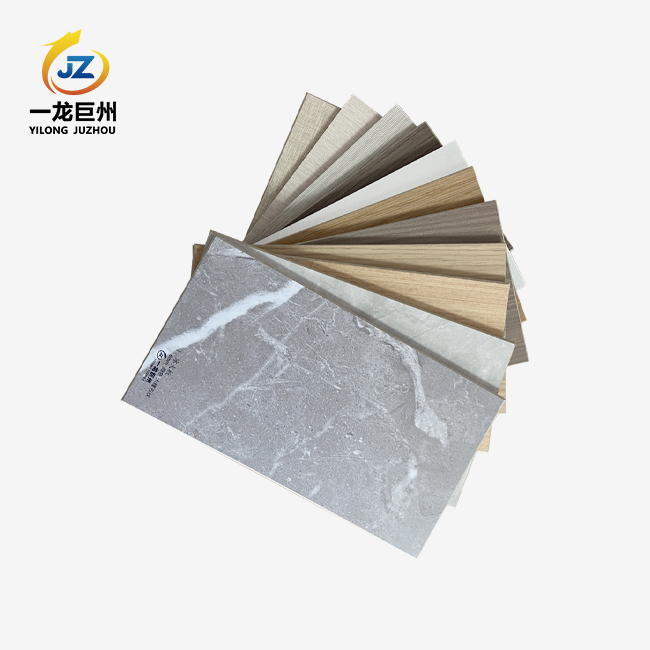
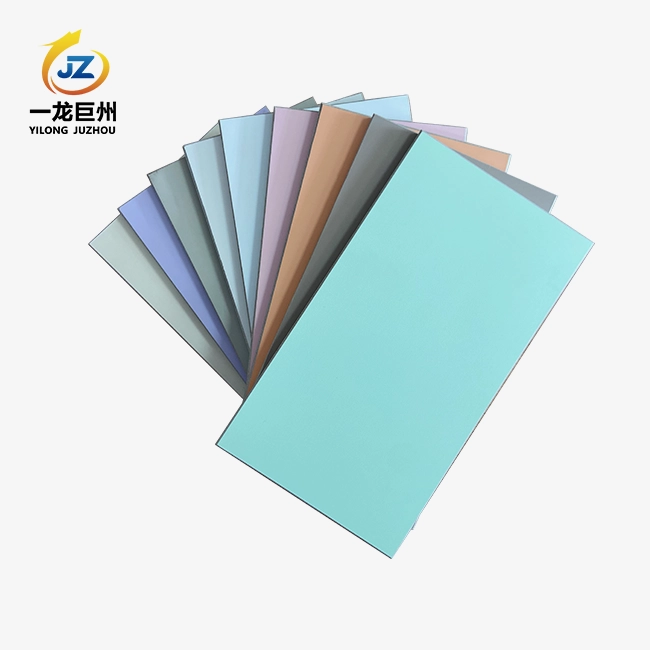
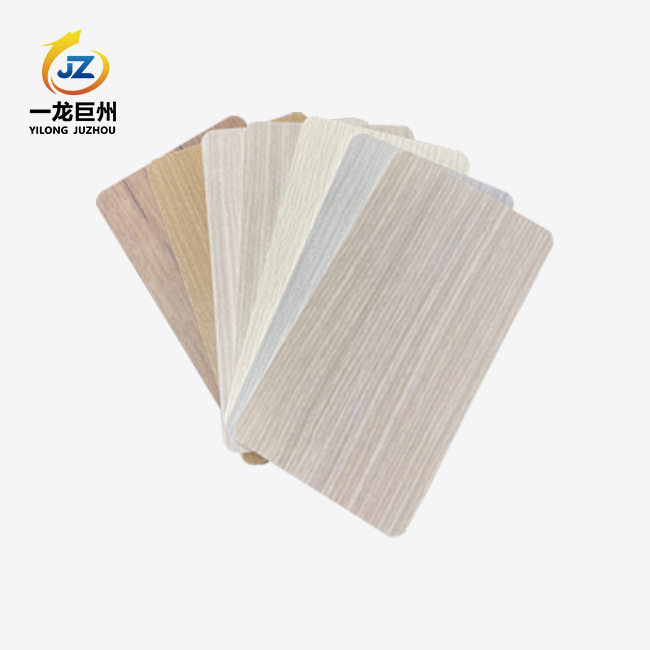
- Surface finish variations: Surface finish options include solid colour, woodgrain, marble pattern, silver pattern, and cloth pattern. This helps keep the design consistent in areas that face both patients and guests.
- Fire classification: Class A fire rating according to GB8624, which means it is non-combustible and meets strict U.S. institutional project requirements.
- Moisture and mould resistance: Engineered to stop moisture from getting through, stopping mould from growing behind installed panels
With these parameters, the panels can be used in a lot of different situations. The same product line is used in operating rooms, food processing facilities, school buildings, tube stops, and business retail interiors. This means that it is possible to buy from a single source for all of these different markets.
Maintenance, Disinfection, and Long-Term Performance
One problem that keeps coming up with antimicrobial wall systems is that they don't always work after years of harsh chemical cleaning. During final cleaning cycles, hospital environmental services teams often use chlorine-based disinfectants, quaternary ammonium compounds, and, in some facilities, vaporised hydrogen peroxide.
Cleaning Protocol Compatibility
The UV-cured top layer on YILONG JUZHOU panels stays chemically neutral against common medical disinfectants. The surface of the pencil is harder than 3H, which means that scratches from cleaning tools don't damage the antibacterial layer. A study in the American Journal of Infection Control confirmed that antimicrobial wall surfaces that aren't porous lower the number of bacteria on their surfaces by a lot compared to painted plasterboard after standard cleaning methods. The procurement team should ask for proof of the coating's adhesion ratings. ASTM D3359 cross-hatch testing at 5B classification makes sure that there is no risk of delamination when cleaning friction is applied for a long time.
Why Grout-Free Installation Changes the Hygiene Equation
Ceramic tile grout joints can spread biofilm throughout a building. Medical clean interior wall panel products, on the other hand, are installed using a pressure strip dry-mount system. In this way, there are no joints at all on large areas of the surface, making a single, reusable wall plane. The fitting method is customised at the factory, which cuts down on the time needed for work to be done on-site by a large amount. This is a big help for healthcare facilities that have to schedule renovations around ongoing clinical operations.
B2B Procurement Strategy: Sourcing Clean Room Wall Panels at Scale
Buying hygiene wall systems for healthcare buildings as an institution is more than just looking at unit prices. Project managers in charge of multi-facility rollouts or phased hospital expansions need to make sure that the supply chain is consistent, that technical paperwork is complete, and that contact is quick.
OEM and ODM Flexibility for Project-Specific Requirements
YILONG JUZHOU can make products under both OEM and ODM arrangements. This means that wholesalers and building procurement teams can ask for custom sizes, surface patterns, or branding needs. The company has two factories, one in Shaanxi Province and one in Foshan, Guangdong. It has a 50,000-square-meter stock, and the wait time for normal orders is 3 to 7 days. The company has ISO, CE, and China Environmental Protection Standard Certifications, as well as sea freight from Shenzhen, Guangzhou, Shanghai, or Qingdao. This meets the documentation needs for U.S. import compliance and institutional tender processes. Working with a single-source medical clean board maker that can increase production, keep colour consistency (Delta E 1.0 across runs), and offer technical installation advice lowers the risk of buying things at different stages of a building project. The three-year quality guarantee backs up long-term contract structures that are common in healthcare systems that are in charge of ongoing capital improvement programs.
Future Directions: Where Antimicrobial Wall Systems Are Heading
The value of the global market for antimicrobial paints was estimated to be $4.5 billion in the year 2022. As a result of demand from the healthcare construction industry, it is anticipated that by the year 2028, it will be worth more than seven billion dollars. Specifiers in the United States are being pushed toward surface materials that have low volatile organic compound (VOC) profiles and antimicrobial claims that have been independently proven as a result of new regulations. These laws include the Safer Choice program of the Environmental Protection Agency (EPA) and the revised FGI Guidelines for Design and Construction of Hospitals. Businesses that make investments in UV-cured surface technology are in a prosperous position. This is due to the fact that UV curing eliminates pollution caused by solvents during the manufacturing process and makes the coatings more durable than conventional coatings. Panels with an inert substrate composition and an active antibacterial surface will continue to replace painted gypsum board and ceramic tile in controlled settings as infection control regulations become more stringent throughout the United States healthcare building codes.
Conclusion
It's no longer acceptable for healthcare buildings to use wall materials as setting specifications. Every surface in an operating room, ICU hallway, or pharmacy clean room either helps or hurts the system the hospital uses to keep infections under control. Medical clean boards made from calcium silicate substrates and UV-resistant top layers are a better technical choice than older materials that aren't as useful in real life. When purchasing, teams check antibacterial performance data, fire ratings, and dimensional specifications, and only buy from companies that have a history of producing high-quality goods and showing proof of certification. They make choices that protect patients and project timelines.
Frequently Asked Questions
1. How often should antimicrobial wall panels be disinfected in hospital settings?
The CDC says that high-touch surfaces in hospital settings should be disinfected at least once a day, and that in acute care rooms, cleaning routines should be followed between patients. Panels with non-porous surfaces that have been UV-cured can handle this frequency without damage to the surface.
2. What thickness is appropriate for operating room wall cladding?
Thicknesses between 8 mm and 12 mm are most often specified for operating rooms and intensive care units (ICUs). These thicknesses provide enough impact protection against machine contact while keeping the panel weight manageable for installation.
3. Can these pieces be changed to fit the size or style of a project?
Yes, YILONG JUZHOU takes both OEM and ODM orders. They can make custom sizes up to 3050 mm tall, and the surface can be finished in marble, metal, woodgrain, or solid colour patterns. Within 3 to 5 days, you can get samples.
4. Do UV treatments that kill germs continue to work for the life of the panel?
UV-cured coatings don't just spray on; they form a thick film. This means that the antibacterial qualities are built in and don't just go away. Under normal workplace cleaning conditions, the service life is more than 15 years without losing much of its effectiveness.
Partner With YILONG JUZHOU for Your Healthcare Construction Project
YILONG JUZHOU has 50,000 m² of stock and production processes that last between 3 and 7 days. They offer approved medical clean board solutions that are backed by ISO, CE, and China Environmental Protection certifications. Our team can help you find a medical clean board supplier for a single hospital wing or a long-term OEM relationship that spans multiple facilities. We offer free samples, technical advice, and competitive bulk pricing. To get details or a sample right away, email us at cnyang2000114@gmail.com.
References
1. Centers for Disease Control and Prevention. (2024). Healthcare-Associated Infections (HAIs). U.S. Department of Health & Human Services.
2. Dancer, S. J. (2014). Controlling hospital-acquired infection: Focus on the role of the environment and new technologies for decontamination. Clinical Microbiology Reviews, 27(4), 665–690.
3. MarketsandMarkets. (2023). Antimicrobial Coatings Market — Global Forecast to 2028.
4. Facility Guidelines Institute. (2022). Guidelines for Design and Construction of Hospitals.
5. U.S. Environmental Protection Agency. (2023). Safer Choice Program: Product and Ingredient Standards.
6. International Organization for Standardization. (2011). ISO 22196: Measurement of Antibacterial Activity on Plastics and Other Non-Porous Surfaces.

Send Inquiry


Related Industry Knowledge
- Can Calcium Silicate Aluminum Composite Boards Replace Traditional Insulation Panels?
- Why Paint Peels Off Aluminum Composite Panels and How to Fix It
- 7 Facts About Aluminum Composite Panels
- Melamine fireproof board Environmental and Formaldehyde Standards
- UV Antibacterial panels Installation and Maintenance Guide
- What is HPL fireproof board?
- What are negative ion boards? All about negative ion boards
- How to Prepare Aluminum Composite Material (ACM) for Painting
- What are aluminum composite panels used for?
- Calcium Silicate Aluminum Composite Board Explained: Structure, Benefits, and Uses