
Best Aluminum Composite Panel for Commercial Exterior Walls
September 17, 2026
When evaluating the best Aluminum Composite panel for commercial exterior walls, the A2-rated panel stands out as the top-tier choice for architects, procurement teams, and project managers. This panel type combines two aluminum skins bonded to a non-combustible mineral core, achieving Class A2 fire certification while remaining lightweight and easy to fabricate. Whether you're specifying cladding for a high-rise office tower, a healthcare campus, or a transit hub, understanding the technical distinctions between panel grades, core materials, and surface coatings is the foundation of a sound procurement decision.
Understanding Aluminum Composite Panels for Commercial Use
What Makes ACP Different from Solid Metal or PVC Cladding
The sandwich structure that is known as a composite panel is a sandwich structure that is specifically built to consist of two skins made of aluminum alloy that are thermally connected to a central core. The "oil-canning" waviness that occurs with large pieces of solid metal is fixed by this design, according to a paper that was published in the Architectural Record (2022). Additionally, the dead load of the building is reduced by as much as forty percent when compared to the situation with solid aluminum. Because the thickness of a standard panel may vary from 2 millimeters to 6 millimeters, it can be used for both low-rise storefronts and high-rise curtain walls.
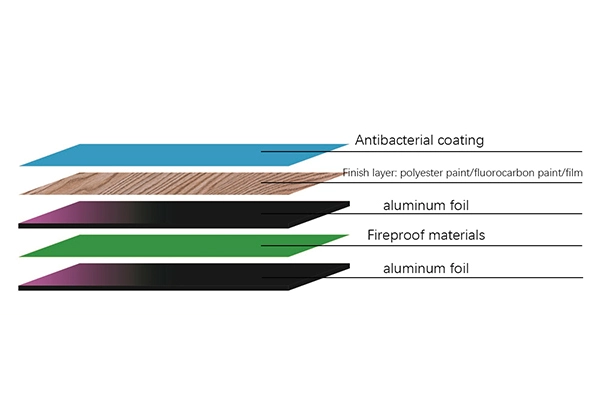
Although PVC panels are less resistant to fire and ultraviolet light, pure metal panels are more expensive and heavier than their PVC counterparts. Practically speaking, ACP is located in the center of the pack. When it comes to drilling, routing, and bending it on-site, it offers the machinability that builders want, as well as the clean mechanical appearance that architects like.
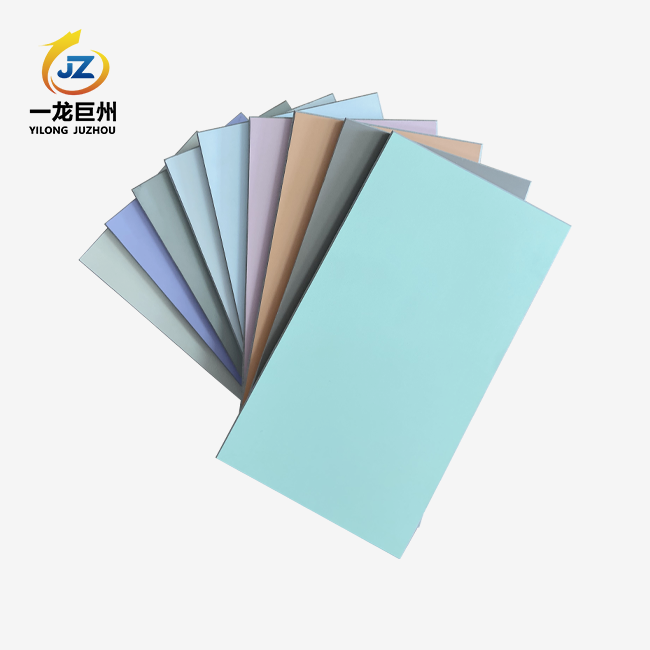
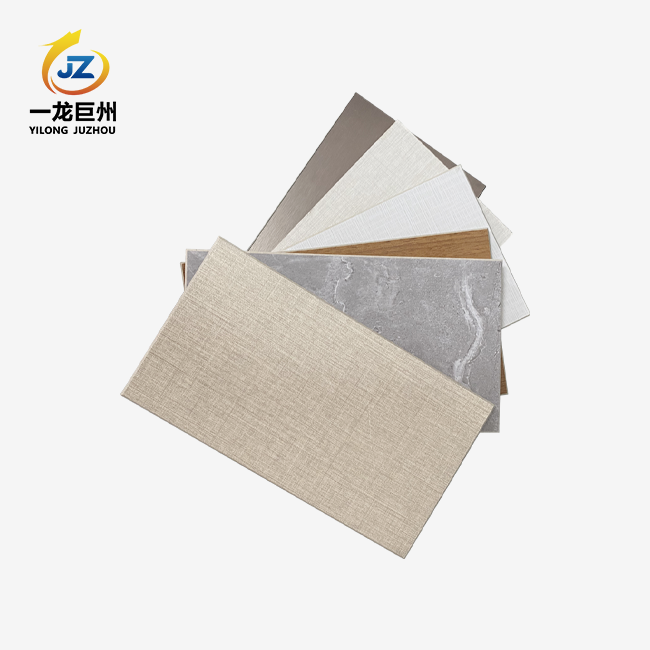
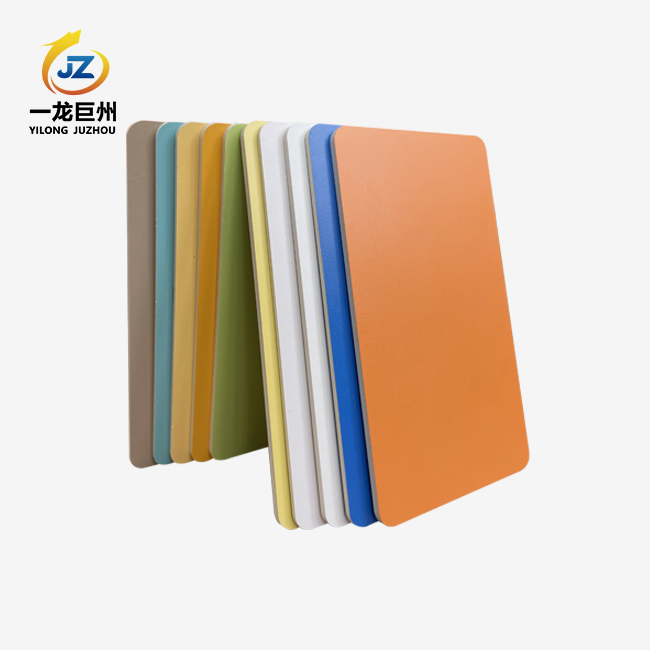
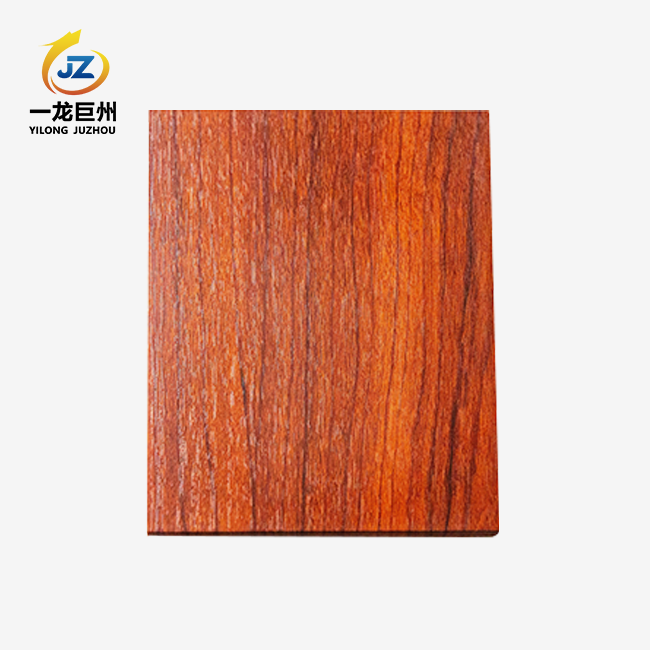
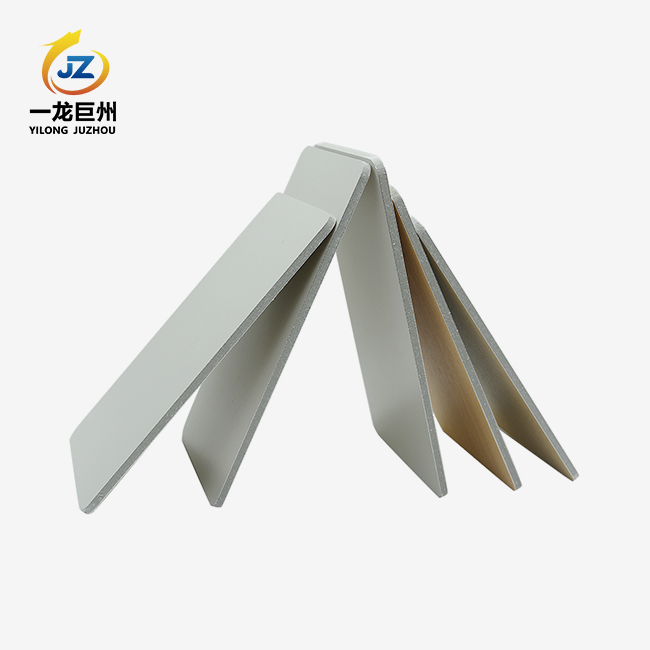
The core of the YILONG JUZHOU A2 Aluminum Composite Panel is composed of inorganic mineral-filled refractory material, while the skins of the panel are constructed of aluminum and range in thickness from 0.1 mm to 0.5 mm on each side. For example, polyester paint, PET film, PVC film, and PP film are all examples of surface finishes. There are several more forms of surface finishes. These are available in lengths of 1220 mm, 1500 mm, and 2000 mm, and they provide you with a wide variety of solid colors, woodgrain, marble, metallic, and fabric designs.
How to Choose the Best Aluminum Composite Panel for Your Commercial Exterior Project
Key Criteria Every Procurement Manager Should Evaluate
To choose the right ACP panel outdoor wall panel, you have to make sure that the product's specs and the project's limits are compatible. Here are the main things that buying teams look at when they screen people:
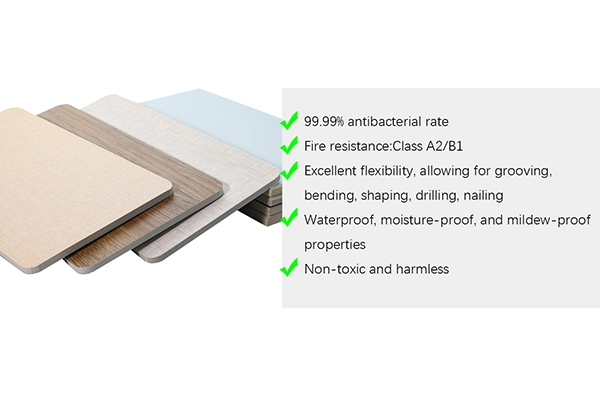
- Fire rating: For any building exceeding two stories in the U.S., the International Building Code (IBC) mandates non-combustible or limited-combustibility cladding materials. A Class A2 core contains more than 90% inorganic mineral content, making it the compliant choice for high-rise and public-use buildings. Class B1 (flame-retardant) suits low-rise structures only.
- Surface coating durability: PVDF (polyvinylidene fluoride) coatings must contain at least 70% fluorocarbon resin (AAMA 2605 standard) to guarantee 15–20 years of UV and acid-rain resistance. Polyester coatings are viable for interior-facing or sheltered applications but degrade under direct UV exposure within 3–5 years.
- Panel thickness and skin gauge: Exterior curtain walls should specify a minimum aluminum skin thickness of 0.40 mm to resist wind load and prevent visual waviness. For most commercial projects, a 4 mm overall panel thickness is the industry baseline.
- Customization range: Projects with non-standard floor-to-ceiling heights benefit from panels cut to custom lengths. YILONG JUZHOU produces panels exceeding 3 meters in single-piece height, eliminating horizontal seams that compromise both aesthetics and weatherproofing.
- Certifications and documentation: Always request ISO, CE, and local environmental certification documentation before committing to a supplier. YILONG JUZHOU products carry China Environmental Protection Standard Certification, ISO, and CE, supporting formal tender submissions.
These factors work together to make sure that the chosen wall panel meets the standards of the U.S. market and works efficiently for its entire service life.
Installation and Maintenance Guidelines for Commercial ACP Cladding
Step-by-Step Installation and Long-Term Care
Correct installation protects both the integrity of the panels and the performance of the building envelope. The A2 Aluminium Composite panel can be drilled, nailed, and bent on-site, which makes the work of subcontractors easier.
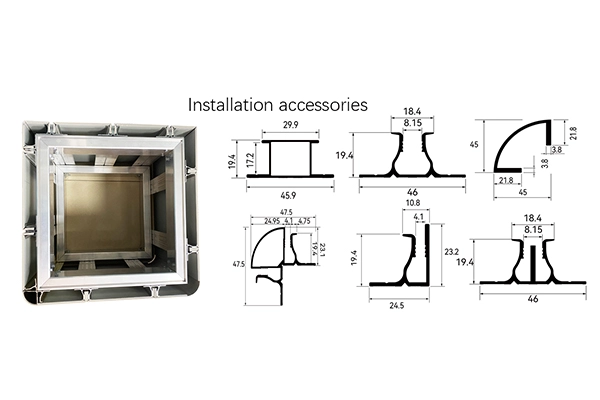
Start with a section plan that has been checked. Aluminum's thermal expansion rate is about 2.4 mm per linear metre. Because of this, there must be expansion joints of 10-15 mm between panels to keep them from bowing when the temperature changes with the seasons. To keep the weatherproofing going, use neutral-cure silicone sealant that is appropriate for all border joints.
For upkeep, you should plan eye checks every six months to check the state of the sealant and the top coat. A mild soap solution and a soft cloth can get rid of dust and other industrial particles without damaging the finish. Because YILONG JUZHOU panels don't contain formaldehyde, smell bad, or give off radiation, both the inside and outside surfaces are safe for people to use during cleaning processes.
Price and Procurement Insights for Bulk Aluminum Composite Panel Buyers
How to Source Reliably and Control Total Cost
Aluminium spot prices, the grade of the core material, the thickness of the skin, the type of surface coating, and the amount of the order all affect the price of bulk metal Aluminum Composite panel. Because they have more inorganic minerals in their core, A2-rated panels cost a little more than standard PE-core panels at first, but they save a lot of money over their lifetime because they need less maintenance, are safer, and don't need to be replaced as often.
The two factories that YILONG JUZHOU has are in Xianyang (Shaanxi) and Foshan (Guangdong). They keep an inventory of 50,000 m² and can make regular orders in 3–7 days. Exports leave from the seaports of Shenzhen, Guangzhou, Shanghai, or Qingdao. Xi'an, Guangzhou, Shenzhen, and Foshan are served by road freight lines. This two-base logistics model lowers the risk of supply disruption that can't be reduced by suppliers with only one factory.
OEM and ODM services are available, which let buyers choose the panel sizes, surface patterns, and package forms that meet the needs of the contractors they work with later. It takes 3–5 days to get samples, which lets buying teams check the quality in person before making bulk orders.
Comparing Aluminum Composite Panels with Alternative Wall Cladding Materials
ACP vs. Steel, Stone, and Fiber Cement: A Rational Assessment
When procurement teams are aware of the areas in which composite panels perform better than alternative materials, they are better able to justify their requirements to stakeholders. The following table provides an overview of the primary trade-offs:
Plates made of solid steel have a long lifespan, but they are very hefty. Because they contribute a significant amount of dead weight to buildings, they need a specific treatment in order to prevent rusting in environments that are either industrial or coastal. The appearance of natural stone is stunning, but it is difficult to work with, costly to transport, and prone to breaking when it is cut into large sheets. Fiber cement board is an excellent source of fire resistance; however, it is not available in a wide variety of metallic finishes and cannot be machined in the manner that is required for contemporary facades.
When it comes to these dimensions, the A2 Aluminum Composite panel is the option that offers the greatest degree of versatility. The foundation is not only sturdy and won't break easily, but it is also lightweight, which helps to reduce the overall cost of the foundation. The calorific fuel load that was responsible for the catastrophic wall fires that were investigated by NIST in 2019 (2019) is eliminated by the mineral core of the structure being analyzed. It is essential in hot regions such as the Southeast and Gulf Coast of the United States because it does not allow water, moisture, or mold to pass through.
When selling to contractors in Asia, the Middle East, or Africa, it is simpler for international distributors to get import certification for panels that fulfill CE and ISO standards. This is because these certifications are more widely recognized. Maintaining a steady manufacturing output from two different production locations in China is another advantage that long-term supply contracts enjoy.
Conclusion
For business outdoor wall projects, the A2 Aluminum Composite panel brings together fire safety, design freedom, and ease of purchase. Its non-combustible mineral core meets IBC and international fire codes. Its surface coating choices can be used with almost any building style, and the fact that it can be machined cuts down on the time needed for on-site work. It doesn't matter if your project is a U.S. healthcare campus, a transit station, or a high-rise commercial tower; choosing a Class A2-rated composite cladding panel is a smart, logical choice. Working with a manufacturer that has certifications that can be checked, a large inventory, and supports OEM customisation lowers procurement risk even more, especially when project timelines are complicated.
FAQ
1. What thickness of aluminum composite panel is standard for exterior commercial walls?
For most business outdoor uses, a 4 mm panel with a 0.40 mm aluminium skin on each face is required. Panels that are 5 mm or 6 mm thick are used in places with a lot of wind or for large-format exterior modules.
2. How does A2-rated cladding differ from B1 flame-retardant panels?
According to EN 13501-1, an A2-rated core is not flammable because it has more than 90% inorganic mineral content. A B1 core doesn't catch fire and puts itself out on its own, but it still adds to the calorific load. High-rise building codes in the U.S. usually call for cladding that can't catch fire, so A2 is the better option compared to low-rise construction.
3. Can these panels be customized for non-standard building heights?
Yes, YILONG JUZHOU makes single-piece panels that are taller than 3 meters. This means that there are no horizontal lines in places with a lot of windows, like hotel lobbies, airport hubs, and stadium concourses.
4. Are the panels safe for healthcare and food-processing environments?
The screens don't have any chemicals, smell, or radiation. Their moisture- and mold-resistant core makes them suitable for places like hospitals, drug companies, and food processing plants that need to meet strict cleanliness standards.
Get Your Free Sample from YILONG JUZHOU — Trusted Aluminum Composite Panel Manufacturer
YILONG JUZHOU offers certified A2 Aluminum Composite panel products, a production cycle of 3–7 days, an inventory of 50,000 m², and a quality guarantee for three years. Within 24 hours, our team gets back to you. You can email us at cnyang2000114@gmail.com to get a free sample or a unique price. For your upcoming commercial project, see what a reputable Aluminium Composite panel supplier can do.
References
1. Architectural Record — "Advances in Aluminum Composite Cladding for High-Rise Facades," 2022. https://www.architecturalrecord.com
2. AAMA 2605-17 — "Voluntary Specification, Performance Requirements and Test Procedures for Superior Performing Organic Coatings on Aluminum Extrusions and Panels," American Architectural Manufacturers Association, 2017. https://www.aamanet.org
3. Construction Specifier — "Selecting Exterior Wall Cladding: Performance Benchmarks and Code Compliance," 2021. https://www.constructionspecifier.com
4. Building and Construction Authority (BCA) — "Guidelines on Fire Safety Requirements for External Cladding Materials," 2020. https://www.bca.gov.sg

Send Inquiry

Related Industry Knowledge
- PE Aluminum Composite Board Sheet: Sizes, Specs and Uses
- PE aluminum composite board vs PVDF: Which Is Better?
- Top Manufacturer of Calcium Silicate Fireproof Board
- ice fireproof board Structural Composition and Material Science
- Medical Clean Board Trends in Medical Building Design
- Overview of HPL fireproof board
- What Are the Benefits of Using a Negative Ions Healthy Panel?
- Inorganic pre-coated panels vs Organic Coated Boards Comparison
- What Is Medical Clean Board and Where Is It Used?
- Using Calcium Silicate Aluminum Composite Boards in Industrial Insulation Projects