
Best Colors and Finishes for an Exterior wall ACP panel
October 22, 2026
When choosing materials for building facades, the color and finish of an exterior wall ACP panel matter more than most people expect. These panels — made with aluminum skins bonded to a fire-resistant core — affect how a building looks, how long the surface lasts, and how well it holds up against weather and wear. Whether you're sourcing for a commercial tower, a hospital, or a shopping mall, getting this decision right saves time, money, and rework down the line.
Understanding the Importance of Colors and Finishes for Exterior Wall ACP Panels
Pick a style that does more than just look good. It depends on the finish on the exterior wall ACP panel and how well it works after being outside for years.
How Finishes Affect Durability
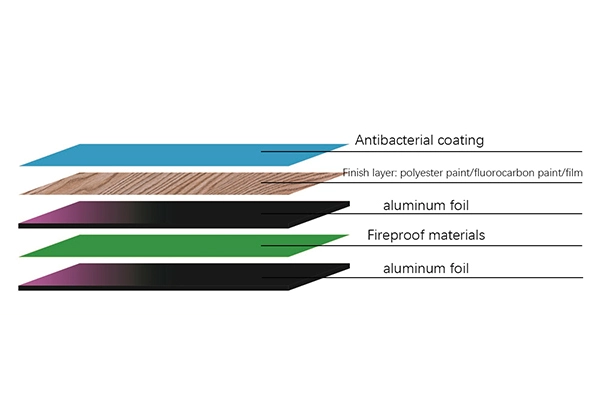
A lot of exterior wall ACP panels have polyester paint finishes that don't cost too much and keep their color well. If the covering is outside in a place that gets a lot of UV light or ocean water, the surface shouldn't chalk, fade, or break down. It always works the same way with a polyester finish that is well put on a 4mm panel with 0.3mm–0.5mm aluminum skins in mild climates.
Fire Safety and Finish Selection
The fire performance works because of the material inside, but the finish on the outside is also important. Panels with a Class A2 or B1 fire grade are recommended for use in hospitals, public buildings, and high-rise buildings. The finish can only add so much flammable weight before it breaks the safety rating.
Climate Resilience and Surface Integrity
In places that are humid or have a lot of airborne pollutants, panels with thin coats or poor colors lose their surface quality faster. Choosing the right finish based on weather information like temperature range, rainfall, and pollution index keeps a building from falling apart too soon and lowers the costs of taking care of it in the long run.
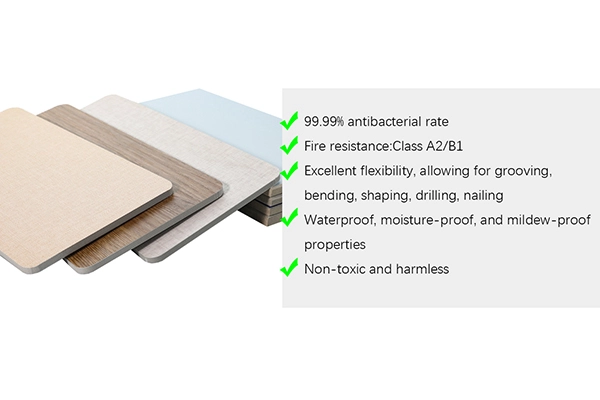
Top 7 Popular Colors and Finishes for Exterior Wall ACP Panels in B2B Projects
In commercial construction, healthcare, and infrastructure, B2B procurement teams always use the same core set of colors and finishes. Right now, this is what most project specs for an exterior wall ACP panel have:
- Classic White and Off-White: Still the best choice for schools, hospitals, and business districts. Colors that are white keep heat out, cut down on solar gain, and give off a clean, professional vibe that is in line with institutional standards.
- Metallic Silver and Brushed Aluminum: This style is often seen in corporate buildings, airport hubs, and train stops. It looks modern, and the metallic finish goes well with glass curtain wall styles.
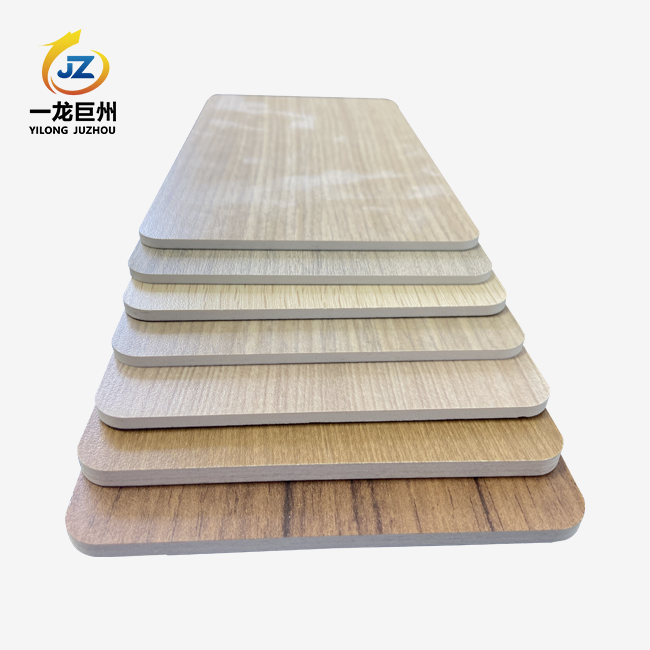
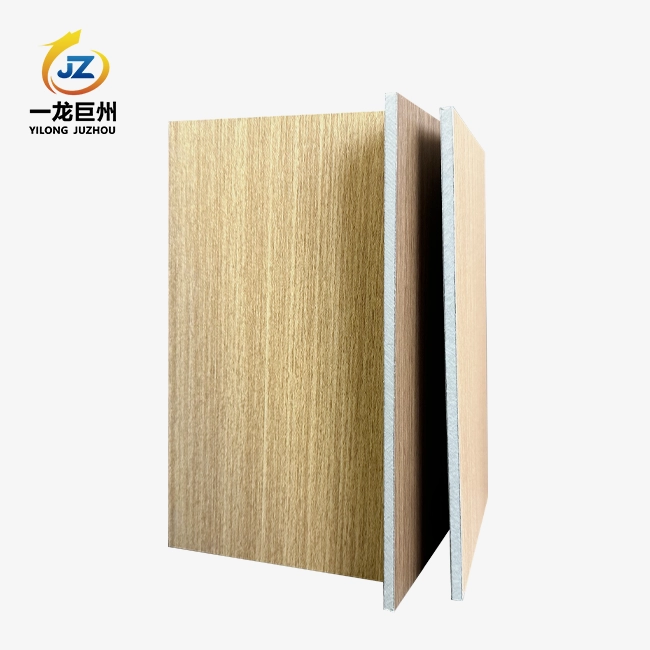
- Wood Grain Texture: Hotel fronts, arts centers, and shops can look warm with this finish instead of real wood, which can cause structural problems. To do this, a print paper or transfer layer is put on top of the metal.
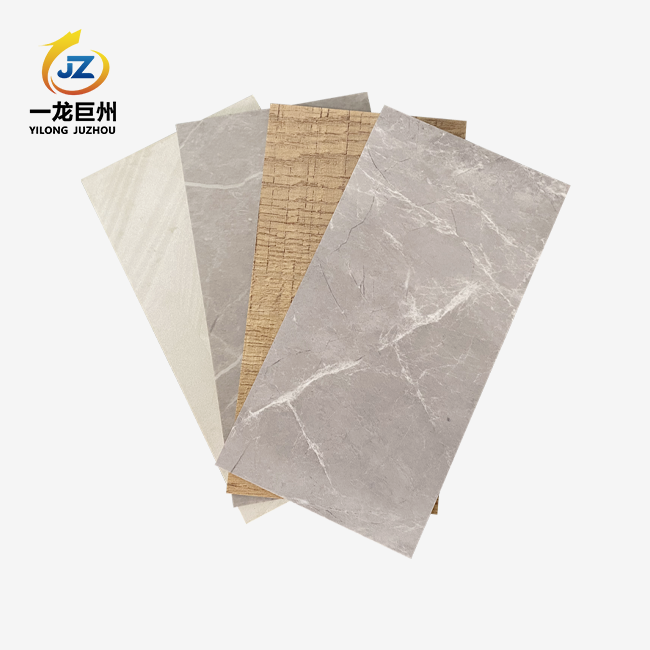
- Stone and Granite Look: Popular for high-end business projects and government buildings. These finishes are much lighter than natural stone, but they still look like it, meeting both the need to look good and the need to reduce weight.
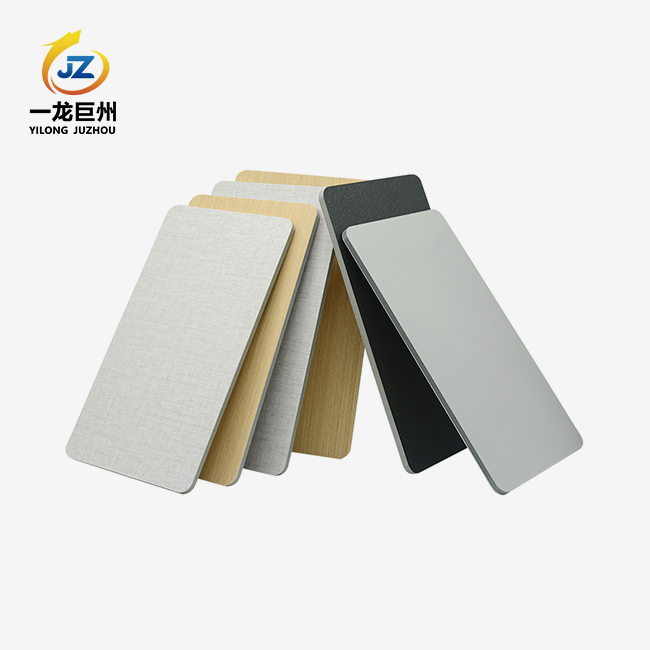
- Matte Finishes: In modern architecture, matte finishes are good because they cut down on glare. A lot of people use them in places that want visual softness, like art galleries, stadiums, and medical aesthetic centers.
- Bold and Branded Colors (Pantone-Matched): Store chains, sports venues, and corporate campuses often ask for custom Pantone colors to help build their brands. When facades use solid-color Exterior ACP panels that match brand standards, they look uniform and are easy to spot.
- Fully Custom OEM Colors: Custom-matched finishes let procurement teams pick the exact colors, gloss levels, and surface textures for signature projects or export clients. This choice is good for distributors who work with specific markets.
These seven groups make up most business-to-business facade projects. Which choice is best depends on the type of building, where it's located, and the design goals.
How to Select the Best Exterior Wall ACP Panel Colors and Finishes for Your Project
It takes more than just personal taste to choose the right style. There are a lot of things that procurement professionals have to think about before they can finalize specs for an exterior wall ACP panel.
Match Finish to Local Climate
Finishes that are better at blocking water and UV light are needed in tropical and coastal places. Buildings in dry, high-altitude places are hit by strong UV rays that damage lighter coatings more quickly. Before picking a finish, experienced project managers should look at statistics about the weather at the site of the project.
Align with Fire and Safety Codes
In the US, the outside covering of buildings has to pass certain fire tests, like NFPA 285 for buildings with more than one floor. You can be sure of compliance if you choose panels with Class A2 or B1 fire-rated cores. The finish layer must not compromise this score. Ask the provider for test records at all times.
Factor in Maintenance Requirements
There are more marks on shiny and glossy surfaces than on flat ones. A lot of people walk on city buildings all the time, so finishes that are matte or textured tend to look better for longer before they need to be cleaned. Most panels made of polyester only need to be cleaned with neutral-pH soap and soft cloths once a year.
Installation and Maintenance Tips for Optimal Color and Finish Performance
No matter how well the exterior wall ACP panel is put together, the finish will wear off quickly if handled poorly. You can tell how long the surface will last by how you handle it, align the sub-frame, and fix it.
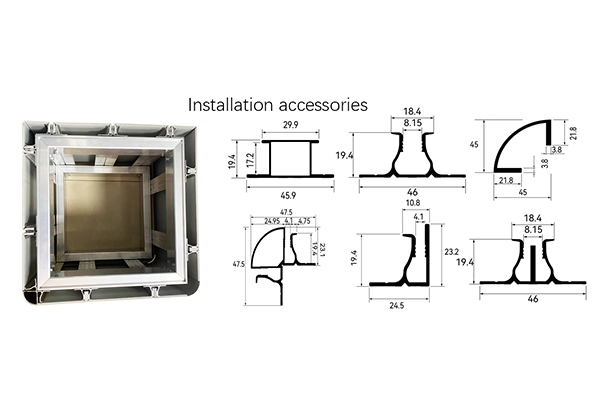
Handle Panels with Care During Installation
Aluminum composite panels that are finished with polyester are less likely to get scratched, but they are not scratch-proof. Up until the job is done, the protective film should stay in place. Do not drag Exterior ACP panels across hard surfaces or use metal tools directly on the face, as they will damage the coating forever.
Allow for Thermal Movement
The size of aluminum changes as the weather does. "Oil-canning" is what the industry calls it when panels are connected too tightly and don't have enough room to expand, causing them to bend and warp. The thermal expansion coefficient of the panel needs to be taken into account when designing the sub-frame, especially in places where temperatures change a lot from day to night.
Recognize When Refinishing Is Needed
When Delta E limits are exceeded, there is too much surface fade. Stains that won't come off or clear signs of delamination are all indications that the finish on the panel has reached the end of its useful life. Water won't be able to get behind the cladding system if you catch this early, ensuring the building shell still works well.
About YILONG JUZHOU: A Dependable Source for ACP Facade Panels
YILONG JUZHOU (Shaanxi Yilong Juzhou Material Technology Co., Ltd.) makes exterior wall ACP panels in two different plants. We have one in Xianyang, which is in Shaanxi Province, and another in Foshan, which is in Guangdong Province. They have ISO, CE, and the China Environmental Protection Standard certifications for their panels. From seaports in Shenzhen, Guangzhou, Shanghai, and Qingdao, they send goods to more than 30 countries.
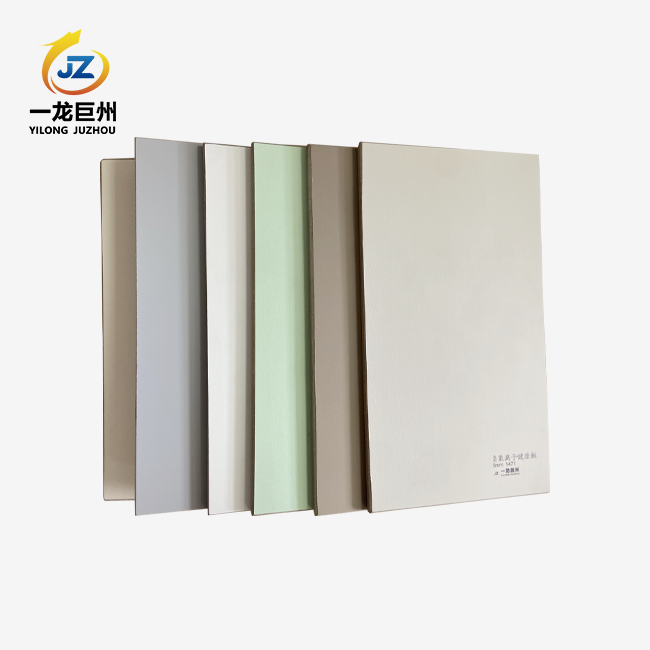
Sizes range from 2mm to 6mm thick, and they are 1220mm, 1500mm, and 2000mm wide. You can also make lengths longer than 3 meters. A skin made of metal is between 0.1mm and 0.5mm thick. To finish the surface, solid colors from the Pantone chart are used with polyester paint. The fire ratings for all of the panels are Class A2 or B1, and they are formaldehyde-free, odorless, and radiation-free. This meets the requirements of both green building standards and standards for healthcare procurement.
It takes 3–7 days to make something from the 50,000 m² stock that is already on hand. You can get free samples in 3–5 days, and we can take both OEM and ODM orders. All of the items are guaranteed to be of good quality for three years.
Conclusion
The colors and styles of an exterior wall ACP panel can change the way a building looks and how often it needs to be fixed. The use of the building, fire safety rules, and the weather must all be taken into account when choosing a surface covering. A hospital might want a smooth white polyester finish, a store chain might want a bright color that matches Pantone, and an art center might want a matte finish. It's safer to buy things and protect the project investment if you work with a supplier that gives you a lot of color options, certified fire-rated cores, and technical help from the specification stage all the way through installation.
FAQ
1. What colors work best for facade panels in humid or coastal climates?
Things that are lighter in color and have good polyester coats are more likely to work better in damp places. Tones of off-white, light gray, and white reflect sunshine better than darker tones and are less likely to get stained by salt or algae on the exterior wall ACP panel.
2. Does the finish type affect fire resistance?
It is not the layer on the outside of the panel that gives it its fire rating; it is the material that it is made of. It doesn't matter what color the finish is as long as the coating doesn't add additional combustible content to the cores that are Class A2 or B1.
3. How long does a polyester paint finish last outdoors?
A normal polyester finish on an aluminum panel for the outside of a building can last between 5 and 10 years before it starts to fade. How long it lasts depends on how often it is maintained and how much UV light it gets. It will last a lot longer if you clean it once a year.
4. Can I order custom Pantone colors in bulk?
Yes. We can perform OEM and ODM color matching to the Pantone chart for large orders. After the color is accepted, it normally takes between 3 and 7 production days for a unique color to be made.
5. What panel thickness is standard for exterior wall applications?
For outside walls, 4mm is the most common thickness because it's a good balance between price, weight, and strength. The 5mm and 6mm options are better for use where you need more structural stiffness or soundproofing.
Get Your Custom ACP Panel Quote from YILONG JUZHOU
The exterior wall ACP panel solutions from YILONG JUZHOU are approved to withstand fire, come in many colors, and can be made quickly. We are a well-known company that makes panels for infrastructure, healthcare, and commercial projects all over the world. We offer free samples within three to five days and offer a three-year quality guarantee on OEM orders. Send information about your project to cnyang2000114@gmail.com to get a list of prices or group rates.
References
1. Architectural Record – "Aluminum Composite Panel Systems in Commercial Facades," 2022.
2. Construction Specifier – "Fire Performance of Cladding Materials: NFPA 285 Compliance Guide," 2021.
3. Journal of Facade Engineering – "Thermal and UV Degradation in Painted Aluminum Cladding Panels," 2020.
4. ASHRAE Journal – "Solar Reflectance and Building Envelope Energy Performance," 2019.
5. Metal Architecture Magazine – "Trends in Exterior Metal Panel Colors and Surface Finishes," 2023.
6. Building Design + Construction – "Specifying Rainscreen Cladding: Material Selection and Code Compliance," 2022.

Send Inquiry


Related Industry Knowledge
- What Are The Advantages of an exterior ACP Sheet?
- UV Antibacterial panels in Commercial Interior Design Projects
- Inorganic pre-coated panels Fire Resistance and Performance Data
- Understanding Aluminum Composite Panels for Beginners
- Is Calcium Silicate Fireproof Board Easy to Install?
- Calcium Silicate Fireproof Board: The Future of Fireproof and Thermal Insulation
- How Does UV light curing board Technology Improve Surface Hardness?
- How to clean an aluminum composite panel?
- Using Calcium Silicate Aluminum Composite Boards in Industrial Insulation Projects
- What are the key steps for installing aluminum composite panels?