
How to Choose a Coated Aluminum Composite Panel
September 22, 2026
Choosing the right coated aluminum composite panel starts with understanding what the material actually is and what your project demands. A coated ACP is a sandwich panel built from two aluminum skins bonded to a fire-resistant mineral or polymer core, with a protective surface film — typically PET, PVC, or PP — applied over the aluminum face. Whether you are sourcing for a hospital retrofit, a hotel lobby, or a large commercial development, the panel's coating type, core classification, thickness, and supplier certifications all determine long-term value. This guide walks you through every decision point.
What Is a Coated Aluminum Composite Panel?
Core Structure and Surface Options
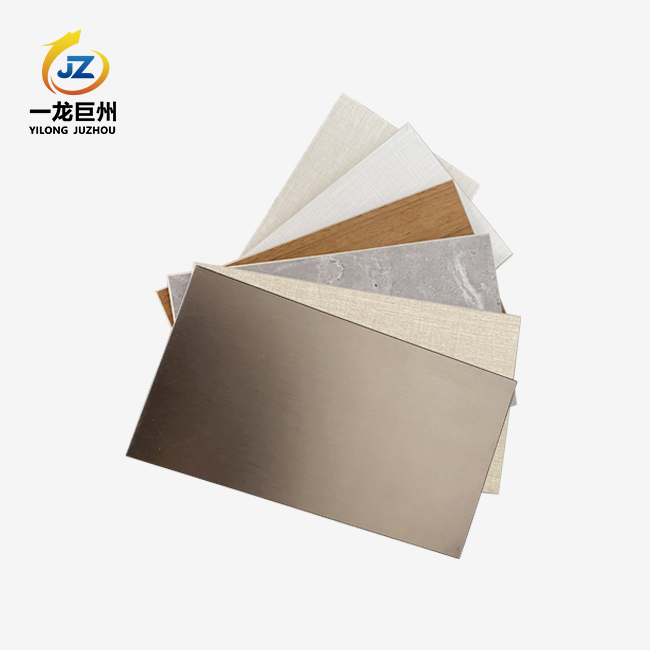
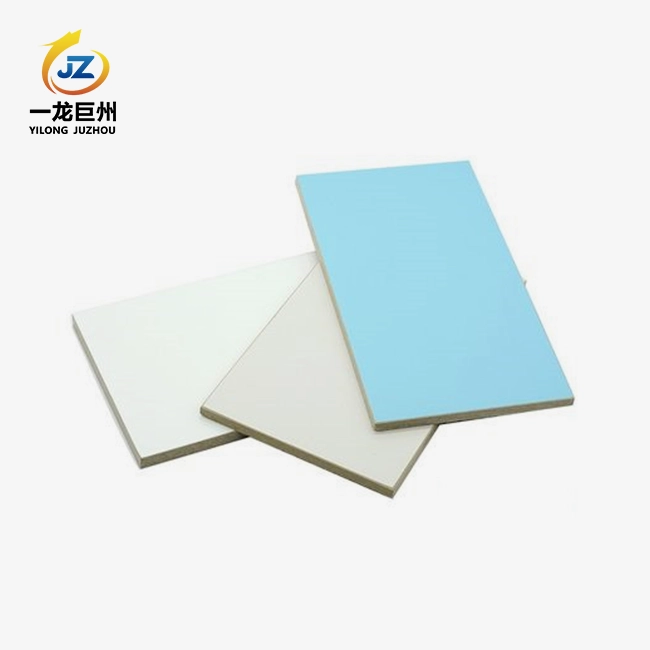
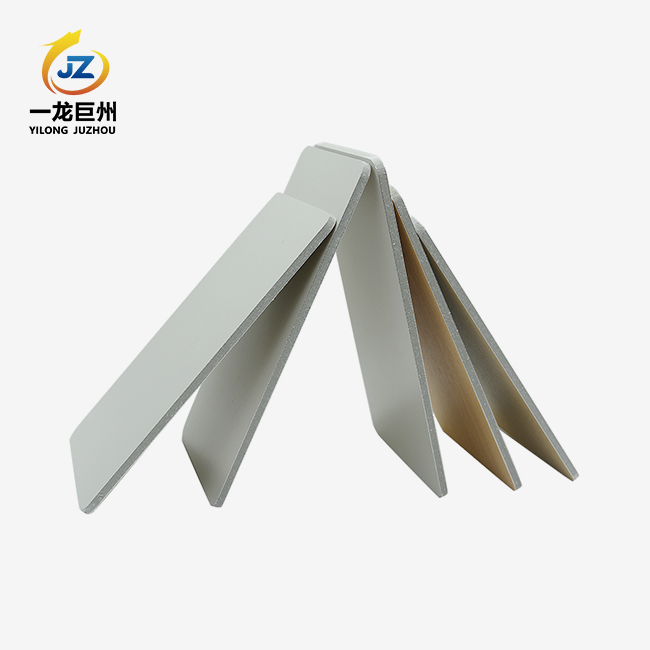
A normal aluminum composite panel has two skins made of aluminum alloy that are heated and bonded to a core made of a mineral that melts easily. The skins are between 0.1 mm and 0.5 mm thick. A coat of film is put on top to protect it. Some types of film are clear and easy to scratch: PET film, PVC film, and PP film. PP film doesn't mix with chemicals. Layered metal sheets make the structure up to 40% lighter than solid metal sheets, but they still make it very rigid. You can pick sheets that are 2 mm, 3 mm, 4 mm, 5 mm, or 6 mm thick. The sheets can also be 1220 mm, 1500 mm, or 2000 mm wide.

Common Interior Applications
These panels can be found in a huge range of places, including schools, hospitals, subways, airports, train stops, stadiums, art galleries, gyms, villas, hotels, meeting rooms, and medical and esthetic centers. There is no formaldehyde in them, and the surface is easy to clean. This makes them a good choice for places that care about both cleanliness and looks.
Key Criteria for Selecting the Right Panel
People choose bad things to buy when they put price before quality. That is less likely to happen when screening in a planned way.

Fire Rating: A Non-Negotiable Starting Point
For Film-coated aluminum composite panels, the first step is to follow the rules. Panels that are fire-resistant up to Class A2 or B1 can be used in public places and healthcare buildings that have strict fire rules. When it comes to building safety, A2-rated panels meet the tightest rules in the US and around the world because their mineral core can't catch fire. You should always ask for test certificates from someone other than the seller.
Coating Type and Environmental Suitability
The film on the panel's surface shows how it will age. When used indoors, coatings on PET film successfully stop UV damage. For setups that are curved, PVC film types are more flexible. It's most important to find something that doesn't get moldy or wet in places that get wet, like food processing plants or caves. Check to see if the panel is not only resistant to water, but also waterproof, resistant to moisture, and resistant to mildew.
Dimensional Flexibility and Fabrication
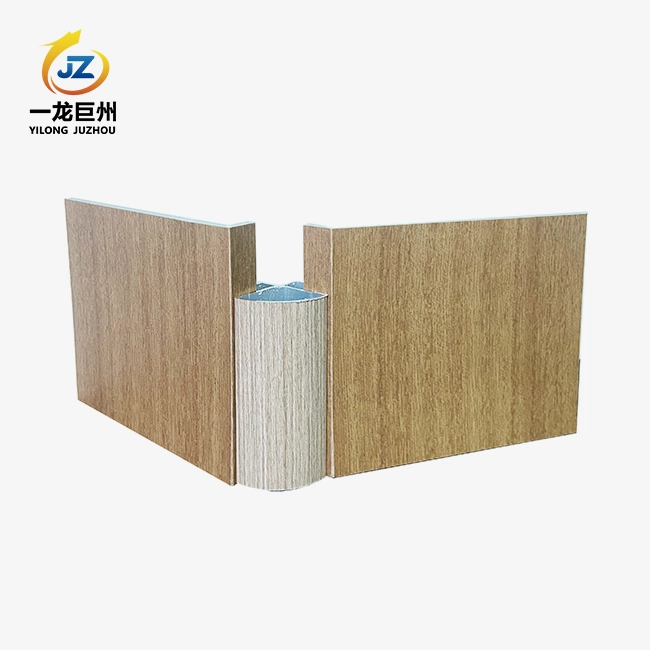
Large-scale business projects rarely fit into standard sizes. Using panels that can be cut to any length, even heights above 3 meters, architects and builders can cut down on gaps and installation work. The fact that it doesn't break when drilled, nailed, cut, or bent makes it easier to change on-site. The fact that it can be worked mechanically is a good quality that speeds up the fitting process on projects that are built in stages.
All of these things cut down on maintenance costs over the life of a project and protect its value over time. Because of this, buying teams with a lot of knowledge see them as basic needs instead of options.
- Class A2/B1 fire resistance: Confirms compliance with international fire safety codes for public and institutional buildings.
- Waterproof and mildew-resistant core: Essential for healthcare facilities, food plants, tunnels, and other moisture-intensive environments.
- Formaldehyde-free, odorless, and radiation-free composition: Meets green building standards and protects occupant health in enclosed spaces.
- Bendable and machinable: Supports CNC routing, curved panel fabrication, and custom architectural details without cracking.
- Sturdy yet lightweight: Aluminum skins with a rigid core deliver structural durability while keeping installation loads manageable.
The attributes of coated aluminum composite panel collectively reduce lifecycle maintenance costs and protect long-term project value, which is why experienced procurement teams treat them as minimum thresholds rather than optional enhancements.
How Coated ACPs Compare with Alternative Wall Materials?
This information helps you choose what to buy by showing you how film-laminated aluminum panels stack up against other materials.
Versus Uncoated ACPs
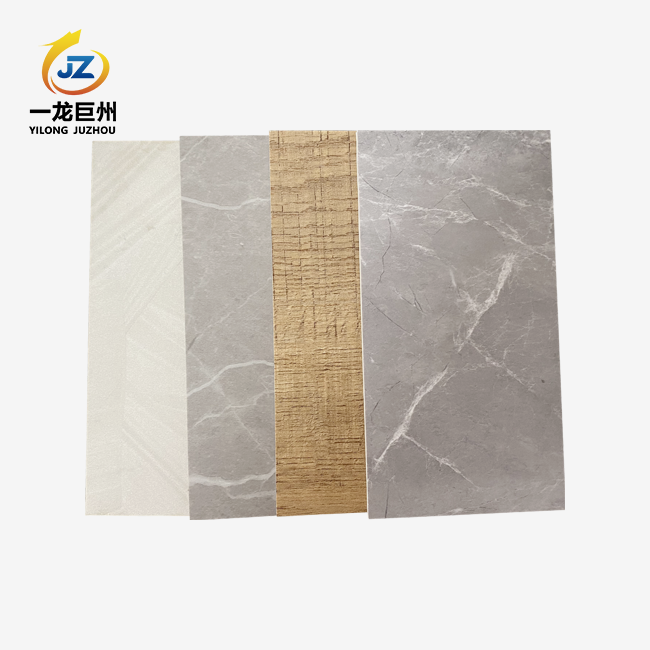
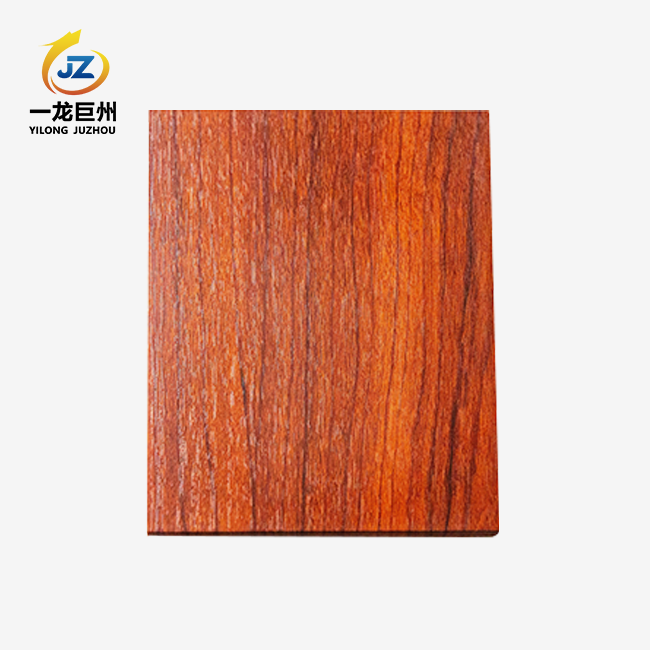
If you don't cover the rough metal surface of aluminum plates, it can rust, get stained, and wear down over time. If you don't add extra finishing steps to an uncoated panel, the protection film will peel off over time. With a coated panel, you can get consistent looks like solid colors, woodgrain, marble patterns, metallic effects, and cloth textures.
Versus Fiber Cement Board
Because it is larger and less stable, fiber cement board makes it harder to build things on-site. A 4 mm ACP is just as stiff as a 3.3 mm solid aluminum sheet, even though it is much lighter. It takes longer and costs more to get materials that are different weights. It also takes longer to put things in big places like airports or stadiums where structural load estimates are important.
Versus Metal Siding
If you don't take care of traditional steel or galvanized metal siding, it will rust. Coated aluminum plates don't rust naturally because they are made of aluminum and have a protective film layer on top of it. This makes them better for places near the sea or with a lot of humidity, where metal siding needs to be cleaned often.
Procurement Tips for Buying Aluminum Composite Wall Panels
You don't just compare unit prices when you buy carefully. These tips will help you stay on track with your project and keep your supply line safe.
When looking for a PVC film aluminum composite panel service, written certifications like ISO, CE, and environmental protection certifications should be more important than things that are said in a whisper. Before placing a big order, you should ask to see some samples. In this business, a sample wait time of 3–5 days is normal. Make sure the minimum order amounts work with the stage of your project and that you know how long it will take to make the items. Manufacturers you can trust usually finish custom orders in 3–7 days and keep enough in stock to meet your needs right away.
For projects that need to meet specific brand or customer needs, being able to do OEM and ODM is important. It's easier to keep track of multiple suppliers for a project portfolio when they let you choose the sizes, patterns, and arrangements for the packaging.
Real-World Performance: Where These Panels Prove Their Value
In order to meet both GMP and building code requirements, a pharmaceutical plant in a coastal area with a lot of humidity asked for wall panels that wouldn't soak up water or mold. Metallic film-laminated walls with a mineral core met both needs at the same time, so they didn't need to be used as separate water shields. Being able to machine the panels meant that no special skills were needed to put them up, and the fact that they didn't contain formaldehyde helped the building get its indoor air quality approval.
The station halls of a big urban transit hub are made of 4 mm panels that have a metallic pattern on them. The bus agency's safety standards were met by the panels' Class B1 fire grade, and the smooth, wipe-clean surface made them easy to clean every day. Because the panels were made to be more than 3 meters tall, the seams were hidden, and the line was smooth and continuous, which was what the architect wanted.
Conclusion
Getting the right interior wall panel can make a project safer, change the way it looks, and raise the cost of upkeep over time. Not many other materials can match coated aluminum composite panels' proven combination of fire resistance, moisture protection, design freedom, and manufacturing flexibility at the same weight. Make sure the certifications are important, look at the core fire ratings, pick a finish type that will work in your area, and make sure the provider can help you with technical issues and deliver on time.
FAQ
Q1: What is the difference between a PET film and a PVC film coating on an ACP?
Because it is more scratch-resistant, optically clear, and stable in size, PET film is a good choice for interior areas that need a smooth, high-definition finish. It is easier to use PVC film on panels that will be bent or shaped into curves while they are being made.
Q2: Which fire rating should I specify for a hospital or school project?
For places like schools and hospitals, Class A2 is the right level. They are rated A2 because they have a material core that can't catch fire. They also meet the strictest fire safety rules for public buildings where people are present.
Q3: Can panels be manufactured to non-standard sizes?
Yes. Companies that have flexible production lines can make any length, even ones that are longer than 3 meters. Wider than 1220 mm, 1500 mm, or 2000 mm can work with most building plans.
Q4: How do I verify that a supplier's panels are genuinely formaldehyde-free?
Not only datasheets for products, but also test results from a different lab. Looking for licenses that match the China Environmental Protection Standard, ISO, or CE standards is one way to do this.
Request a Sample or Quote from YILONG JUZHOU
There are two factories for YILONG JUZHOU. One is in Foshan, Guangdong, and the other is in Xianyang, Shaanxi. This lets our clients make things and move them freely between land and sea. We are a certified manufacturer of coated aluminum composite panels and offer OEM and ODM services. We also offer free samples that are sent out within three to five days and a quality guarantee that lasts for three years. You can get more information, prices, or a free sample right away by going to emailing our team at cnyang2000114@gmail.com.
References
1. American Architectural Manufacturers Association (AAMA). AAMA 2605: Voluntary Specification, Performance Requirements and Test Procedures for Superior Performing Organic Coatings on Aluminum Extrusions and Panels. AAMA, 2017.
2. European Committee for Standardization. EN 13501-1: Fire Classification of Construction Products and Building Elements. CEN, 2018.
3. ASTM International. ASTM D903: Standard Test Method for Peel or Stripping Strength of Adhesive Bonds. ASTM, 2022.
4. ASTM International. ASTM D3359: Standard Test Methods for Rating Adhesion by Tape Test. ASTM, 2023.
5. Façade Tectonics Institute. World Congress Proceedings: Performance and Innovation in Facade Systems. FTI, 2020.
6. McGraw-Hill Construction. Dodge Construction Outlook: Commercial and Institutional Building Materials Specification Trends. McGraw-Hill, 2021.

Send Inquiry

Related Industry Knowledge
- PE Aluminum Composite Board Sheet: Sizes, Specs and Uses
- How Durable Is PE aluminum composite board?
- Inorganic pre-coated panels Fire Resistance and Performance Data
- How to Paint Aluminum Panels | 6 Steps for Facade Durability
- Fire-Retardant ACP Panels: Elevating Safety Standards in Modern Infrastructure
- Inorganic pre-coated panels for Modern Architectural Applications
- UV Antibacterial panels vs Traditional Wall Panels: Key Differences
- Medical Clean Board Installation and Maintenance Guide
- What are the key steps for installing aluminum composite panels?
- How Do Antibacterial Wall Panels Work to Prevent Bacterial Growth