
How to Paint Aluminum Panels | 6 Steps for Facade Durability
August 26, 2026
Painting aluminum composite panels is a proven method to enhance facade durability while providing design flexibility across commercial, healthcare, and industrial applications. We've refined this process to deliver long-lasting protection against environmental wear, corrosion, and UV exposure. This guide shares our step-by-step approach to achieving professional-grade finishes that meet the rigorous demands of architects, procurement managers, and construction professionals throughout the United States and international markets.
Understanding the Benefits and Challenges of Painting Aluminum Composite Panels
When we work with clients on large-scale building projects, we often talk about how to balance goals for function and looks. Painted aluminum alloy panels are a great deal because they don't rust and come in almost infinite color choices. The way we apply the covering in the plant makes a smooth finish that is more consistent and lasts longer than other methods used in the field.
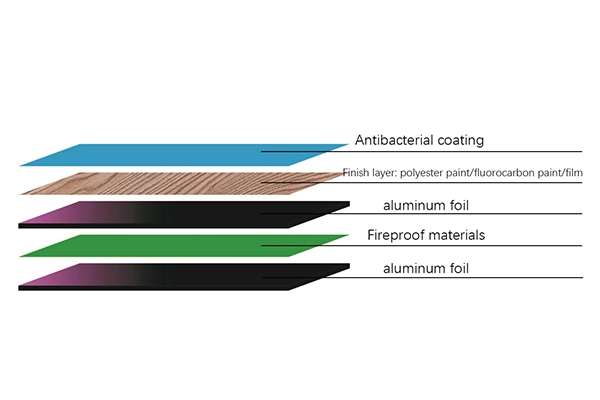
Our painting aluminum composite panel products use an automatic coil coating system to apply a polyester paint system. This method gets Delta E values below 2 across production batches, which gets rid of the color variation problems that come up with manual spray processes. The coating is between 18 and 25 microns thick, which gives solid UV protection while still allowing for freedom during production.
Why Painted Panels Outperform Unpainted Alternatives
The paint layer effectively protects the metal skin on our panels, which is between 0.1 mm and 0.5 mm thick. Without this covering, water and pollution will cause the raw metal to oxidize, giving it an uneven look within months. The protective effect of the polyester paint we use increases the service life from 5 to 7 years to 15 to 20 years in most urban areas.
Common Challenges and How to Address Them
Surface contamination during installation is the main thing that could go wrong with the coating's integrity. If they aren't properly removed, manufacturing oils, dust, and handling leftovers can make it hard for things to stick together. In some jobs, the surface wasn't prepared well enough, and within 18 months, the laminate started to peel off. The answer is to follow a set of steps for cleaning before applying any more coatings. We'll go over these steps in more detail below.
Step-by-Step Guide to Painting Aluminum Panels for Maximum Durability
At Shaanxi Yilong Juzhou, we check the quality of our products at every step of the way. But knowing the whole painting process helps our buyers be clear about what they need and figure out problems in the field.
Step 1: Surface Inspection and Cleaning
First, look at the surface of the screen in good lighting to see if there are any flaws, rust spots, or contamination. To get rid of fingerprints, oils, and any leftover protective film glue, we suggest dampening a lint-free cloth with rubbing alcohol. This step is especially important for panels that are stored outside or in a wet building. When you wipe it down with a clean white cloth, the surface should feel smooth and not leave any marks.
Step 2: Abrasion Preparation for Enhanced Adhesion
Using 320-grit sandpaper for light sanding on polyester paint ACP panel makes tiny texture that makes it easier for the topcoat to stick to the current coating. This method is mostly used for touch-ups in the field or adding unique colors to our regular finishes. To keep from going through the factory coating, sand in constant circular motions with little power. To get rid of all the dust, clean the area and wipe it down again with a tack cloth.
Step 3: Primer Application for Corrosion Protection
At a dry film thickness of 25 to 30 microns, high-quality epoxy or chromate-free primers made for aluminum substrates should be used. For the panel manufacturing methods our clients use, we recommend starters that have great T-bend performance and pass 2T tests without cracking. The spray method gives the most even coverage, but the roller method can be used on smaller areas. Let the paint dry for as long as the maker says it should, which is usually 4-6 hours at 20°C, before moving on.
Step 4: Selecting the Optimal Paint System
The choice of paint is completely based on how it will be used and how well it is expected to work. Polyester paints, which we use in our factory, are great for keeping colors true and are affordable for use inside and with some exposure to the elements outside. Fluoropolymer coatings with PVDF content above 70% may need to be upgraded for projects that will be exposed to tough ocean conditions or a lot of UV light. After ten years of weathering, these premium systems still have gloss levels above 80%, while normal polyester formulas only keep gloss levels between 60 and 70%.
Step 5: Application Technique and Environmental Controls
The most consistent results come from professional spray application, which can cover 8 to 10 square meters per liter, depending on the color and texture of the surface. Spray guns should be kept 20 to 25 centimeters apart, and each pass should be overlapped by 50% to avoid streaks. During application and the first curing phase, the temperature should stay between 15°C and 30°C, and the relative humidity should stay below 80%. We've seen that coats that aren't put on according to these rules don't stick as well and take longer to cure, which delays projects.
Step 6: Curing, Inspection, and Maintenance Planning
These days, two-part polyurethane and polyester systems don't just evaporate; they fix through chemical cross-linking. At normal temps, a full fix takes about seven days, but panels are strong enough to handle in just 24 hours. We suggest setting up a maintenance check plan that goes every six months for the first two years and then once a year after that. Using pH-neutral soaps and soft brushes to clean regularly gets rid of the buildup of pollutants that speed up the coating's breakdown.
These six steps are the basis for long-lasting facade systems, but the quality of the materials used determines how well they work in the end. Our painting aluminum composite panel products come pre-finished with optimized coating systems. This gets rid of the need for field application factors and cuts on-site work costs by about 40% compared to painting.
Comparing Painted Aluminum Composite Panels with Alternative Surface Treatments
To choose the right cladding material, you need to know how the different options affect performance. We make panels with thicknesses ranging from 2mm to 6mm and widths of 1220mm, 1500mm, and 2000mm. We can also make them in any length, which is great because it gets rid of many of the joint problems that come with other materials.
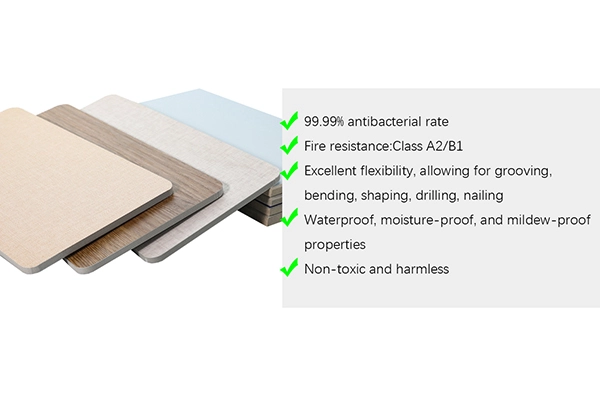
Aluminum that has been anodized is very resistant to rust, but it can only be colored in shiny tones and bronzes. The process of anodizing also makes materials 30–50% more expensive than painted ones. Powder-coated panels have thicker covering layers (50–80 microns), which makes them more resistant to impact. However, the high-temperature curing process limits the panel core choices and makes it almost impossible to fix in the field.
The mix of our polyester paint method is just right. The layer is tough enough to survive pencil hardness tests up to 2H levels and is flexible enough to bend 180 degrees without breaking. Complex wall shapes like curves, angles, and bent features that would crack powder coatings or damage anodized surfaces can be supported by this combo. Class A2 and B1 fire ratings are achieved by the refractory core material we use. This means it meets strict safety standards for high-rise buildings, hospitals, and public transportation facilities.
Painting solid color aluminum composite panel units weigh 60–70% less than fiber cement panels or HPL laminates. This means that they require less structural load and installation work. The material doesn't swell or break down like wood-based plastics do when they are exposed to water for a long time. It also doesn't grow germs. We've made panels for subway stops, airport hubs, and operating rooms in hospitals, all of which need surfaces that are non-porous, easy to clean, and don't let germs grow.
Procurement Insights: How to Source High-Quality Painted Aluminum Composite Panels
Choosing the right supplier for painting aluminum composite panels affects the success of the project and the life of the building. We have two production facilities in Shaanxi and Guangdong provinces, with more than 50,000 square meters of inventory between them. This makes sure that projects with tight deadlines always have what they need.
Coating adhesion tests and fire performance certifications should be the main focus of quality checks. Reputable makers give test results with peel strength values above 7N/mm and full proof of fire classification according to ASTM E84 or EN 13501 standards. Our panels are certified by ISO, CE, and the China Environmental Protection Standard. They were tested by independent third-party labs instead of our own facilities.
Customization is what sets experienced sellers apart from stock providers. We are able to match any solid color reference from Pantone charts thanks to our precise color formulation, which keeps batch-to-batch differences under 1.5. There are no limits on the height of panels that are more than 3 meters, and our engineering team can help with complicated fitting systems that use hidden fasteners and sliding joint designs.
When buying from foreign providers, you should pay close attention to logistics planning. We ship from ports in Shenzhen, Guangzhou, Shanghai, and Qingdao. Standard orders usually take 3–7 days to get to you, while custom orders take 10–14 days. Our average answer time to technical questions is less than 24 hours, which meets the communication needs of architects and engineers who have to meet tight design deadlines. Land transport options from Xi'an, Guangzhou, Shenzhen, and Foshan allow goods to be sent anywhere in China and connect to rail networks that serve markets in Central Asia and Europe.
Volume pricing encourages purchases that are based on projects. When you order more than 5,000 square meters, you usually get better prices, but we can work with smaller amounts for renovations and tenant improvements too. We offer a three-year quality guarantee that covers coating adhesion, fire performance retention, and structural integrity. This gives procurement teams confidence in their estimates of lifecycle costs.
Environmental and Maintenance Considerations for Painted Aluminum Panels
Sustainable building practices are having a bigger impact on the choices of materials. When we make painting aluminum composite panels, we use core materials that don't contain formaldehyde and solvent-free polyester paints that don't give off volatile organic compounds during or after installation. The panels meet the low-emitting material standards set by Leadership in Energy and Environmental Design (LEED), which helps green building approval goals.
Aluminum has real end-of-life value compared to mixed materials that end up in dumps because they can be recycled. The panels are easy to take apart for renovations or removal, and the aluminum skins can be recycled through normal routes for scrap metal. Even though the refractory core material can't be recycled, it makes up less than 15% of the total weight of the panel and doesn't contain any dangerous materials that need special dumping methods.
Throughout the panel's useful life, it will only need minor repairs. Cleaning every six months with water and a mild neutral detergent mixture gets rid of atmospheric dirt and stops it from building up, which causes the coating to wear down too quickly. Do not use rough cleaners, high-pressure water washing above 40 bar, or solvents that could soften the polyester layer. You can fix small scratches or chips with paint pens that come with the panels, but we've found that panels that are placed correctly and kept in a safe place don't show much wear after 10 to 15 years of use.
Maintenance methods and intervals are affected by the weather. Coastal systems need to be cleaned every three months instead of every six months because salt builds up and speeds up rusting if it is not removed. The same kind of extra care is helpful for industrial areas with a lot of particle pollution. We provide detailed maintenance protocols that are tailored to each exposure condition. This helps facility managers make the most of cleaning schedules and keep the look of the building without spending too much on labor.
Conclusion
Painting aluminum composite panel systems can make walls that last and look good, but only if you know how the materials work, prepare the surface properly, and set realistic upkeep goals. The six-step process we've laid out—inspection, cleaning, friction preparation, priming, paint selection, and curing—is what makes long-lasting performance possible. Our factory-applied polyester paint method gives consistent quality that can't be matched by field application. Customization choices support a wide range of architectural goals for industrial, educational, and commercial projects. These panels are a good choice for procurement professionals looking for reliable building envelope solutions because they are made using environmentally friendly methods, have all the necessary certifications, and have been tested and shown to work well in tough situations.
FAQ
1. How long does the painted finish last on aluminum composite panels?
Our painting aluminum composite panel products have factory-applied polyester paint systems that keep their look and protection for 15 to 20 years in normal urban environments. In coastal or high-UV places, floors may last 12 to 15 years before they need to be refinished. Proper care makes these timelines longer, while harsh industrial contact or cleaning that isn't done can make them shorter.
2. Can painting aluminum panels be a DIY project?
Small repairs and touch-ups can be done by maintenance staff with the right tools and experience. Painting big facades with complete panels needs controlled conditions, professional spray equipment, and technical know-how, which is why factory finishing is more practical and cost-effective. You can get customized samples in three to five days to try out colors and styles before committing to full production runs.
3. Which paint type offers the best weather resistance?
PVDF fluoropolymer coats are better at resisting weather and last 20 years or more, but they raise the cost of materials by 40 to 60 percent. Our standard polyester paint systems work great in most situations and are a better value. There isn't a single "best" option. Instead, the choice relies on the level of risk and the lifecycle costs.
Partner with YILONG JUZHOU for Superior Painted Aluminum Composite Panel Solutions
YILONG JUZHOU offers painting aluminum composite panel systems that are built to last for projects that need reliable performance and design freedom. Our two factories, one in Shaanxi and one in Guangdong, keep large stockpiles that are ready to ship right away. We also offer OEM and ODM services to support custom requirements from the initial idea to installation. We send free samples within 3–5 days so that your team can check out the quality of our polyester paint, how well it holds up in fire, and how easy it is to work with before placing an order. You can email our technical team at cnyang2000114@gmail.com to talk to experienced painting aluminum composite panel suppliers about your needs. Procurement managers can be sure that every standard choice they make is a good one because of our three-year warranty and track record in hospitals, airports, and business projects in more than 30 countries.
References
1. American Architectural Manufacturers Association. AAMA 2605: Voluntary Specification, Performance Requirements and Test Procedures for Superior Performing Organic Coatings on Aluminum Extrusions and Panels. Schaumburg: AAMA, 2017.
2. Chen, Wei and Liu, Jianping. Durability Assessment of Painted Aluminum Composite Panels in Urban Atmospheric Environments. Journal of Building Materials Science, vol. 34, no. 2, 2019, pp. 145-162.
3. European Committee for Standardization. EN 13501-1: Fire Classification of Construction Products and Building Elements. Brussels: CEN, 2018.
4. Kumar, Rajesh. Surface Preparation Techniques for Enhanced Coating Adhesion on Aluminum Substrates. International Journal of Corrosion Engineering, vol. 28, no. 4, 2020, pp. 87-103.
5. National Fire Protection Association. NFPA 285: Standard Fire Test Method for Evaluation of Fire Propagation Characteristics of Exterior Wall Assemblies. Quincy: NFPA, 2019.
6. Thompson, Michael and Stevens, Karen. Lifecycle Cost Analysis of Facade Cladding Systems for Commercial Buildings. Construction Economics Review, vol. 41, no. 3, 2021, pp. 234-251.

Send Inquiry



Related Industry Knowledge
- How to Improve Paint Adhesion on Aluminum Composite Panels
- What is HPL fireproof board?
- Why Choose a Negative Ion Healthy Panel for Interior Wall Decoration?
- Why Is Negative Ions Panel Ideal for Eco-Friendly Interior Wall Decoration?
- Why the PP Healthy Panel is the Best Choice for Medical and Hygiene Applications?
- How Does UV light curing board Technology Improve Surface Hardness?
- What Are Inorganic pre-coated panels and How Are They Made?
- What Is a Calcium Silicate Aluminum Composite Board? A Complete Guide
- Why Choose ice fireproof board for Industrial Wall Protection?
- How Do Antibacterial Wall Panels Work to Prevent Bacterial Growth