
How Durable Is PE aluminum composite board?
September 11, 2026
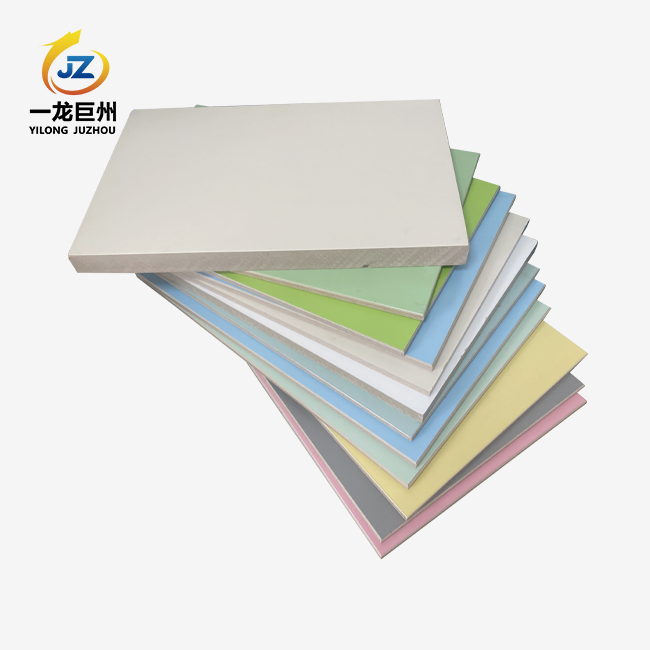
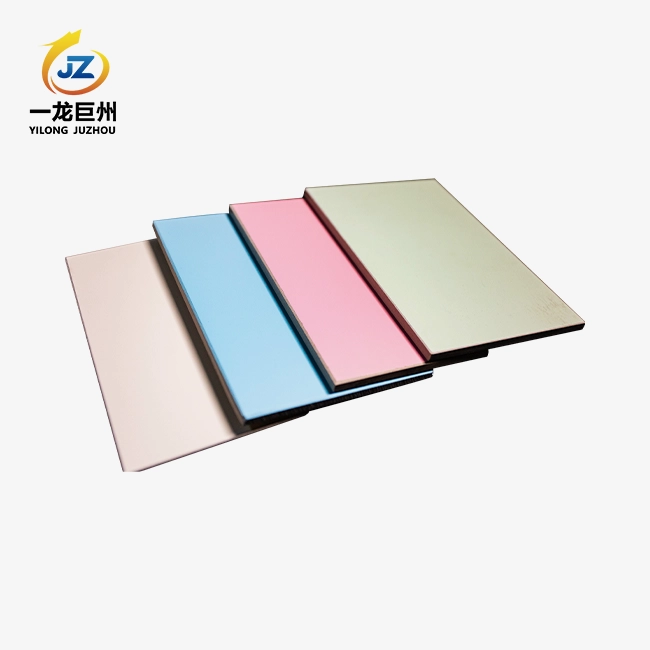
PE aluminum composite board is a sandwich panel made of a low-density polyethylene core bonded between two aluminum skins, finished with a polyester coating or film layer. In commercial interiors, healthcare facilities, and transit hubs, this material consistently demonstrates strong impact resistance, moisture protection, and structural rigidity. Independent testing under ASTM D1781 confirms peel strength above 5 N/mm, while Class B1 fire ratings meet U.S. building code requirements. When properly installed and maintained, aluminum composite panels deliver reliable performance across 10–20 years of service life in high-traffic environments.
Understanding the Durability of PE Aluminum Composite Board
What Makes the Core Structure So Resilient?
An aluminum layer that is between 0.1 mm and 0.5 mm thick surrounds the plastic core, which is situated in the middle of the two skins. This layer is known as the aluminum layer. The sandwich structure allows for the consistent distribution of mechanical stresses, which in turn leads to a decrease in surface deflection when the surface is exposed to pressure. While solid metal sheets begin to develop oil-canning waviness, the PE aluminum composite board structure maintains flatness throughout panel widths of 1,220 mm, 1,500 mm, and 2,000 mm. This is in contrast to solid metal sheets, which begin to achieve this quality. As a result of this procedure, the final product is a panel that is resistant to denting, cracking, and deformation under conditions that are typical of service.

Surface Coating Performance
The top layer, which may be made up of polyester paint, PET film, PVC film, or PP film, is the one that is responsible for deciding how effectively the panel is able to keep its color and how well it is able to avoid wearing down over time. It is of utmost importance that the thickness of the coating be at least 16 micrometers in order for polyester coatings to be able to pass the MEK rub test after being subjected to 100 repeat strokes without becoming softer. It is necessary to have a minimum pencil hardness of HB/H in order to prevent scratches from occurring during the process of installation. Wall panels are an essential component in places such as airports, subway stations, and hospital halls since they are able to withstand constant contact and cleaning cycles. The stability of this surface is very necessary under these conditions.
Fire Safety and Environmental Certifications
A Class B2 rating is assigned to standard PE core panels in terms of their fire safety. YILONG JUZHOU, on the other hand, manufactures panels that have a mineral-filled fire-retardant core that achieves Class B1 fire resistance. This conforms to both GB/T 17748-2016 and the appropriate building safety requirements in the United States market. As a result of their fire resistance, formaldehyde-free, odorless, and radiation-free properties, as well as their certification under China Environmental Protection Standards, ISO, and CE, these panels are suitable for use in settings such as schools, hospitals, and food processing facilities, where the cleanliness of the air directly impacts the health of the people who are there.
Comparing PE Aluminum Composite Board to Other Cladding Materials
Procurement teams often evaluate PE ACP board aluminum composite panels alongside competing materials before committing to a specification. Each option carries distinct trade-offs in performance, cost, and application fit.

This is how the key choices compare to one another:
- ACP that is coated with PVDF: Fluorocarbon coatings provide outstanding resistance to ultraviolet light and come with color guarantees that range from 15 to 20 years, making PVDF the material of choice for exposed external facades. Panels that have been coated with polyester are more cost-effective for use in interior walls and low-exposure envelopes, which are areas where intense weathering is not the major concern.
- Honeycomb panels made of aluminum are characterized by their ability to attain better strength-to-weight ratios, making them suitable for use in structural ceiling and column cover applications. Due to the fact that their manufacturing cost is much higher, aluminum composite panels have become the realistic standard for wrapping vast areas of interior space in commercial structures.
- Fire-Resistant (FR) Composite Boards: FR grades replace the pure PE core with compounds including aluminum hydroxide or magnesium hydroxide, which raises the fire rating to either B1 or A2. The specification of a fire-resistant core is not an optional step for projects that are subject to stringent fire rules, such as hospitals, transit hubs, and high-rise corridors.
- Panels Made of PVC: PVC has a cheap initial cost, but it deteriorates when exposed to heat and ultraviolet light. Over a period of ten years, it performs badly in high-humidity industrial areas and lacks the stiffness and recyclability of aluminum composite panels. Additionally, it is not recyclable.
The results of these studies demonstrate that polyester-coated PE aluminum composite boards are a well-defined niche because they are economical, structurally sound, and flexible across a variety of interior commercial and institutional settings. In order to choose the appropriate grade, it is necessary to compare the certified performance of the panel to the requirements that each project has for the environment and regulations.
Installation and Maintenance for Long-Term Durability
Thickness Selection and Fabrication Capabilities
YILONG JUZHOU produces PE aluminum composite boards in thicknesses of 2 mm, 3 mm, 4 mm, 5 mm, and 6 mm. For interior wall cladding in offices and hotels, 4 mm is the industry standard. For column wraps, curved surfaces, and ceiling systems in transit hubs, the material's high flexibility allows bending into complex shapes without coating micro-cracking. The panel accepts drilling, nailing, and CNC routing with a single-flute carbide bit — standard shop fabrication tools handle all common installation details. Custom heights beyond 3 meters are available from the factory.

Cleaning and Inspection Protocols
Maintaining surface integrity over years of use requires straightforward protocols. Non-abrasive cleaners remove surface contamination without degrading the polyester coating. Periodic inspection of joint sealants and mechanical fasteners prevents moisture ingress at panel edges. Minor surface scratches on the aluminum skin can be addressed with touch-up paint matched to the original RAL or Pantone color specification. These maintenance steps are low-cost and extend the panel's functional life well beyond its initial installation decade.
Sustainability and Lifecycle Value of PE Aluminum Composite Board
According to the Aluminum Association, the United States has recycling rates that are more than 75%, making aluminum one of the most recyclable building materials in the world. Composite panels have aluminum skins that are able to be recycled even after their useful lives have ended. This helps to reduce the amount of garbage that is generated in the process of renovating or demolishing a structure. The formaldehyde-free composition of the polyethylene core helps to satisfy the aims of LEED and other comparable frameworks for the quality of the air within the building. The polyethylene core contains less embodied energy than many other polymer-based cladding options.
When polyester-coated aluminum panels are compared to alternatives such as painted gypsum or PVC, a lifecycle cost analysis often reveals that the break-even point occurs within five to seven years. After that point, the PE aluminum composite board choice begins to accrue savings due to decreased replacement frequency and cheaper maintenance labor. At the same time as the unit price is important, and this computation is also important for procurement managers who are calculating the total cost of ownership over a 15-year construction cycle.
How to Source Durable PE Aluminum Composite Boards
In the same way that the product specification itself is essential, selecting a certified PE aluminum composite board supplier is also essential. The risk of procurement on overseas orders is reduced when verified certificates, such as ISO, CE, and environmental protection requirements, are taken into consideration. It is possible for engineering teams to undertake T-bend tests, peel strength checks, and coating hardness evaluations in-house if they request physical samples prior to placing bulk orders.
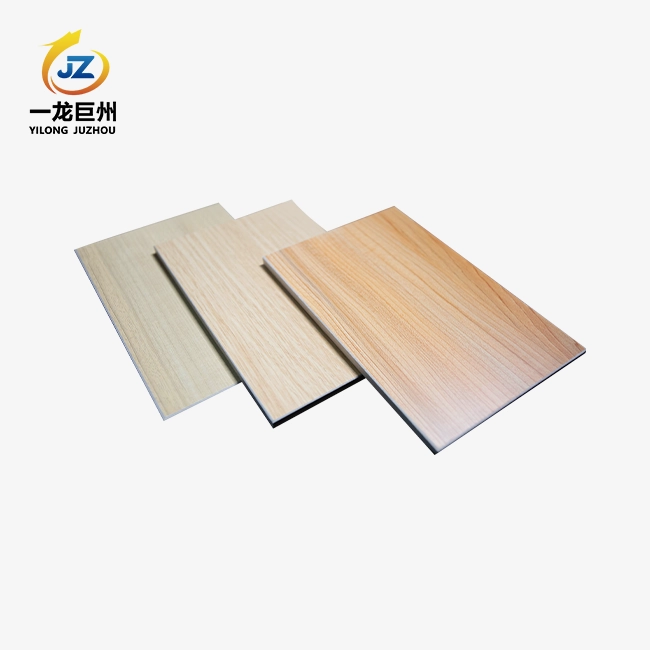
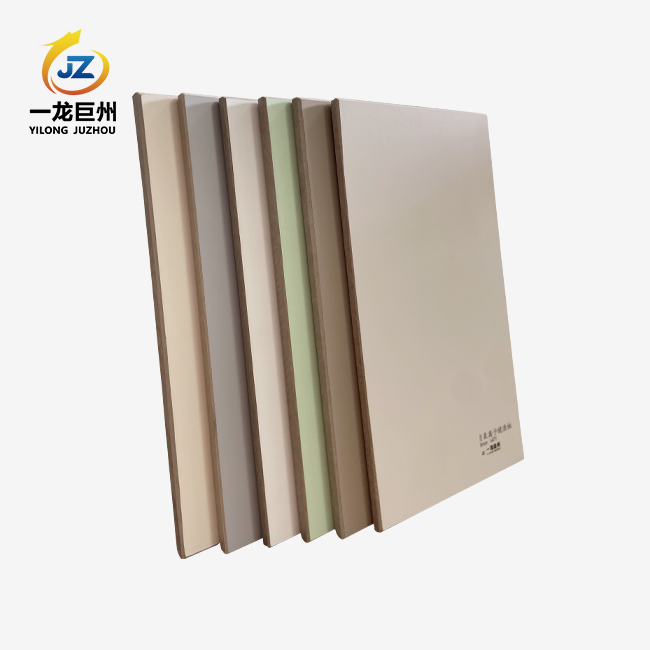
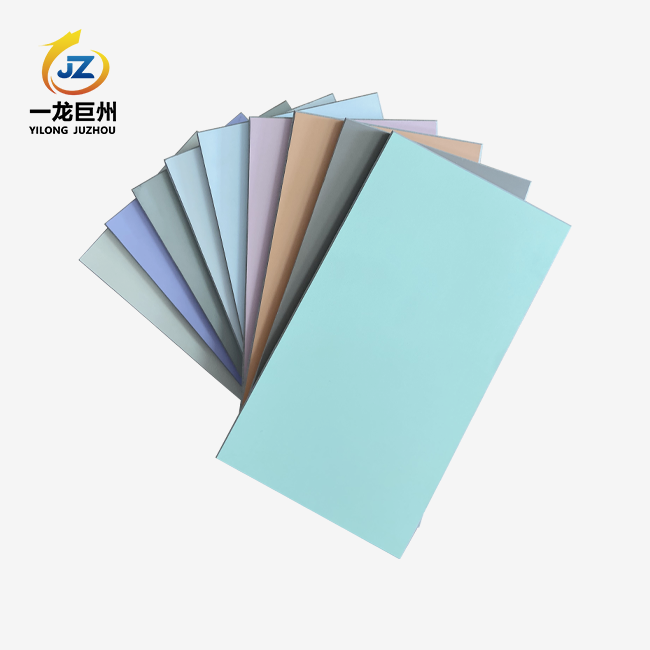
The YILONG JUZHOU company has two manufacturing bases located in Foshan, Guangdong, and Xianyang, Shaanxi, and together they have a standing inventory of 50,000 square meters. Shenzhen, Guangzhou, Shanghai, or Qingdao are the ports of departure for sea freight, and the standard manufacturing lead time is between three and seven days. A comprehensive color library that includes solid colors, woodgrain, marble, metallic, and textile patterns is available to customers, and the firm is able to fulfill OEM and ODM requirements. Custom panel specifications are also available. Within three to five days, free samples will be sent. A quality guarantee that lasts for three years covers faults in the material.
Conclusion
PE aluminum composite board delivers genuine, measurable durability across the environments where it is most commonly specified — commercial interiors, healthcare facilities, transit infrastructure, and industrial spaces. Its performance rests on the bonded sandwich structure, certified coating systems, and Class B1 fire-rated core options. When paired with correct installation practices and basic maintenance routines, the material consistently performs over a decade-long service window while remaining cost-competitive against heavier or more expensive cladding alternatives. For procurement teams and project engineers navigating material selection, the evidence supports PE ACP as a practical, sustainable, and reliable interior wall solution.
FAQ
1. What thickness should I specify for interior wall cladding?
For standard commercial interiors such as offices, hotels, and shopping malls, 4 mm is the most common specification. Thinner 3 mm panels suit signage and light partitions, while 5 mm or 6 mm options are appropriate for high-impact zones or load-bearing channel systems.
2. Is the standard PE core fire-rated?
The standard LDPE core carries a Class B2 combustibility rating. For regulated environments — hospitals, transit stations, high-rise buildings — specify a fire-retardant (FR) core, which achieves Class B1 performance through mineral-filled compounds.
3. Can these panels be curved or shaped on site?
Yes. The polyethylene core's flexibility allows bending into arcs and compound curves without surface cracking. CNC routing and V-grooving are standard fabrication methods. Panels over 3 meters in height are available as custom factory-cut lengths.
4. How do I verify supplier quality before placing a bulk order?
Request a physical sample set and perform a 180° peel strength test, pencil hardness check, and MEK rub test. Verify that the supplier holds current ISO, CE, and environmental certifications. YILONG JUZHOU provides free samples within 3–5 days.
Get a Free Sample from YILONG JUZHOU — Certified PE Aluminum Composite Board Supplier
YILONG JUZHOU offers factory-direct pricing, a three-year quality guarantee, and OEM/ODM support for PE aluminum composite board projects of any scale. With 50,000 m² of standing stock and 3–7 day lead times, we serve commercial developers, healthcare facilities, and international distributors across 30+ countries. Contact us directly at cnyang2000114@gmail.com to request your free sample and begin your sourcing process today.
References
1. GB/T 17748-2016: Aluminum Composite Panel Standard — Standardization Administration of China, 2016.
2. ASTM D1781-98: Standard Test Method for Climbing Drum Peel for Adhesives — ASTM International, 2019.
3. IBC 2021 International Building Code — Chapter 8: Interior Finishes — International Code Council, 2021.
4. ASTM E84: Standard Test Method for Surface Burning Characteristics of Building Materials — ASTM International, 2023.
5. The Aluminum Association: Aluminum Recycling Rates and Energy Savings — The Aluminum Association, 2022.
6. U.S. Green Building Council: LEED v4.1 Building Design and Construction Reference Guide — USGBC, 2022.

Send Inquiry


Related Industry Knowledge
- Medical Clean Board Material Types and Performance
- Medical Clean Board Applications in Healthcare Facilities
- 7 Facts About Aluminum Composite Panels
- Unlocking Quality: A Comprehensive Guide to Sourcing Premium HPL Fireproof Boards Globally
- Negative ions panel: A Versatile Solution for Improving Indoor Environments
- UV light curing board Scratch Resistance and Durability Explained
- Composite Fireproof Boards Compared: Why Calcium Silicate Aluminum Panels Stand Out
- HYG Antimicrobial Sheets & Wall Cladding Solutions
- Medical Clean Board Installation and Maintenance Guide
- What is the difference between an aluminum composite panel and an aluminum sheet?