
Fire-Retardant ACP Panels: Elevating Safety Standards in Modern Infrastructure
August 26, 2026
In the wake of devastating high-rise fires around the globe, the construction industry has fundamentally reassessed what constitutes acceptable cladding materials for commercial and institutional buildings. Fire-retardant ACP panels—particularly the A2 Aluminum Composite panel—have emerged as a transformative solution that bridges the gap between architectural design freedom and life-safety imperatives. These panels feature a mineral-rich core containing over 90% inorganic materials sandwiched between aluminum skins, achieving non-combustible classification under EN 13501-1 standards while maintaining the lightweight versatility architects demand for large-scale projects.
Understanding A2 Aluminum Composite Panels and Their Fire Safety Advantages
What Makes A2 Panels Different?
Traditional aluminum composite materials used polyethylene cores, which were cheap and easy to make but helped flames spread quickly in façade fires. This equation is completely changed by the A2 Aluminum Composite panel. Its core is made up of magnesium hydroxide or aluminum hydroxide minerals that give off water vapor when they come into contact with flame. This cools the material around them instead of fueling the fire. The better fire rating of A2 panels comes from the fact that they don't join the fire triangle, which is explained by this science.
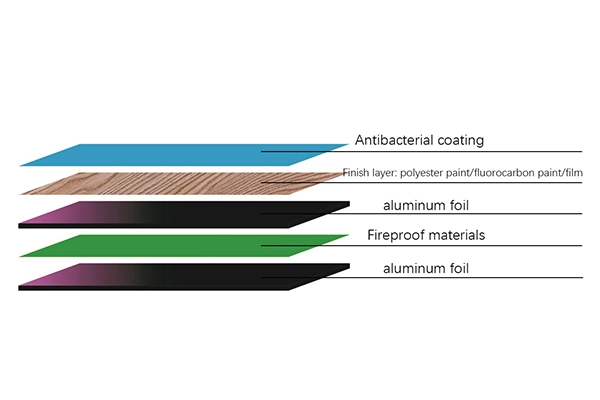
At YILONG JUZHOU, our panels have metal skins that are between 0.1 mm and 0.5 mm thick and use this modern core technology. It's very rigid, even though the pieces are only about 7-8 kg/m², which is much lighter than solid metal or stone veneers. Because curtain wall systems are lighter, they have lower structural loads. This lets builders choose dramatic exterior solutions without putting the building frame at risk.
Performance Beyond Fire Safety
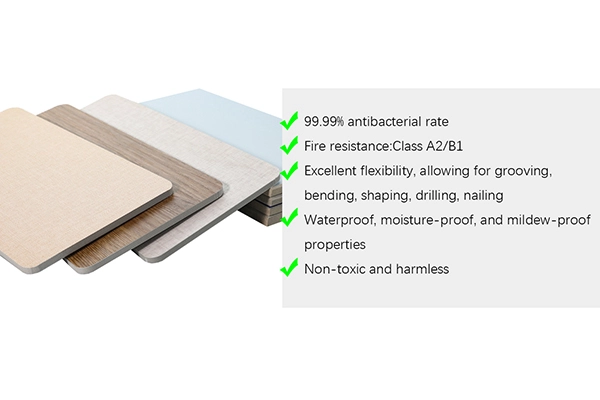
The main benefit is that these panels don't catch fire, but they also have other performance qualities that help with real-world problems in busy business settings. The mineral core naturally stops water from getting in and stops mold from growing. This is very important in healthcare facilities where infection control rules require surfaces that are cleanable and don't have pores. This feature is especially useful for hospitals in wet areas, where regular gypsum-based systems often fail within years because of damage from moisture.
The screens also show amazing stability in their dimensions even when the temperature changes. When the seasons change, most materials expand and contract, which could cause panels to be out of alignment. The mineral core, on the other hand, keeps its shape. In places like airport terminals and transit hubs, where mechanical systems run all the time and create temperature differences that would stress less durable materials, this stability is very important.
Technical Certifications That Matter
When purchasing teams look at fire-resistant insulation, they need real proof, not just marketing promises. This is guaranteed by the A2-s1, d0 classification under EN 13501-1, which comes from strict testing. The "s1" name means that there is very little smoke during combustion, which is generally more important for occupant safety than being near a flame. During evacuations, people's ability to see through smoke-filled hallways is often a big part of how quickly they get to the exits.
We keep up-to-date test records from reputable labs like SGS and Intertek that confirm the rates of heat release and the features of toxic fumes. These papers are very important during official bid reviews for government projects, where checking for compliance is a required part of the material approval process.
Comparing A2 Aluminum Composite Panels with Other Fire-Retardant Cladding Solutions
A2 vs. A1 Classification
Building codes are requiring more and more "non-combustible" materials for tall buildings, but both the A1 and A2 classifications meet this need. A1-rated materials, which are usually solid metal or mineral fiber boards, don't contain any biological material, so they shouldn't be able to start a fire. There are less than 10% polymer bonding agents in A2 panels, which technically means they have "limited combustibility" instead of being completely non-flammable.
In real life, this difference doesn't mean as much as buying teams might think. In real-life fire situations, the A2 classification still stops flame growth and heat addition to levels that can't be told apart from those of A1 materials. The best thing about A2 panels is that they are easier to work with. The mineral core lets you do things like routing, drilling, and folding that solid aluminum doesn't let you do, so you can make complex architectural shapes without having to pay more for special manufacturing.
Performance Against PE and FR Cores
Polyethylene-core panels ruled the market for decades because they were cheaper and easier to make. However, as fire-safety requirements have become stricter, the A2 ACPpanel has gained attention as a safer alternative because of its non-combustible core. Fire-retardant (FR or B1) cores added flame-retardant chemicals to polyethylene, which slowed down combustion but did not stop it. When taken away from direct flame, these materials may put out the fire on their own, but they can still release significant heat and smoke when exposed to fire.
The mineral core in A2 panels gets rid of this problem completely. No longer do procurement teams have to choose between fire safety and budget constraints—the panels offer complete non-combustibility at prices that are becoming more and more competitive with FR options. When you add up the costs over the course of a project's life, including insurance payments, possible liability, and governmental compliance, the value argument becomes strong, even for projects that are trying to stay within their budget.
Real-World Adoption Patterns
Because of strict safety rules and the terrible effects of hospital evacuations, healthcare facilities were among the first to use A2 panel systems. As part of its recent growth, the Cleveland Clinic chose A2 panels for the inside of all of its patient towers because they are fire-resistant and have antimicrobial qualities. Transit officials also liked these materials a lot when they were remodeling train stations, because the levels of smoke production have a direct effect on how emergency workers should respond.
The application segment that is growing the fastest is shopping centers and mixed-use developments. For these projects, there needs to be fire separation between retail and residential areas while the building's exterior looks like a single unit. This is what A2 panels offer: they meet the standards for a fire shield and come in an endless range of colors and textures thanks to PVDF or polyester coating systems.
Practical Guide for Procurement and Installation of A2 Aluminum Composite Panels
Supplier Selection Criteria
Finding qualified manufacturers takes more work than just comparing prices. The most important factor is the core makeup; panels can only be officially classified as A2 if their mineral content is more than 90%. We suggest that you ask for the findings of an ash content test, in which the core is burned and the waste is measured. Panels that are fake or have been labeled incorrectly have a lot less mineral residue, which shows that polyethylene was used instead.
To make sure that a certification is real, it needs to be checked with testing labs directly. Suppliers who aren't honest will sometimes give expired or changed test reports, betting that procurement teams don't have the time or resources to check the paperwork. A quick email to the lab that issued the report checks to see if the report number matches current records and if it applies to the panel configuration being talked about.
Technical help is what sets competent providers apart from those who just take orders. When making A2 panels, different methods are needed than when making regular ACPs because the mineral core is very hard and quickly dulls regular cutting tools, so carbide or diamond-tipped tools are needed. Suppliers should give thorough manufacturing instructions that cover things like choosing the right tools, the right feed rates, and the best adhesives for each installation method.
Customization and Specification
Standard panel widths of 1220mm, 1500mm, or 2000mm work with most architectural layouts. Custom lengths can also be made to cut down on waste on the job site. The thickness you choose (between 2mm and 6mm) depends on the span you need and the loads on the structure. For most curtain wall uses, 4mm is the best balance. At YILONG JUZHOU, we can make custom heights higher than 3 meters, which means that we can put things from floor to ceiling without any horizontal parts.
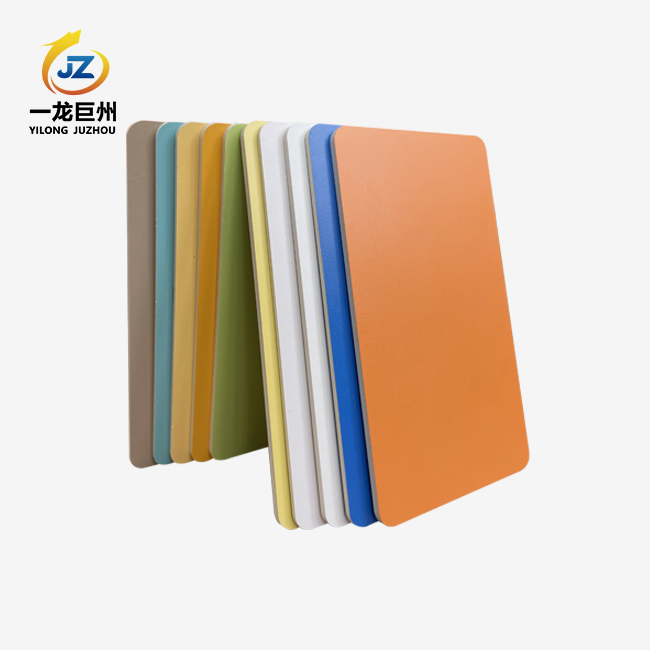
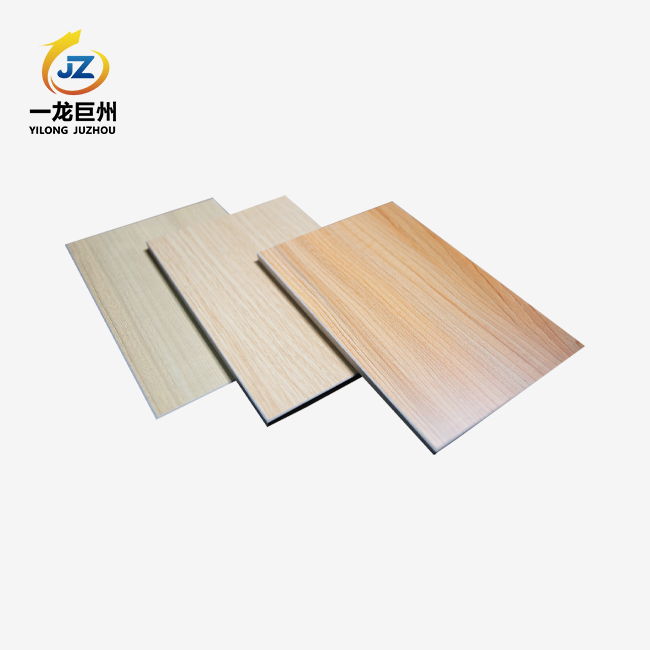
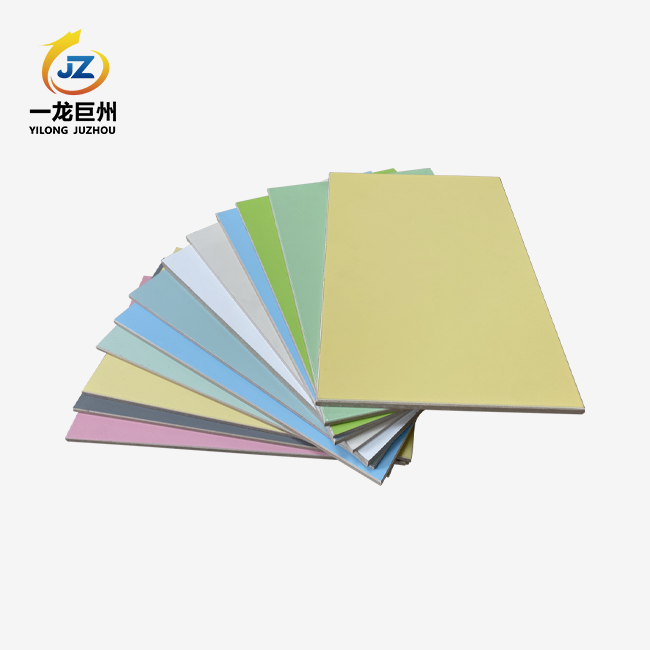
Fire-rated materials such as A2 ACP board usually look very utilitarian, but there are a lot of different surface finishing options that make design much more flexible. Solid colors are good for company branding, and woodgrain and marble designs look like real materials but are much lighter and cheaper. Accent walls with metallic finishes look great in hotel lobbies, and textile patterns make healthcare spaces feel more cozy. The type of coating—polyester, PET film, PVC film, or PP film—determines how long something will last and how much maintenance it needs. For outdoor uses, PVDF coatings are the best because they resist UV light.
Installation Best Practices
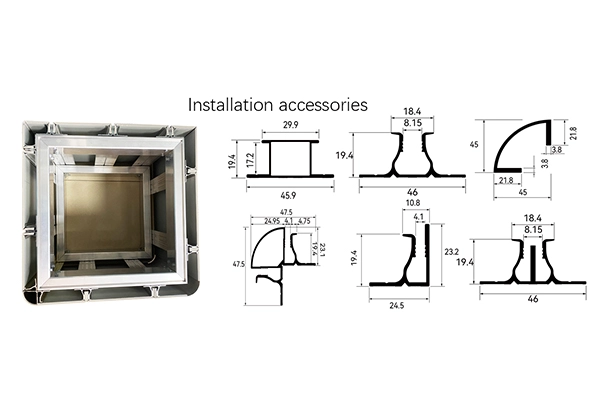
The first step in a proper installation is to make sure that the structure can hold the weight of the panels and the wind loads that will be present at the site. Even though A2 panels are heavier than PE-core options, they are still a lot lighter than solid metal or traditional brick or stone systems. The base is usually made of metal extrusion framing that has thermal breaks built in to stop condensation and energy loss.
There are different ways to connect panels depending on the job. For example, mechanical fasteners are used for dividing rooms inside, structural silicone glazing is used for smooth surfaces outside, or cassette systems are used for quick installation and easy upkeep in the future. To keep fire resistance scores across the whole assembly, not just in individual panels, each way needs different edge details and joint configurations.
Some common installation mistakes are not supporting the panels properly, which can lead to oil-canning; choosing the wrong sealant, which can damage the coating; and not having enough expansion joints, which can cause the panels to buckle under thermal stress. Our technical team gives installation drawings and on-site advice to contractors who aren't familiar with A2 systems so that they don't make these mistakes on their first projects.
Assessing the Cost and Value of A2 Aluminum Composite Panels for Your Project
Price Structure Transparency
The price of an A2 panel depends on the cost of the raw materials used for the mineral cores and aluminum skins, the choice of coating system, the need for special production, and the size of the order. Prices on the market right now range from $18 to $35 per square meter for normal configurations with polyester finishes. PVDF-coated panels, on the other hand, fetch higher prices by about 40% because they last longer in harsh weather. Even though custom colors or patterns cost more, they are still much less than the premiums that solid materials demand.
Orders that are placed in large amounts save money on both the cost of materials and the cost of shipping. Projects that are bigger than 5,000 square meters usually get better prices, while orders that are smaller may have to pay extra for a minimum order number. We keep about 50,000 square meters of stock in popular colors and sizes, so we can quickly finish jobs that need to be done without having to pay the higher prices that come with custom production.
Lifecycle Cost Analysis
Initial material costs are only a small part of the real project costs when maintenance, replacement frequency, and operational impacts are taken into account in a lifecycle analysis. A2 panels usually come with 15–20-year warranties on the stability of their coatings, which is a lot longer than the 5–7 years that lower-quality materials usually last in harsh settings. This makes it last longer, which lowers the cost of replacing and the downtime that re-cladding jobs cause for businesses.
Insurance companies are becoming more aware of fire-resistant building materials and are lowering premiums for properties that meet certain height or usage requirements. Because A2 panels are non-combustible, high-rise buildings can save 10% to 20% on their annual insurance costs. These savings add up over the building's service life and cover the initial material premiums.
Streamlined Ordering Process
Our normal procurement process is 3 to 7 days from when we confirm the order to when we finish production. For US East Coast ports, it takes an extra 3 to 4 weeks for shipping, and for West Coast ports, it takes an extra 2 to 3 weeks. We ship through the ports of Shenzhen, Guangzhou, Shanghai, or Qingdao, based on where the goods are going and whether it is possible to combine the containers. For pressing needs, air freight is still an option; it usually delivers within 10 days, but it costs a lot more.
Requests for samples are handled first, and free custom samples are usually sent within 3 to 5 days. These samples are very helpful for design review meetings and mock-up tests because they let project teams check the look, feel, and how the material is put together before placing full orders. We tell procurement teams to ask for more than one finish option because digital renderings don't always show the small differences that real samples do.
Conclusion
Fire-resistant ACP panels are a big step forward in how the building industry handles safety on facades without limiting design options. The A2 Aluminum Composite panel is perfect for modern infrastructure because it is non-combustible, stable in size, and comes in a variety of styles. As fire safety rules for commercial and institutional buildings get stricter around the world, choosing materials that have been shown to resist fire becomes not only good risk management but also more and more of a legal requirement. These panels are the smart choice for architects, developers, and facility managers who care about occupant safety and long-term building performance because they perform well, can be customized, and have a high lifecycle value.
FAQ
1. What fire rating does the A2 classification actually achieve?
The EN 13501-1 classification A2 means "limited combustibility," which means that the material is mostly made up of inorganic minerals and doesn't add much heat to fires. The term "s1" means that very little smoke is produced, and "d0" means that no flaming drops are formed during combustion. This classification meets the requirements of most international building codes for high-rise construction for not being flammable.
2. How do A2 panels compare in weight to traditional materials?
For a 4 mm width, A2 Aluminum Composite panels usually weigh 7-8 kg/m², which is a lot less than solid aluminum (11 kg/m²) or stone veneers (30–50 kg/m²). This lower weight lets architects use more dramatic designs without having to spend a lot of money to strengthen the building frame.
3. Can these panels accommodate custom colors and patterns?
Of course. Our coating systems can match any color using polyester or PVDF finishes. They can also print patterns that look like wood, marble, metal, and fabric textures. Custom patterns need digital files to be sent in, and the production time is usually extended by 5 to 7 days.
4. What fabrication challenges should contractors anticipate?
Because the mineral core is so hard, carbide or diamond-tipped cutting tools are needed instead of regular steel blades. To keep tools from wearing out too quickly, feed rates should be slowed down by about 30% compared to PE-core panels. With every order, we send detailed fabrication guidelines to make sure that contractors make clean cuts and prepare the edges correctly.
Partner with a Leading A2 Aluminum Composite Panel Supplier
YILONG JUZHOU has been making fire-resistant panels for more than 20 years and now sells them in North America. They make certified A2 Aluminum Composite panels for commercial developers, healthcare systems, and public infrastructure projects. Our two production facilities guarantee a steady supply, and our full expert support helps your team from the specification stage all the way through installation finish. Procurement workers and project managers can get free samples of our wide range of finishes, which include solid colors, woodgrain patterns, marble effects, and shiny textures. All of these finishes are A2 fire-rated. You can email us at cnyang2000114@gmail.comto talk about your project needs and get full technical specs within 24 hours.
References
1. Smith, J.R. & Thompson, K.L. (2021). Fire Safety Engineering in Modern High-Rise Construction. American Society of Civil Engineers Press.
2. European Committee for Standardization (2019). EN 13501-1: Fire Classification of Construction Products and Building Elements - Part 1: Classification Using Data from Reaction to Fire Tests. CEN Technical Report.
3. Chen, M., Rodriguez, P., & Yamamoto, H. (2020). "Comparative Analysis of Composite Panel Fire Performance in Curtain Wall Systems," Journal of Building Safety, 45(3), 287-304.
4. National Fire Protection Association (2022). NFPA 285: Standard Fire Test Method for Evaluation of Fire Propagation Characteristics of Exterior Wall Assemblies Containing Combustible Components. NFPA Publications.
5. Williams, A.D. (2023). Sustainable Cladding Materials: Performance, Lifecycle Assessment, and Regulatory Compliance. Construction Industry Institute Research Report.
6. International Code Council (2021). International Building Code Chapter 14: Exterior Walls—Fire-Resistance-Rated Construction Requirements. ICC Digital Codes Premium.

Send Inquiry



Related Industry Knowledge
- UV Antibacterial panels Installation and Maintenance Guide
- How Do UV Antibacterial panels Improve Indoor Hygiene Levels?
- Calcium Silicate Fireproof Board - the reliable and safe choice for fire doors
- What is HPL fireproof board?
- Fiberglass Resin Board: Composition, Performance, and Industrial Applications
- What Is Medical Clean Board and Where Is It Used?
- How to spray paint on aluminum composite panels
- Where to buy aluminum composite panel?
- What are the common issues faced during aluminum panel installation, and how to avoid them?
- The Rise of ACP Panels for Modern Kitchen Design