
How to Paint an Aluminum Composite Panel Professionally
October 28, 2026
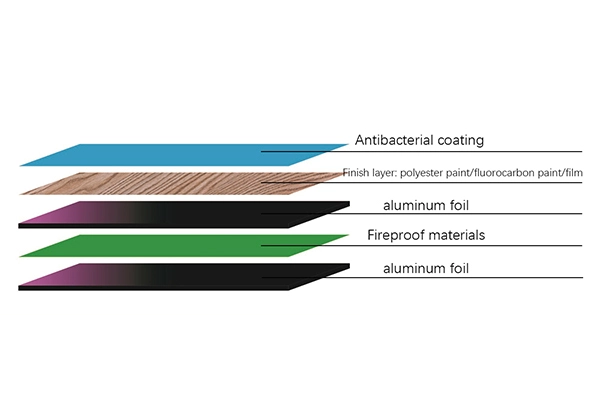
Painting aluminum composite panel the right way requires more than just picking up a brush. A proper finish starts with understanding what you are working with: a sandwich structure featuring fire-retardant mineral-filled core material bonded between two aluminum skins, pre-coated with polyester paint through an automated coil coating process. This factory-applied coating eliminates batch color variation, ensures uniform thickness, and delivers corrosion resistance straight out of the box — making it a preferred choice for architects, procurement teams, and contractors who cannot afford rework on large commercial projects.
Understanding Aluminum Composite Panels and the Painting Challenge
What Makes ACPs Unique
There is more to an aluminum composite panel than just a sheet of metal. Because it is made up of layers, with an aluminum skin on both sides and a fire-resistant refractory core, it is stronger than solid aluminum in terms of weight. This is the reason why interior wall cladding is used so often in hospitals, airports, and office buildings. During coil coating, the polyester paint layer sticks to the metal skin directly, creating a chemically sticky film that doesn't get scratched or wet easily.
Why Adhesion Is the Core Challenge
Most paint systems don't stick to aluminum because it has a generally low surface energy. Even high-end finishes will peel off within months if they are not properly treated with chemicals first. This problem is fixed by using a chromate- or chrome-free conversion coating before the primer in the factory coil painting process. This makes a chemical bond that is hard for paints to match when they are applied in the field. This pre-finished method cuts down on long-term upkeep costs by a large amount for procurement teams that are choosing panels for high-traffic areas like subways or train stops.
How Surface Coating Affects Project Outcomes
When it comes to interior uses, polyester (PE) coating systems are the regular choice. They look clean, keep colors well, and don't come off easily when cleaned with regular cleaners. If you ask for a painted aluminum composite panel with a PE surface, you are picking a material that has been tested to meet the requirements of AAMA 2603. These standards cover how well the material keeps its gloss, resists chalking, and sticks to things over time. This is especially important in places like gyms and medical beauty centers where chemicals are used to clean the walls often.
Step-by-Step Professional Painting Process for Aluminum Composite Panels
Surface Preparation Comes First
Before adding any more paint to a solid color aluminum composite panel that has already been finished, you need to clean the surface very well. To get rid of dust, grease, and oils, use a soft cloth and a non-acidic (pH 6–8) soap. Caustic soda will etch the polyester coating and remove its protective gloss, so don't use rough pads or alkaline cleaners. Light sanding with 400-grit paper gets the surface ready for a new coat of paint after years of use without damaging the aluminum skin.
Primer Selection and Application
It is necessary to use a bonding primer made for low-energy metal surfaces. Most of the time, epoxy-based primers with adhesion boosters are used on aluminum substrates in commercial renovation projects. Apply the primer in a controlled, dust-free space and let it fully cure before applying the topcoat. This takes about 4 to 6 hours at 20°C. The most common reason why paint doesn't stick to metal composite surfaces is that this step is skipped.
Topcoat Application and Quality Control
Spraying with an airless or HVLP gun gives flat ACP surfaces the most consistent film thickness. For the inside panels, aim for a dry film thickness of 25 to 35 microns. As directed in ASTM D3359, run a cross-hatch sticking test after the glue has dried. Place the tape over a scored grid and pull it neatly. Detaching paint of any kind is a sign of bad surface preparation or primer choice. The Delta E (ΔE) value is checked with a colorimeter to make sure it stays below 0.8. This shows that all panels on the same project have the same color.
Painted ACP vs. Alternative Finishes: Making the Right Call
Painted vs. Powder Coated
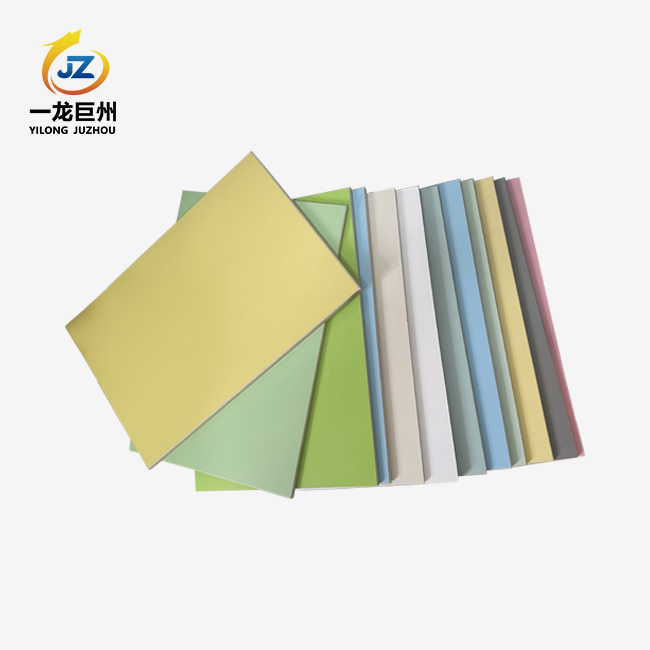
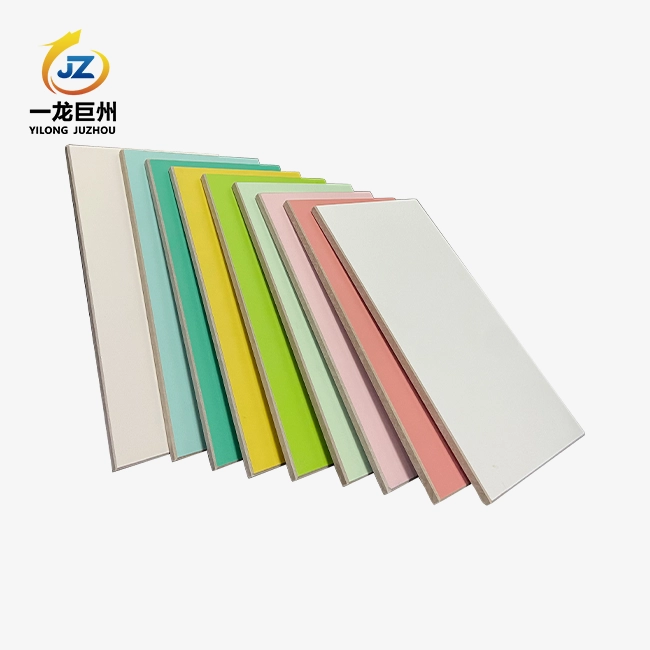
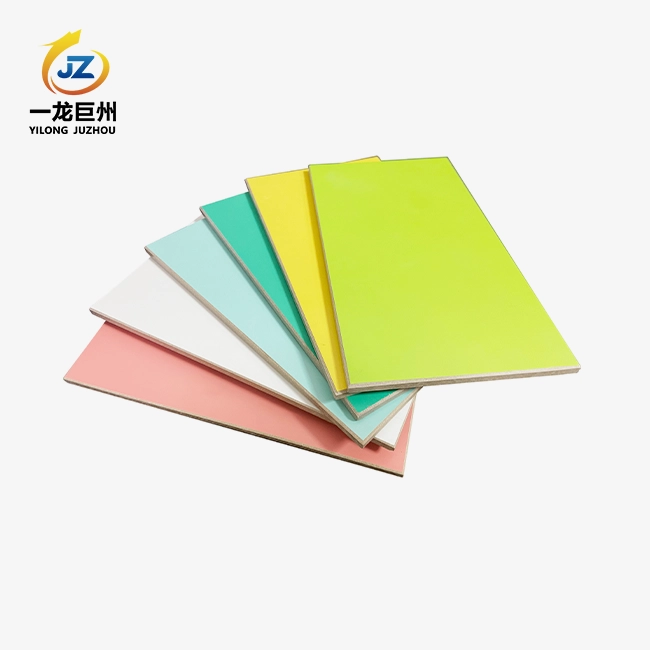
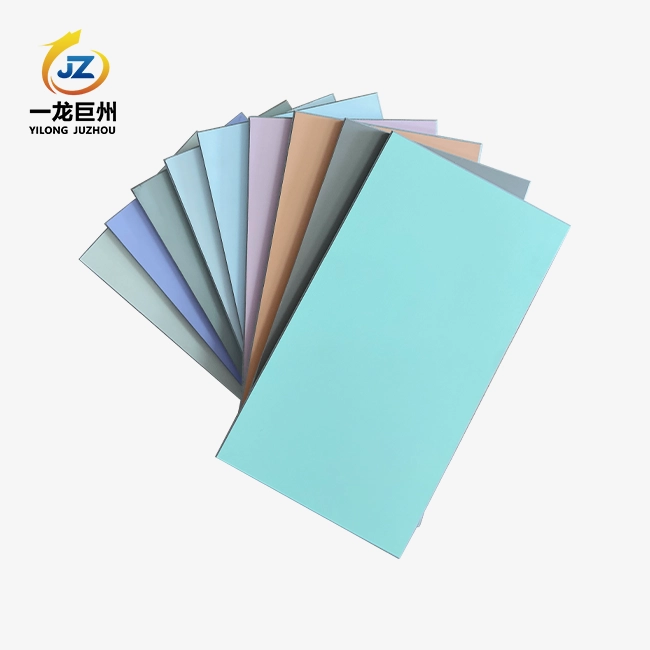
Powder finishing gives the surface a harder finish than regular PE paint systems, usually between 2H and 3H pencil hardness. Powder coating, on the other hand, has to be applied in a factory and isn't as good at custom color matching or short lead times. If you need solid colors that are exactly the same as Pantone across a lot of panels, factory-painted ACPs from a company that lets you change Pantone chart colors are the best and most cost-effective option.
Painted vs. Laminated or Anodized
Laminated ACPs can give the impression of wood grain and stone roughness that painted finishes can't. But laminate film can peel at the edges in places with a lot of moisture, like food processing plants or drug companies. Anodized metal is very resistant to rust, but it comes in fewer colors and costs more per unit. A factory-painted polyester finish is more useful and cheaper for projects like hotel halls, conference centers, and houses that need to be consistent with color and design.
When Painted ACPs Win
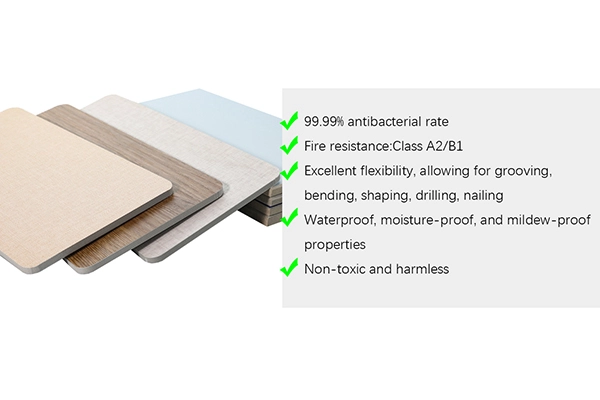
Pre-coated painted aluminum composite panels always win when it comes to three things: consistency of color, fire safety, and speed of installation. When the panels with Class A2 or B1 fire ratings get to the job site, they are already cut and ready to be put together. No extra work needs to be done. When building projects are done in stages on different floors of an office building or shopping mall, this saves a lot of time on work and keeps schedules from getting messed up by field-applied coatings.
Procurement Guide: Sourcing Painted ACPs for Commercial Projects
Understanding Panel Specifications
When looking for polyester paint aluminum composite panels for a project, standard details to check include the thickness (2/3/4/5/6mm), panel width (1220mm, 1500mm, or 2000mm), aluminum skin thickness (0.1–0.5mm), and the ability to get panels in lengths longer than 3 meters. Custom length cuts down on waste when cutting on-site and speeds up installation for large interior wall areas in stadiums or art galleries. Make sure the building has Class A2 or B1 fire certification before putting it up for a project bid.
What to Ask a Supplier
Not all suppliers of aluminum composite panels can meet the mechanical needs of healthcare and business projects. Before you place an order, here are the most important things to ask:
- Does the panel carry China Environmental Protection Standard Certification, ISO, and CE certifications?
- Is the polyester coating on the surface free of formaldehyde and in line with green building standards?
- Can the provider match custom Pantone solid colors and help with branding for OEM and ODM panels?
- What is the shortest lead time, and is stock available for project steps that need to be done quickly?
These questions tell the difference between suppliers who can do the job and those who just resell generic stock. Manufacturers with two production sites, like YILONG JUZHOU, which has factories in Shaanxi and Foshan, can keep a steady stock of 50,000 m² and ship through many sea ports, such as Shenzhen, Guangzhou, and Shanghai.
Evaluating Long-Term Supplier Fit
The relationship with the seller is just as important as the product specs for buying teams that are in charge of repeat projects. Look for providers that will guarantee the standard of their work for three years, answer your questions within 24 hours, and ship sample panels within three to five days. These operational details have a direct effect on project timelines and the time it takes for your team to evaluate materials before placing bulk orders.
Maintenance and Longevity of Painted Aluminum Composite Panels
Realistic Lifespan Expectations
Interior PE-coated panels in well-kept places like hospitals, schools, and office buildings usually keep their finish for 10 to 15 years before it starts to fade. PVDF-coated panels made for the outside of buildings make that range 15–20 years. Panels that are waterproof, resistant to moisture, and mold-proof will last longer than those that aren't in places where condensation is a problem, like subways and food factories.
Routine Cleaning and Minor Repairs
Cleaning it regularly with a soft sponge and neutral soap (pH 6–8) keeps the shine and stops tiny scratches from building up. High-pressure water jets should not be used right on the edges of panels because they can push water into the core layer. For small scratches on the surface, touch-up paint from the maker that is matched to the original Pantone reference can fix the look without having to replace the whole panel. Most of the damage to the panel is decorative rather than structural because it doesn't break or crack easily when hit with a normal object.
When to Recoat or Replace
If there is widespread chalking, adhesion loss greater than 5% on a cross-hatch test, or corrosion creep greater than 1mm from cut edges, it is cheaper to replace the whole panel than to paint it again on-site. The panels are made to be easy to install—drilling, nailing, and bending are all supported—so replacing individual parts in high-traffic areas like airport hallways or stadium concourses can be done without damaging the surfaces around them.
Conclusion
Getting the finish on an aluminum composite panel just right starts before it is put up. Most of the things that can go wrong in the field can be avoided by choosing a factory-coated panel with the right fire rating, surface chemistry, and physical allowance. A painting aluminum composite panel that is properly specified and maintained will look good for a long time in any building, whether it's a hospital, shopping mall, train station, or corporate office. Investing in the right surface standard up front is always less expensive than fixing problems after the fact.
FAQ
1. How long does a painted aluminum composite panel last before repainting?
In business settings, polyester-coated pieces on the inside usually last 10 to 15 years. You can get 15–20 years of use out of PVDF-coated screens that are used in harsh environments. How long it lasts depends on how often it is cleaned, how much UV light it gets, and how humid the installation space is.
2. Can I order custom colors for large commercial projects?
Yes, you can get factory-coated panels in basic colors that match the Pantone chart. Manufacturers that accept OEM and ODM orders can match particular brand colors for the inside of businesses, hotels, and government buildings. Before approving mass production, make sure that the color tolerance (ΔE ≤ 0.8) is written down.
3. Are painted ACPs safe for healthcare environments?
Green building materials are panels that don't contain formaldehyde, don't smell, and don't give off radiation. For hospitals and clinics, make sure the panel is certified for environmental impact and that the layer on the surface can be cleaned many times with regular disinfectants without losing its shine or breaking down.
4. Does the paint layer affect fire performance?
The polyester paint layer is only 25 to 35 microns thick and doesn't add much to the fuel load. The core material determines how well it burns. Fire-retardant cores filled with minerals are used in panels rated Class A2 or B1. Check the fire certificate first, before looking at the protection requirements.
Get Painted ACP Panels From YILONG JUZHOU
With 50,000 m² of stock, a production time of 3–7 days, and a 24-hour response time, YILONG JUZHOU produces painting aluminum composite panels from two factories in China. There are ISO, CE, and China Environmental Protection Certifications on all of the screens. Get in touch with us to get free samples, OEM/ODM services, and bulk pricing that fits the needs of your project. You can email our team at cnyang2000114@gmail.com to get a price from a reliable seller of painted aluminum composite panels.
References
1. American Architectural Manufacturers Association (AAMA). AAMA 2603: Voluntary Specification, Performance Requirements and Test Procedures for Pigmented Organic Coatings on Aluminum Extrusions and Panels. AAMA, 2017.
2. American Architectural Manufacturers Association (AAMA). AAMA 2605: Voluntary Specification, Performance Requirements and Test Procedures for Superior Performing Organic Coatings on Aluminum Extrusions and Panels. AAMA, 2017.
3. ASTM International. ASTM D3359: Standard Test Methods for Rating Adhesion by Tape Test. ASTM International, 2022.
4. ASTM International. ASTM B117: Standard Practice for Operating Salt Spray (Fog) Apparatus. ASTM International, 2019.
5. Blakey-Milner, B., et al. "Aluminum in Architecture: Material Properties and Surface Finishing Technologies." Journal of Architectural Engineering, vl. 27, no. 3, 2021.
6. Satas, D., and Tracton, A. A. Coatings Technology Handbook. 3rd ed., CRC Press, 2006.

Send Inquiry


Related Industry Knowledge
- Aluminum Composite Panel Design Ideas for Modern Architecture
- UV Antibacterial panels Safety Standards and Certification Overview
- A2 Aluminum Composite Panel vs. Standard ACP: Key Differences
- Fire-Retardant ACP Panels: Elevating Safety Standards in Modern Infrastructure
- Why Paint Peels Off Aluminum Composite Panels and How to Fix It
- Antibacterial Vinyl Wall Sheet with various styles
- Calcium Silicate Fireproof Board: The Future of Fireproof and Thermal Insulation
- Inorganic pre-coated panels vs Organic Coated Boards Comparison
- Why Choose ice fireproof board for Industrial Wall Protection?
- Unlock the Power of Aluminium Composite Panel