
UV Antibacterial panels Safety Standards and Certification Overview
September 29, 2026
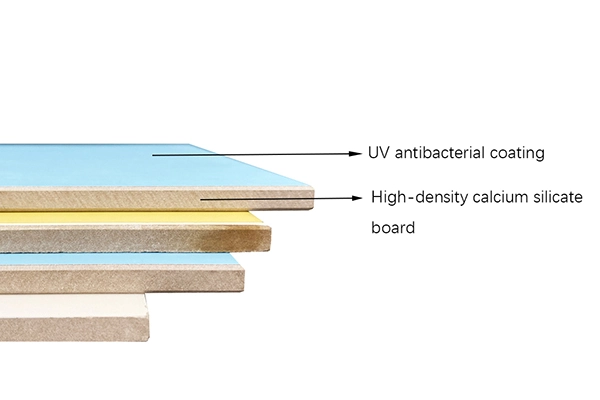
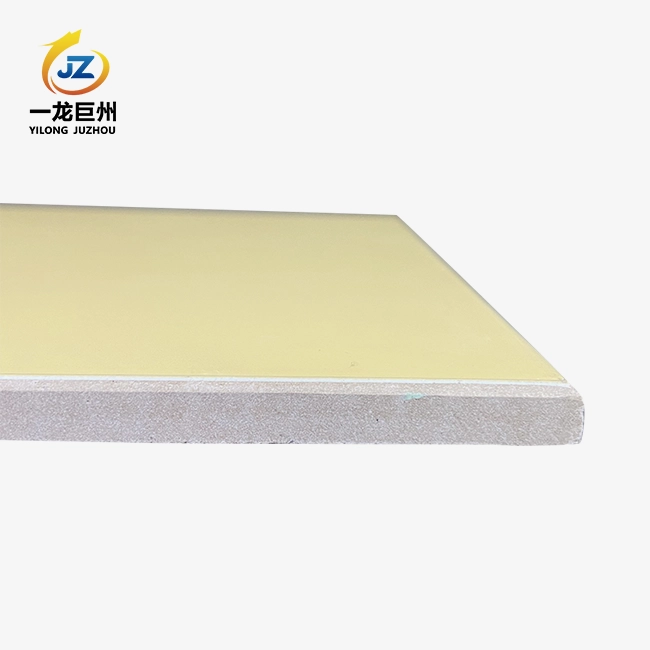
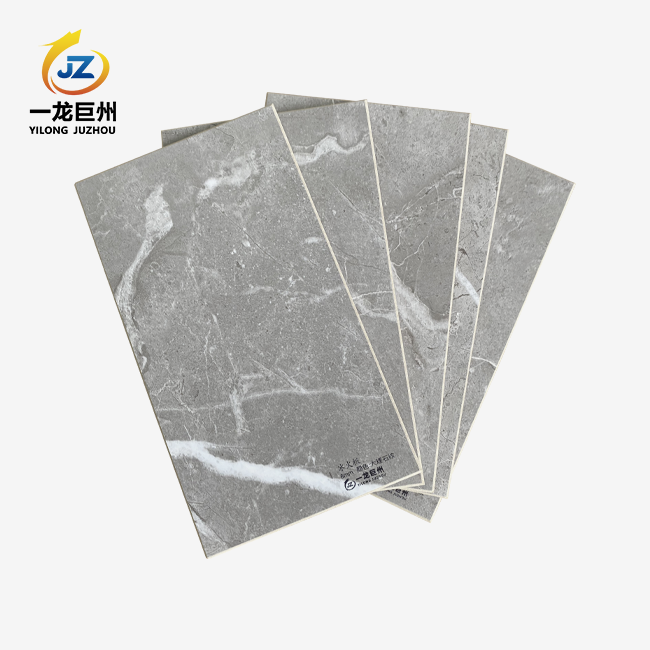
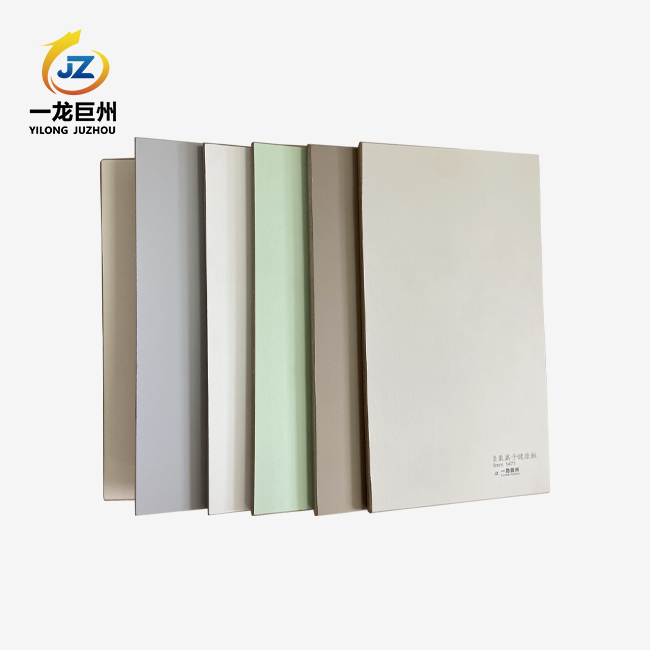
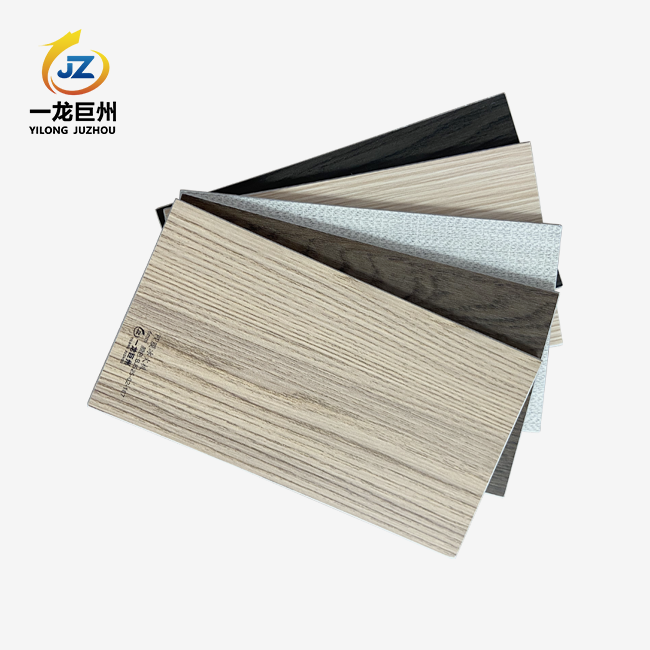
When specifying interior wall materials for regulated environments, UV antibacterial panels have become a benchmark solution across healthcare, commercial, and industrial sectors. Built on a calcium silicate board substrate finished with a UV-cured antibacterial coating or PVC film, these panels deliver a 99.99% antibacterial rate against pathogens such as E. coli and Staphylococcus aureus. For procurement teams in the United States and globally, understanding the safety standards and certifications governing these products is not optional—it is foundational to risk management, code compliance, and long-term asset protection.
Introduction: Why Safety Certification Matters for Antibacterial Wall Panels
It's not taking long for the market for clean wall cladding to grow. Grand View Research says that the global market for antimicrobial coatings was worth more than USD 4.5 billion in 2023. This market is expected to keep growing as infection control becomes more important in design. More and more, hospitals, drug companies, food processing plants, and business real estate firms are asking their purchasing managers to show proof of material compliance before approving a project.
The Core Risk of Uncertified Materials
When buying teams choose wall panels without checking their certifications, they run the risk of not following the rules, being held responsible for healthcare-associated infection (HAI) events, and having to replace expensive materials in the middle of a project. Documentation that has been checked by a third party is not just for marketing purposes; it is the formal foundation of responsible material sourcing.
Key Safety Standards and Certification Bodies for UV Antibacterial Panels
The performance and safety of UV interior wall panels, which belong to the category of antimicrobial surface panels, are controlled by a number of frameworks. Professionals in procurement have to deal with both foreign standards and rules that are specific to their area. The main standards that should be in the technical report of any reliable source are these:
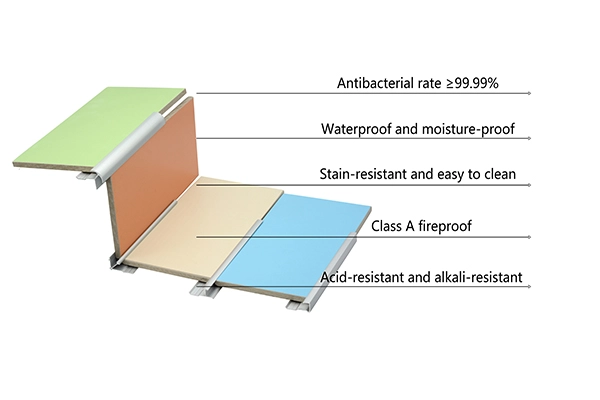
- ISO 22196 / JIS Z 2801 — The internationally recognized test method for measuring antibacterial activity on plastics and non-porous surfaces. A compliant panel must demonstrate a Log Reduction Value (R) ≥ 2.0, confirming at minimum 99% bacterial elimination within 24 hours. YILONG JUZHOU panels achieve a verified 99.99% antibacterial rate under this protocol.
- CE Marking — Required for products entering the European market, CE certification confirms conformity with EU health, safety, and environmental directives. It signals that a product has passed structured conformity assessments, which is critical for international distributors supplying EU-based contractors.
- China GB 8624 Non-Combustible Class A — This fire resistance standard classifies materials that do not contribute to flame spread. YILONG JUZHOU panels carry GB 8624 Class A certification, which aligns with the non-combustible material requirements referenced in ASTM E136 and NFPA standards for US commercial construction.
- ISO Certification & China Environmental Protection Standard — These credentials confirm that both the manufacturing process and the finished product meet controlled environmental output thresholds, including near-zero VOC emissions compliant with CARB Phase 2 formaldehyde regulations.
- UL and EPA Relevance — For US procurement, buyers should additionally verify whether antimicrobial claims comply with EPA registration requirements under FIFRA (Federal Insecticide, Fungicide, and Rodenticide Act) when the panel surface claims pesticidal activity. UL Environment certification further validates sustainable material composition.
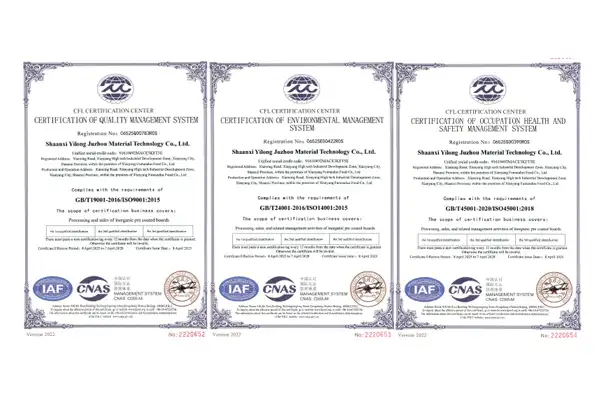
It is necessary for these qualifications to be checked by a third-party lab. Any supplier that won't give you original test reports from approved labs should be seen as a risk that means you shouldn't do business with them.
The Role of Third-Party Testing in Supplier Accountability
Third-party approval clears up the confusion that comes with self-declared standards. Procurement managers should ask for ISO 22196 test reports, ASTM D3359 adhesion test results, and paperwork on surface hardness when looking at a UV antibacterial panel provider. Panels with a pencil hardness rating of 3H to 6H have a UV coating that is properly cured. Surfaces that aren't properly cured let out residual monomers, which break down the barrier for hygiene.
Comparing UV Antibacterial Panels to Traditional Wall Panels: Safety and Performance Insights
Traditional wall coverings, like painted gypsum board, normal HPL, or ceramic tile, take care of both looks and sturdiness. They do not, however, have an antibacterial surface that works. UV antibacterial panels address this gap effectively while retaining solid durability. Standard HPL may not wear down easily on the surface, but its micro-textured finish creates biofilm anchor points that UV-cured coatings naturally reduce because of their high cross-linking density.
What Certification-Backed Data Reveals
There is a clear improvement in performance across a number of dimensions for panels that have been treated with UV-cured antibacterial coatings. The UV curing process makes a thick polymer film that stops the substrate from off-gassing. This helps keep VOC emissions almost zero right after installation. This means that a hospital renovation using certified panels lets the rooms be used the same day. This is a big operational advantage over solvent-based alternatives that need longer drying times. The material doesn't have any benzene or other volatile chemicals in it, and color stability under xenon arc testing shows that it will look good for a long time without turning yellow, which is important for keeping a sterile white look in clinical settings.
Procurement Considerations: Verifying Certified and Safe UV Antibacterial Panels
It's not enough to just know which licenses to ask for. The other half is setting up buying so that those standards are enforced through contracts and operations.
Here are the main steps that skilled design teams take to make sure that the purchase is legal:
- Request original third-party test reports — Specifically ISO 22196 bacterial reduction reports, fire classification certificates (GB 8624 Class A or equivalent), and VOC emission test results. Cross-reference report dates and laboratory accreditation numbers.
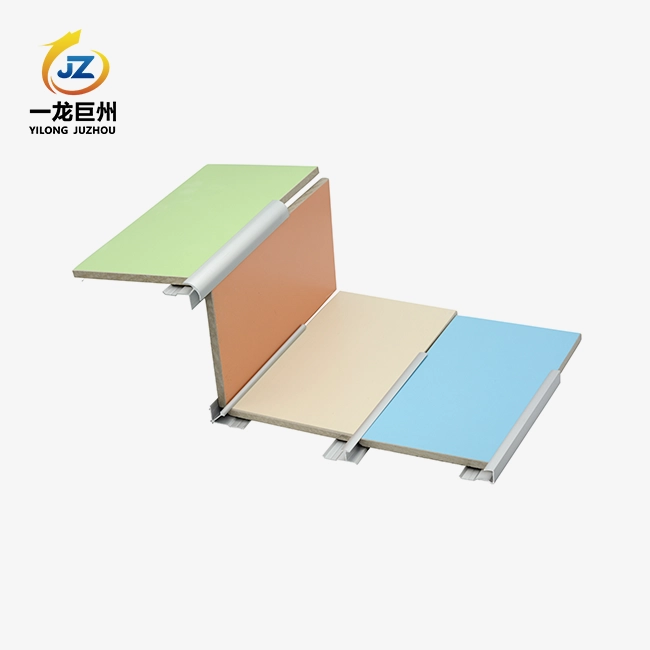
- Confirm customization compliance — YILONG JUZHOU panels are available in thicknesses ranging from 4.5mm to 20mm, widths of 1220mm, and lengths up to 3050mm. OEM and ODM orders are accepted, and certification documentation must cover the specific substrate-coating combination in the custom configuration, not just a reference product.
- Evaluate installation protocol documentation — Certified performance depends on certified installation. The quick pressure-strip installation method used with these panels is factory-engineered to maintain surface integrity. Procurement contracts should specify that installation teams follow supplier-provided technical guidelines to preserve warranty validity.
- Factor lifecycle cost, not unit price — Non-certified panels may appear cost-competitive at the purchase stage. However, panels that fail antibacterial performance testing mid-contract in a healthcare or pharmaceutical environment generate remediation costs that dwarf initial savings.
If you follow these steps consistently, they will greatly lower the risk of purchasing things for both US projects and international export deals.
After-Sales Support as a Compliance Asset
A quality guarantee that lasts for three years, response times of less than 24 hours, and an in-house stock of more than 50,000 m² all point to operating stability for hospital decoration solid color 10mmUV Antibacterial panels. Having suppliers with short production lead times (3–7 days) and the ability to ship through major sea ports like Shenzhen, Guangzhou, and Shanghai is very helpful for procurement teams that are in charge of managing phased construction timelines or multi-site rollouts.
Future Trends and Evolving Safety Standards in Antimicrobial Panel Technology
The rules about antibacterial building materials are getting stricter, not looser. In the US, the EPA is continuing to look more closely at surface antimicrobial claims, needing documented facts on effectiveness instead of general marketing claims. The EU is harmonizing material safety directives to make them less inconsistent between member states. This will change the rules that international distributors must follow when importing goods.
Smart Integration and Standards Harmonization
With better accuracy and less energy use, UV LED technology is making the curing process better. Smart sensor integration, which means tracking surface conditions in real time through wall panel systems, is a new idea that could finally connect to building management platforms. Buyers who work with companies that are putting money into research and development now will be in a better position as these standards change. YILONG JUZHOU has two production bases in Foshan and Xianyang. These bases allow for flexible manufacturing that is in line with both current standards and compliance changes that are planned for the future.
Conclusion
Certified UV antibacterial panels are a good long-term investment for procurement teams that put safety, hygiene, and code compliance first. It meets all the needs of healthcare, commercial, and industrial standards with its strong physical properties, low VOC emissions, and antibacterial performance that has been confirmed by ISO 22196. It is also fire-resistant according to GB 8624 Class A. The three most important choices in responsible panel buying are to check third-party certifications, ask for full technical documentation, and work with makers who offer clear after-sales support.
FAQ
Q1: Do UV antibacterial panels require special maintenance to retain their certified performance?
Aside from regular washing, there is no special upkeep that needs to be done. The silver-ion antibacterial agents are linked to the UV-cured polymer matrix so they don't dry out or wash away. Regular cleaning gets rid of physical dirt that could hide the active surface. The antibacterial qualities will last as long as the panel does, as long as the surface stays intact.
Q2: Which certifications are most important for US commercial procurement?
Buyers should look for antibacterial test results that are in line with ISO 22196, fire classifications that are in line with GB 8624 (or ASTM E136), CE marking for foreign supply chains, and VOC emission compliance that meets CARB Phase 2 standards. For healthcare uses, following the rules for EPA registration for antimicrobial claims is another thing that needs to be done with care.
Q3: Can panels be ordered in custom dimensions with full certification coverage?
Yes, YILONG JUZHOU does take OEM and ODM orders for thicknesses ranging from 4.5 mm to 20 mm and lengths of up to 3050 mm. The specific product configuration is covered by the certification paperwork. You can get free samples, which are usually sent out within 3–5 days. This lets buying teams check the products on their own before committing to large orders.
Partner with YILONG JUZHOU — Certified UV Antibacterial Panel Supplier
YILONG JUZHOU offers CE-certified and ISO-compliant UV antibacterial panels made in two factories in China. These panels come with a three-year quality guarantee and a promise to respond within 24 hours. Our team can help you with scientific documentation, free samples, and OEM/ODM support, whether you are looking for materials for business development, a pharmaceutical facility, or a hospital renovation. To get a price right away, email us at cnyang2000114@gmail.com.
References
1. Grand View Research. Antimicrobial Coatings Market Size, Share & Trends Analysis Report. 2023.
2. International Organization for Standardization. ISO 22196: Measurement of Antibacterial Activity on Plastics and Other Non-Porous Surfaces. 2011.
3. ASTM International. ASTM D3359: Standard Test Methods for Rating Adhesion by Tape Test. 2022.
4. National Fire Protection Association. NFPA 101: Life Safety Code. 2021.
5. U.S. Environmental Protection Agency. Antimicrobial Pesticide Registration and Regulation under FIFRA. 2022.
6. California Air Resources Board. CARB Phase 2 Formaldehyde Emission Standards for Composite Wood Products. 2020.

Send Inquiry

Related Industry Knowledge
- How to Choose a Coated Aluminum Composite Panel
- PE aluminum composite board vs PVDF: Which Is Better?
- Top 10 Interesting Facts about Aluminium Composite Panels
- Inorganic pre-coated panels Color Stability and Weather Resistance
- ACP Sheets: Pros, Cons, and Uses Explained
- Ultimate Fiberglass resin board for Beginners
- UV light curing board Gloss Finish and Surface Performance Guide
- Inorganic pre-coated panels vs Organic Coated Boards Comparison
- Medical Clean Board for Hospital Wall and Ceiling Systems
- Top 10 Tips for Working with Aluminum Composite Material Panels