
Top 10 Interesting Facts about Aluminium Composite Panels
August 27, 2026
Coated aluminum composite panels have transformed the construction and design industries over the past three decades, offering architects, developers, and procurement managers a versatile solution that balances aesthetics with performance. These engineered materials—comprising two aluminum sheets thermally bonded to a core material with advanced surface coatings—address critical challenges in modern building projects, from fire safety compliance to long-term durability. Whether you're specifying materials for a healthcare facility, airport terminal, or commercial office tower, understanding these panels' unique characteristics helps you make informed decisions that align with project goals and budget constraints.
What Are Coated Aluminum Composite Panels and Their Core Structure?
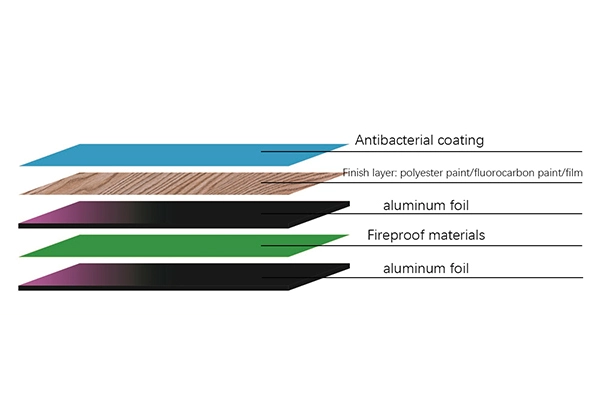
Sandwich construction is at the heart of these panels' design, which changes the way we think about wall coverings and decorating inside. Two very thin layers of aluminum, usually between 0.1 mm and 0.5 mm thick, surround a refractory core material that keeps the structure strong while still being light. This engineering method lowers the weight of the panel as a whole by about 40% compared to solid aluminum sheets. This directly addresses worries about structural load in high-rise uses.
The Role of Protective Surface Coatings
Different surface treatments make premium panels stand out from standard ones. Coatings made of PET film, PVC film, and PP film keep the aluminum surface from rusting and from damage from the environment while also giving you a lot of design options. When these coats are made, they go through strict quality control checks that make sure they stick well and work well for a long time. The chemical bonding process makes a shield that protects against UV rays, acid rain, and pollution that are common in cities. This protective layer is especially liked by procurement teams looking at materials for hospitals or drug facilities because it makes cleaning easier and keeps surfaces clean, which is important for preventing infections.
Manufacturing Precision and Quality Assurance
Using controlled temperature and pressure, continuous lamination technology joins the core with aluminum skins that have already been coated. According to ASTM D903 testing standards, this process, which has been improved over many years of industry growth, provides a constant bonding strength of more than 7N/mm. Quality control checks are done at different stages of production to make sure that the dimensions are correct and that the coating is the right thickness. We strictly follow the rules for ISO and CE approval, so we can promise that every panel that leaves our factories in Shaanxi or Guangdong meets international performance standards.
Benefits of Coated Aluminum Composite Panels for Commercial Applications
These days, building materials need to be able to do a lot of different things without falling short on any of them. The engineered composition and special coatings on these panels make them up to the task.
Fire Safety and Regulatory Compliance
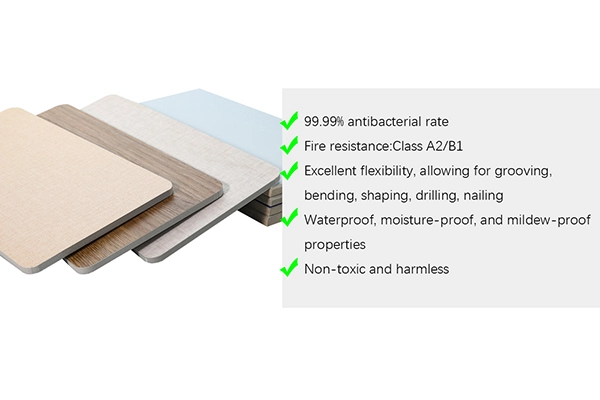
These woodgrain aluminum composite panels are good for projects that need to meet strict safety standards because they have Class A2 or B1 fire resistance ratings. Flame-retardant chemicals in the refractory core material stop fires from spreading and lower the amount of smoke that is produced during heat events. This quality is very important when choosing materials for subway stations, airports, train stations, and other places with a lot of people where fire safety is required by building codes. Procurement managers working on healthcare projects like these are rated because they meet the needs of both local building officials and insurance underwriters, which speeds up the approval process.
Environmental Resistance and Longevity
Panels that are waterproof, resistant to wetness, and resistant to mildew last longer in harsh settings. Materials in food processing plants, drug factories, and tunnel installations are exposed to chemicals, changes in humidity, and changes in temperature that speed up the breakdown of less durable materials. The protective layer on the outside keeps water from getting into the core, and the aluminum skins stop the corrosion that happens to ferrous metals. This durability directly leads to lower upkeep costs and longer replacement cycles, giving a clear return on investment over a normal 15–30-year service life.
Installation Efficiency and Design Flexibility
Fabricators like how easy the material is to work with because it can be drilled, nailed, and bent with standard tools. Panels are very flexible, so they can bend around curved parts of architecture. This lets them make unique exteriors and interiors that set commercial properties apart. Customizable sizes, including heights over 3 meters, get rid of gaps in obvious places, making the overall look more seamless. When compared to traditional materials, installation teams finish projects faster, which lowers labor costs and speeds up building, which is very important for scheduled developments.
Types and Specifications for Diverse Project Requirements
When choosing materials, you have to make sure that the technical requirements match the needs of the project and that performance requirements are balanced with budget limits.
| name | aluminun composite wall panel | thickness | 4mm |
| structure | layer+aluminum+core+aluminum+layer | size | 1220x2440-7000mm |
| layer | PP/PVC/PET/HPL/Polyester paint | fireproof | A2 and B1 |
| thickness of aluminum | 0.1-0.5mm | color | Customizable |
Thickness Options and Structural Considerations
Thicknesses of 2mm, 3mm, 4mm, 5mm, and 6mm are all available, giving you choices that fit different structural needs and ways of installing them. When weight reduction is important, thinner profiles work well for interior partition walls in hotels and office buildings. On the other hand, thicker panels offer better rigidity for exterior uses or places that need more impact resistance. The link between thickness and spanning capacity affects the design of sub-framing, which could lower the cost of support structures in big buildings like arenas or meeting centers.
Width and Length Customization
Standard widths of 1220mm, 1500mm, and 2000mm can fit a variety of architectural modules. Customizable lengths get rid of wasteful material and cut down on installation joints. This adaptability is especially helpful for projects with non-standard sizes, like art galleries, gyms, and medical esthetic centers, where custom solutions are needed because of the way the space is set up. When purchasing for multiple sites, procurement teams can make sure that all properties have the same specs while still being able to adapt to site-specific differences. This makes managing inventory easier and makes sure that all portfolio holdings look the same.
Surface Finishes and Aesthetic Versatility
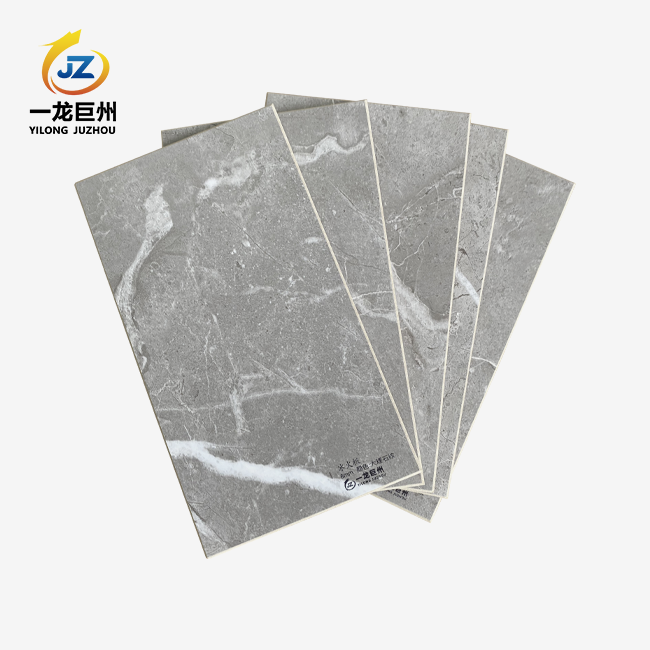
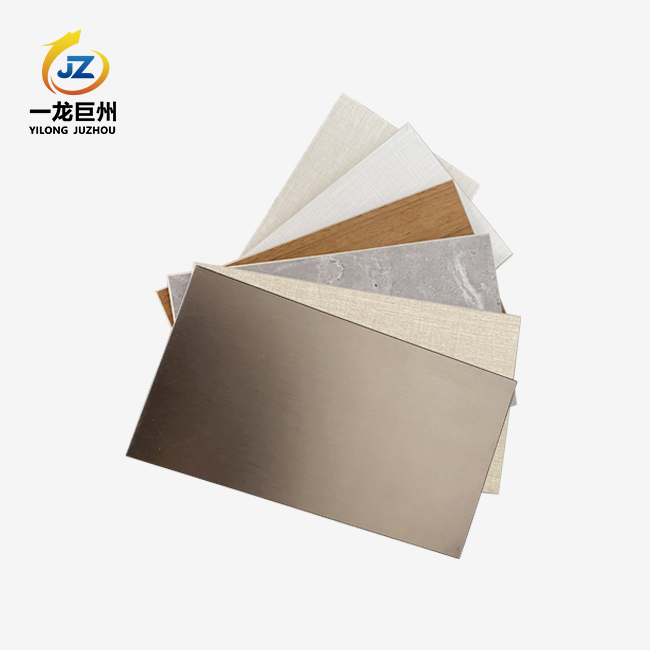
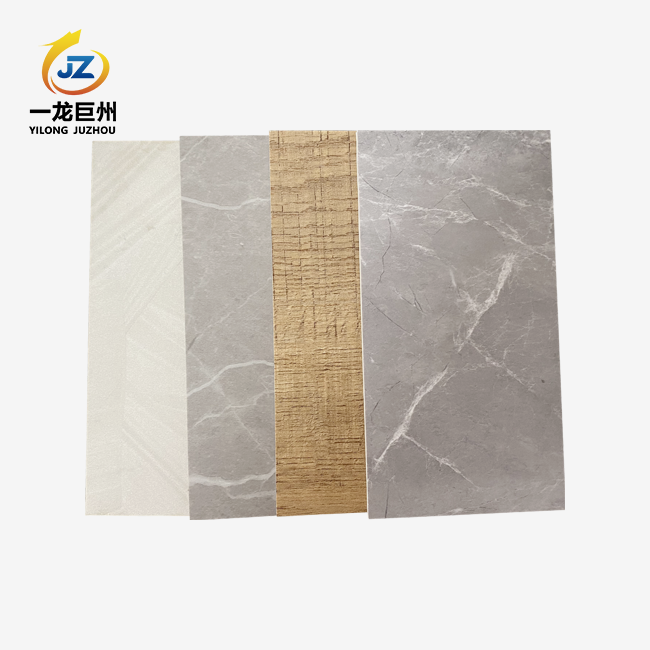
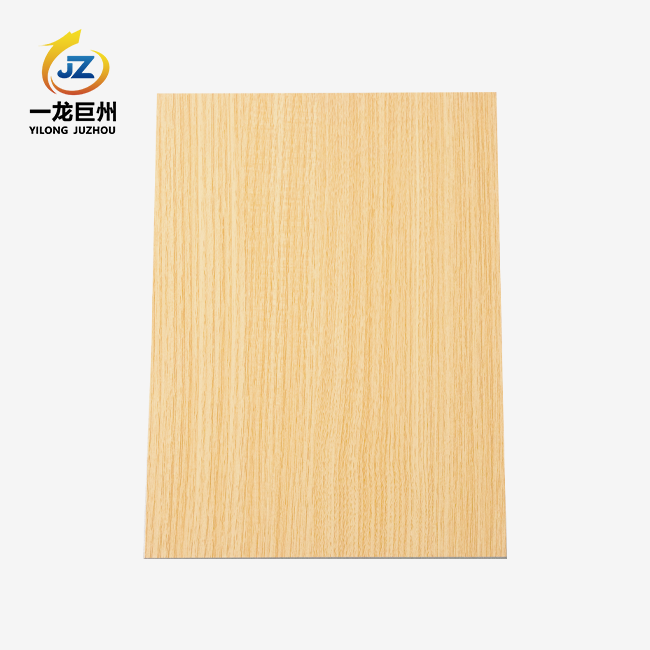
You can choose from basic colors, woodgrain textures, marble patterns, metallic finishes, and cloth patterns, among other color and pattern choices. This variety lets designers achieve certain looks without having to switch between material systems. Aluminum composite panels with woodgrain patterns look like real wood, but you don't have to worry about damage from water, bugs, or UV light. Marble aluminum composite panels look luxurious but are a fraction of the weight and cost of real stone. This means that high-end finishes can be used in places where weight limits are an issue. The thickness of the metal skin, which ranges from 0.1mm to 0.5mm, affects how rigid the surface is and how resistant it is to dents. This helps specify choices for high-traffic versus artistic uses.
Comparison with Alternative Cladding Solutions
When you evaluate materials, you need to know how they compare in a number of ways that affect the overall cost of the job and your happiness in the long run.
Advantages Over Traditional Materials
When compared to solid aluminum sheets, marble aluminum composite panels are just as rigid but much lighter and cost a lot less. The sandwich structure doesn't let the oil-canning effect (visible waves in large metal sheets) happen, so it stays flat, which is important for corporate identity applications and branded environments. Compared to stainless steel cladding, composite panels are easier to make, take less time to install, and don't need as much structural support. They also resist corrosion just as well in most commercial settings.
Environmental Considerations
A composition that doesn't contain formaldehyde, smell bad, or give off radiation is in line with green building standards and business sustainability efforts. The metal parts can still be recycled completely when they're no longer useful. This supports the ideas of a circular economy, which are valued by government agencies and business clients. Embedded carbon is lower when compared to solid metal alternatives because less energy is needed to make them. This helps projects meet LEED or similar environmental performance goals. These qualities are important to procurement teams in schools, hospitals, and public places that care about the health and safety of their residents and the surroundings.
Cost-Effectiveness and Value Engineering
The total cost of the project's materials is one part of its economics. Because these panels are lightweight, they don't need as much structural support, and they can be put up faster, which saves money on labor costs. Low care needs over many years of use remove the need for constant refinishing or replacement costs that come with materials that break down due to weathering, corrosion, or biological growth. When looking at lifecycle costs instead of just the initial purchase price, value engineering analysts often find that composite panels are the best solution.
Procurement Strategies for Large-Scale Projects
Getting the right materials requires balancing quality control with budgeting, as well as paying attention to what the provider can do and what the project needs.
Supplier Evaluation Criteria
Checking the certification makes sure that the rules for China's environmental protection, ISO quality management, and CE safety are followed. Delivery reliability is directly affected by production capacity. Facilities with a 50,000 m² stock inventory and 3–7-day production processes can meet both pressing needs and planned purchase plans. For logistics optimization, where the suppliers are located is important. Suppliers with production bases in Shaanxi and Guangdong provinces and easy access to major seaports like Shenzhen, Guangzhou, Shanghai, and Qingdao offer flexible routing that keeps freight costs and transit times for international shipments under control.
Customization and Technical Support
OEM and ODM acceptance lets developers who are in charge of multiple properties or distributors who serve regional markets make goods that are special to their brands. Design and installation expert services keep things running smoothly on-site. This is especially helpful when working with installation teams that aren't familiar with composite panel systems. Customization of samples in 3–5 days lets project teams check the finish quality, color accuracy, and fabrication features before committing to full orders. These tests find problems early on, so changes in the middle of the project don't have to be made, which can be expensive.
Quality Assurance and Warranty Terms
Three-year quality guarantees lower the risk of big investments and show that the maker trusts the product to last. Respondent customer service, with promises of a response within 24 hours, handles technical questions, settles disagreements over specifications, and organizes delivery logistics that are necessary to keep construction schedules on track. When procurement managers are looking to build long-term relationships with suppliers, they look for partners who can consistently provide high-quality work, communicate clearly, and be flexible when project conditions change.
Conclusion
Procurement specialists, architects, and project managers can confidently specify materials by knowing these ten facts about coated aluminum composite panels. The engineered structure has metal skins with protective coatings and refractory cores. It provides fire safety, protection to the environment, and design freedom that are important for modern business, healthcare, and educational projects. Customization choices for thickness, size, and finish make it suitable for a wide range of uses, from train stops to shopping malls. When you compare performance to other materials, you can see that some are lighter, cheaper, and easier to install, which is good for the project's bottom line. By choosing suppliers with verified certifications, enough production capacity, and quick technical support, you can be sure that the project will go smoothly from the planning stages to installation and long-term performance.
FAQ
1. What determines the lifespan of these panels?
Service life of 15 to 30 years, depending on the environment, how well it is maintained, and the quality of the coating. PVDF coats last longer than PE finishes in outdoor settings, and proper fitting that stops water from getting behind panels also makes them last longer.
2. How do fire ratings affect project approval?
Classifications A2 and B1 show that the material is not flammable and won't catch fire, respectively. These ratings are usually required by building codes for hospitals, schools, subways, and airports. This means that certification paperwork is very important when applying for permits and during inspections.
3. Can panels be recycled after building demolition?
Aluminum parts can still be recycled in their entirety, which supports environmentally friendly building methods. Separation processes get the aluminum skins back so they can be remelted. Core materials, on the other hand, may be recycled or turned into energy, depending on their make-up and the waste management system in the area.
Partner with YILONG JUZHOU for Your Next Project
YILONG JUZHOU has been making products for decades and has great customer service. This makes us a trusted seller of Coated aluminum composite panels for demanding industrial and institutional uses. Our two production facilities, one in Shaanxi and one in Guangdong, keep a large inventory and can make things quickly, so your project stays on schedule. We offer free trials so that you can fully evaluate our products before making a decision. We also offer full OEM and ODM services that are tailored to your needs. Our engineering team helps with design and installation, and all of our products come with a three-year quality guarantee. You can talk to us about your needs, get detailed data sheets, or set up sample delivery within 3–5 days by emailing cnyang2000114@gmail.com. Within 24 hours, our team will respond to help you with your procurement decisions.
References
1. Chen, W., & Liu, T. (2021). Advanced Composite Materials in Modern Architecture: Design and Performance. Building Materials Press.
2. International Code Council. (2020). Fire Safety Requirements for Interior Finishes in Commercial Buildings. ICC Publications.
3. Martinez, R. (2019). Sustainable Cladding Systems: Lifecycle Assessment and Environmental Impact. Green Construction Journal, 15(3), 112-128.
4. National Fire Protection Association. (2022). NFPA 285: Standard Fire Test Method for Evaluation of Fire Propagation Characteristics. NFPA Standards.
5. Smith, J., & Anderson, K. (2020). Aluminum Composite Panel Technology: Manufacturing Processes and Quality Control. Materials Engineering Quarterly, 42(2), 67-89.
6. Zhang, H. (2018). Coating Technologies for Metal Building Materials: Durability and Aesthetic Performance. Construction Materials Science, 28(4), 203-221.

Send Inquiry


Related Industry Knowledge
- Fire-Retardant ACP Panels: Elevating Safety Standards in Modern Infrastructure
- UV Antibacterial panels Material Structure and Coating Technology
- How Do UV Antibacterial panels Improve Indoor Hygiene Levels?
- Fiberglass Resin Board: Composition, Performance, and Industrial Applications
- Ultimate Fiberglass resin board for Beginners
- What Makes UV Antibacterial panels Effective Against Surface Bacteria?
- Inorganic pre-coated panels vs Organic Coated Boards Comparison
- What Is Medical Clean Board and Where Is It Used?
- Exploring Modern Aluminum Composite Panel Innovations
- What are the common issues faced during aluminum panel installation, and how to avoid them?