
A2 Aluminum Composite Panel vs. Standard ACP: Key Differences
September 28, 2026
When specifying interior wall cladding for commercial or public buildings, the choice between an A2 aluminum composite panel and a standard ACP carries real consequences for safety, compliance, and long-term cost. An A2 panel features a mineral-based non-combustible core — typically containing over 90% inorganic material — bonded between two aluminum skins, achieving Class A2-s1,d0 under EN 13501-1. Standard ACP products use polyethylene (PE) or partially fire-retardant cores that can ignite and sustain flame spread. Understanding this distinction is the starting point for every procurement decision involving fire-regulated spaces.
Understanding A2 Aluminum Composite Panels and Standard ACP
What Separates These Two Panel Types at the Core Level
Inside the core of every composite wall panel is what makes it structurally unique. A standard ACP is made with a low-density polyethylene core, which is light and easy to make but can catch fire. A fire-retardant (FR/B1) version has about 50–60% more minerals in it, which makes it self-extinguishing in controlled settings, but it still burns.
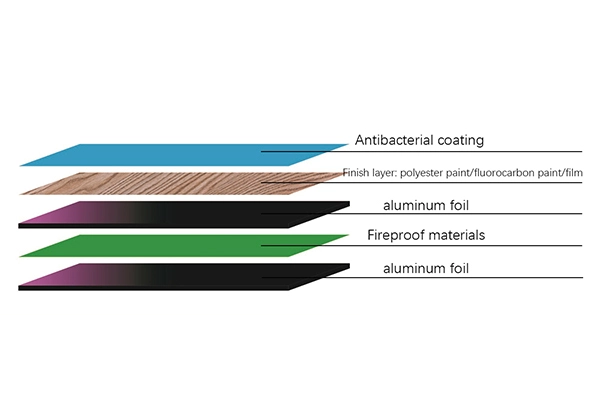
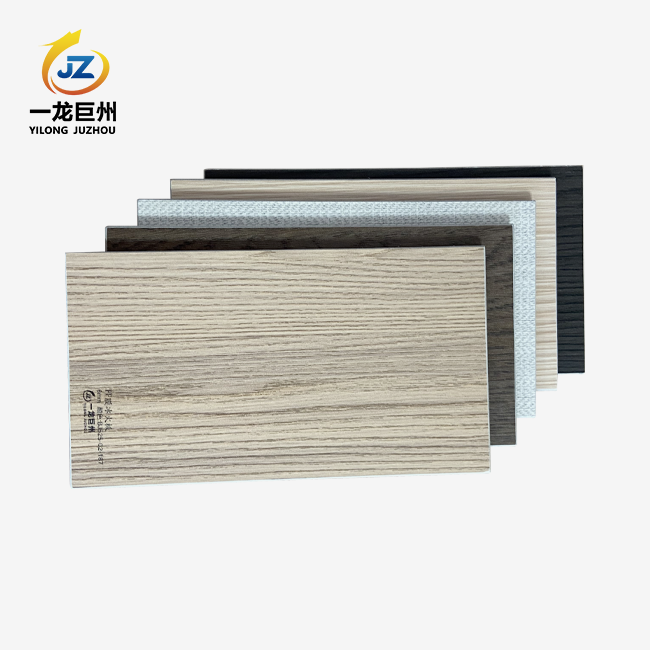
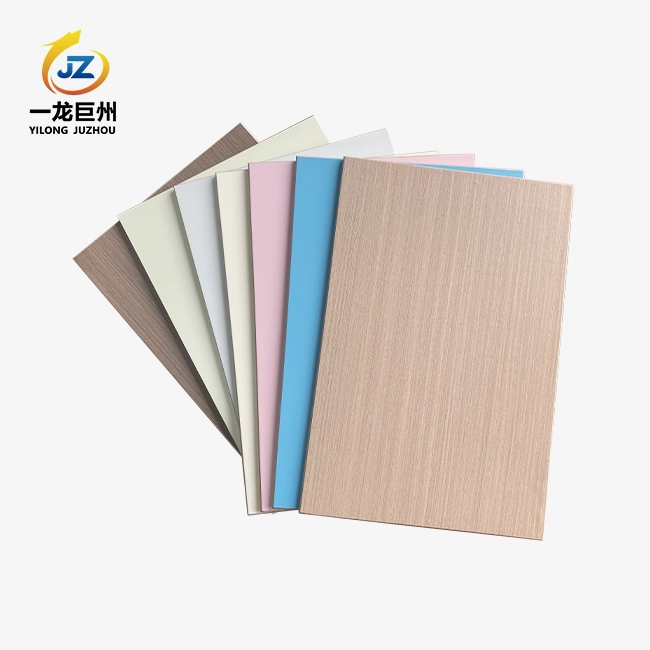
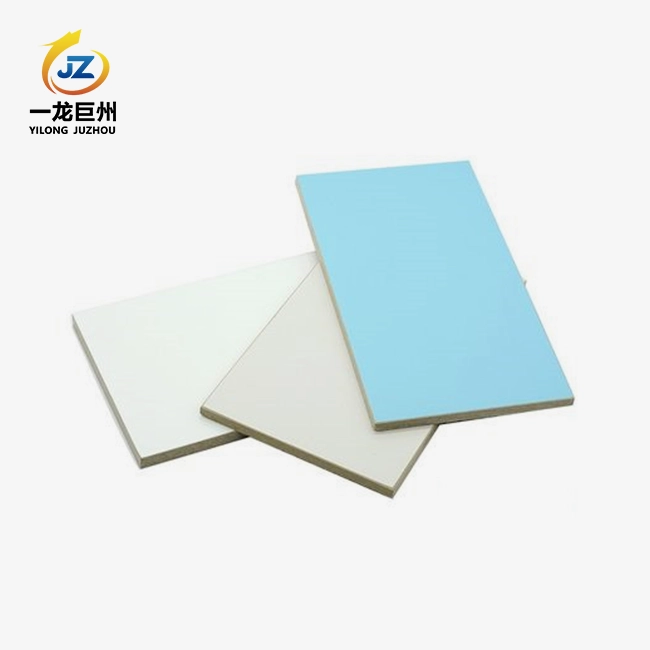
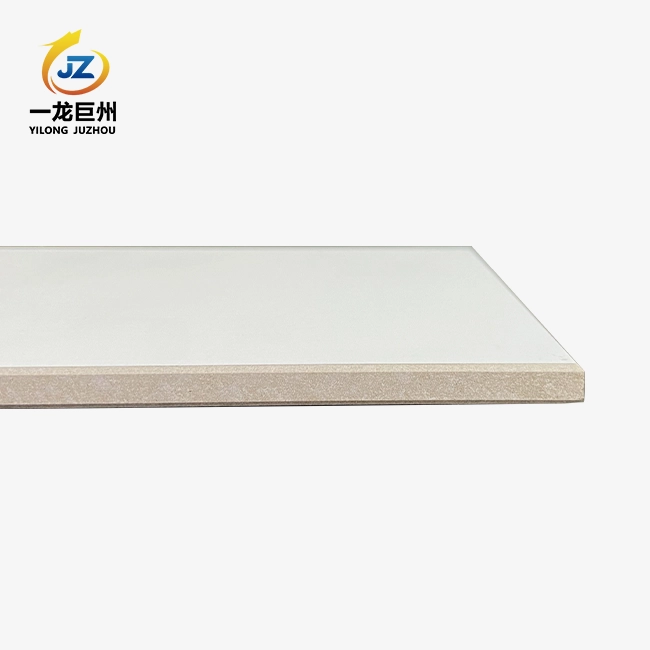
The flammable layer is replaced in an A2 aluminum composite panel with a refractory solid center that has more than 90% magnesium hydroxide or aluminum hydroxide. This core has a Gross Calorific Potential (GCP) of less than 3 MJ/kg, which meets the requirements of ISO 1716 for not catching fire. Both types of panels are made of a sandwich shape, with a metal skin on each side and a core glued between them. The thicknesses of aluminum skins that are available range from 0.1 mm to 0.5 mm. Polyester paint, PET film, PVC film, and PP film are all surface finishes that can be used to create a wide range of looks, from basic colors to woodgrain, marble, metallic, and cloth designs.
Key Differences in Fire Safety and Performance
Fire Rating: A2-s1,d0 vs. Class B or C
The European classification system EN 13501-1 uses letter grades (A1 to F) for the reactivity to fire testing. A2-s1,d0 signifies the material is almost impossible to burn, produces very little smoke (s1), and no burning drops (d0), both of which are particularly significant in evacuations of enclosed spaces. Standard PE-core panels are often Class C or D rated, which means they will allow flames to spread and produce a lot more smoke.
In the US, NFPA 285 governs fire spread on buildings over 40ft tall. This section discusses exterior cladding systems. Procurement teams purchasing panels for high-rise or public buildings need to make sure the test reports from respected labs like Intertek or SGS accurately represent the actual product configuration and not a phony sample.
Durability, Moisture Resistance, and Environmental Compliance
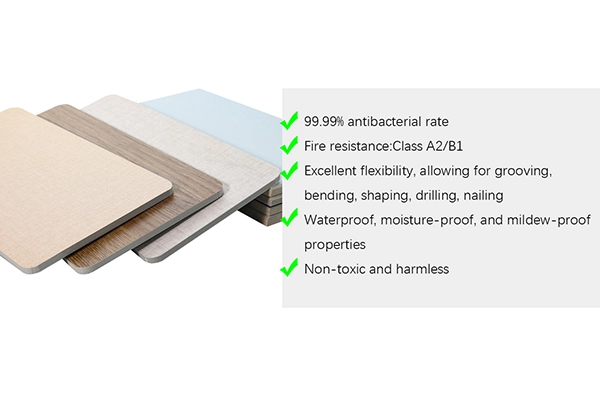
Not only are they good at combating fires, but A2-rated panels are also superior in regions that are vulnerable to dampness and have a lot of foot traffic. The inorganic mineral core does not absorb water. Thus, the panel is waterproof, moisture-resistant, and mildew-resistant. All of these are very significant traits in places such as train stops, hospitals, and food processing industries. The core of these panels is formaldehyde-free, non-radiant, and has a pleasant scent, thereby meeting green construction environmental criteria. This is becoming increasingly critical for US institutions that wish to buy products.
Comparative Benefits and Drawbacks for Procurement
Before committing to a standard, people who work in procurement need to get a fair view of the A2 ACP board. Here are the main reasons why A2-rated cladding is a good choice for projects that need to be safe:
- Non-combustible core performance: The mineral composition keeps the calorific value of the panel below the regulatory standards, directly lowering the risk of fire propagation in populated structures including airports, hospitals, conference centres and metro stations.
- Fabrication flexibility: Even with the denser core, panels can still be drilled, nailed, bent and cut to shape. Heights beyond 3 metres are possible (on special order), supporting enormous uninterrupted wall runs in stadiums, art galleries and hotel lobbies.
- Environmental credentials: Zero formaldehyde, zero radiation, no dangerous off-gassing—these panels are suitable for projects looking for LEED or other green building certifications.
- Structural resilience. The panel doesn’t shatter on contact, a practical feature in high-traffic environments such as gyms, train stations, and school hallways.
These benefits mean that building owners will pay less for insurance and have lower lifetime costs. Still, buying teams should be ready for two real problems. A2 panels are heavier than PE-core options—about 7–8 kg/m² at 4 mm thickness—so early estimates of the foundation load need to be done. Because the material core is rough, regular cutting tools wear out faster. To keep labor costs down, makers should use carbide or diamond-tipped tools.
For interior projects with lower risk and limited budget, like residential fit-outs or temporary partitions, standard ACP may still be a good choice. It's easiest to defend the higher performance of A2 materials in places where building rules require non-combustible covering or where there is a high risk to people's safety.
Procurement Guide: Sourcing A2 Aluminum Composite Panels Globally
Evaluating Suppliers: Certifications and Testing Come First
Documentation is the first step in checking out a supplier. Real A2 panels must have up-to-date test certificates from reputable third-party laboratories that reference EN 13501-1 or NFPA 285. The best way to tell the difference between a real A2 core and a fake B1 blend is to get an ash content test result that shows the core residue after burning has more than 90% inorganic mineral content. Any real quote should also include peel strength data (per ASTM D1781), since high mineral loading can make it harder for the core and metal skins to stick together.
When doing business with a manufacturer in another country, make sure that they have both ISO and CE certifications, as well as any domestic environmental compliance marks. The Shaanxi Yilong Juzhou Material Technology Co., Ltd. has two production bases: one in the Xianyang High-tech Zone in Shaanxi Province and one in Foshan City in Guangdong Province. The company ships its goods through major Chinese seaports like Shenzhen, Guangzhou, Shanghai, and Qingdao, and its products can also be sent by land through Xi'an, Guangzhou, Shenzhen, and Foshan. The wait time for production is 3–7 days, and 50,000 m² is kept in stock to meet pressing project deadlines.
Specifications, Customization, and Sample Availability
The A2 metal Aluminum Composite panel comes in standard widths of 1,220 mm, 1,500 mm, and 2,000 mm, and thicknesses of 2, 3, 4, 5, and 6 mm. Length can be customized to any requirement, and panels longer than 3 meters are feasible. OEM and ODM services can meet brand-specific requirements or non-standard configurations. Free samples are available in 3–5 days, which allows procurement teams to verify the product quality themselves before committing to large orders.
Making the Final Decision: A2 Aluminum Composite Panel or Standard ACP?
When the project background is clear, the decision structure is easy to use. Any building taller than 18 meters, any place that helps vulnerable people (like hospitals, schools, and clinics), or any place where a lot of people gather (like airports, stadiums, and transit hubs) should use A2-rated panels by default unless project-specific analysis shows otherwise. In addition to meeting regulatory requirements, A2 panels lower insurance risks, help with sustainability certification, and lower long-term maintenance costs in places that tend to get wet or are active with chemicals.
Standard ACP can still be used in low-rise, low-risk spaces where Class B or C materials are allowed by fire rules and cost is a big concern. The most important thing is to be honest about the project's risks and not just go with the cheapest choice when the safety of the people inside or code compliance is at stake.
Conclusion
In the end, the choice between an A2 aluminum composite panel and a standard ACP comes down to risk and compliance. In controlled environments, standard PE-core panels can't compare to A2 panels when it comes to not catching fire, being resistant to water, giving off no harmful emissions, and being easy to shape. The performance case is clear for hospitals, schools, airports, stadiums, restaurants, and the inside of high-rise buildings in the US and around the world. When procurement teams base their specification process on approved test data instead of just price, they protect their projects, the people who live or work in them, and their long-term legal exposure.
FAQ
Q1: What is the practical difference between B1 fire-retardant ACP and an A2 panel?
B1 panels are made up of 50–60% minerals. They put out their own fires when the flame source is taken away, but they still burn and give off gases that can catch fire. A2 screens are made of more than 90% minerals, can't catch fire, and meet official ISO 1182 standards for not catching fire. Current building codes say that only A2 or A1 materials should be used for high-rise or public buildings.
Q2: How do I verify that a supplier's A2 certification is genuine?
Ask for the original test certificate that was given by a recognized laboratory like SGS, Intertek, or Bureau Veritas, and make sure that it refers to the exact product batch and not just any panel type. Ask for a test report that shows the core mineral waste is more than 90% by ash content.
Q3: Are A2 panels harder to install than standard ACP?
The ways to install them are mostly the same. Because the panels are heavier, the substructure load capacity needs to be considered, and carbide tools need to be used for cutting and routing because the core is rough.
Q4: Can custom sizes and surface patterns be ordered?
Yes. Panels come in widths of up to 2,000 mm, thicknesses of 2 to 6 mm, and lengths that can be customized, even for runs longer than 3 meters. There are plain color, woodgrain, marble, metallic, and cloth design choices for the surface, and OEM and ODM services are available.
Partner With YILONG JUZHOU for Certified A2 Aluminum Composite Panel Supply
YILONG JUZHOU is a reliable company that makes A2 aluminum composite panels. They have two factories in China, one in Shaanxi and one in Foshan. They are certified by ISO and CE and have a 50,000 m² inventory that is ready to ship right away. We can customize for OEM/ODM, send free samples within 3–5 days, and answer all questions within 24 hours. You can email our team at cnyang2000114@gmail.com to get your detail sheet and custom quote right away.
References
1. European Committee for Standardization. EN 13501-1: Fire Classification of Construction Products and Building Elements. CEN, 2018.
2. National Fire Protection Association. NFPA 285: Standard Fire Test Method for Evaluation of Fire Propagation Characteristics of Exterior Non-Load-Bearing Wall Assemblies. NFPA, 2019.
3. International Organization for Standardization. ISO 1716: Reaction to Fire Tests for Products — Determination of the Gross Heat of Combustion. ISO, 2018.
4. International Organization for Standardization. ISO 1182: Reaction to Fire Tests for Products — Non-Combustibility Test. ISO, 2020.
5. Intertek Group. Testing and Certification of Aluminum Composite Panel Systems for Building Façades. Intertek Technical Reports Series, 2021.
6. Whole Building Design Guide (WBDG). Interior Wall and Ceiling Materials: Fire Performance and Specification Guidance. National Institute of Building Sciences, 2022.

Send Inquiry



Related Industry Knowledge
- What is an aluminum composite panel?
- What Is the Best Exterior wall ACP panel for Modern Facades?
- Why Paint Peels Off Aluminum Composite Panels and How to Fix It
- How Do UV Antibacterial panels Improve Indoor Hygiene Levels?
- How to Choose the Best Negative Ions Healthy Panel for Your Project
- Medical Clean Board for Hospital Wall and Ceiling Systems
- Where Are Antibacterial Wall Panels Most Commonly Used
- How to spray paint on aluminum composite panels
- How to install an aluminum composite panel?
- The Rise of ACP Panels for Modern Kitchen Design