
Installation Guide for Inorganic pre-coated panels in Construction
September 28, 2026
Installing wall panels in a regulated commercial or healthcare environment is rarely straightforward. When the wrong material goes up, the consequences range from failed fire inspections to costly remediation. This guide walks you through everything you need to know about installing inorganic pre-coated panels — from site preparation to long-term maintenance — so your project stays on schedule, on spec, and built to last. Whether you're managing a hospital retrofit, a pharmaceutical cleanroom, or a subway tunnel lining project, the installation steps here apply directly to your work.
Understanding Inorganic Pre-Coated Panels and Their Benefits
What Makes These Panels Different
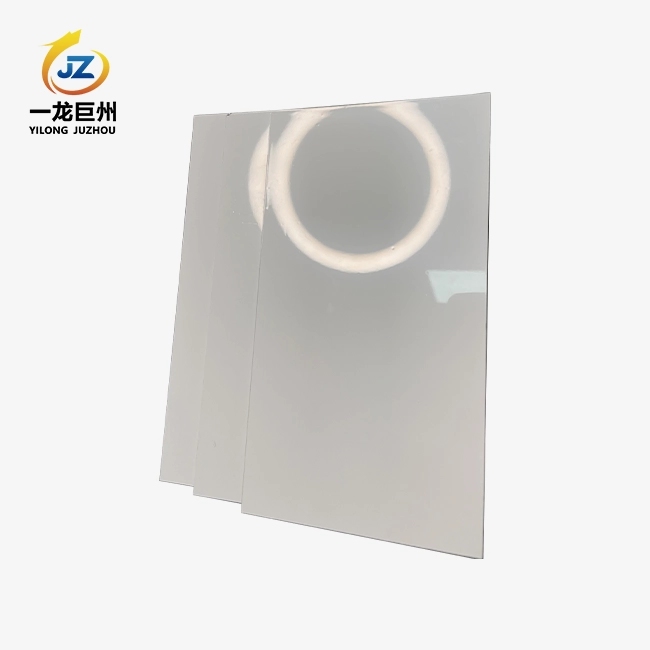
A UV antibacterial coating is applied to inorganic pre-coated panels from YILONG JUZHOU under factory-controlled drying conditions. Because that factory-bonded layer is chemically dense, it doesn't give off volatile organic compounds after it's been put in place. The room is ready to be used right away—there is no waiting time, and there is no smell.
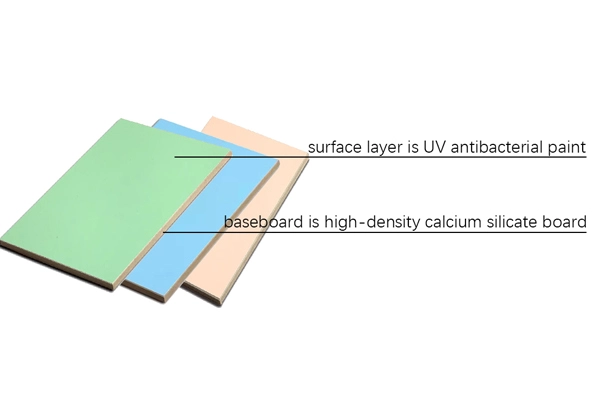
The qualifications for core success are important. Based on the GB8624 standard, these panels are non-flammable in Class A fires, kill 99.99% of germs, and are confirmed to be resistant to moisture and mold. When exposed to UV light, the film hardens to a Mohs hardness that makes it resistant to impact, stops wall cracks, and keeps its color over time, so there is no more batch-to-batch color drift that happens with painted boards.
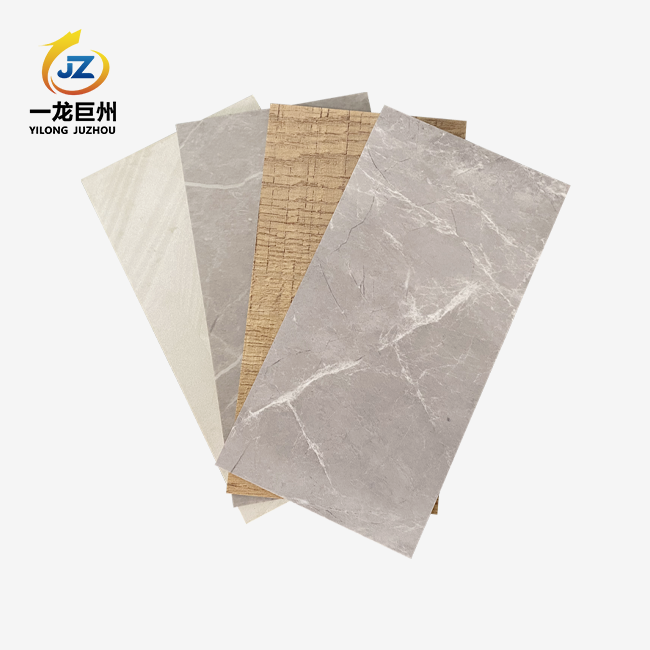
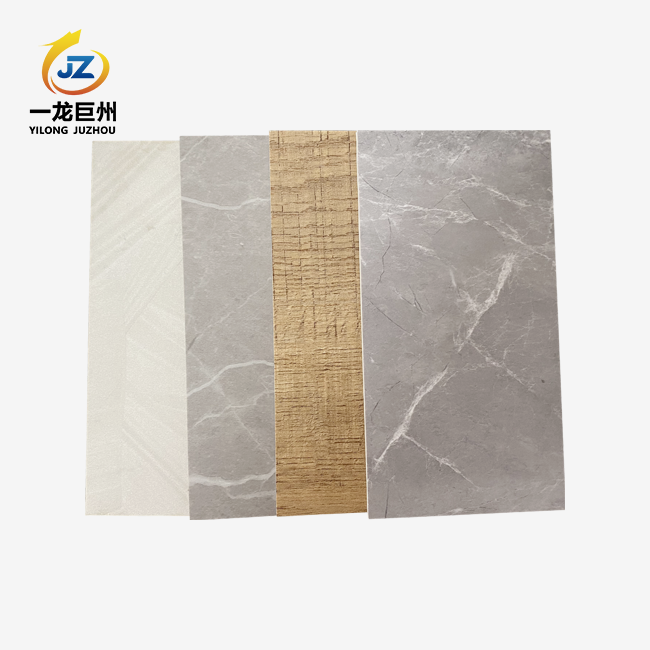
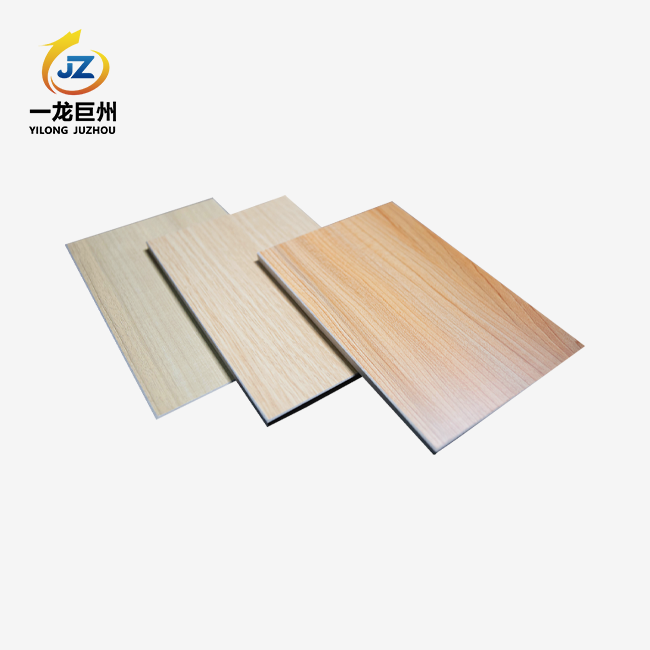
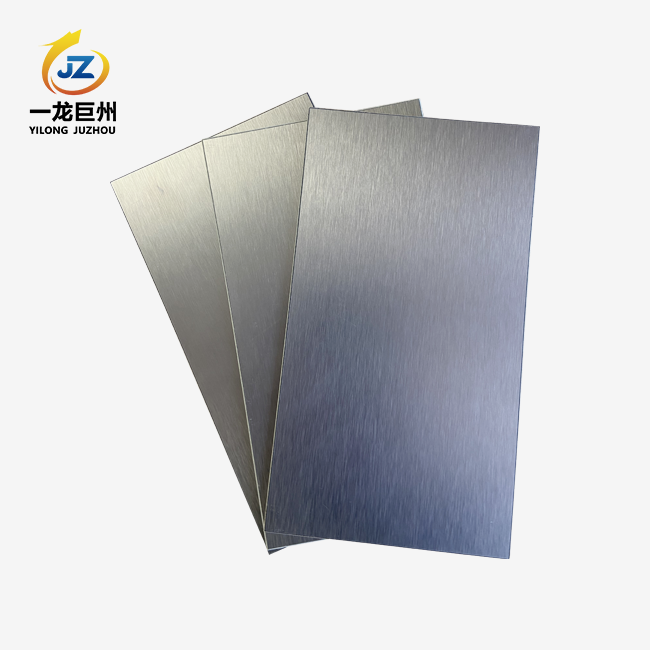
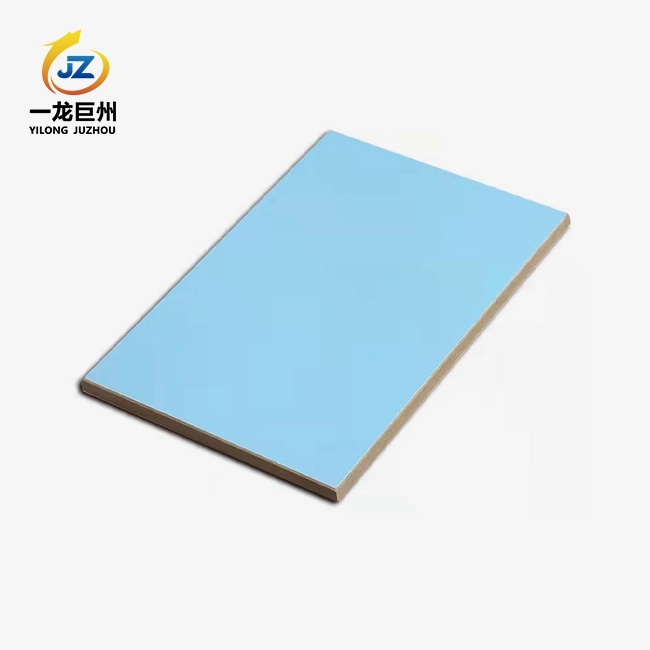
These panels come in a range of thicknesses, from 4.5 mm to 20 mm, and standard sizes, from 1220 mm x 2440 mm to a maximum height of 3050 mm. They can be used for a lot of different structural and aesthetic needs. There are different surface styles, such as solid color, wood grain, marble-patterned, metallic, and cloth-patterned choices. This gives architects and buying teams real design freedom while still meeting technical requirements.
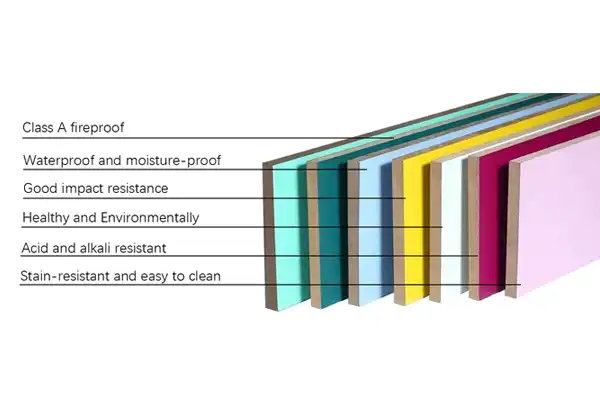
Because of these qualities, the medical clean board is perfect for places like hospitals, operating rooms, clean rooms, drug factories, food processing plants, subway stations, shopping malls, stadiums — places that need to be safe, clean, and long-lasting.
Preparing for Installation: Essential Pre-Installation Guidelines
Site Assessment and Coordination
The right way to install starts long before the first panel hits the wall. Work together with architects and structural engineers to make sure the substrate is compatible and that the load-bearing tolerances are met. Walk around the site to find places where water could get in, surfaces that aren't level, or thermal bridging that could make it harder to stick things together or line them up later.
Delivery checking is important. Check each shipment of panels against the order specifications. Use a spectrophotometer to make sure that the thickness, surface pattern, and color consistency of the batch are all the same if batch uniformity is important for the facade. Keep the panels flat, off the ground, in a dry place with good airflow. To keep the edges from getting squished, don't stack more than 10 panels per group.
Tools and Safety Requirements
Installation mistakes are less likely to happen when the right tools are on hand. To cut the calcium silicate base smoothly without chipping the UV coating, you need saw blades with diamond tips. They should be used with a professional dust extraction system because silicate dust is bad for your health and against OSHA rules for construction sites.
On the job site, people should wear dust masks with a N95 rating or higher, safety glasses, and gloves that won't cut. Make sure that the work area is well lit and that all electrical tools are grounded.
Step-by-Step Installation Process for Inorganic Pre-Coated Panels
A quick pressure strip system is used to place these inorganic pre-coated panels. It is factory-customized, dry-hung, and is meant to cut down on work time by a lot compared to adhesive-only methods.
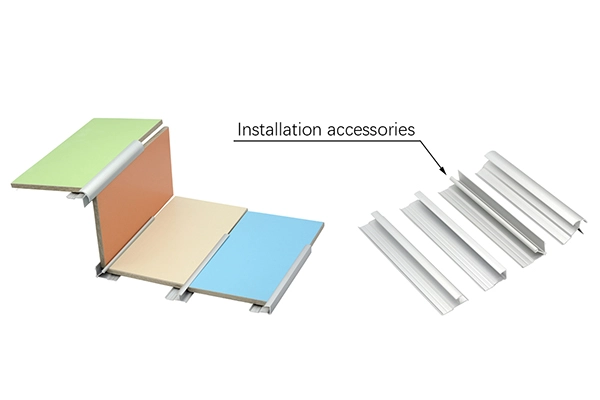
Here is the main order of installation:
- Substrate preparation: The mounting surface must be clean, dry, and flat. Tolerances greater than 3 mm over 2 meters require leveling compound or a secondary framing system. Confirm substrate material compatibility — concrete, steel stud framing, and masonry are all acceptable bases.
- Layout and marking: Snap chalk lines to establish horizontal and vertical reference points before any fastener goes in. Misalignment at this stage multiplies across the entire wall run.
- Fastener selection: Use stainless steel or hot-dip galvanized fasteners rated for the panel weight and substrate type. Avoid carbon steel in moisture-prone environments — corrosion at the fastener point is a leading cause of panel delamination over time.
- Panel alignment and fixing: Lock each panel into the pressure strip channel and confirm plumb and level before tightening. Expansion gaps of 3–5 mm between panels accommodate thermal movement and prevent buckling.
- Joint sealing: Fill perimeter joints and penetrations with a fire-rated, paintable sealant that matches the surface coating. This step is non-negotiable in Class A fire-rated assemblies — an unsealed joint breaks the fire barrier continuity.
These steps are based on real projects that have been done in the past, like installing train tunnels and remodeling hospital corridors. After installation, both fire safety and surface cleanliness are checked.
Post-Installation Care and Maintenance Tips
Inspection and Cleaning Protocols
The UV antibacterial covering on these screens lasts a long time, but it still needs to be maintained on a regular basis. Every six months, check installed panels for cracks in the joint sealant, corroded fasteners, or surface wear near corners that get a lot of use. Finding small wear early on keeps it from getting worse and causing structural or health problems.
Use a neutral pH cleaner and a soft cloth or non-abrasive mop to clean normally. Soap-based cleaners should not be used because they can break down the UV film over time. The artificial surface can handle repeated contact well in healthcare settings that use chlorine-based disinfectants, which is in line with ISO 14644 cleanroom maintenance guidelines.
Repair and Replacement
Inorganic touch-up paint that comes with the wall panels can be used to fix small scratches on the surface. To keep fire and hygiene certifications, medical antibacterial wall panels that have serious damage, like impact dents that weaken the calcium silicate core, need to be replaced. The dry-hung pressure strip method makes it easy to take down and put up individual panels, which keeps busy facilities running as smoothly as possible.
Procurement Considerations: Selecting and Ordering Inorganic Pre-Coated Panels
Evaluating Technical Specifications
When buying these panels, it's important to make sure that the thickness and type of covering are right for the purpose. A 6 mm panel is good for normal indoor walls, while 12–20 mm panels are better for high-impact areas like hallways and industrial walls. Check to see if your supplier has ISO, CE, and China Environmental Protection Standard Certifications. You should be able to see these documents before you sign the contract.
YILONG JUZHOU offers both OEM and ODM production, which means that custom sizes, color matching, and surface pattern development can all be done within a normal production wait time of 3–7 days. With a stock of 50,000 m², most large orders are shipped right away. Samples are sent out for free within 3–5 days, which is a good way to check color batches and surface quality before placing a full order.
Shipments go through the seaports of Shenzhen, Guangzhou, Shanghai, and Qingdao for foreign buyers. They can also be sent by land through Xi'an, Guangzhou, Shenzhen, and Foshan. Logistics paperwork and export rules are taken care of at the origin.
Conclusion
Installing a wall system correctly the first time makes all the difference between one that lasts for decades and one that needs to be fixed over and over again. Inorganic pre-coated panels offer quantifiable benefits in fire safety, hygiene performance, and long-term aesthetics across hospitals, transit infrastructure, and business areas when they are defined, handled, and placed using the pressure strip method. The material itself won't be changed. The steps outlined here for installation are doable with the right planning and skilled workers.
FAQ
Q1: How do inorganic pre-coated panels compare to aluminum composite panels for fire safety?
Standard aluminum composite panels usually have a plastic core that can catch fire, which means they can only be rated Class B for fire safety. Inorganic pre-coated panels have a calcium silicate base and meet the GB8624 non-combustible Class A standard, which is needed by most building codes for high-rise and underground uses.
Q2: Can surface scratches be repaired without replacing the panel?
Manufacturer-supplied inorganic touch-up paints work well for small scratches. Serious structural damage that weakens the core means that the whole panel has to be replaced to keep the fire rating and antibacterial surface integrity.
Q3: What lead time should I plan for custom orders?
It usually takes 3–7 days to make something. Custom OEM or ODM orders may take a little longer if the colors don't match or the sizes aren't standard.
Q4: Are VOC emissions a concern after installation?
The UV-cured inorganic coating doesn't have any benzene or volatile organic compounds in it. These screens meet all GREENGUARD and similar indoor air quality standards and can be put up right away, so the room can be used right away.
Partner with YILONG JUZHOU for Your Next Wall Panel Project
YILONG JUZHOU has two factories in Foshan and Shaanxi, China, where they make approved inorganic pre-coated panels. They have a stock of 50,000 m² and can make them in 3–7 days. We are a reliable supplier of inorganic pre-coated panels with customers in over 30 countries. We offer free samples, OEM/ODM customization, a three-year quality guarantee, and quick technical support. You can email us at cnyang2000114@gmail.com to ask for samples or talk about the details of your project.
References
1. ASTM International Standards for Building and Construction Materials — ASTM International, 2022.
2. GB 8624: Classification for Burning Behavior of Building Materials and Products — Standardization Administration of China, 2012.
3. Indoor Air Quality: VOC Emissions in Building Materials — U.S. Environmental Protection Agency, 2021.
4. ISO 14644-1: Cleanrooms and Associated Controlled Environments — International Organization for Standardization, 2015.
5. Fire Safety in Buildings: Non-Combustible Cladding Systems — National Fire Protection Association (NFPA) Handbook, 2020.
6. Calcium Silicate Board: Properties and Applications in Construction — Construction Materials Science Journal, 2019.

Send Inquiry

Related Industry Knowledge
- How to Choose PE aluminum composite board for Cladding
- Painting Aluminum Composite Panel: A Step-by-Step Guide
- UV Antibacterial panels in Commercial Interior Design Projects
- A2 vs B1 Aluminum Composite Panel: What’s the Difference?
- Is Calcium Silicate Fireproof Board Easy to Install?
- Why the PP Healthy Panel is the Best Choice for Medical and Hygiene Applications?
- melamine fireproof board vs HPL Fireproof Panels Comparison
- What Is ice fireproof board and How Does It Resist High Heat?
- How to spray paint on aluminum composite panels
- How to install an aluminum composite panel?