
Is HPL Fireproof Board Suitable for High-Traffic Buildings?
September 30, 2026
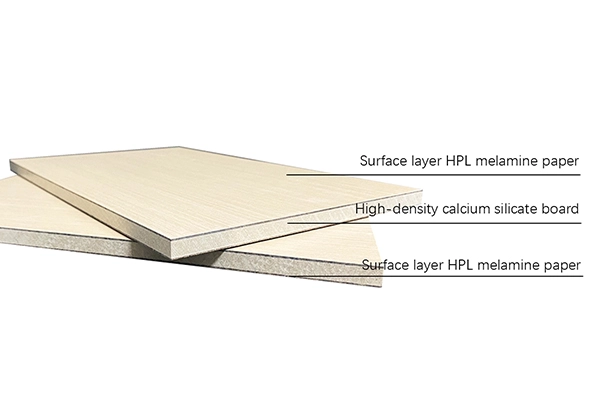
Once you consider what high-traffic buildings really need, the solution is obvious. A high-density composite panel consisting of calcium silicate board with HPL laminated on both surfaces is called an HPL fireproof board. Class A fire-resistant, 99.99% antibacterial rate, impact, moisture, and everyday use resistant, no degradation. Designed for procurement managers specifying materials for use in hospitals, airports, schools, or commercial corridors, this panel hits all the right notes: safety compliance, hygiene, durability, and design flexibility.
Understanding HPL Fireproof Board: Properties and Performance
What Makes the Panel Construction Reliable
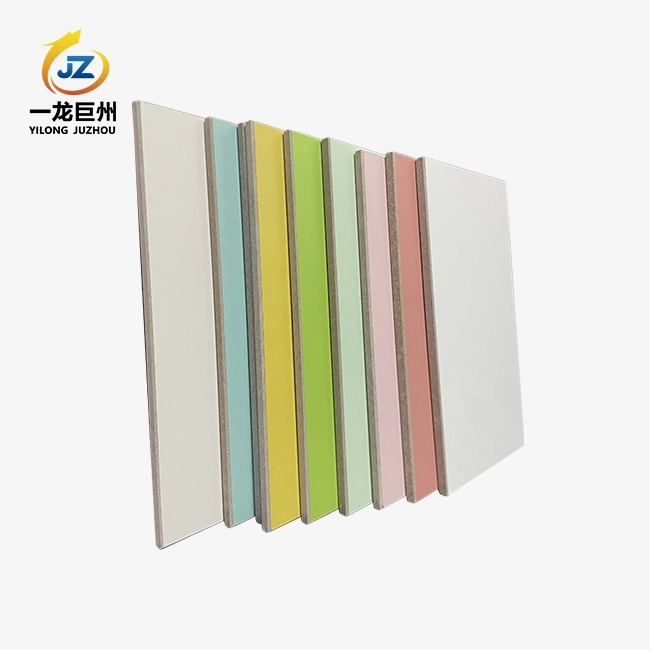
The panel has a core of calcium silicate, with HPL layers on both sides. The sandwich design of the HPL fireproof board provides dimensional stability, and the HPL skin makes the surface robust, chemical-resistant, and fire-resistant. The UV-cured surface film forms a thick non-porous barrier that contains no benzene or volatile chemical compounds. This means the space may be used safely immediately after installation, which is highly useful for rapid fit-out schedules.
Fire and Safety Ratings That Matter
The material is approved as a Class A fire safety material, as defined by ASTM E84 and EN 13501-1, the standards utilised by building code officials throughout the US. The International Building Code (IBC) mandates that corridors, lobbies, and escape paths be rated with a flame-spread index of less than 25 and a smoke-developed rating of less than 450. You get these levels at a Class A grade. The panel slows down the rate of flame spread and reduces the toxicity of smoke, and so reduces the risk to occupants during evacuation. This directly affects the level of commercial property insured.
Comparing HPL Fireproof Board with Alternative Wall Materials
Architects and buying teams usually compare HPL fireproof boards to gypsum board, cement board, and fire-resistant plywood when they look at wall systems. Each material has a purpose, but the gaps in performance become clear when they are used in busy public places.
Here's how the materials stack up against the most important factors for selecting materials:
- Gypsum board is pretty fireproof, but it breaks easily when it hits something. In hospitals, luggage carts, trolleys, and wheelchairs often hit gypsum surfaces, which leads to multiple repairs that cost more over the life of the building. When HPL fireproof boards are hit, they don't break, which protects the material behind them.
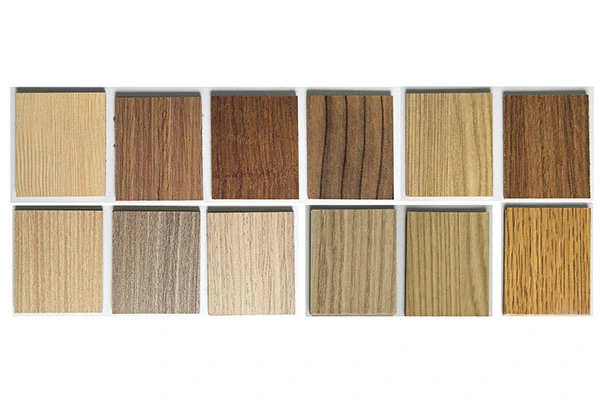
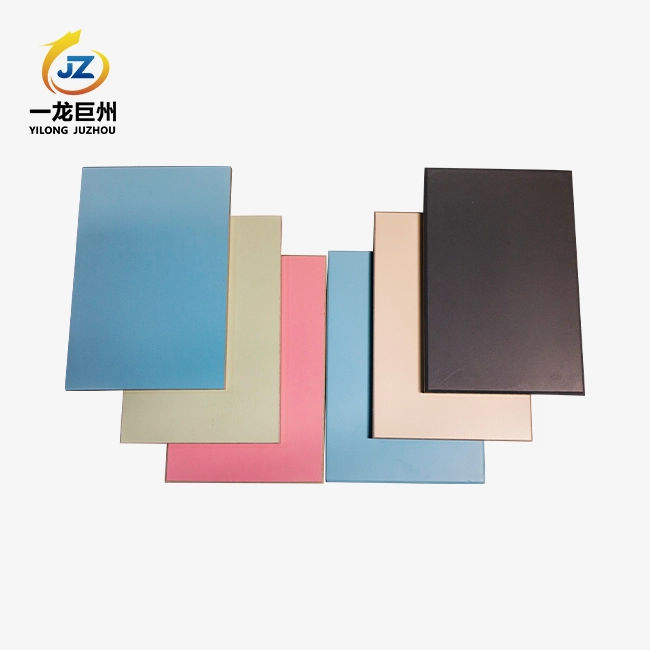
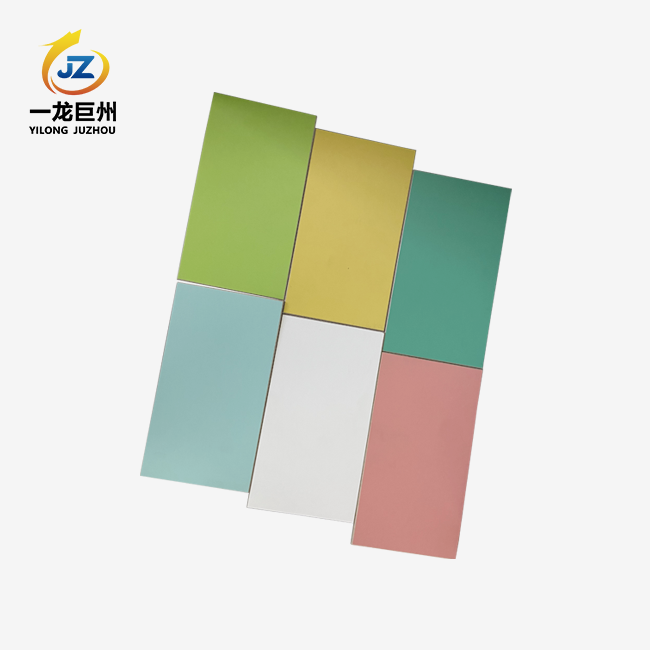
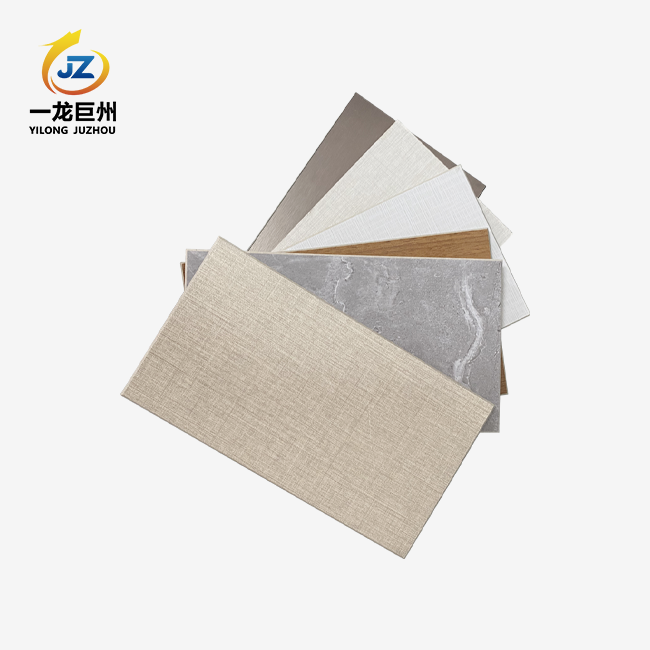
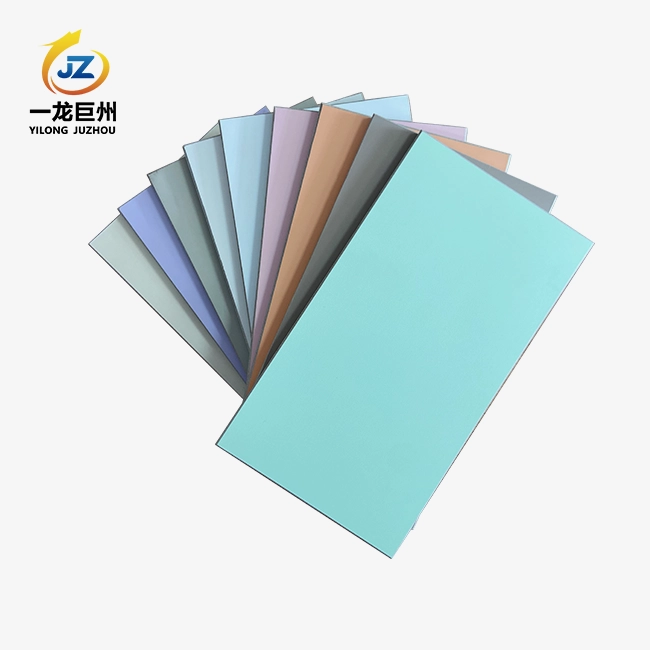
- Cement board is thick and doesn't absorb water, but its weight adds to the load on the structure, and its surface doesn't look good without extra finishing. HPL fireproof boards are much lighter and come in solid colors, wood grain, marble, metallic, and cloth designs that are already finished at the plant. This means that you don't have to do any extra surface processes on-site.
- Fire-retardant plywood has adhesives that can give off volatile organic compounds (VOCs) over time. On the other hand, HPL fireproof boards meet strict standards for indoor air quality and have references from the China Environmental Protection Standard, ISO, and CE. This difference is important for healthcare bids that need proof of environmental compliance.
These are not small changes. HPL fireproof board has measurable lifecycle savings that cover its initial unit cost over a ten-year operational cycle. These savings come from fewer repairs, less cleaning labor, and less painting. This is something that sophisticated procurement teams in commercial real estate and public infrastructure regularly consider when making specification decisions.
Application and Installation in High-Traffic Environments
Where This Panel System Performs Best
A lot of places with a lot of foot traffic use the HPL fireproof board, like hospital hallways and clean rooms, school and kindergarten classrooms, subway station walls, airport terminals, hotel lobbies, shopping malls, office building interiors, and common areas in apartments. Standard panel sizes are 1220 mm wide, 2440 mm long, and can go up to 3050 mm in height. These sizes allow for full-height wall installations without horizontal gaps that collect dirt and germs.
Installation Method and Time Savings
The quick pressure-strip installation method is made to order at the workshop, so the panels come already cut to the right size and can be slotted into place without any sticky residue or long drying times. This wall system can be put up directly on a bare shell, which saves several steps of work. That operational efficiency means that tight delivery schedules for phased construction projects can really be sped up.
Thickness Selection by Application
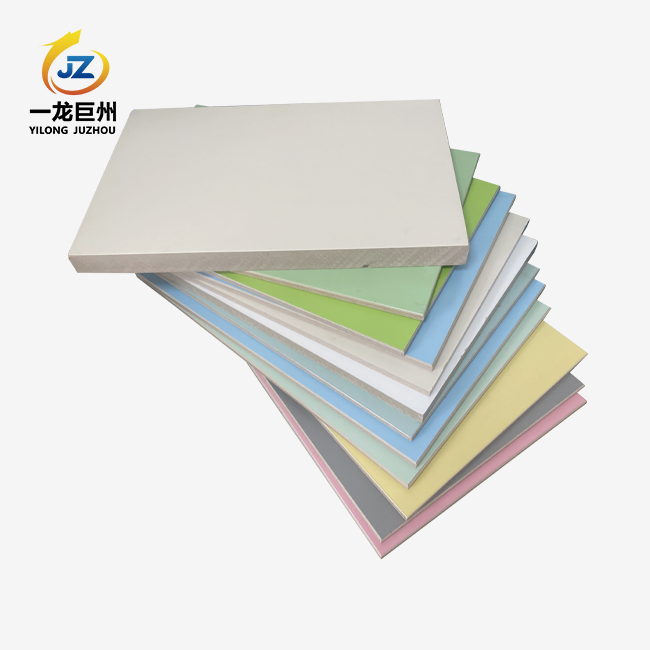
Thicknesses of HPL wall panels range from 4.5 mm to 15 mm (4.5 mm, 5 mm, 5.5 mm, 6 mm, 8 mm, 10 mm, 12 mm, 14 mm, and 15 mm), so specifiers can match panel weight to structural loading needs. Thinner profiles work well for feature walls and partitions, while heavy gauges are better for hallway linings and surfaces that will be touched by machines.
Procurement Insights: Sourcing HPL Panels for Large-Scale Projects
When buying HPL fireproof boards in bulk for big buildings, there are some practical issues that need to be thought through. There are four things that make up a reliable supply relationship: lead time, stock availability, the ability to customize, and certification documentation.
YILONG JUZHOU has production bases in both Xianyang, Shaanxi Province, and Foshan, Guangdong Province. Having two bases lets them run production runs at the same time and lowers the risk of a single point of supply. The amount of stock on hand is 50,000 m², and the usual time for production is 3 to 7 days for confirmed orders. Exports go through the seaports of Shenzhen, Guangzhou, Shanghai, and Qingdao. On land, Xi'an, Guangzhou, Shenzhen, and Foshan are hubs for transport, making them useful for international distributors who serve Asia, the Middle East, Africa, and the Americas.
The company can handle OEM and ODM requests for custom sizes, patterns on the surface, and branding needs. Sample orders are processed for free within 3 to 5 days, so buying teams and builders can check the finish, color accuracy, and rigidity of the panels before committing to a large order. Every order comes with a three-year quality guarantee, and expert support is available to help with writing specifications and setting up the product.
Advantages of HPL Fireproof Board in High-Traffic Buildings: Long-Term Value and Performance
It's not a single property that makes this material group the best choice; it's the convergence of qualities that usually need different product solutions.
For B2B buyers who are selecting for tough conditions, these are the main performance benefits that matter:
- Class A fire resistance meets the strictest business building code standards and doesn't need any extra fire-barrier treatments behind the panel.
- 99.99% antibacterial rate helps keep healthcare and food-processing facilities free of infections, and it meets the cleanliness standards that government agencies check when they award contracts.
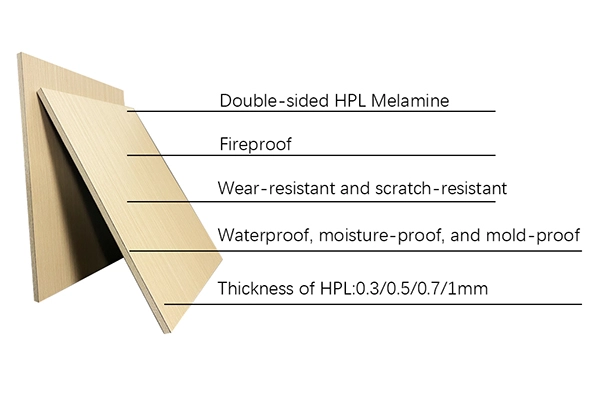
- Waterproof, moisture-proof, and mildew-resistant construction allows the HPL fireproof board to be used in places like kitchens, bathrooms, caves, pharmaceutical companies, and food processing plants where other wall systems break down quickly.
- Impact resistance keeps walls in lobbies, corridors, and service areas from cracking and denting if they are subject to mechanical contact. This cuts down on maintenance calls.
- Zero benzene emissions and a UV-cured surface meet standards for indoor air quality and support green building certifications, which are becoming more important in US and foreign bid scoring.
- Colorfast UV-coated surface keeps its look over years of use, so you don't have to worry about painting drywall in high-traffic areas and having to patch and repaint it all the time.
These benefits build up over the life of a building. If a facility manager picks a panel with this performance profile, they will avoid the costly replacements, ongoing surface repairs, and hygiene compliance failures that come with them. This makes the initial design choice an economically sound one, not just a safety-driven one.
Conclusion
Wall systems in buildings with heavy foot traffic are under continuous mechanical, chemical, and regulatory stress. Fire testing requirements, antibacterial standards, impact resistance statistics, and ease of installation all lead to the same conclusion: fire-rated HPL fireproof boards are one of the best interior wall choices for healthcare, industrial, public, and commercial projects. They are an excellent alternative for procurement experts who want to satisfy both safety authorities and end-user working teams, since they have good performance in Class A fires, are clean, have a wide design range, and a long life.
FAQ
Q1: Is HPL fireproof board truly non-combustible?
No material description should be mixed up with stone or concrete that can't catch fire. The right term for HPL fireproof board is "fire-retardant." The panel gets its Class A grade by slowing the spread of flames, limiting the release of heat, and lowering the toxic effects of smoke. It's not easy to light and doesn't drip burning stuff, but it's not a mineral slab; it's a composite panel.
Q2: What thicknesses are available, and how do I choose?
There are panels that are 4.5 mm, 5, 5.5 mm, 6, 8, 10, 12, 14, and 15 mm thick. If you want to cover walls or make partitions, lighter gauges work well. For walls in hallways, elevator lobbies, and other areas that will be directly exposed to mechanical forces, heavier gauges are required.
Q3: Can the surface finish be customized?
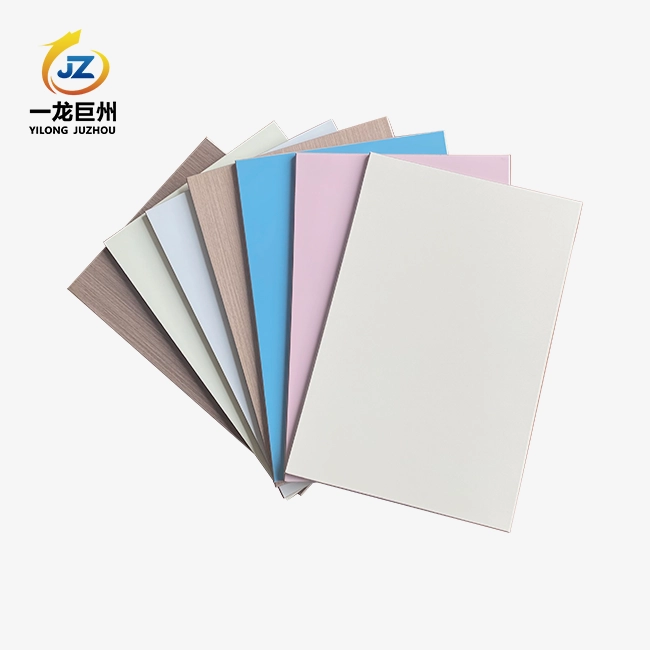
Yes. You can get the panel in solid colors, wood grain patterns, marble patterns, metallic patterns, and cloth patterns. OEM and ODM production runs can match colors to projects exactly, make products to specific sizes, and add custom surface patterns.
Q4: How long does delivery take for international orders?
It usually takes 3 to 7 days to make something. With a stock of 50,000 m², normal specs can be sent out right away. Requests for samples are sent out within 3 to 5 days.
Partner with YILONG JUZHOU — Trusted HPL Fireproof Board Manufacturer
YILONG JUZHOU has two production bases in Shaanxi and Guangdong where they make HPL fireproof board. They keep 50,000 m² of these panels in stock and promise to respond within 24 hours. Our team offers free samples, OEM/ODM services, and a three-year quality guarantee, no matter if you are putting in a bid for a hospital tender, a hotel renovation, or a big business fit-out. You can email us at cnyang2000114@gmail.com to get samples or talk about the needs of your project.
References
1. NEMA. NEMA LD 3: High-Pressure Decorative Laminates (HPDL). National Electrical Manufacturers Association, 2020.
2. ASTM International. ASTM E84: Standard Test Method for Surface Burning Characteristics of Building Materials. ASTM International, 2021.
3. European Committee for Standardization. EN 13501-1: Fire Classification of Construction Products and Building Elements. CEN, 2018.
4. International Code Council. International Building Code (IBC): Interior Finish Requirements, Chapter 8. ICC, 2021.
5. ISO. ISO 4586: High-Pressure Decorative Laminates — Sheets Based on Thermosetting Resins. International Organization for Standardization, 2019.
6. U.S. Green Building Council. LEED v4.1: Indoor Environmental Quality — Low-Emitting Materials Credit. USGBC, 2022.

Send Inquiry

Related Industry Knowledge
- How Are Antibacterial Wall Panels Installed and Maintained?
- Painting Aluminum Composite Panel: A Step-by-Step Guide
- melamine fireproof board Applications in Furniture Manufacturing
- Is Calcium Silicate Fireproof Board Easy to Install?
- Are there any antibacterial indoor wall panels?
- Calcium Silicate Fireproof Board: The Future of Fireproof and Thermal Insulation
- melamine fireproof board in Commercial Interior Decoration Projects
- Inorganic pre-coated panels for Modern Architectural Applications
- A Buyer's Guide to Aluminum Composite Material (ACM)
- Calcium Silicate Aluminum Composite Board vs Traditional ACP Panels: Key Differences